Idiazabal - Ayuntamiento 3
Zarateman · CC0
País Vasco · Atlantic Strength

Idiazabal

The shepherd's whistle cuts through morning fog at 6:47 am. Forty-seven Latxa sheep pause their hillside grazing, turn as one unit, and begin their...

2,217 inhabitants · INE 2025
210m Altitude

Why Visit

Mountain Historic quarter Hiking

Best Time to Visit

summer

Things to See & Do
in Idiazabal

Heritage

  • Historic quarter
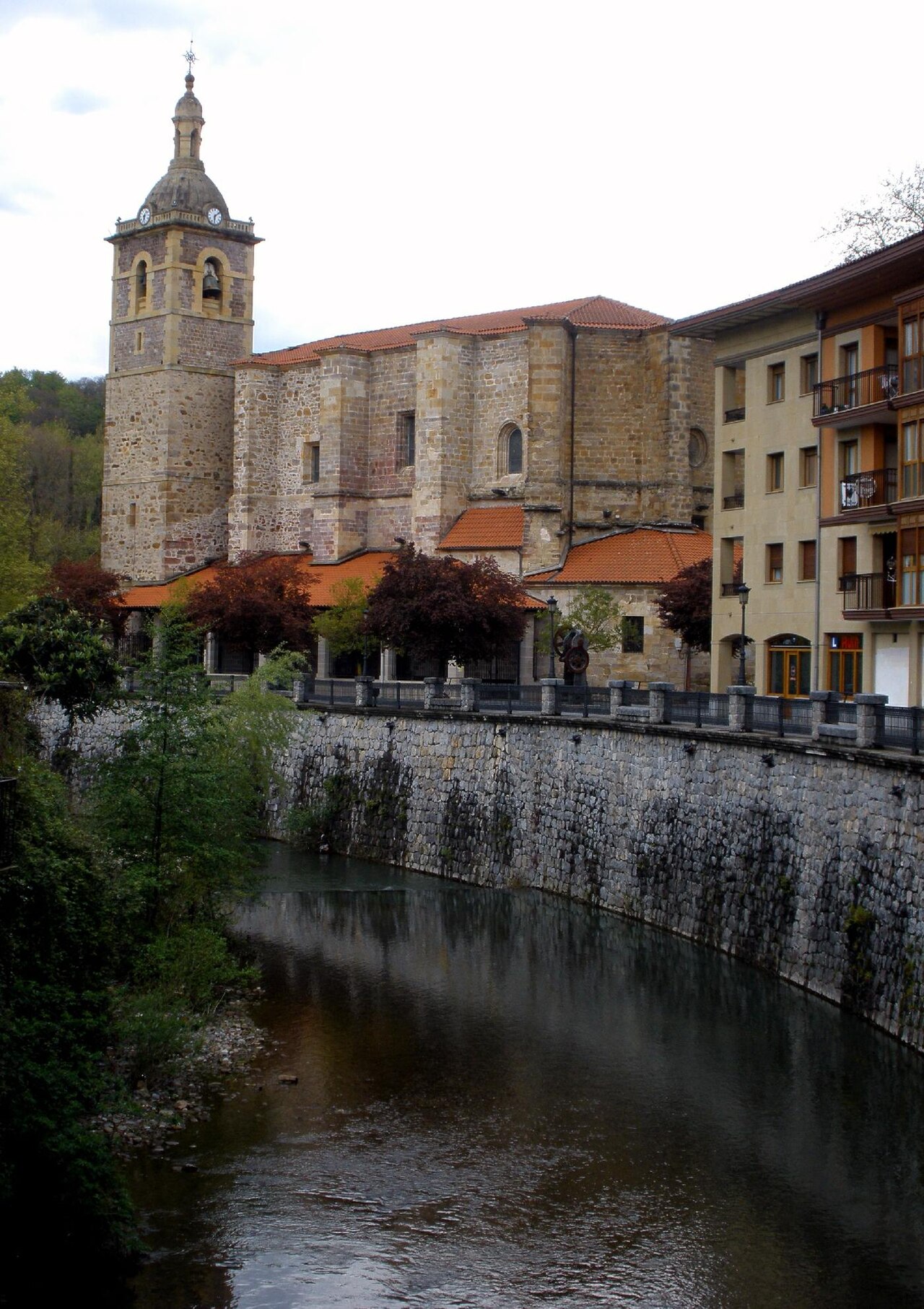
  • parish church
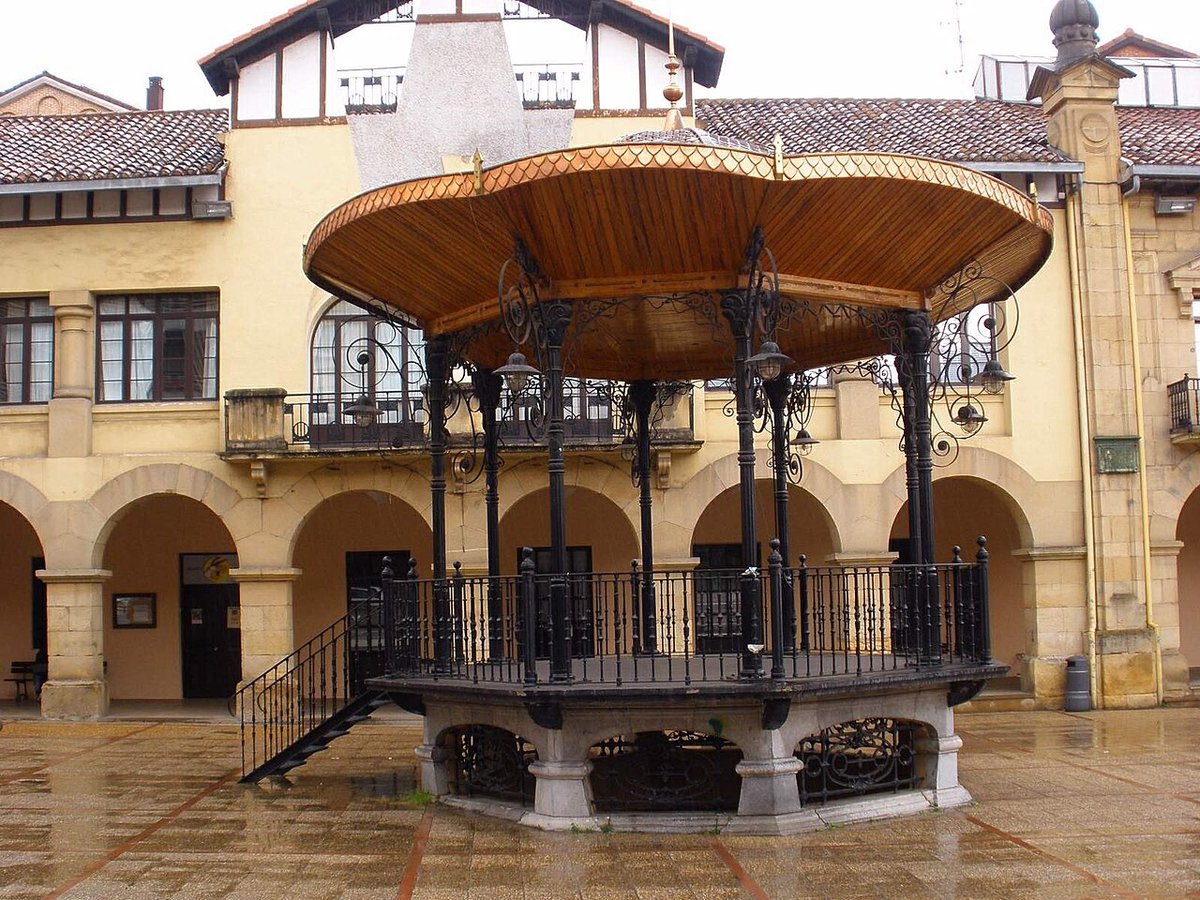
  • main square

Activities

  • Hiking
  • mountain biking
  • viewpoints
  • local food

Full Article
about Idiazabal

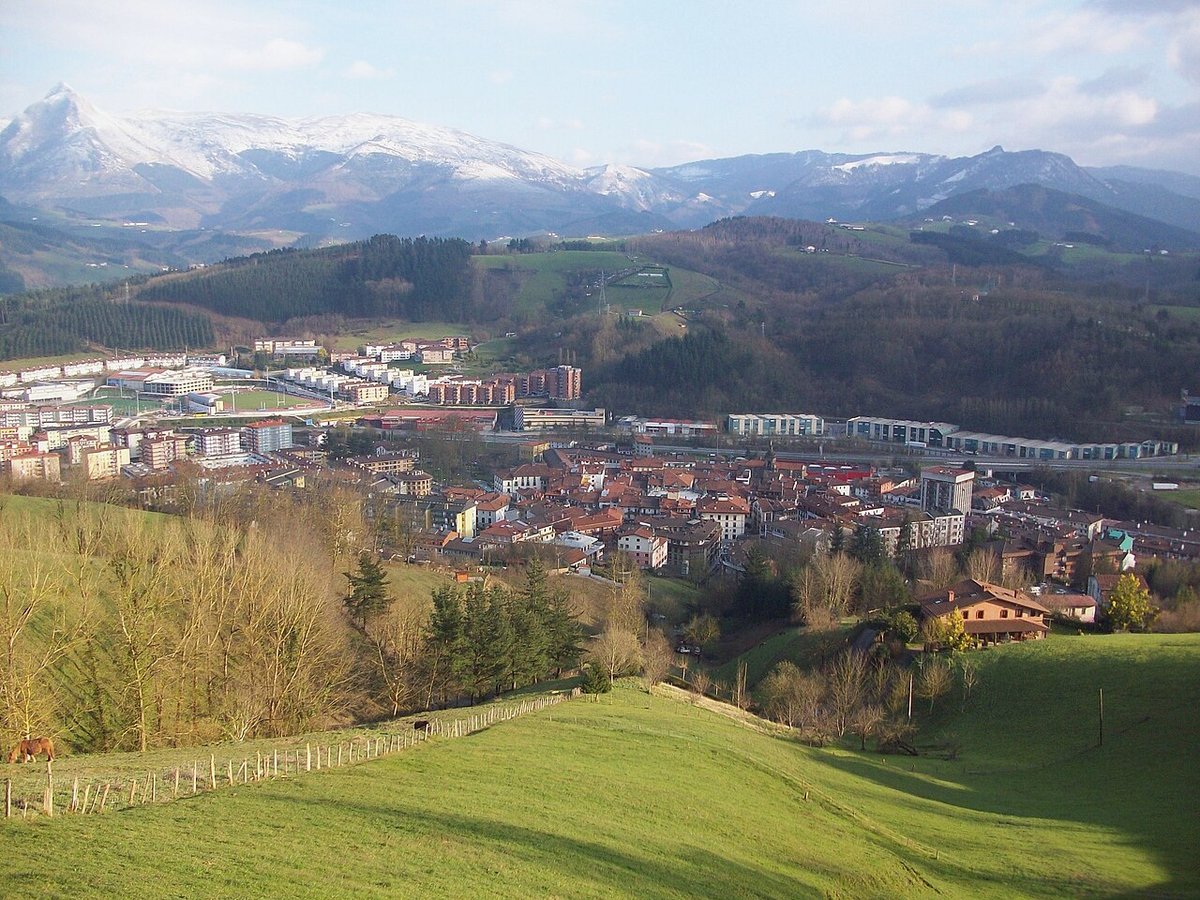
Deep green, farmhouses, nearby mountains with trails and viewpoints.

Ocultar artículo Leer artículo completo

The shepherd's whistle cuts through morning fog at 6:47 am. Forty-seven Latxa sheep pause their hillside grazing, turn as one unit, and begin their descent toward the dairy. This isn't performance for tourists—it's Tuesday milking, and the cheese maker is already heating yesterday's evening collection. In Idiazabal, the sheep arrive before visitors do.

The Village That Works

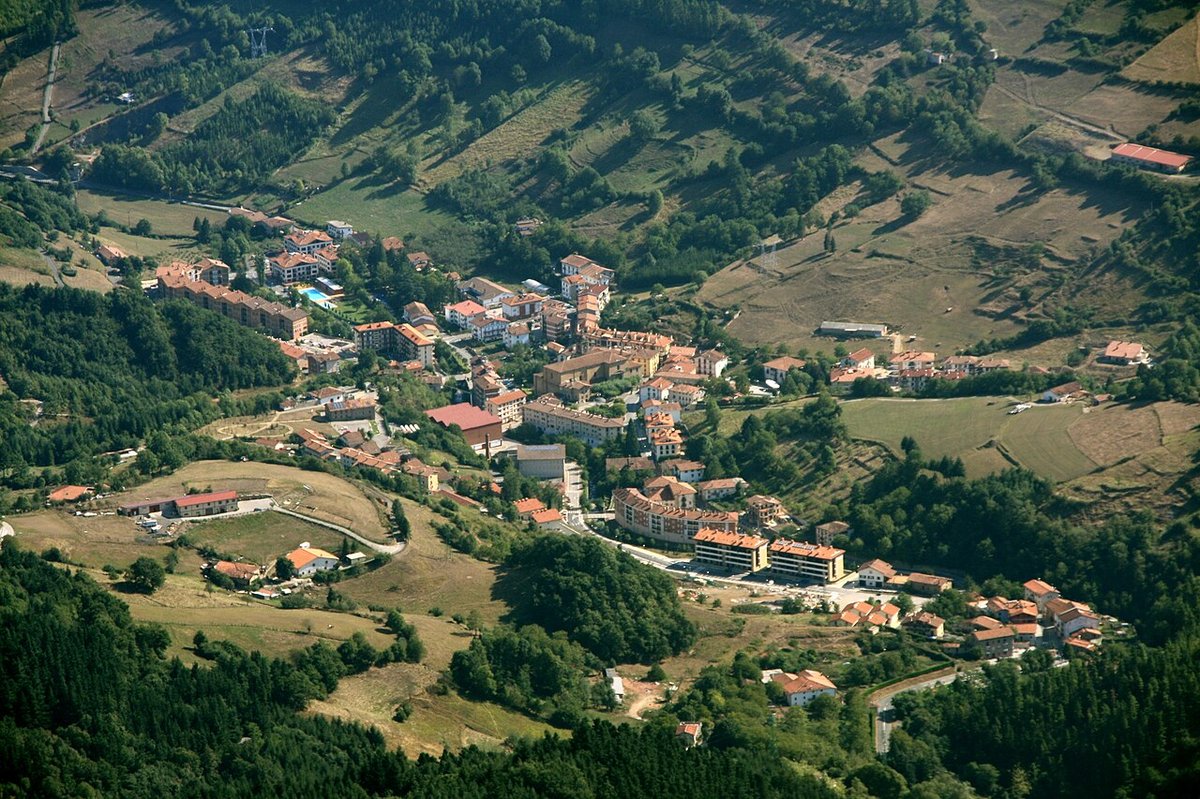
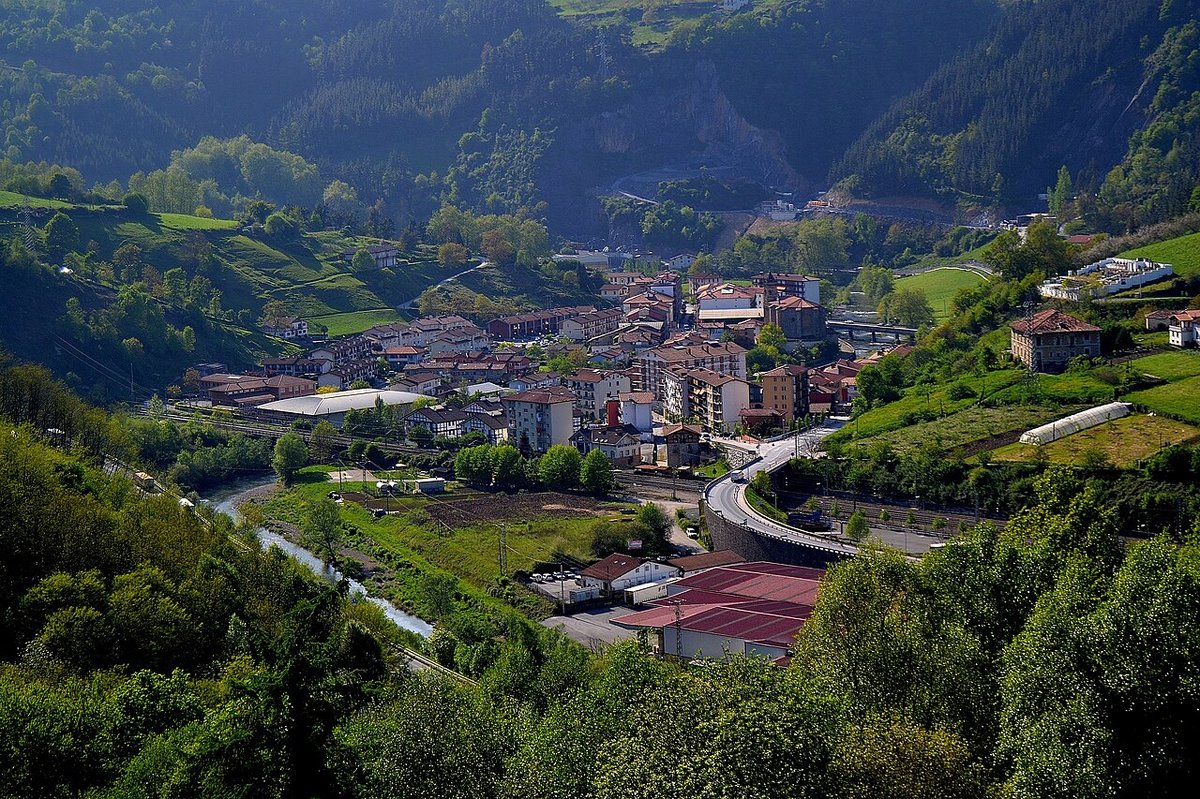
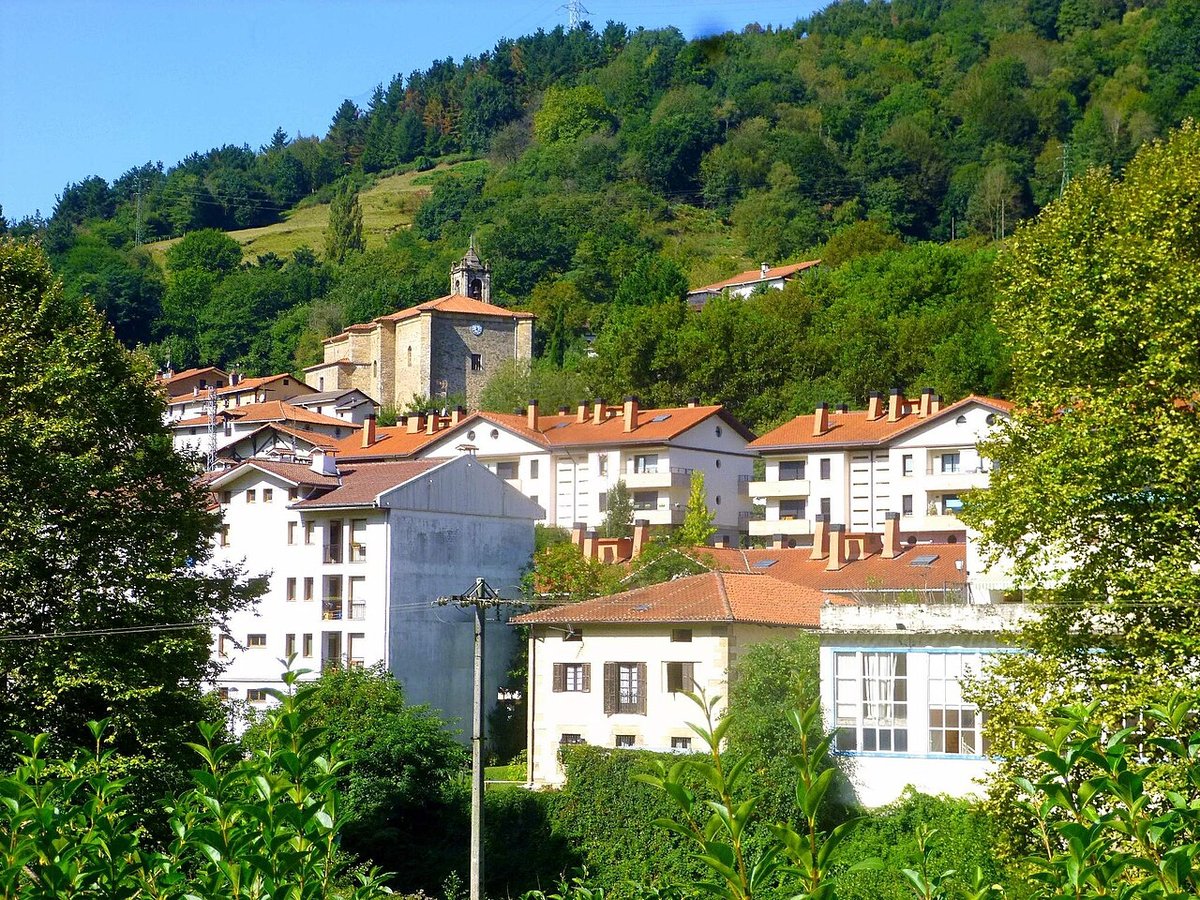
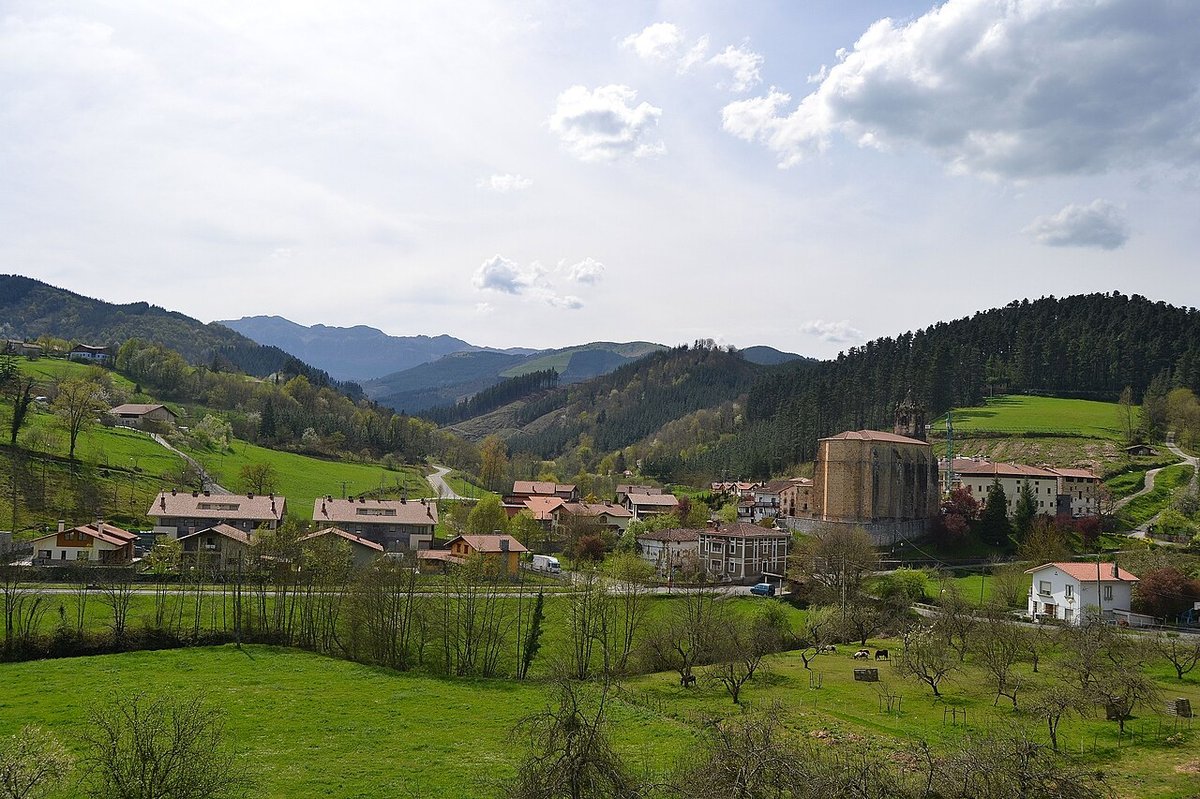
Idiazabal sits where Goierri's rolling meadows meet proper mountain terrain, 280 metres above sea level but feeling higher when Atlantic weather rolls in. The municipality spreads across 30 square kilometres of pasture and beech forest, yet the actual village centre compresses into three streets and a square. You can walk from one end to the other in four minutes, assuming you don't stop to read the church noticeboard or get trapped behind a tractor delivering feed.

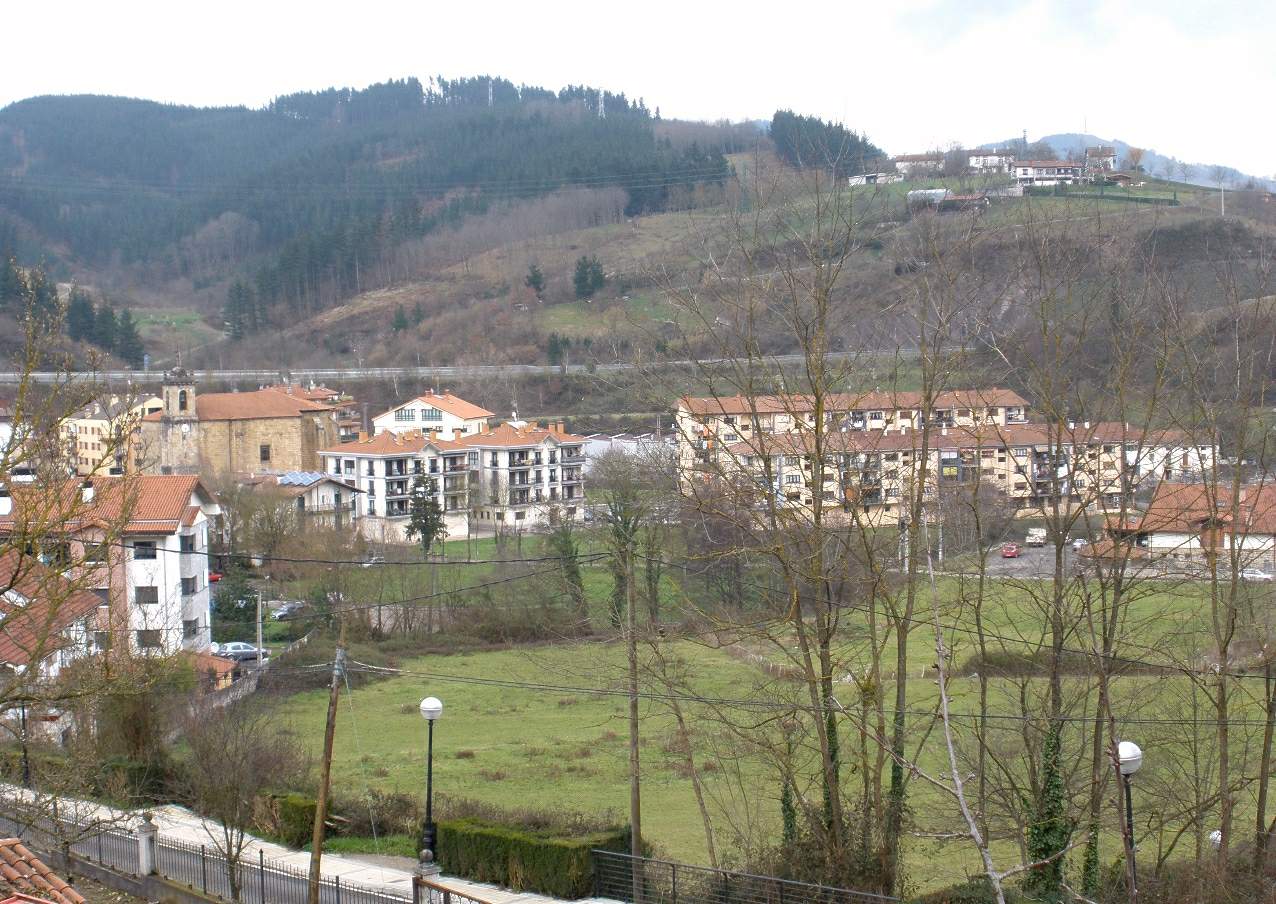
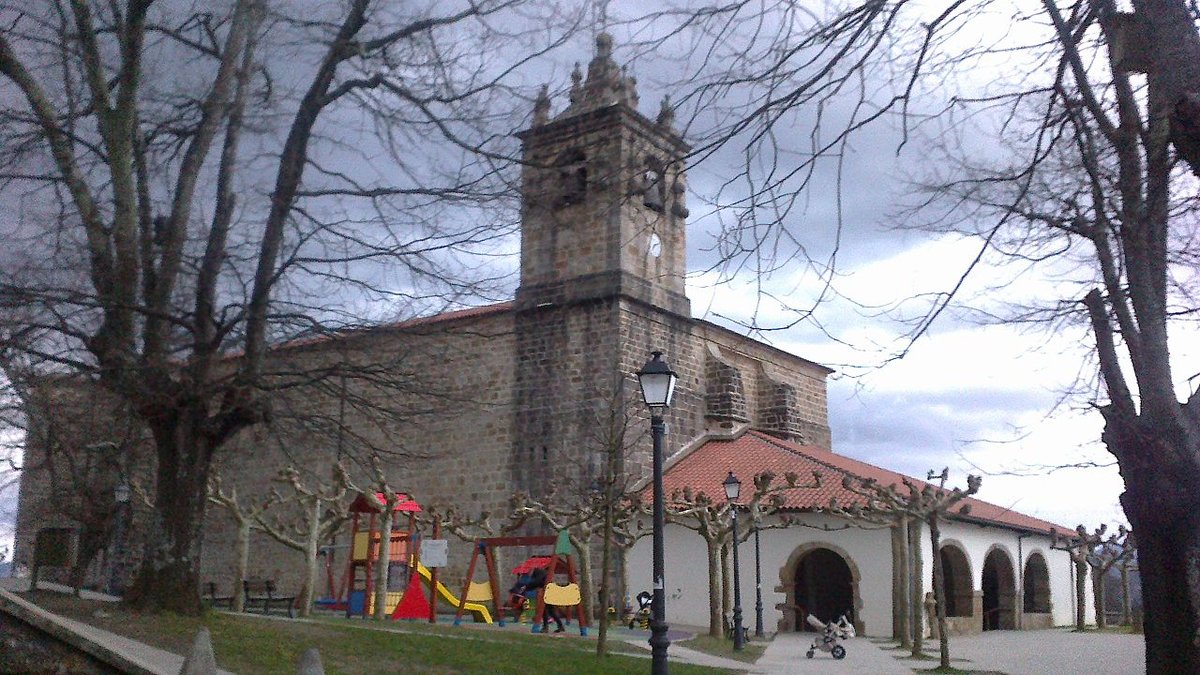
San Martín de Tours church anchors the middle, its 16th-century stone weathered to a colour somewhere between local cheese and storm clouds. Around it spreads functional Basque architecture: stone farmhouses with wooden balconies, most still working buildings rather than holiday lets. The difference matters here. When smoke rises from a chimney at midday, someone's rendering lard or heating milk, not creating atmosphere for Instagram.

The cheese connection runs deeper than branding. Idiazabal's denomination covers cheese made from raw Latxa sheep's milk across the Basque Country and Navarre, but this village gives the name its origin. Local dairies produce roughly 200 tonnes annually—significant for a population of 2,200. The maths works out to approximately 90 kilos per resident, though locals claim they eat barely half that. The rest travels to San Sebastián restaurants, Madrid delicatessens, and increasingly, British cheese counters where it retails for £28 per kilo.

When The Sheep Move House

Early May transforms the village into something approaching theatre. Shepherds begin the aldapa—moving flocks to higher summer pastures in the Aralar massif. The sheep understand the routine better than most visitors; they've been making this journey for longer than Spain has existed. Traffic stops automatically when 300 animals flow down Calle Mayor, hooves clattering on tarmac while dogs circle like furry sheepdog trial champions.

Photographers arrive at dawn for this, tripods lined along the cattle grid where village meets mountain track. The light's better, but more importantly, the shepherd's patience hasn't been exhausted by twenty questions in broken Spanish. By 8 am the flock has vanished uphill, leaving only droppings and the faint sound of bells echoing off beech trees. The village returns to normal: bakery opens, bar owner hoses down yesterday's dust, someone complains about the price of animal feed.

Timing matters for visitors. Those same sheep produce milk that becomes cheese aged minimum two months, meaning spring visitors taste winter milk—richer, fattier, more complex. Autumn travellers get summer milk cheese: lighter, slightly herbal from high-mountain grazing. The difference isn't subtle. Local bars serve both seasons side-by-side for comparison, though they'll only offer if asked directly. Assumptions about tourist preferences irritate here.

Walking It Off (The Cheese)

The village makes an unlikely base for serious hiking, but geography disagrees. Txindoki mountain—locally called the Basque Matterhorn—rises 15 kilometres south, its distinctive profile visible from the main square on clear days. The GR-121 long-distance path passes through Idiazabal, connecting to a network of rural tracks that range from gentle valley strolls to proper mountain routes requiring boots and respect.

Beech forests start practically at the village edge. Within twenty minutes' walk, tarmac gives way to dirt tracks where wild boar diggings appear overnight and red squirrels scold from overhead branches. The contrast surprises visitors expecting manicured walking paths. These are working rural routes: expect mud after rain, cow pats during movement season, and the occasional tractor coming the other way. Gates should be closed, dogs kept on leads, and no, that field isn't public footpath even if the map suggests otherwise.

Winter walking presents its own character. Snow falls infrequently but sticks when it arrives, turning gentle hills into something approaching Scottish borders terrain. The cheese tastes better cold—smoke flavours sharpen, texture firms up—and village bars fire up proper wood burners that make removing coats impossible. Summer brings different challenges: afternoon heat builds on south-facing slopes, water sources dry up higher in Aralar, and shade becomes more valuable than views.

Practicalities Without The Brochure

Getting here requires planning. Public transport from San Sebastián involves two buses and considerable patience—the service runs twice daily except Sundays when it doesn't run at all. Driving takes 35 minutes via the A-1 motorway, then smaller roads where sat-nav occasionally suggests turning into someone's driveway. Parking means the main square or designated areas near the sports centre; narrow medieval streets weren't designed for SUVs.

The cheese centre (Quesería Idiazabal) offers tours by appointment, conducted primarily in Spanish or Basque. English tours happen but need advance booking—email works better than phone, and allow several days for response. The demonstration covers milk coagulation, curd cutting, pressing and ageing, finishing with tasting of three varieties: young, semi-cured, and smoked. The smoked version divides opinion; some visitors detect bacon notes while others taste campfire. Both comparisons would horrify traditionalists.

Eating options remain limited to three bars and one restaurant, all serving variations on the same local ingredients. Expect ham, cheese, eggs, and vegetables that travelled less distance than most Londoners' daily commute. Prices run €12-15 for lunch menus—cheap by coastal Basque standards but reasonable for interior quality. Vegetarian options exist but require negotiation; this remains sheep country where "vegetarian" might still include ham stock.

Weather changes faster than British forecasts. Carry waterproof layers even on sunny mornings; Atlantic systems arrive over the mountains with minimal warning. Fog can drop visibility to twenty metres within minutes, making those walking tracks significantly less obvious. Local advice: if you can't see Txindoki, it's going to rain. If you can see Txindoki, it's going to rain soon.

The Honest Assessment

Idiazabal rewards specific interests and punishes vague expectations. Cheese enthusiasts gain insight impossible from supermarket purchases; walkers access serious mountain terrain from village-standard accommodation; photographers capture authentic rural life unfiltered by tourism departments. Those seeking picturesque plazas, boutique shopping, or evening entertainment should continue to San Sebastián.

The village works best as counterpoint to coastal Basque Country's increasingly polished tourism. Here, agriculture continues because it must, tradition survives through utility rather than preservation societies, and the famous cheese emerges from necessity rather than marketing strategy. Stay two hours and you'll see a village. Stay two days and you'll understand how Basque rural life functions when nobody's watching.

Pack light, bring cash, learn three Basque words (kaixo, eskerrik asko, agur), and accept that the sheep know more about this place than any guidebook. They've been making the decisions here for centuries—humans just follow along, carrying milk pails and hoping for decent weather.

Key Facts

Region
País Vasco
District
Goierri
INE Code
20043
Coast
No
Mountain
Yes
Season
summer

Livability & Services

Key data for living or remote work

2024
ConnectivityFiber + 5G
TransportTrain nearby
HealthcareHospital 10 km away
EducationHigh school & elementary
Housing~6€/m² rent · Affordable
Sources: INE, CNMC, Ministry of Health, AEMET

Official Data

Institutional records and open data (when available).

  • Monumento al Pastor
    bic Monumento ~0.1 km
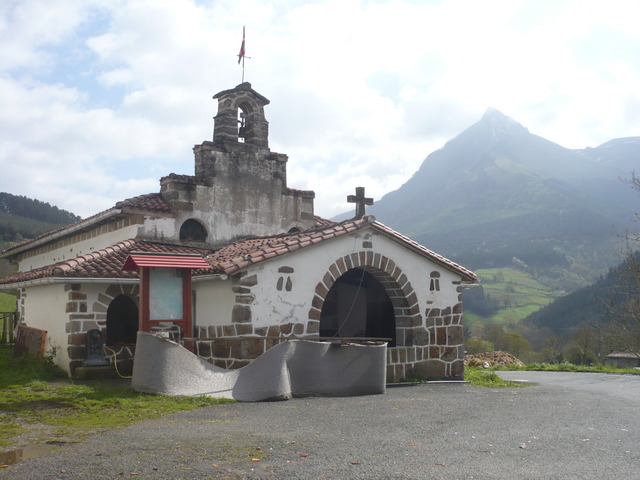
  • Ermita de Gurutzeta
    bic Monumento ~0.8 km
  • Iglesia del arcángel San Miguel
    bic Monumento ~0.2 km

Planning Your Visit?

Discover more villages in the Goierri.

View full region →

More villages in Goierri

Traveler Reviews