Full Article
about Itsasondo (Isasondo)
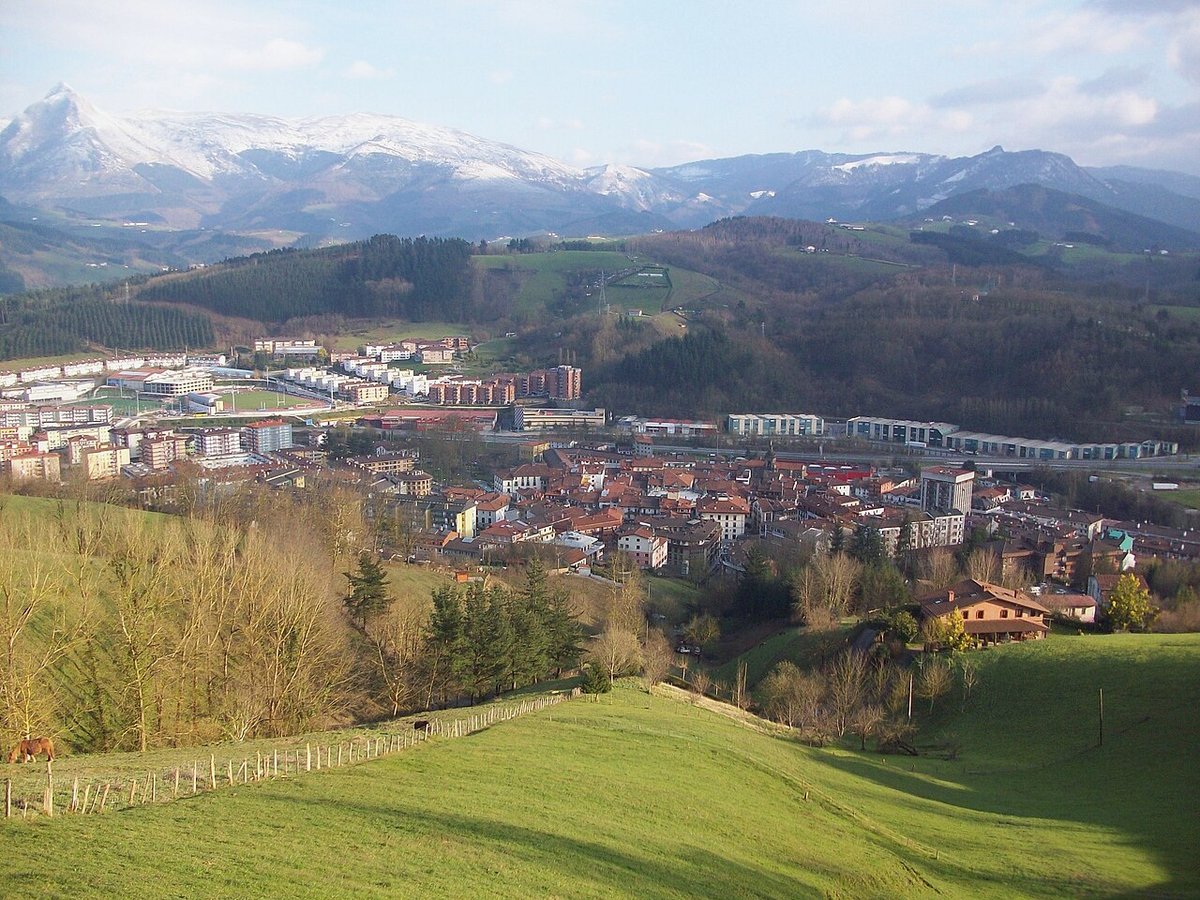
Deep green, farmhouses, nearby mountains with trails and lookouts.
Hide article Read full article
A village that keeps things simple
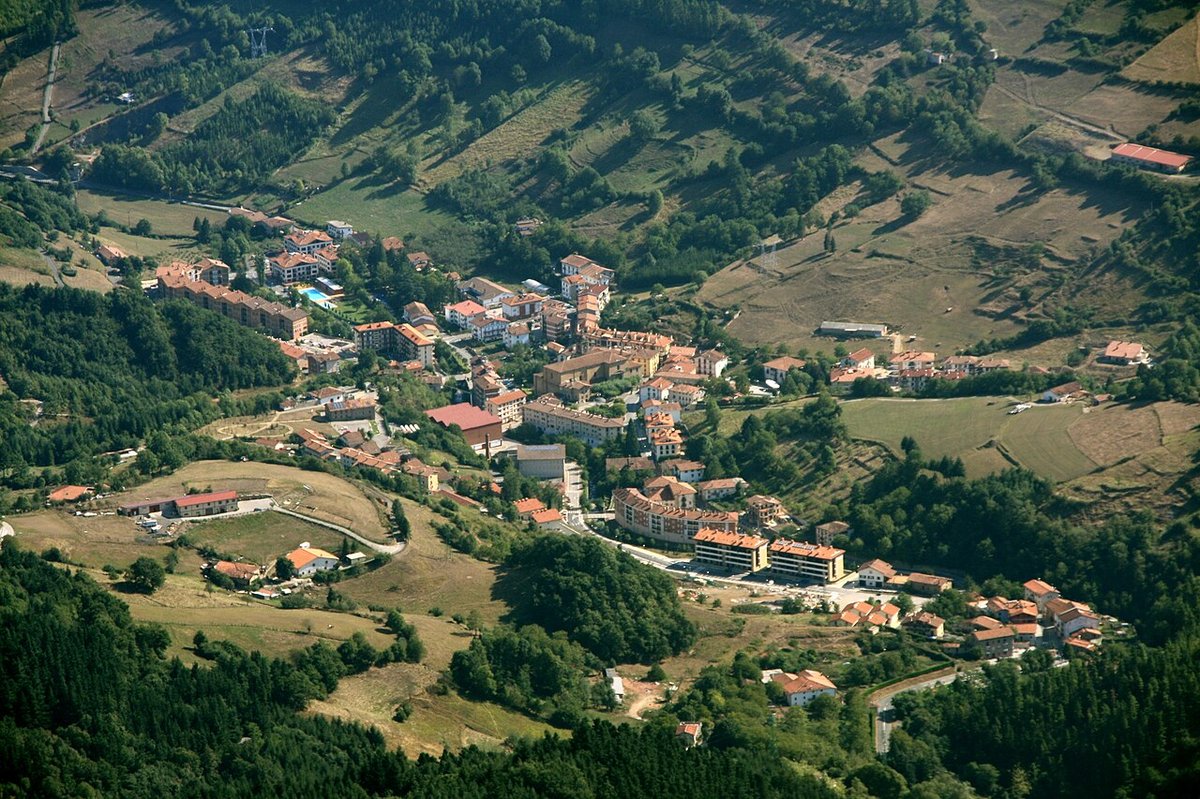
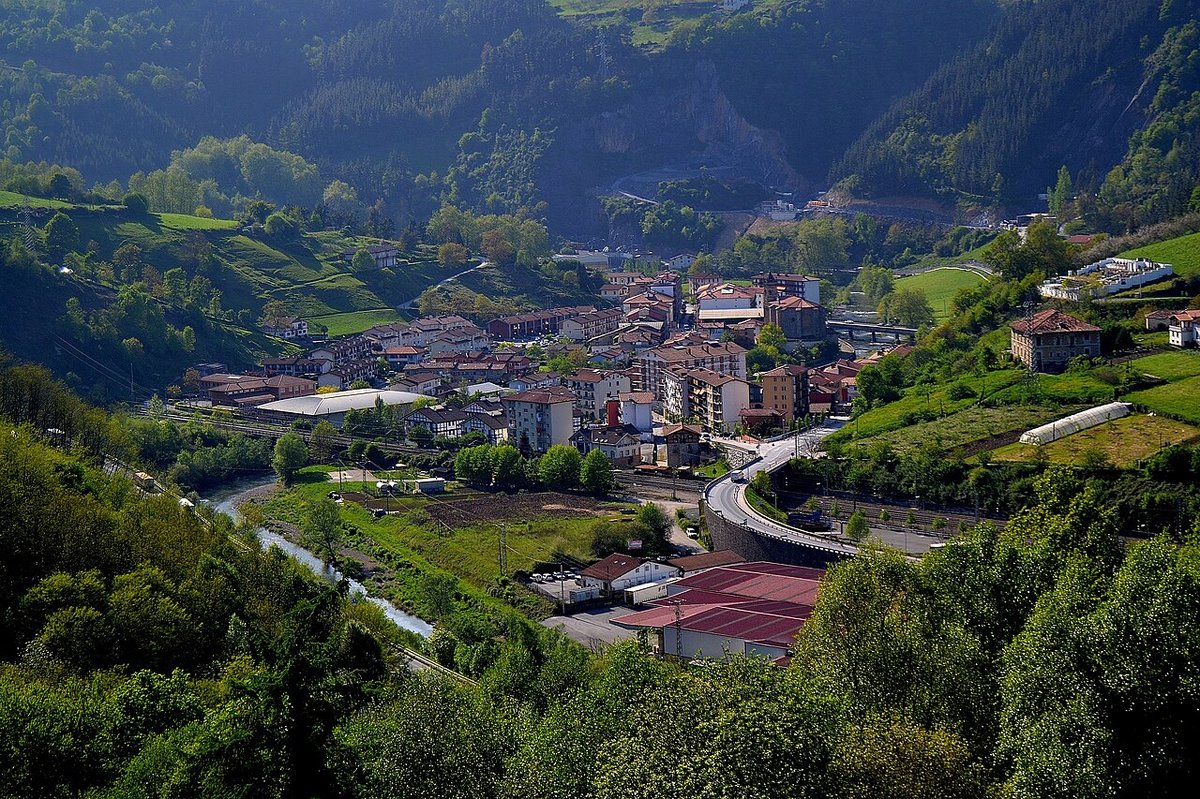
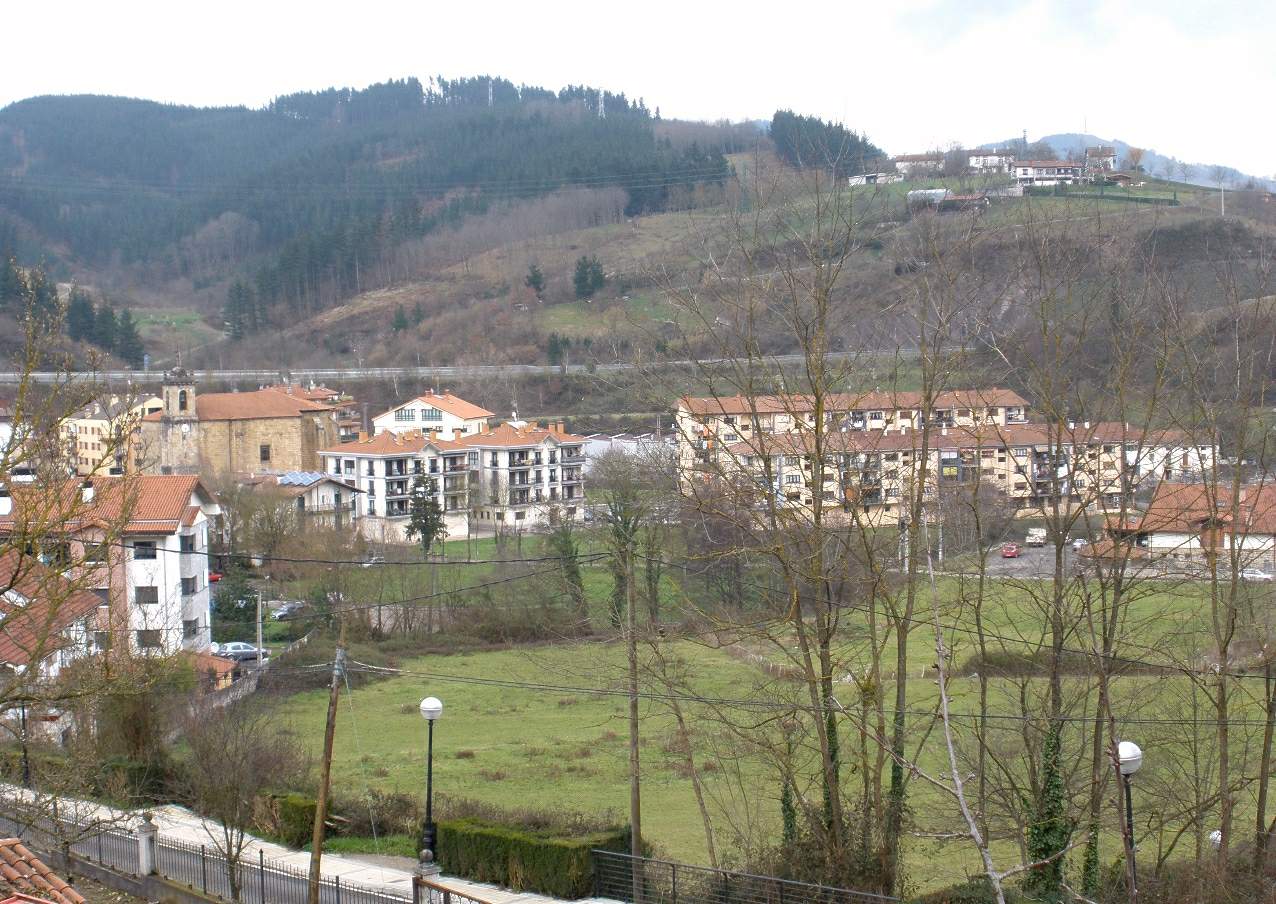
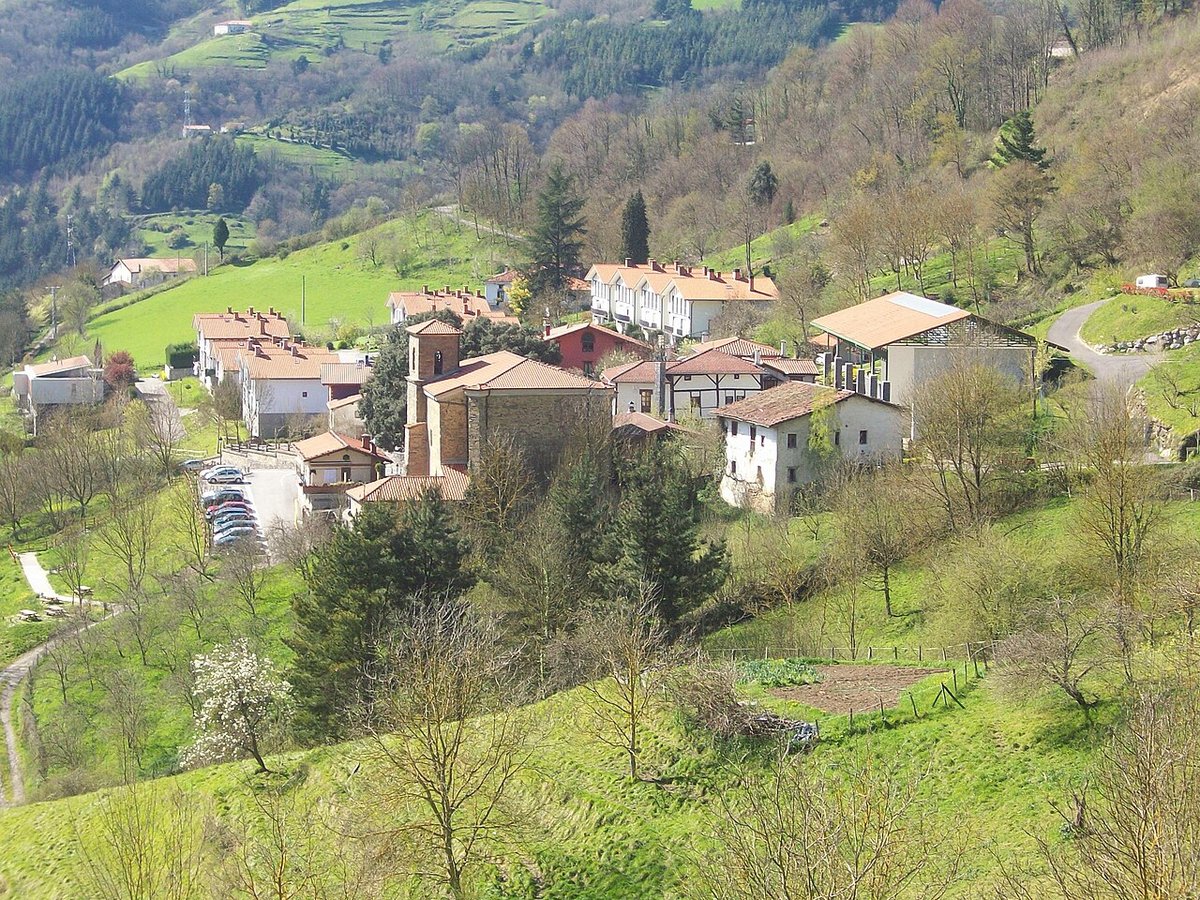
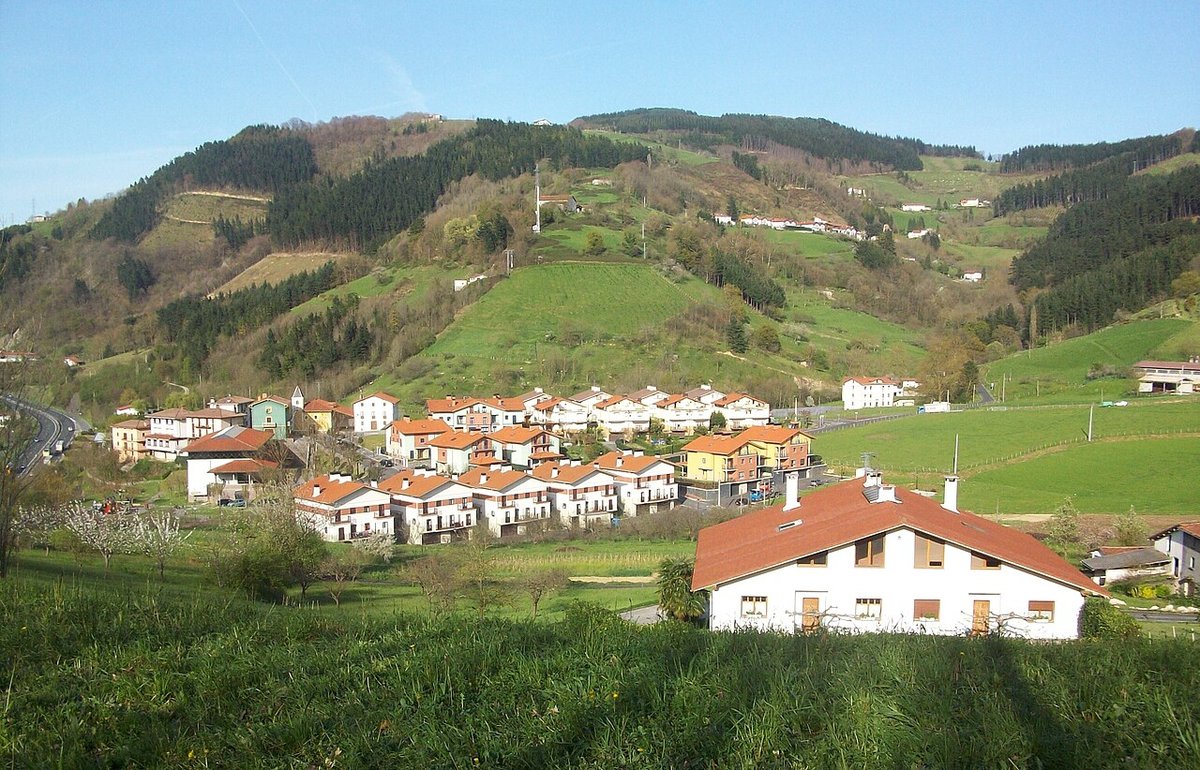
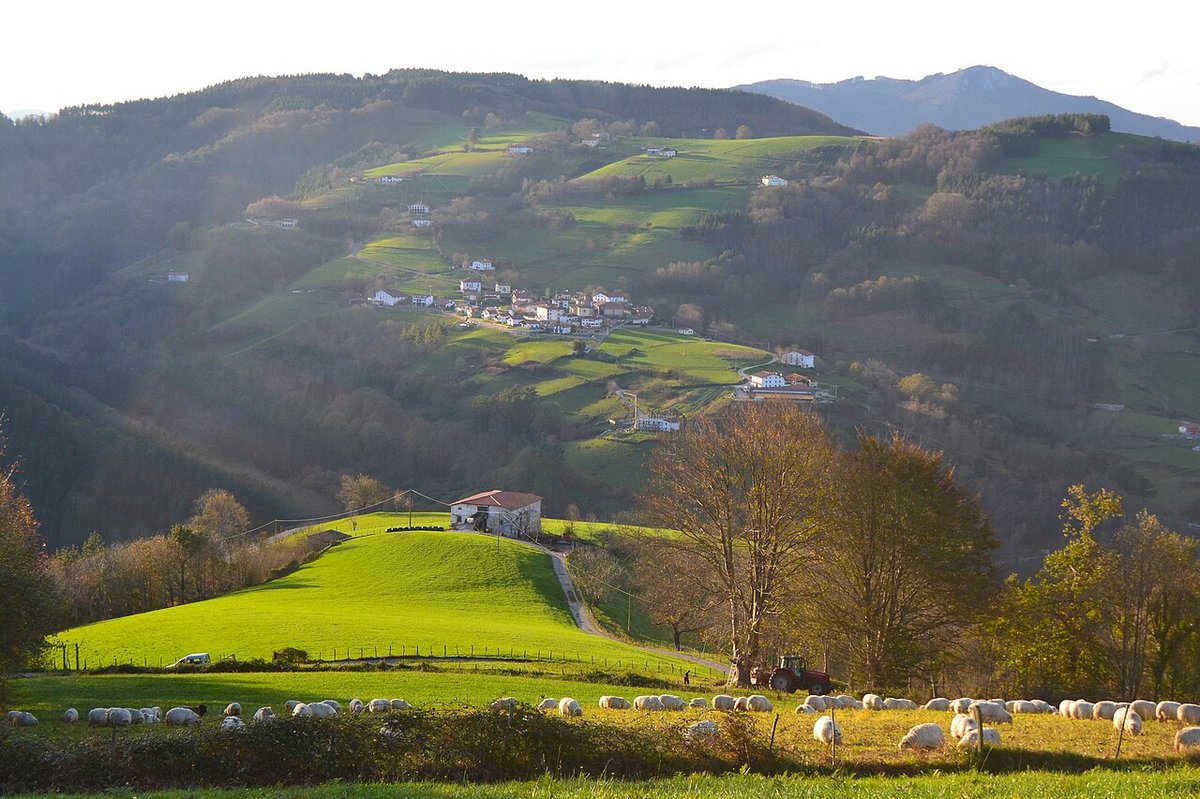
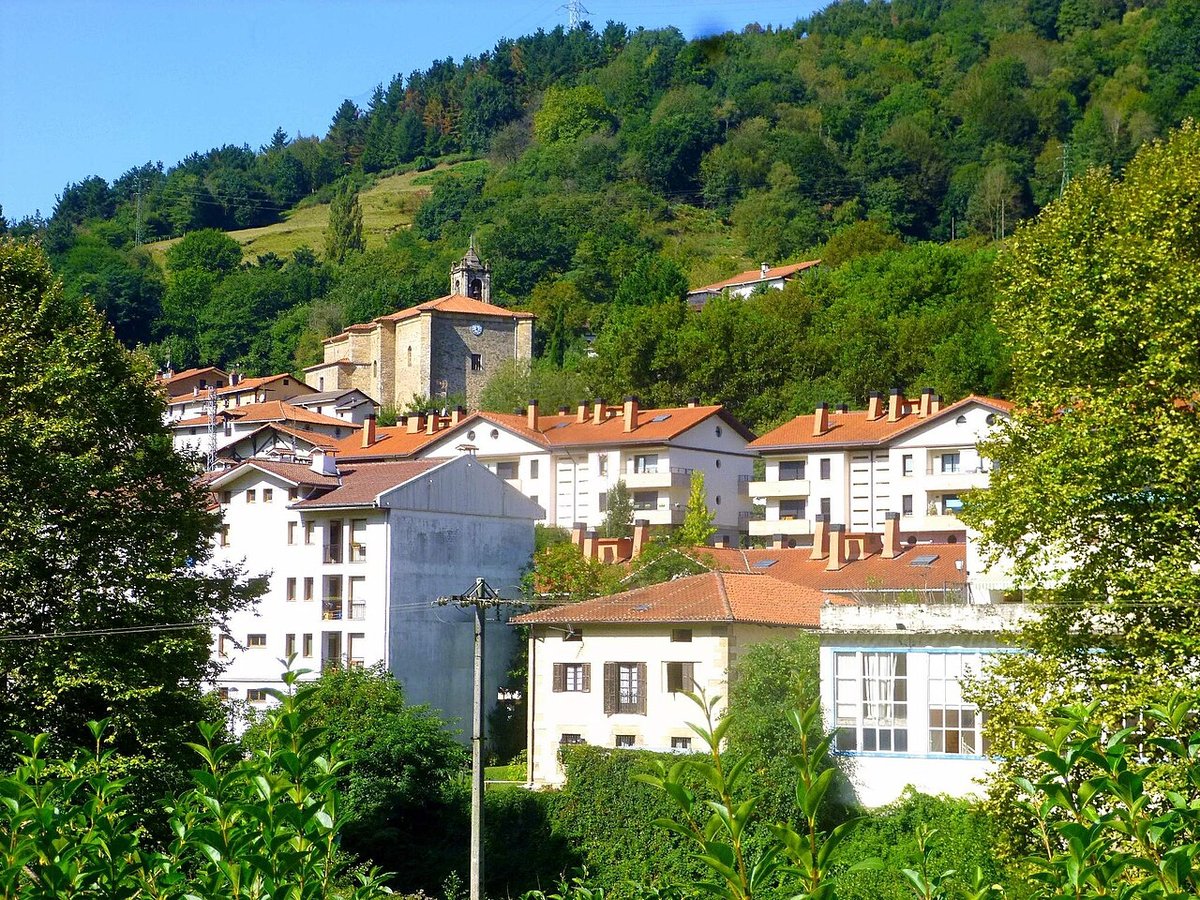
Thinking about Itsasondo feels a bit like stopping by a relative’s house in the countryside and realising everything moves at a different pace. Nothing here is arranged to impress visitors. The village is small, with fewer than seven hundred residents, and its appearance is quite restrained: stone farmhouses, very green fields and paths that cross between vegetable plots and fenced grazing land.
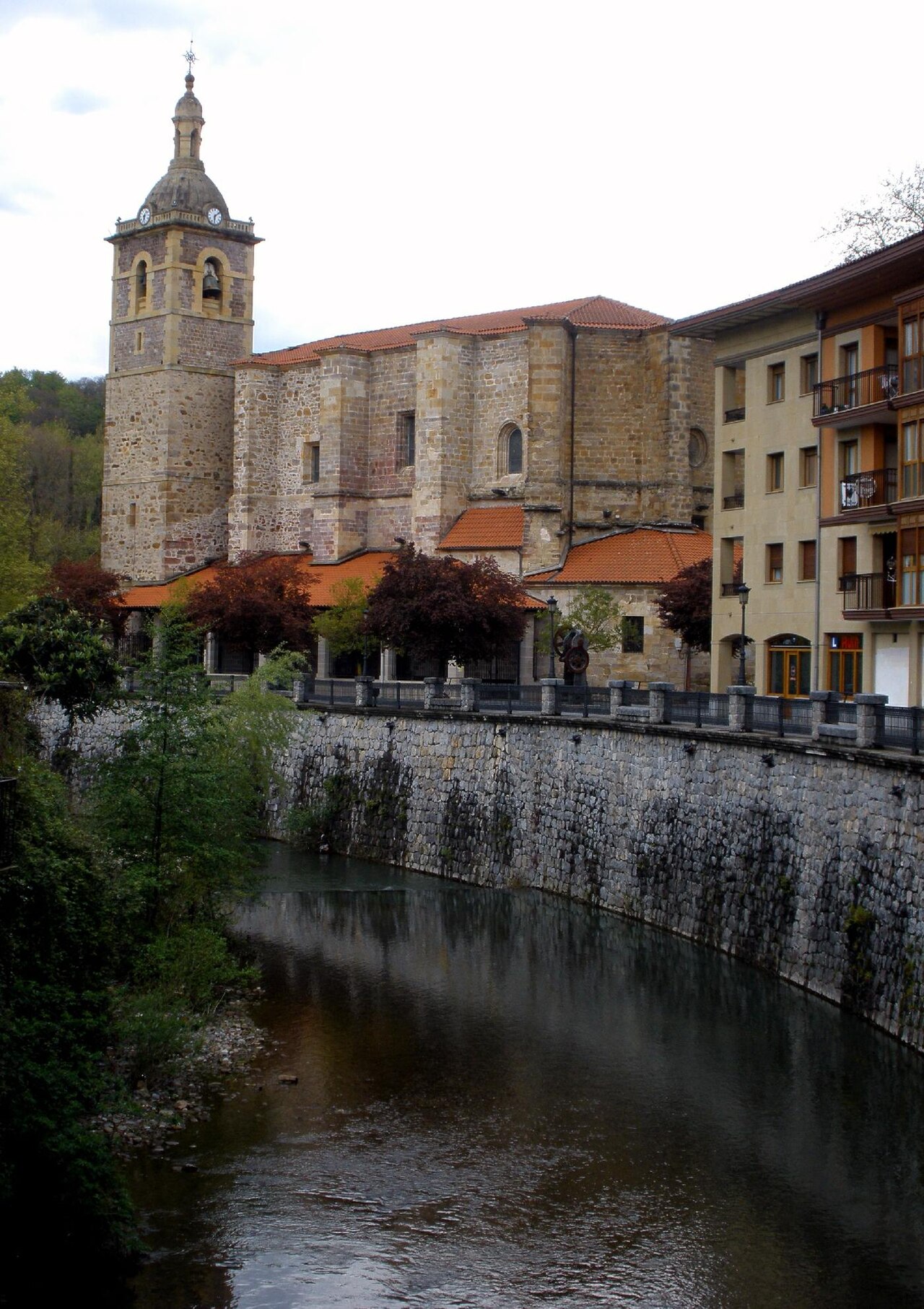
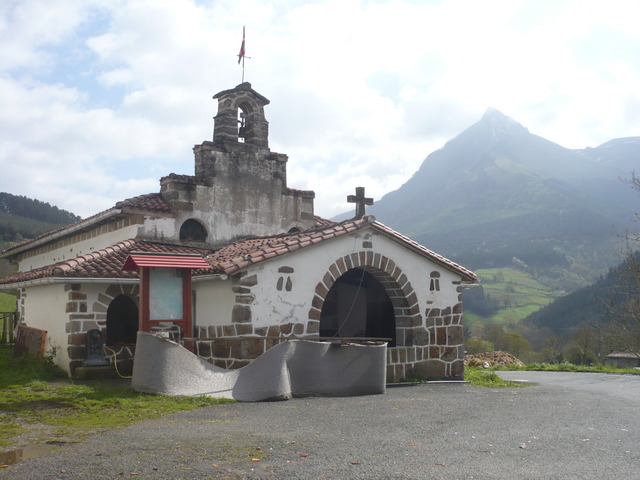
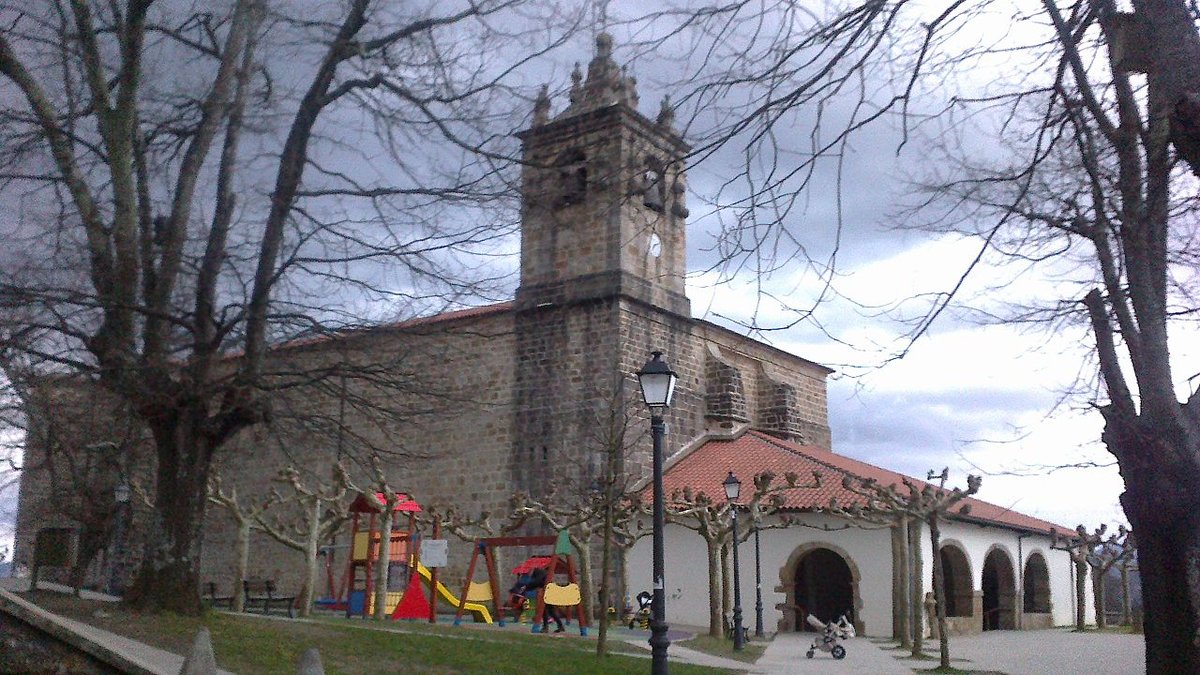
This is not a place for major sights. Its appeal lies in understanding how people live in this part of Goierri, a rural area in the Basque Country. The main street leads to the church of San Martín de Tours, a simple building that acts as a reference point for everyone. It is not the kind of church that demands a photo, but it often has someone chatting by the entrance or passing by on their way home, which says more about its role in the village than any architectural detail.
The name Itsasondo often raises the same question when people hear it for the first time: whether it has something to do with the sea. Some interpret it as “by the sea”, although its inland location makes that hard to picture. The origin is more likely linked to older Basque words or changes in the landscape many centuries ago. Today, the sea is far away, and the countryside defines everything.
Walking through fields and farm tracks
The most interesting parts begin just outside the centre. Around the village, there are wide meadows, small streams and rural tracks that climb gently towards nearby slopes. These are not signposted walking routes with regular markers. They are everyday paths used by locals to move between farmhouses or work the land.
This makes the area particularly appealing for anyone who enjoys walking without a fixed plan. You might pass through small gates, come across a tractor parked beside a barn, or notice cows watching from the other side of a fence. These are ordinary scenes in Goierri, yet they stand out if you are used to urban life.
Getting around is straightforward on foot along short tracks or local roads. A bicycle can also work if you feel like linking Itsasondo with nearby villages such as Zaldibia or Segura. The terrain includes short climbs that appear without much warning, so it is not entirely flat despite the calm setting.
A landscape shaped by farming
The surroundings of Itsasondo are still active in agricultural terms. Small livestock farms continue to operate, many connected to the production of Idiazabal cheese, which is common throughout the region. This is not presented as a visitor attraction. It is simply part of the local economy and daily routine.
Family vegetable plots and seasonal crops also appear throughout the area. None of it is designed to stand out, yet it helps explain why villages like this remain inhabited despite their size. The landscape reflects ongoing work rather than preservation for tourism, and that gives it a sense of continuity that is easy to notice when walking around.
Local festivals and shared traditions
Festivities in Itsasondo usually take place around San Martín de Tours, the village’s patron saint. During those days, the atmosphere becomes livelier than usual. There are communal meals, music and sometimes displays of traditional Basque rural sports. These can include aizkolaris, who compete by cutting through logs, or other activities linked to farmhouse life.
At times, a bertsolari may also appear. Bertsolaris improvise verses in Basque, often responding to themes or situations on the spot. It is a well-known tradition in the region and, when it happens, it blends naturally into the celebrations. It does not occur every year, but when it does, it highlights a cultural practice that remains very much alive.
How long to spend in Itsasondo
A short visit is enough to understand the scale of the village. A walk along the main street and a stop by the church will give a clear sense of Itsasondo in around half an hour.
The experience changes if you decide to explore the surrounding paths. Farmhouses begin to appear more spread out, small wooded areas interrupt the open fields, and dirt tracks wind between pastures. The setting opens up gradually rather than all at once.
There are no prepared viewpoints or large panoramic spots. The best views tend to appear unexpectedly, perhaps in the middle of a farm track or just after leaving a small patch of woodland. They are part of the everyday landscape rather than something marked on a map.
A straightforward way to approach it
Itsasondo works well as a short stop within a wider route through Goierri. A quiet walk through the centre, followed by a wander along one of the paths between farmhouses, is enough to get a feel for the place.
It is the kind of village that does not try to attract attention. Its interest lies in small, everyday details: how the farmhouses are arranged, the quietness of the paths, and the rhythm of life shaped by the surrounding countryside. Spend a little time noticing those, and Itsasondo reveals more than it first suggests.