Full Article
about Lazkao (Lazcano)
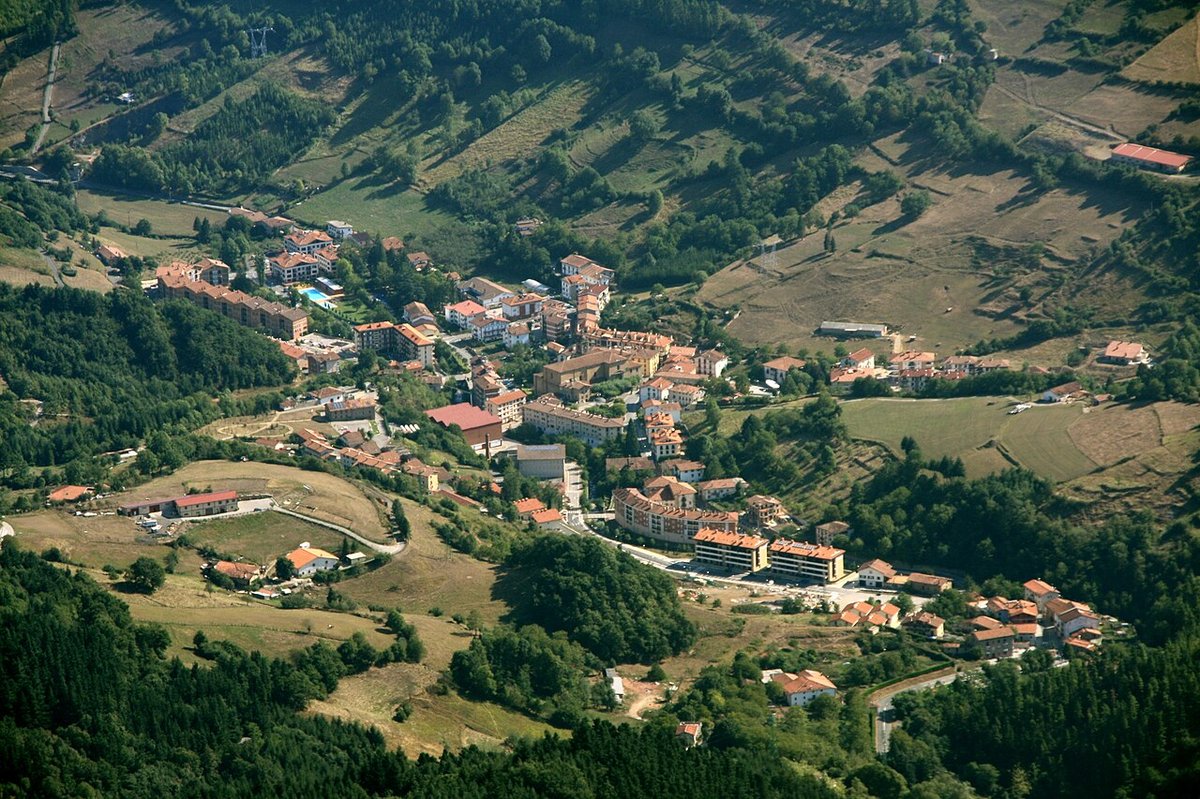
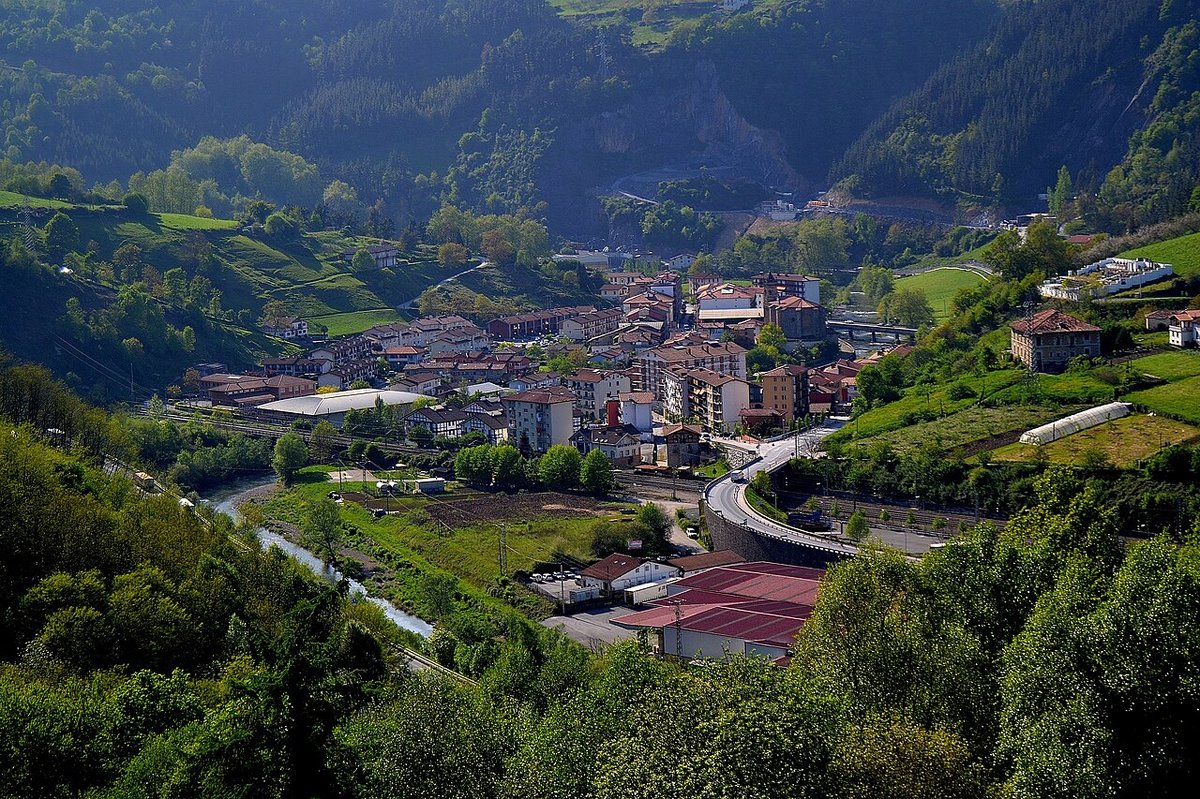
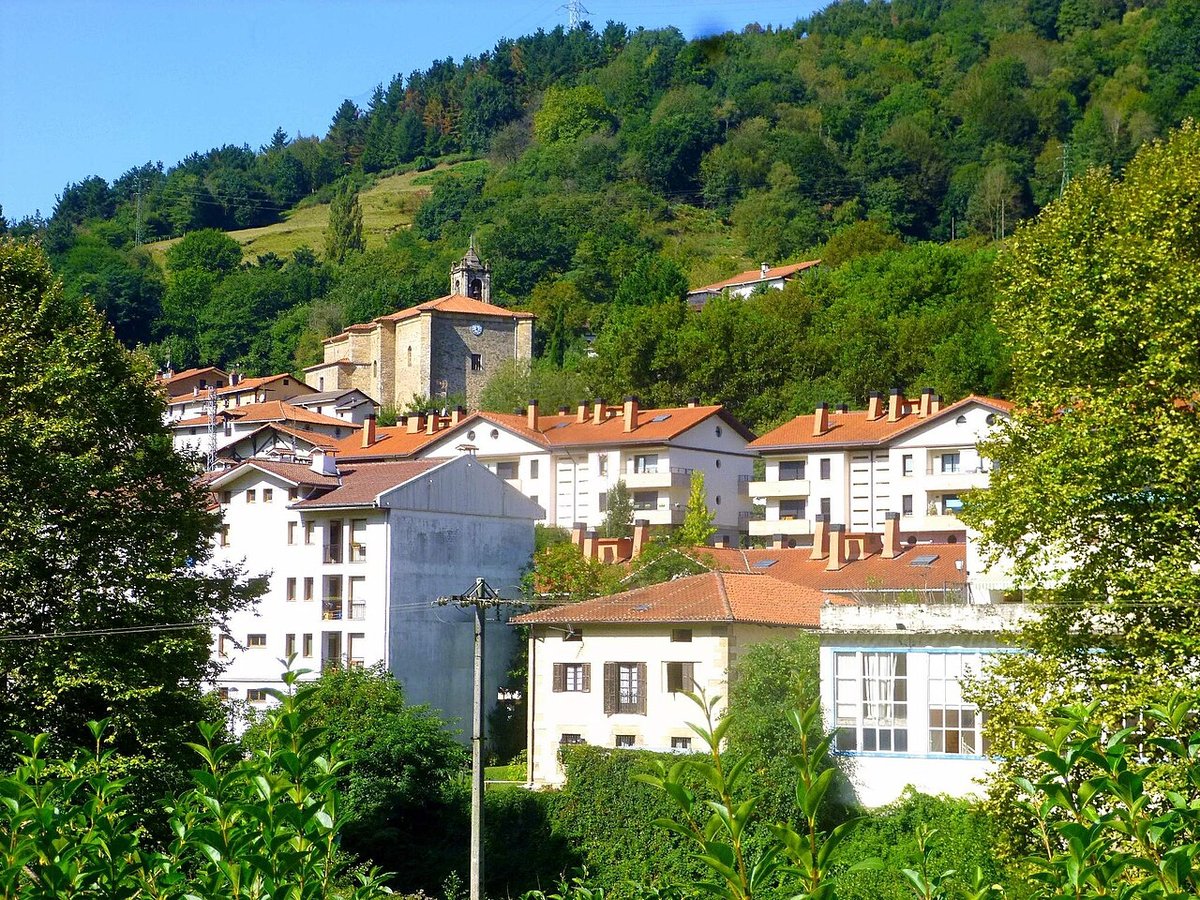
Deep green, farmhouses and nearby mountains with trails and viewpoints.
Ocultar artículo Leer artículo completo
The church bells chime at noon, and suddenly Lazkao's main street fills with children in navy uniforms spilling out of the ikastola. They weave past delivery vans and grandparents clutching bread loaves, speaking Basque with the casual fluency of those who've never known it was endangered. This is not a village that performs its authenticity for visitors—it's simply getting on with Wednesday.
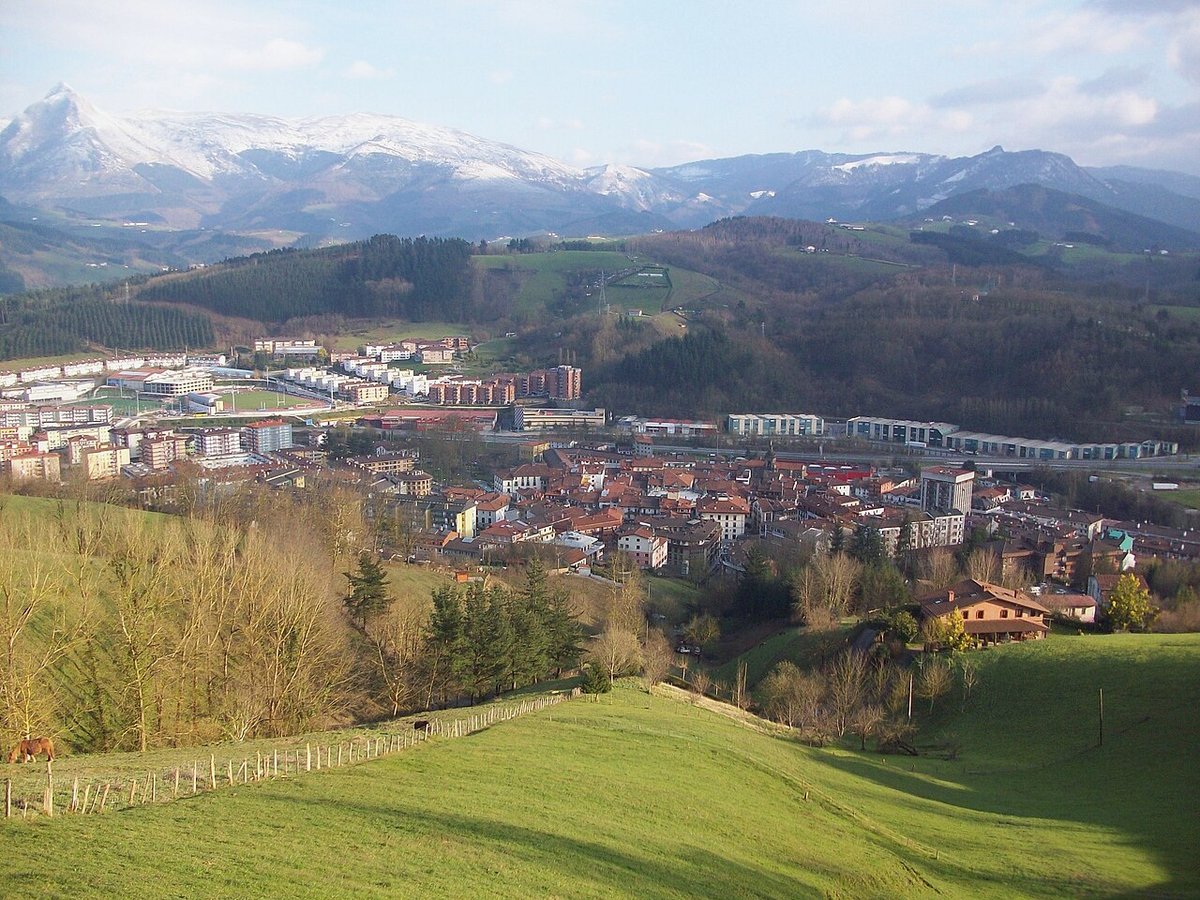
At 6,000 souls, Lazkao sits where the Oria valley meets the Goierri region's rolling farmland, 35 minutes south of San Sebastián by car. The A-1 motorway passes nearby, close enough for convenience yet mercifully distant enough that coach parties thunder past without stopping. What remains is a working Basque town where the most dramatic daily event is the 2pm rush for pintxos at Bar Zelata, when construction workers queue alongside office clerks for txuleta sandwiches still bleeding onto the bread.
The Church That Grounds Everything
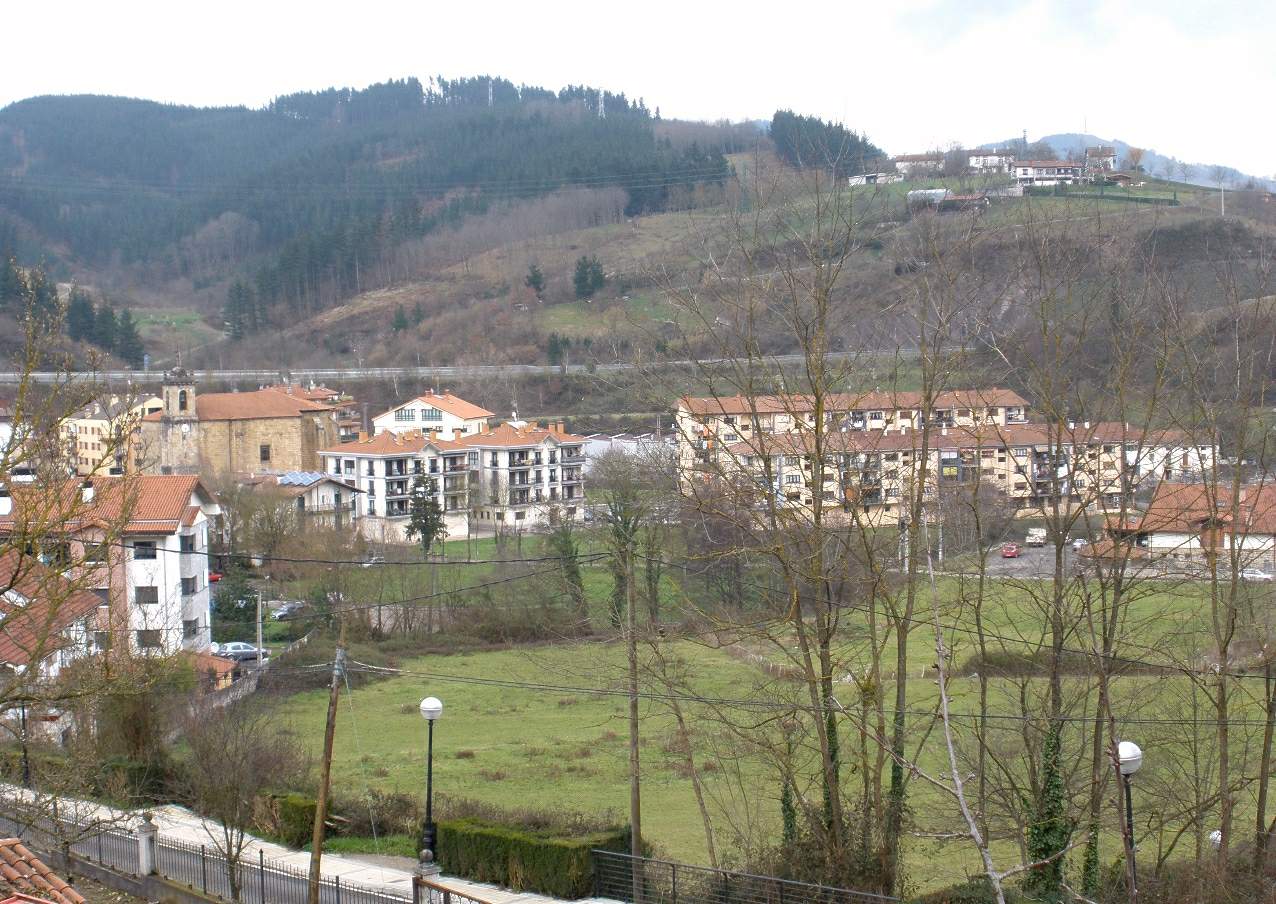
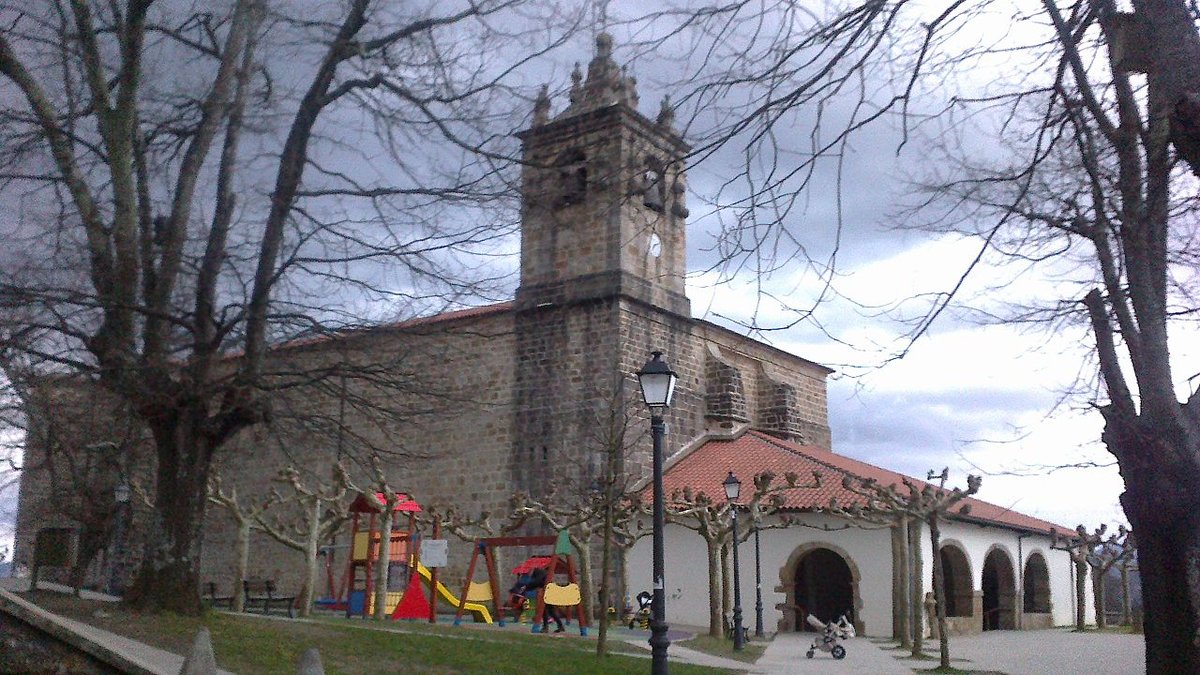
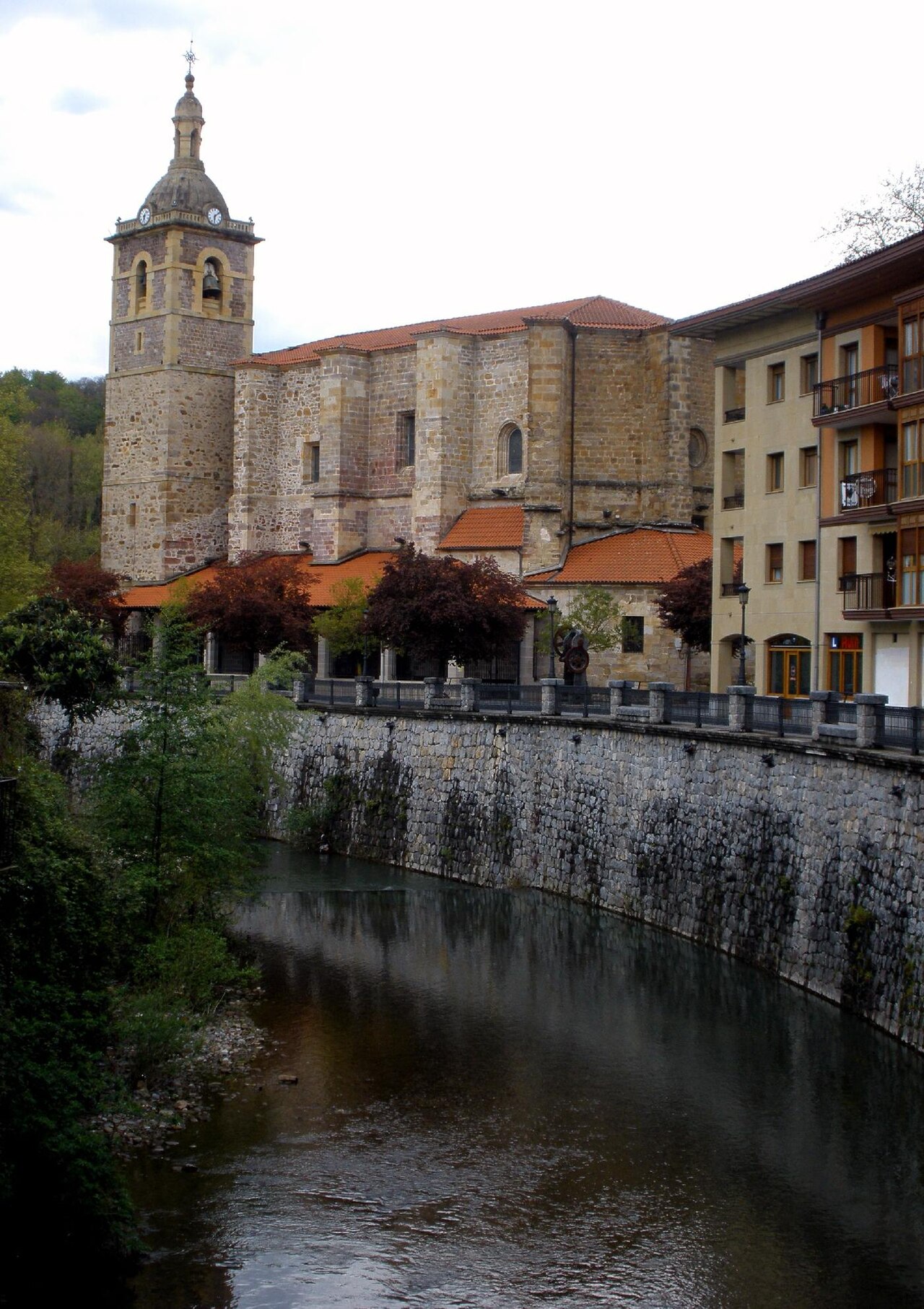
San Miguel Arcángel squats at the village centre like a stone anchor, its weathered façade showing centuries of pragmatic repairs. The original Gothic bones date from the 1500s, though subsequent centuries added Baroque touches and modern roofing after various fires. Inside, if you catch it open between services, the single nave feels surprisingly intimate—no soaring cathedral heights here, just solid Basque practicality with carved wooden pews worn smooth by generations of Sunday bottoms.
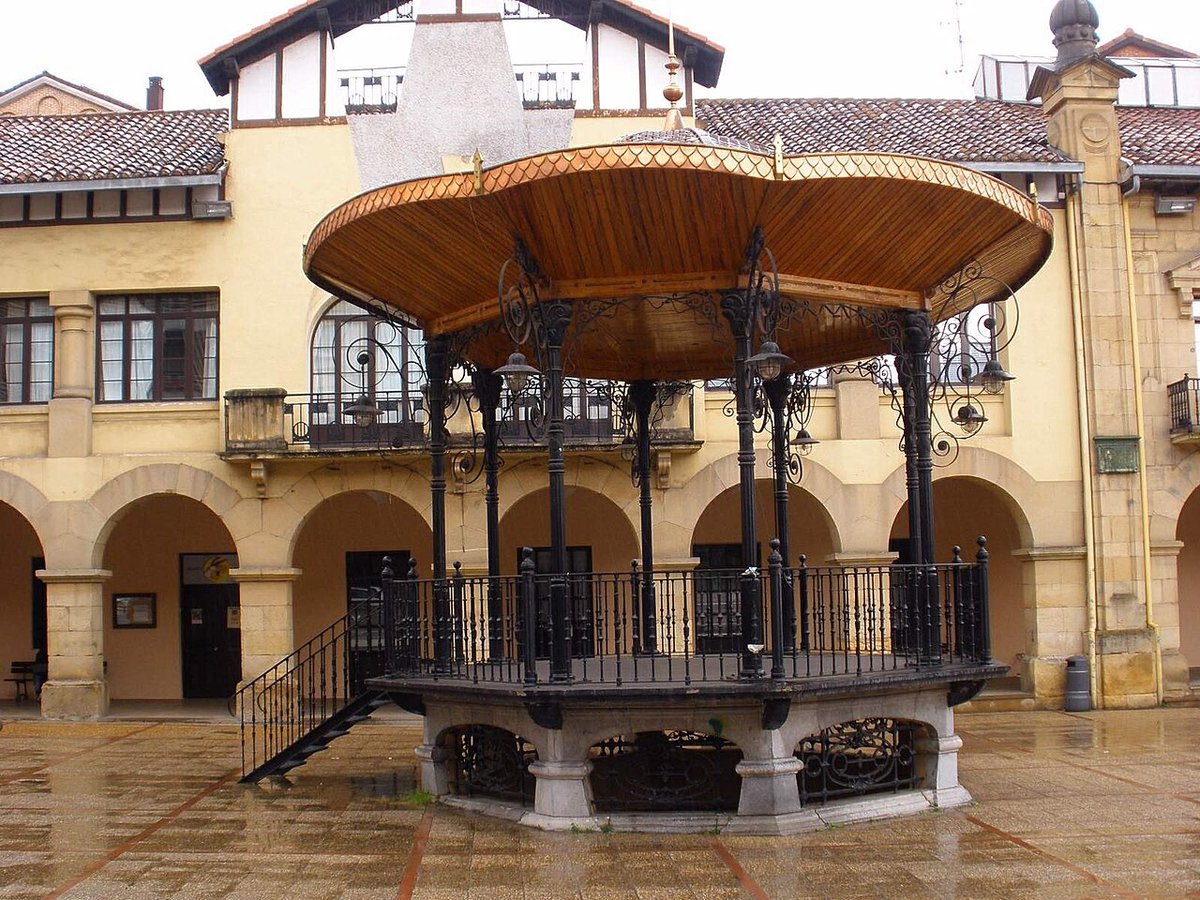
The real revelation comes from stepping back outside. From the church steps, Lazkao's logic becomes clear: everything radiates outward in a five-minute radius. The frontón where pelota games draw crowds on Saturday evenings. The covered market that hosts perhaps six stalls on quiet mornings. The handful of bars where locals debate football scores over cortados. It's all comprehensible within moments, refreshingly manageable after San Sebastián's maze of narrow lanes.
Palace Politics and Cheese Economics
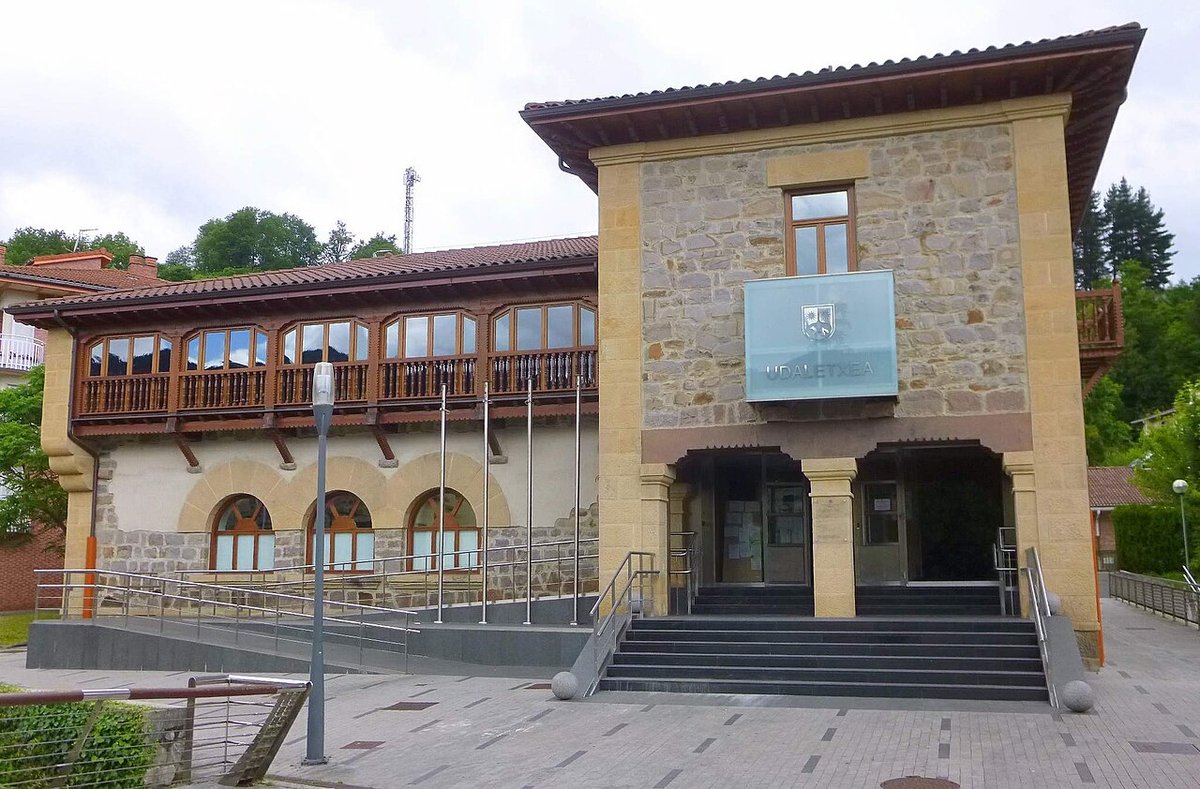
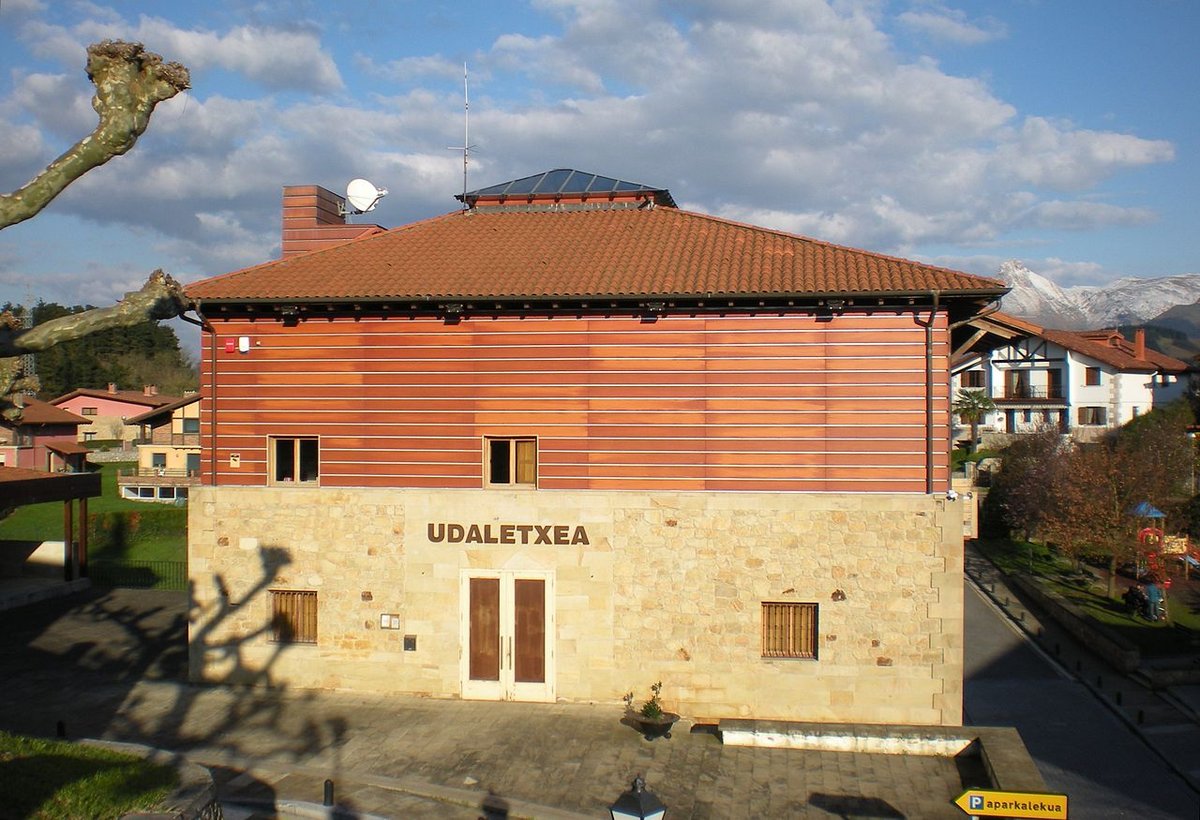
Two minutes uphill stands Palacio Insausti, the village's architectural grandee. This 17th-century manor house sports the distinctive Basque coat of arms—carved stone shields displaying familial connections that once meant everything here. These days it hosts occasional exhibitions and municipal meetings, though gaining entry requires timing and luck. The exterior impresses regardless: thick stone walls, carved balconies, the confident architecture of people who knew their wealth came from land and livestock rather than tourism.
That agricultural heritage matters because Lazkao anchors the Idiazabal cheese denomination. The surrounding pastures support the latxa sheep whose milk creates this nutty, slightly sharp cheese that's protected by EU law. Drive five minutes in any direction and you'll spot white dots grazing on impossibly green slopes. Several farmhouses sell cheese directly—look for signs saying "Quesería" or "Gaztagile"—though ring ahead since many only open for pre-arranged groups. The Quesería Idiazabal itself sits just outside the village, offering weekday tours at 11am for €8 including tastings that convert even committed cheddar loyalists.
Walking Into Basque Proper
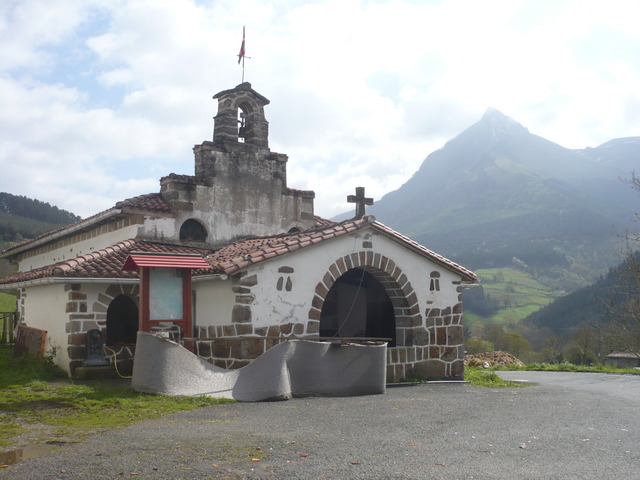
Lazkao's real charm reveals itself beyond the last houses. Within two streets of the centre, tarmac gives way to farm tracks bordered by dry-stone walls. These paths connect scattered hamlets—Goikoerrota, Aintzina, Aranbaltza—each perhaps a dozen farmsteads clustered around a chapel. The walking couldn't be gentler: rolling terrain rather than mountain proper, though the views stretch across the Oria valley toward the Aizkorri massif rising proper mountains in the distance.
Spring brings the best conditions—wildflowers among the meadow grass, newborn lambs wobbling beside their mothers, temperatures hovering around 18°C. Autumn works similarly, with added colour from the occasional oak turning copper before winter strips everything bare. Summer stays pleasant at 450 metres altitude, rarely hitting the 30°C that makes coastal San Sebastián sticky. Winter brings proper cold—snow isn't unknown—and the knowledge that these postcard-perfect farms require serious hard work when Atlantic storms roll in.
For serious hiking, Aizkorri-Aratz Natural Park begins ten kilometres south. Here limestone peaks top 1,500 metres, proper mountain country requiring boots, maps, and weather awareness. The contrast sharpens appreciation for Lazkao's middle-ground position: civilisation close enough for emergency coffee, wilderness near enough for serious adventure.
Market Day Strategy and Monday Realities
Wednesday changes everything. Ordizia, six kilometres north, hosts the region's premier market—150 stalls drawing producers from across Gipuzkoa. Smart visitors park in Ordizia's covered car park (£1.20 for three hours), stock up on seasonal produce, then catch the hourly Lurraldebus to Lazkao for lunch. The journey costs €1.65 and drops you outside Bar Zelata, famous for txuleta—enormous Basque rib-eye cooked over charcoal until the exterior chars while the interior stays ruby-rare.
Food here comforts British palates unaccustomed to Spain's seafood fixation. Pintxo moruno offers familiar spiced pork skewers. The Idiazabal cheese plates satisfy those who "don't do blue cheese." Even the wine list includes several Riojas recognisable from UK supermarkets, though prices hover around £3 a glass rather than London's £8.
But check the day before visiting. Monday sees half the village shuttered—bars closed, shops locked, streets eerily quiet. It's the traditional Basque closing day that catches many visitors out, especially those combining Lazkao with weekend San Sebastián. The combination of closed businesses and limited attractions makes for a dispiriting experience that unfairly colours opinions.
Getting Here Without Losing the Will
Bilbao proves the easiest gateway. Direct flights from Bristol or Stansted with easyJet or Ryanair take two hours. From Bilbao airport, the ALSA coach runs direct to Zumarraga in 1 hour 45 minutes—no changes, no stress. Lazkao lies seven kilometres further; local buses run hourly (€1.65) though taxi costs only €12 and saves hanging about. Total journey time from UK door to Basque pintxo bar: roughly six hours, faster than reaching many Greek islands with their connections and transfers.
Those determined on public transport throughout should note Lazkao lacks a train station entirely. The nearest Renfe stop at Zumarraga connects to Madrid and Barcelona, but coastal San Sebastián requires a bus connection. Driving makes infinitely more sense for exploring the region—hire cars from Bilbao airport start around £25 daily, and parking remains free throughout Lazkao.
The Honest Verdict
Lazkao won't change your life. It offers no Instagram moments to make followers weep with envy, no bucket-list monuments demanding pilgrimage. What it provides instead feels increasingly rare: a Basque town where tourism remains incidental rather than essential, where bars serve locals rather than TripAdvisor rankings, where the rhythm of agricultural life continues regardless of visitor numbers.
Come for half a day, perhaps combining with Ordizia's market on Wednesday morning. Walk the lanes, sample the cheese, drink decent Rioja for supermarket prices. Then move on—to San Sebastián's beaches, to Bilbao's Guggenheim, to the proper mountains southward. Lazkao works best as punctuation rather than paragraph, a comma in a Basque itinerary that grounds everything else in reality.
Just don't arrive on Monday. And maybe download that offline translation pack. The bar staff will appreciate the effort, even as they correct your pronunciation with the patient kindness of people who've watched countless Brits murder their language over the years.