Full Article
about Legorreta
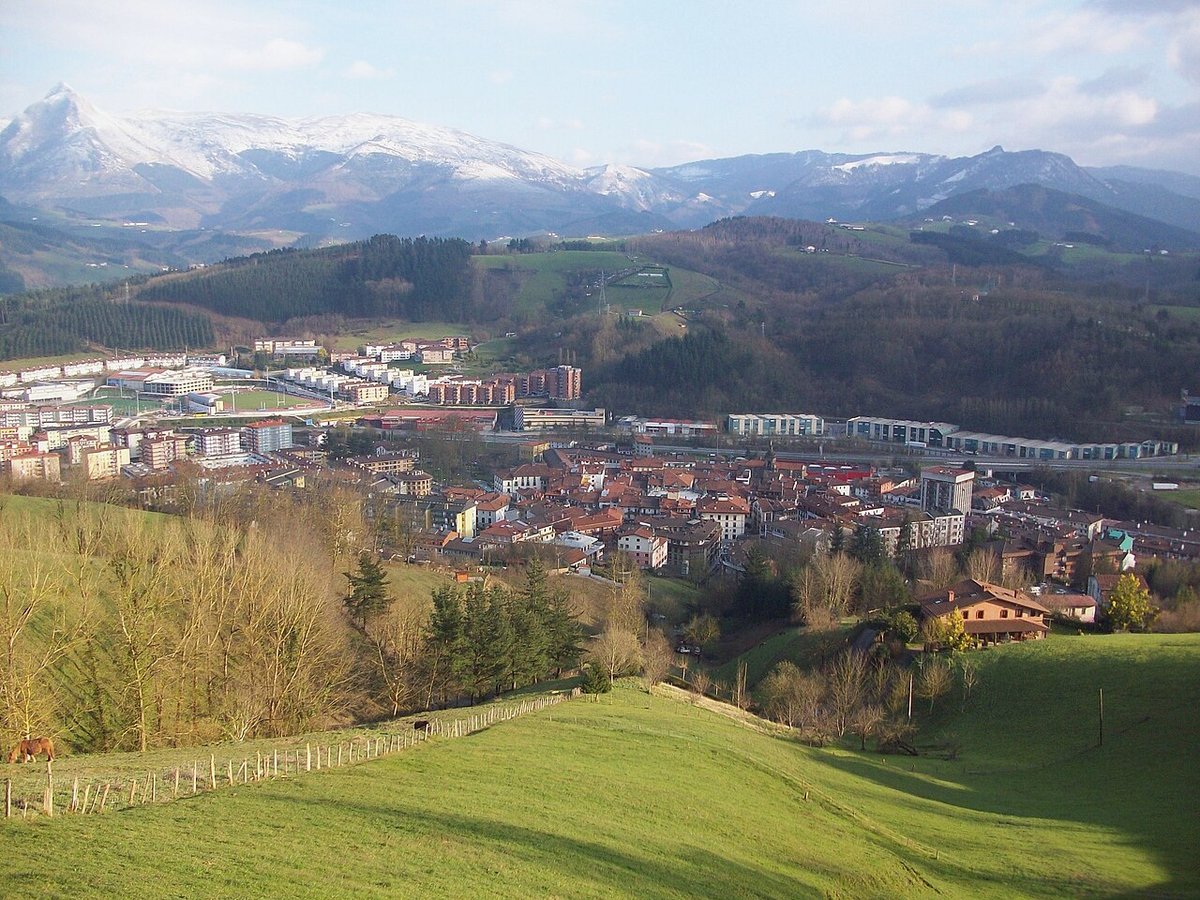
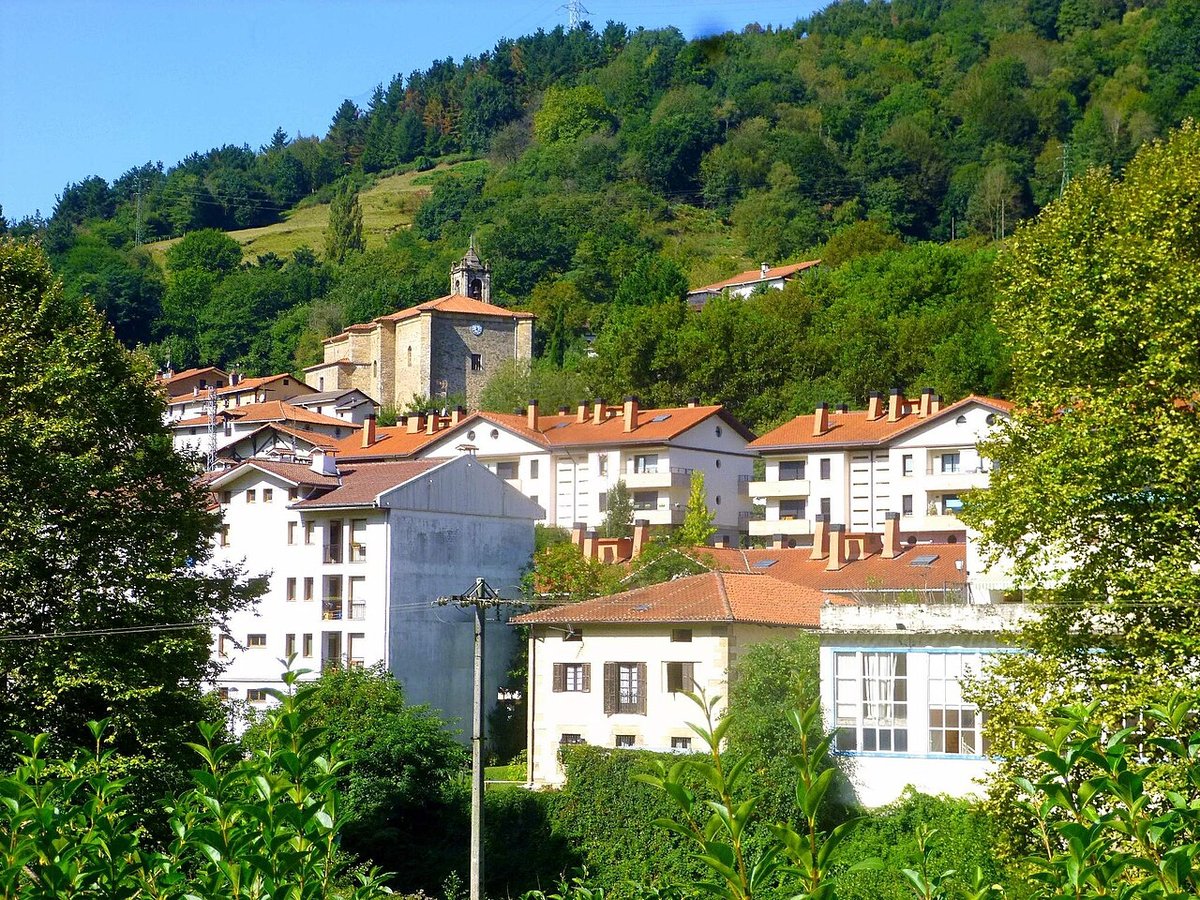
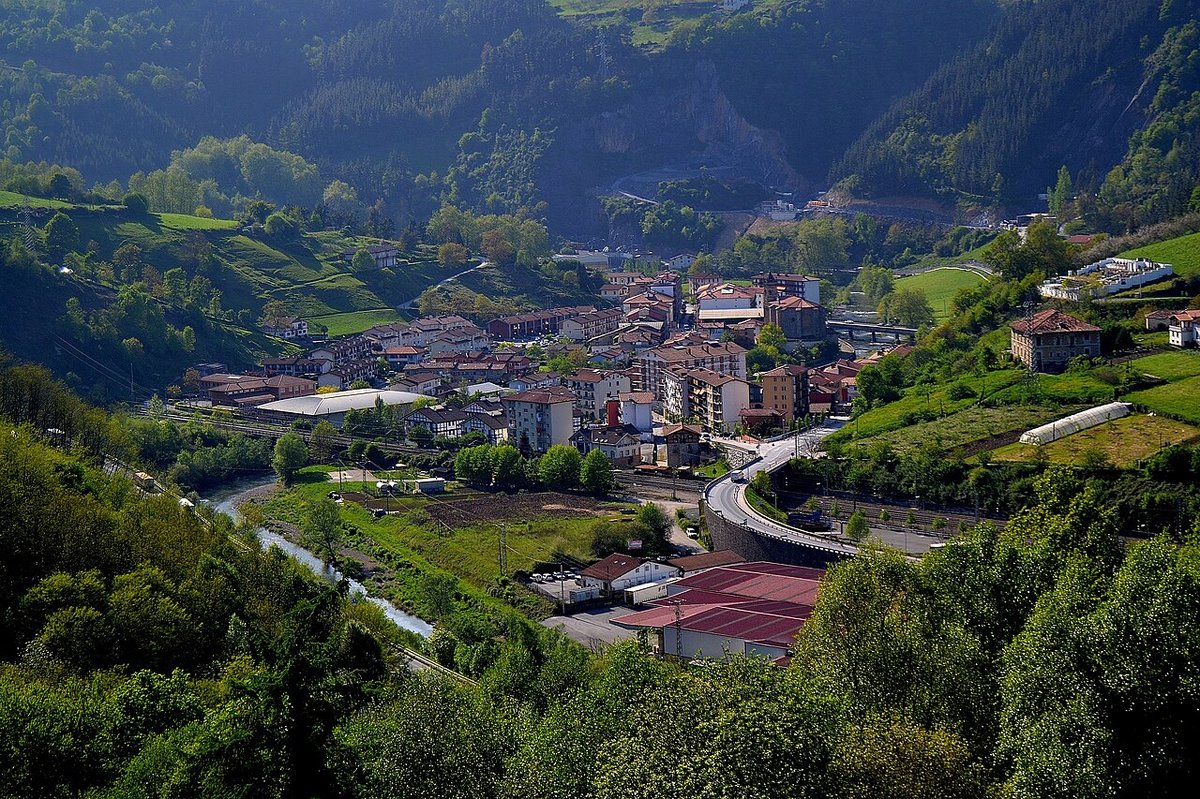
Deep green, farmhouses and nearby mountains with trails and viewpoints.
Ocultar artículo Leer artículo completo
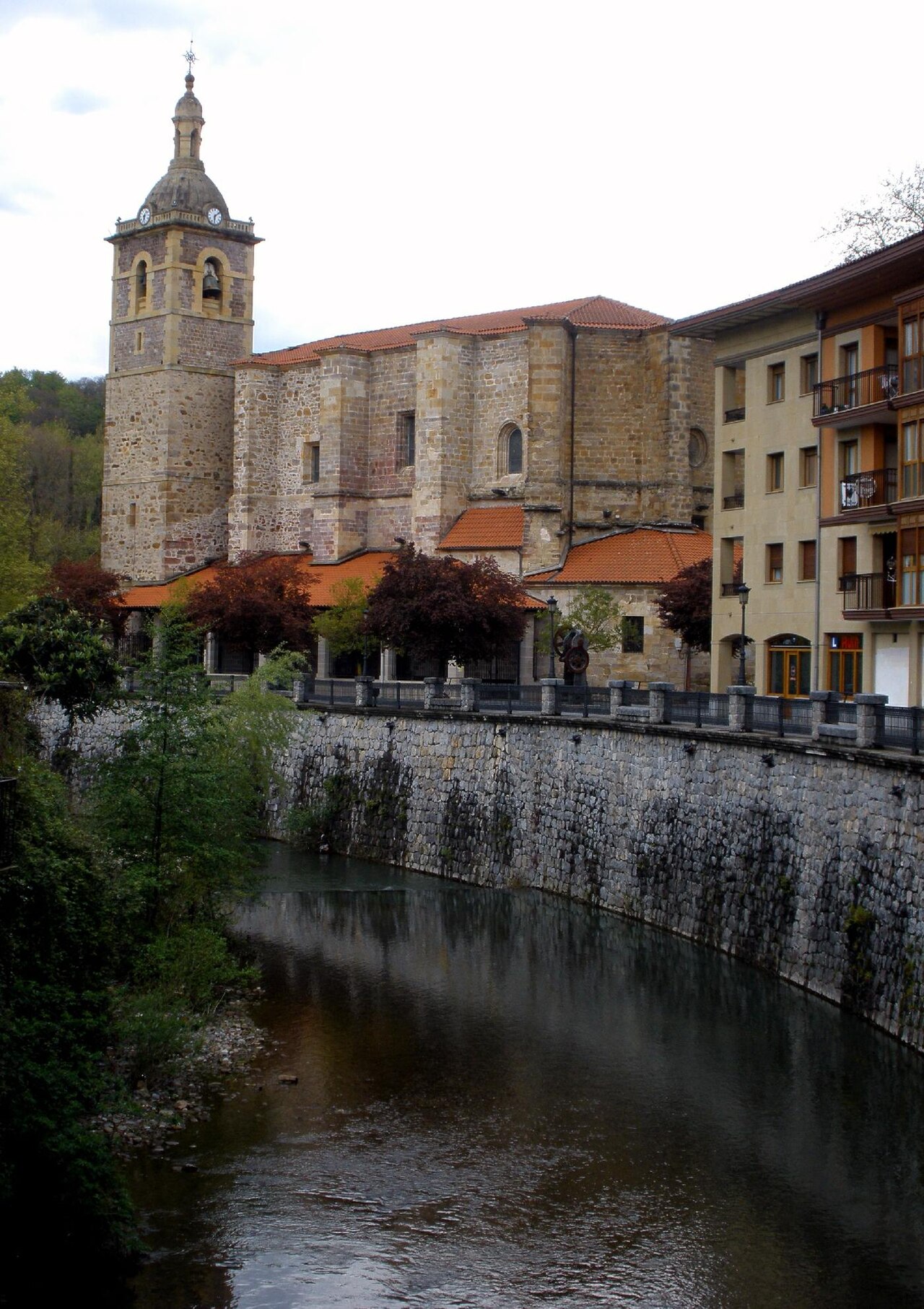
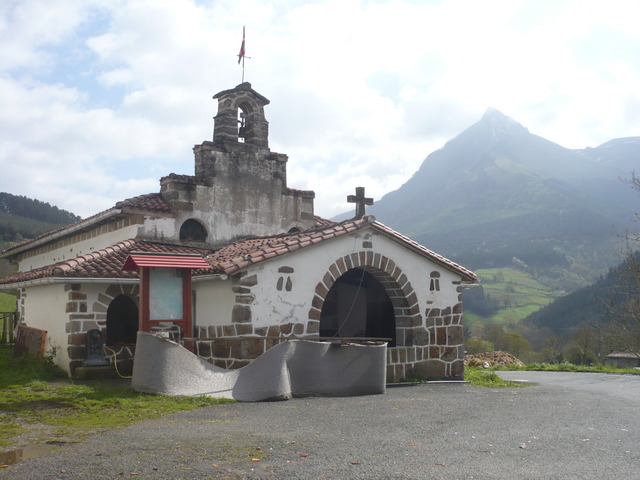
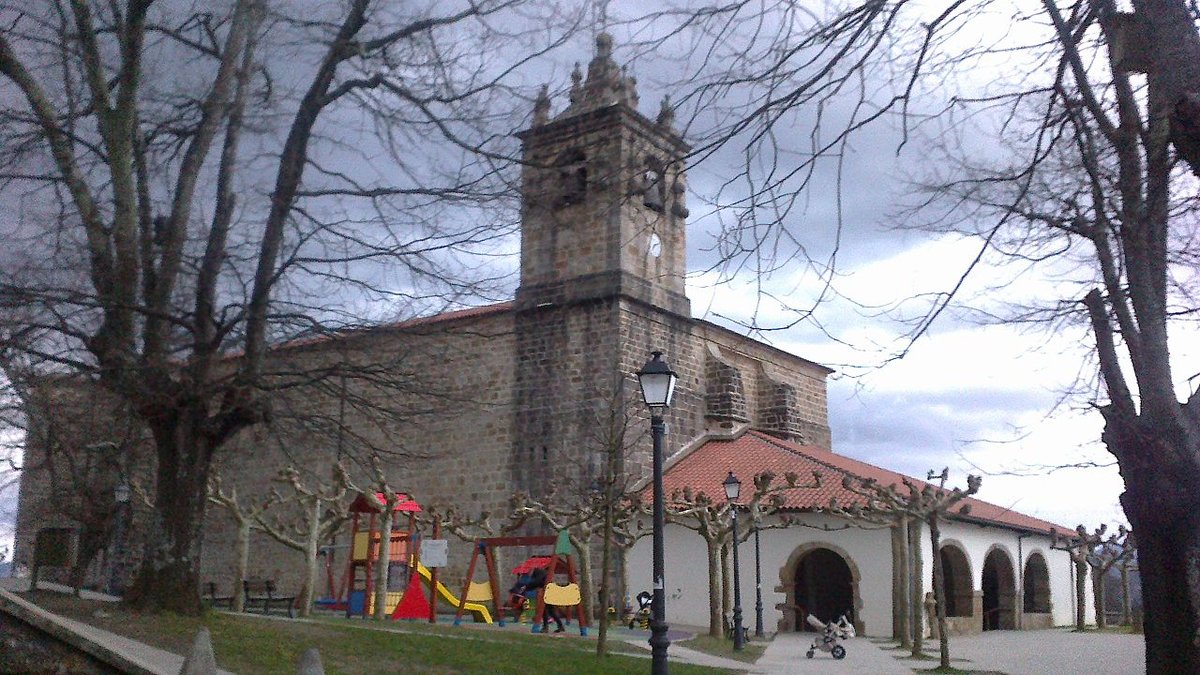
The morning bus from San Sebastián wheezes to a halt beside a stone church. One passenger gets off. That's Legorreta: a place where the silence after the diesel engine cuts out feels like the village's main attraction.
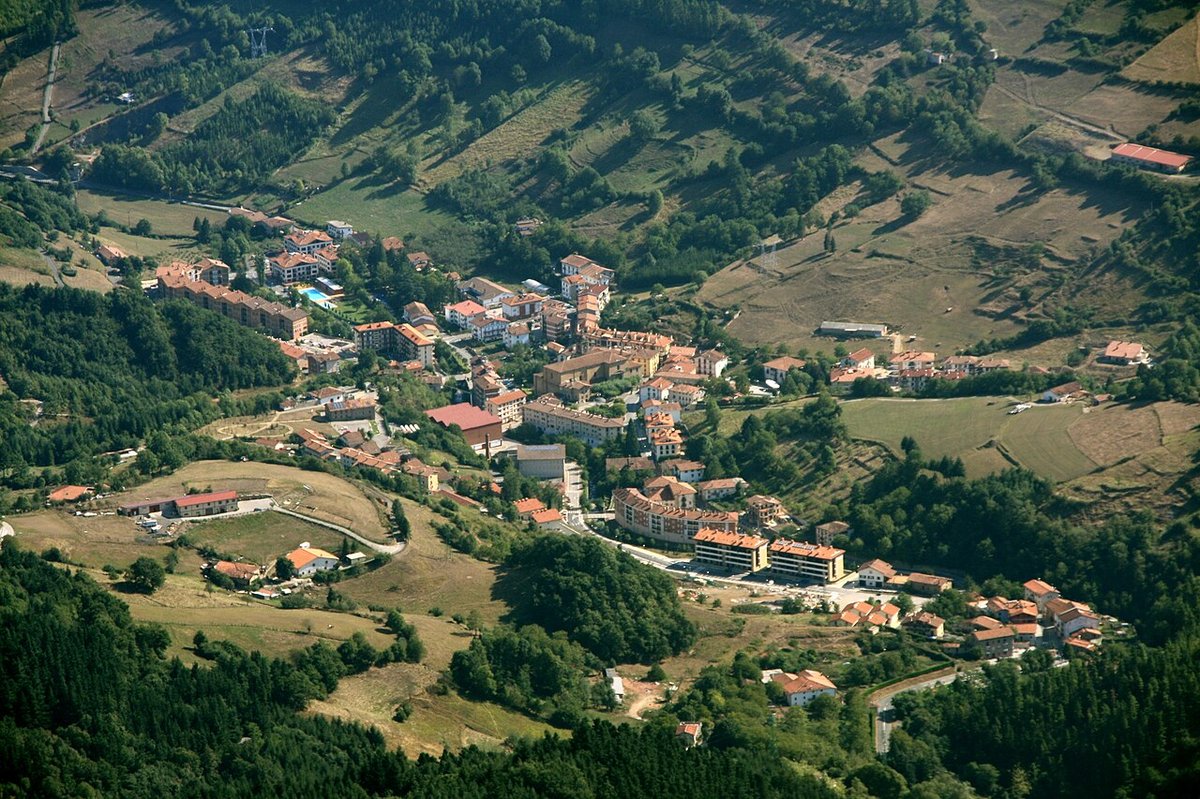
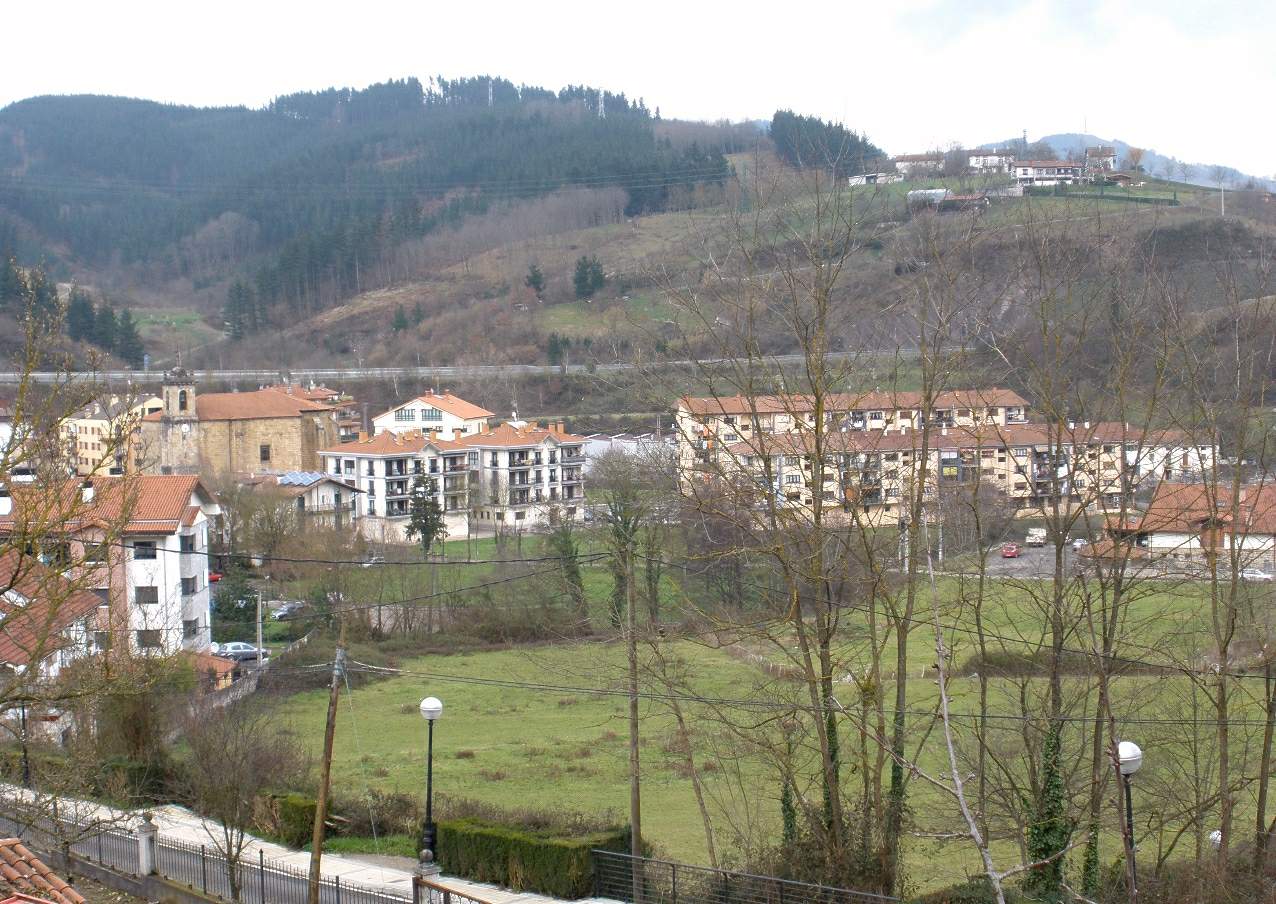
At 1,400 residents, Legorreta sits halfway up the Goierri valley, 150 metres above sea level but with slopes that kick upwards fast enough to make calf muscles notice. The surrounding hills top out around 600 metres—modest by Alpine standards, yet sufficient to trap Atlantic weather systems and create that particular Basque microclimate where sunshine and drizzle alternate like impatient commuters.
A Village That Knows Its Place
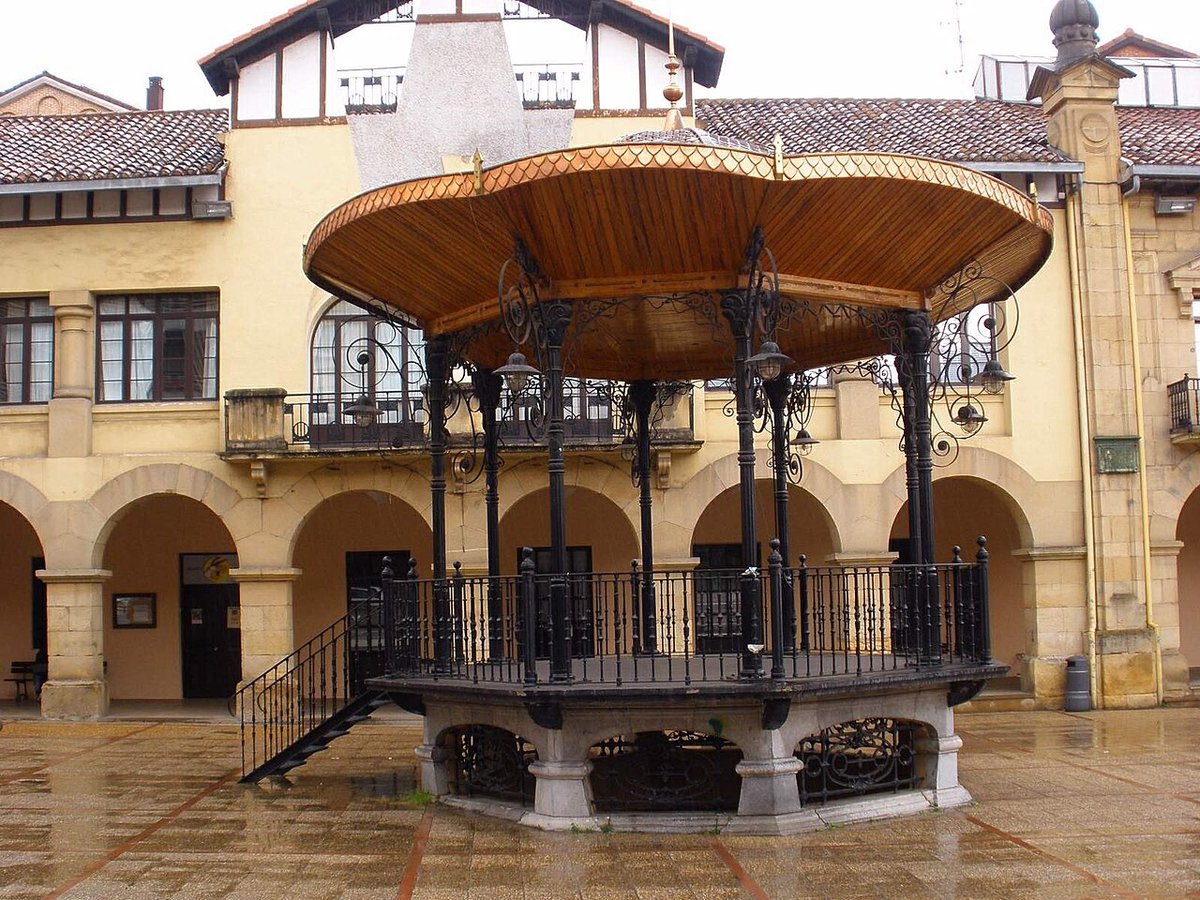
San Martín church squats at the village centre, more functional than decorative. Its square doubles as the local meeting point, bus stop, and unofficial weather station—watch which direction locals face their coffee cups and you'll know where today's wind is coming from. The building itself won't detain architecture buffs long; the real draw is watching elderly residents shuffle between the church door and the adjacent bar, maintaining a rhythm established decades before tourists started appearing.
Outside the nucleus, Legorreta reveals its actual personality. Traditional farmhouses—proper Basque caseríos with white walls and russet timber balconies—scatter across hillsides where cattle outnumber humans by ratios that would make a Welsh farmer jealous. These aren't museum pieces; they're working buildings with muddy tractors parked beside stone doorways, and washing lines strung between apple trees.
Walking tracks radiate from the village like spokes, though calling them "signed" would be generous. A thirty-minute wander up any lane delivers views across patchwork meadows where the Basque country's famous Idiazabal sheep graze, their bells clanking in irregular percussion. The terrain rolls rather than soars—expect steady climbs rather than thigh-burning ascents—but those unaccustomed to Basque topography will find themselves unexpectedly breathless rounding corners.
When the Weather Makes Decisions
Legorreta's altitude brings advantages. Summer temperatures sit several degrees cooler than coastal San Sebastián, making July and August genuinely pleasant rather than humid endurance tests. Winter, however, bites harder than coastal visitors expect. January fog frequently swallows the valley whole, reducing visibility to the distance between gateposts and turning country lanes into something resembling a Victorian pea-souper.
Spring proves most reliable—mid-April through May delivers emerald-green grass, wildflowers in the field margins, and that particular northern Spanish light that photographers attempt (and usually fail) to bottle. October offers similar conditions with added autumn colour, though rainfall increases significantly. When proper rain arrives—and it will—Legorreta shrinks to its church, its two bars, and not much else.
Those bars matter more than usual here. Aulia sidrería serves proper Basque cider straight from enormous barrels, accompanied by salt cod omelette or charcoal-grilled steak. The menu never changes, which locals consider a virtue rather than laziness. Expect to pay €12-15 for a substantial lunch menu—significantly less than coastal prices, with portions designed for people who've spent morning hauling hay bales.
Moving Through the Landscape
Cycling enthusiasts arrive expecting gentle valley riding and discover Basque roads have other ideas. The N-1 main road bypasses Legorreta entirely, leaving only regional routes that climb and descend with metronomic regularity. A circuit to neighbouring Zaldibia covers barely eight kilometres but includes enough elevation gain to justify the third pint of cider afterwards. Road bikes work fine; e-bikes simply mean arriving at hills less emotionally traumatised.
Public transport functions on Basque rather than British timetables. Buses connect with San Sebastián hourly during weekday mornings, less frequently afternoons, and barely at weekends. The last service back departs early enough to disappoint anyone expecting Spanish late-night habits—this is rural Basque country, where dinner finishes by 10 pm and the streets empty soon after.
Driving brings its own considerations. The AP-1 autopista charges tolls that add up fast—budget €6 each direction from San Sebastián. The free N-1 alternative twists through industrial estates and truck stops before finally surrendering to countryside around Beasain. Parking in Legorreta itself presents no challenges; finding somewhere that won't annoy farmers requires basic common sense rather than advanced manoeuvring skills.
Beyond the Postcard
Legorreta won't suit everyone. Those seeking medieval quarters or Instagram landmarks should continue to coastal fishing villages where souvenir shops outnumber residents. Here, the attractions remain resolutely ordinary: a properly stocked village shop, bakery bread that sells out before 11 am, and locals who acknowledge strangers without performing friendliness.
Yet that's precisely the point. Basque country tourism increasingly concentrates in coastal hotspots where restaurant prices mirror London and finding accommodation requires advance planning measured in months. Legorreta offers alternative pacing—somewhere to base yourself for walking the surrounding valleys, eating proper regional food at prices that don't require remortgaging, and experiencing daily rhythms that continue regardless of visitor numbers.
The village works best as headquarters rather than destination. Within fifteen kilometres lie proper hill walks, the market town of Tolosa with its Saturday produce market, and enough cider houses to keep even dedicated enthusiasts busy. Return each evening to somewhere small enough that bar staff remember your drink order, and quiet enough that church bells provide the nighttime soundtrack rather than nightclub basslines.
Pack decent waterproofs regardless of season. Bring walking boots with ankle support—these tracks eat trainers for breakfast. Most importantly, abandon expectations shaped by Mediterranean Spain. Legorreta operates to Atlantic rhythms where weather dictates plans and nobody apologises for it. Accept this, and the village reveals its particular magic: somewhere ordinary doing ordinary things extraordinarily well.