Full Article
about Olaberria
Deep green, farmhouses and nearby mountains with trails and viewpoints.
Hide article Read full article
A place that doesn’t try to impress
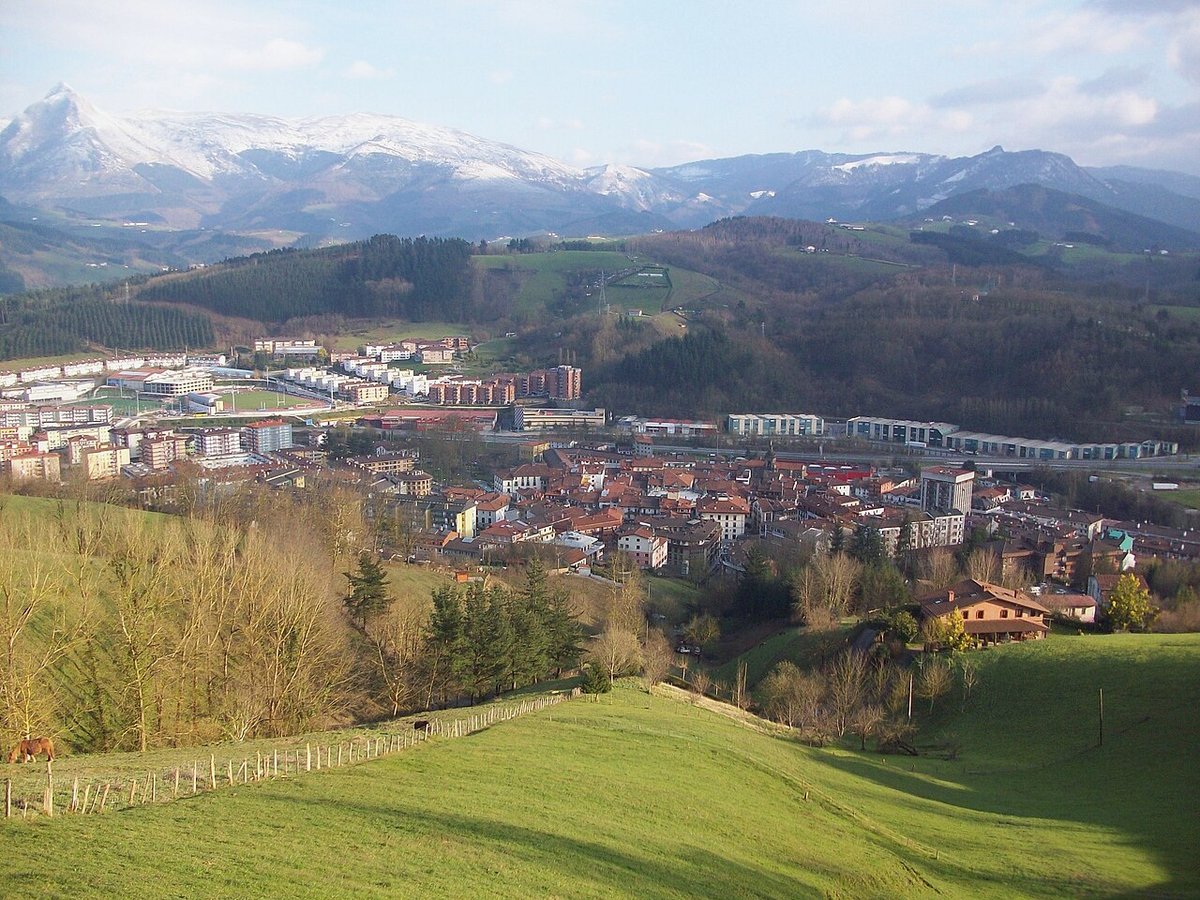
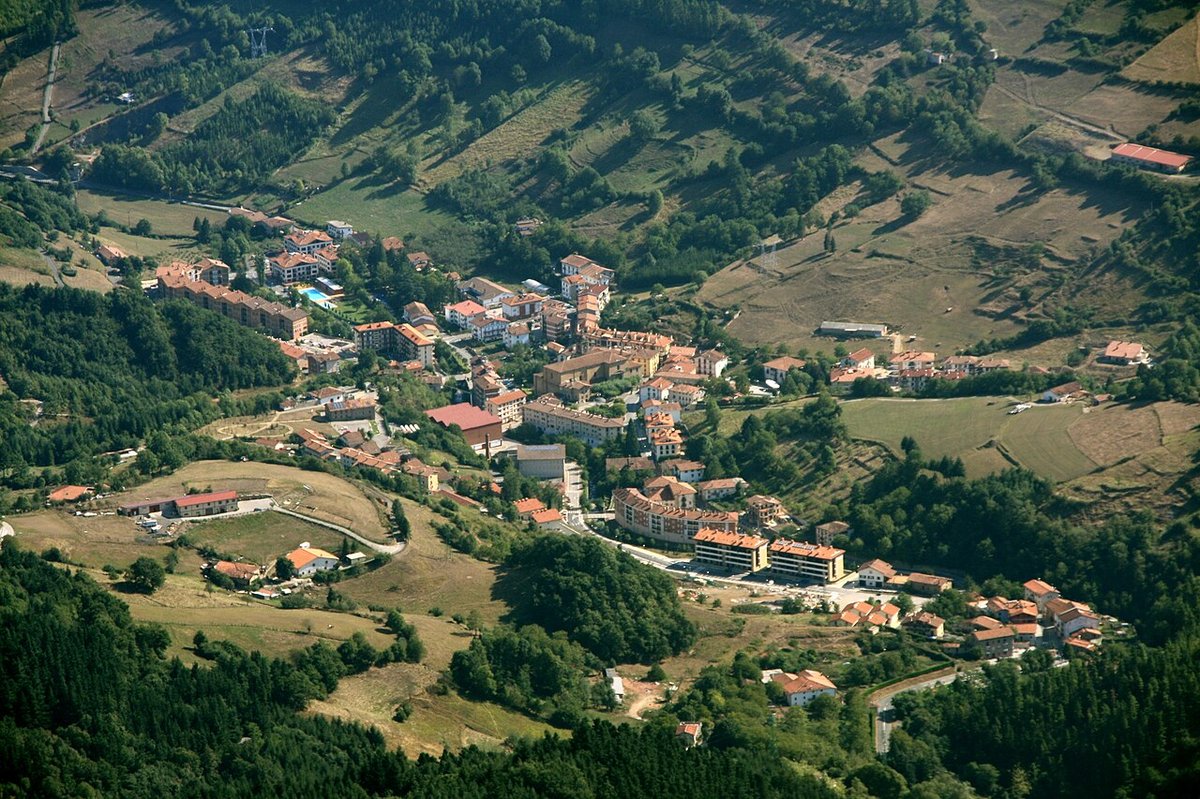
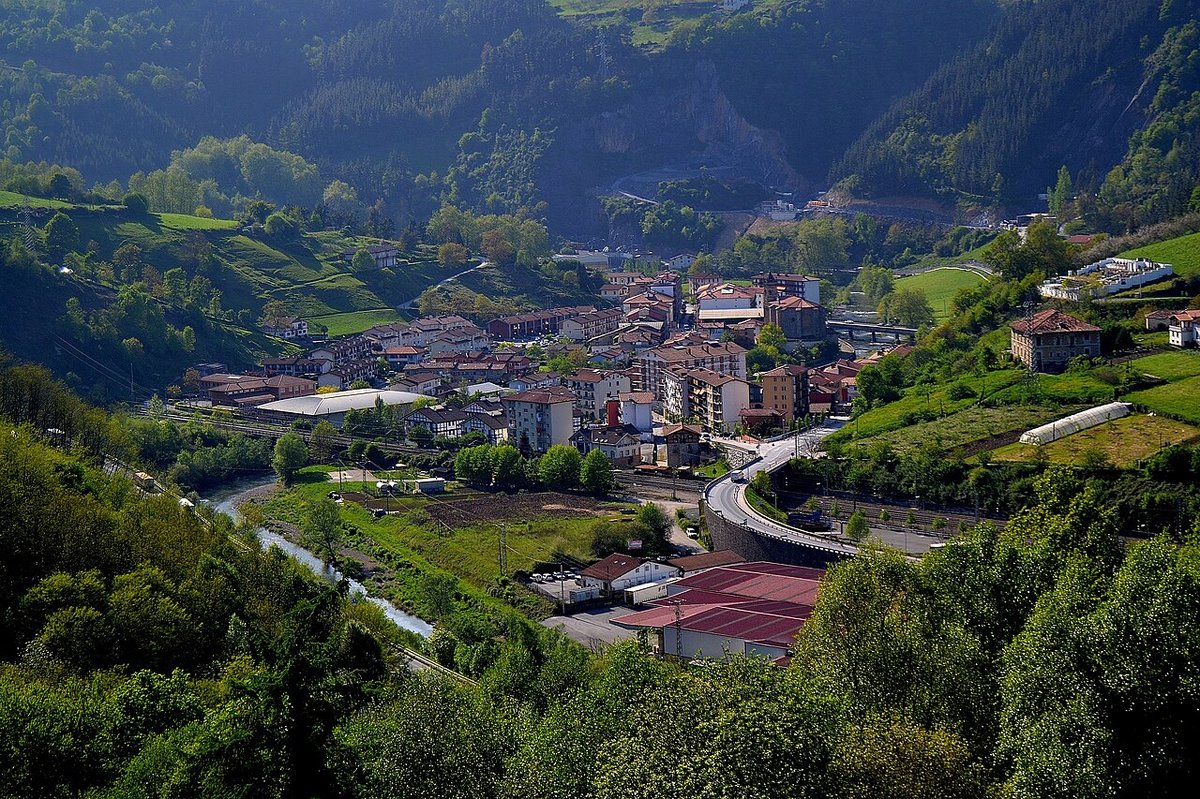
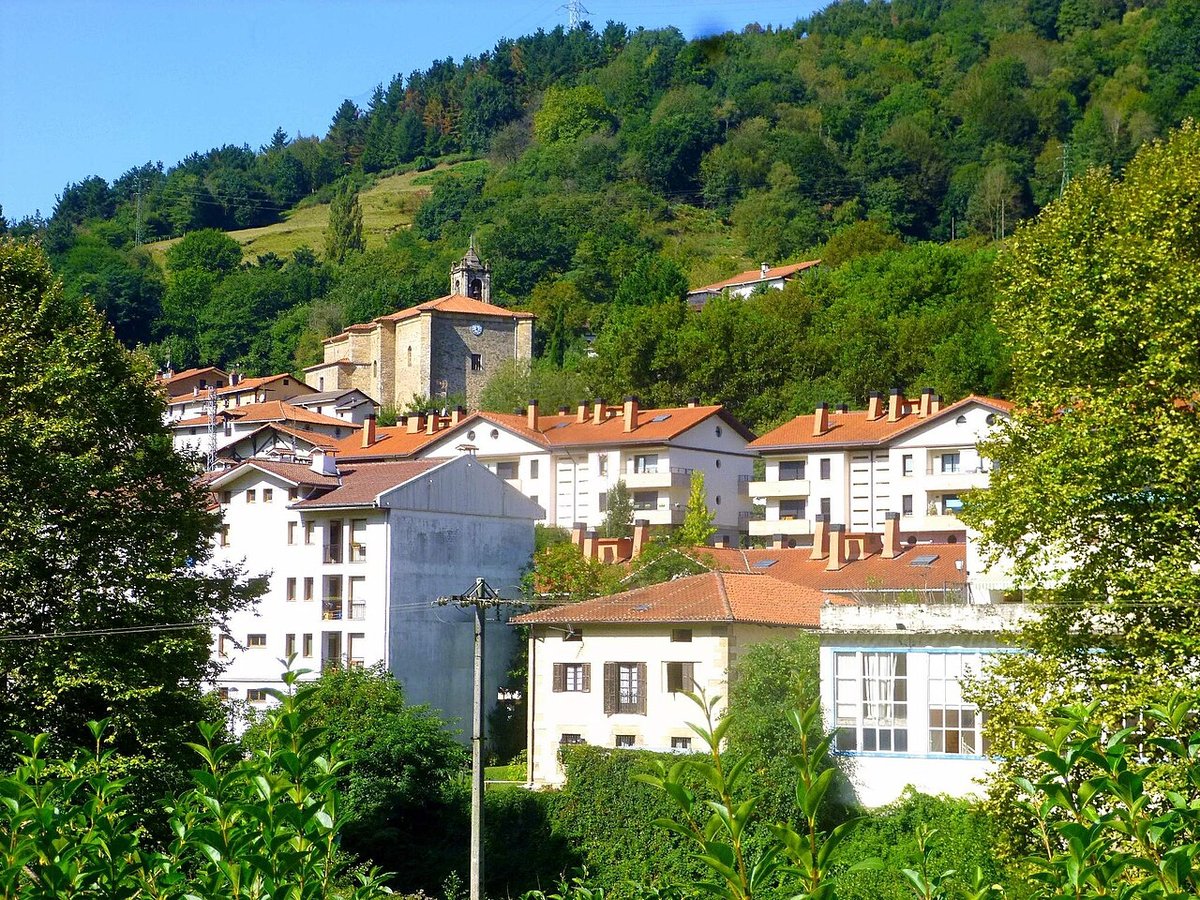
Tourism in Olaberria feels a bit like pulling over because you spot green fields from the road and think, “I’ll just have a quick look.” Expectations are low, and that is exactly why it works. Set in the Goierri area of Gipuzkoa, in the Basque Country, Olaberria is not trying to dazzle anyone. It is the sort of place where everyday life still sets the pace: scattered farmhouses, open meadows and quiet roads where tractors are more common than visitors.
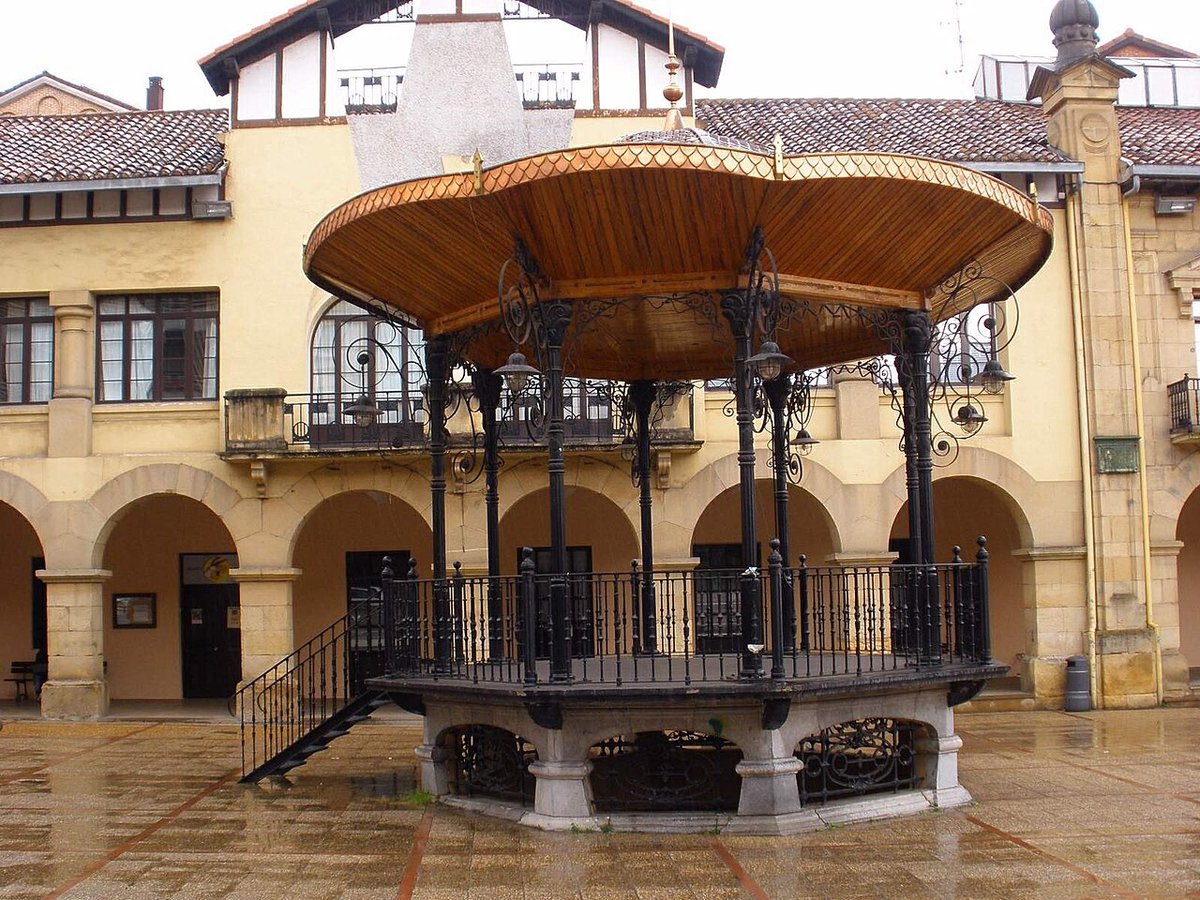
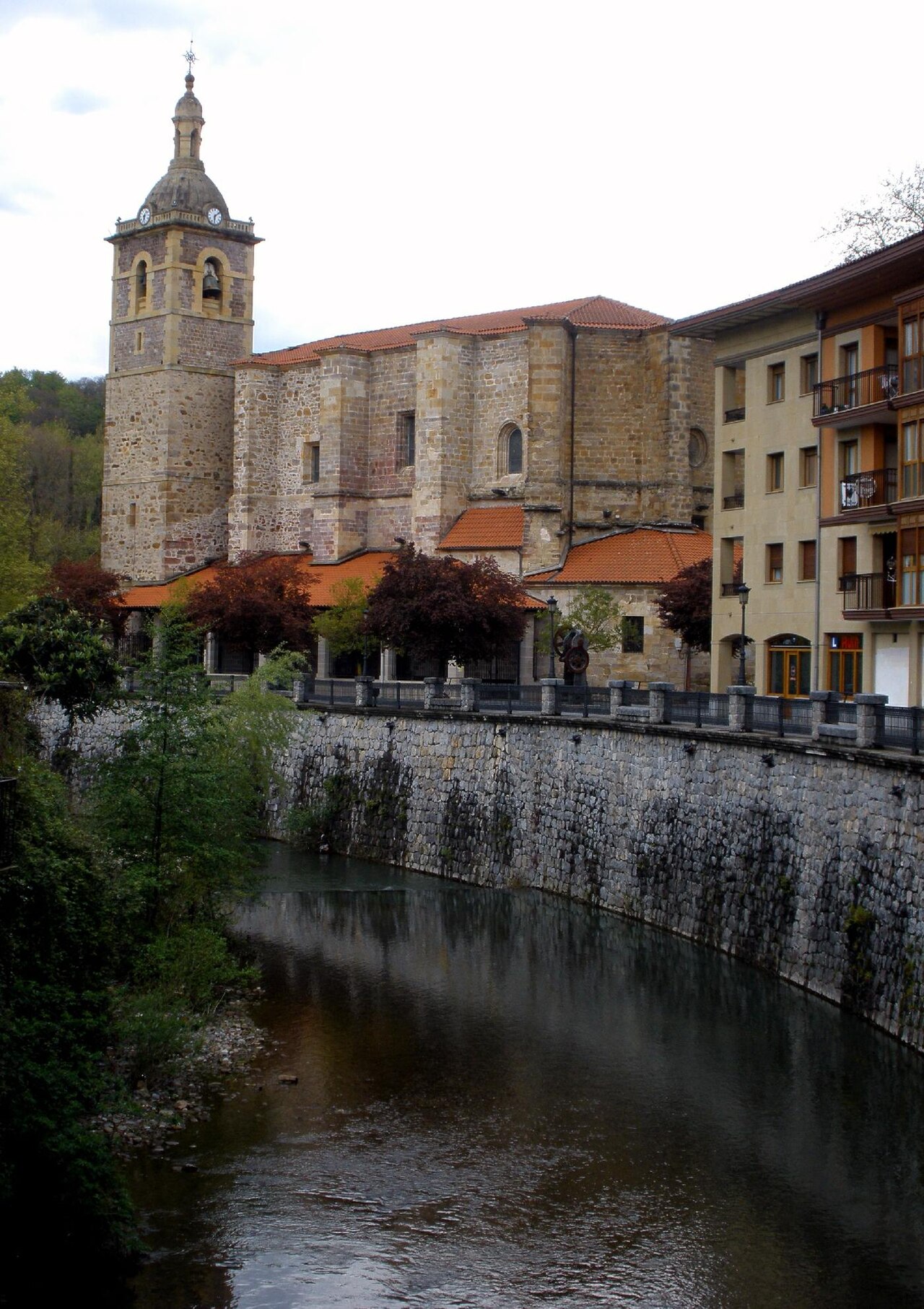
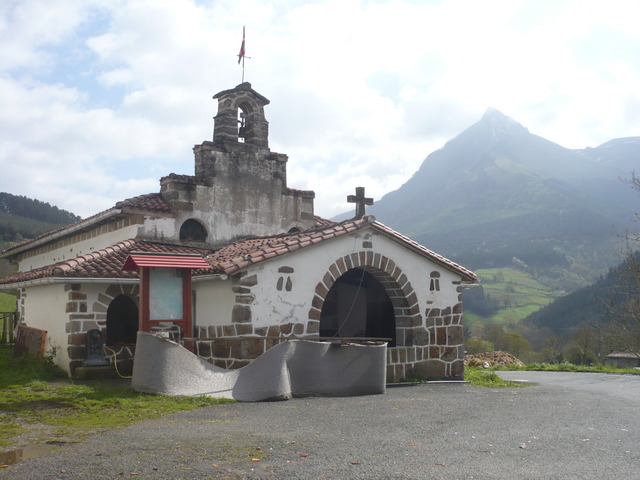
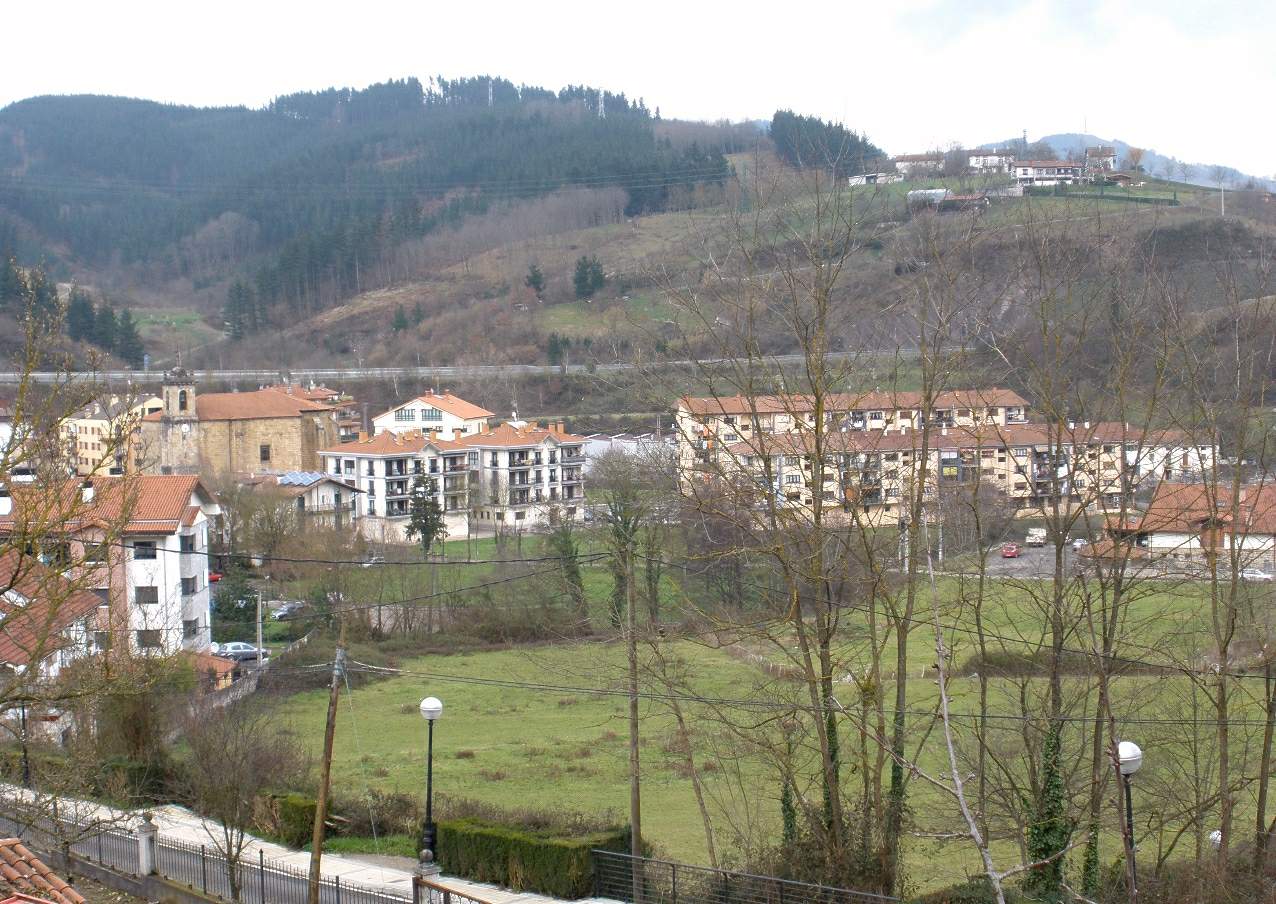
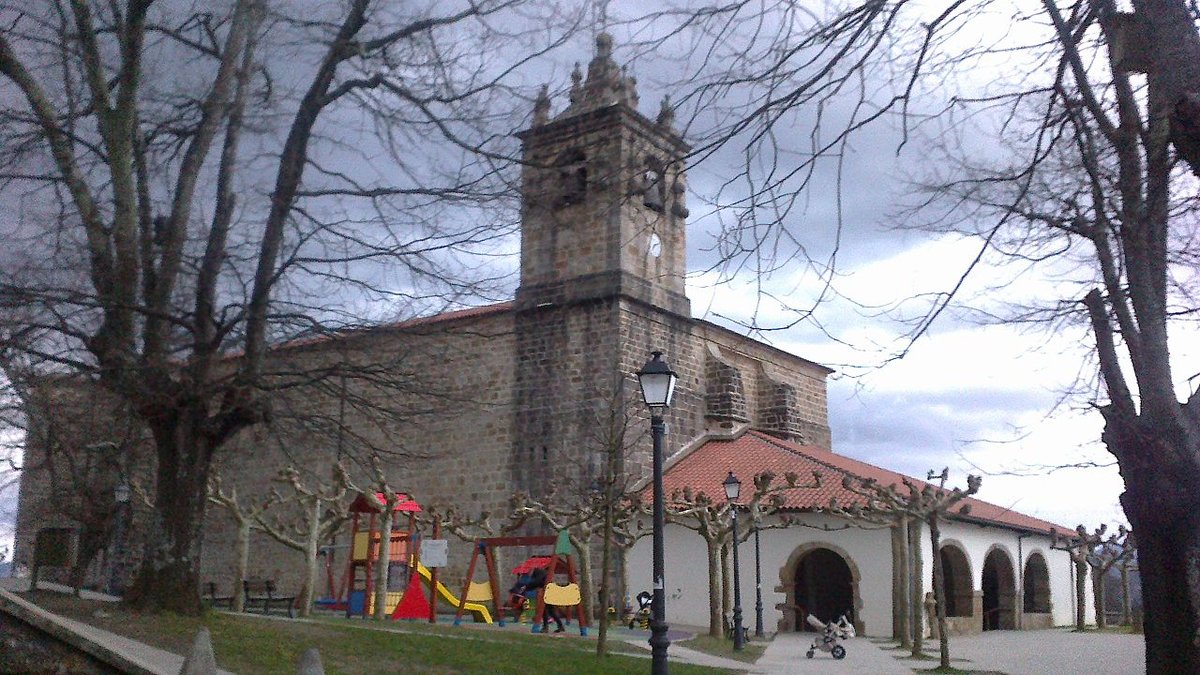
There is no grand historic centre packed with striking buildings. The small core of the village revolves around the church of San Juan Bautista, a rather understated structure that blends into its surroundings without fuss. Around it, a handful of houses and calm streets. That is about it. In Olaberria, the focus has never really been the village centre, but everything that lies beyond it.
Walking among fields and farmhouses
What truly defines Olaberria are the rural paths that branch out in all directions. Some are paved, others are simple dirt tracks that cut through fields where sheep or cows graze. It is common to pass old caseríos, traditional Basque farmhouses, many of which are still working, with vegetable plots beside them and the steady rhythm of agricultural life continuing as it has for years.
Walking here feels ordinary in the best possible way, almost domestic. This is not a picture-postcard route. It is closer to stepping quietly, and respectfully, into the day-to-day life of the area: freshly cut grass in summer, mud in winter, dogs barking from a nearby farmhouse, and a kind of countryside silence that only breaks when a car passes.
Some of these paths are used by local residents to move between different parts of the municipality or simply to go for a walk. They are not always designed as marked hiking routes, so it helps to take things as they come. Sometimes a path will end, or lead somewhere unexpected, and turning back or choosing another direction is part of the experience.
Looking out over the Goierri valley
Head slightly uphill along the tracks that lead towards the higher neighbourhoods, for example in the direction of Aranakua or along the slopes surrounding the village, and the landscape begins to open up. From these points, the layout of this part of the Goierri becomes clear: towns sitting relatively close to one another, fields filling the spaces in between, and mountains forming a natural boundary on the horizon.
On clear days, nearby places such as Beasain, Lazkao or Segura can be seen in the distance. These are not formal viewpoints with signs or railings. They are simply those moments along the path where it feels natural to stop, look around for a minute, and then carry on walking.
Eating from the land
One of the defining features of this part of Gipuzkoa is its produce. Around Olaberria, it is easy to come across Idiazabal cheese, made from the milk of latxa sheep, a native breed in the Basque Country. Production is often small-scale, linked to local farmers across the comarca.
Depending on the time of year, there are also vegetables from nearby plots and other products that come directly from the caserío. This close relationship between land and food is part of daily life rather than something staged for visitors.
Then there is cider. In the Goierri, cider culture has long been part of the local identity. At certain times of year there is more visible activity linked to it, although each season tends to follow its own rhythm.
How to fit Olaberria into a trip
Olaberria is not somewhere to plan a full day of sightseeing. Said like that, it might sound like a drawback, but it is actually what makes it appealing.
It works best as a quiet pause while travelling through the Goierri. A simple approach is enough: park near the centre, take a short walk through the village, stop by the church, and then head out along one of the paths that climb towards the nearby neighbourhoods. Within one or two hours, it is possible to get a clear sense of the place.
One practical note matters here. Many of the paths pass very close to private properties and working farmland, so access points should always be respected. Life here carries on at its usual pace. And if it has rained, which is quite likely in this part of the Basque Country, footwear that can handle mud is a sensible choice.
Olaberria does not try to attract attention. It is the kind of place that makes more sense when you slow down and accept that what matters is not a specific monument, but a landscape shaped over generations. There are more widely known towns in the Goierri. This one, by contrast, reveals itself gradually, step by step, as you walk.