Full Article
about Ordizia (Villafranca de Ordizia)
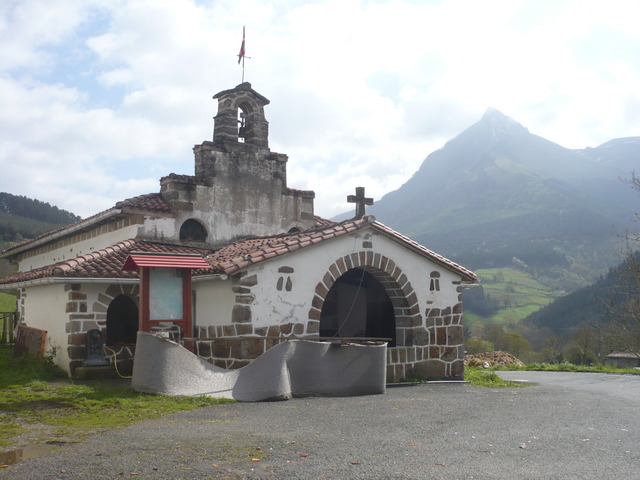
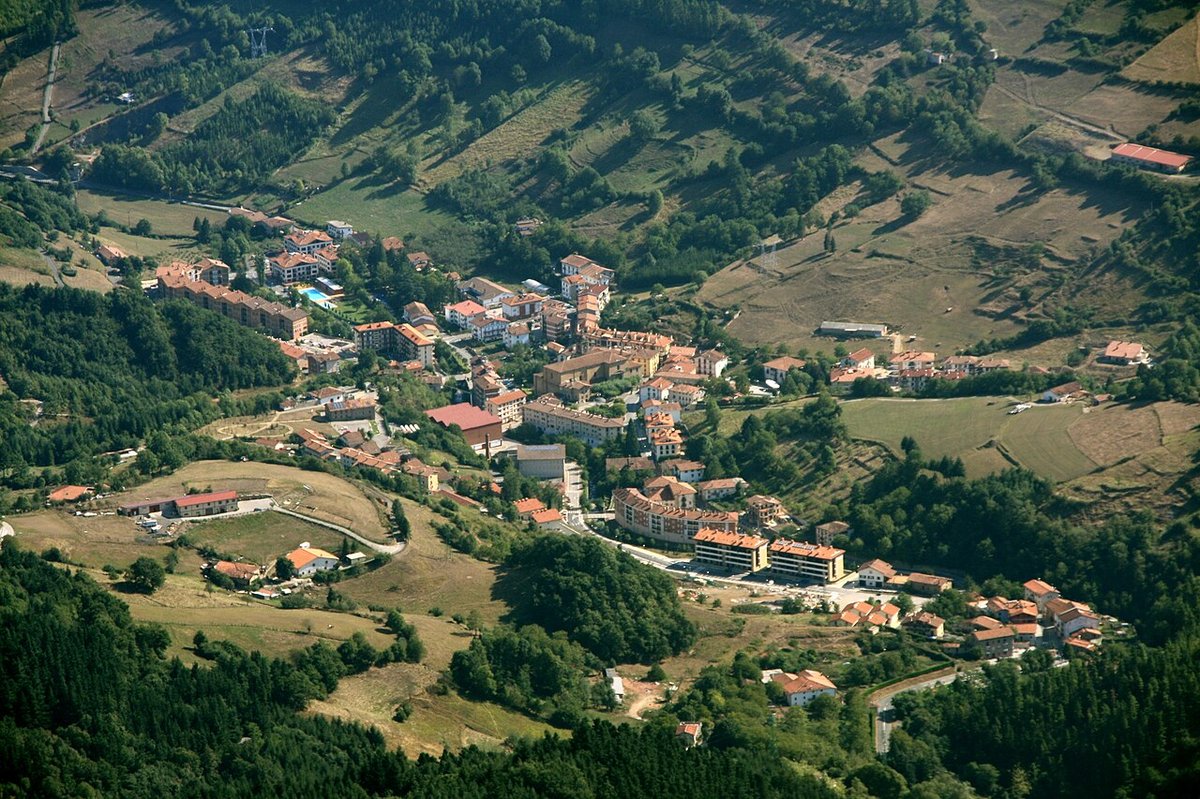
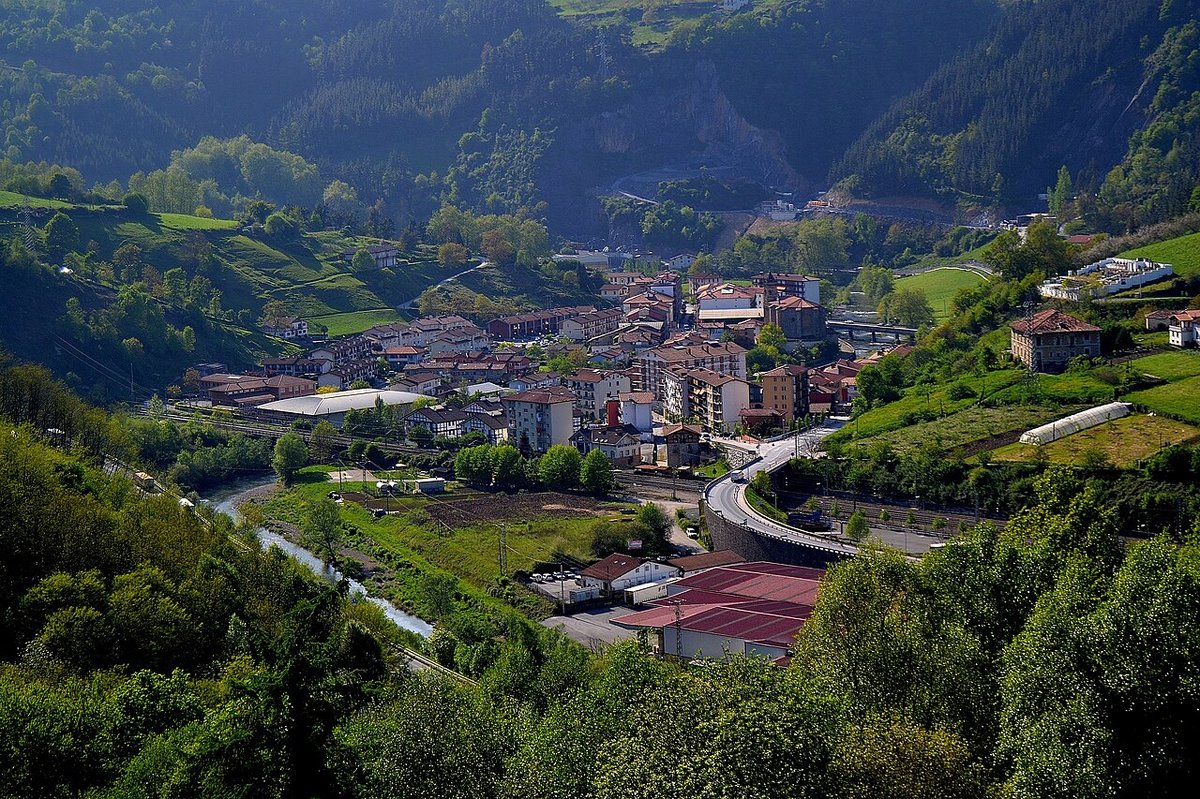
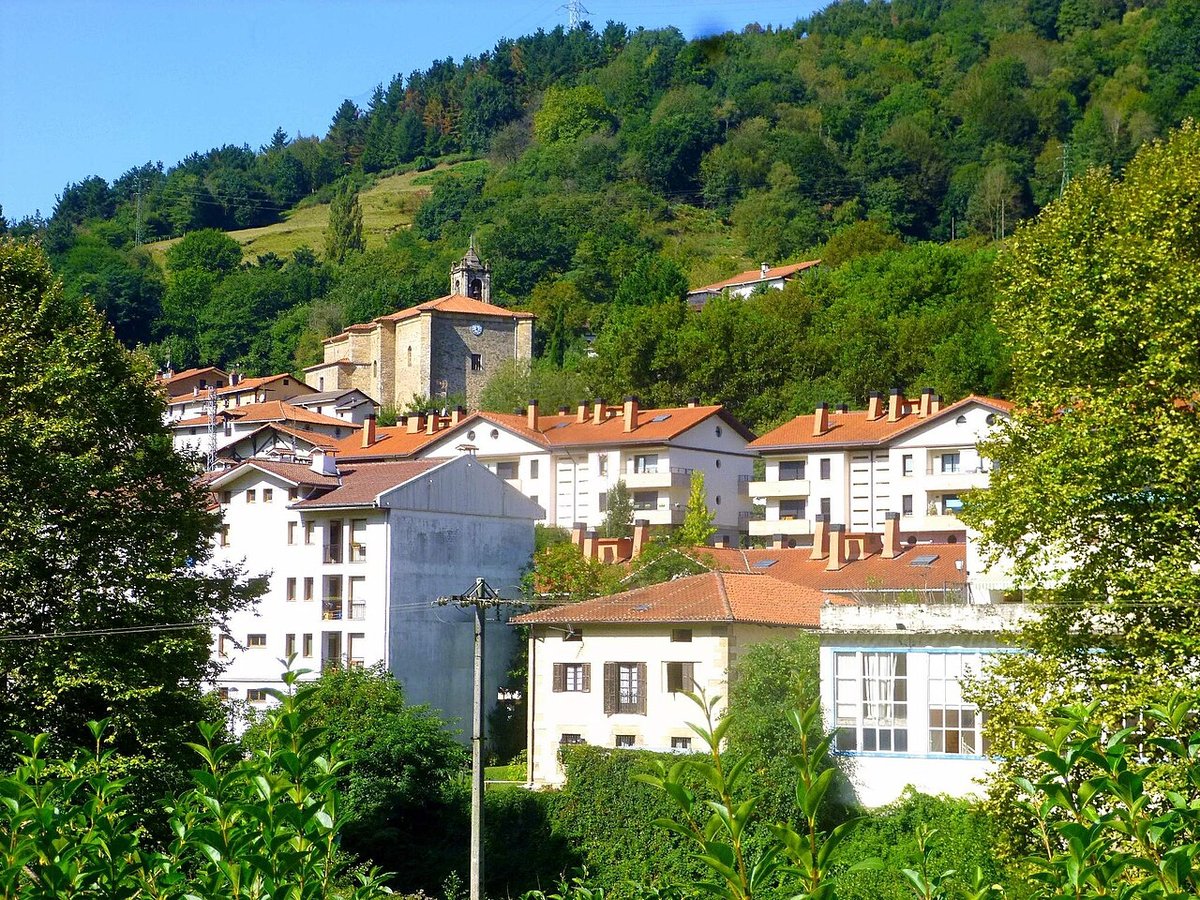
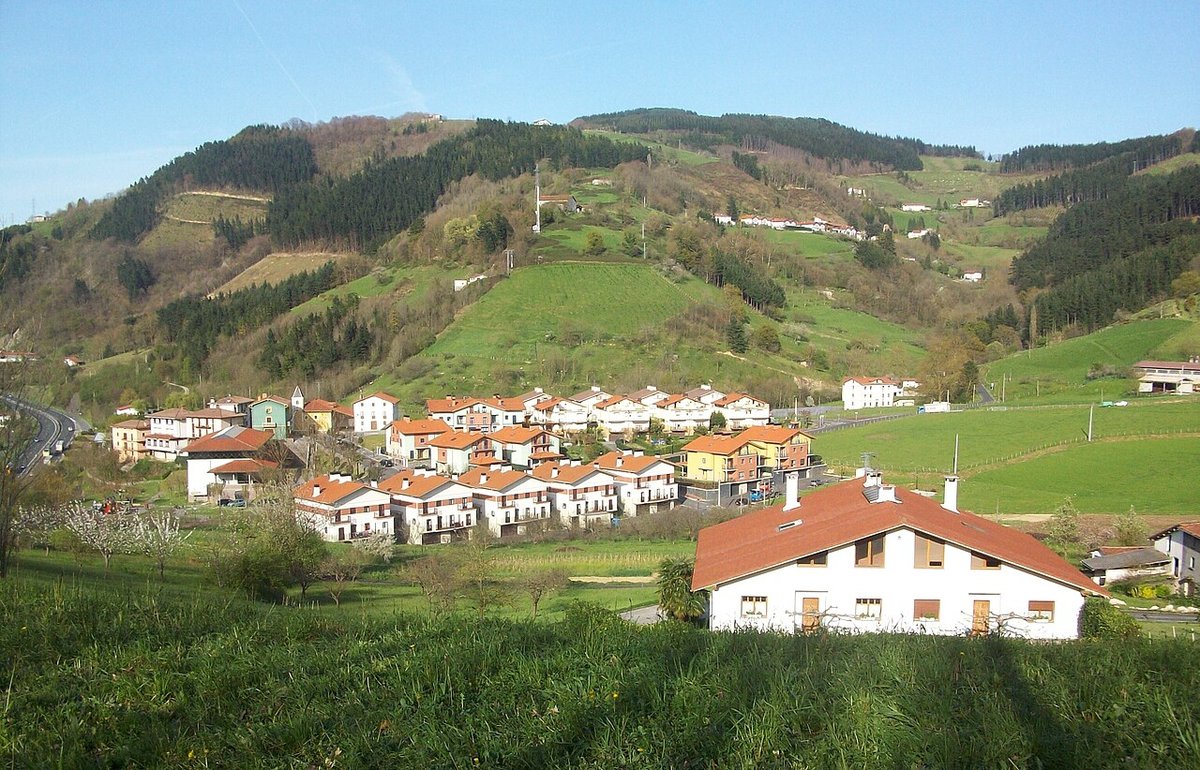
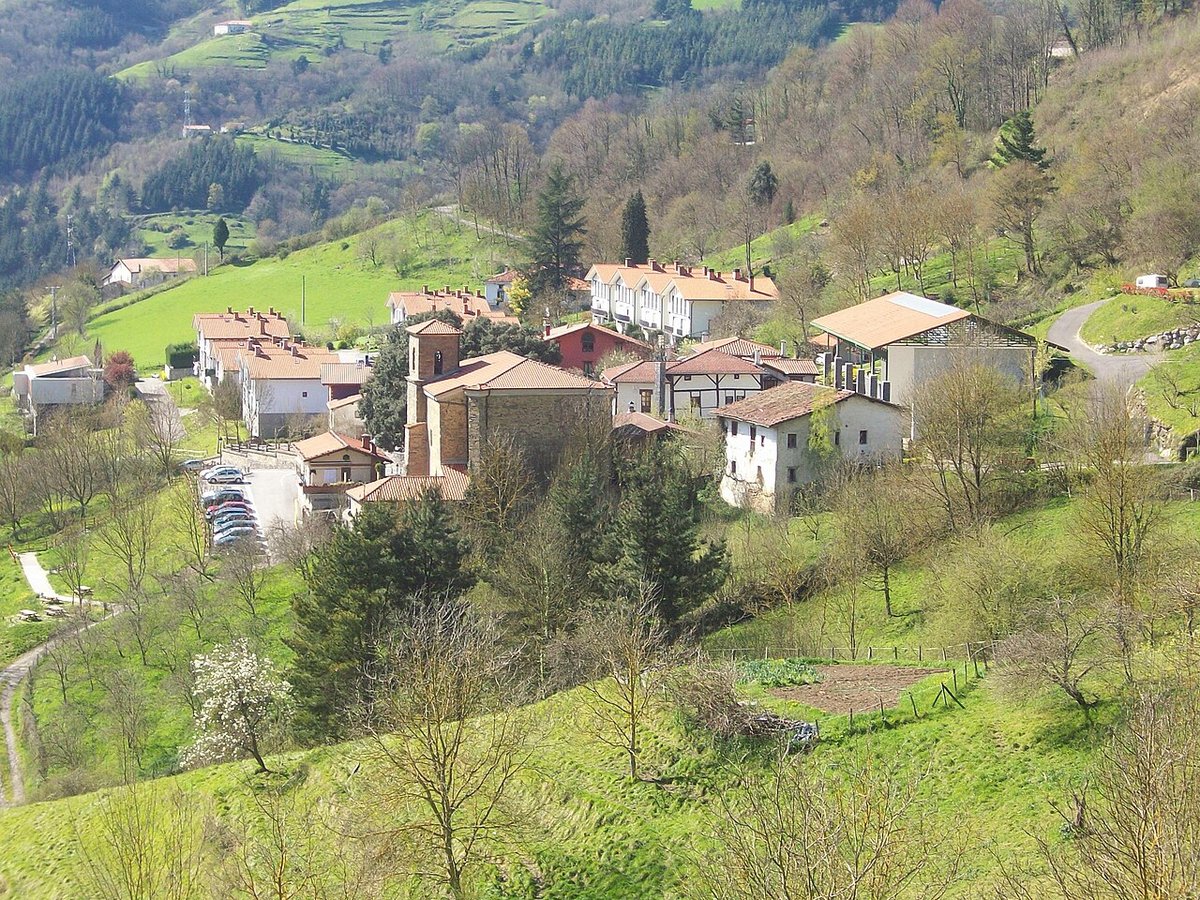
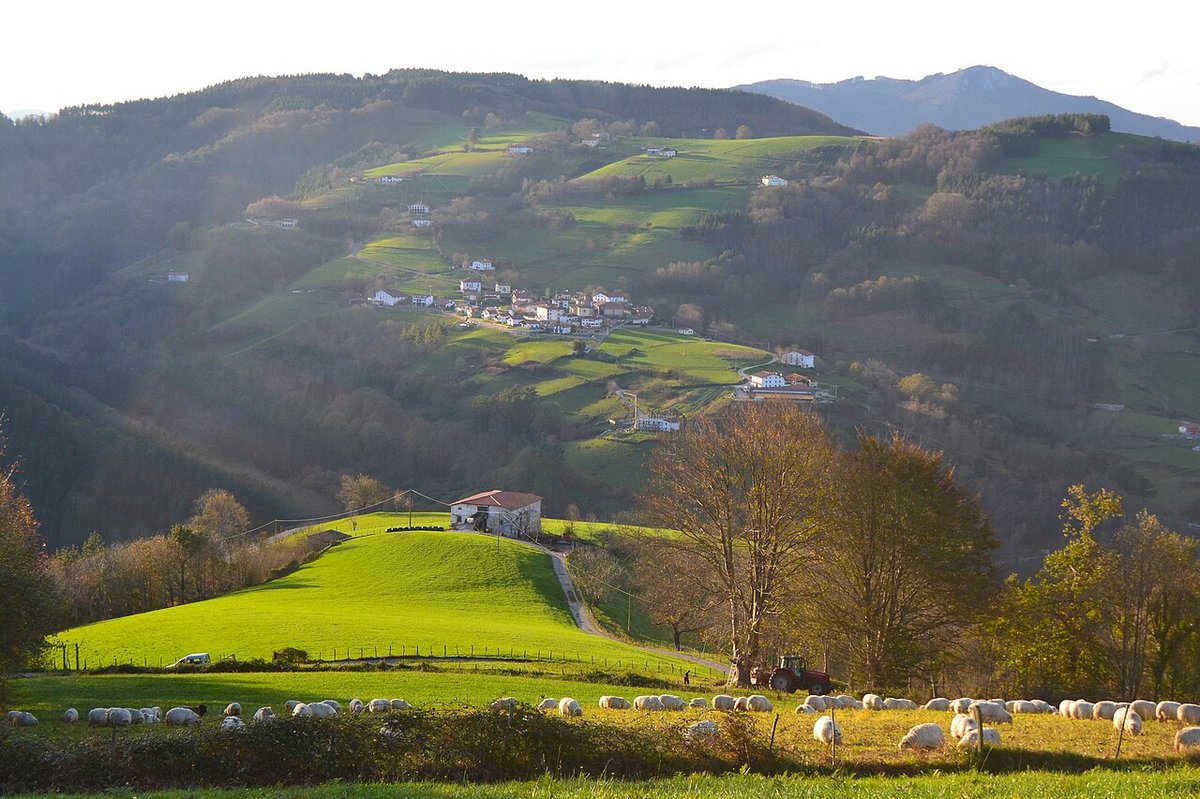
Deep green, farmhouses and nearby mountains with trails and viewpoints.
Hide article Read full article
A Wednesday That Shapes the Week
Early on Wednesday, before the sun has warmed the Oria valley, trucks loaded with cheese already circle the square. It is market day. The tradition dates back to the early 16th century, when the Crown authorised a weekly fair that still sets the pace of the town. In Ordizia, reminders are unnecessary. Activity begins the day before, with vans unloading crates and stalls taking shape beneath the arcades.
This weekly rhythm is more than a routine. It defines how the town moves and gathers. By morning, the square fills with producers and buyers who know exactly why they are there. The market is not staged for visitors. It is part of everyday life, rooted in habits that have changed little over centuries.
A Town Designed for Exchange
In 1256, Alfonso X granted a charter to a small settlement at a crossroads beside the Oria river. Villafranca de Oria, the original name, was a planned foundation. Straight streets, regular plots and a central square created specifically for trade. That layout is still easy to recognise when walking through the old quarter.
The name evolved over time, but its role remained largely the same. Ordizia developed as a market centre linking the farmhouses of the Goierri with routes connecting inland areas to the coast. Its position made it a natural meeting point for goods and people.
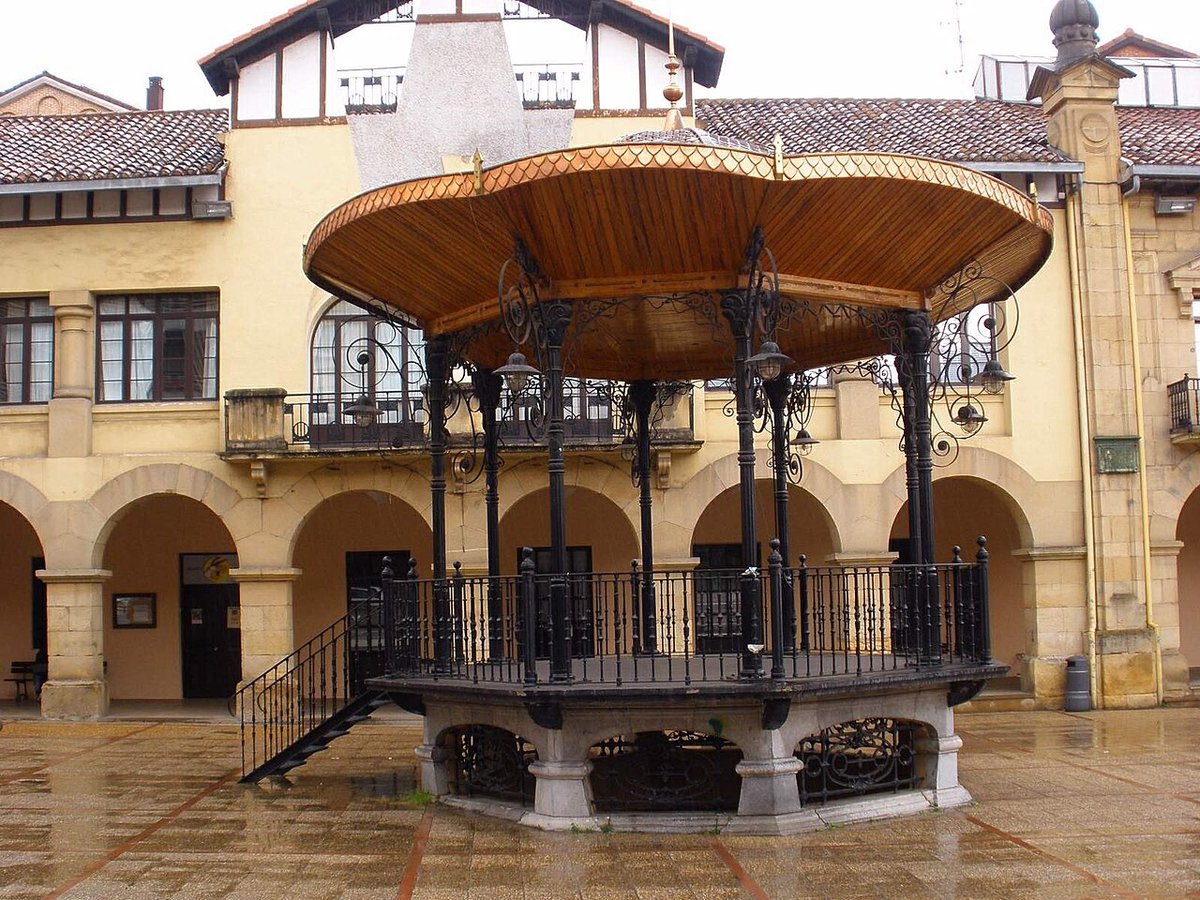
The Plaza Mayor reflects that logic clearly. It is not grand or decorative. It is practical. Arcades provide shelter from the frequent rain in this part of Gipuzkoa, and the deep porticoes once allowed goods to be stored safely. On the façades, coats of arms recall families who built their wealth through trade here. For centuries, economic power sat close to the ground: merchants, farmhouse owners and intermediaries from the valley.
Cheese That Carries a Neighbour’s Name
Idiazabal cheese takes its name from a nearby village, yet one of the best-known places to buy it is Ordizia. Each Wednesday, producers arrive from across the region with cheeses made from the milk of latxa sheep, a local breed well suited to the landscape. Many are still matured in family farmhouses, known as caseríos.
The presence of the cheese is unmistakable even before it comes into view. There is the scent of milk and, in some cases, a hint of smoke from beechwood used during the curing process. Sales are often made by the whole piece rather than by slices. Experienced buyers still rely on an old habit: tapping the cheese lightly with their knuckles to judge its quality by sound.
In spring, around Easter, the market takes on a more festive character during Artzain Eguna, the shepherd’s day. Flocks are brought into town, new cheeses of the season are presented and bertsolaris perform improvised verses in Basque, a tradition of oral poetry. The day functions less as a show and more as a meeting point for those connected to this way of life.
A Palace, a Staircase and a Pacific Crossing
At one corner of the square stands the Palacio Zabala. It is a tall, narrow building with a double balcony that projects slightly from the façade. During various royal visits to Gipuzkoa, some monarchs are said to have stayed here. Local tradition preserves this idea, although historical records do not always align in detail.
Inside, there is a spiral staircase that some attribute to a circle close to Juan de Herrera, the architect associated with major royal works of the Spanish Renaissance. This connection is often repeated, though it has not been fully proven.
A short distance away is the birthplace of Andrés de Urdaneta, born here in 1508. He was both a sailor and an Augustinian friar, known for his role in the tornaviaje, the return route that made it possible to sail from the Philippines back to the Americas by crossing the Pacific to the north. His house is marked by a modest plaque. Near the river, a small park commemorates him without fanfare.
The Church That Outgrew Its Space
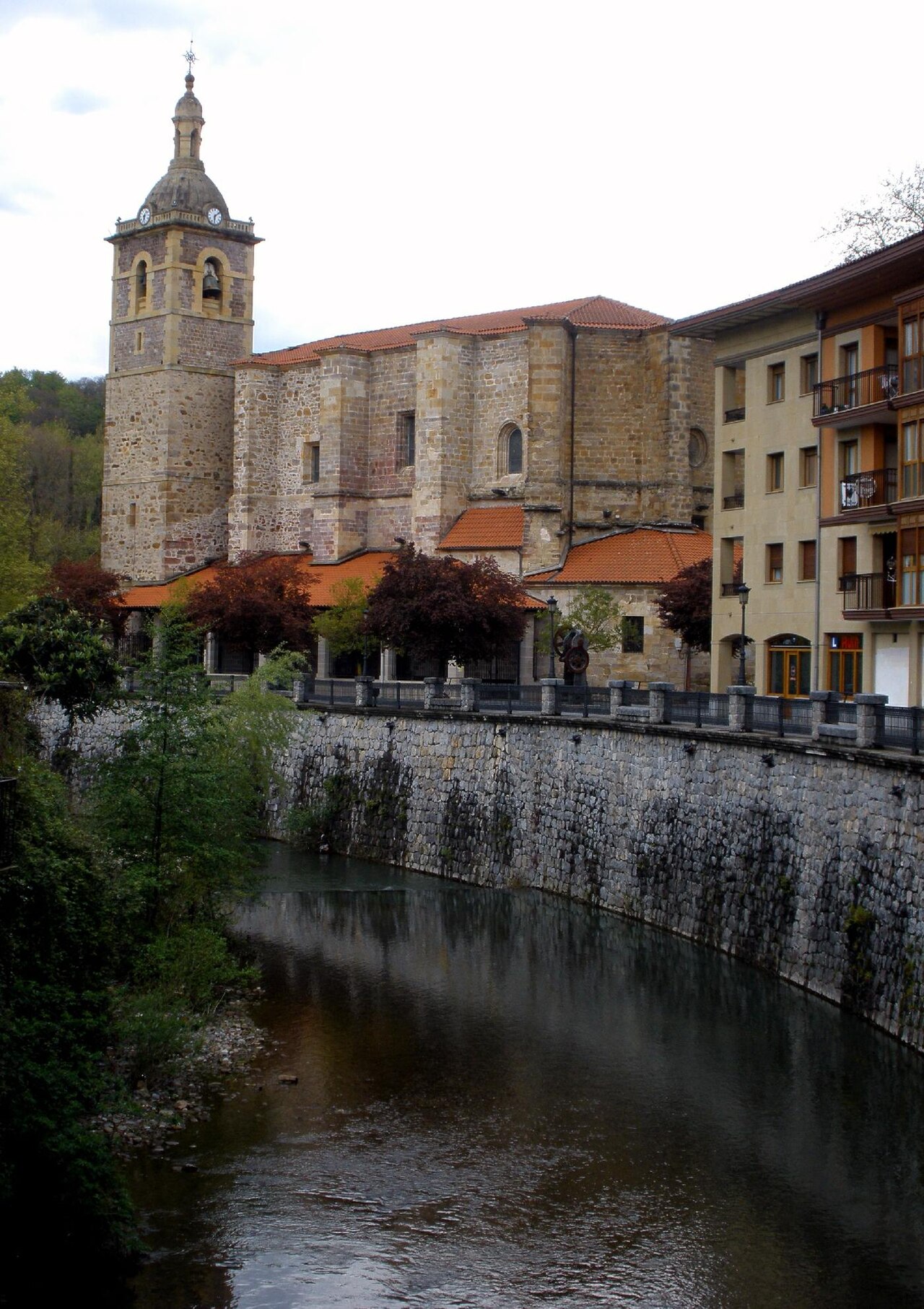
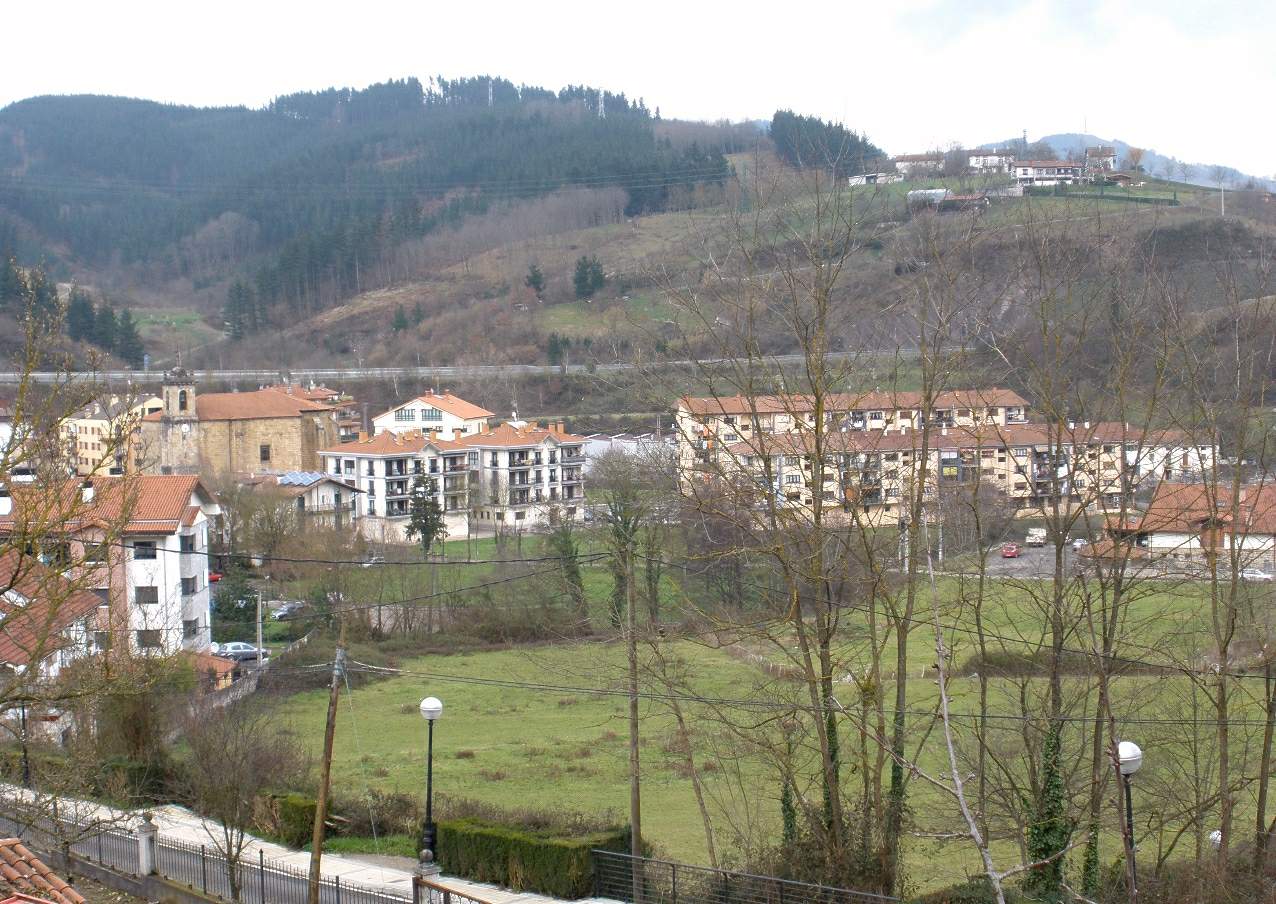
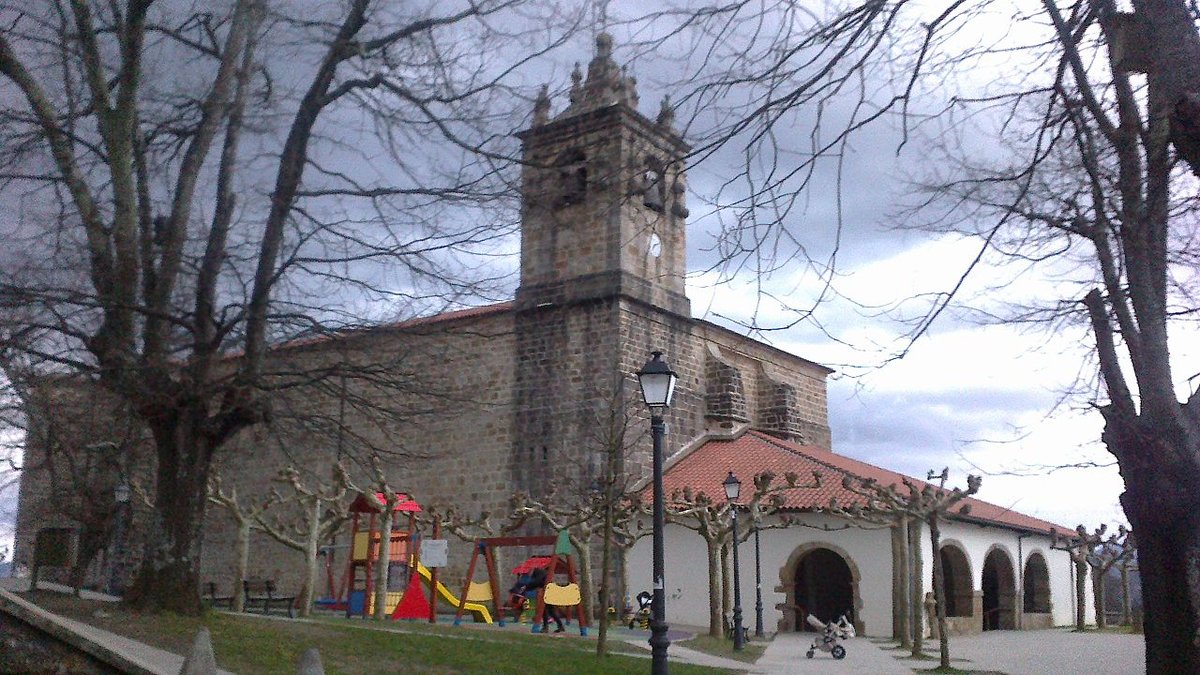
The church of Santa María de la Asunción occupies the same site it has held since the Middle Ages, although the current structure was largely built in the 16th century. Its design is restrained: a wide single nave divided into only a few sections, without elaborate complexity.
The most unusual feature lies outside. For centuries, the cemetery surrounded the church. By the late 18th century, space had become scarce. A portico was added on the southern side so that burials could continue under cover. Some of the stone slabs remain, bearing family coats of arms that are now difficult to identify.
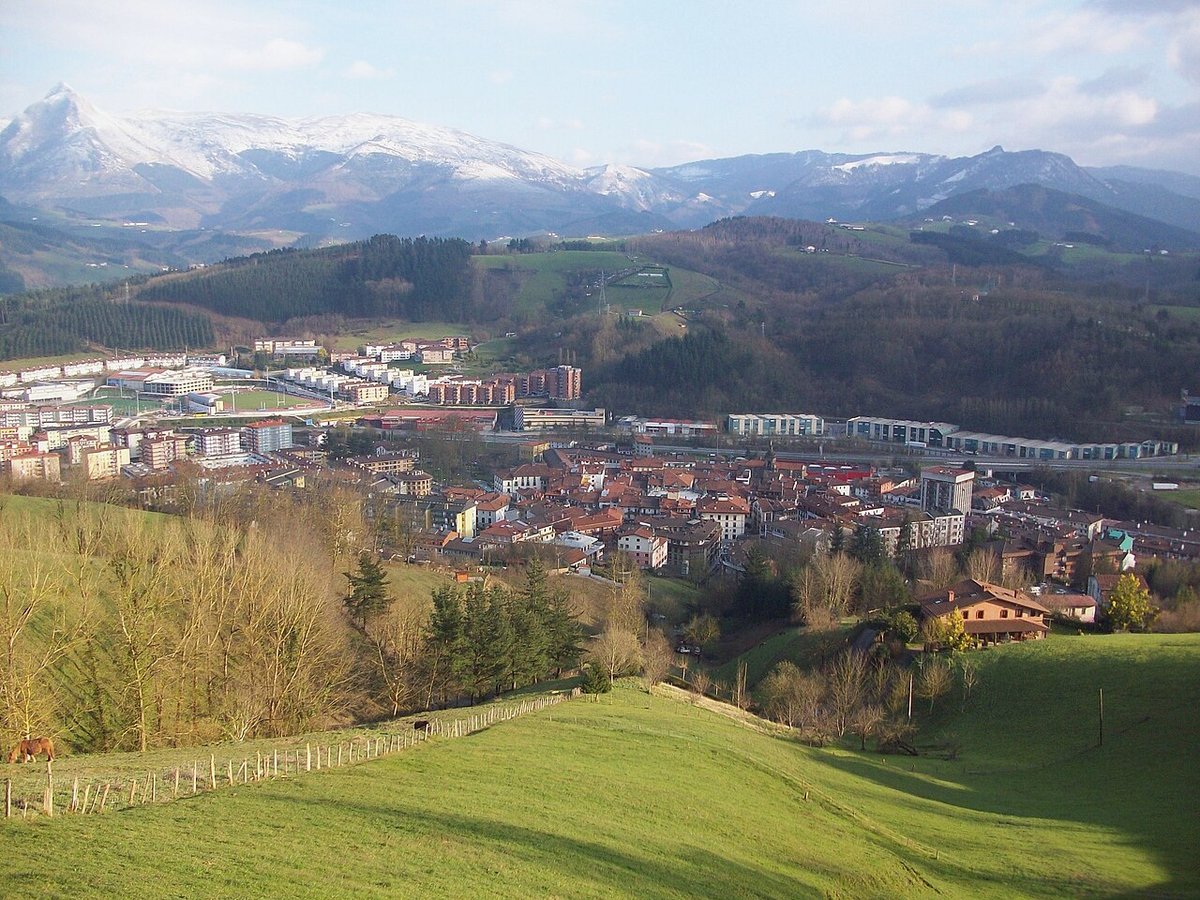
From the atrium, the view opens towards the Aralar range, a constant presence in the landscape of the Goierri. It frames the town and connects it visually to the rural setting that sustains much of its activity.
Finding Your Bearings
Ordizia sits at the heart of the Goierri, along the axis of the Oria valley. It lies about half an hour from San Sebastián by the main road that crosses the region. There is also a railway connection linking it with other towns in the valley.
The historic centre is compact and easy to explore on foot. Wednesday mornings show the town at its most active, with the market filling the square. On other days, the pace is noticeably calmer. Beyond the centre, roads climb towards mountain villages, passing through landscapes of farmhouses and pastureland where much of the region’s cheese is produced. Some producers sell directly from their farms, although it is worth checking in advance, as not all are set up to receive visitors.