Full Article
about Segura
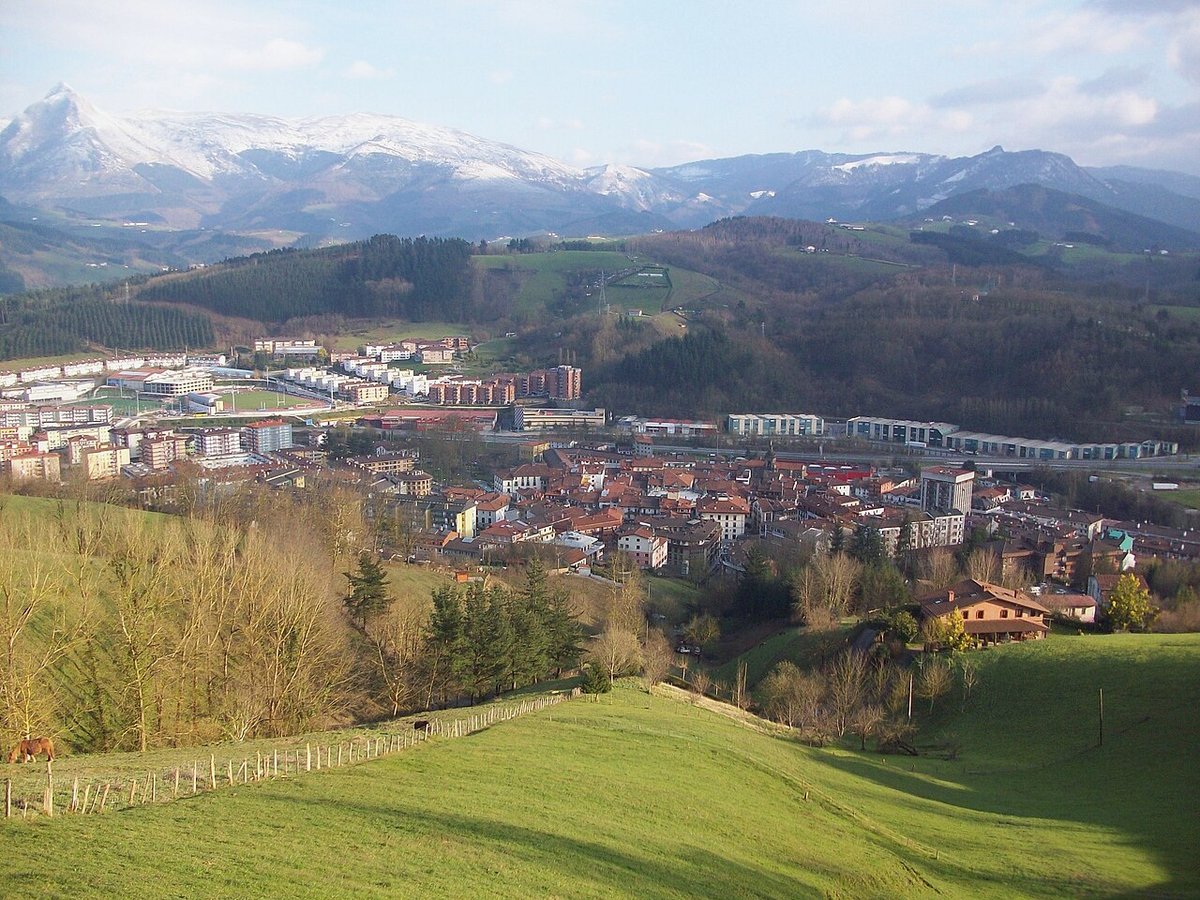
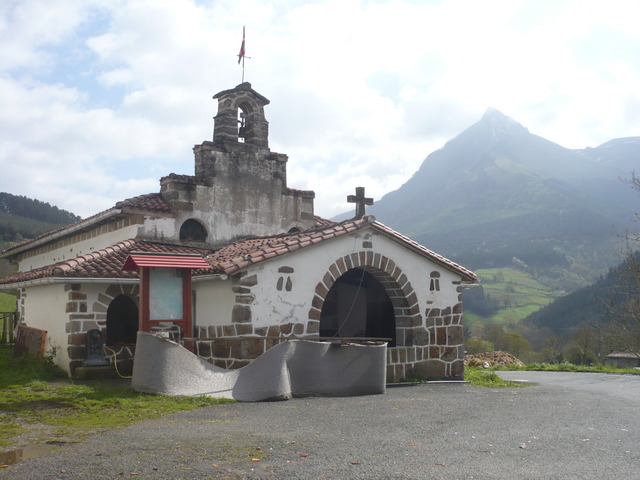
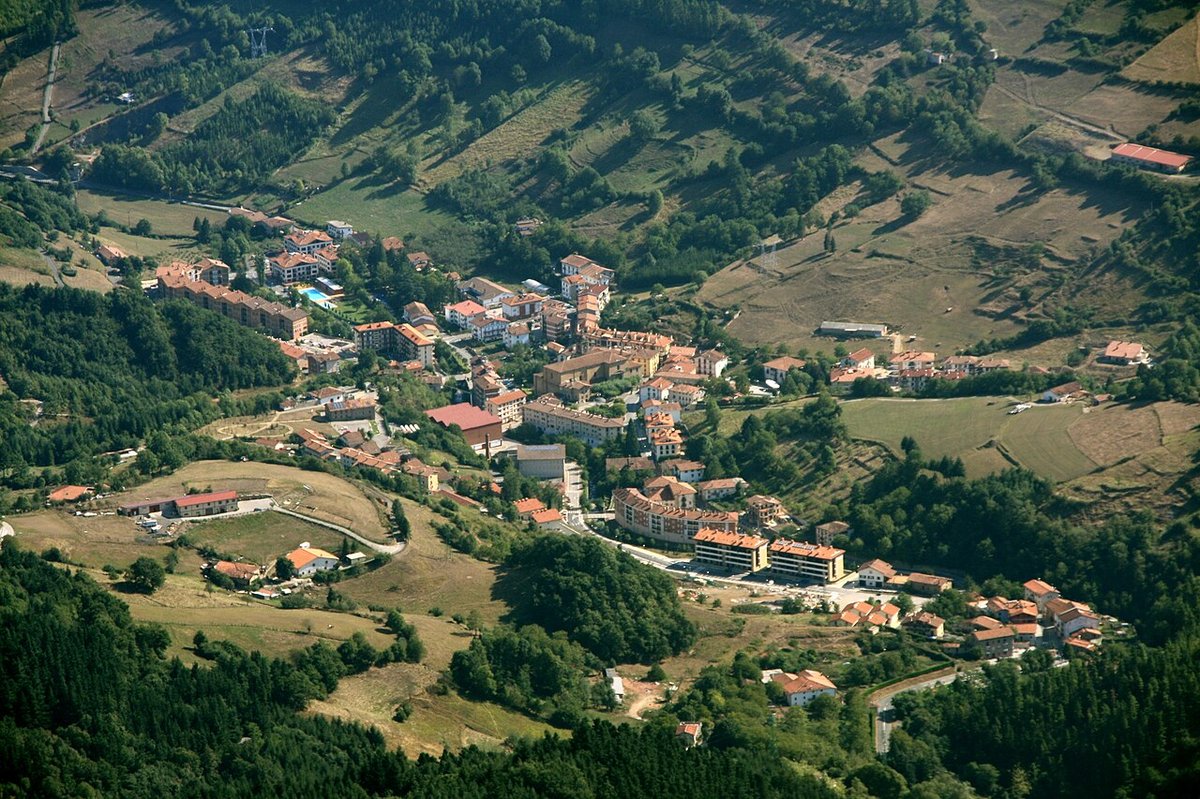
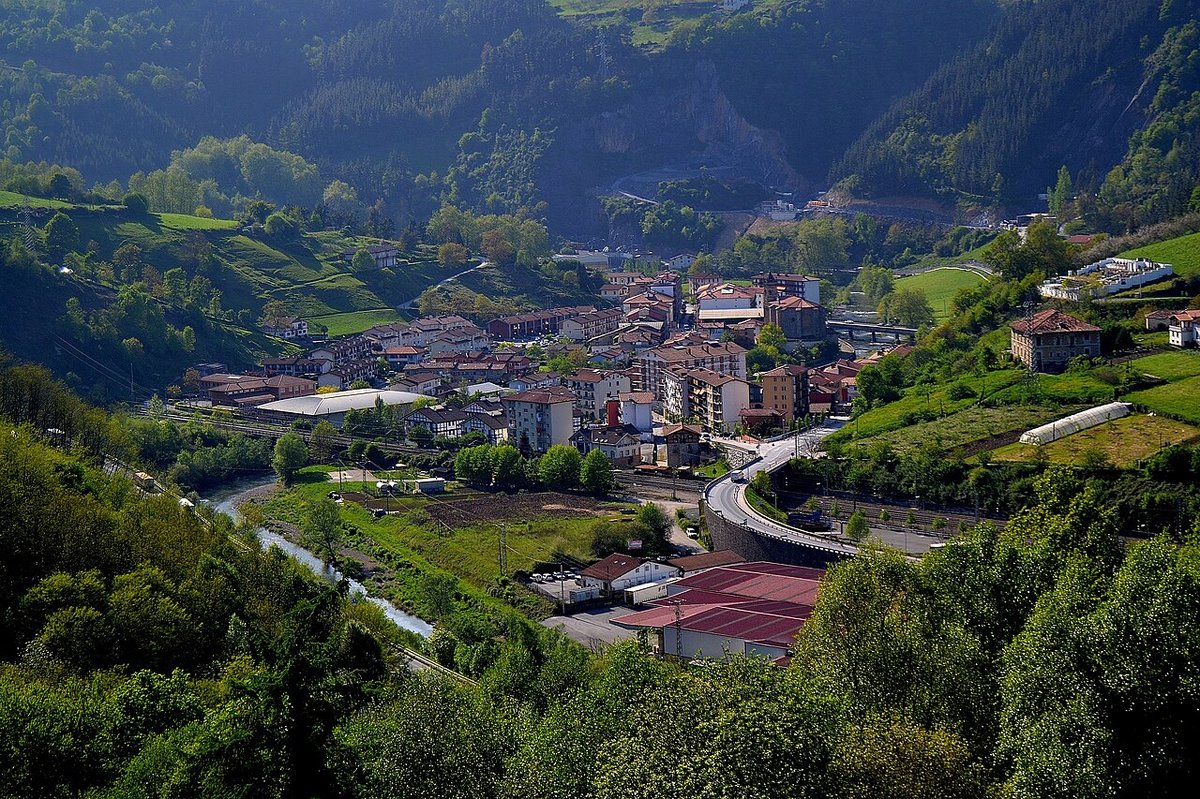
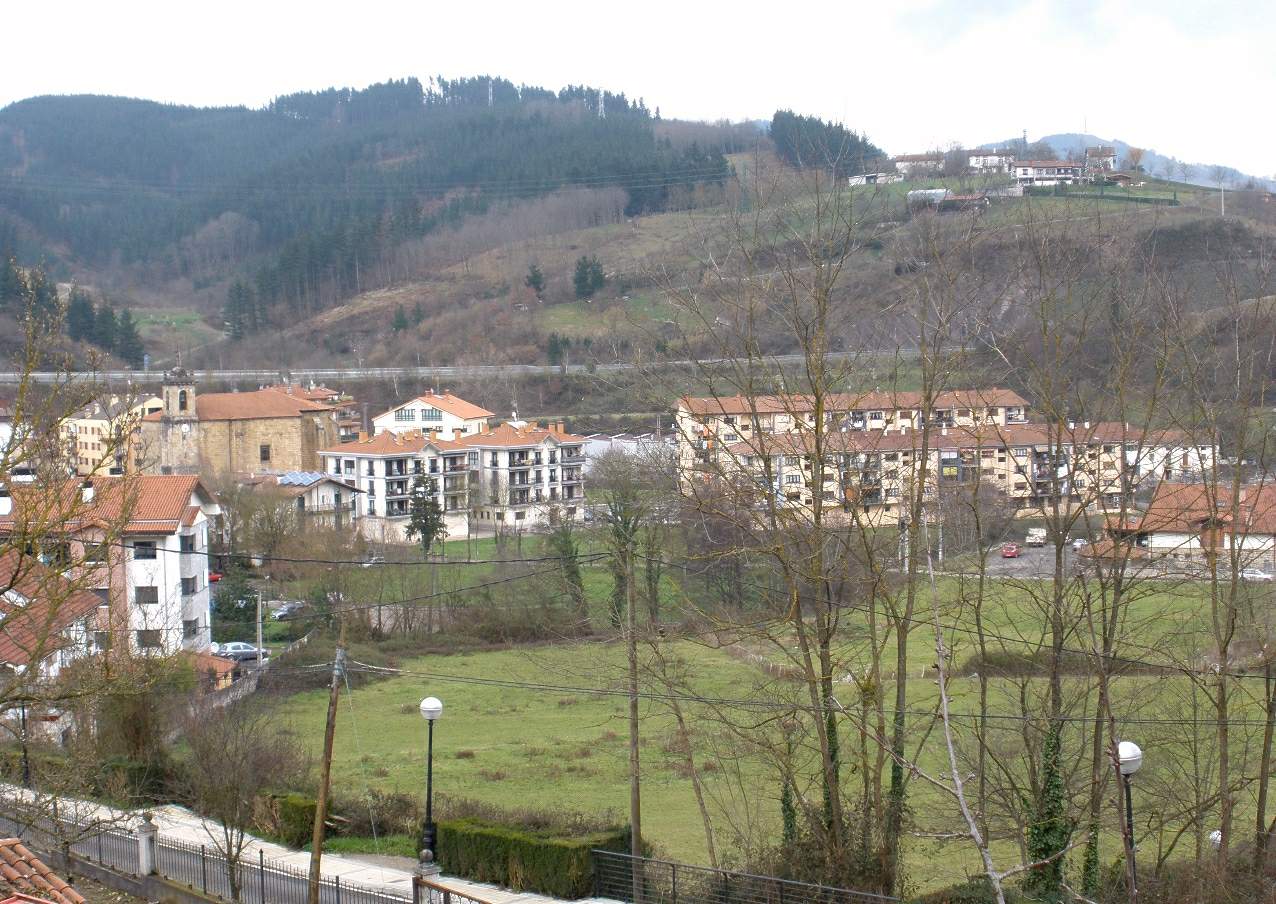
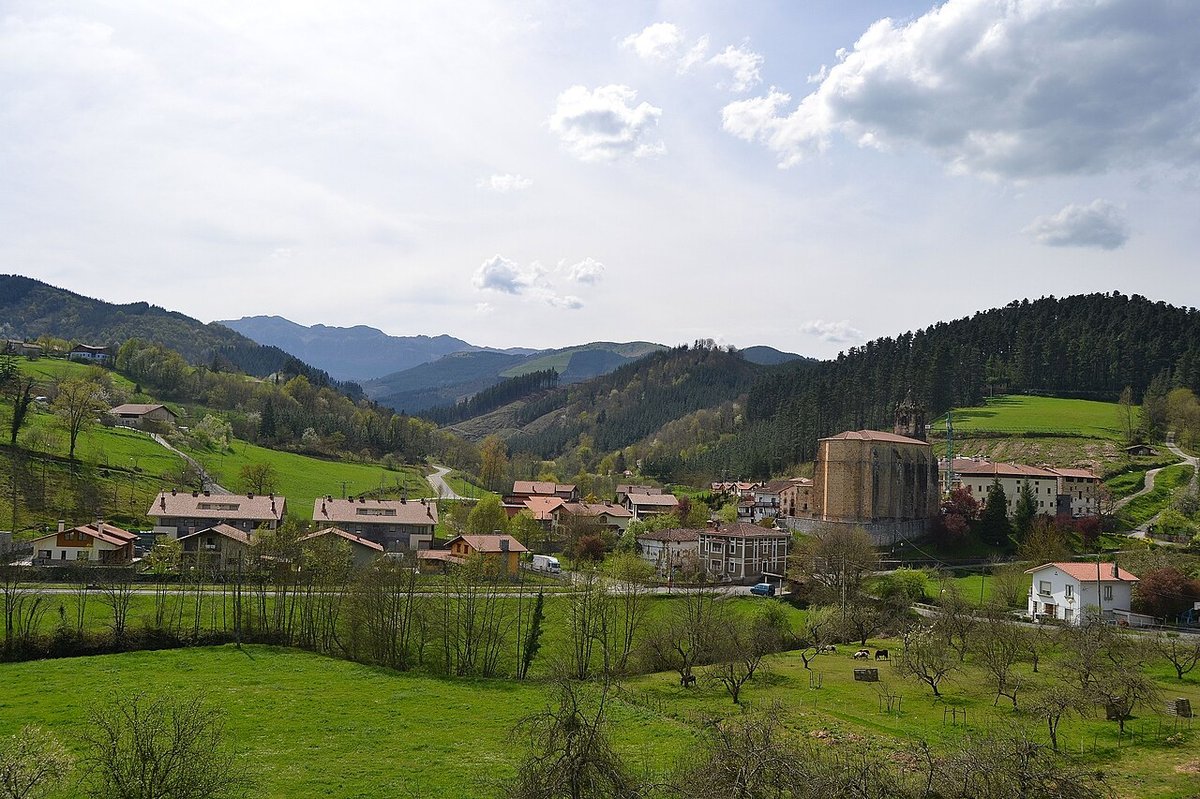
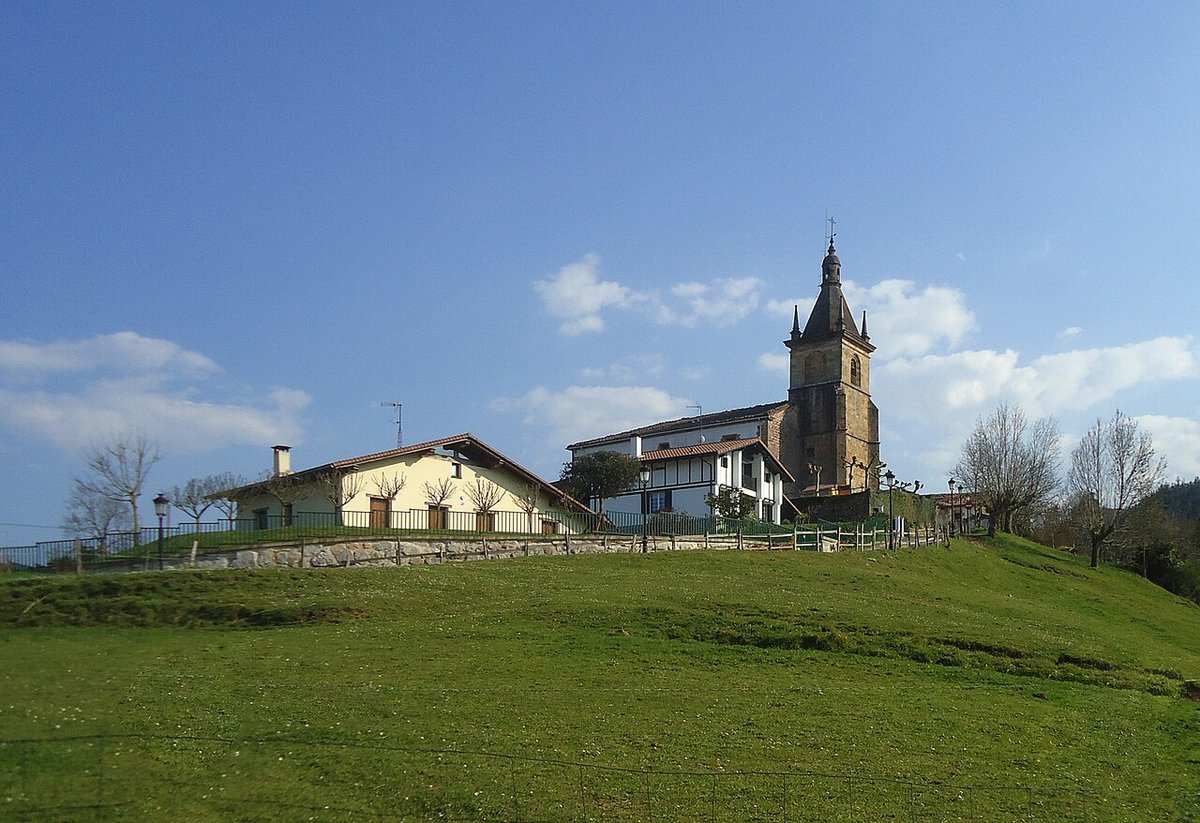
Deep green, farmhouses and nearby mountains with trails and viewpoints.
Hide article Read full article
The Inland Pass
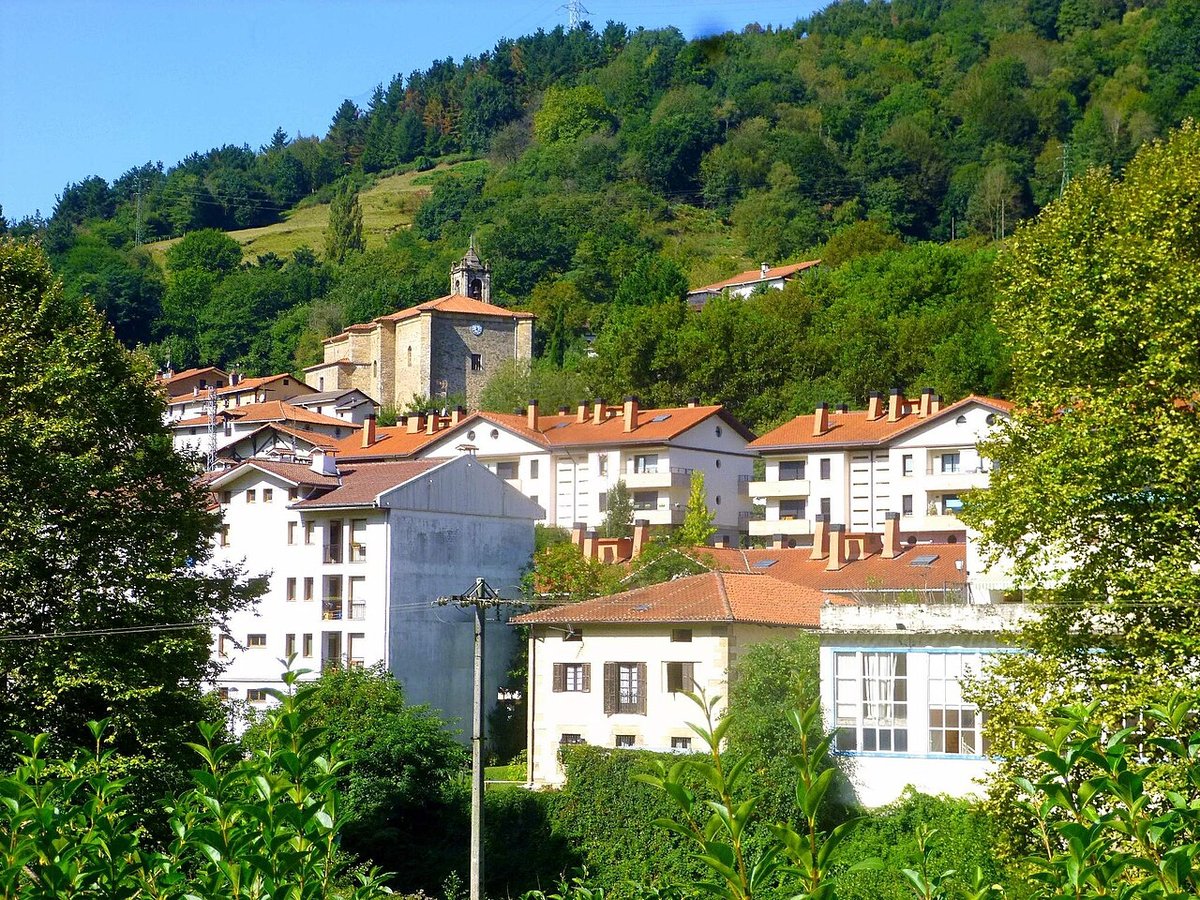
Segura exists because of a pass. In the 13th century, this route through the Goierri hills connected the Kingdom of Castile to the coast. The town was founded to control it. That geography still defines the place: a compact, lived-in settlement of about 1,500 people, built on a small rise above the river Oria.
A Street as a Spine
The medieval plan remains clear. Calle Mayor runs almost straight through the old centre, acting as its backbone. The stone houses that line it are pressed together, a result of the town’s original walls. You see large doorways and carved coats of arms on the façades, markers of families who held local office for generations. This isn’t an open-air museum; it’s a tight urban fabric where daily life continues within a centuries-old layout.
The Church of the Asunción
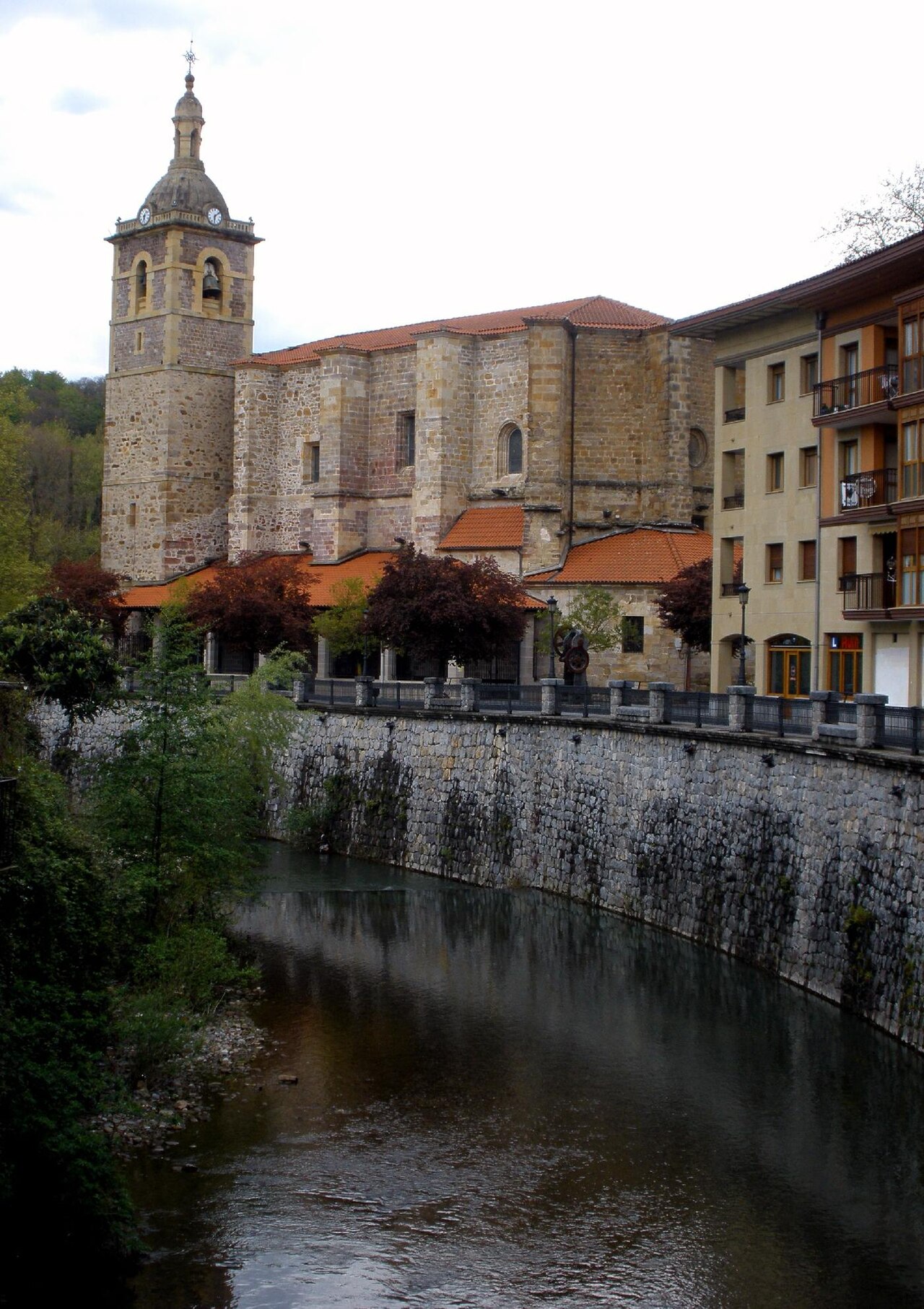
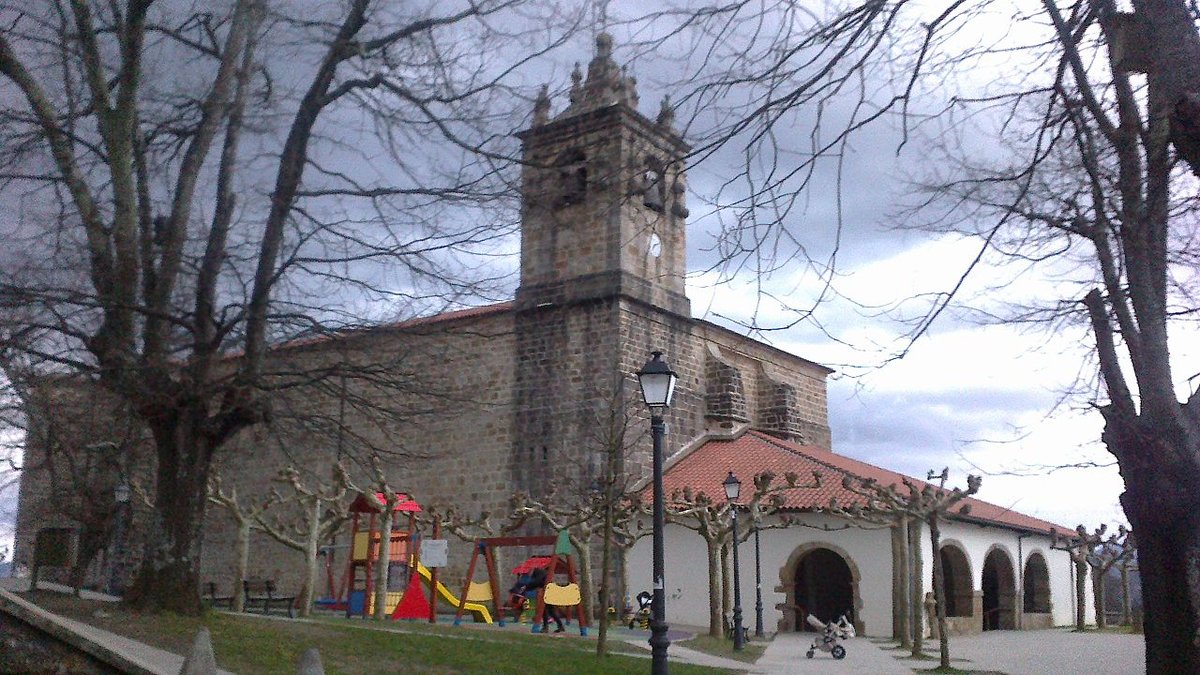
At a high point in the town stands the church of the Asunción. Work began in the 16th century, with alterations added later. Its size is notable for such a small community. Inside, if open, you can trace those different phases—Gothic vaulting giving way to Renaissance arches. It’s a physical record of the town’s evolution. Check locally for opening times.
The Logic of the Plaza de los Fueros
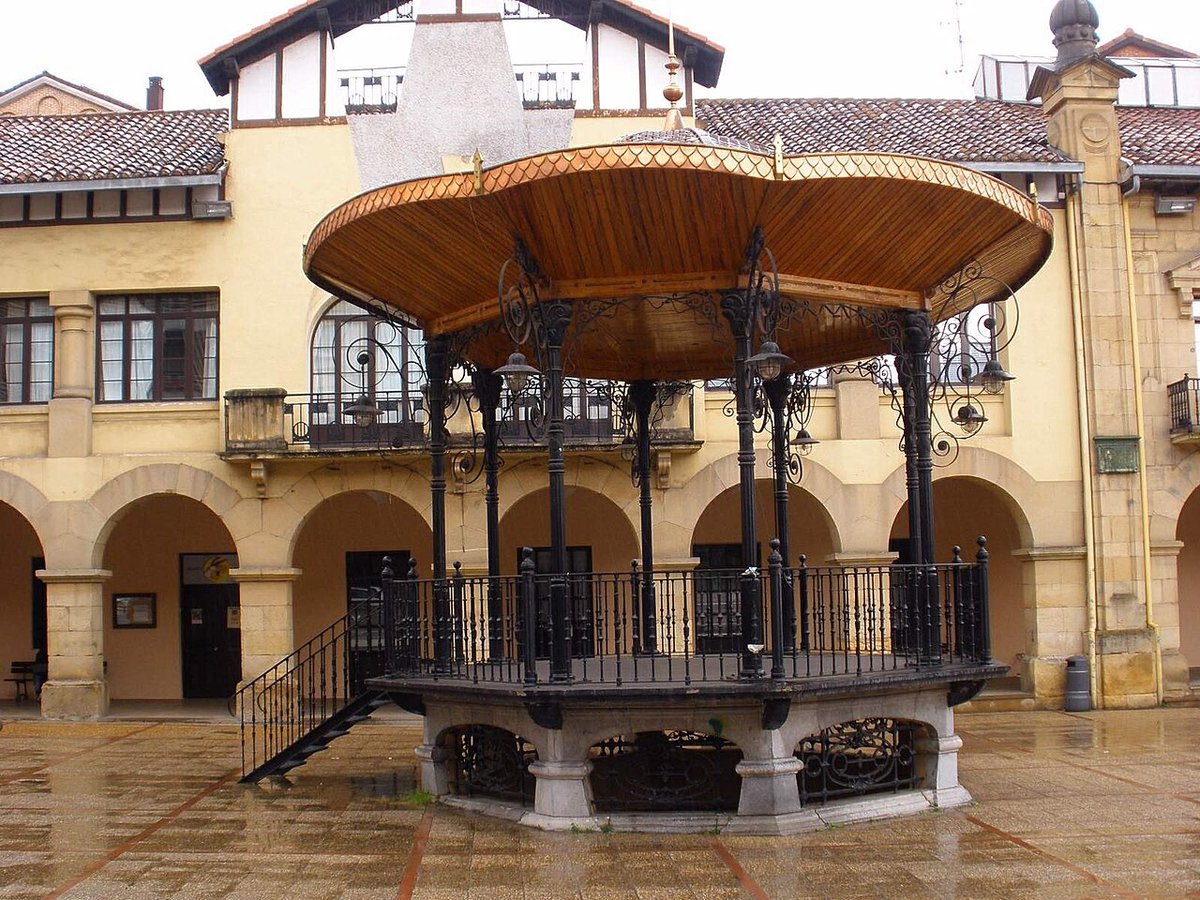
Partway along Calle Mayor, the streets open into the Plaza de los Fueros. The arcades here are practical architecture, designed for shelter from the frequent rain during markets or gatherings. Several grand houses face the square, like the Palacio de Guevara-Lazarraga with its stonework and heraldry. Together, they show how economic power and civic space were arranged in a structured community.
The Edge of Town
Walk five minutes beyond the last houses and the landscape opens. You’re in the meadows of Goierri, with scattered caseríos (traditional farmhouses) and patches of woodland. From these paths, looking back, you understand Segura’s siting: elevated, defined, a compact form against the green. The paths can be muddy and sloping; wear appropriate shoes.
A Walk Through Layers
The best way to see Segura is to walk its length slowly. Notice the details: the wear on the stone steps, the ironwork on balconies, the variety of lintels above doors. Pause under the arcades in the plaza. If the church is accessible, go inside to see the layers of construction. An hour is enough for the historic core; longer if you add a short rural walk or study the architecture closely.
Practicalities
Parking inside the old town is nearly impossible. Leave your car outside the historic centre and continue on foot. The streets are cobbled and uneven, with frequent changes in level—comfortable shoes are necessary.
The climate here is humid. A clear day gives better views of the surrounding hills, but the town operates in all weathers. It’s quieter on weekdays.
Segura is reached from the N-1 or AP-1 motorways, taking exits for Beasain or Idiazabal. It fits logically into a day exploring other Goierri towns like Ordizia or Zerain, each with a different character rooted in this same inland territory.