Full Article
about Zaldibia (Zaldivia)
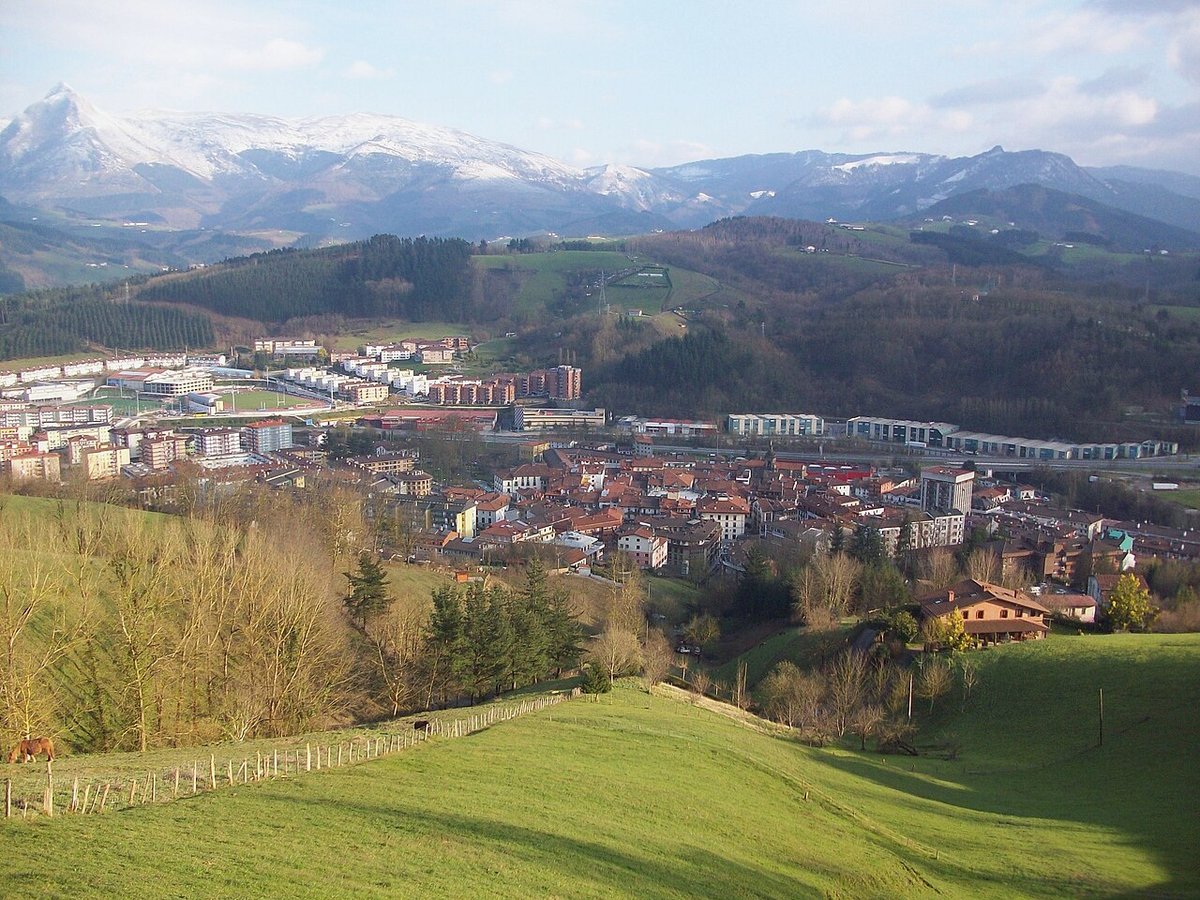
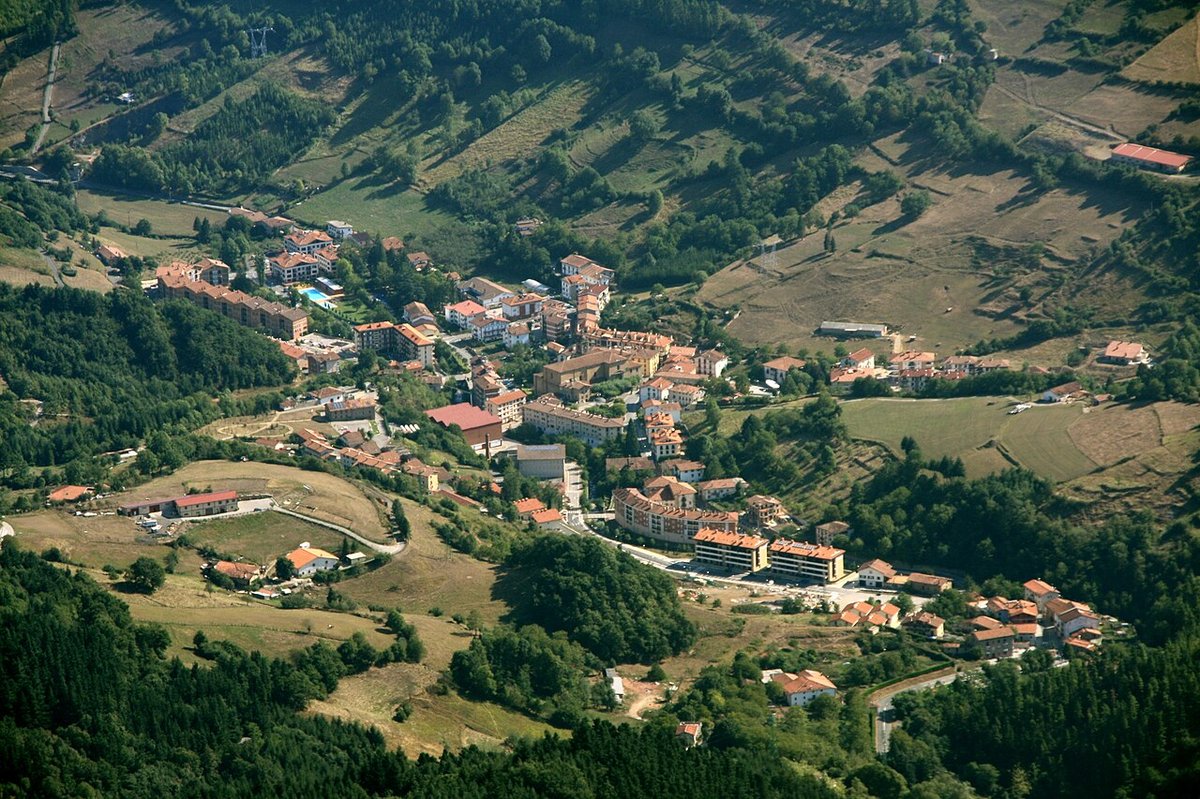
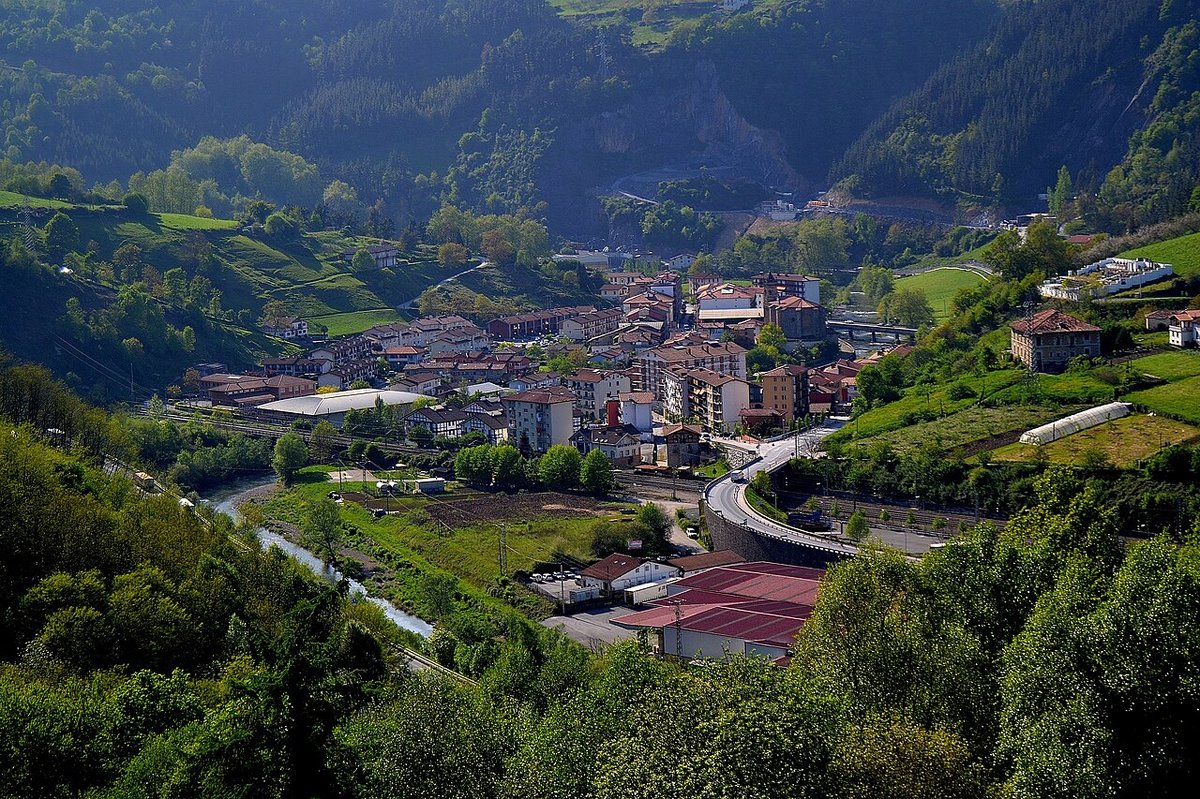
Deep green, farmhouses and nearby mountains with trails and viewpoints.
Hide article Read full article
Getting There and Getting Around
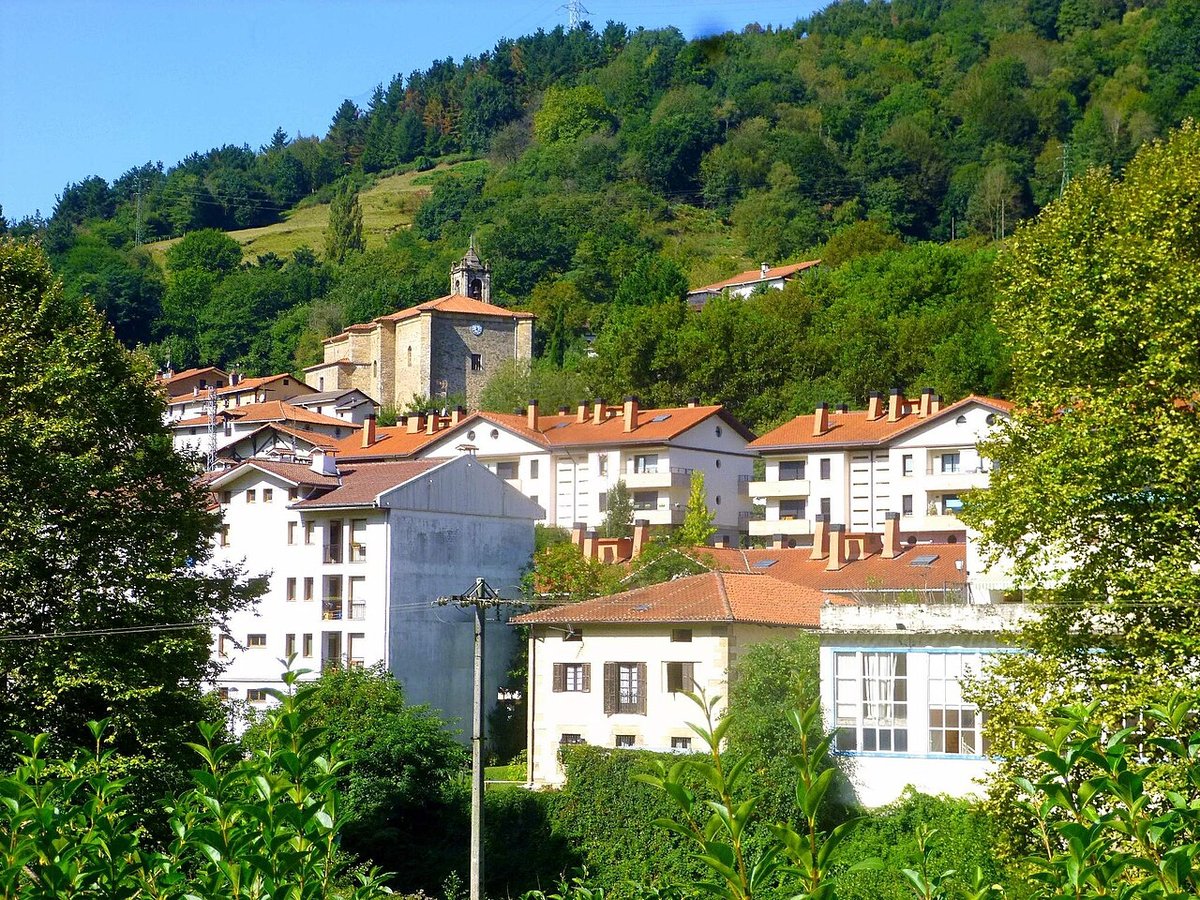
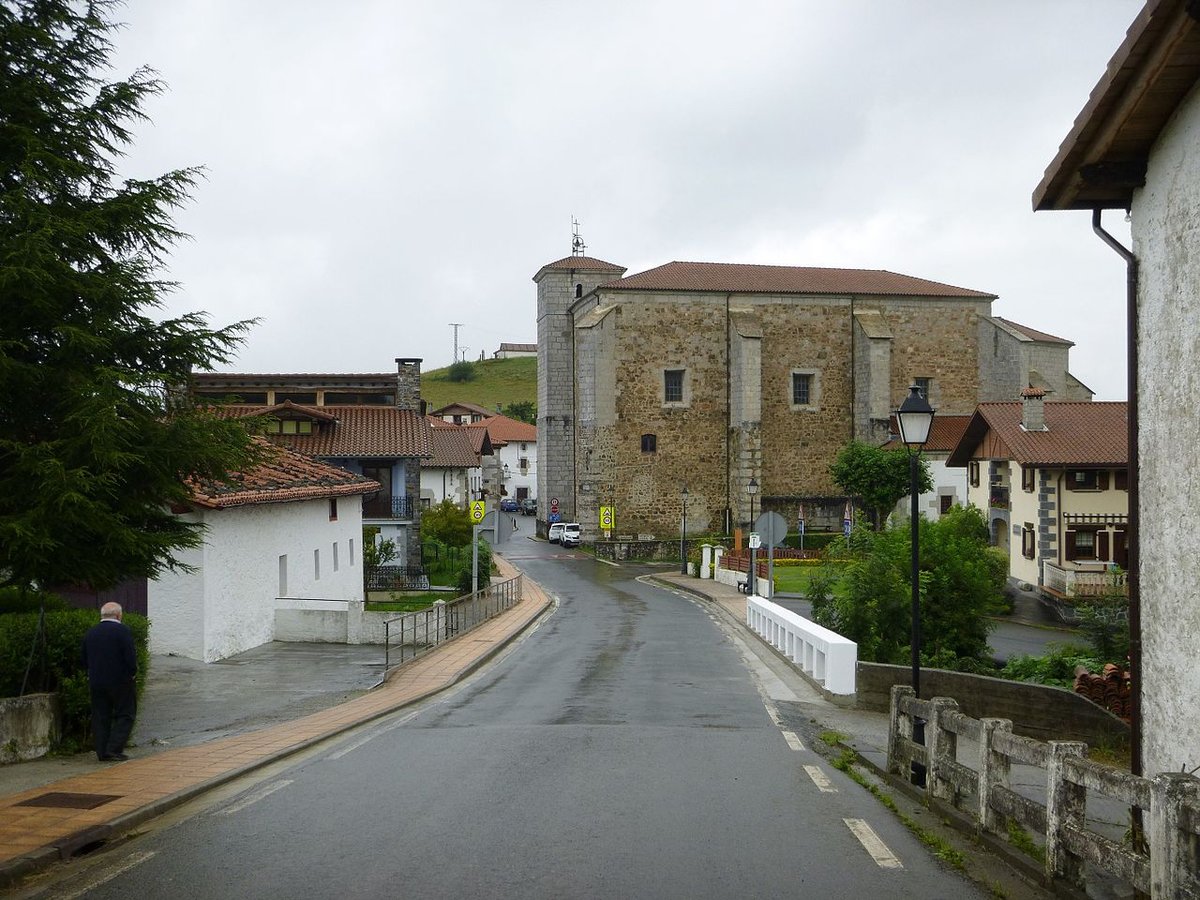
If you are planning a visit to Zaldibia, the first thing to think about is the car. The centre is small, and the streets do not leave much room to manoeuvre. The usual approach is to park near the village centre and continue on foot. In about ten minutes, it is possible to walk from one side of the village to the other.
The old core is quick to cover. There are just a couple of streets, a square and the church. Traffic is light, but space is limited, so trying to drive through narrow areas is rarely worth the effort.
It is also best to avoid heading down rural tracks unless you are sure where they lead. Some paths narrow very quickly and do not offer anywhere to turn around. After rain, mud appears almost immediately once you leave the tarmac, which can make things trickier than expected.
Around the Church and Square
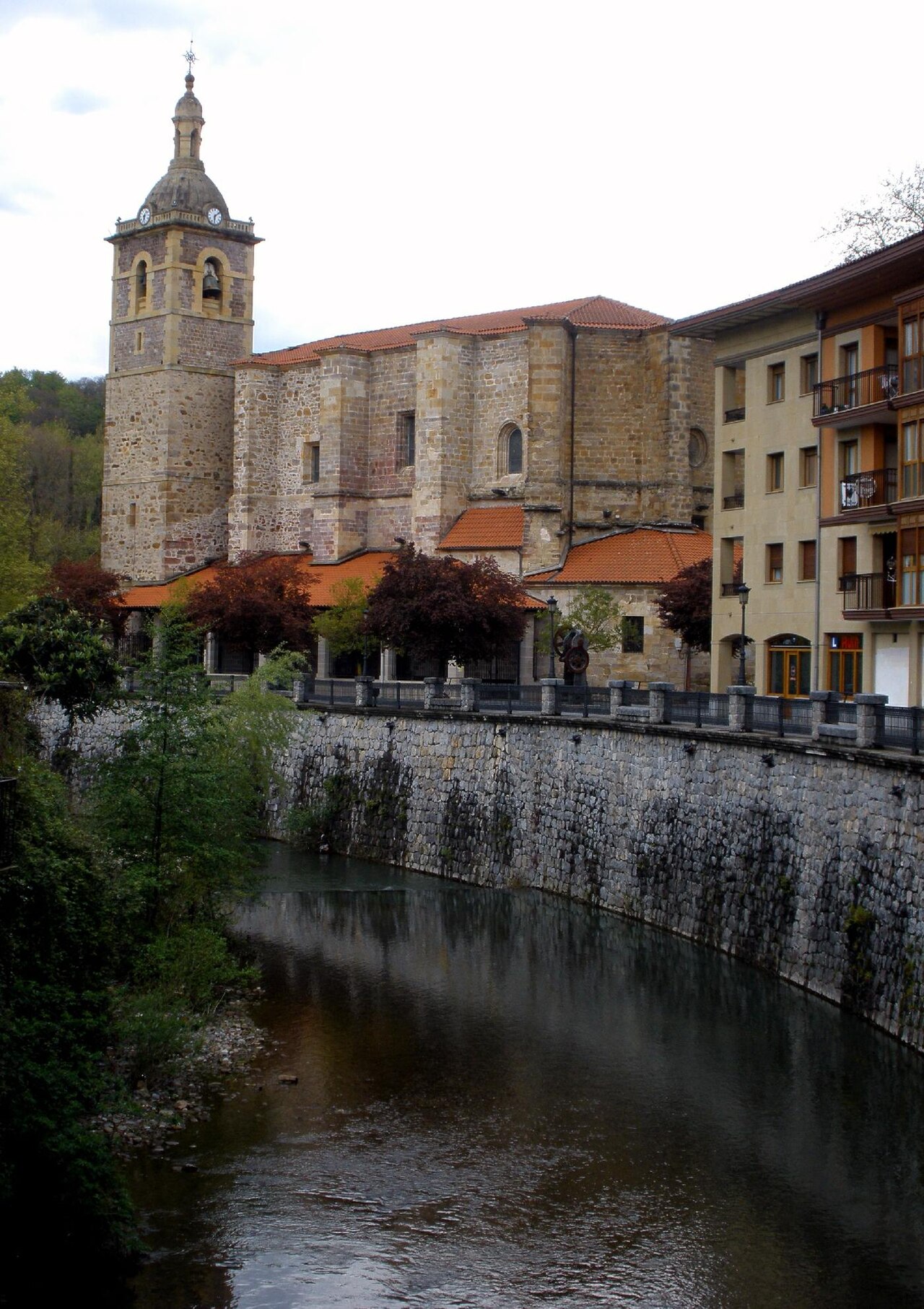
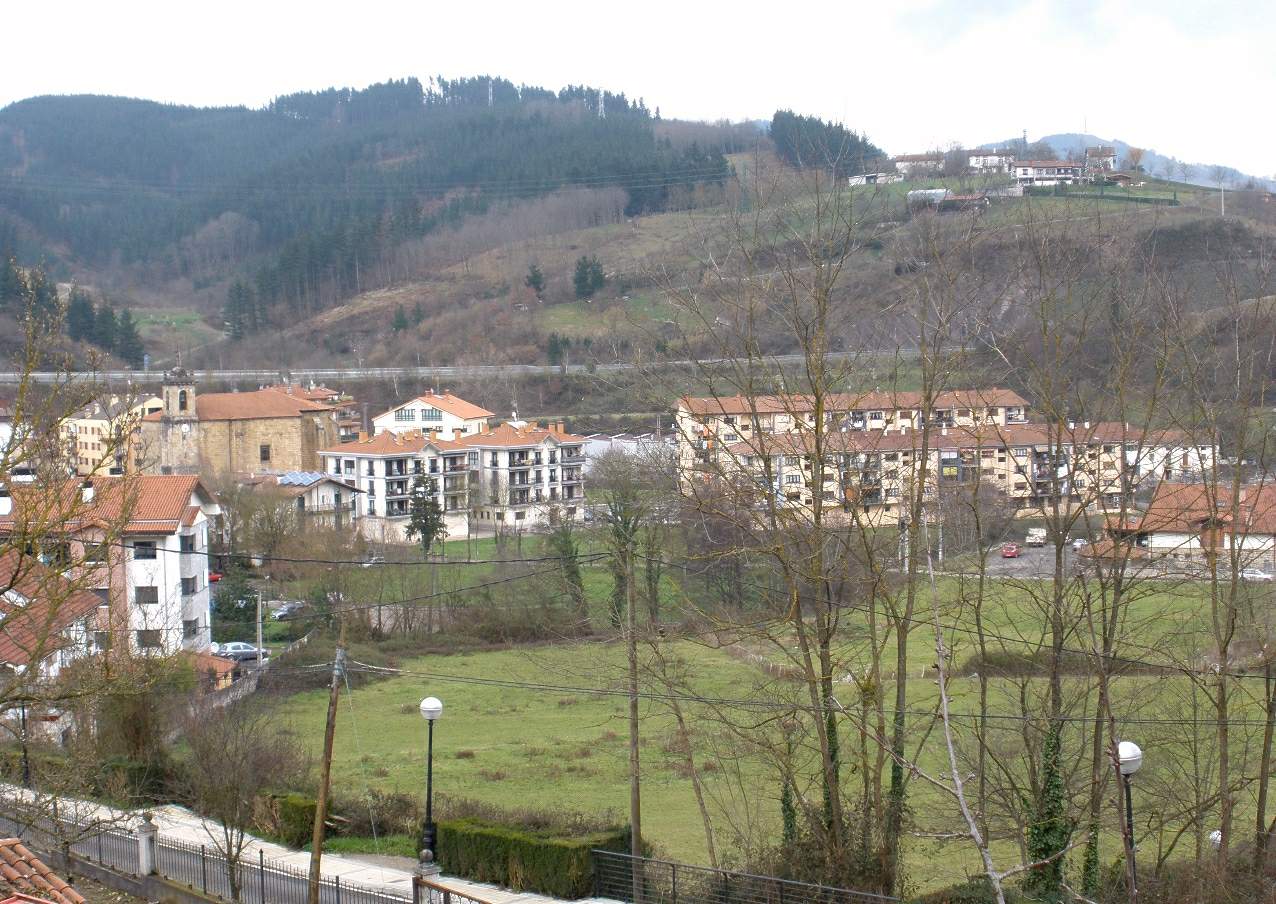
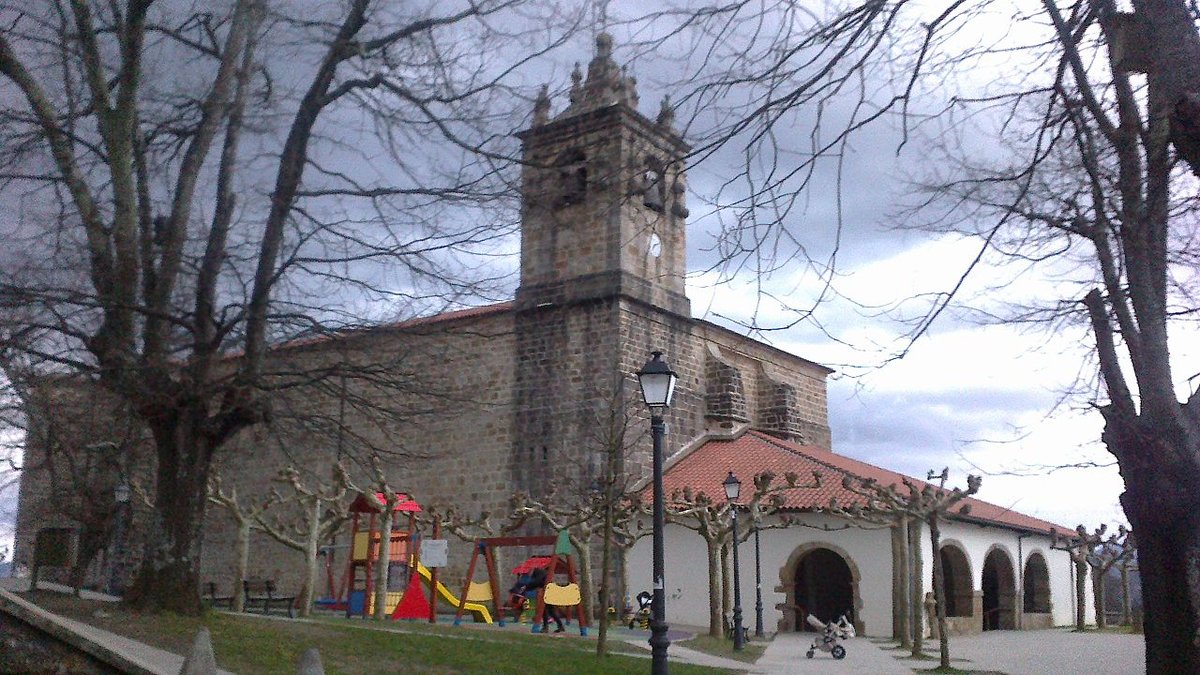
Life in Zaldibia centres on the church of San Miguel. It is an old building that has been altered over different periods, which shows in its structure. The exterior is stone, while the interior features wood, and a large Baroque altarpiece dominates much of the presbytery.
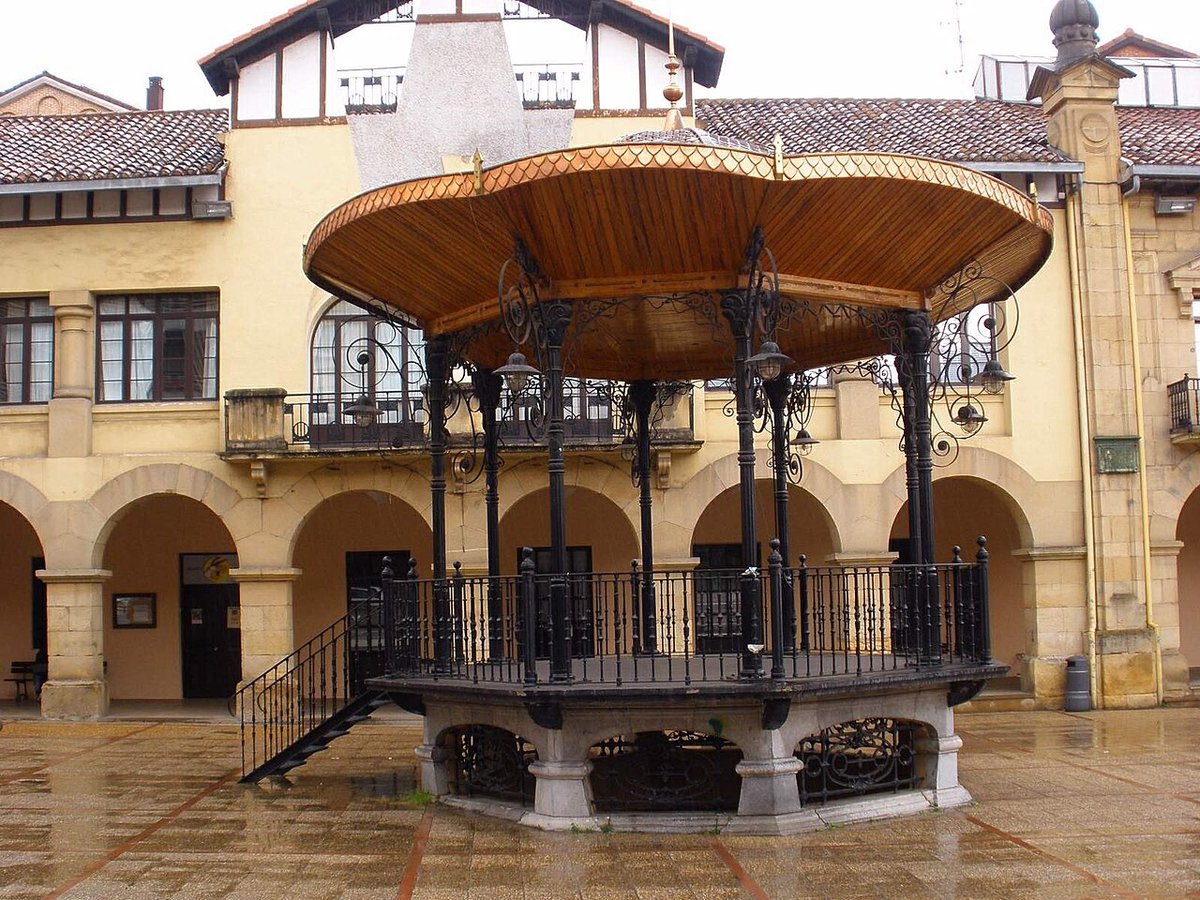
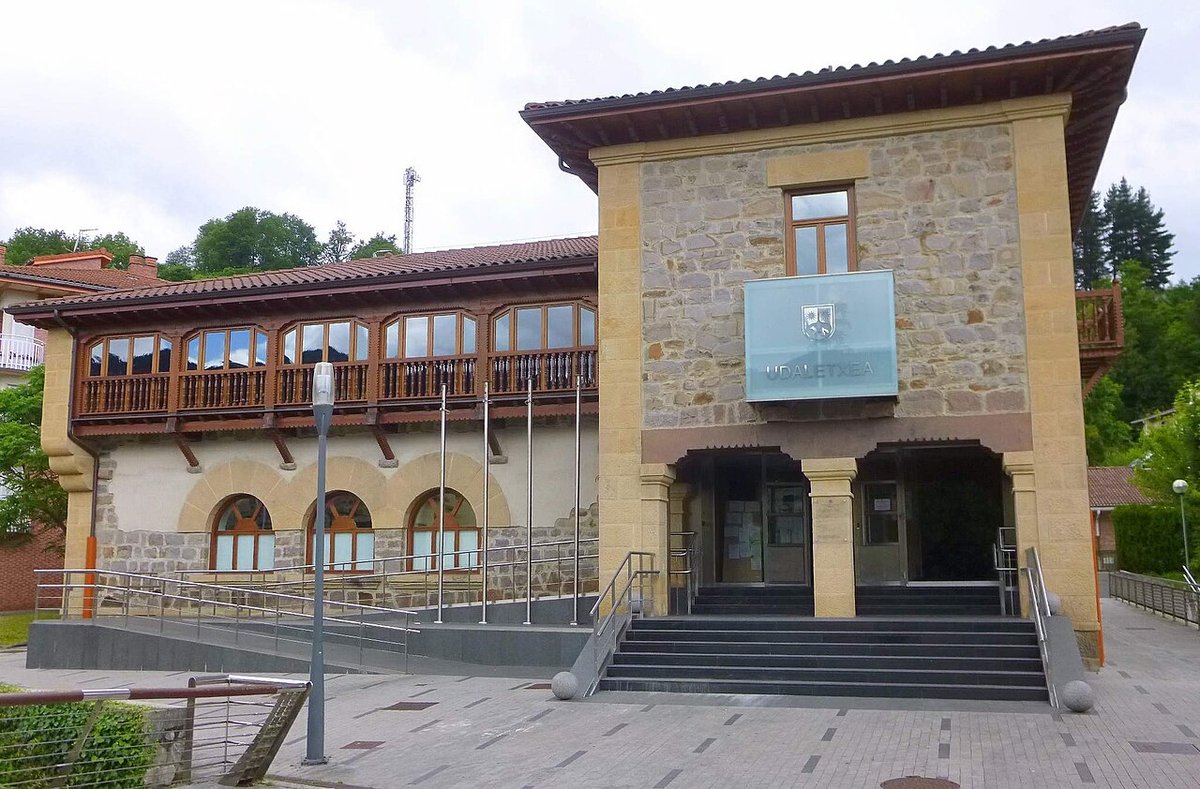
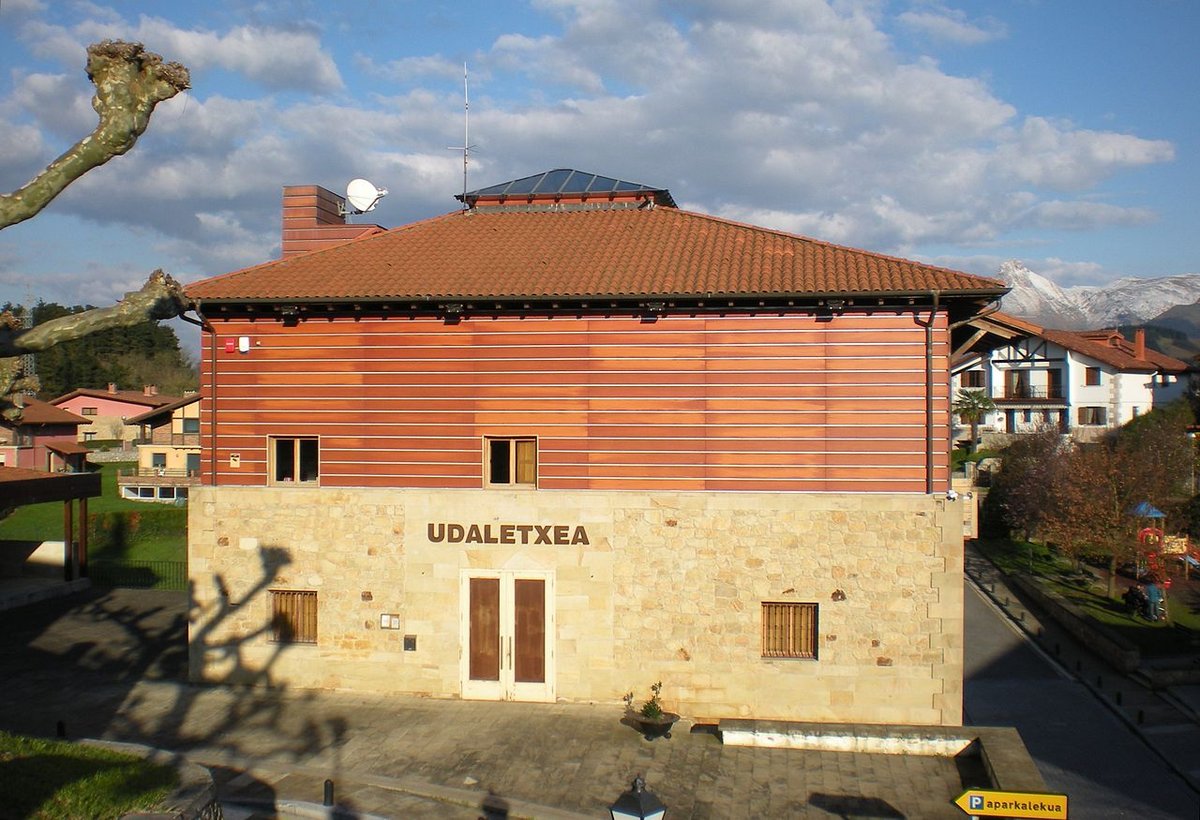
A short distance away sits the town hall square. It is neither large nor particularly striking, but that is not the point. This is where everyday life happens: people passing through, neighbours stopping briefly to talk, a steady rhythm that feels local rather than designed for visitors.
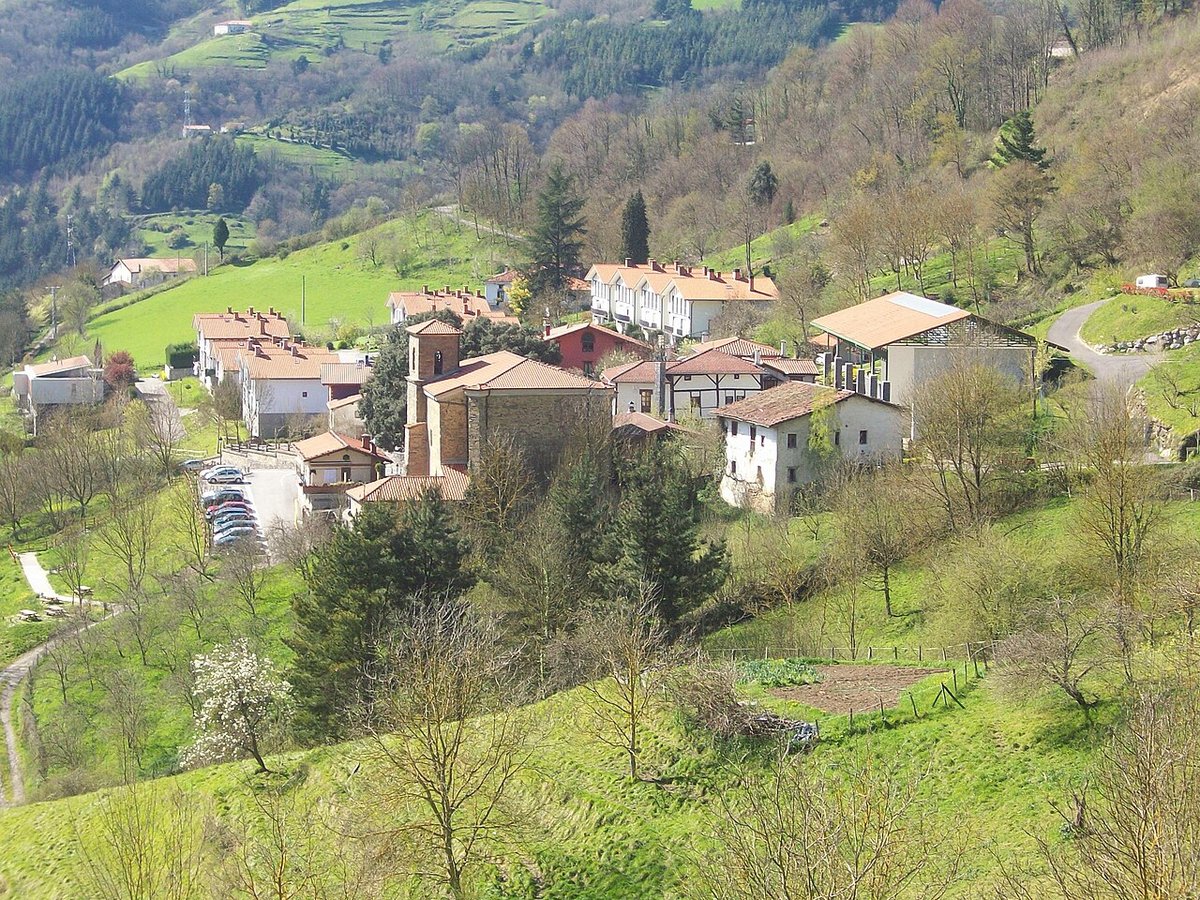
Some of the nearby houses still display carved stone coats of arms. These are typically old baserris, traditional Basque farmhouses, historically tied to agricultural activity in the area. They give a sense of continuity with the surrounding land, which still shapes the village today.
Paths, Hills and the Landscape Beyond
Step outside the centre and the setting changes quickly. Meadows and slopes begin almost immediately, and rural paths lead upwards towards the hills. Not all of these routes are signposted, and some are primarily used for agricultural work rather than walking.
Higher up, beech forests appear. In autumn, the change in colour noticeably alters the landscape. Mist is also common in this area, and when it rolls in, orientation can become difficult if you are unfamiliar with the paths.
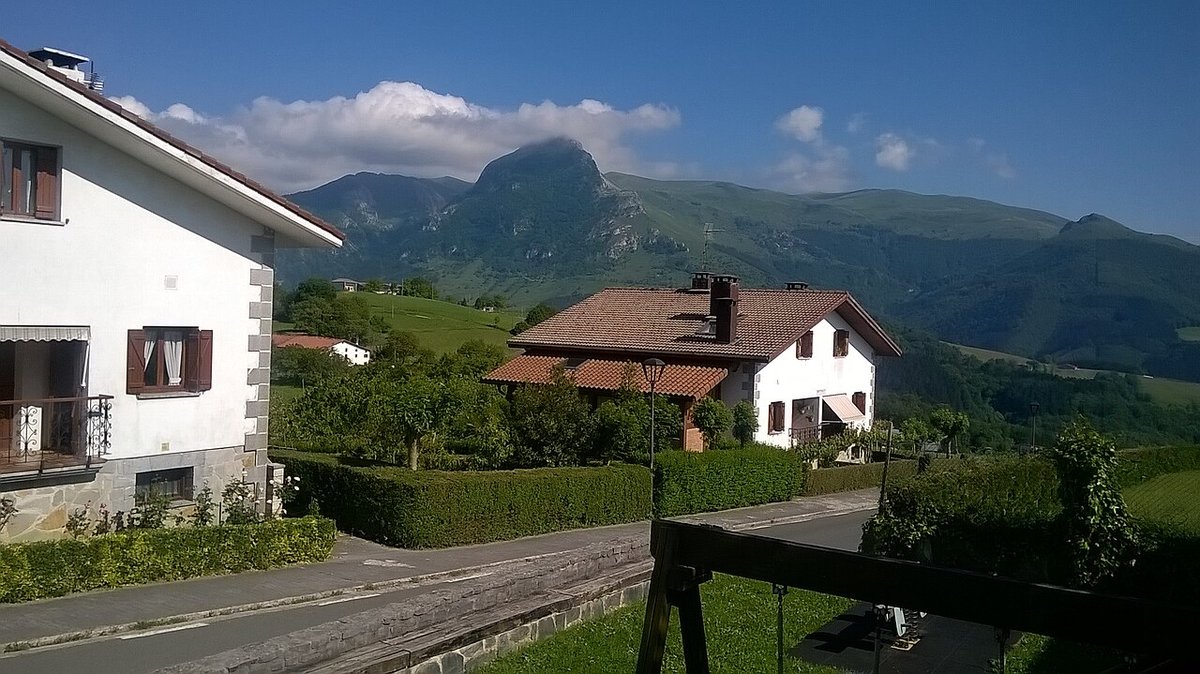
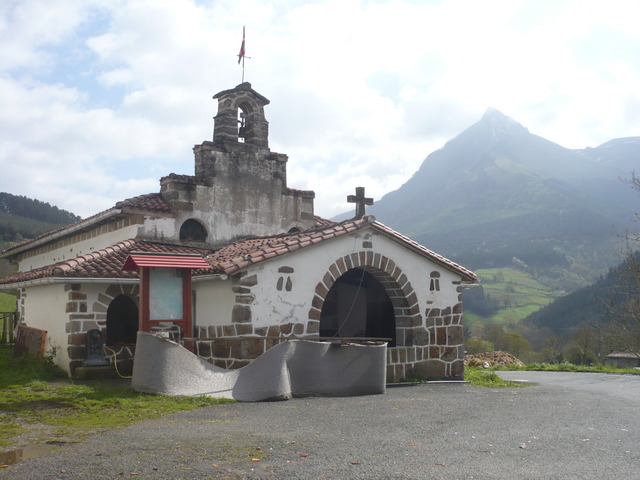
Txindoki, a well-known mountain in this part of the Basque Country, sits relatively close and defines the horizon across much of the Goierri region. Many people pass through Zaldibia on their way towards that area, using the village as a convenient stopping point before heading further into the hills.
Food and Local Produce
What you find on the table here follows the wider traditions of Goierri. Latxa sheep’s milk cheese is one of the staples, along with red beans and grilled meat. Cuajada, a simple dairy dessert made from milk, is also common.
These are not unique to Zaldibia itself, but they are closely tied to what is produced in the surrounding baserris. The connection between land and food is direct, and the same farms that shape the landscape are responsible for much of what ends up being eaten in the area.
For those travelling with children, even a short walk along the local paths is often enough to spot sheep or cows grazing in the fields. There is no need to go far to see how closely daily life is linked to agriculture.
How Long to Spend
Zaldibia does not require a long visit if you are focusing only on the centre. Around an hour is enough to see it without rushing: the church, the square and a brief walk among the nearby farmhouses. There is little more within the core itself.
The pace changes if walking is part of the plan. The paths leading towards the hills can easily extend the visit, depending on how far you choose to go.
A simple approach works best: arrive early, park without overthinking it, and continue on foot. If you decide to explore agricultural tracks, make sure they are passable before heading down them. These are working routes, not designed for casual wandering without paying attention to where they lead.