Full Article
about Zerain (Ceráin)
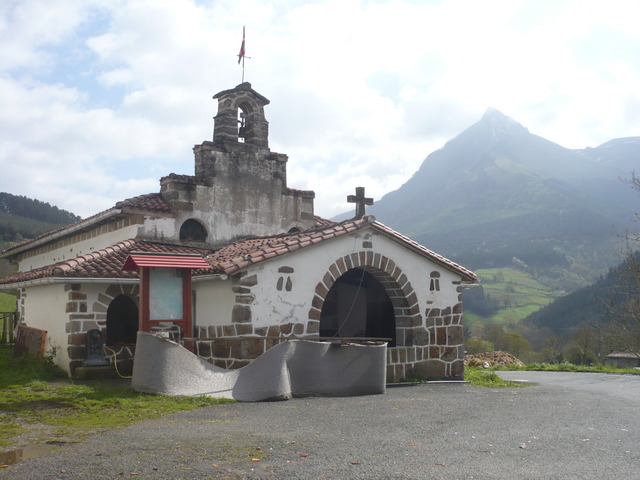
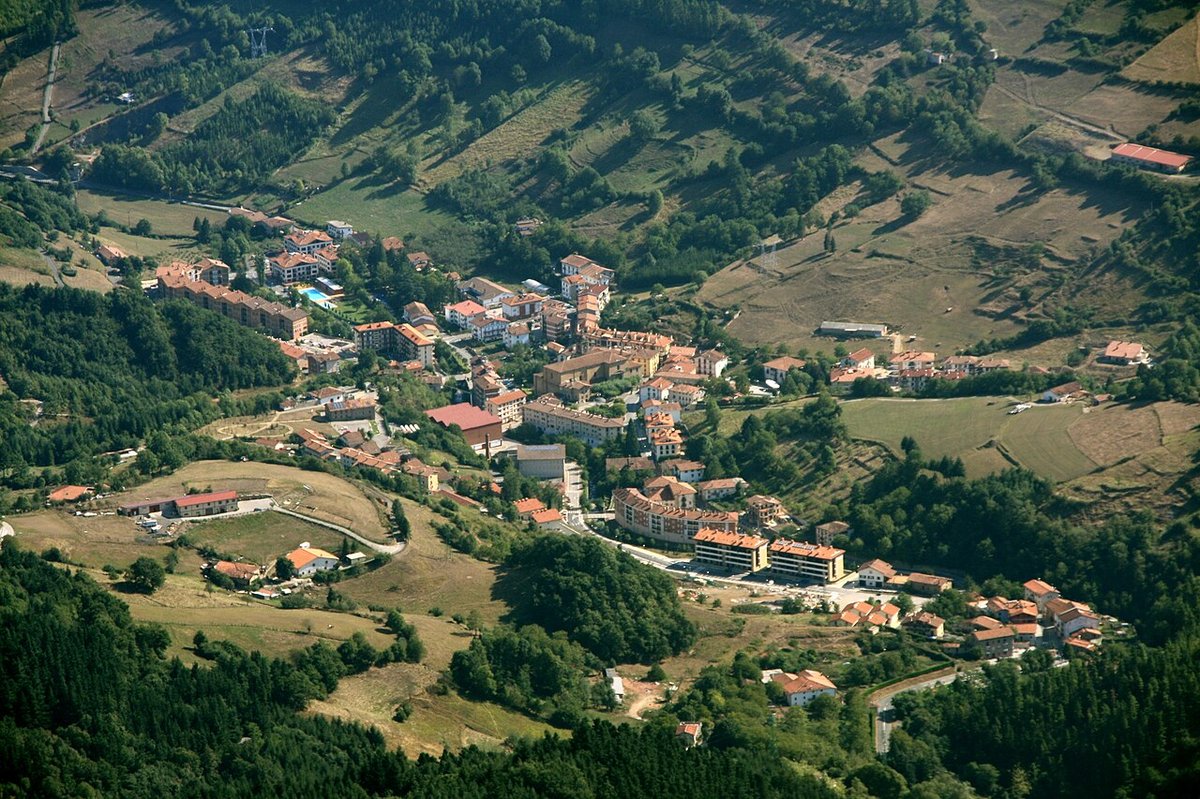
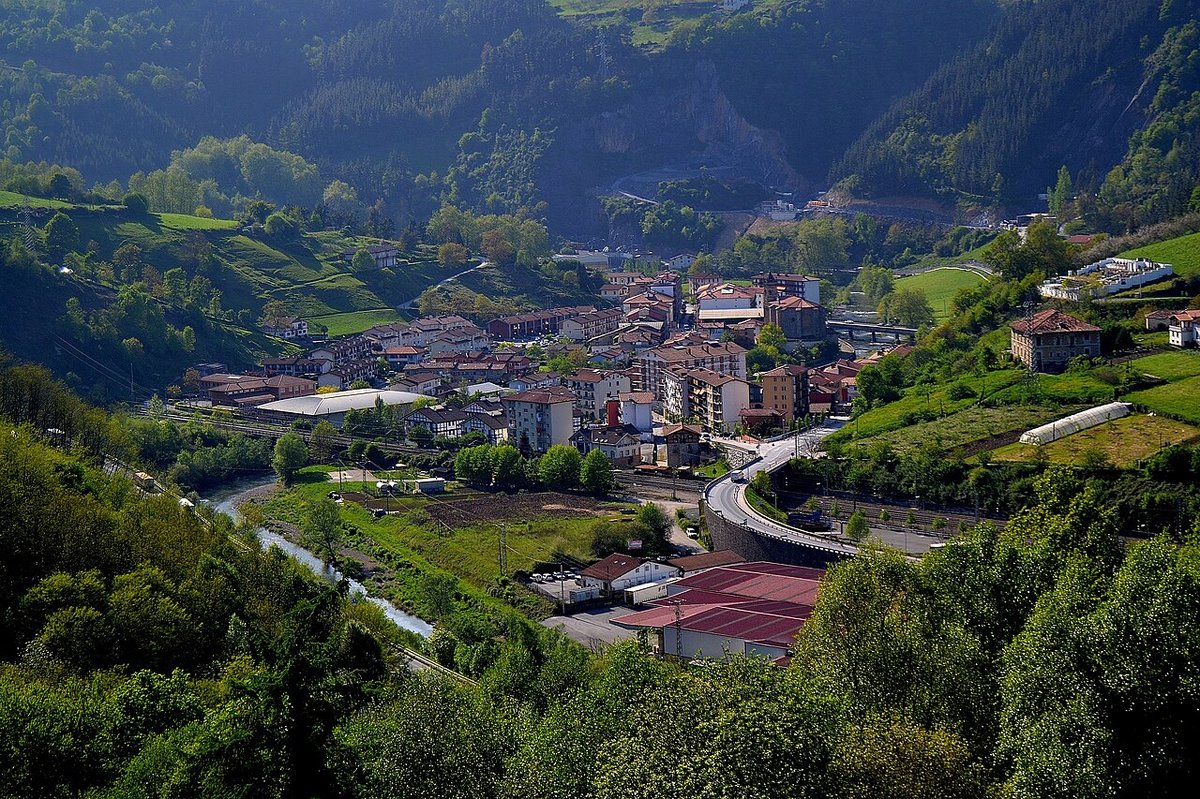
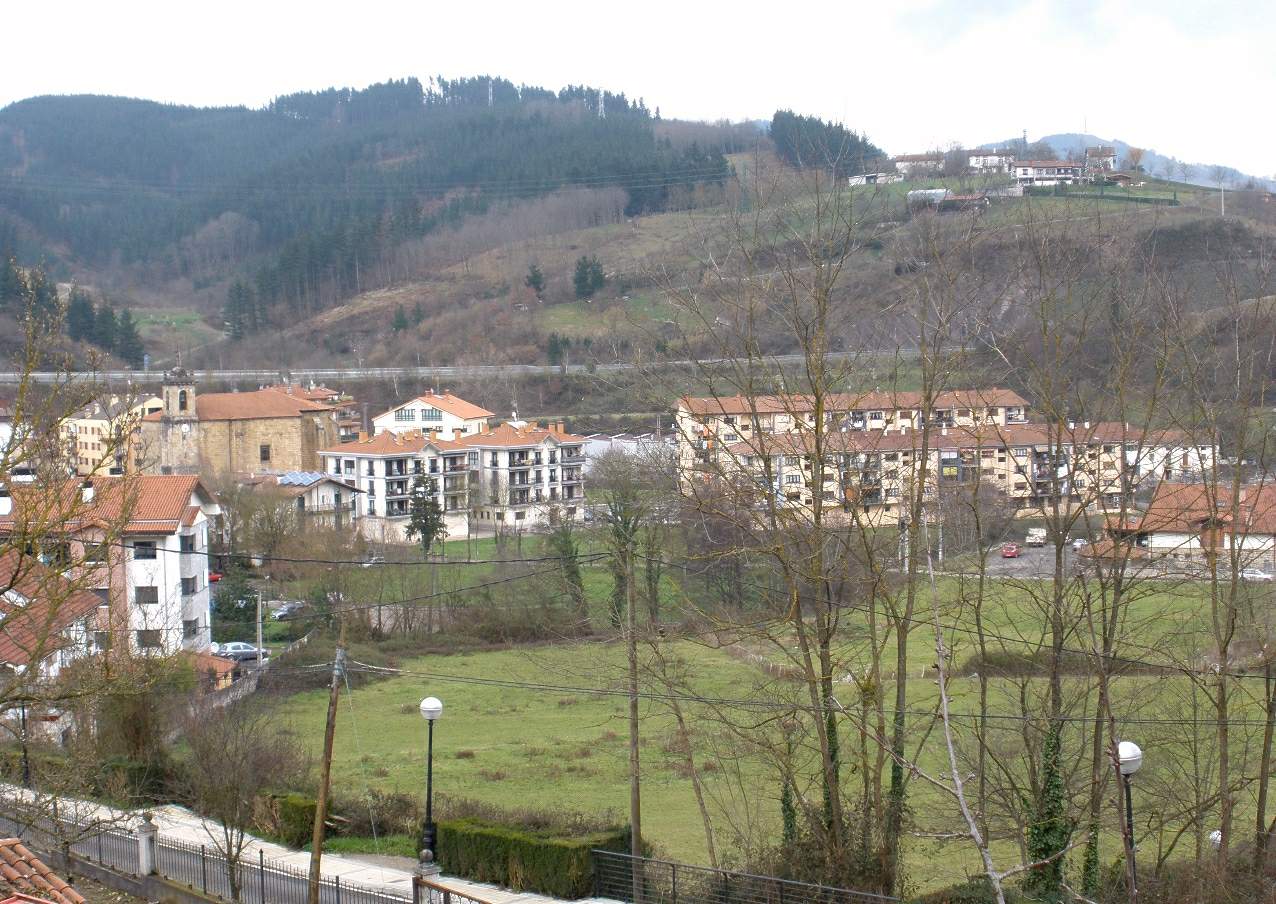
Deep green, farmhouses and nearby mountains with trails and viewpoints.
Ocultar artículo Leer artículo completo
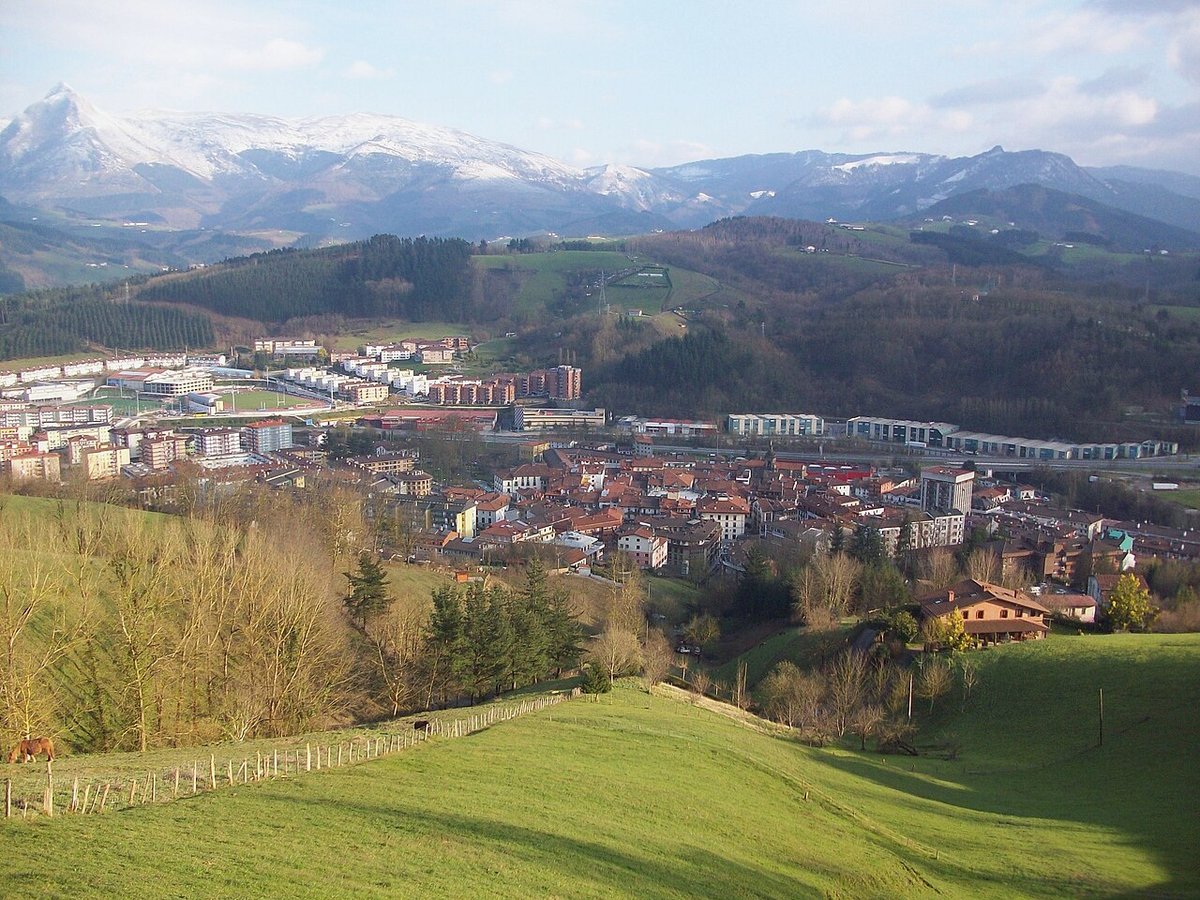
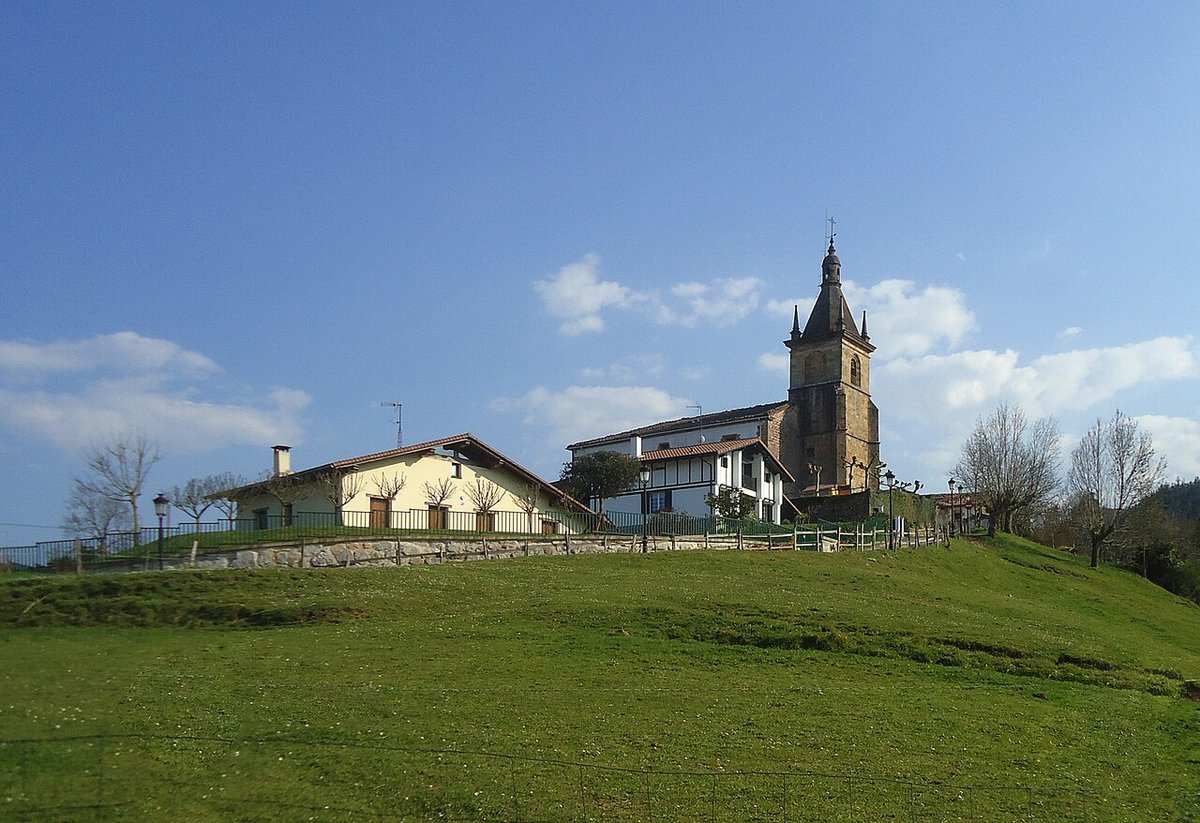
The first thing you notice is the hush. Not the spooky sort, but the muffled quiet that happens when stone houses, hay meadows and chestnut woods agree to dampen every unnecessary sound. Then comes the smell: sheep’s-milk cheese ageing somewhere out of sight, damp oak leaves, and a whisper of wood-smoke that makes the air feel cooler than the thermometer admits. Zerain sits at 550 m on the northern slope of the Aizkorri range, only 39 minutes by car from San Sebastián’s surf beaches, yet the Cantabrian sea might as well be in another country.
A Village that Reads like an Engineering Manual
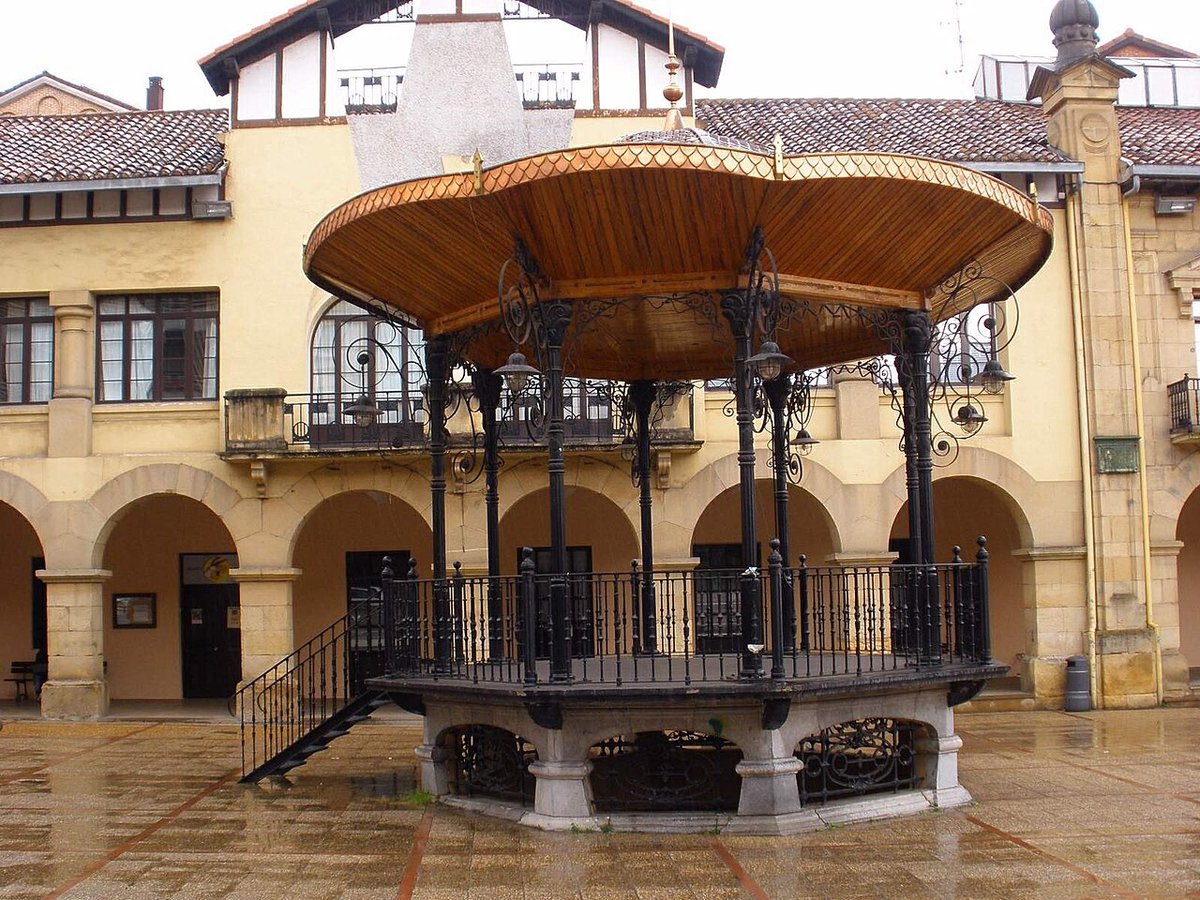
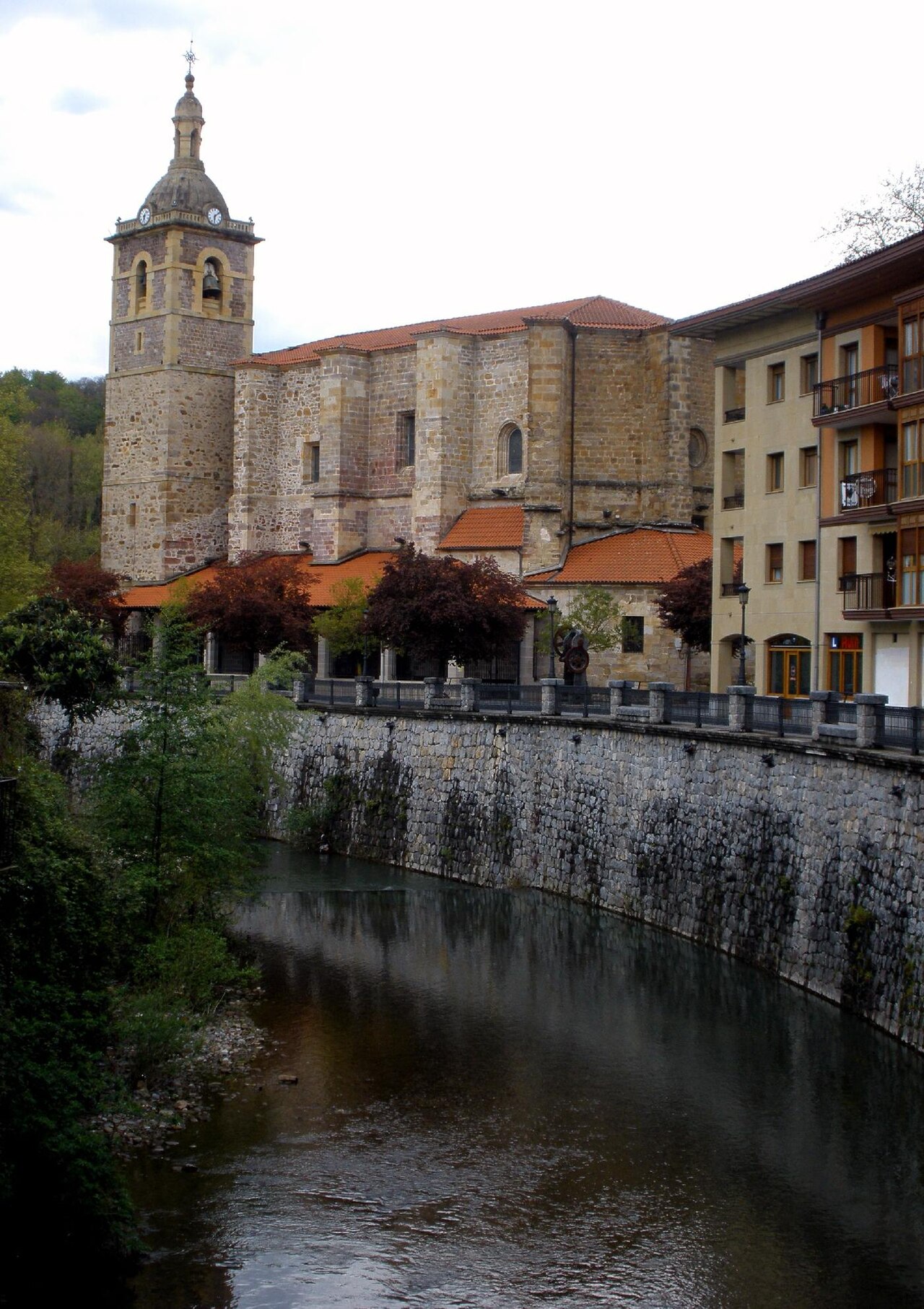
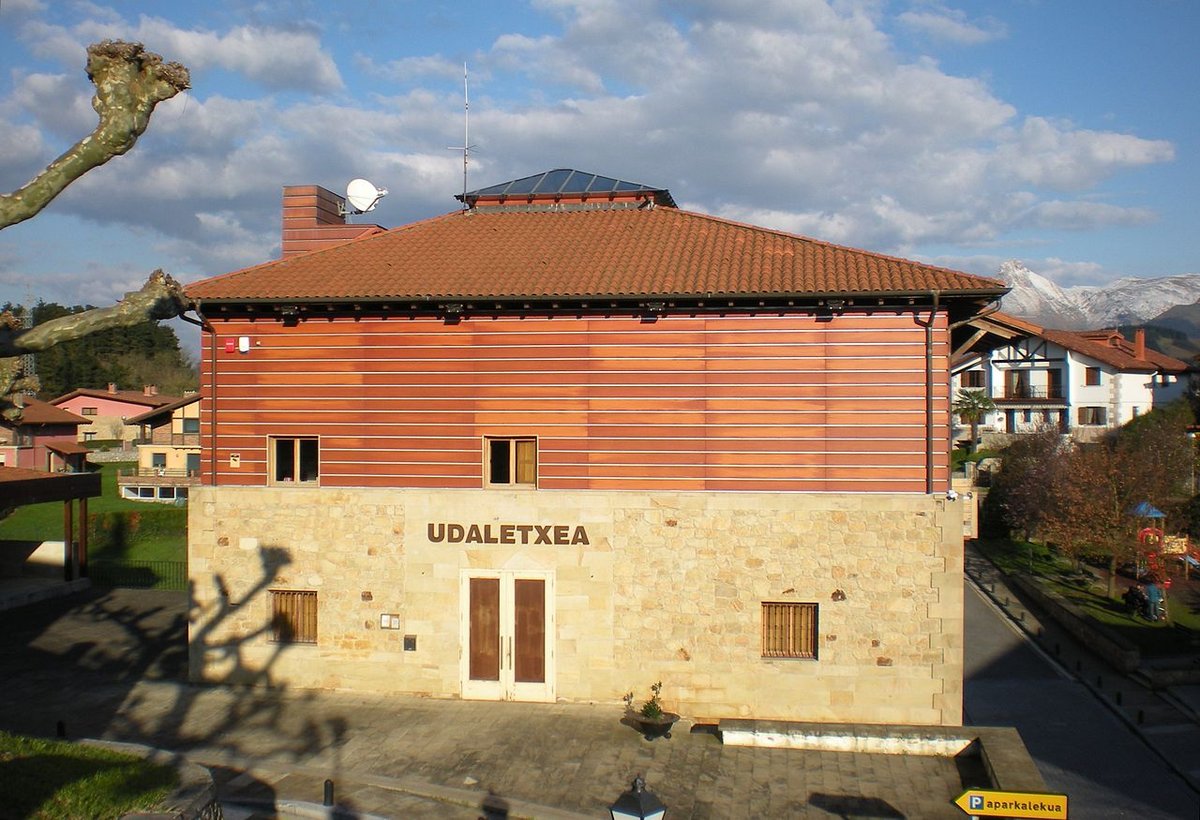
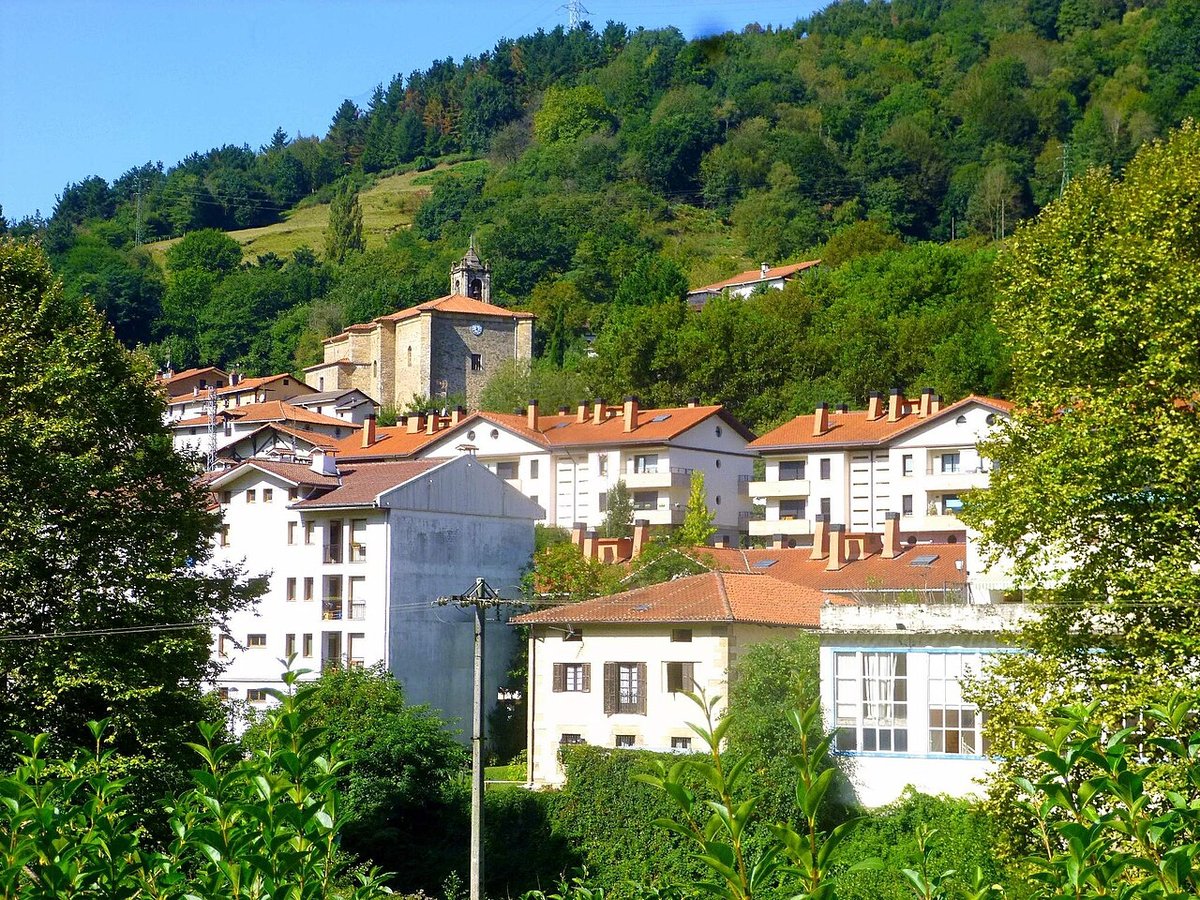
Local maps still mark Ferrerías de Zerain and Mina de San Blas in the same lettering as the church. That tells you the order of importance here. Iron ore was hacked out of these hills long before tourists appeared, and the village layout obeys the gradient rather than Instagram. Calle Mayor climbs 65 m in 250 m; wear shoes with grip, especially after rain when the granite sets look like black glass. Houses are built shoulder-to-shoulder so the uphill neighbour’s ground floor becomes the downhill one’s roof. The system keeps heat in and saves arable ground for grass, not gardens.
You can follow the industrial story without entering a museum. Start at the stone channel that once fed the waterwheel behind the frontón (look for the iron mooring rings). Walk 200 m east along the track signed Aizpea and you’ll meet a three-metre sandstone wall: part of the 1780 blast furnace. Ferns grow from the cracks; wagtails nest in the flue. The modern interpretation centre—Zerain Interpretazio Taldea, open weekends only, €4—fills in the chemistry, but the ruins do the atmosphere for free.
Cheese, Cider and the Goierri Calorie Exchange
Idiazabal is not a souvenir here; it’s rent money. The dairy opposite the pharmacy collects milk from 47 flocks within a 12-km radius and turns it into 1.2-tonne wheels that spend up to a year on beech shelves. Drop in before 10:30 any day except Monday and you can watch the curds being cut, then taste three ages: two-month (buttery), six-month (toasted nuts), twelve-month (proper smoke). Bring cash—€6 buys you a 250 g wedge wrapped in paper that still carries the morning’s humidity.
Cider follows the same no-nonsense logic. Locals call the surrounding valley Euskal Sagardoa rather than “cider country”, because the drink is a crop, not a brand. At Zelaia farmhouse—five minutes uphill towards Aizkorri—Ane and Joxe Mari will open three barrels while you stand in the barn. The ritual is simple: catch the jet in your glass, swallow before the foam dies, then step aside for the next person. No souvenir glasses, no tasting notes. A two-hour session with bread, cheese and unlimited cider costs €18, but you must book by Thursday evening; if fewer than six names are on the list, the barrels stay sealed.
Weekend lunch menus work on the same group logic. Ostatu Zerain’s three-course menú del día (€16) starts with vegetable soup thick enough to stand a spoon in, moves on to roast lamb that was grazing last week, and finishes with cuajada (set ewe’s-milk yoghurt) drizzled with local honey. Wine is included; coffee is extra; service stops dead at 16:00 sharp.
Walking off the Iron
The village is the trailhead for three waymarked loops that double as historical catalogues. The shortest (Zerain–Aizpea, 4 km, 150 m ascent) passes two ruined mines and a chestnut grove where pigs still forage for mast. The middle route (Zerain–Urkulu, 8 km, 350 m) climbs to a reservoir built in 1924 to feed the hydro forge; herons fish among the rust-coloured reeds. The longest (Zerain–Aizkorri, 14 km, 700 m) reaches the 1525-m limestone ridge where clouds from the Atlantic meet Continental air and produce weather that can flip from T-shirt to hail in twenty minutes. Waymarks are white-and-yellow, paint fades fast, and mobile reception is patchy—download the GPX before you leave the dairy.
Mountain-bikers find the same honesty. Forest tracks are signed “easy” if a tractor can use them, not if you can pedal without puffing. The 12-km loop to Mutiloa starts with a 3-km climb at 10 %, then dives through beech wood where roots cross the line like loose railway sleepers. A gravel bike with 40 mm tyres is minimum; after rain the shale turns into ball-bearings.
What Passes for Nightlife
Evenings are governed by the milking clock. The one bar, Beheko Plaza, opens at 18:00 and last orders are called around 22:00 unless a local wedding spills over. You can drink txistorra cider on tap, play mus (Basque cards) with farmers who will politely demolish your bluff, and listen to the fridge motor fighting the silence. If you need bright lights, Beasain is 12 km away—taxi €24 each way, last return at 23:30.
Accommodation follows the same curve. There are nine rooms in the whole village: five in the 17th-century Zerain Etxea (doubles €70 B&B), three in a converted barn up the hill, and one rural apartment that insists on two-night minimums. All give you a front-door key because nobody stays up to play receptionist. Book early for October weekends when the beech turns gold; November to March you can turn up and whistle.
Getting Here without the Stress
San Sebastián airport (EAS) has daily connections via Madrid; from the terminal to village square is 58 km, the last 12 on the GI-2637 where sat-nav underestimates every bend. Bilbao (BIO) adds 20 minutes but more UK choice—easyJet, Ryanair, Vueling. Car hire is essential: the weekday bus from San Sebastián stops in Beasain at 14:05, and the connecting taxi costs the same as a rental for the day. In winter carry snow socks; the road tops 600 m and the council spreads grit only after the school bus complains.
The Honest Verdict
Zerain will not keep adrenaline junkies busy for a week, and anyone who measures holiday success by cocktail variety will sulk by night two. What it offers instead is a place where industrial scars have healed into fern-lined gullies, where cheese tastes of the meadow you just walked across, and where the loudest noise at 23:00 is a sheep coughing in the next field. Come with boots, a taste for sharp cider and a willingness to read landscape rather than labels, and the village repays with a quiet that lingers longer than the drive back to the coast.