Full Article
about Abanto (Abanto y Ciérvana)
Valleys and hamlets a stone’s throw from Bilbao, buzzing with local life.
Ocultar artículo Leer artículo completo
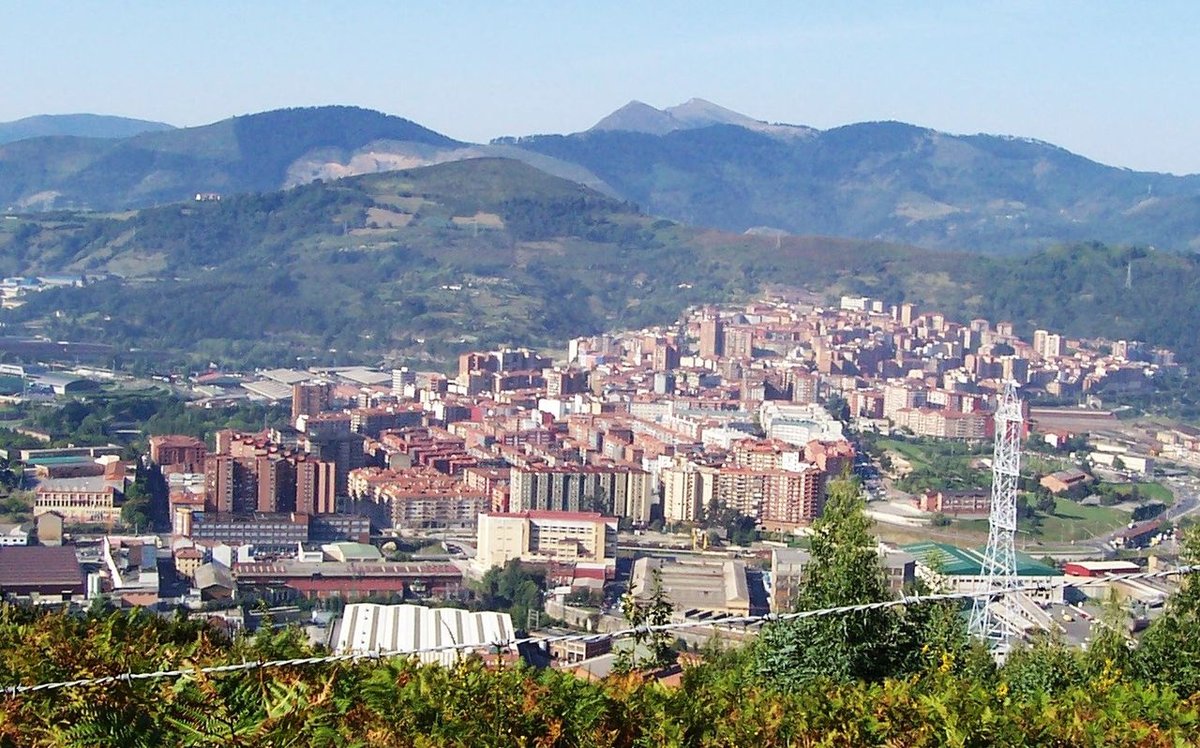
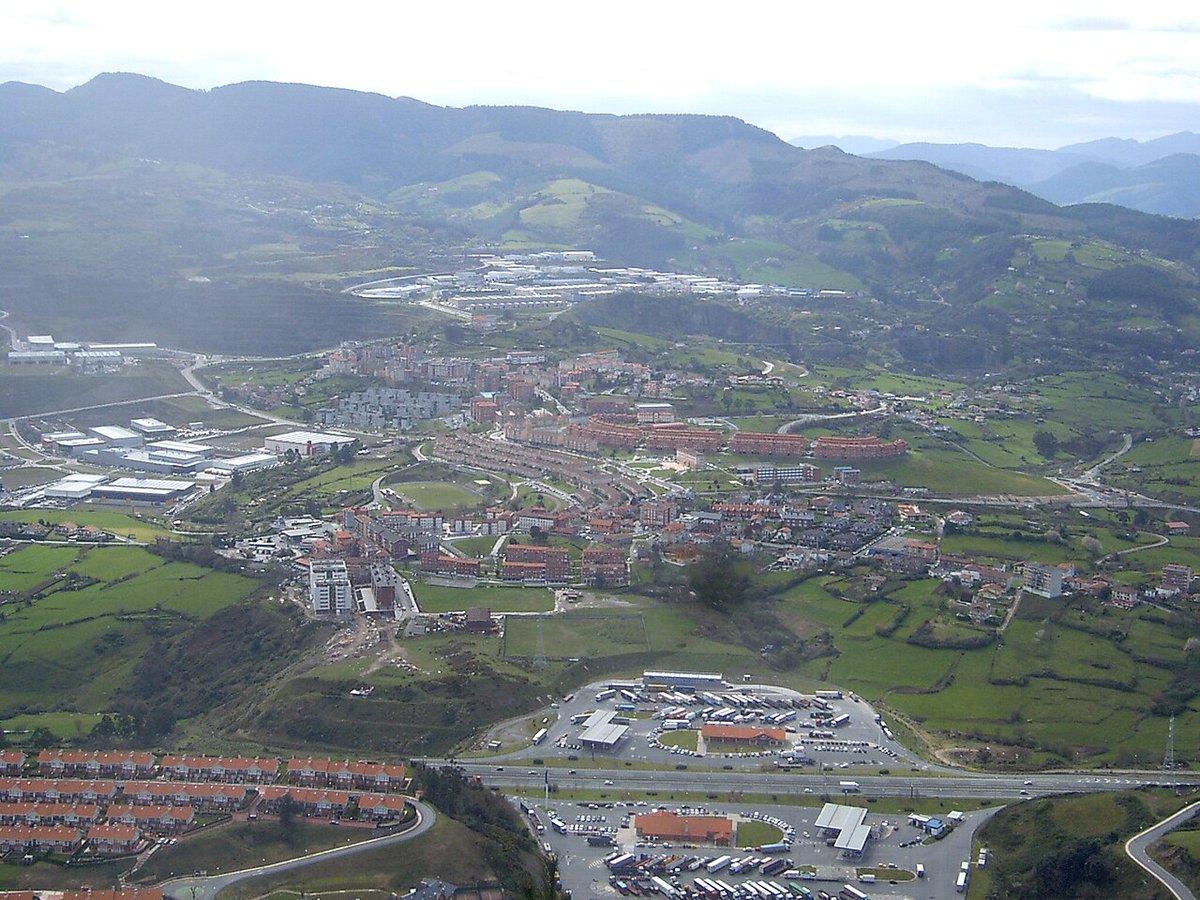
The road sign says "Abanto" but there's no village centre to match it. Instead, twelve scattered settlements sprawl across former iron-ore country, their terraced houses climbing hillsides that once fed Bilbao's steelworks. This is industrial Basque Country stripped of postcard pretensions—useful, lived-in, and refreshingly honest about what happens after the mines close.
Mining Country, Still Working
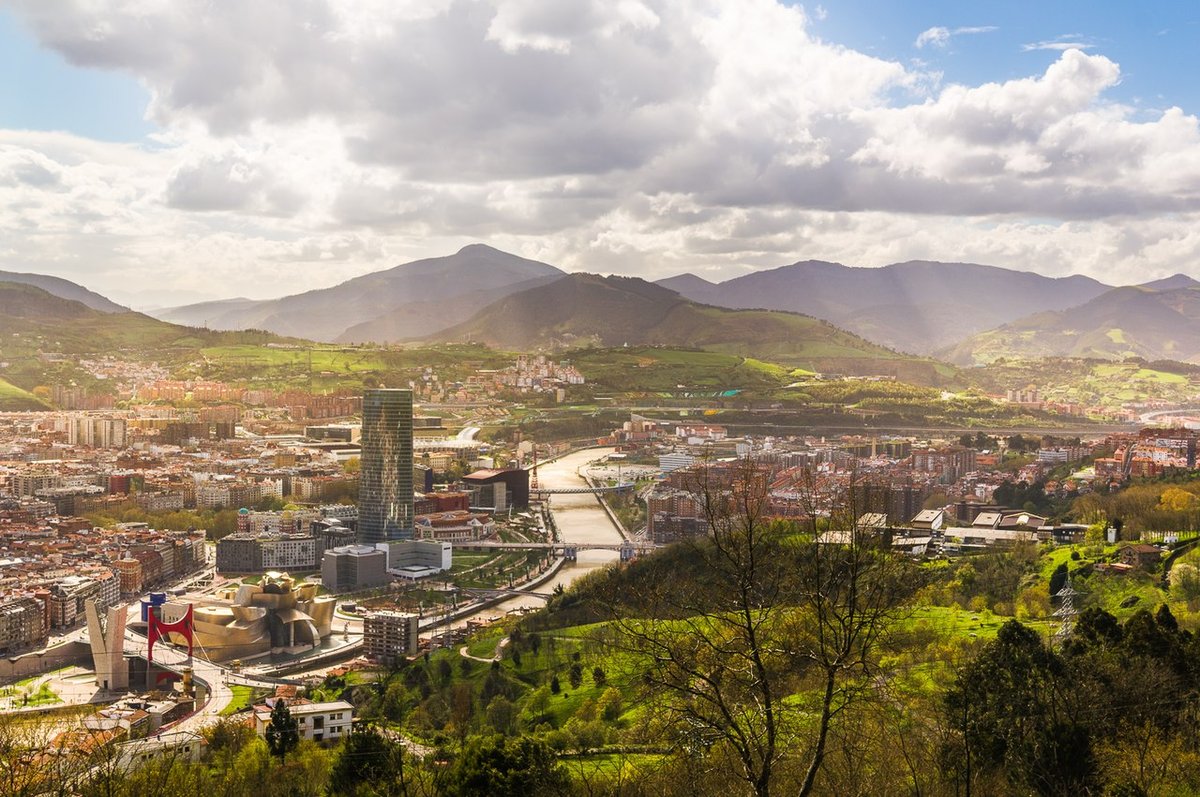
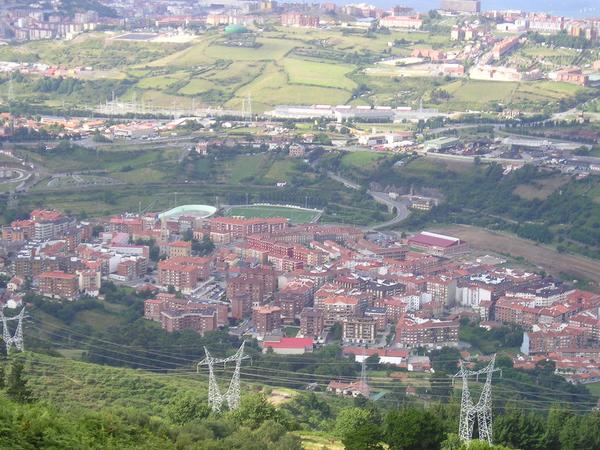
Abanto Zierbena (to give the municipality its full Basque name) sits fifteen kilometres south-east of Bilbao's Guggenheim, yet feels decades away from titanium curves and tourist coaches. The landscape bears scars you can read like a geological textbook: terraced quarries, rust-red spoil heaps now colonised by gorse, and the occasional pit-head tower rising unexpectedly from farmland.
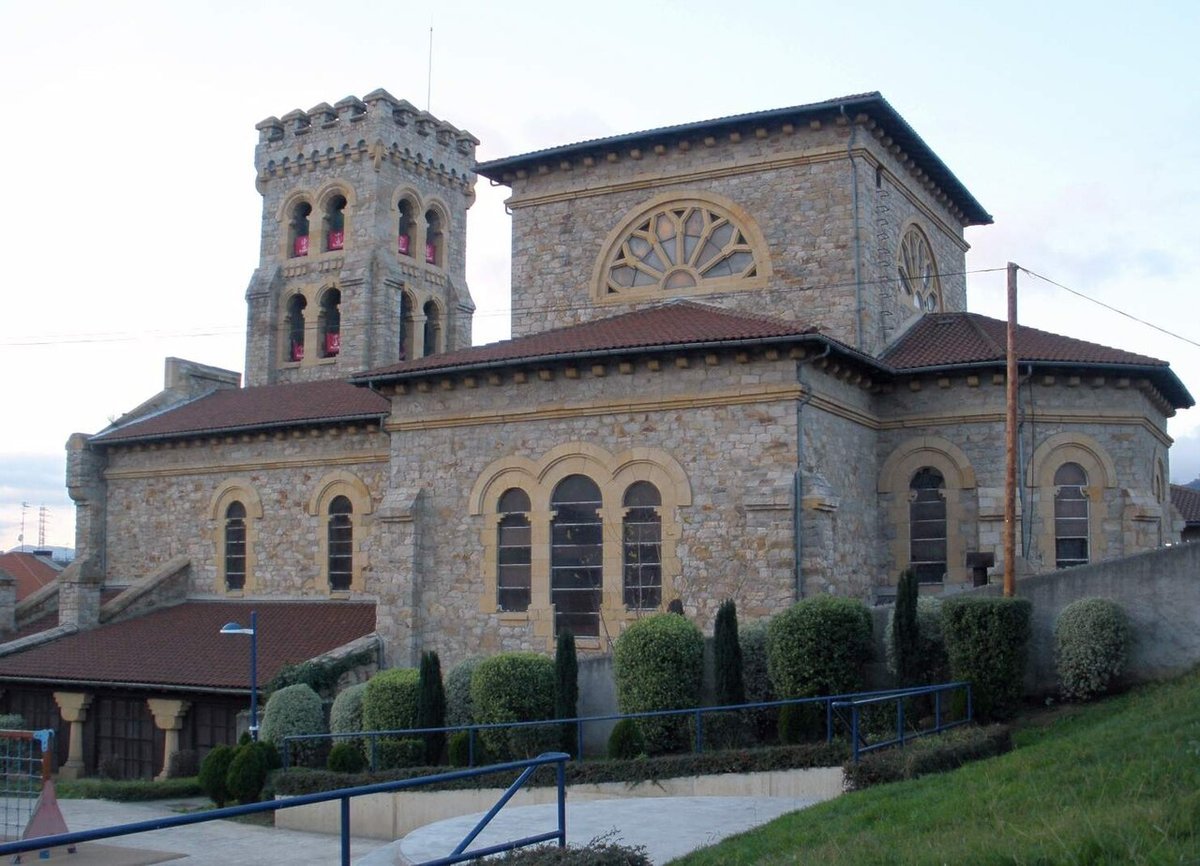
Gallarta serves as the de facto centre—though calling it that stretches the definition. You'll find the only cash machine, a handful of bars serving miners' portions, and the Basque Country Mining Museum housed in a red-brick Victorian complex. Tuesday to Sunday, 10-14h and 16-19h, €6 entry. Ask at reception for English caption cards; they're kept in a drawer and handed over with the same practicality that characterises everything here.
The museum does what it says on the tin. No multimedia extravaganzas, just original machinery, lamps that once clipped to helmets, and photographs of men standing beside wagons loaded with ore. The curator might offer directions to Pozo Ezequiela, the best-preserved pit-head tower, ten minutes' drive away in Triano. No public transport reaches it; the lane's barely wide enough for a Fiesta, but the photograph—industrial cathedral against green hills—explains why heritage enthusiasts make the detour.
Walking the Green-Way
The Vía Verde de los Montes de Hierro follows a forty-kilometre track bed where locomotives once hauled iron ore to the Nervión estuary. It's pancake-flat, surfaced with compacted grit, and cuts through terrain that feels simultaneously post-apocalyptic and hopeful. Buddleia sprouts from abandoned sidings; kestrels hover where tipping wagons once clattered.
Cyclists love it—hire bikes in Bilbao and catch the metro to Gallarta station, two minutes from the trailhead. Walkers should know there's zero shade for long stretches; spring and autumn offer comfortable temperatures, mid-summer turns the track into a reflector oven. Take water. Lots. The official maps show picnic areas that exist mainly in theory; better to pack sandwiches from Gallarta's bakery and improvise seating on a embankment.
Side paths lead into proper countryside—oak and chestnut woods where wild boar root among last autumn's leaves. These aren't signed like Lake District routes; instead, local walkers have tied bits of plastic ribbon to branches. Follow them trustingly and you'll reach viewpoints over the Bilbao estuary, cargo ships sliding towards the Atlantic like toys on a grey ribbon.
Bar Hopping, Miner-Style
Forget pintxos tours and Michelin stars. Here, food serves the same purpose it always has—fuel for bodies that work. The menú del día appears at 13:30 sharp: roast chicken or pork ribs with chips, bread, wine or water, €12-14. Portions arrive on plates the size of small satellite dishes; asking for vegetables gets you a pitying look and maybe a lettuce garnish.
Casa Ciriaco sidrería pours Basque cider the traditional way—waiter holds bottle above head, glass at knee height, liquid arcs through air in a two-metre stream. It's theatre, not alcoholism; the cider's only five percent, sharp enough to cut through pork fat. If you can't face bacalao al pil-pil, they'll griddle a steak or flip a tortilla without fuss. Coffee comes espresso-strong; request café con leche for something approaching a British latte.
Evening drinking happens early. Miners traditionally started shifts at 6am, so bars empty by 22:30. The frontón (pelota court) beside Gallarta's main square hosts games Thursday evenings. Lean against the wire fence and watch locals slam ball against wall with casual violence. Applause sounds different here—shorter, more knowing. Tourists stick out immediately; nobody minds provided you don't cheer at the wrong moment.
Twelve Villages, No Centre
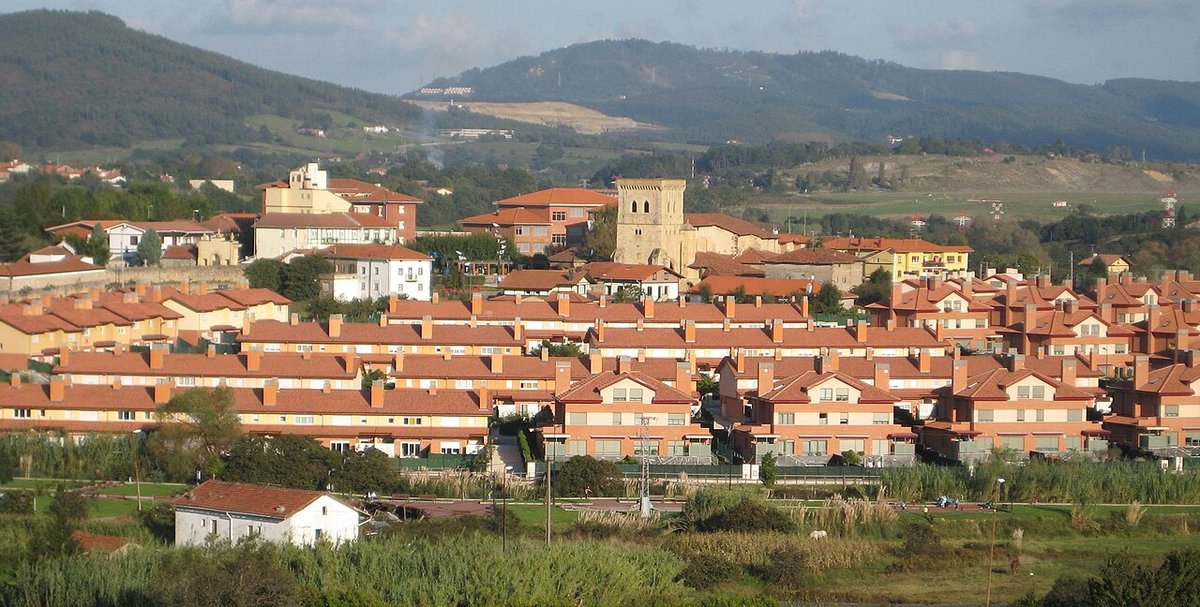
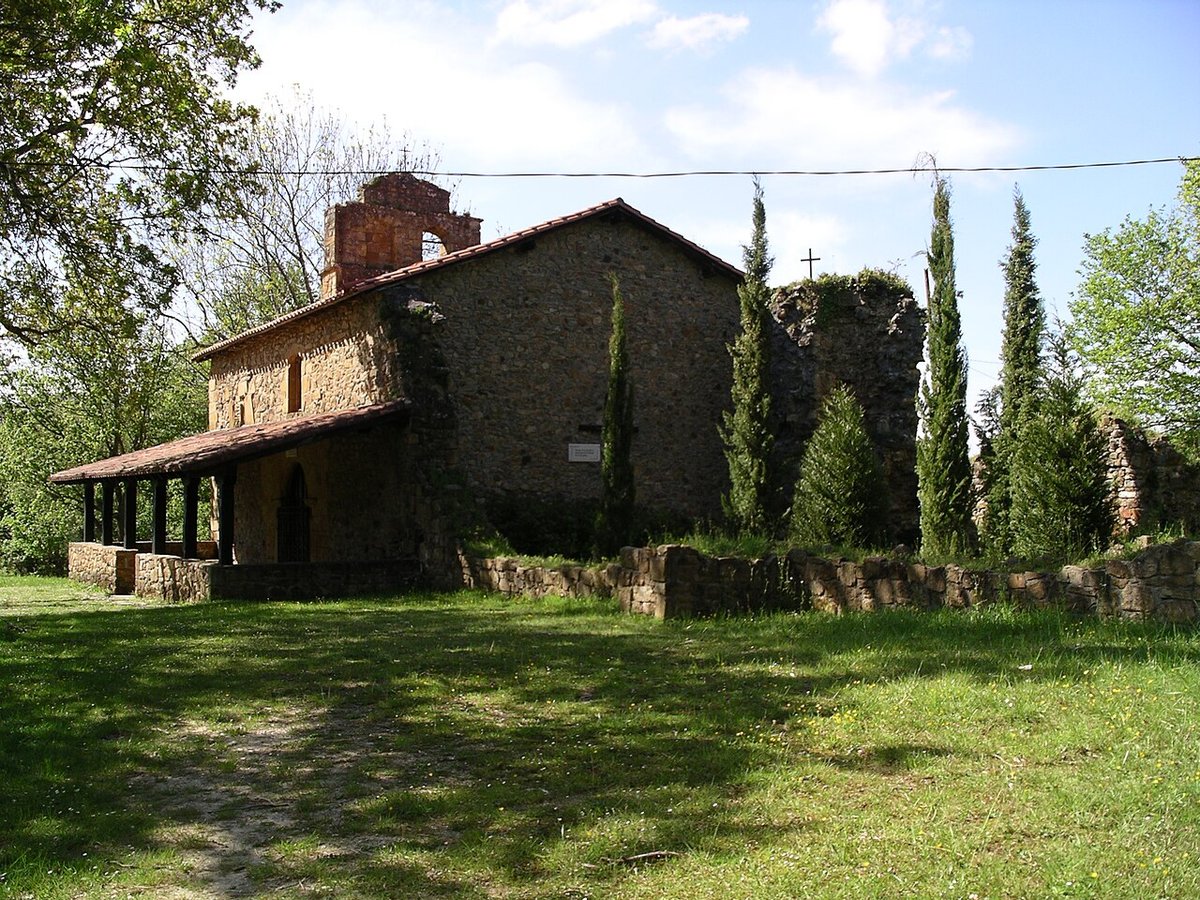
Abanto confounds expectations precisely because it refuses to be "a village" at all. neighbourhoods like Santa Juliana or San Pedro de Abanto consist of two streets, a church, and houses stepping up hillsides in tight terraces. Park wherever space allows—narrow lanes double as passing places—and explore on foot. Churches stay locked unless mass is imminent; their real value lies in orientation, landmarks for navigation rather than artistic treasures.
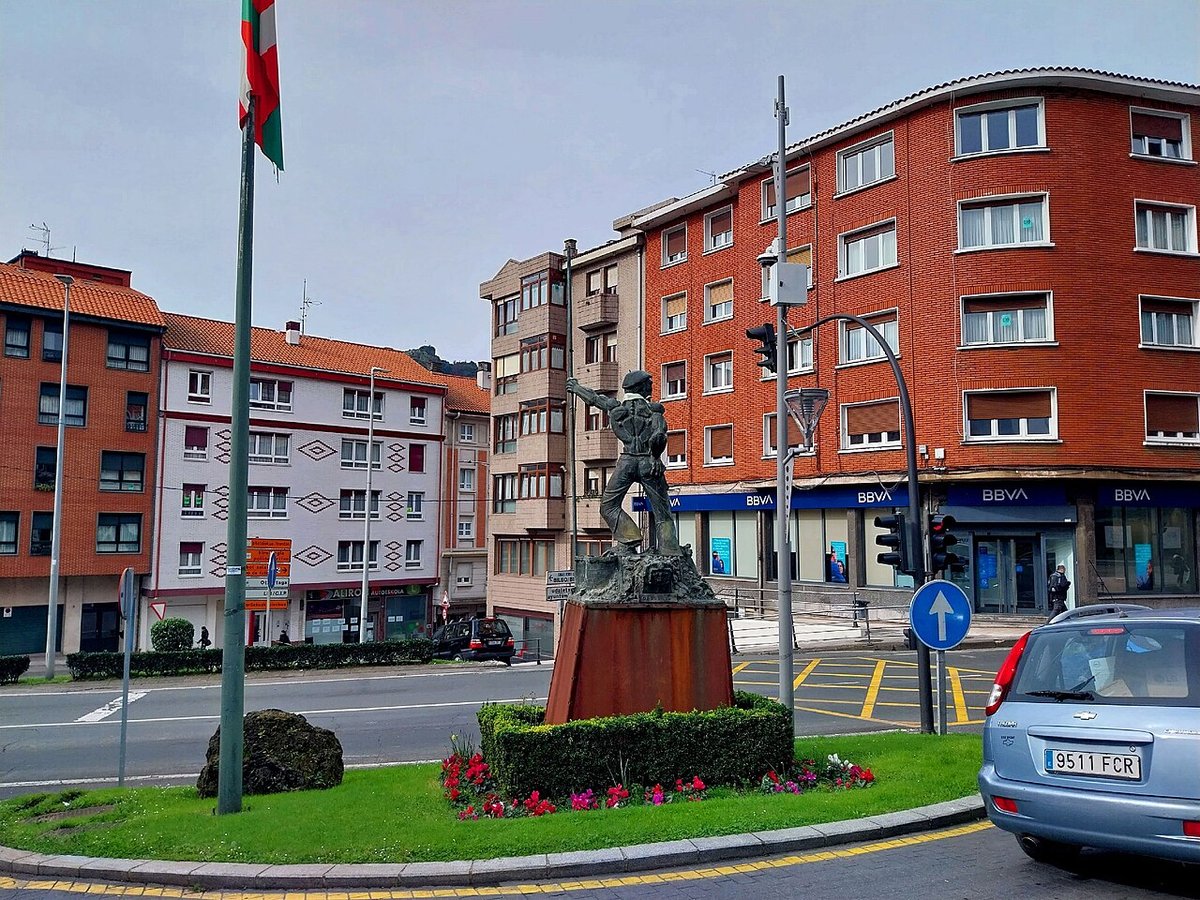
This scattering frustrates visitors seeking Instagram moments. It delights those who prefer watching daily life unfold: elderly women chatting from first-floor balconies, teenagers practising kick-ups beside the frontón, delivery vans honking twice because reversing alarms broke years ago. The municipality's website lists walking circuits, but locals simply follow tractor tracks between villages. Copy them and you'll discover shrines to deceased miners decorated with fresh flowers, and bar terraces where conversation stops when strangers appear, then resumes with extra volume to put you at ease.
Getting There, Getting Round
Metro Line 2 from Bilbao's Abando station reaches Gallarta in twenty-two minutes, €1.90 with Barik card. Trains run every fifteen minutes weekdays, half-hourly Sundays. Having arrived, prepare to walk—distances between settlements feel negligible by car, tedious by foot under Basque rain.
Driving makes more sense for reaching trailheads or Triano's pit-head tower. The BI-2702 skirts the municipality; turn-offs aren't obviously sign-posted, so set sat-nav for specific bar names rather than villages. Parking remains free and plentiful except during fiestas; August's Santa Juliana celebrations fill every verge with hatchbacks and fold-up chairs.
Weather demands respect. Atlantic systems roll in fast—one moment blue sky, next horizontal rain. Paths turn slick with clay that clings to boots like wet concrete. Proper footwear isn't macho posturing; it's basic survival. Locals judge strangers by their shoes—turn up in trainers and you'll be offered unsolicited advice about ankle support.
Worth the Detour?
Abanto won't suit everyone. If your Spain requires Moorish palaces or whitewashed alleys, keep driving. If you're curious about what happens after industry departs, how communities adapt rather than die, spend half a day here. Combine it with Bilbao's art galleries or the coast's beaches; use the Mining Museum as counterpoint to the Guggenheim's titanium optimism.
The municipality's greatest attraction might be its complete indifference to being attractive. No souvenir shops, no guided tours, no pressure to spend. Just a landscape healing itself, people getting on with lives, and enough space to walk, think, and understand that not every destination needs to be destination-worthy. Sometimes, simply being real is more than enough.