Full Article
about Abanto y Ciérvana (Abanto-Zierbena)
Hide article Read full article
Reading the Landscape from the Ground Up
Some places make more sense when you look down rather than out at the horizon. Abanto y Ciérvana-Abanto Zierbena is one of them. Walk for a while and the soil shifts to a reddish tone, almost rust-like, as if iron had been mixed into the earth. It is not decorative. It is the visible trace of decades of mining.
The landscape here was never arranged with visitors in mind. It grew around shafts, galleries and working tracks. Many of those marks are still present today, partly covered by grass and low vegetation. A path might seem ordinary until an unusual embankment appears, or a slope that looks sharply cut in a way nature rarely produces on its own. These are the remains of industrial activity, still embedded in the terrain.
This is not a place where the past has been smoothed over. It sits close to the surface, visible if you pay attention to the ground beneath your feet.
A Landscape Shaped by Mining
In Abanto y Ciérvana, mining is not confined to a panel or a museum display. It is written directly into the land. Along some paths, the soil changes colour every few metres. Elsewhere, you come across fragments of structures, low walls or sealed entrances that hint at the scale of what once happened here.
What stands out is how vegetation has gradually reclaimed the area. Meadows, patches of Atlantic scrub and small wooded areas now cover former extraction sites. The result is not a polished or uniform landscape. It feels more like a layered mix of nature and industrial memory.
After a short walk, the pattern becomes clear. This is not a continuous stretch of hills. Instead, there are rounded rises, wide tracks once used by working vehicles, and paths linking scattered neighbourhoods. The terrain feels shaped by use rather than design.
That combination gives the area a particular character. It is not dramatic in the conventional sense, but it rewards attention. The details, rather than a single viewpoint, carry the story.
Serantes on the Horizon
Monte Serantes is a constant presence in the background, acting almost like a land-based beacon. Not all of it belongs to the municipality, but from Abanto it is always visible, and many people in the area head up its paths.
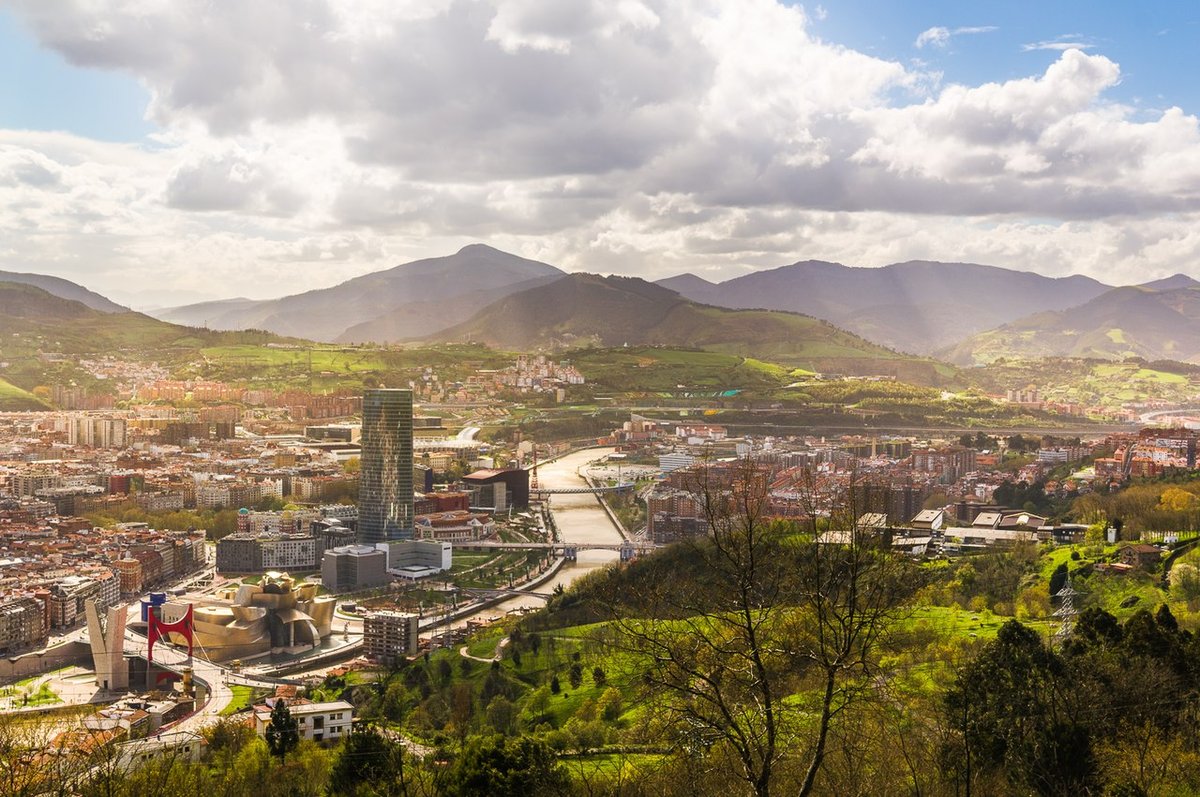
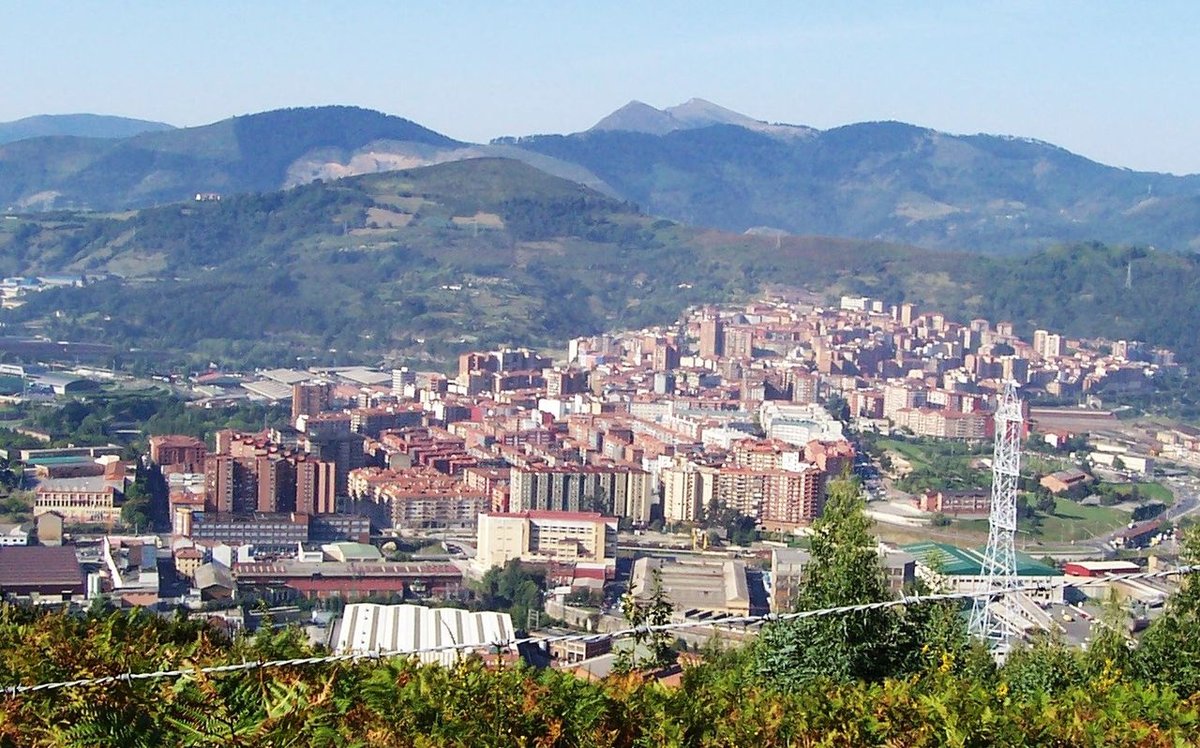
The climb includes stretches that demand a bit of effort, though nothing technical is required. At the top, the view changes suddenly. The estuary, known locally as the ría, the Abra, and much of the surrounding industrial area come into view all at once. It is a curious panorama, combining sea, port activity and green hills in a single sweep.
At the summit, people often pause for a rest and spend time looking out. The wind can be strong up there, which adds to the sense of exposure. It is a place where the wider setting of Abanto y Ciérvana becomes easier to understand, especially its connection to both the coast and industry.
Walking Without Monuments
Abanto y Ciérvana does not follow the pattern of towns centred around a historic square or a single landmark. Here, the main activity is walking.
There are routes that cross former mining areas and others that link neighbourhoods and rural zones. After rain, which is common in this part of Bizkaia, some sections become quite muddy. The conditions are part of the experience rather than an inconvenience to be designed away.
As you move through the area, small details begin to stand out. An old industrial building, partly hidden stone walls, or wide paths that reveal their origin as routes for heavy work. These elements appear gradually, without signposts or explanation.
Interest builds through these fragments. It is not about reaching a specific monument. Instead, it comes from noticing how each piece fits into a wider story of labour and transformation.
Weather and Terrain
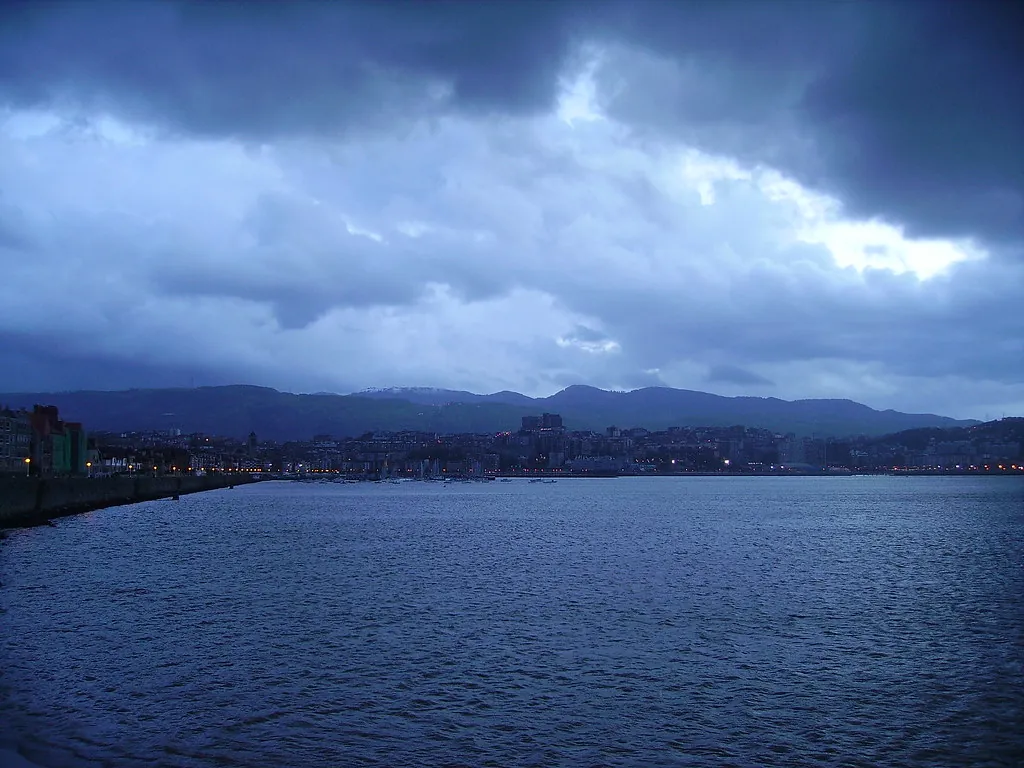
The Atlantic climate makes itself felt quickly. Fog can roll into the hills and alter the atmosphere within minutes, especially in higher areas such as Serantes.
After rainfall, some paths become slippery, so good footwear makes a difference. It is also worth keeping an eye on the sky before heading into more open areas, as the wind along this stretch of coast can be strong.
In summer, the sun can be more intense than expected. Proximity to the sea does not always bring the cooling effect people might assume. The conditions shift easily, and the landscape responds to those changes in visible ways.
Understanding the Place Through Its Past
Abanto Zierbena makes the most sense when you think about the people who worked here. For years, life revolved around mining and the iron industry. What you see today, the reddish slopes, the wide tracks, the occasional hollow in the ground, all comes from that history.
This is not a picture-postcard destination, and it does not try to present itself as one. Its appeal lies elsewhere. If you enjoy walking and are willing to observe the terrain with a bit of curiosity, the landscape begins to explain itself.
From higher ground, when you look across those red-tinged slopes, the connection becomes clear. The land is not just scenery. It is the result of sustained human effort, still visible in every uneven surface and altered hillside.