Full Article
about Arrigorriaga
Valleys and hamlets a stone’s throw from Bilbao, buzzing with local life.
Hide article Read full article
A Town Next to Bilbao
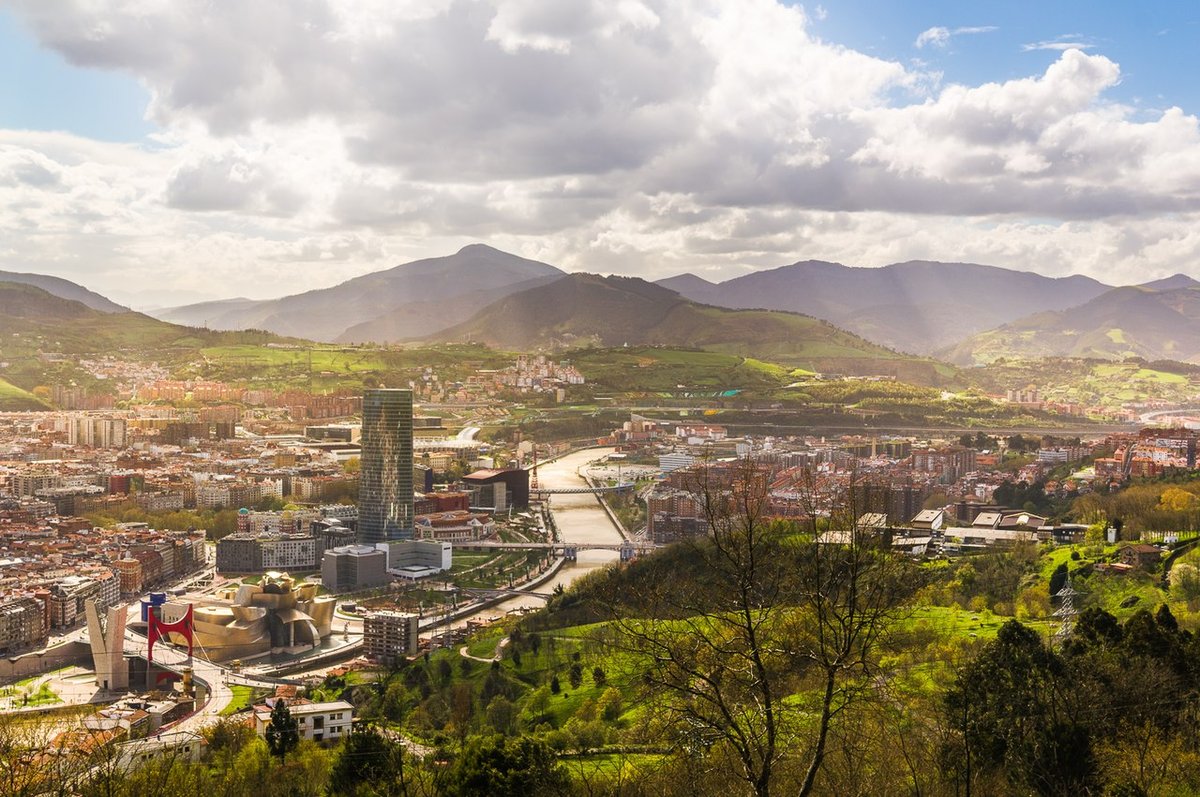
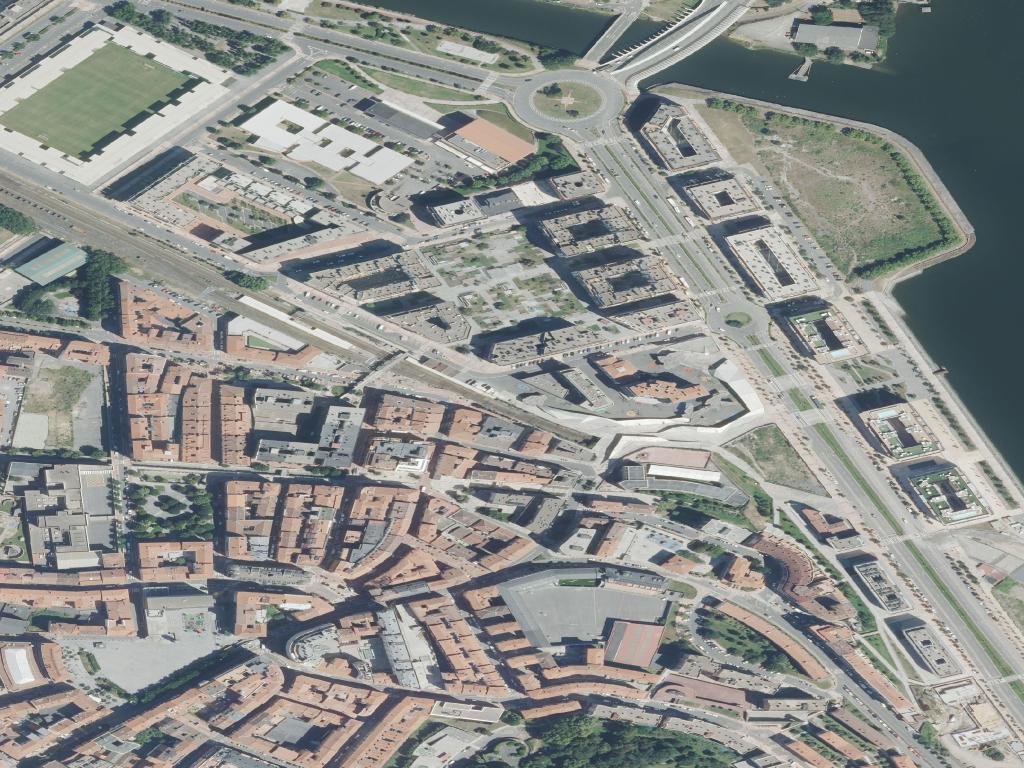
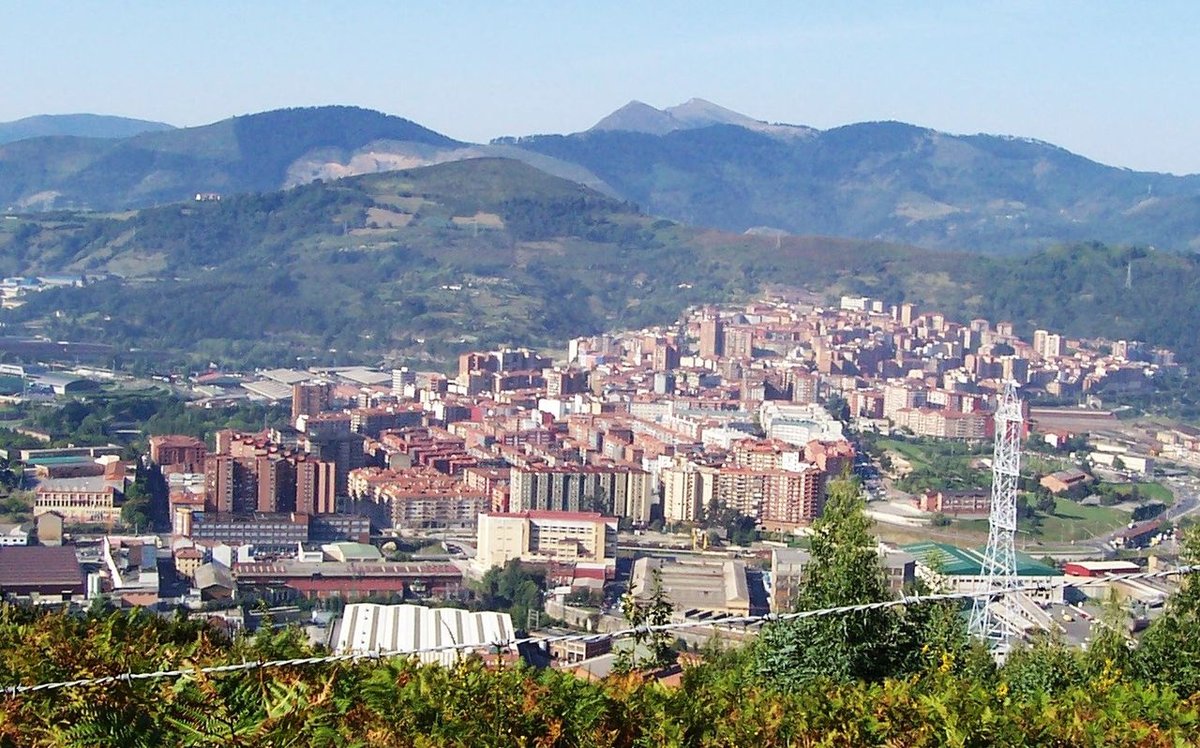
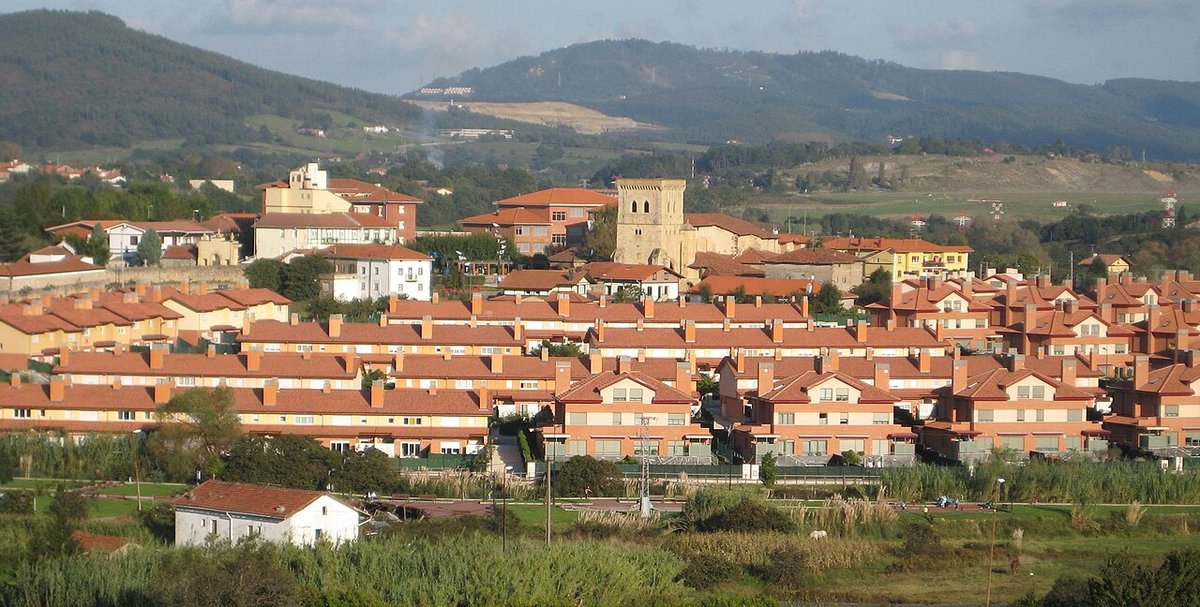
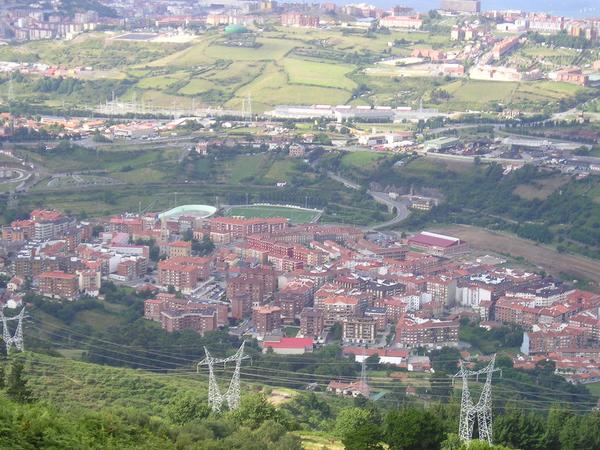
Arrigorriaga sits right beside Bilbao, within what is known as Greater Bilbao. With around 12,000 residents, it functions largely as a residential town. Many people live here because housing is a bit more affordable than in the city, or because of work connections that tie daily life closely to Bilbao.
Tourism is not really part of its identity. Visitors rarely come here with the place itself as a destination. Even so, if you happen to be in the area, there are a couple of spots that make it worth a short stop.
Getting There and Getting Around
Reaching Arrigorriaga from Bilbao takes only a few minutes. The A‑8 motorway connects the two, and there is also a road that follows the Nervión valley. Public transport is well established, with both train and metro services linking the town to the wider area. As a result, many people commute in and out each day without using a car.
Parking in the centre is usually straightforward, often just a matter of circling once or twice. Those heading directly to Mendikosolo will find a large car park there, which normally has space available. There is no real tourist high season, so congestion is not something to worry about.
Everyday Life in the Centre
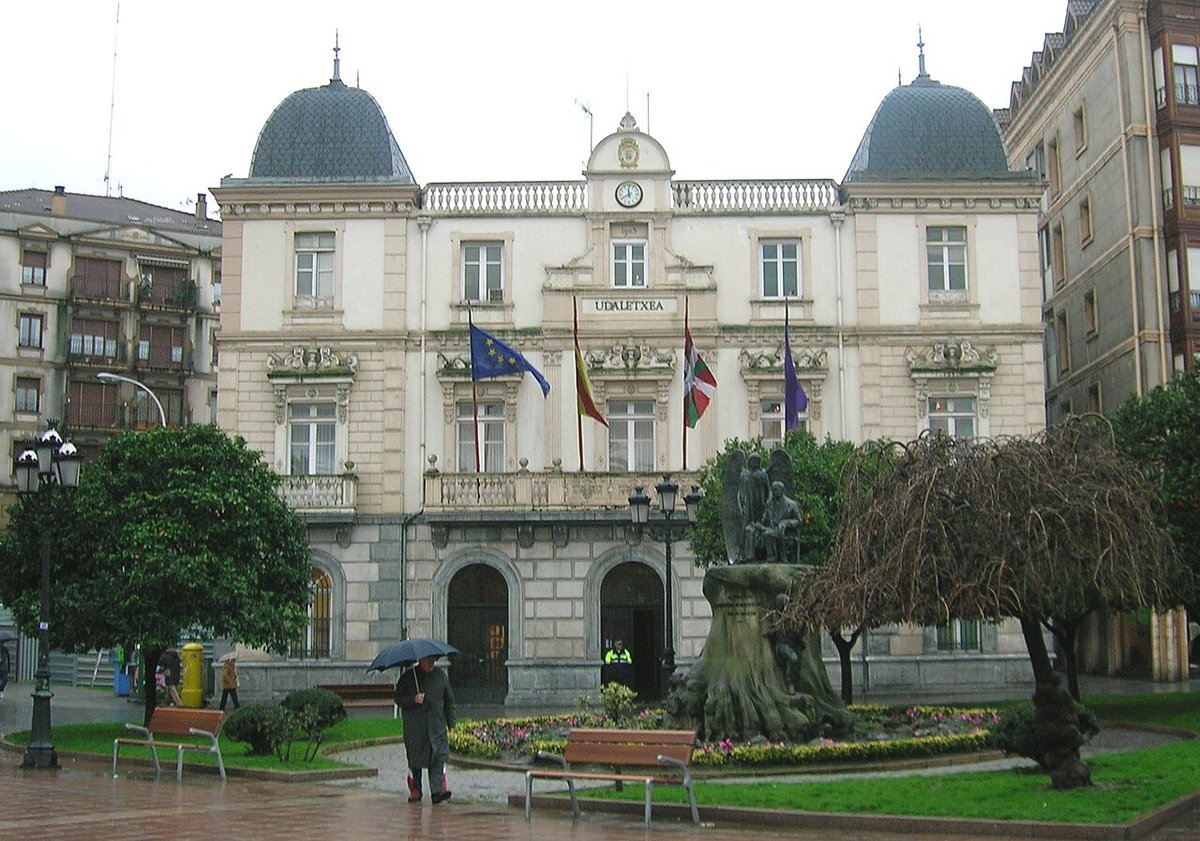
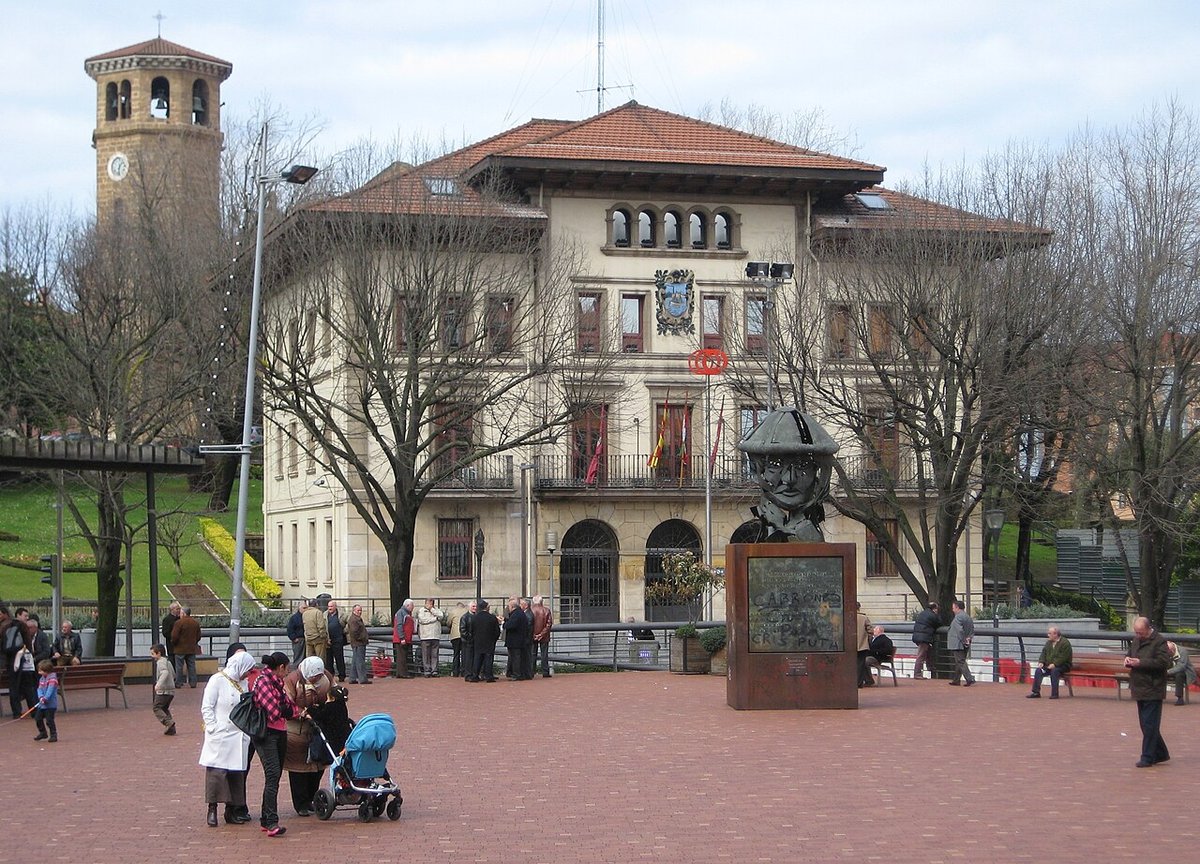
The town centre revolves around Calle Mayor and the streets that cross it. This is where daily life plays out, with local shops, bars and a steady flow of people, especially in the middle of the morning. Arrigorriaga feels like a place designed for living rather than visiting.
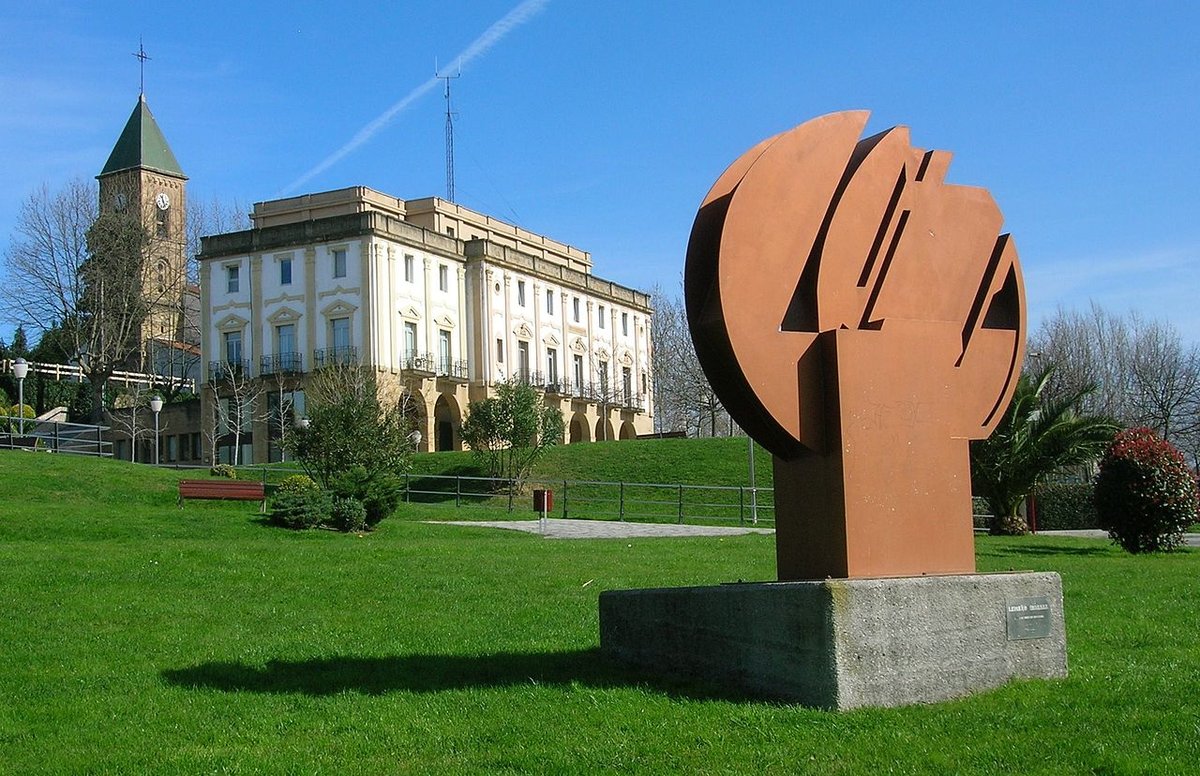
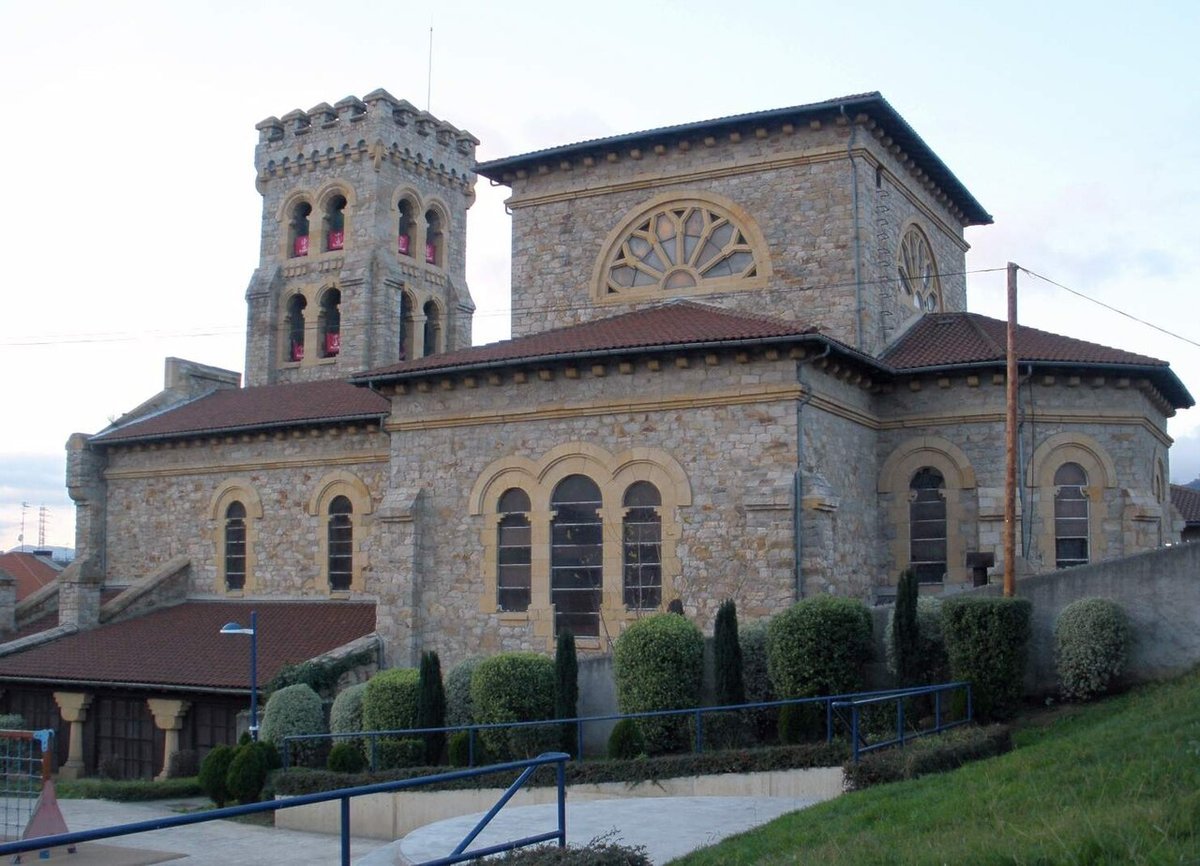
There is no historic old quarter or architecture that demands attention. The parish church, Santa María Magdalena, dates from the 19th century and has the typical look of that period. Inside, however, it keeps an older sculpture from the early 18th century. At one point, part of the building was used as a cinema, which helps explain the slightly unusual shape of the structure today.
On Tuesdays, a market usually takes over the square. Stalls sell fruit and vegetables, some cheese, and a fair amount of clothing. It is a practical market aimed at local shopping rather than attracting visitors.
Mendikosolo and the Climb to Abrisketa
Most people who spend time in Arrigorriaga end up at Mendikosolo. This is a park set around a small reservoir in a closed valley. A path runs around the water, just over a kilometre long and almost completely flat. It is the kind of place where families walk, dog owners pass through, and cyclists begin or finish their routes.
From here, a path leads uphill towards the Goikiri ravine and the area of Abrisketa. The climb passes through pine woodland and ends at the hermitage of San Pedro de Abrisketa. It is usually dated to between the 11th and 12th centuries, although some parts appear to have been added later. The building itself is simple and is normally open.
At the top, the view shifts. Instead of looking towards the Nervión and Bilbao, the landscape opens out towards the Arratia valley.
Traces of the Past
The name Arrigorriaga is often linked to a long-standing legend about a medieval battle at Padura. The story speaks of bloodshed and an infant named Ordoño. Dates vary depending on who tells it, and there is little in the way of firm evidence.
What does appear in written records is the parish, documented in the year 1107 and at that time connected to the monastery of San Salvador de Oña.
Later, in the 19th century, the bridge of Moyordín became a setting for clashes between liberal and Carlist forces. Today, the bridge still serves its purpose on a local road. There is nothing on site to explain what happened there.
When to Stop By
There is no particular season that defines Arrigorriaga. It is an active town throughout the year. In summer, it tends to be a bit cooler than more enclosed valleys nearby, and terraces fill up when the weather is good.
On Sunday mornings, Mendikosolo fills with mountain bikes. Many riders use it as a starting point for routes heading towards Venta Alta or into the surrounding hills.
A visit here works best when kept simple. Park at Mendikosolo, walk around the reservoir, then head down into the centre for a drink. In about an hour, or a little more, you will have a clear sense of the place. Those looking for a historic old quarter or a town shaped around visitors will need to keep moving. Life here follows a different rhythm.