Full Article
about Barakaldo (Baracaldo)
Valleys and hamlets a stone’s throw from Bilbao, buzzing with local life.
Hide article Read full article
A different rhythm beside Bilbao
Something curious happens with tourism in Barakaldo. Many people take the metro from Bilbao and watch the carriage empty as it heads towards the coast. Then, on the way back, it fills up again here. It feels as though more than a few passengers have thought, “let’s see what’s here”. That instinct makes sense. Barakaldo sits just a few kilometres from Bilbao, yet the atmosphere shifts more than expected.
This is not the kind of place that appears in glossy brochures. What stands out is the mix: industry, neighbourhoods full of everyday life, and the occasional green corner that appears without warning.
What the map doesn’t show
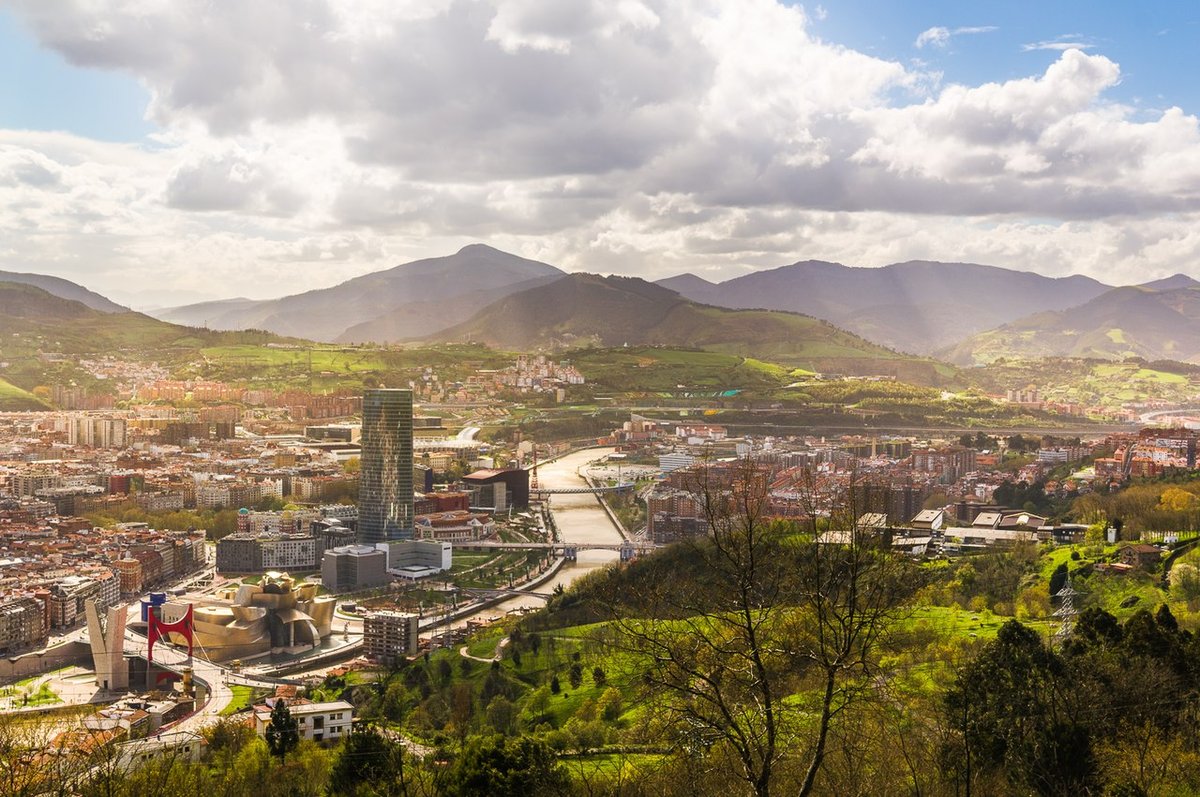
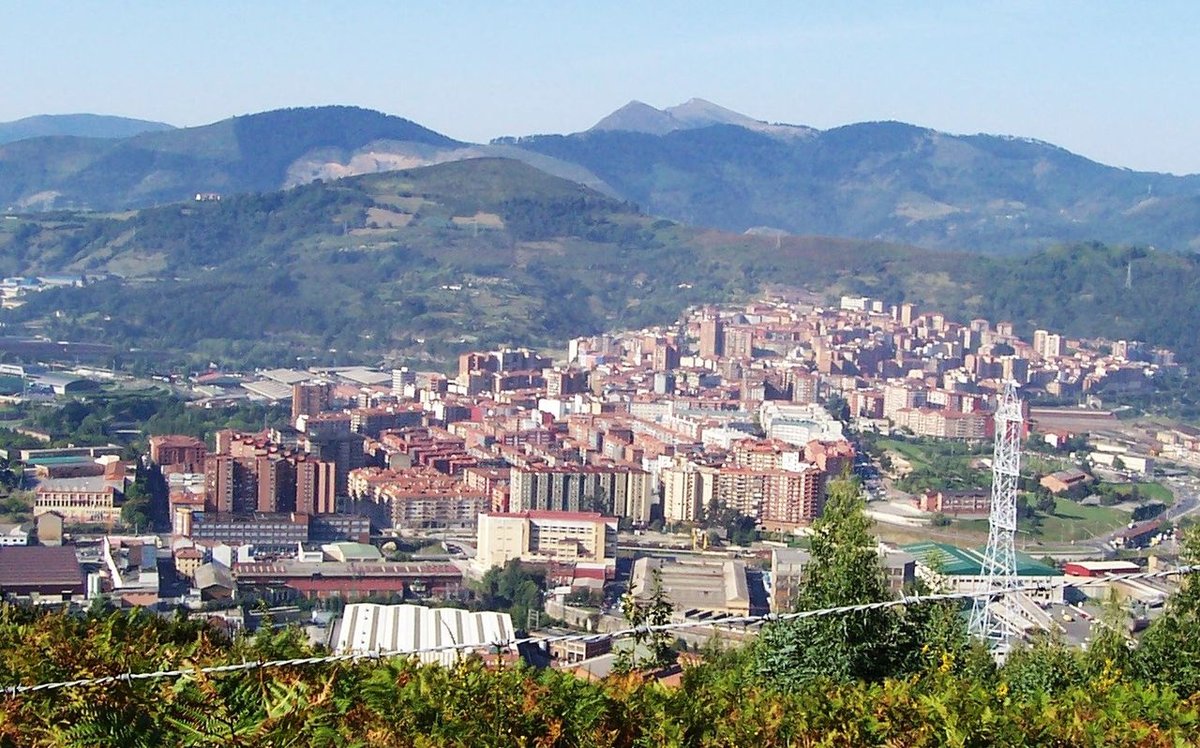
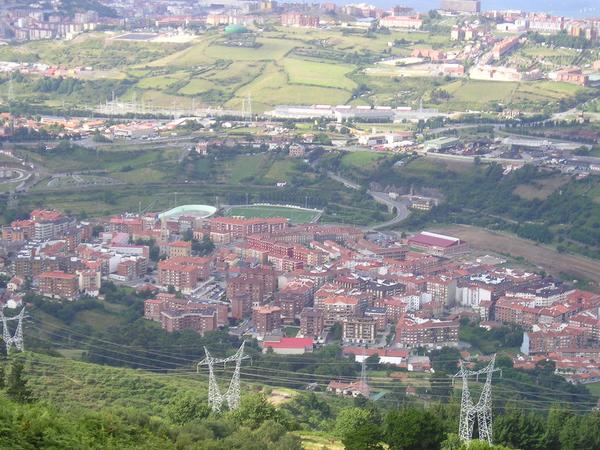
A first visit might not promise much on paper. One trip to the district of Cruces could easily suggest just another part of the metropolitan area. Then the surroundings begin to shift. Hills come into view, and not small ones. Argalario rises beyond 500 metres, appearing behind the town as if placed there without much ceremony.
From higher ground, the Nervión estuary opens out in a scene that blends water, old docks and industrial structures that remain even if they no longer serve their original purpose. It is not a postcard image. It feels closer to looking at the hands of someone who has worked all their life: perhaps not conventionally beautiful, but full of meaning.
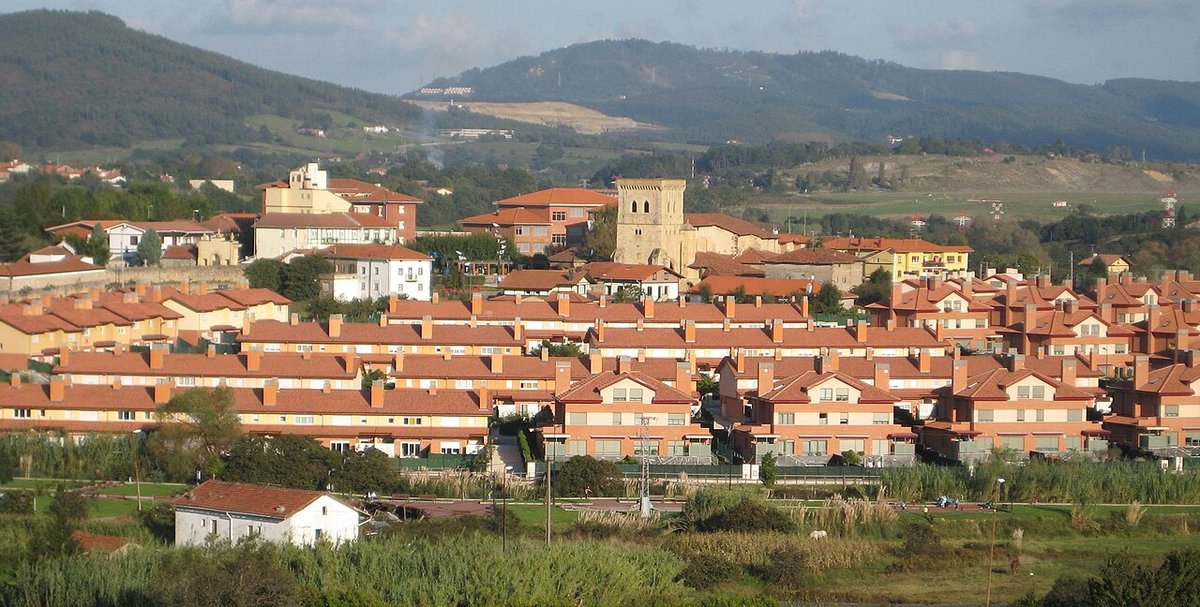
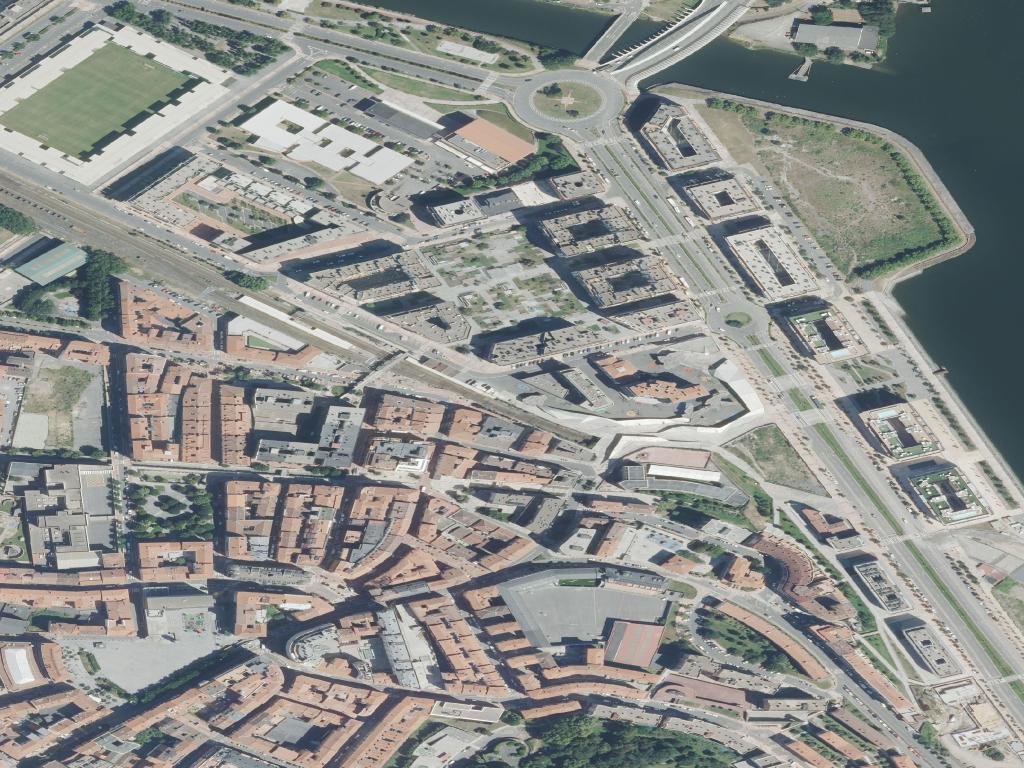
On paper, Barakaldo counts as one of the larger cities in Euskadi, the Basque Country. Walking through it tells a different story. The place feels like several towns joined together. Blocks built during the industrial expansion stand across many areas, since whole neighbourhoods grew quickly at that time. Then, without much warning, much older houses appear.
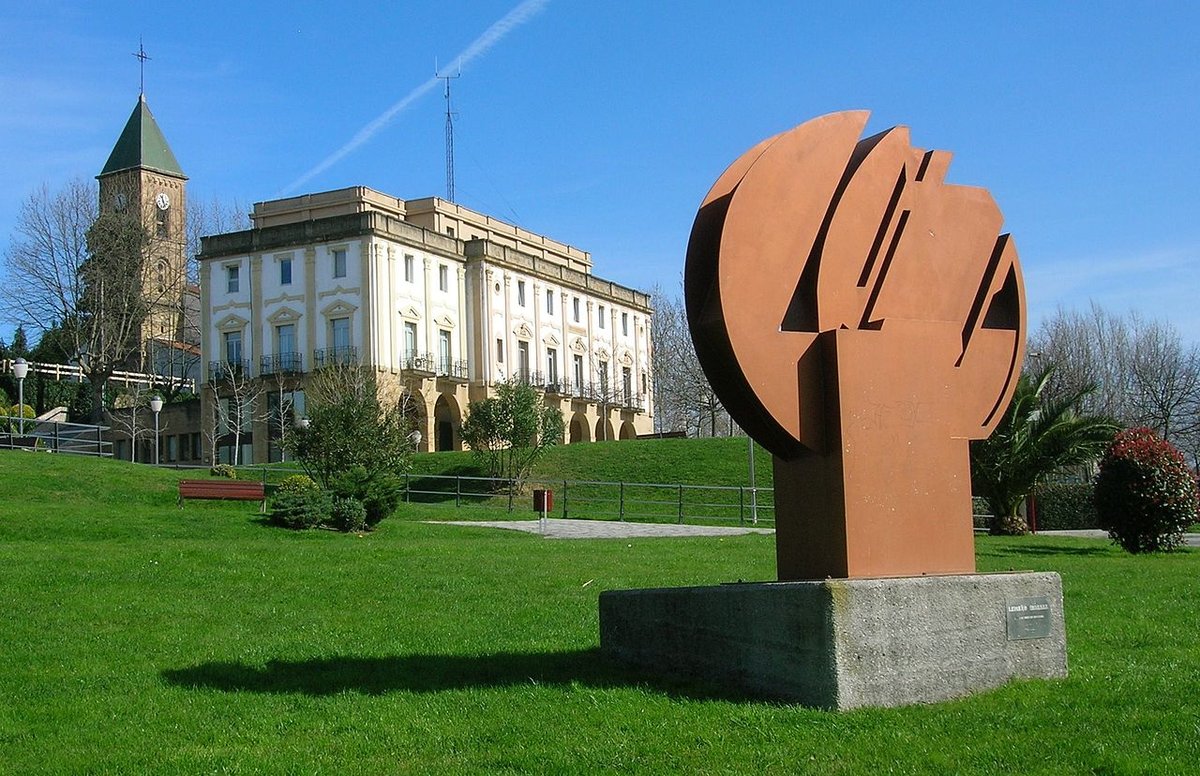
San Vicente offers a clear example. There, mansions built by indianos, people who returned wealthy from the Americas, still stand as reminders of another era. Not far away, Munoa Park emerges between streets and industrial buildings, almost as if someone had decided to plant a small woodland in the middle of everything.
When the factories fell silent
Anyone curious about the area’s past should head towards the old Orkonera ore loading docks. These iron structures stand beside the estuary: large, dark and slightly ghostly.
Mineral extracted from nearby mines once passed through here on its way to ships. That constant movement played a major role in the rapid growth of the entire left bank of the estuary.
Today, the docks no longer operate, yet they remain in place. They act as a physical reminder of what this area was for decades. A look at them helps explain why neighbourhoods were built in such haste, why so many people arrived to work, and why the landscape looks the way it does.
Heavy industry eventually declined, and the city had to find a new direction. That process took time, as it often does. Gradually, parks appeared, along with new facilities and spaces that had once been closed off. The transformation did not erase the past, but it changed how people move through and use the city.
Eating well, without overthinking it
Food in Barakaldo follows the broader traditions of Bizkaia. There is no focus on experimental cooking or elaborate presentation. The emphasis stays on good ingredients, generous portions and long meals that stretch into conversation.
Txangurro a la donostiarra, a dressed spider crab dish associated with nearby Donostia-San Sebastián, appears frequently on local menus. Chuletón, a large bone-in steak, remains a classic choice when groups gather. And if the meal ends with a goxua, a dessert from Vitoria made with cream, custard and sponge, it usually means things have gone a bit over the top in the best possible way.
December brings the Santo Tomás fair. It does not reach the scale of Bilbao’s version, yet it keeps the feel of a popular market. Talos filled with txistorra, stalls run by baserritarras, farmers from the Basque countryside, and a strong neighbourhood atmosphere define the day.
Up to Argalario
For those who feel like walking, the climb up Argalario offers a straightforward plan that tends to work well. There is no need for serious mountaineering experience. Paths and tracks are used regularly by local people.
One detail stands out on the way up. Someone always seems to pass by with surprising ease. Older walkers chat as they climb, as if they were on a flat stroll through their neighbourhood, while others begin to notice the slope.
At the top, the view opens across the estuary. Bilbao lies in one direction, while the route towards the sea stretches out in the other. From that vantage point, the growth of the wider metropolitan area becomes easier to understand.
Moving through the city at its own pace
Barakaldo does not lend itself well to a checklist of sights to tick off in a single morning. It makes more sense to walk without rushing.
A simple route might begin in Munoa Park, which still retains the feel of a former stately estate. From there, San Vicente offers a chance to look at the older houses that remain. Continuing towards the estuary eventually leads to the old ore loading docks.
At some point, the usual solution applies: step into a bar, order a small beer known locally as a zurito, add a piece of Spanish omelette, and spend a while listening to the conversations around you.
That may be the key to Barakaldo. It does not try to impress. Life has unfolded here in its own way, and it continues to do so. When travelling, that can be more interesting than any carefully arranged scene.