Full Article
about Basauri
Valleys and hamlets a stone’s throw from Bilbao, buzzing with local life.
Ocultar artículo Leer artículo completo
The 05:20 metro from Basauri is already half-full when it slips out of the valley. Office cleaners, airport caterers and one or two bleary-eyed Brits clutching boarding passes share the fifteen-minute ride to the terminal. By 05:37 the carriage empties, the doors hiss shut, and the town settles back into its normal role: not a destination, but a place people return to.
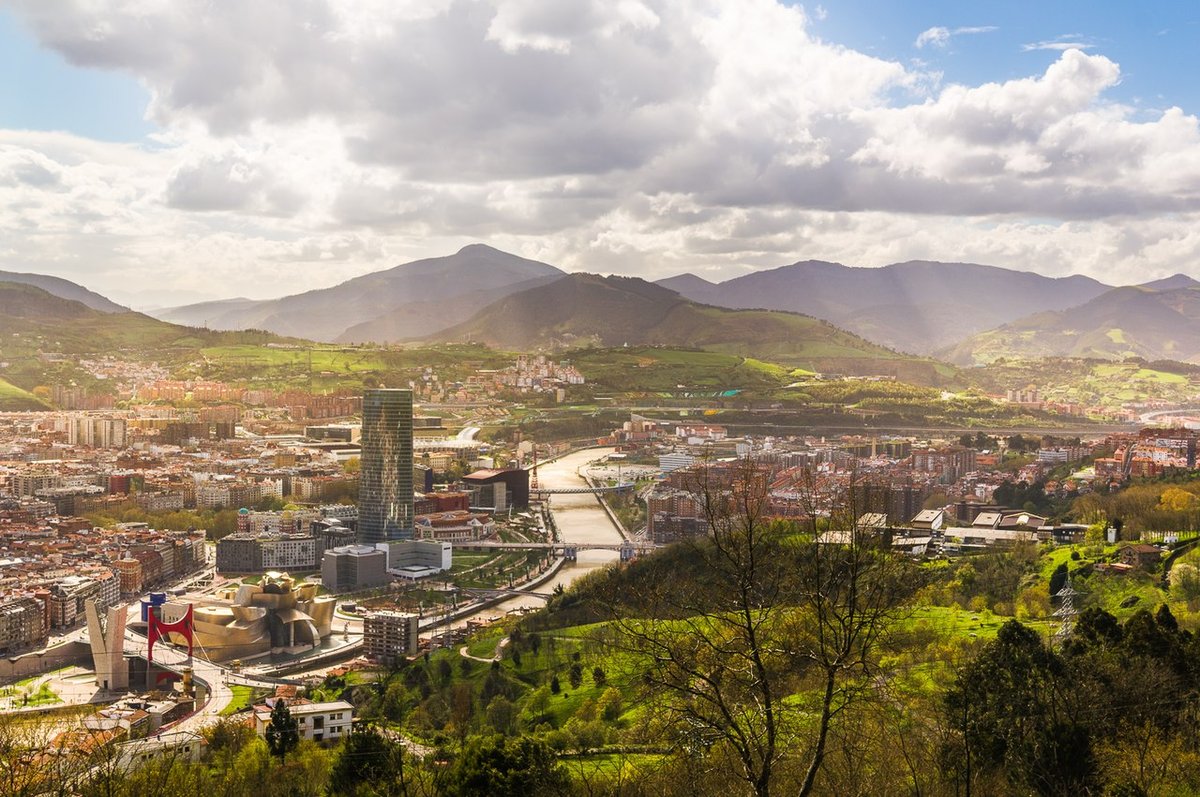
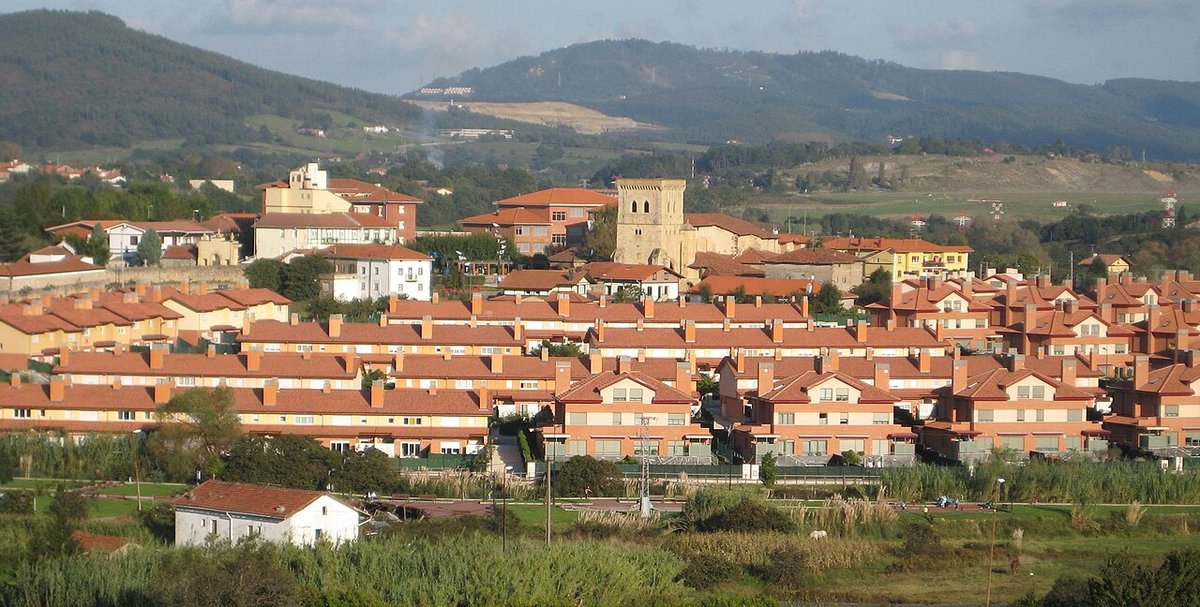
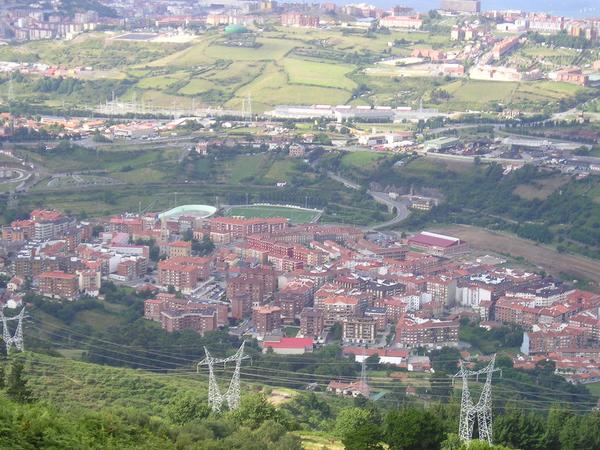
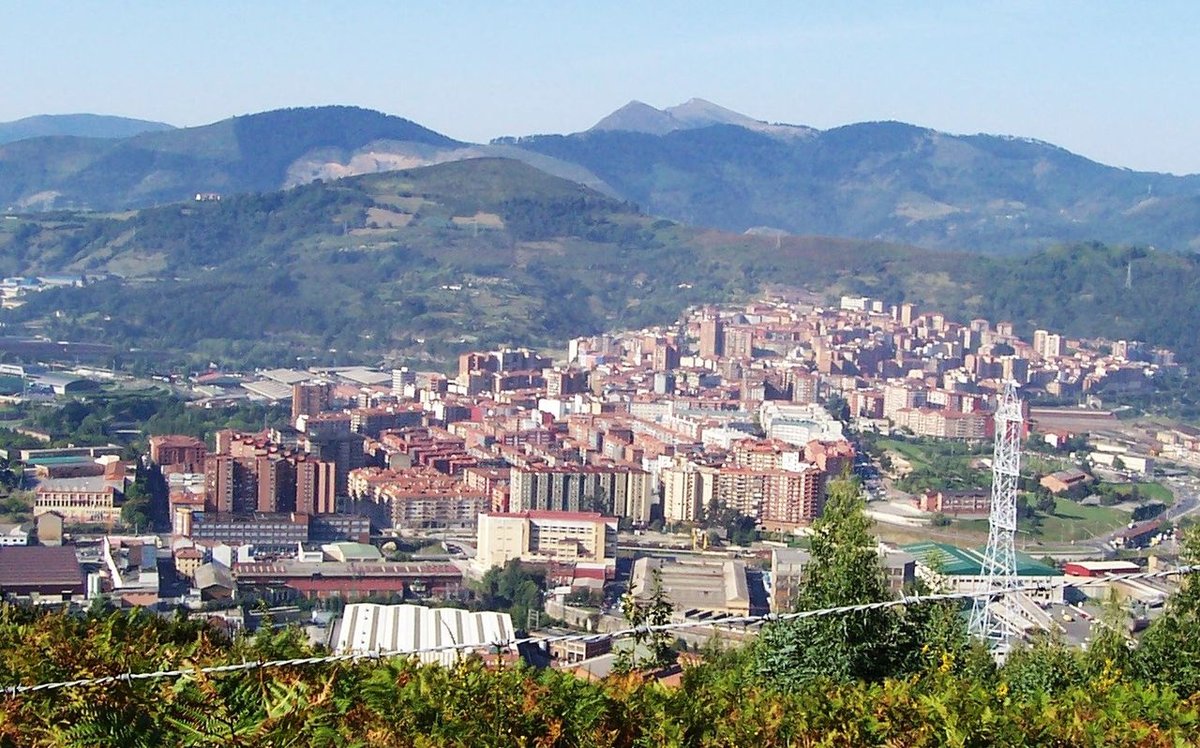
Basauri will never feature on a souvenir plate. It has no Gothic quarter, no beach, no Michelin stars. What it does have is a ringside seat to how the Greater Bilbao conurbation actually functions once the tour buses have left. Forty thousand people live here, stacked up the sides of the Nervión valley in rows of ochre brick and glass. The river that once carried coal and steel now carries kayaks on Saturday mornings, yet the cranes are still visible on the ridge—reminders that industry never quite left, it just changed uniform.
The Valley Floor and the Steep Bits
Start at the station plaza and you are standing on what used to be marsh. The old maps show tide marks almost to the church door; today the water is hidden behind concrete banks and a dual carriageway. Walk south for five minutes and the ground begins to rebel. Streets tilt at angles that would alarm a San Franciscan, and the apartment blocks give way to timber-framed caseríos half-swallowed by ivy. These farmhouses are the surviving witnesses: they pre-date the mills, the railway, the metro, even the Spanish Civil War brickworks that still rots quietly behind corrugated fences.
Keep climbing—past the zebra crossing where grandparents wait with primary-colour wheeled trolleys—and you reach Arizgoiti. Here the city grid dissolves into terraces that once grew beans for Bilbao’s markets. A stone cross leans at the junction; beyond it a gravel lane continues toward Galdakao, threading allotments and Sunday-motorcycle garages. The sign claims 3 km, but the gradient is the unit that matters. Allow forty minutes and a change of shirt.
Turn back at the ridge and the whole valley snaps into scale: the metro line a silver thread, the AP-8 a black ribbon, the roofs of Basauri rippling like water around them. It is not beautiful in the chocolate-box sense; it is coherent, honest, lived-in.
Church, Frontón, and the Pintxo That Costs Two Euros
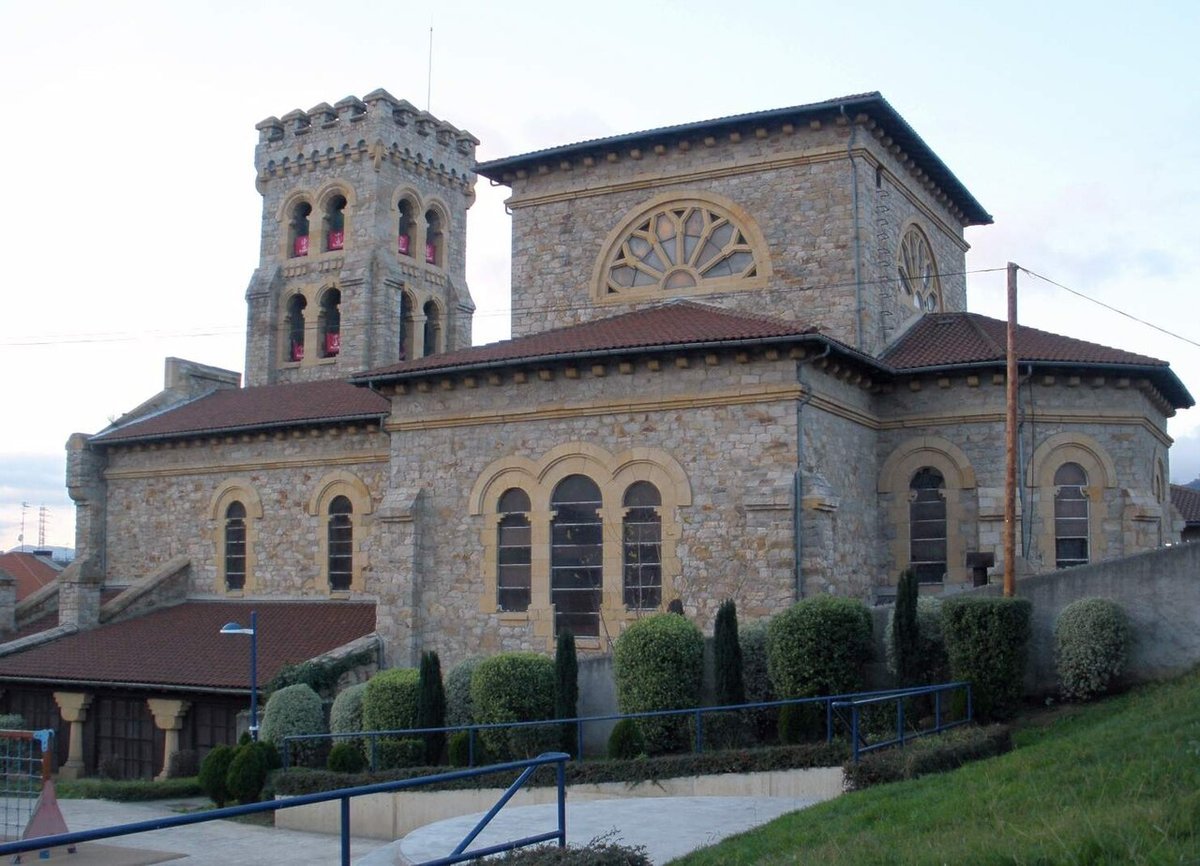
San Fausto church squats on its little knoll, stone the colour of weathered pound coins. The building is 18th-century, patched in the 1980s after a fire, and still in weekly use. Step inside during evening mass and you’ll catch the metallic flick of the thurible and the faint smell of diesel drifting in from the bus stop outside. The square in front hosts a produce market on Tuesdays: peppers the size of cricket balls, eggs stamped with the farm’s postcode, and one stall selling only three types of dried chilli—mild, medium, and “para valientes”.
Opposite the church railings the frontón wall rises like the end of a railway shed. Matches are Thursday nights and Sunday lunchtimes; entrance is free if you can squeeze past the pensioners on the bench. Pelota is faster in reality than it looks on television; the ball makes a sound like a wet towel slapped on flagstones. Applause is polite, criticism blunt—“¡A la pared, no al suelo!”—and nobody explains the rules because everyone grew up with them.
When the final point ends the crowd drifts across the road to Bar Iruña. Order a caña and the barman will point at a plate of something sticky and brown. Say yes. It is bacalao al pil-pil, cod collagen emulsified with olive oil and garlic, served in an enamel dish hot enough to scorch the Formica. Two euros twenty. The same snack in central Bilbao costs four-fifty and arrives with a sprig of something pointless.
What to Do When It Rains (Which Is Often)
Basauri receives 1,200 mm of rain a year—Cardiff levels, delivered in shorter, heavier bursts. When the clouds press against the valley sides the town switches to indoor mode. Locals head to the Sarratu park covered pavilion for pétanque; the clack of metal on wood echoes like gunshots. Others colonise Café Antzokia, a former cinema turned cultural centre where toddlers in dinosaur wellies stamp through craft workshops while their parents drink cortados brewed with beans from a roaster in Portugalete.
If you need to keep moving, duck into the metro again and ride one stop uphill to Ansio. The platform overlooks a 19th-century pumping station built for the steelworks; brick arches and ivy, Instagram gold if you are the sort who likes decay made symmetrical. A footpath continues through a drainage tunnel to the old mineral wharf at Zorrotzaurre. The tunnel drips, the river smells of salt and diesel, and you emerge exactly where the guidebooks tell you to go for street art and craft beer—proof that Bilbao’s regeneration is porous, leaking into its own suburbs.
Eating Without the Tourist Surcharge
Forget cider houses; they are ten kilometres inland and require a taxi home. Basauri’s food is weekday food: set lunches, €12-14, three courses and a half-bottle of wine poured into a tumbler. Monday is lentil stew; Wednesday often squid in its own ink; Friday invariably bacalao a la vizcaína, the cod softened in a red-pepper sauce that stains the plate like crime-scene evidence.
Evenings are for pintxos, but the culture is restrained. One pintxo per drink, two drinks maximum before the kitchen closes at 22:00. Gilda—anchovy, olive, chilli skewer—appears on every counter; eat it in one bite or be glared at. If you need something more substantial, Asador Arriaga grills a chuleton for two (€38) over holm-oak charcoal. The meat arrives rare, sliced tableside, with a dish of chips that taste of the 1990s: thick, golden, slightly soft.
Vegetarians struggle. Most bars offer a tortilla the size of a tractor wheel; beyond that the choices shrink to white asparagus spears from a jar. Order judías verdes and you will get ham anyway—Bilbao’s definition of “a little” is generous.
Getting In, Getting Out
Basauri sits inside Bilbao’s Zone 2 metro map. A Barik card—€3 deposit, refundable at any machine—drops the single fare to the centre to €1.14. Trains run every six minutes until 23:00, then every half-hour through the night on Fridays and Saturdays. The airport branch departs from San Mamés, one change away, total journey 35 minutes door to terminal. Early flights? Stay here, not at the overpriced airport express hotels: a double room at the Ibis Budget on Basauri’s main drag averages €65, breakfast €7, and the 05:20 service is reliable even on Sundays.
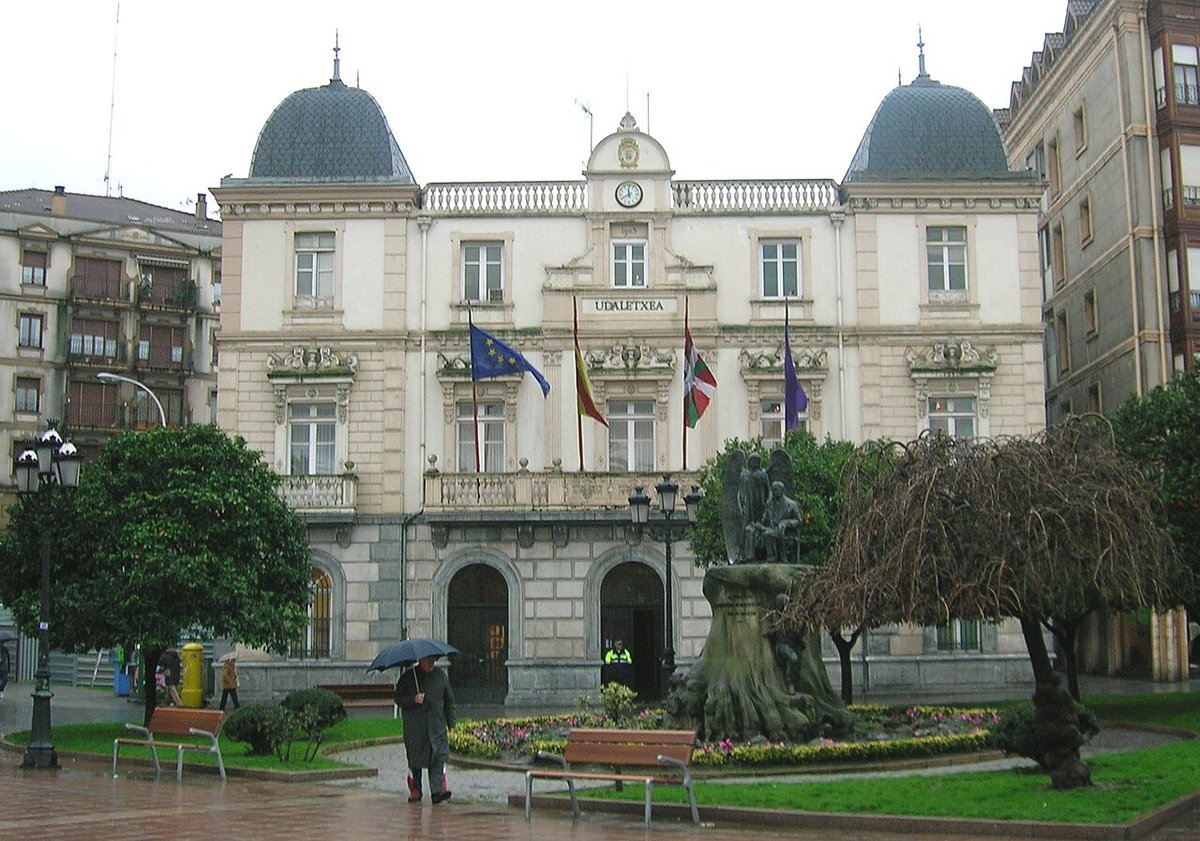
Drivers should note that on-street parking is residents-only; the underground car park beneath the town hall charges €1.20 per hour, free 14:00-16:00 and after 20:00. Saturday afternoons fill with families wheeling cool-boxes to the frontón tournament—leave the car and walk, the town is barely two kilometres end to end.
The Honest Verdict
Basauri will not change your life. It offers no cathedral, no golden beach, no sunset viewpoint. What it gives instead is a calibration tool: after three days here the rest of the Basque Country makes more sense. You will recognise the same pintxo pricing logic in San Sebastián, the same brickwork in Portugalete, the same metro announcements echoing under Getxo’s mansions. You will also notice what is missing elsewhere: the quiet after 23:00, the bakery that remembers your order, the hill path where traffic noise fades into cowbells.
Come if you have an early flight, a spare afternoon, or a curiosity about how Europe’s industrial towns age gracefully. Leave before you start expecting fireworks; Basauri has already clocked off and gone home for dinner.