Full Article
about Berango
Valleys and hamlets a stone’s throw from Bilbao, buzzing with local life.
Hide article Read full article
A place that keeps surprising you
Tourism in Berango has a slightly familiar feel at first, like visiting a friend who lives just outside the city. It seems straightforward, almost predictable, and then something unexpected turns up. People often pass through for years before realising there is more going on here than they thought. One of those small surprises is the presence of prehistoric dolmens that can be reached even before you get as far as the metro station.
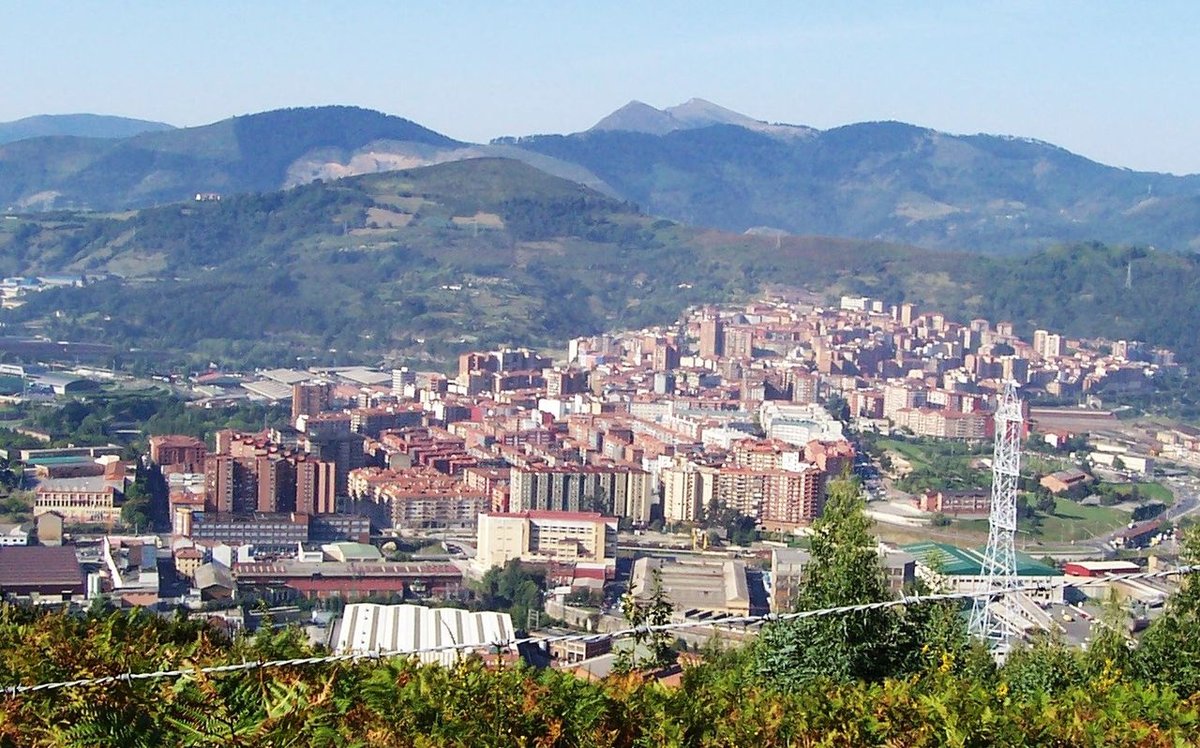
Berango sits within the orbit of Greater Bilbao, and that shapes how it is perceived. It is easy to assume it functions purely as a place people sleep before heading into the city. That is partly true, but it does not tell the whole story.
More than a commuter town
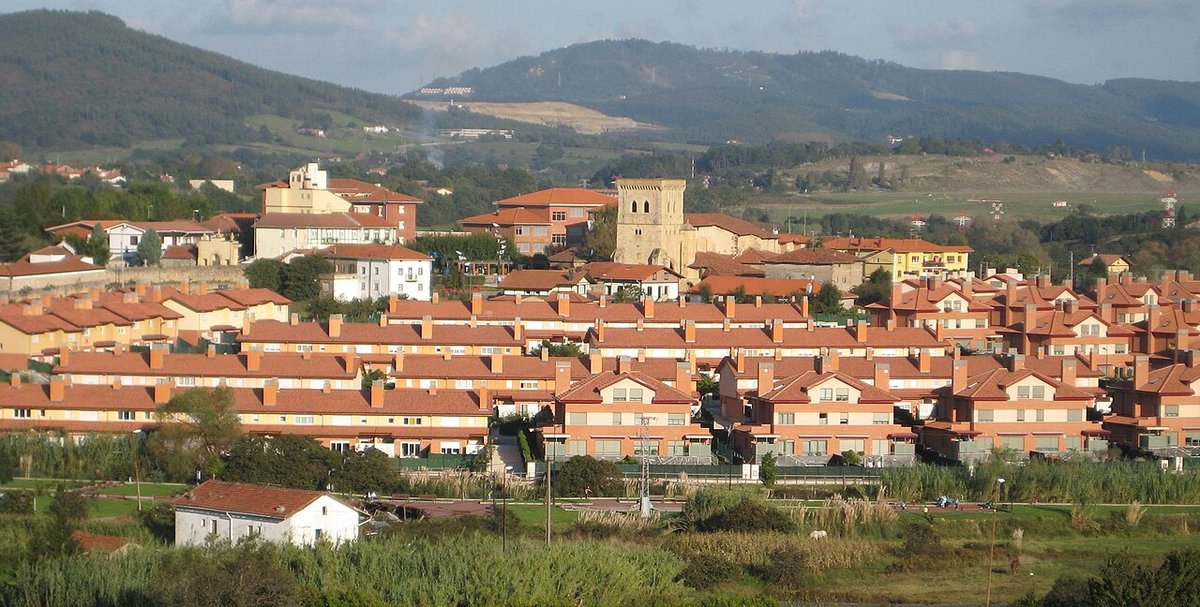
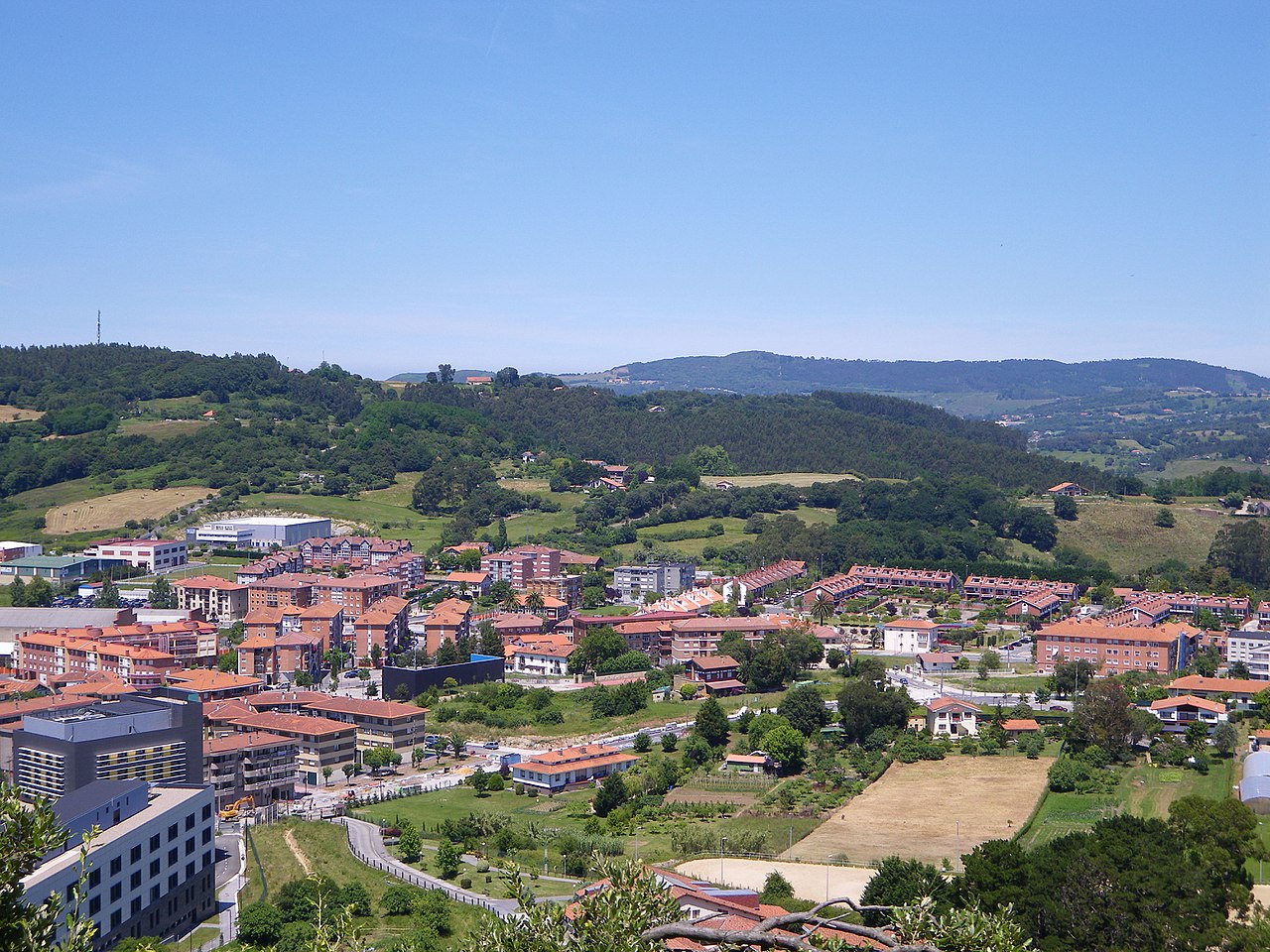
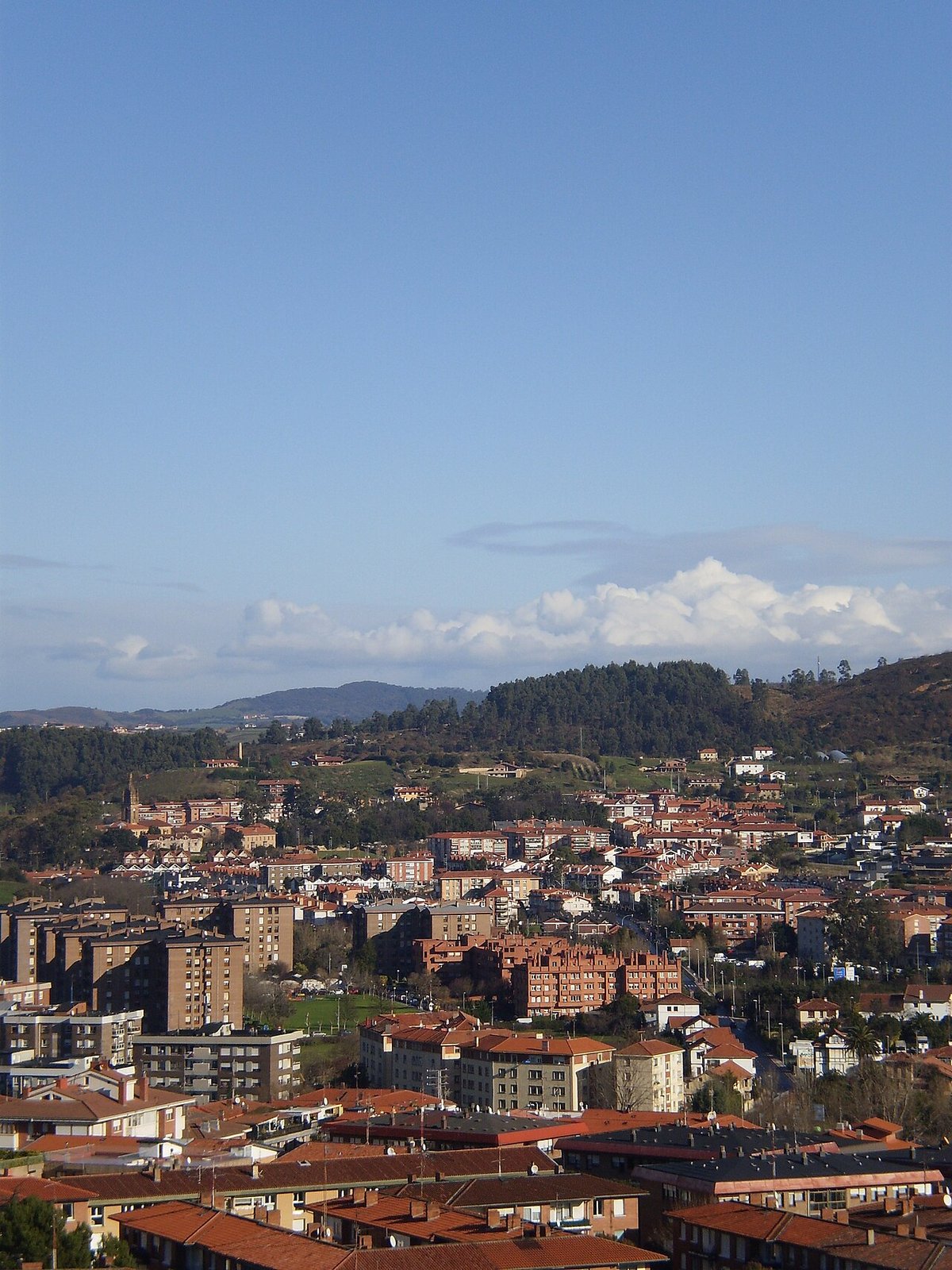
Berango clearly plays its role as a residential extension of Bilbao. There are housing blocks from the 1980s, some named after rivers such as the Narcea or the Sella, and each morning brings the familiar rhythm of people commuting. School bags, queues at bakeries and steady traffic towards the city all form part of the daily routine.
At the same time, traces of an older landscape remain visible. Traditional Basque farmhouses, known as caseríos, still stand in parts of the town, holding onto a sense of when this area was more rural than suburban. Local bars continue to serve dishes like bacalao al pil‑pil, a classic Basque cod recipe, with a directness that feels rooted in long-standing habits rather than tourism.
Berango moves between two moods. Weekdays lean towards routine and practicality. Later in the day and especially at weekends, the atmosphere shifts as people head out into the surrounding hills. Walkers appear, the pace slows, and the town feels less like a commuter stop and more like a base for time outdoors. The contrast is not polished, but it works.
Walking among ancient stones
One of the most common outings in Berango is the dolmen route along the Munarrikolanda ridge. The walk covers roughly four kilometres in total and follows a gentle crest that, on clear days, opens out towards views of the Cantabrian Sea.
The dolmens themselves do not announce their presence in an obvious way. They appear gradually along the path, often looking at first like simple grassy mounds of stones. It is only when you pause to read the information panels that their age becomes clear. These structures have stood here since long before roads or railways were imagined.
The dolmen of Munarrikolanda is the most recognisable of the group. It features a short stone corridor leading into a small inner chamber. Its scale is modest, and there is no elaborate visitor centre or added attractions. What defines the experience is its simplicity: stones set into the earth, ferns growing around them, and the occasional glimpse of the sea beyond the hills.
The walk itself is straightforward and accessible, making it a typical choice for a relaxed outing. The appeal lies less in spectacle and more in the quiet sense of continuity between past and present.
Traces of the Civil War
Another part of the hills above Berango carries a more recent, and more serious, layer of history. Here lies a preserved section of the Cinturón de Hierro, the defensive line built to protect Bilbao during the Spanish Civil War in 1937.
This stretch includes restored trenches and a machine gun nest that is often described as one of the best preserved in Bizkaia. The structure is made of concrete, with openings for weapons and a low سقف that hints at the confined conditions inside. Around it run the trenches where soldiers once moved and waited.
The route through this area is short and not physically demanding, yet it invites a slower pace. Informational panels along the way describe aspects of life on the front line: the age of many of the fighters, the daily realities they faced, and what happened when the defensive line eventually fell. It is not a place that encourages rushing through.
At the end of the path there is a small viewpoint with benches. Many visitors pause there for a few minutes, taking in the landscape and the weight of what happened in these hills.
Festivals and everyday life
Berango’s calendar includes moments when the town shifts away from its usual rhythm. The fiestas of Santa Ana are one of those times, bringing several days in summer when the streets fill with activity. Temporary bars known as txosnas appear, music carries through the town, and groups of friends and families gather outdoors. The atmosphere reflects a typically local way of celebrating, sociable and informal.
One of the most distinctive events is the Pasión Viviente, an open-air performance organised by residents. Dozens of people from the town take part, turning it into a piece of community theatre rather than a formal production. It runs for quite some time and draws attention for the way it involves so many participants.
Food also plays a role in local life, particularly in autumn. Gastronomic competitions centred on bacalao are common, with each participant defending their own recipe. Discussions can become animated, focusing on details such as the amount of garlic or the texture of the sauce. In the end, the shared meal matters more than the debate.
Getting there and choosing your moment
Reaching Berango from Bilbao is straightforward, whether by public transport or by car. The journey is relatively short, though traffic can become heavy at certain times of day on the main roads.
The choice of when to visit shapes the experience. Autumn brings a noticeable change to the colours of the Munarrikolanda hills, making walks especially pleasant. Summer tends to be busier, as people from Bilbao come to spend time outdoors, and parking near some access points can become more difficult.
A quiet morning visit offers a balanced way to see the area. A walk up to the dolmens followed by time back in the town works well. The centre itself is small, with just a couple of main streets, yet there is usually some activity around the frontón, a traditional Basque pelota court, or in the local parks.
For those who feel like extending the day towards the coast, Plentzia is close by. A short journey is enough to reach the sea and see the sand, adding a different setting to the same outing.