Full Article
about Bilbao
Hide article Read full article
A city that changed its skin
Bilbao is a bit like that flatmate who started out as a mess and ended up being the coolest person in the house. In the 1990s it smelled of factories and a polluted river. Now it smells of bacalao al pil‑pil and expensive perfume. The difference is that, unlike that flatmate, Bilbao has not become unbearable. It is still itself, just with better shoes.
That sense of continuity matters. The city has changed a great deal in a few decades, yet it has not lost its everyday rhythm. Old habits sit comfortably alongside newer layers, and the result feels lived in rather than staged.
From the Casco Viejo to the Guggenheim
Tourism in Bilbao usually begins where the city itself began, in the Casco Viejo. It starts with the Siete Calles, literally the Seven Streets, even if there are now more than seven. The name stuck, and so did the feeling that this is a place where people recognise each other. It has something of a permanent town square about it.
The Catedral de Santiago has stood here since the Middle Ages, holding its ground among souvenir shops, groups heading out for poteo, the local habit of going from bar to bar, and doorways that look as though they have seen everything. A short distance away, the Puente de San Antón crosses the ría, the river that runs through the city. It is the same bridge that appears on Bilbao’s coat of arms, which is no coincidence. In this city, newer elements tend to sit alongside what has always been there.
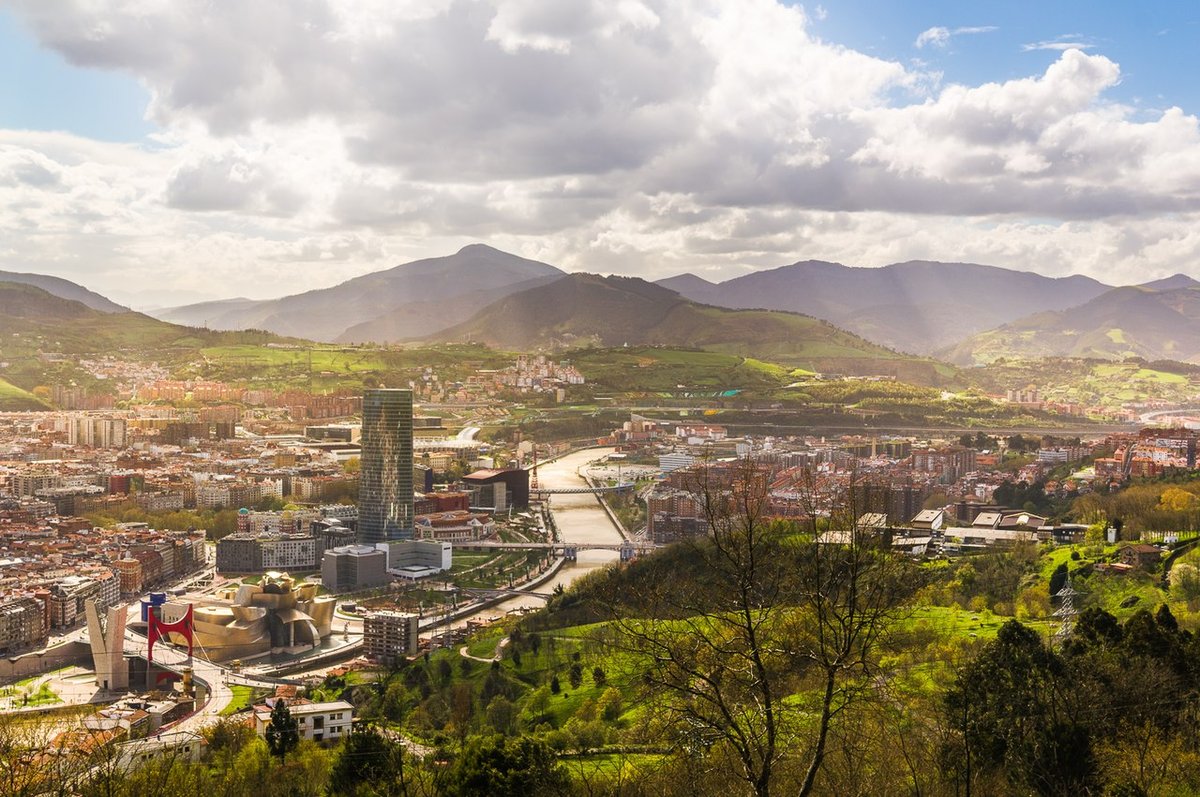
Then comes the Guggenheim. At first glance it might seem like one of those buildings that work better in photographs. The opposite happens. In pictures it can look like a jumble of metal plates. Standing in front of it, with the ría beside it and the Puente de La Salve behind, the logic becomes clear. This is the building that reshaped Bilbao’s image.
Inside, the experience varies. Some visits are absorbing, others leave a more neutral impression. Still, the whole scene works. The flower-covered dog outside, people sitting by the water, children running through the fountains, all of it has become part of daily life rather than something separate from it.
Eating in Bilbao: standing up, moving around
Sitting down for a meal in Bilbao often means doing the opposite. You get up every few minutes. The usual approach is to go for pintxos, small bites served in bars, moving from one place to another. One here, another a couple of streets away, then one more that someone insists is done particularly well.
The gilda is close to a rite of passage. It is a simple combination of anchovy, chilli pepper and olive on a stick. It sounds basic and it is, yet it rarely goes wrong. After that comes bacalao al pil‑pil. On paper it looks like a recipe with very few ingredients, but when it is not handled properly the sauce can turn heavy and unappealing.
Txangurro, a dressed spider crab dish, appears on many menus in the centre. If you want to try it, a useful clue is to look for places where the menu is not designed for several languages at once. It often points to something more focused.
One more detail matters. The chuletón, a large cut of beef, is hardly ever ordered for one person. It arrives at the table and a quiet negotiation begins over the best pieces. That shared moment is part of the appeal.
When the city celebrates
If a visit coincides with Aste Nagusia, Bilbao shows a different side. These are the main festivities, held in August. Comparsas, or organised festival groups, take to the streets, along with giant figures and big-headed characters. There are concerts in squares and fireworks over the ría.
The rhythm of the city shifts. People stay out late, groups gather around long tables for dinner, and music spills out from all corners. It is not a show designed for visitors. It feels more like a week when Bilbao loosens up and no one is in much of a hurry.
Around the day of the Virgen de Begoña, many people head up towards the basilica. There is no need to be particularly religious to make the trip. From up there, the whole city comes into view, with the ría winding through buildings and hills rising around it.
Walking the ría, one bridge at a time
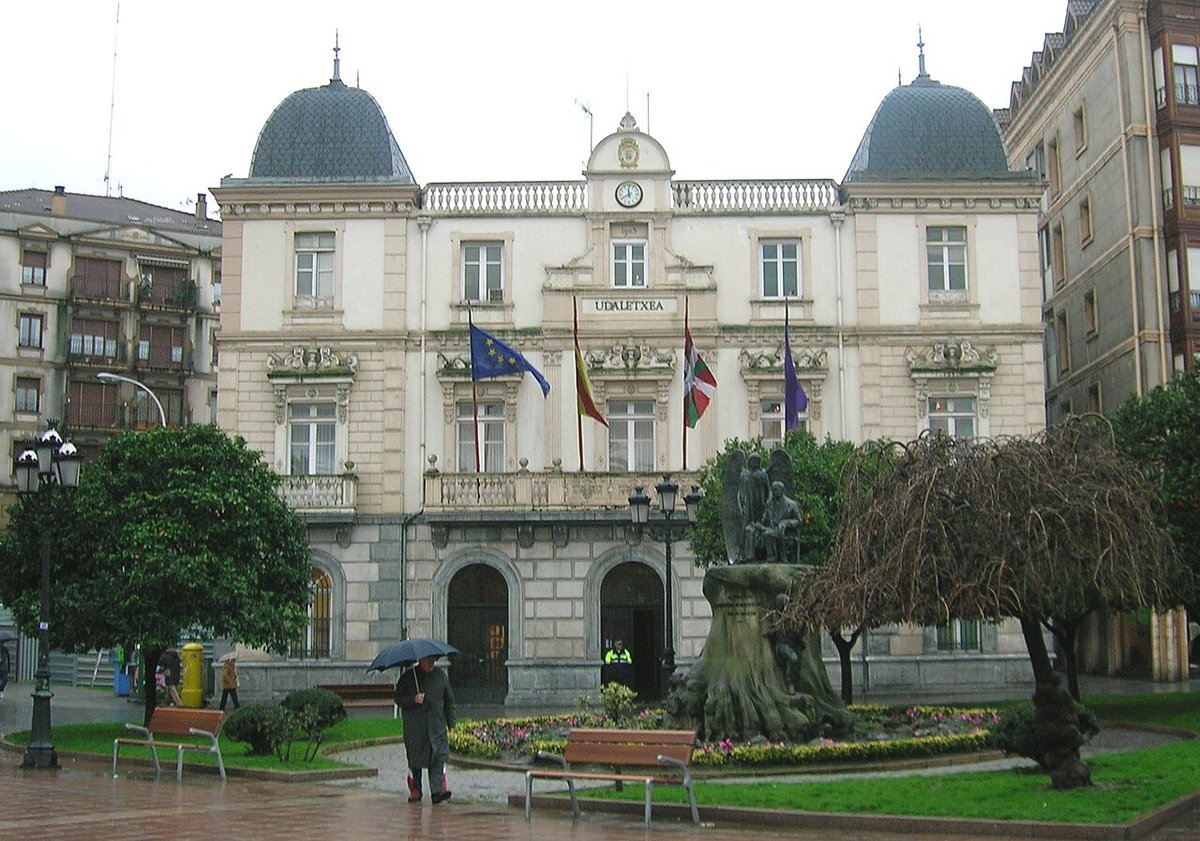
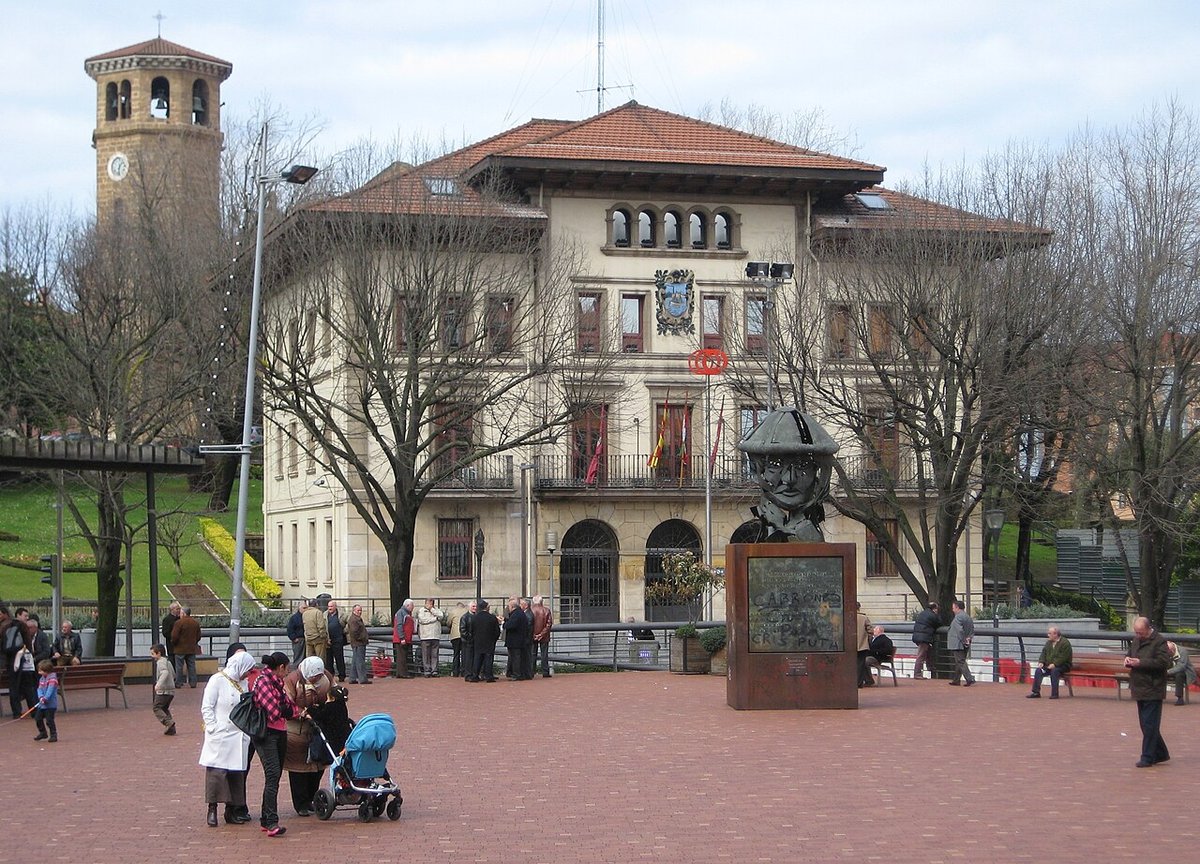
A simple way to get a feel for Bilbao is to walk along the ría without much of a plan. Starting near the Ayuntamiento, the city hall, you can follow the water and switch from one bank to the other whenever it feels right. The bridges guide the route, each with its own character.
The Puente de San Antón carries that historical weight. The Puente de La Salve folds into the setting around the Guggenheim. The Pedro Arrupe bridge looks as if it belongs in a futuristic film. Without noticing, you move through very different parts of the city.
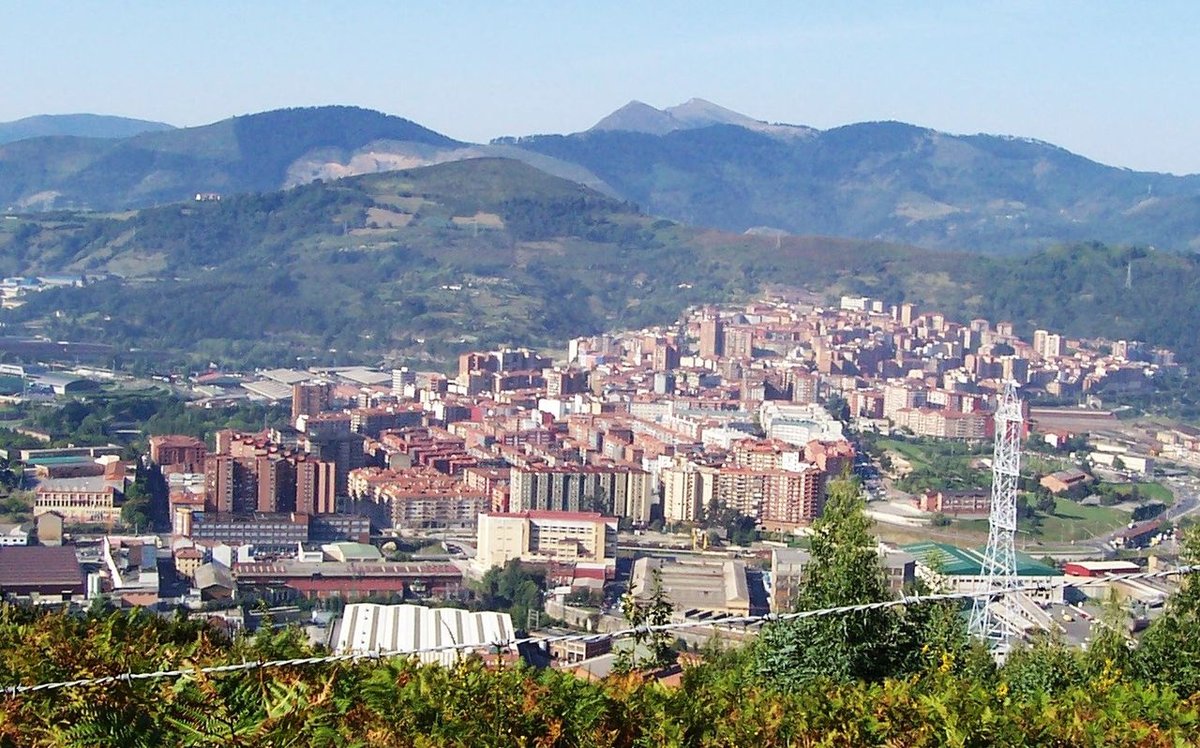
For a view from above, the Artxanda funicular remains the classic shortcut. In a few minutes it reaches the top of the hill, where there is a park and several viewpoints. From there, Bilbao appears smaller than it really is. It helps explain a phrase often repeated locally: Bilbao is like a small bowl surrounded by mountains.
The less polished side
Bilbao is not a constant postcard. In winter it can rain for several days in a row. Traffic at certain times becomes heavy. When Athletic Club loses, the mood in some bars turns noticeably serious.
That is also why the city works. It is not a polished backdrop without real life. It is a place that has changed quickly and still blends industry, long-established neighbourhoods and the more modern layer that arrived with the museum.
Two days are enough to get a good sense of it. One can be spent walking between the Casco Viejo and the Guggenheim. The other works best without much planning: crossing bridges, heading up to Artxanda, stepping into a bar to watch football even without supporting Athletic.