Full Article
about Etxebarri (Echévarri)
Valleys and hamlets a step from Bilbao, with plenty of local life.
Hide article Read full article
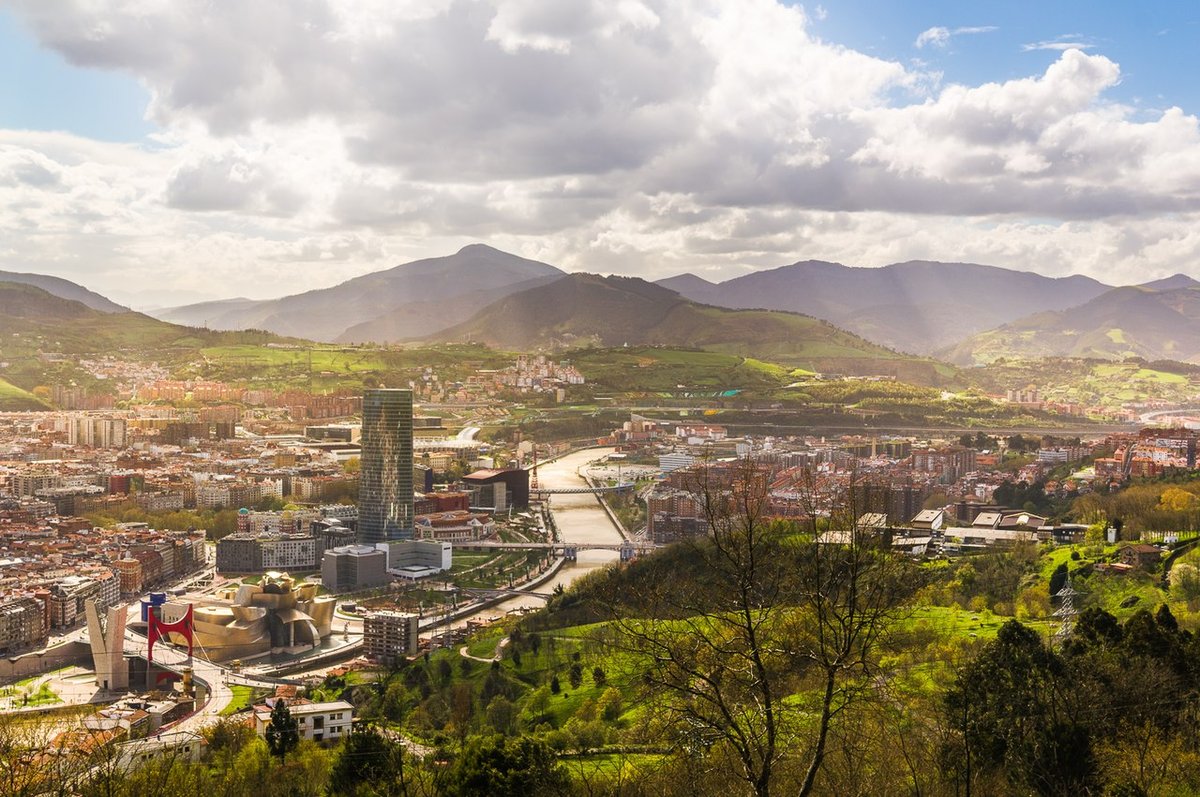
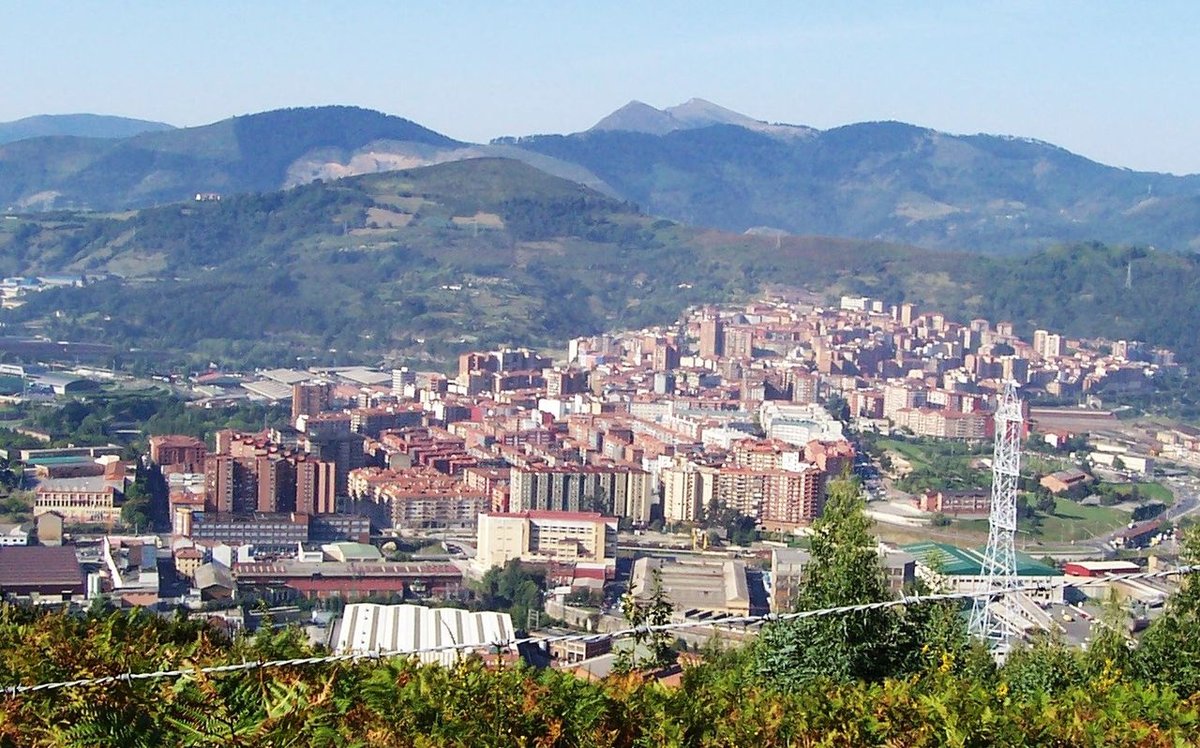
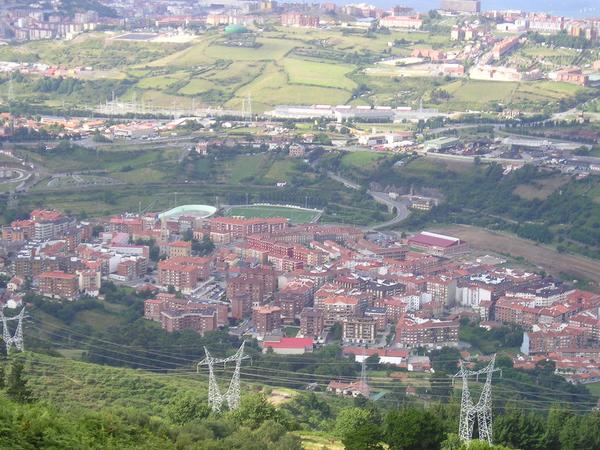
At half past eight in the morning, the sun has not quite reached the floor of the Nervión valley. The windows of the San Blas apartment blocks already catch a faint golden light. From the metro platform, the Bilbao hills rise in the distance like a grey-blue wall. The train arrives full of school backpacks and sports bags. Etxebarri, a municipality in Bizkaia, has a strong presence of young families and it shows.
Inside the carriage, the smell of freshly baked bread drifts in from nearby ovens, mixing with the metallic scent of the tracks as the first trains of the day pass through. It is a place that wakes up early and moves in rhythm with Bilbao, yet keeps its own pace at street level.
The path that came before the town
What is now Etxebarri began as a place people passed through. For centuries, this was a transit area between inland territories and the coast. The name itself, etxe-barri, is often translated as “new house”. It suggests a starting point: a first dwelling built beside the road, followed by others over time.
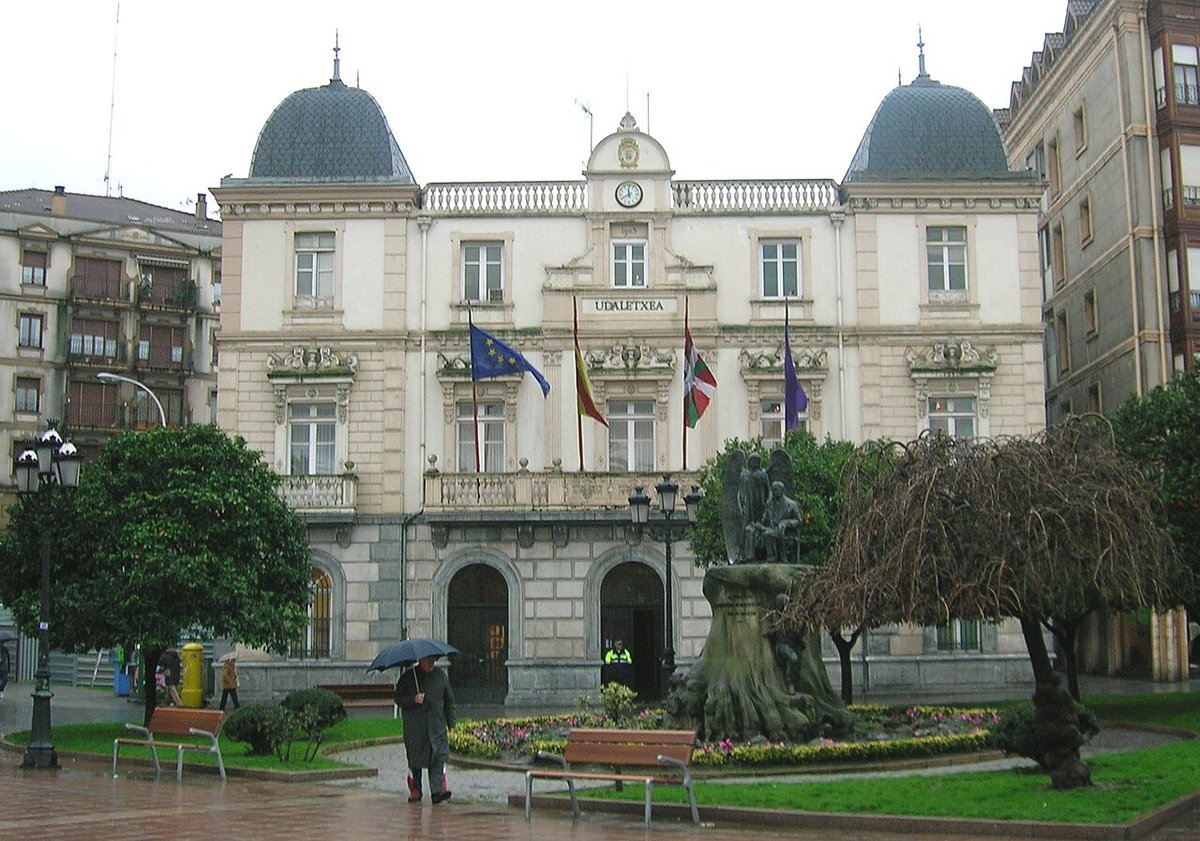
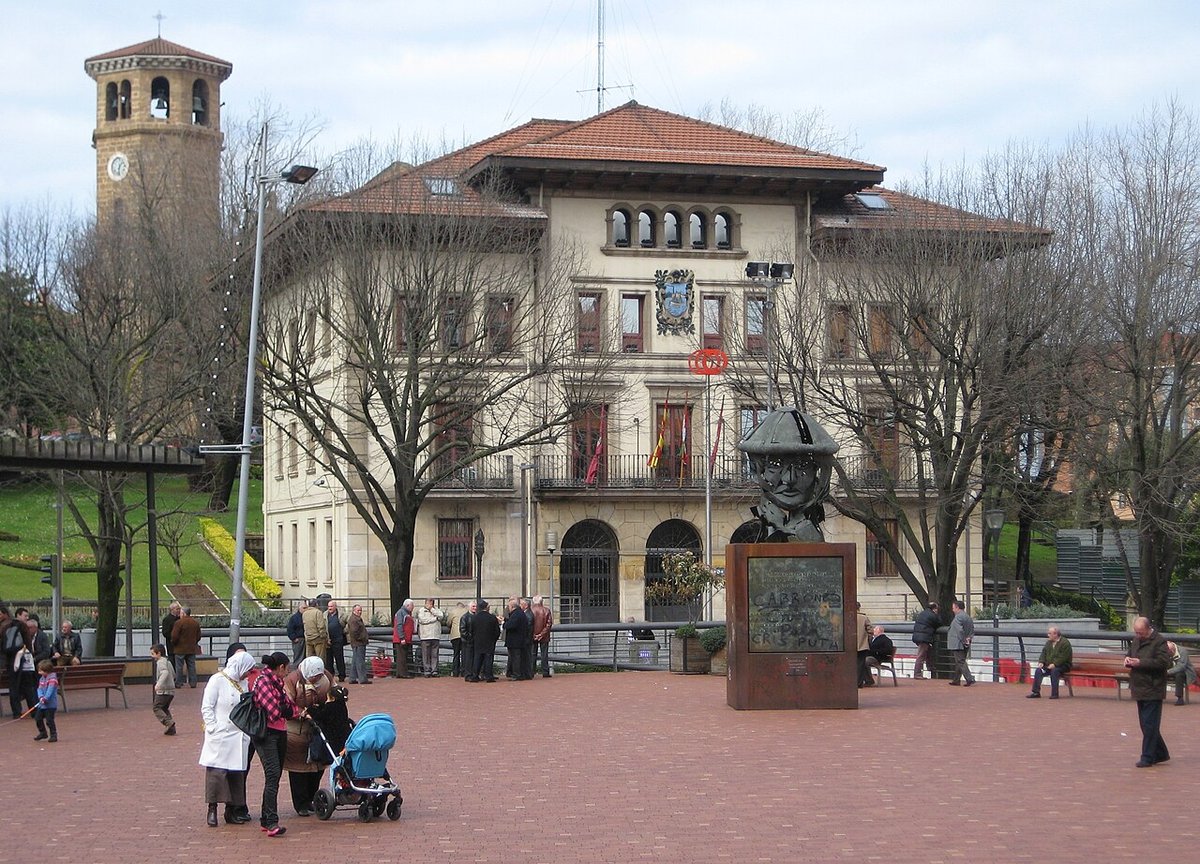
Parts of that old route can still be walked today. It begins near the town hall square, crosses the Zubiondo river and continues into an area of pines and ferns. The path is not designed for wide views. It feels more like a quiet corridor through the landscape, with uneven ground and damp stretches after several days of rain.
In autumn, the ground is usually covered with leaves and the smell of wet earth is strong. Footwear with a solid sole is useful here, as roots and stones have been worn smooth over time. It is not a dramatic walk, but it carries a sense of continuity, a reminder that this place existed long before the surrounding buildings.
Manor houses and metro-era living
Etxebarri occupies a very small space within Bizkaia. Over just a few kilometres, different layers of its history sit side by side.
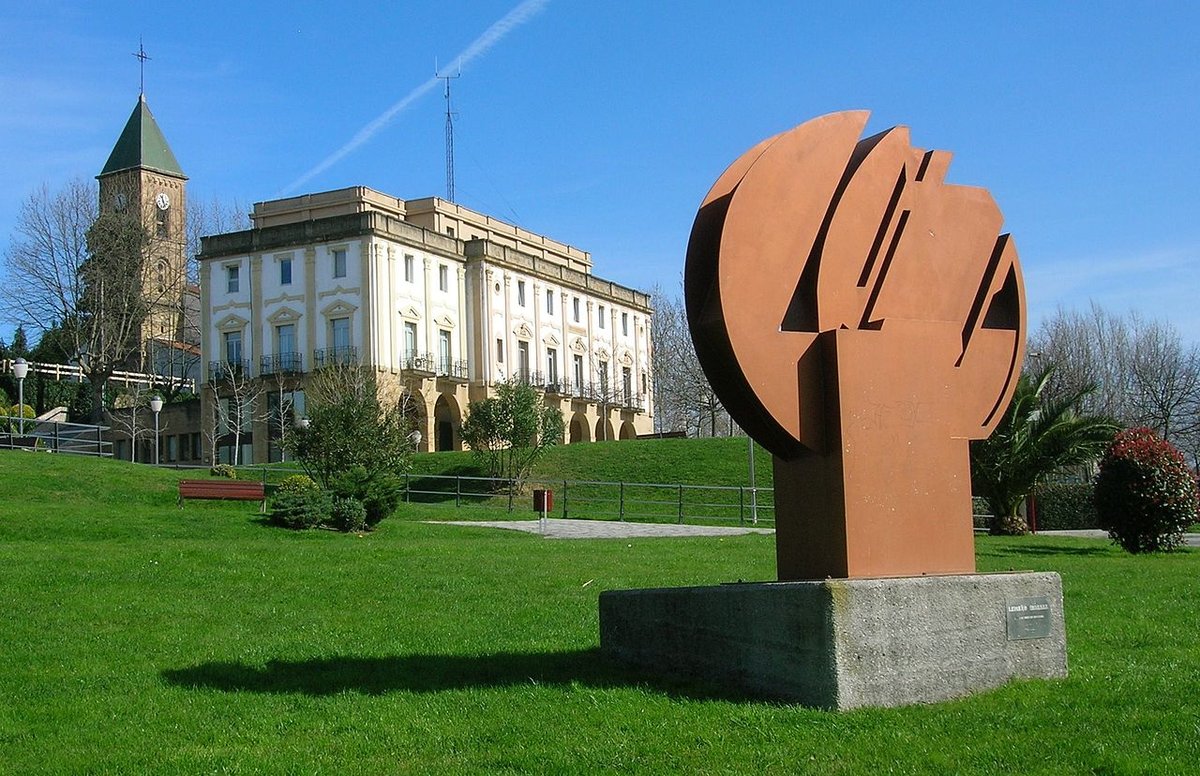
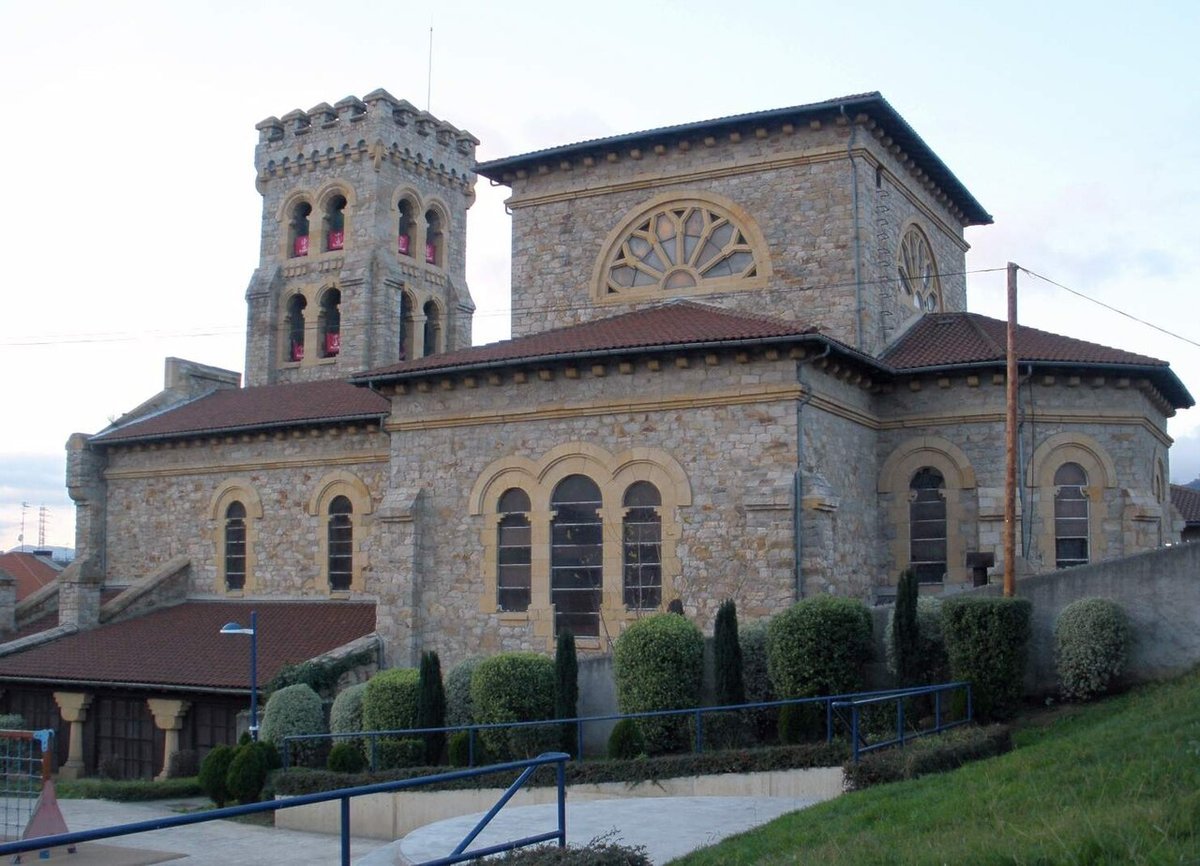
Near the San Antonio neighbourhood stands the Amezola palace. It is a large building with the look of the early twentieth century: columns, a staircase and a garden that separates it from the traffic. Today it serves municipal purposes. A short walk towards Legizamón reveals older towers linked to the historic commercial route. Their walls are thick, and some arrow slits are still visible.
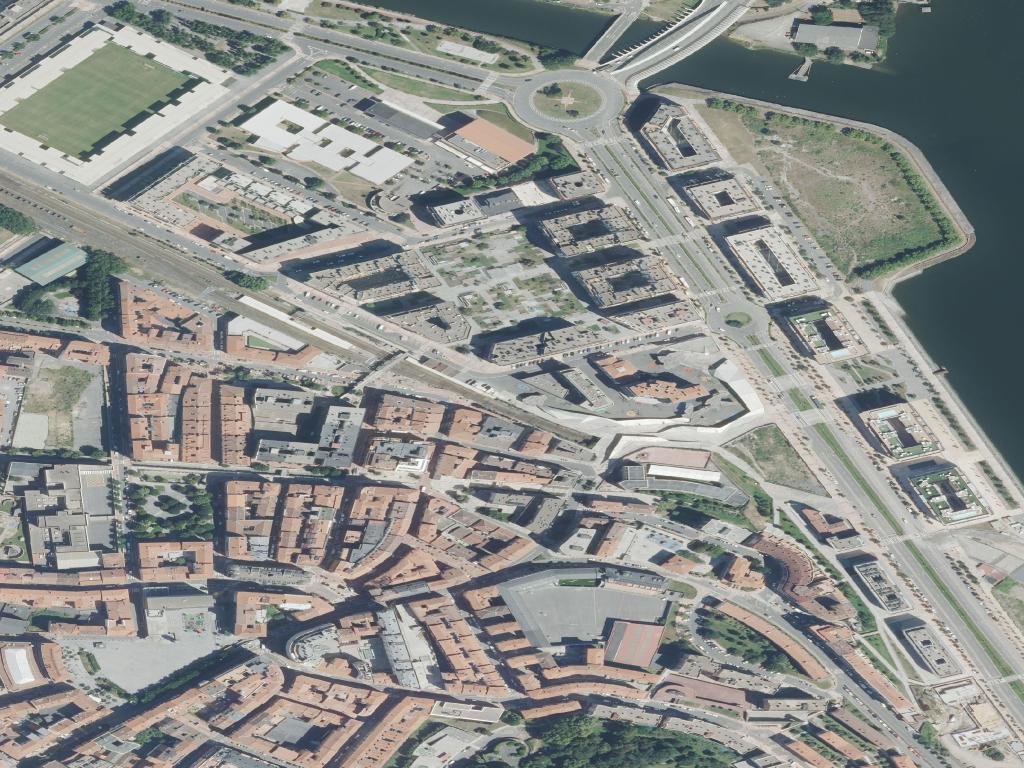
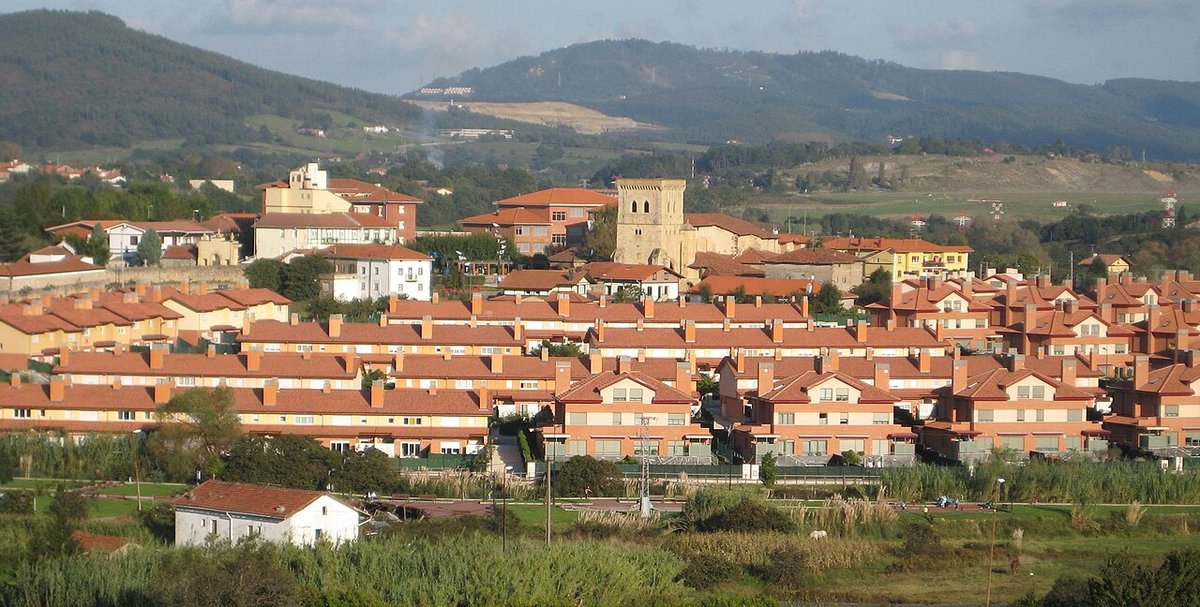
Set among these older structures are brick apartment blocks from the 1970s, playgrounds and green spaces that fill up when school finishes. The arrival of the metro changed everything. First came San Esteban station, later San Antonio. Since then, many residents travel to Bilbao for work or study and return in the evening.
In the parks, Basque and Spanish are heard side by side. Older residents gather in the covered fronton, a traditional Basque pelota court, or sit on benches near the sports areas. Daily life unfolds in shared spaces rather than around landmarks.
When night falls
The San Blas festival, held at the beginning of February, is among the oldest dates in the local calendar. The cold is noticeable in the square by the church, and bonfires help keep it at bay. People gather with simple food: talos, which are traditional Basque corn flatbreads, chorizo and cider. It is not a programme built around large stages or big performances. It works more like a neighbourhood gathering.
Children move constantly from one side of the square to the other, while older residents recall how the celebrations used to be decades ago. The atmosphere is shaped more by memory and routine than by spectacle.
A few weeks later, a cultural week usually takes place, with activities that change each year. There may be workshops in traditional music, amateur theatre or exhibitions featuring photographs of the area’s industrial past. The programme is often announced with little advance notice, so it is worth checking close to the date if it coincides with a visit.
Up to the Balcón de Vizcaya without leaving town
For those arriving with a mountain bike, the route linking Etxebarri to the so-called Balcón de Vizcaya often stands out. It begins near the sports centre and climbs gradually along forest tracks. There are no especially technical sections, but the slopes build up and your breath becomes audible by halfway through.
For a shorter option on foot, there is a more direct route. From San Esteban church, it takes only a few minutes to reach Larrotxene viewpoint. The valley opens up quickly from here—the motorway winding through it like a grey ribbon below you—along with surrounding neighbourhoods and part of Bilbao to west on clear days.
At sunset especially around October light hits San Blas apartment blocks turning them briefly pink before fading into shadow again; an effect lasting maybe ten minutes but changing scene completely while it does so.
Walking Etxebarri at its own pace
During weekdays atmosphere remains generally calm but weekends bring more movement from Bilbao via metro making parking near stations difficult after mid-morning hours have passed by already gone now too late perhaps? Terrain may look flat on map yet walking reveals series short steady inclines where comfortable footwear makes difference indeed! Parks spread across most neighbourhoods meaning families usually find one within few minutes' walk wherever they happen be staying locally hereabouts also helpful adjustment expectations needed beforehand because no compact old quarter exists nor rows medieval streets either – grew around route later becoming residential municipality closely connected city next door instead...
Most effective way understand place simply walk without rushing sit awhile square fronton listen afternoon unfold around you sounds children playing ball game somewhere distant traffic hum constant background noise always present never quite disappearing entirely even when night arrives last metro heads back towards Bilbao town quietens streetlights come conversations soften day draws close without much fuss left over except maybe scent damp grass cooling air finally settling down for sleep again soon enough I think...