Full Article
about Galdakao (Galdácano)
Valleys and hamlets a step from Bilbao, with plenty of local life.
Ocultar artículo Leer artículo completo
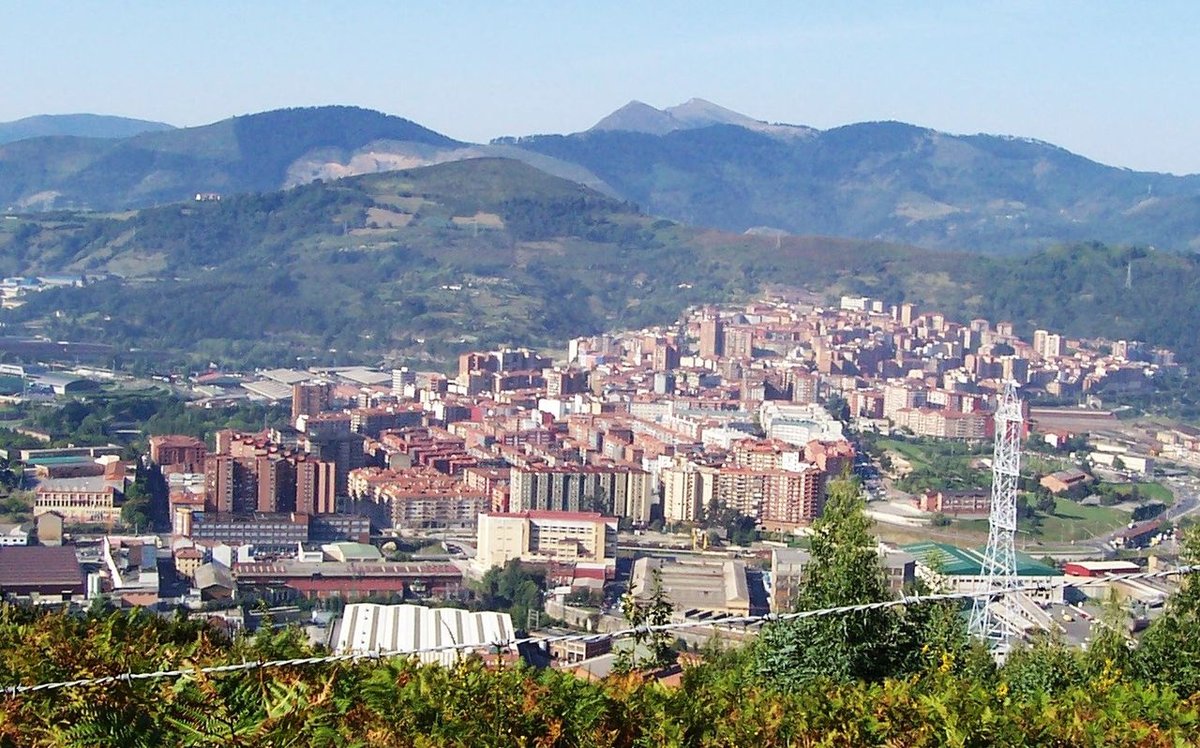
The morning mist hangs low over the Ibaizabal valley as shopkeepers raise their shutters along Calle Mayor. Someone's already arguing about football in Euskera at the bar counter. This is Galdakao at 8am – not a village pretending to be something it's not, but a working Basque municipality that happens to have mountains at its back door.
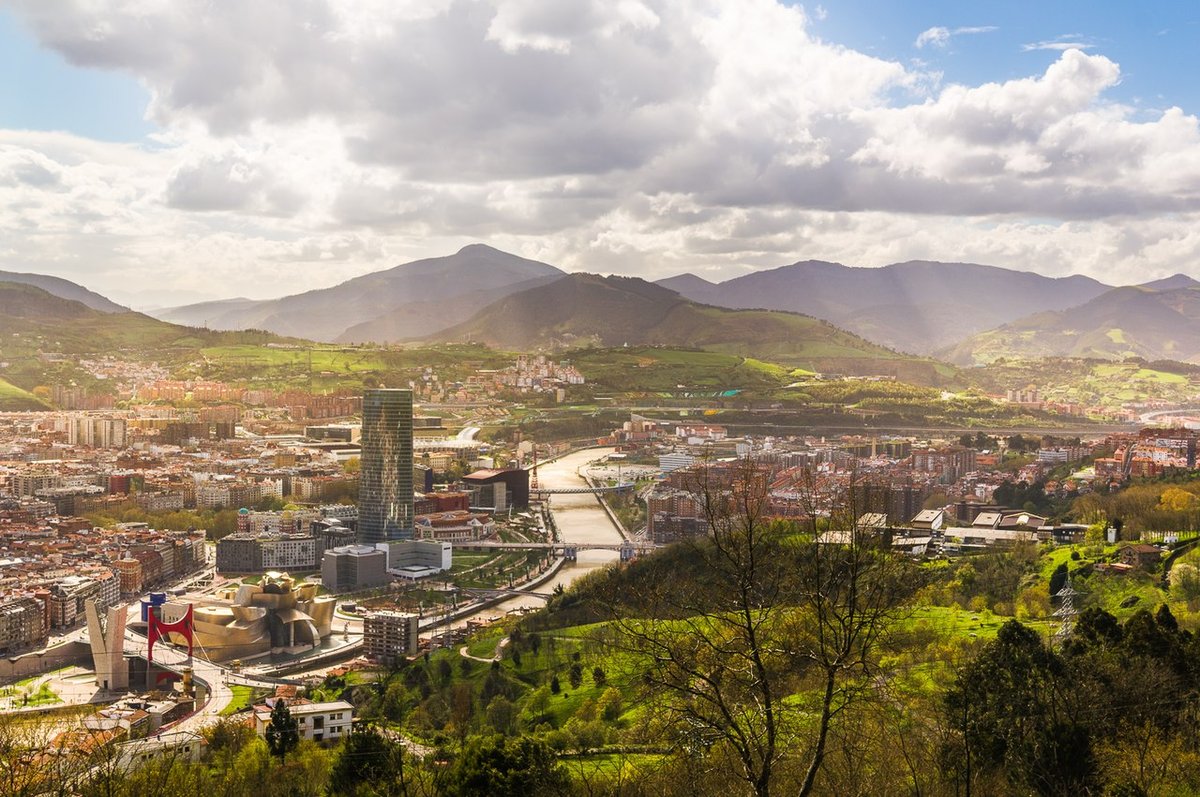
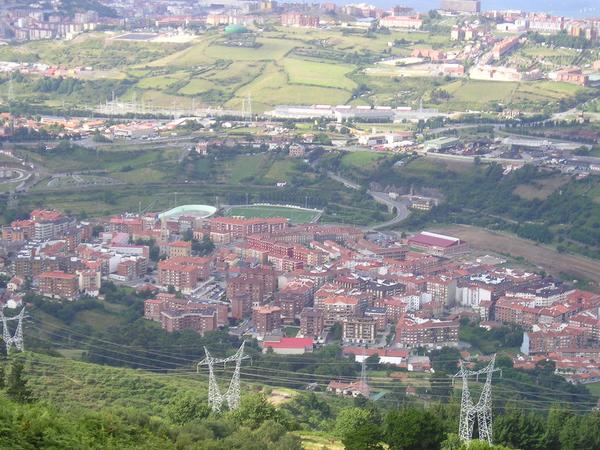
Fifteen kilometres south-east of Bilbao, Galdakao sits at 50 metres above sea level, low enough for Atlantic weather to roll up the valley but high enough that the surrounding hills top 600 metres. The difference matters. While Bilbao's residents swelter through humid summers, Galdakao catches whatever breeze drifts down from the Ganguren massif. In winter, that same geographical trap means fog can linger for days, turning the valley into a natural refrigerator.
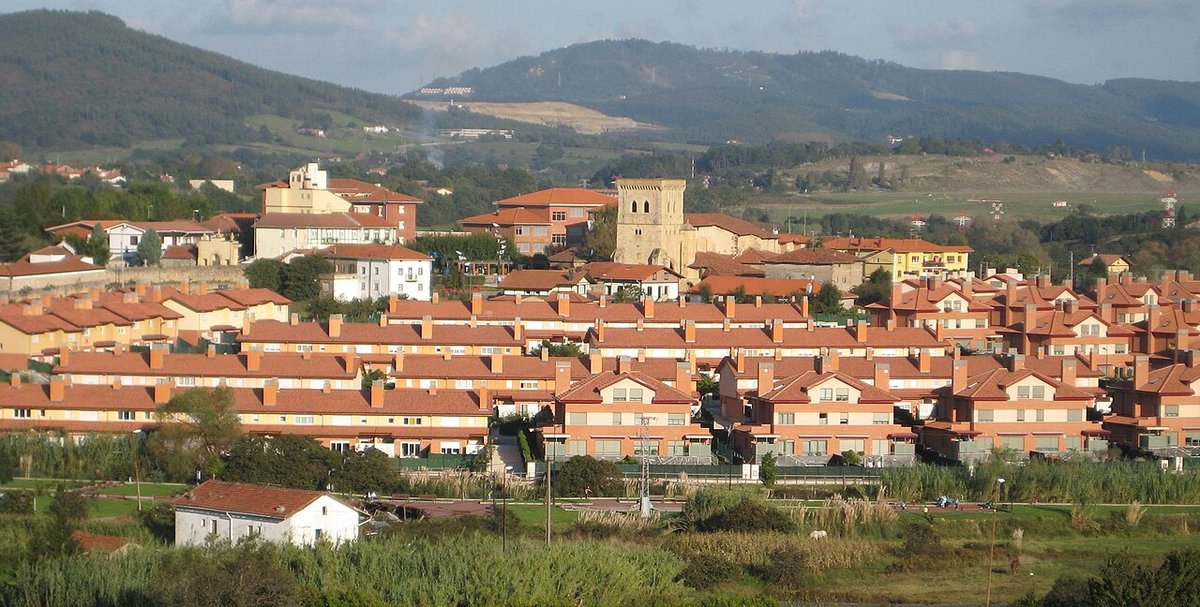
The town grew around metalworks and paper mills, not tourism. Its 30,000 residents commute to Bilbao, work in local factories, or farm small plots on the valley sides. This industrial backbone shows in the architecture – functional apartment blocks from the 1970s sit beside traditional Basque farmhouses whose stone walls date back three centuries. One minute you're walking past a tyre fitters, the next you're on a dirt track between apple orchards.
The Valley Floor and What Lies Above
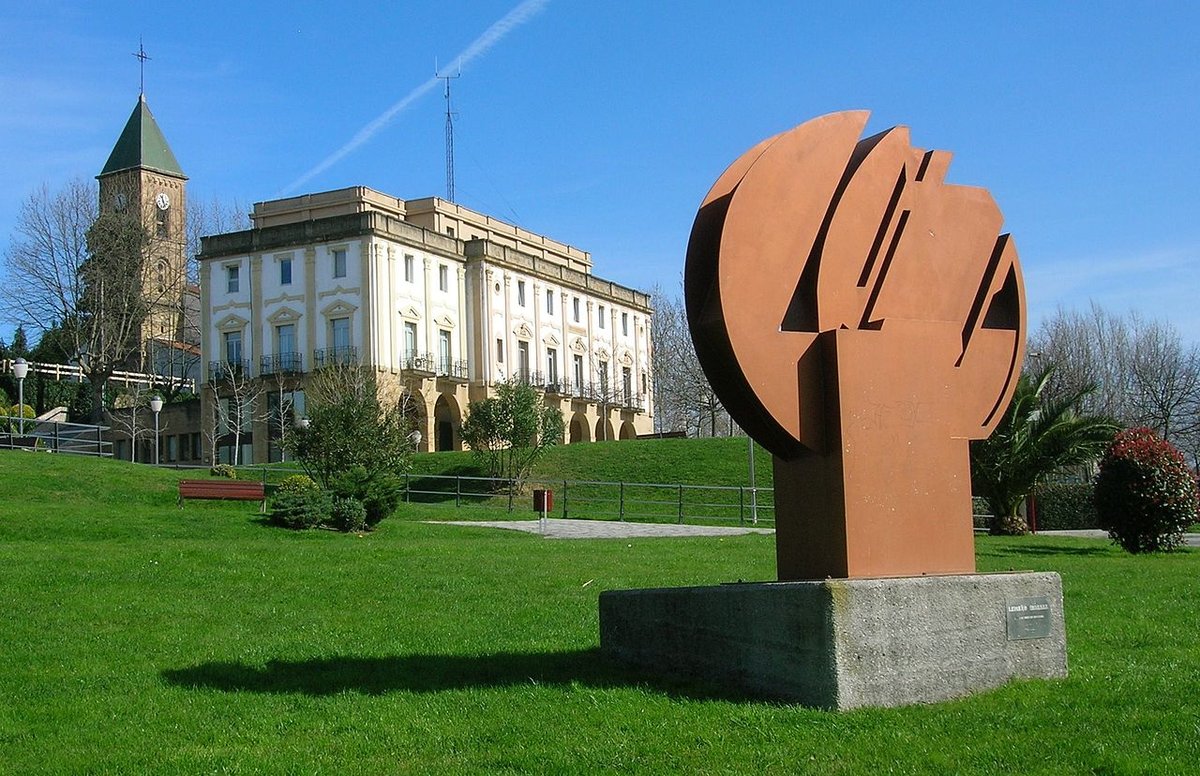
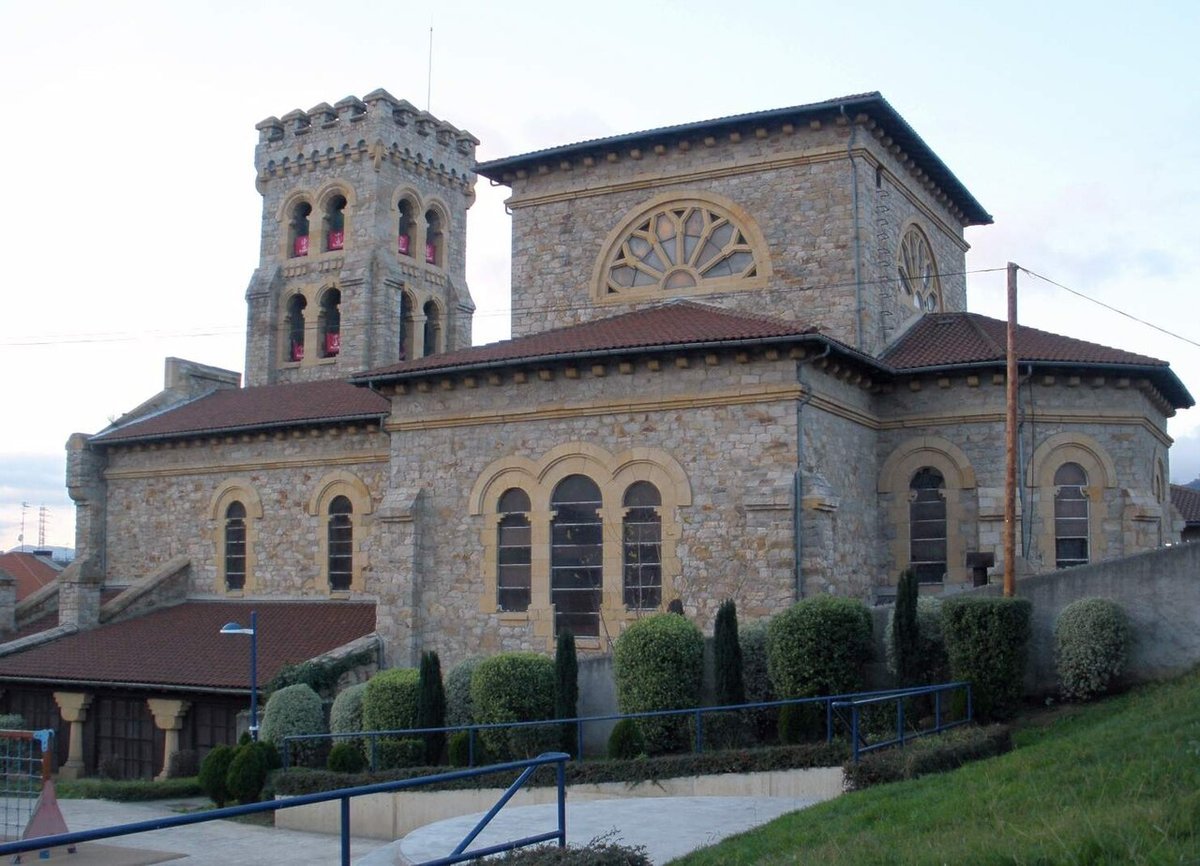
Santa María church rises above the rooftops like a compass needle. Built in 1881 from local limestone, its neo-Gothic spire serves as orientation point for anyone who's wandered too far into the residential maze. Inside, the nave feels larger than a town this size warrants – evidence of nineteenth-century ambition when iron ore money flooded the valley. The church usually opens for Saturday evening mass and Sunday mornings. Turn up at other times and you'll have to content yourself with examining the carved apostles around the portal, each one sporting the weather-beaten expression of someone who's watched over this valley for 140 years.
From the church square, every road leads somewhere interesting within ten minutes. Head north and you hit the Ibaizabal river, brown and swift from recent rains, its banks lined with plane trees and the occasional abandoned factory. A gravel path follows the water for three kilometres – flat, easy walking that suits an afternoon stretch after lunch. Cyclists use it too, though they'll need proper tyres. Winter storms wash debris across the track, and November's leaves turn the surface treacherous.
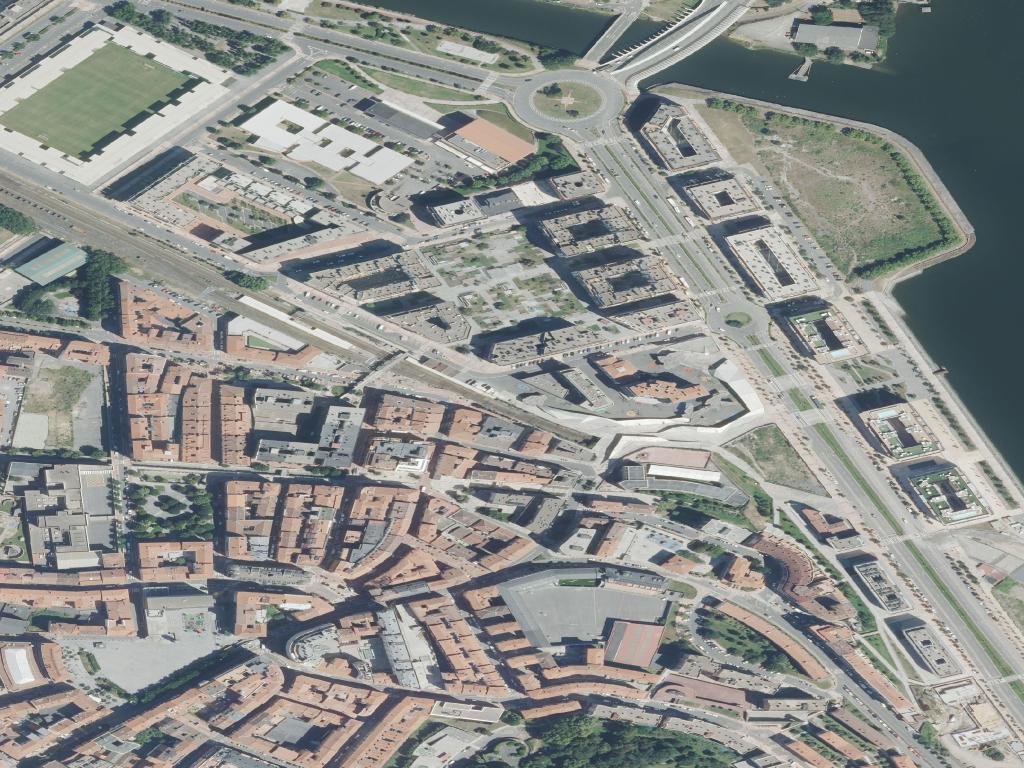
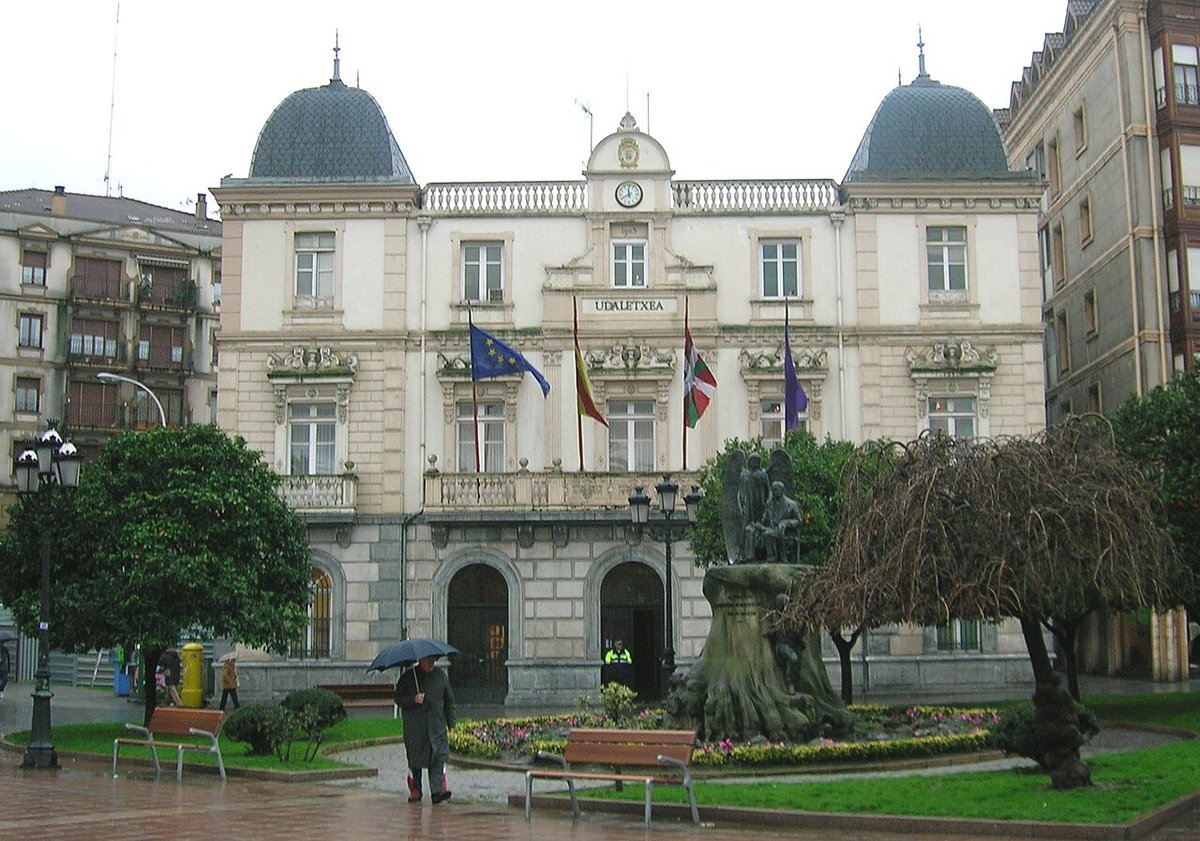
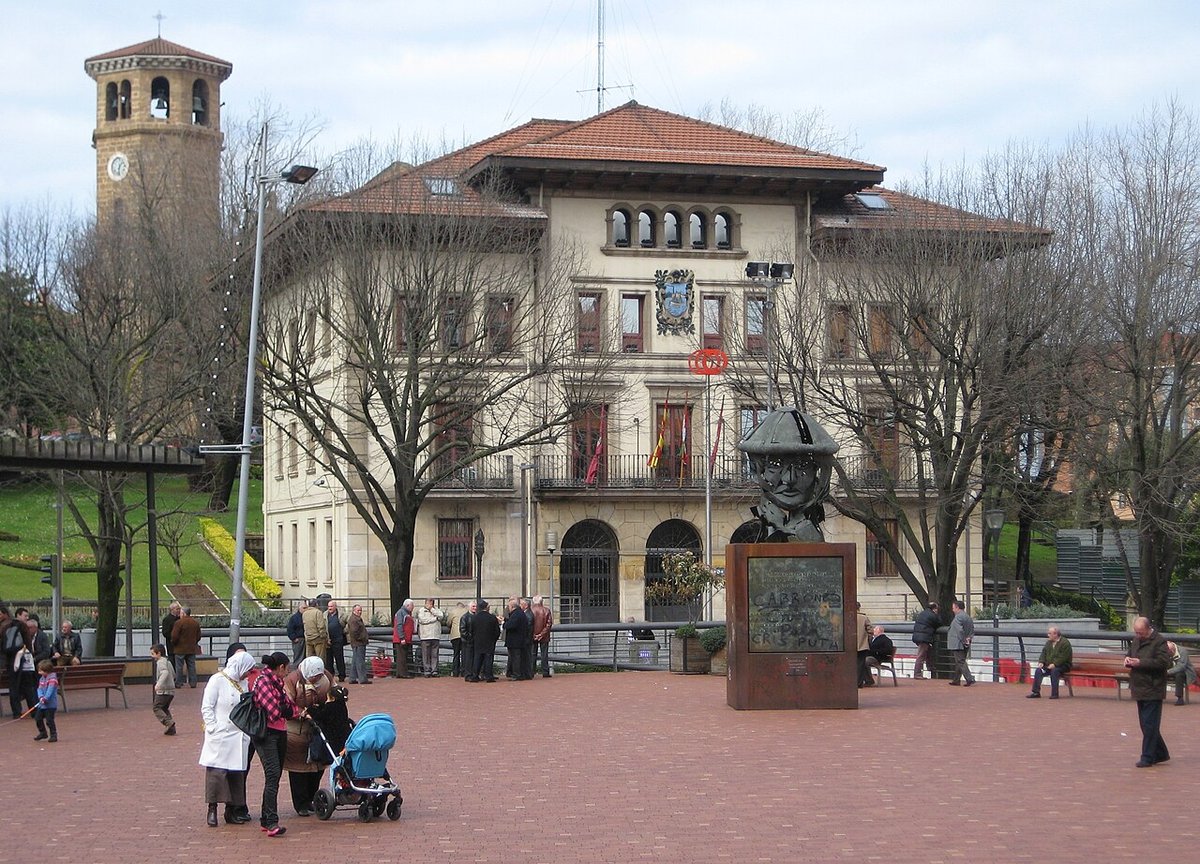
Southwards lies the old town, though calling it that flatters what are essentially three streets of shops and bars. The weekly market fills Plaza Mayor on Fridays. Stallholders sell what you'd expect – cheap underwear, vegetables from nearby gardens, and kitchen utensils that probably won't survive the flight home. It's not photogenic, but it is authentic. Watch elderly women squeeze tomatoes while discussing their neighbours in rapid-fire Euskera. The language matters here; road signs appear in Spanish and Basque, but you'll hear mostly the latter in bars.
When the Valley Walls Close In
The real Galdakao reveals itself when you start climbing. Take the track past the municipal swimming pool and within five minutes the town noise fades. Oak and chestnut trees replace pavement. The path steepens, switching back through terraced plots where locals grow lettuce and beans. At 200 metres elevation, the view opens across the valley – motorway, railway, and the silver ribbon of river threading between industrial estates.
Ganguren proper tops out at 613 metres, a three-hour round trip from the town centre. The route isn't technically difficult but it's consistently uphill. Basque weather changes fast; what starts as a clear morning can turn into a fog-bound maze where every gorse bush looks identical. Carry water and something warm regardless of season. The summit rewards with views north to the Bay of Biscay on clear days, south to the even higher peaks that separate Vizcaya from Alava.
Mountain bikers have mapped dozens of routes through these hills. Most follow old mule tracks between farmsteads, surfacing occasionally at roadside bars where you can refill water bottles and buy tortilla by the slice. The climbs hurt – this is Basque Country, where professional teams train on roads that touch 20% gradients – but the descents through beech forests make the effort worthwhile.
Eating and Drinking Like You Live Here
Forget Michelin stars. Galdakao feeds its residents through neighbourhood bars where €12 buys three courses and a drink. Menu del dia appears at 1pm sharp; arrive late and the daily special's sold out. Typical offerings might include bacalao al pil-pil (cod in garlic emulsion) or txipirones (baby squid) in their own ink. Vegetarian options exist but require negotiation – most kitchens assume ham counts as a vegetable.
Pintxo culture hasn't penetrated this far from Bilbao's tourist trail. Bars serve simple plates: croquetas, tortilla, bread topped with anchovies. Order a caña (small beer) and you'll get a saucer of something salty automatically. The ritual matters more than the food. Regulars stand at the bar discussing cycling results while the barman keeps mental tabs on who's ordered what.
Thursday brings the txoko tradition to social clubs across town. These gastronomic societies cook elaborate meals for members, though visitors can sometimes score invitations through local contacts. Expect to eat, drink, and sing until the small hours. The entrance fee might seem steep at €30 including wine, but you'll consume five courses and leave with new Basque friends insisting you must return.
Practicalities Without the Sugar Coating
Getting here means navigating Bilbao's metropolitan transport network. The metro reaches Galdakao in 25 minutes from the city centre – line 2, direction Basauri. Trains run every ten minutes during rush hour, half-hourly at weekends. Buy a Barik card from any station machine; individual tickets cost €1.90 but the rechargeable card knocks 50% off. Driving takes 20 minutes from Bilbao via the BI-625, but central parking disappears fast after 9am. The free car park by the sports centre fills with commuters who've worked out it's cheaper to drive here and take the metro than pay Bilbao prices.
Accommodation options remain limited. The Hotel Seminario sits on the valley side, functional but uninspiring, charging €65-80 for rooms with views across industrial estates. Better to stay in Bilbao and visit Galdakao as a day trip, especially if you're relying on public transport. The town wakes early and sleeps early; finding dinner after 10pm means hunting for the one bar that hasn't pulled its shutters down.
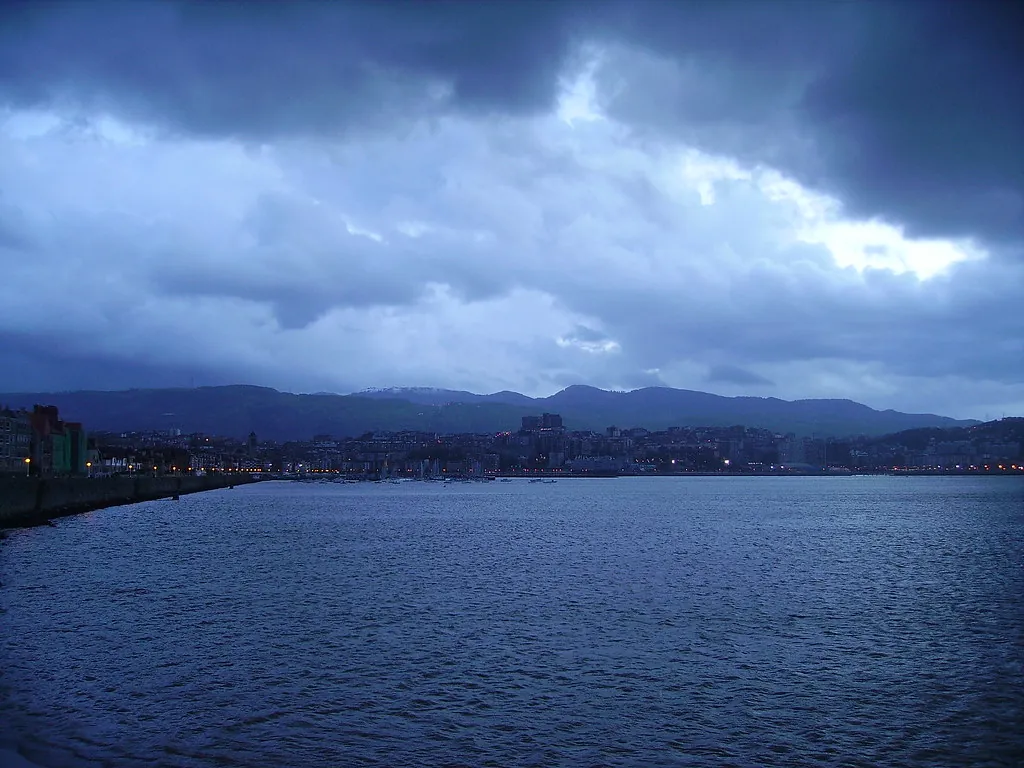
Weather defines what you can do. November through March brings rain – not English drizzle but proper Basque downpours that can dump 40mm in a day. Summer afternoons hit 30°C in the valley but remain cooler on the slopes. Spring offers the best compromise: wildflowers on the hills, comfortable temperatures for walking, and bars setting tables outside on Plaza Mayor.
Galdakao won't change your life. It might, however, show you what Basque Country looks like when tourism departments haven't sanitised it. Come for the walking, stay for the bar conversations you can't follow, leave understanding that some places are better for living in than visiting.