Full Article
about Larrabetzu (Larrabezúa)
Valleys and hamlets a stone’s throw from Bilbao, buzzing with local life.
Hide article Read full article
Cider and a familiar ritual
The smell of cider drifts through Larrabetzu at certain times of year, mixing with smoke from half-open doorways. It tends to happen in spring, when the local sidrerías open. These cider houses follow a well-known rhythm when it comes to food: grilled chuleta steak, then cheese, walnuts and quince paste.
Cider is poured in a very particular way. It is served from a height in a thin stream so that it breaks against the glass. The movement is deliberate and quite precise, a gesture that has been repeated for generations.
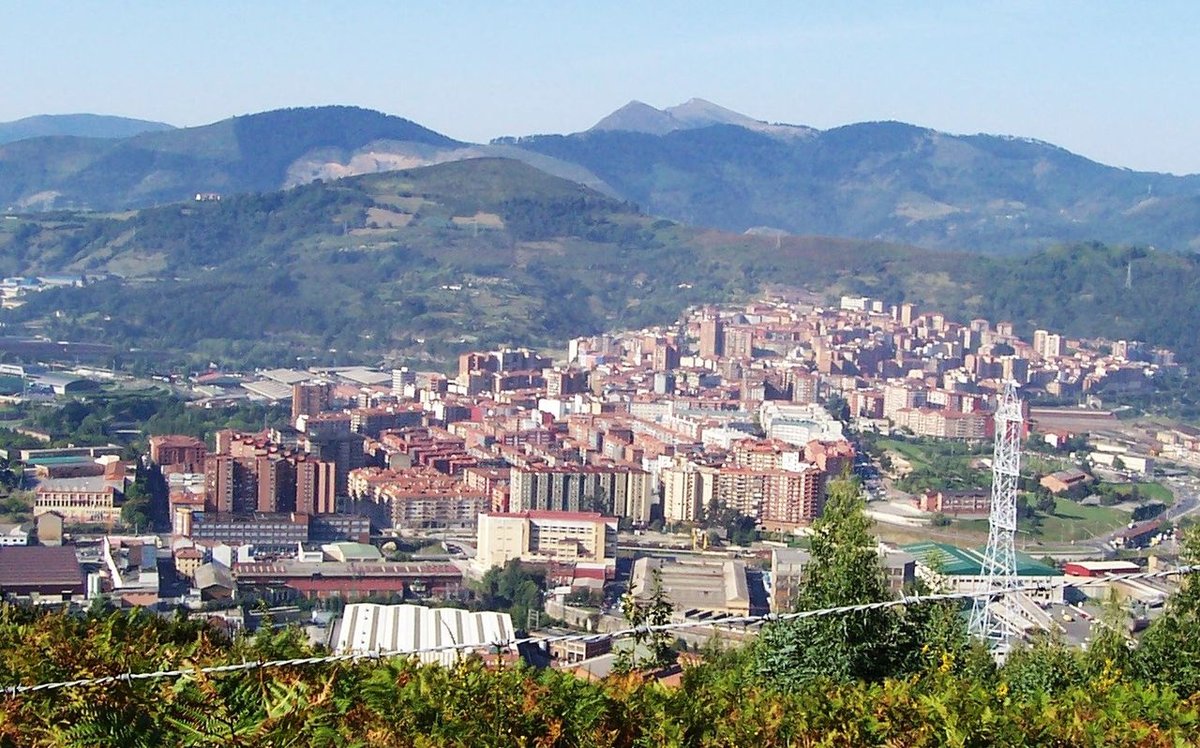
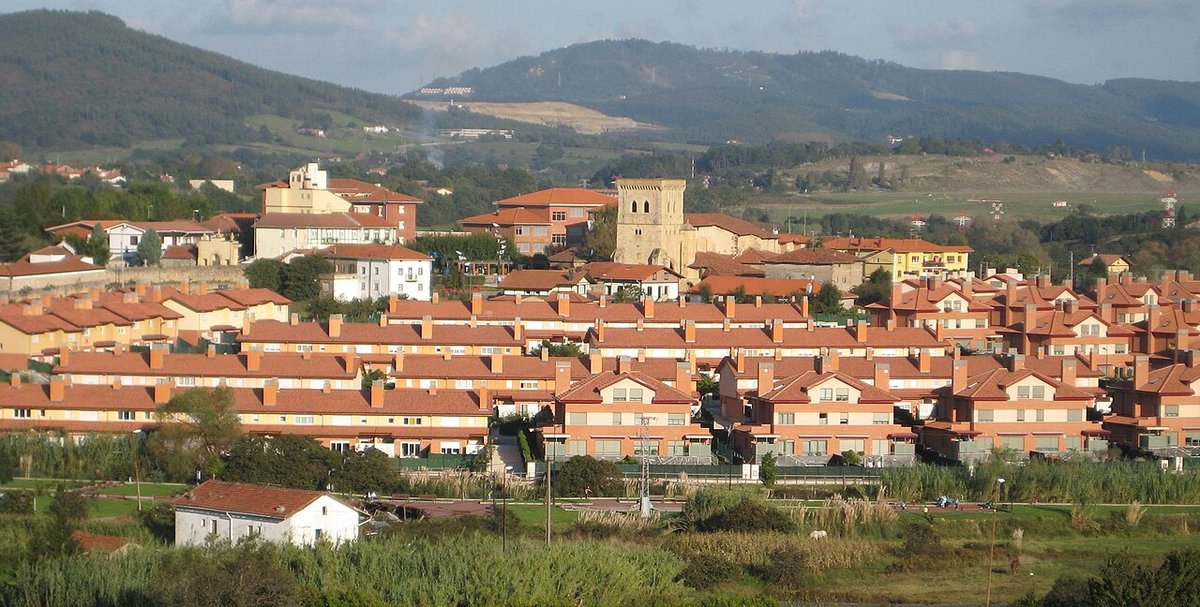
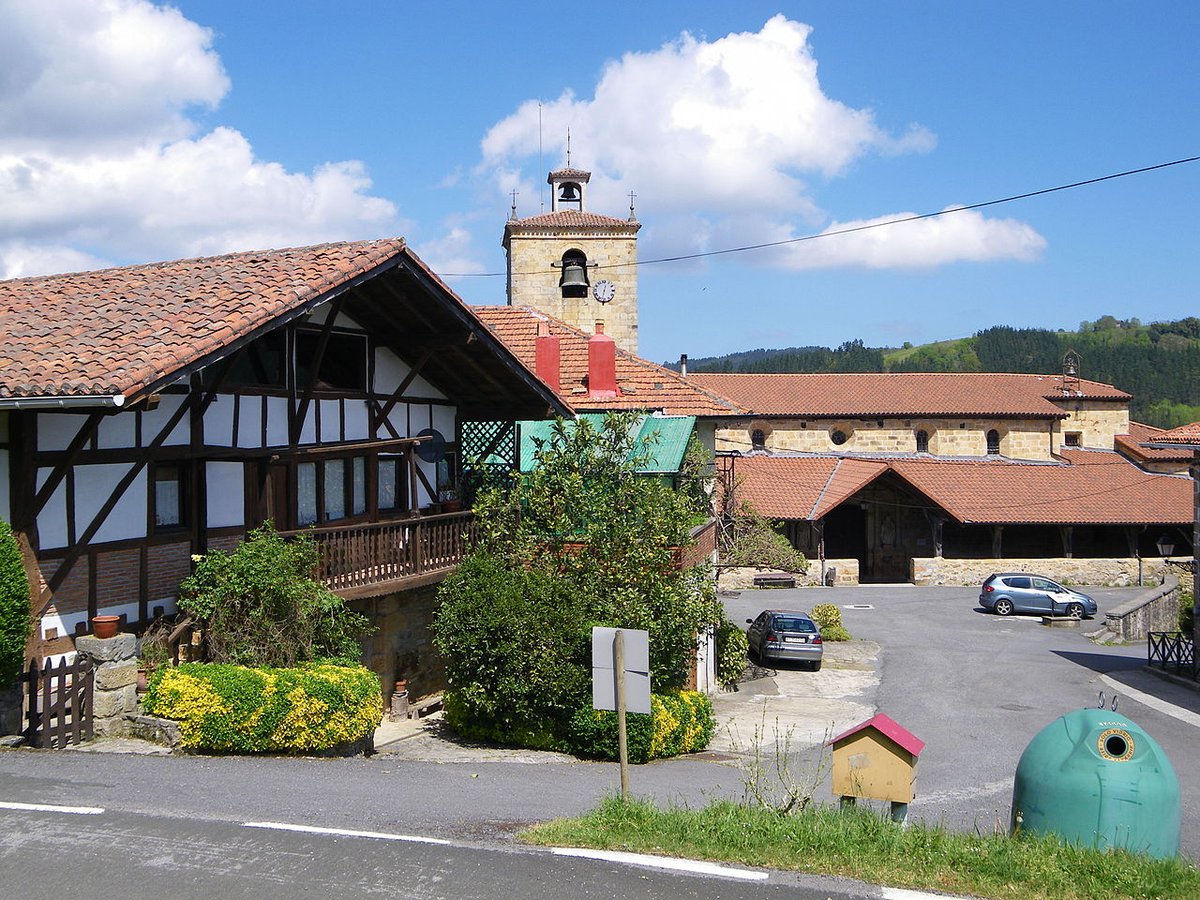
Larrabetzu itself is small, with just over two thousand residents, and sits within the wider area of Greater Bilbao. It lies close to the city, yet its structure remains that of an agricultural town. Scattered caseríos, the traditional Basque farmhouses, surround the centre and define much of the landscape.
The stone of oaths
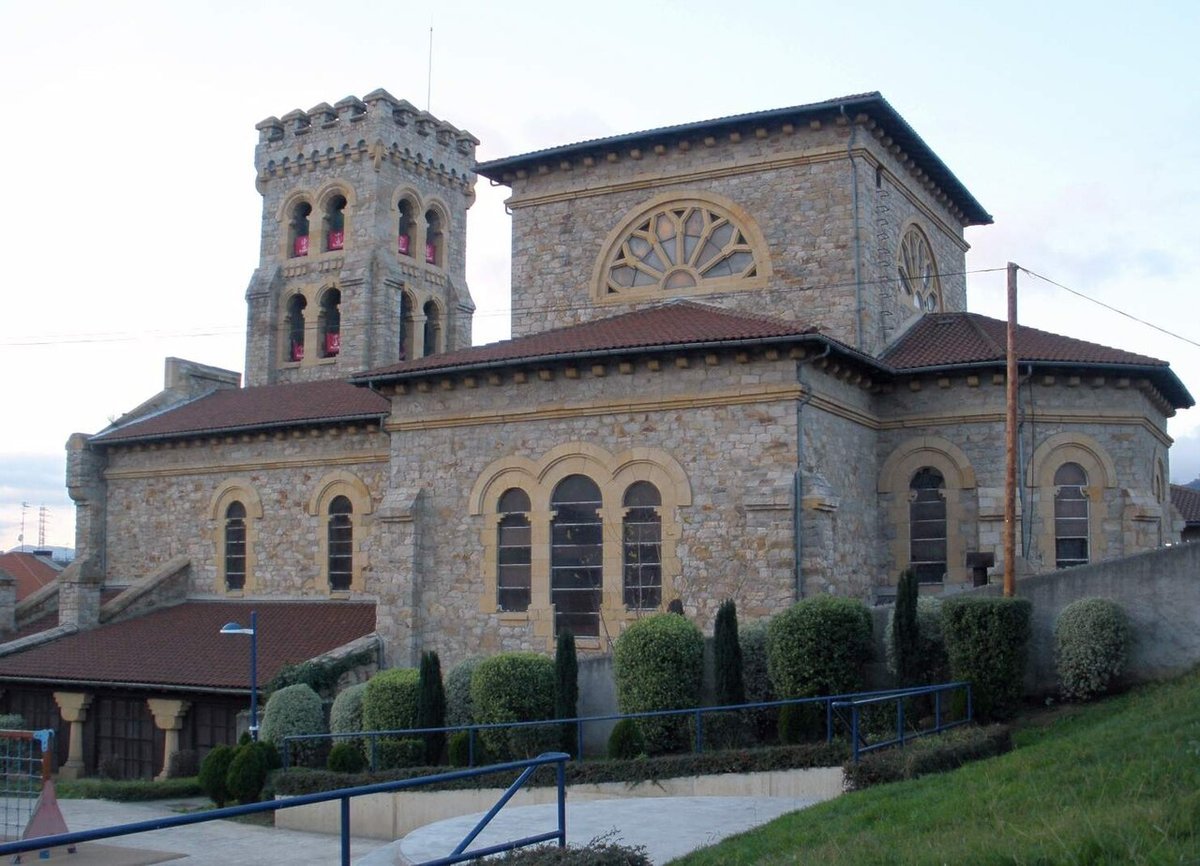
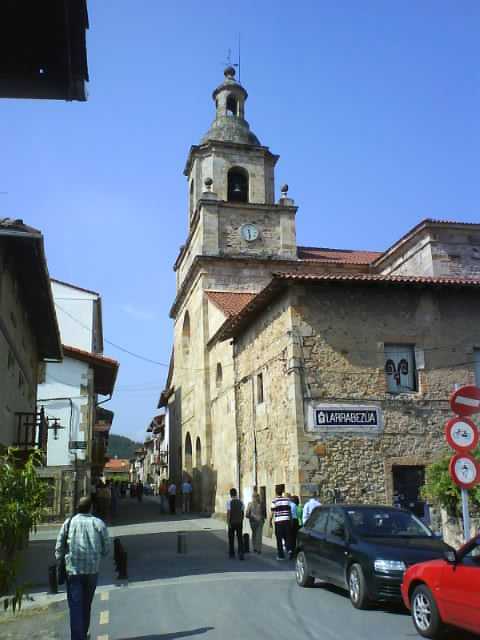
Under the portico of the church of San Emeterio and San Celedonio there is a slab that is easy to miss. This is the mesa de jura, or oath table. According to local tradition linked to the historic fueros of the Basque territories, the Lords of Biscay, and later the kings of Castile, swore here to respect those regional laws.
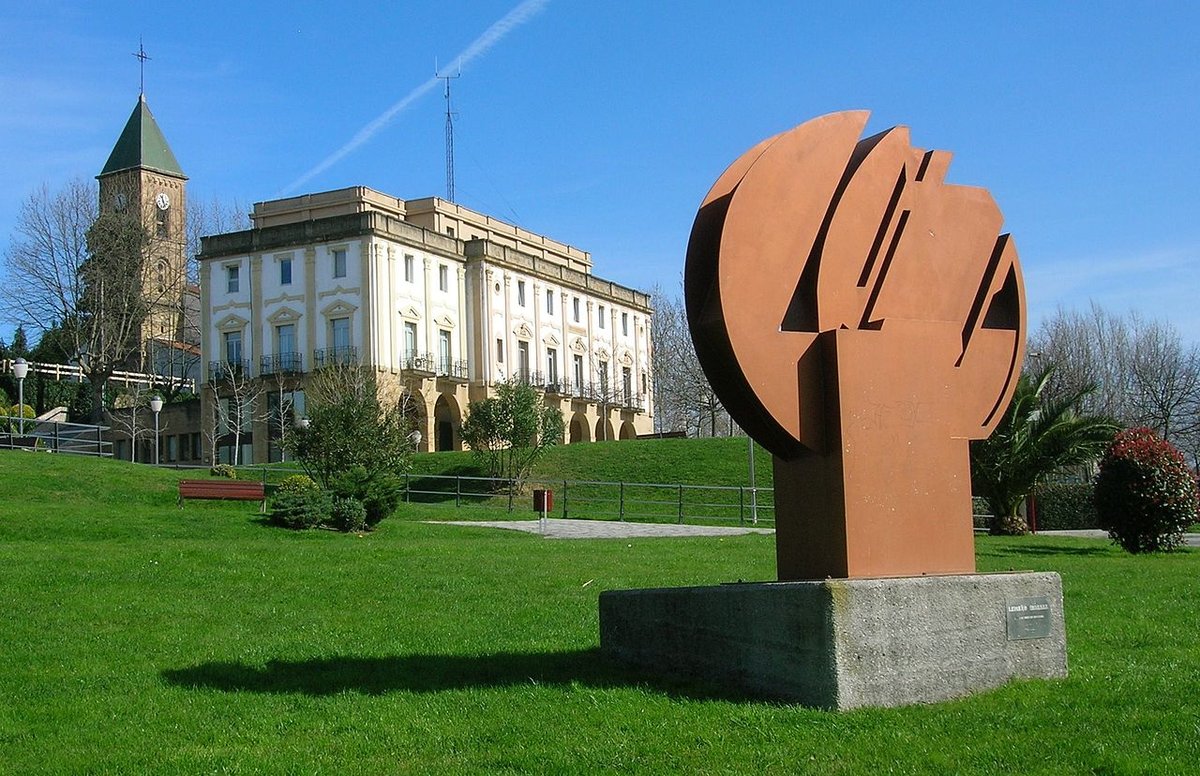
The church dates back to the 14th century, although the site of worship is thought to be older. Its current bell tower was added in the Baroque period. Inside, Gothic wall paintings from the same century have been preserved and are considered among the oldest in Bizkaia.
The imagery is direct and typical of the time. One scene shows Saint Christopher crossing a river with the Child on his shoulders. Another depicts the damned entering the mouth of hell, a moral warning expressed in visual form. These paintings connect the building not just to faith, but to the ways stories and beliefs were communicated in the medieval period.
A rebuilt town centre
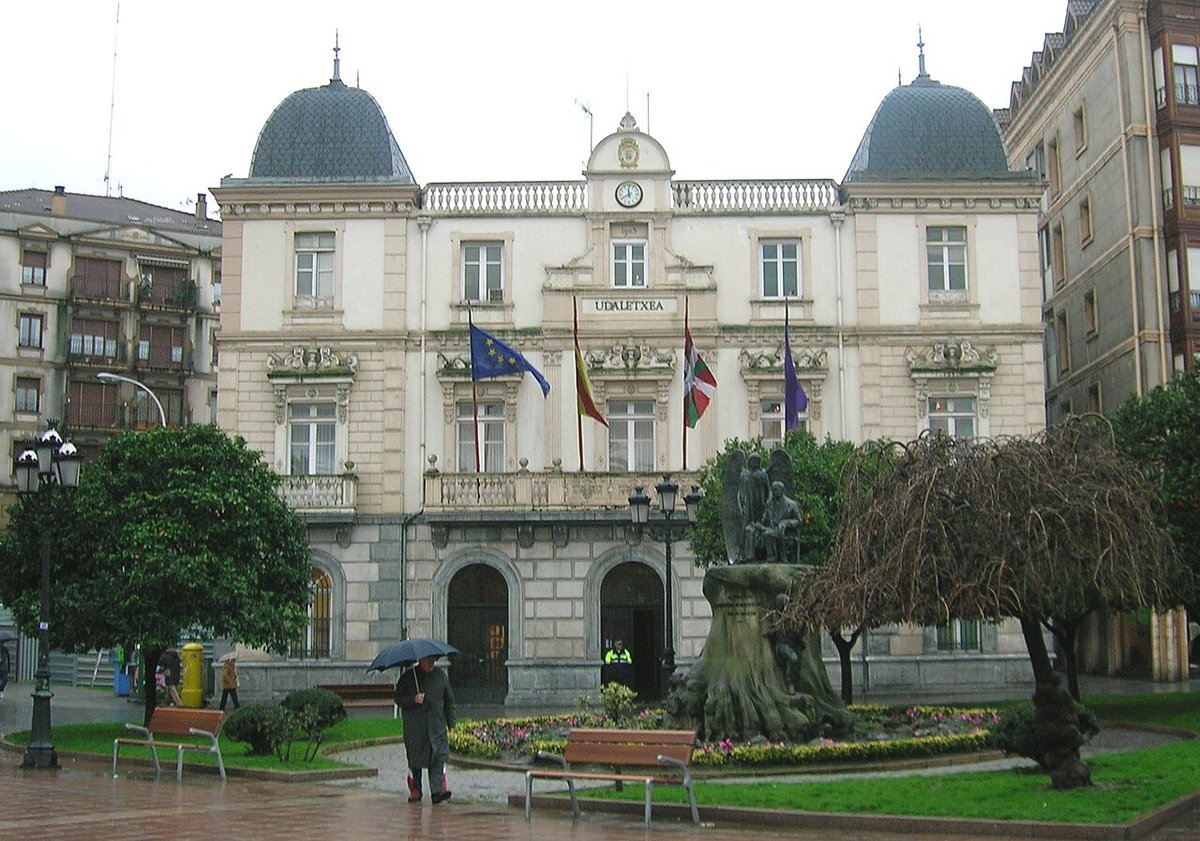
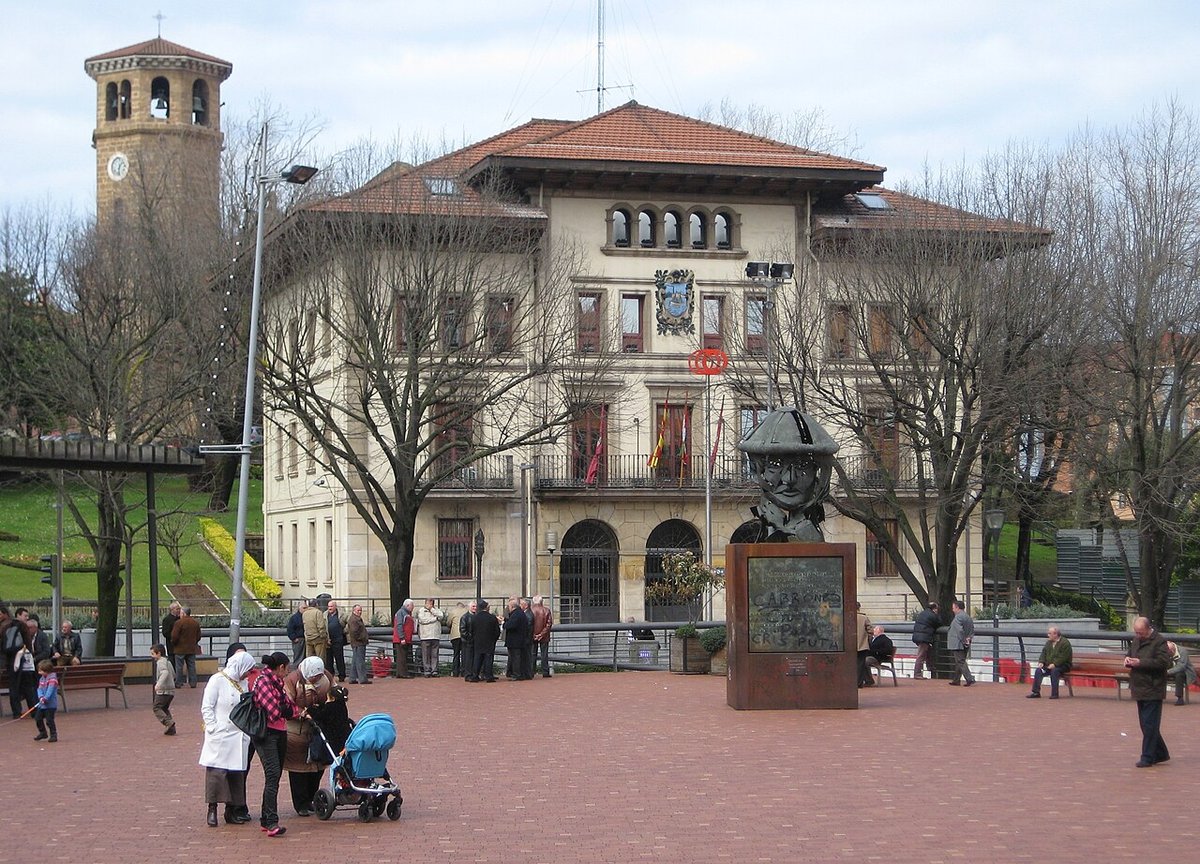
A fire in 1830 destroyed much of Larrabetzu. The reconstruction that followed explains the appearance of the town today. The centre is marked by orderly façades, iron balconies and a clear sense of structure in the streets.
This layout sets it apart from other towns in Bizkaia, where older, more irregular street patterns are common. Here, the urban core feels more uniform, almost 19th century in character. The streets are easier to read, with fewer sudden turns or unexpected corners.
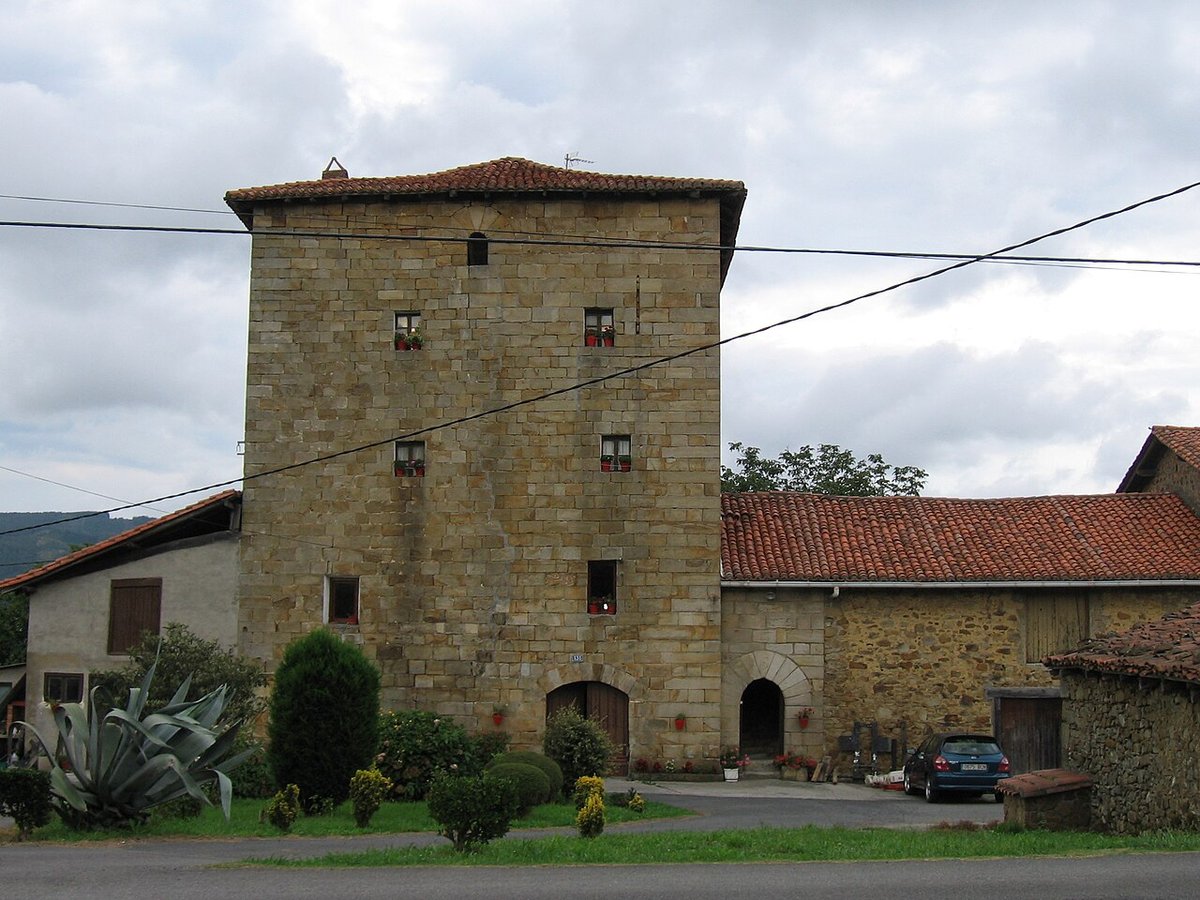
A short walk away from the centre brings a shift in atmosphere. Farmhouses begin to appear, solid buildings with thick walls, surrounded by small plots of cultivated land. Rural paths connect them, forming a network that reflects everyday agricultural life rather than planned urban design.
Fields, fairs and simple food
The municipality covers around 21 square kilometres, which is relatively large for its population. As a result, open countryside still occupies much of the area and continues to shape local activity.
On 15 May, Larrabetzu celebrates San Isidro Labrador, the patron saint of farmers. The day traditionally begins with the blessing of tractors and agricultural machinery, followed by a procession through the town. A fair accompanies the celebration, with stalls selling plants and seeds as well as tools.
Food is part of the atmosphere. One of the most recognisable dishes in Bizkaia appears here: talo con chistorra. Talo is a warm maize flatbread, split open and filled with chistorra, a type of sausage. It is typically eaten standing up and tends to leave its mark on your hands.
Around four kilometres from the town centre stands the hermitage of Arrizuriaga, associated with a romería held on 15 August. The building itself is simple and likely dates from the 16th century. The real interest lies in its setting. From this higher point, there are views over the Asúa valley, a natural route between the coast and the interior that has been used for centuries.
In the surrounding area, remains of an old ճանապարհ have been documented. Some researchers link these traces to routes of possible Roman origin, although the interpretation remains open.
A place along the way
Larrabetzu appears on several historic itineraries. One of them is the so-called Ruta Juradera de los Señores de Bizkaia, which connects sites associated with the traditional oath-taking linked to the fueros.
The town is also on the Camino de Santiago de la Costa, one of the coastal routes taken by pilgrims heading to Santiago de Compostela. Walkers arrive from the direction of Portugalete and continue towards Bilbao. The stretch is not long in distance, but it involves noticeable changes in elevation. Pilgrims pass through steadily for much of the year, adding a quiet but constant movement to the town.
Getting there and walking around
Larrabetzu is about a twenty-minute drive from Bilbao. The usual access is by road from the Txorierri corridor.
The centre can be explored fairly quickly. In around an hour it is possible to take in the main square, the church and the principal streets. The scale of the town becomes clearer when explored on foot, rather than from a car.
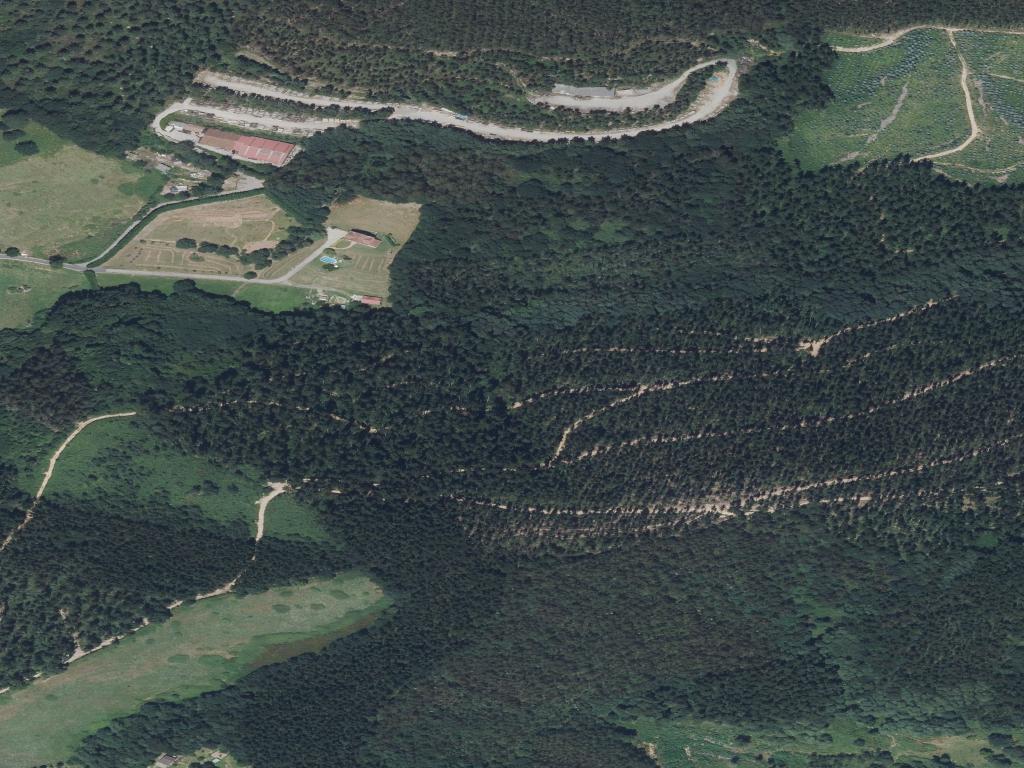
For those wanting a longer walk, the area around Arrizuriaga offers simple paths that run through oak and beech woodland. There is no formal tourist circuit. Visitors typically park on the edges of the centre and continue on foot, which suits the size and layout of the place.