Full Article
about Leioa (Lejona)
Valleys and hamlets a stone’s throw from Bilbao, buzzing with local life.
Hide article Read full article
A town without a single heart
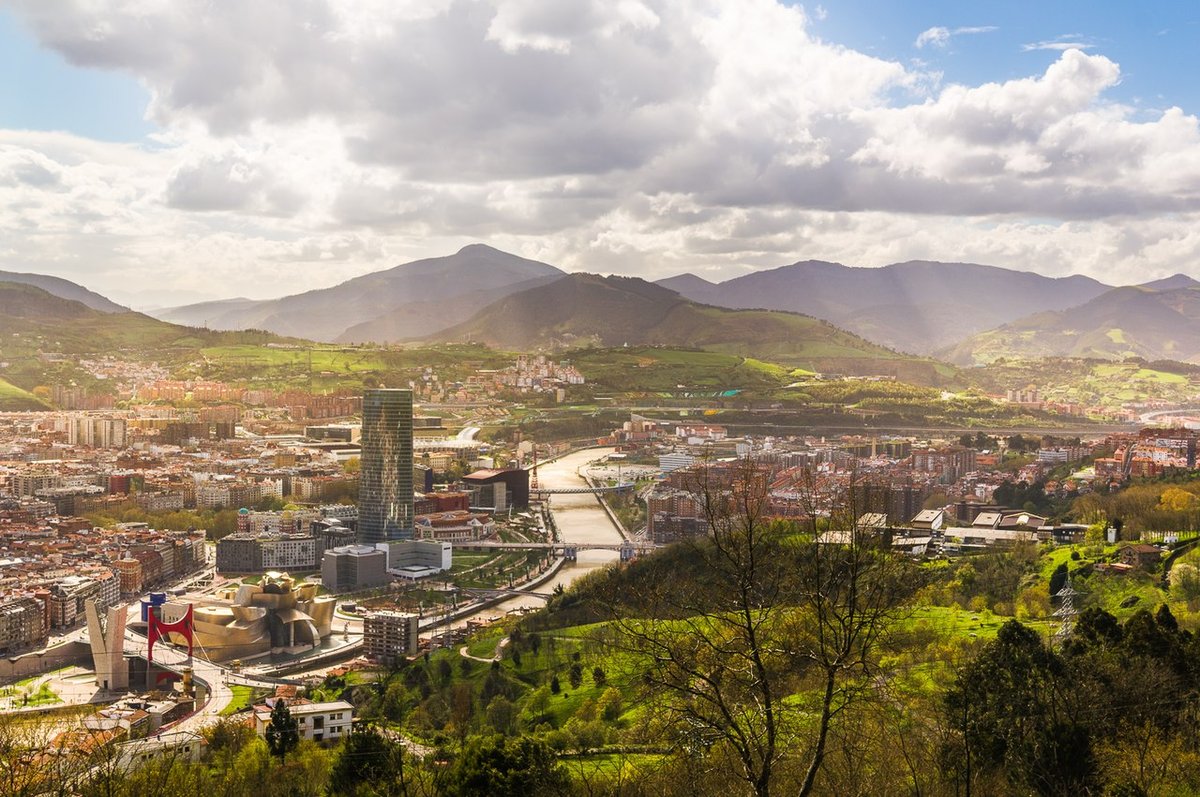
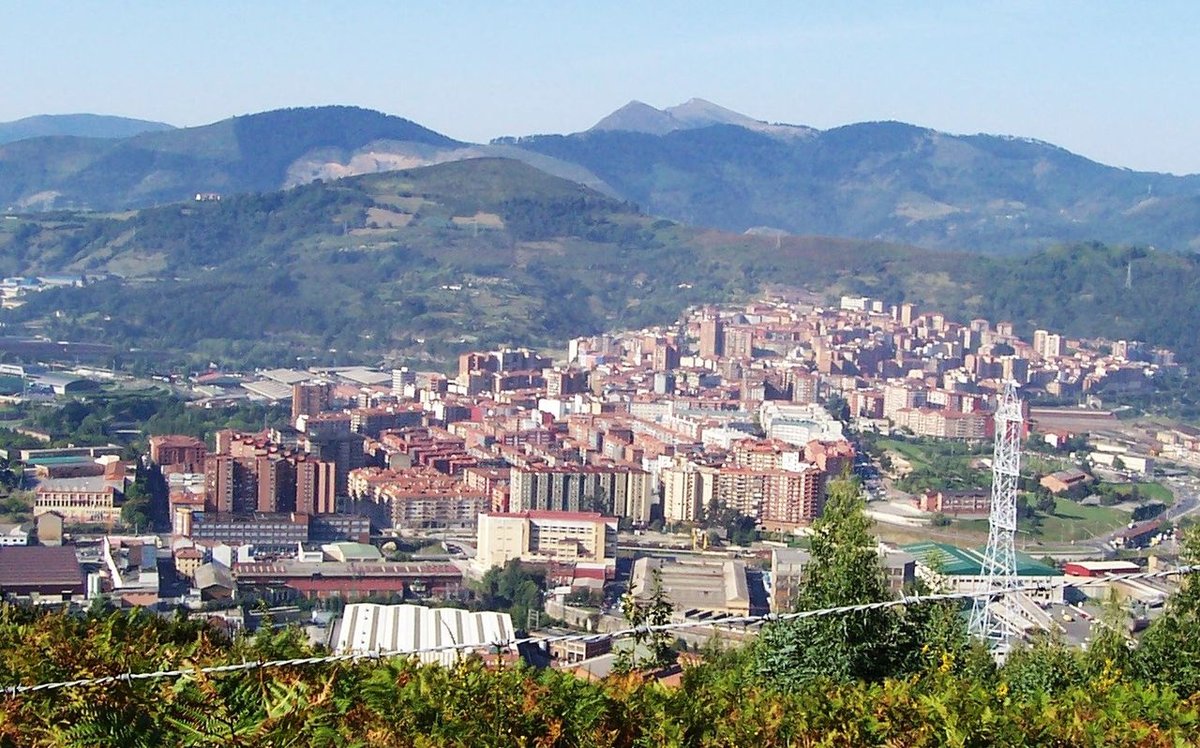
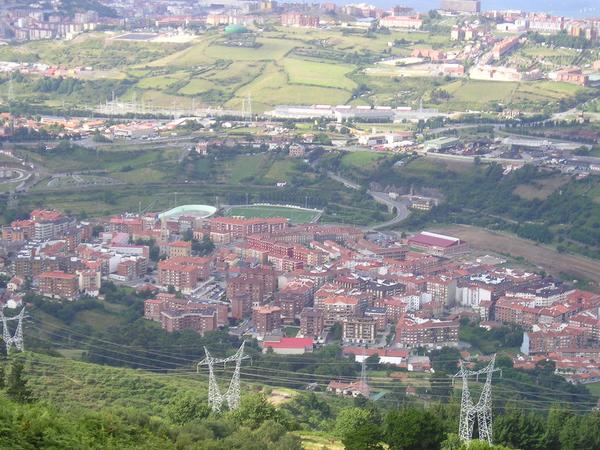
Leioa’s geography explains its structure. It sits on the western edge of Greater Bilbao, on land that slopes from the gentle inland hills down to the estuary. For centuries, this was a landscape of scattered farmsteads and small neighbourhoods. Its formal separation from Erandio came in the 16th century, but the pattern of life remained unchanged: paths connecting caseríos, small parishes serving their immediate area, and farmland oriented towards the water.
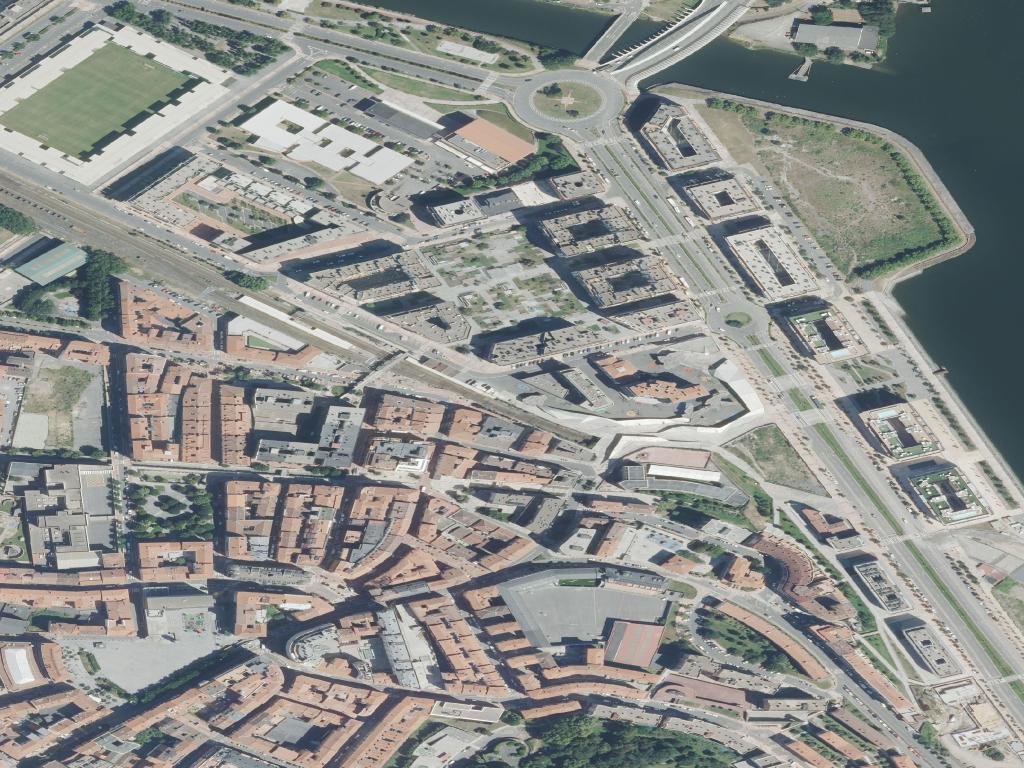
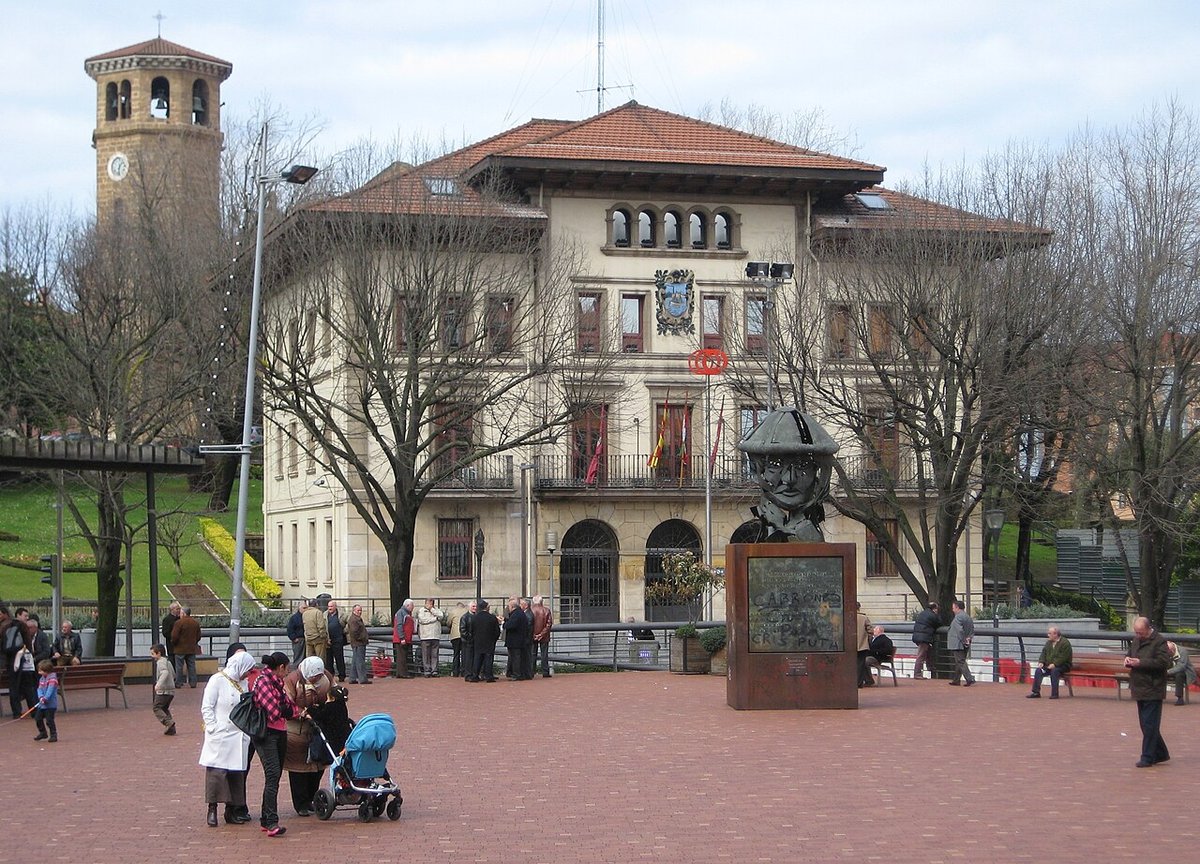
That absence of a compact centre still defines Leioa. You will not find a typical old town or a main square that acts as a clear focal point. The municipality functions as a collection of neighbourhoods that, through Bilbao’s expansion, eventually grew into a continuous urban area. Understanding this is key to moving through it; you travel between zones, not towards a single heart.
The university that reshaped everything
The character of Leioa shifted decisively in the latter half of the 20th century with the establishment of the main campus of the Universidad del País Vasco (UPV/EHU). Practical reasons drove the choice: available land, good transport links to Bilbao and the right bank of the estuary.
Its arrival altered the municipality’s pace and appearance. Fields and market gardens were replaced by faculty buildings, student residences and broad avenues. Leioa ceased to be merely a nearby village and became a central academic space for the Basque Country.
The campus is now woven into daily life. You hear multiple languages in the streets, see bicycles moving between lectures, and notice a transient population during the academic year. This infusion has created an atmosphere more open and varied than is common in towns of comparable size.
Scattered heritage: churches, a chapel, and a tower
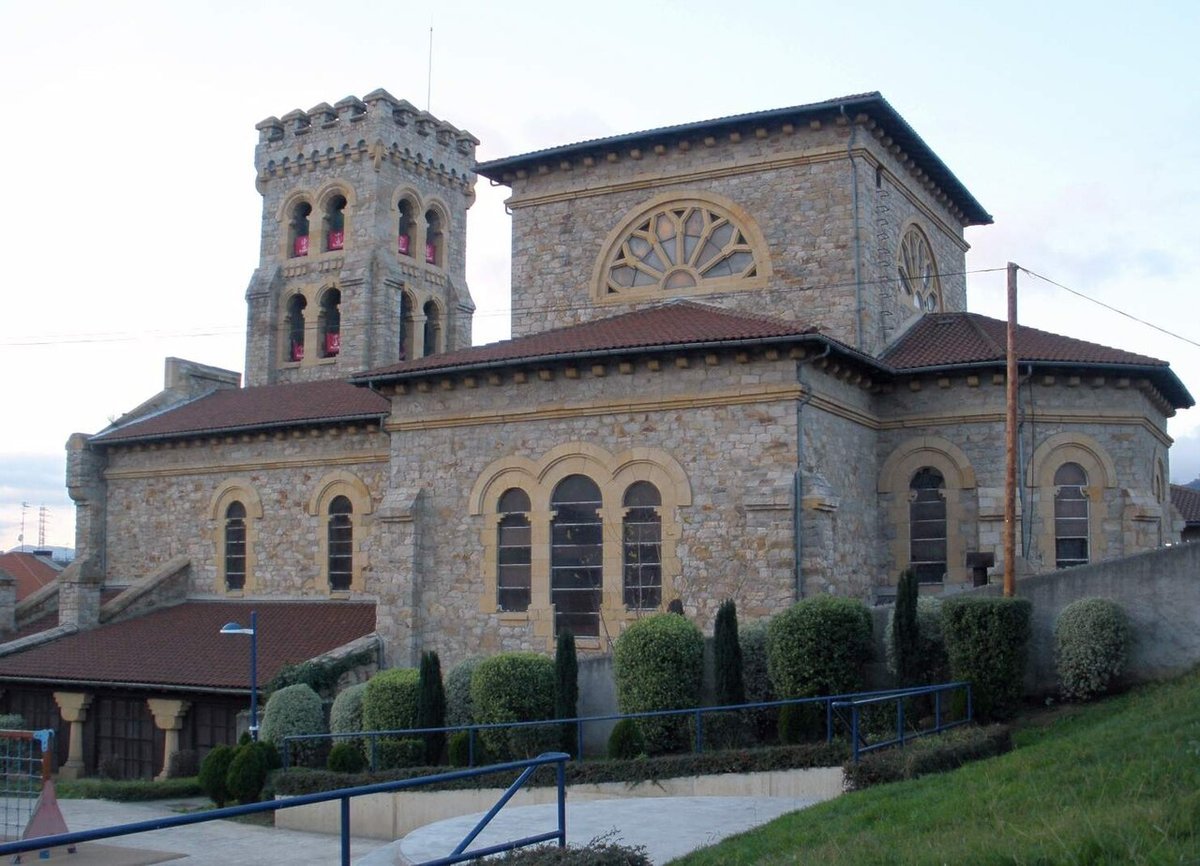
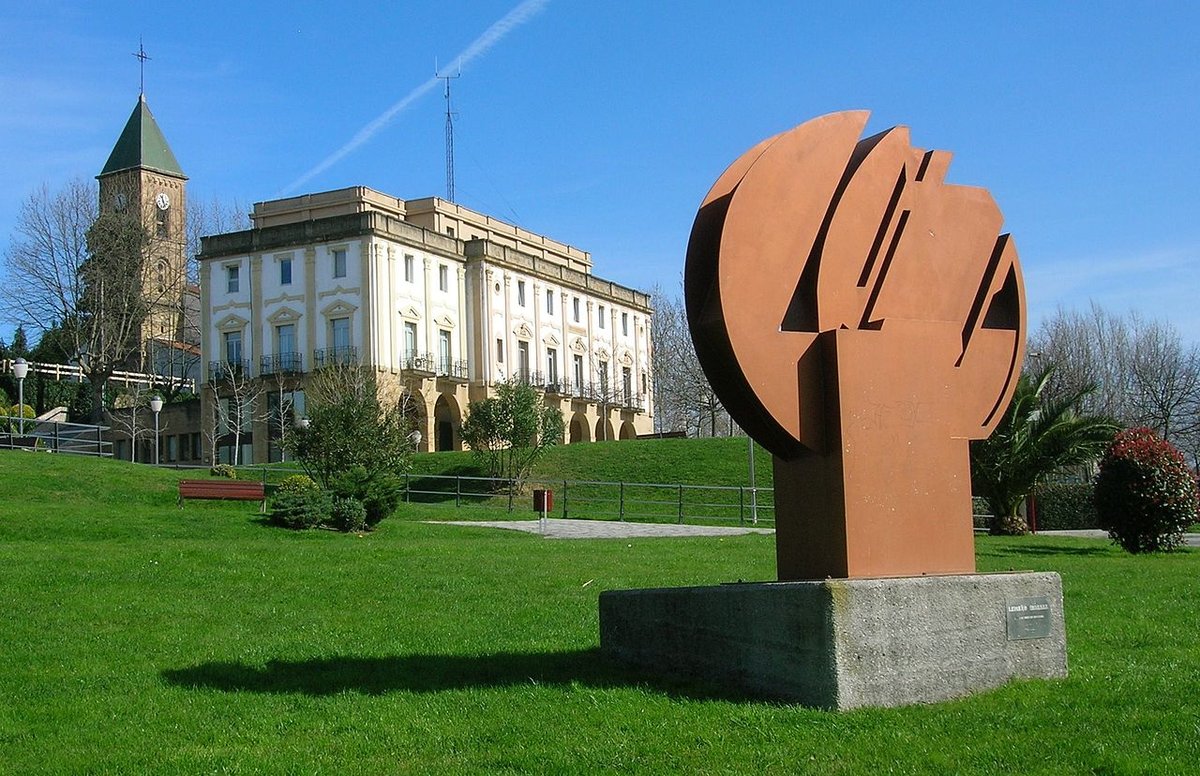
Historical buildings in Leioa are dispersed, following the old neighbourhood logic. The church of San Juan Bautista has a 16th-century origin, though it shows later modifications. It stands on slightly raised ground, a typical placement for rural parishes where visibility carried both practical and symbolic weight.
In Lertutxe, the hermitage of Andra Mari also belongs to the early modern period. The area around it retains several houses of a more stately character, hinting at this route’s historical importance for connections with Bilbao.
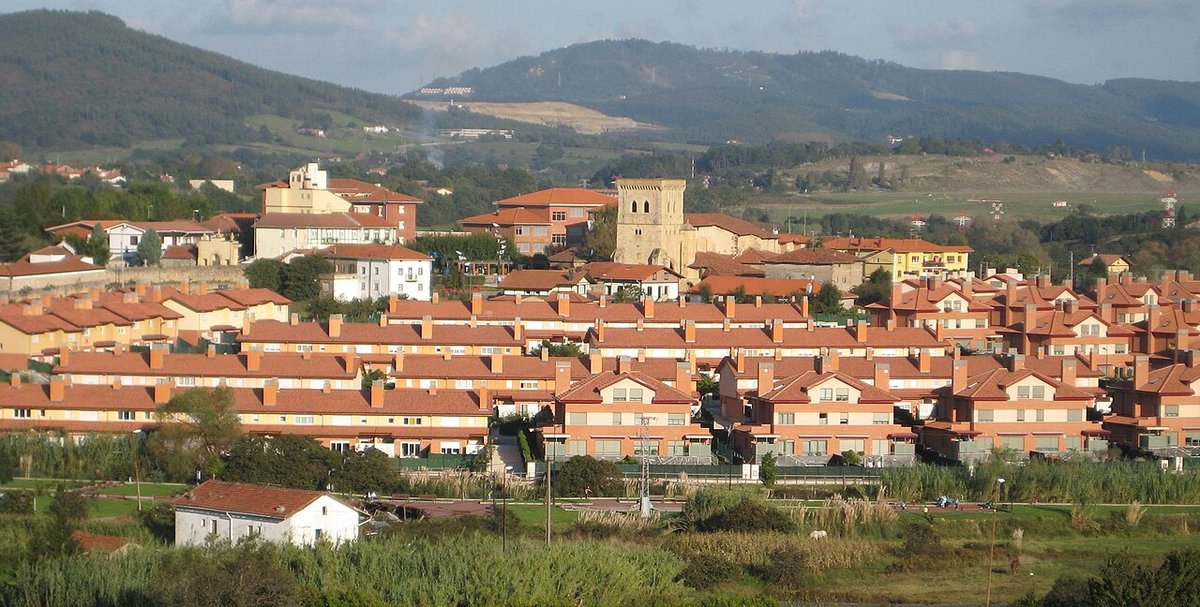
A different kind of landmark is the Torre de Ondiz, or Ondizdorrea. Built in the early 16th century, it follows the model of the Basque tower house: thick walls, a compact form, and a design prioritising defence over comfort. It is privately owned now, but its stone silhouette remains clearly visible from the public street.
Farmhouses, a mill, and agricultural memory
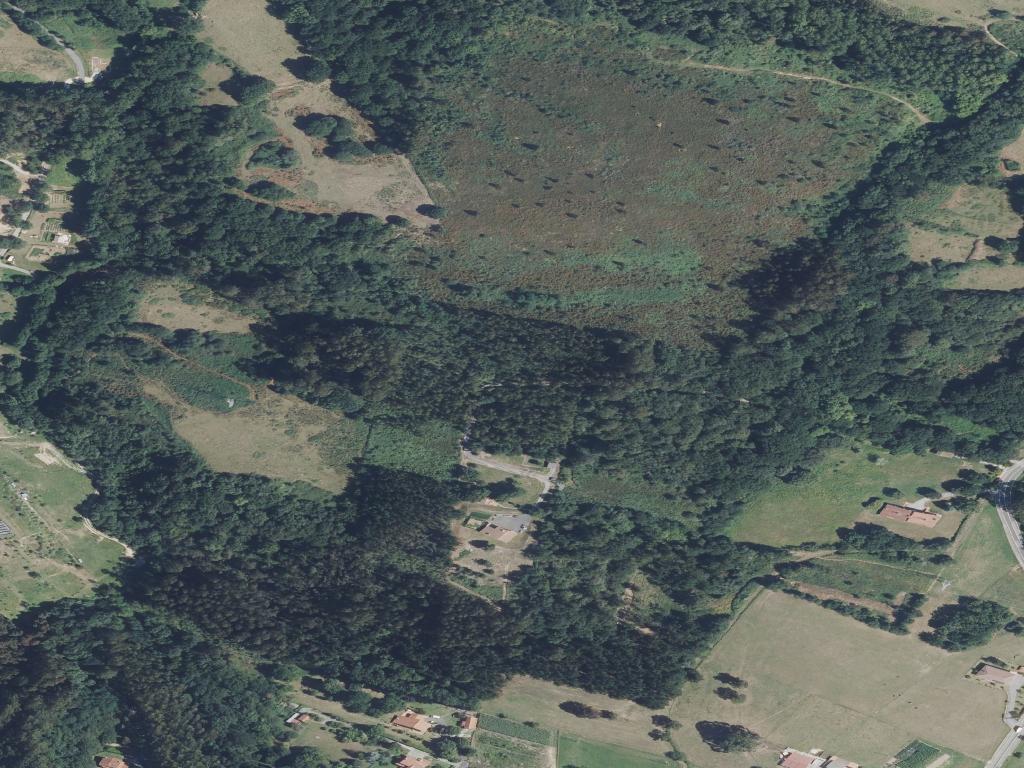
Before metropolitan integration, Leioa’s economy was tied to the caserío, the traditional Basque farmhouse. Land was cultivated, and areas near the estuary saw small-scale fishing and trade.
The old Errekalde mill points to that earlier time. Like others in the region, it used flowing water to grind grain from local farmsteads. The building itself has been much altered, but its location still suggests how these small infrastructures once functioned within the landscape.
Another link is the 17th-century caserío Mendibil, which now houses Bizkaiko Txakolin Etxea. The space is dedicated to explaining the history of txakoli in the territory. This wine has long been associated with farmhouses and the coastal slopes, where vines were traditionally cultivated on a small scale.
Festivals and everyday rhythm
The most prominent celebration in Leioa’s calendar revolves around San Juan in late June. As in many towns here, neighbourhoods light bonfires, and the atmosphere turns local and community-focused, briefly overriding the university rhythm.
A different kind of event is Umore Azoka, a street performing arts fair held for years across the municipality. For a few days, public spaces fill with theatre, circus acts and open-air shows, introducing a distinct energy to plazas and streets.
These occasions illustrate a balance between enduring local tradition and more recent cultural activity.
Moving through Leioa
Getting around relies on Leioa’s connections to Bilbao and the right bank of the estuary. The university campus itself acts as a major transport hub for the area.
There are stretches of cycle lane linking Leioa with Getxo and other nearby municipalities. Many routes between neighbourhoods are walkable due to their relative proximity.
If you arrive by car, parking is generally manageable outside the busiest periods of the academic calendar. During term time, particularly at the start of the year, the increased student presence leads to greater congestion.