Full Article
about Lezama
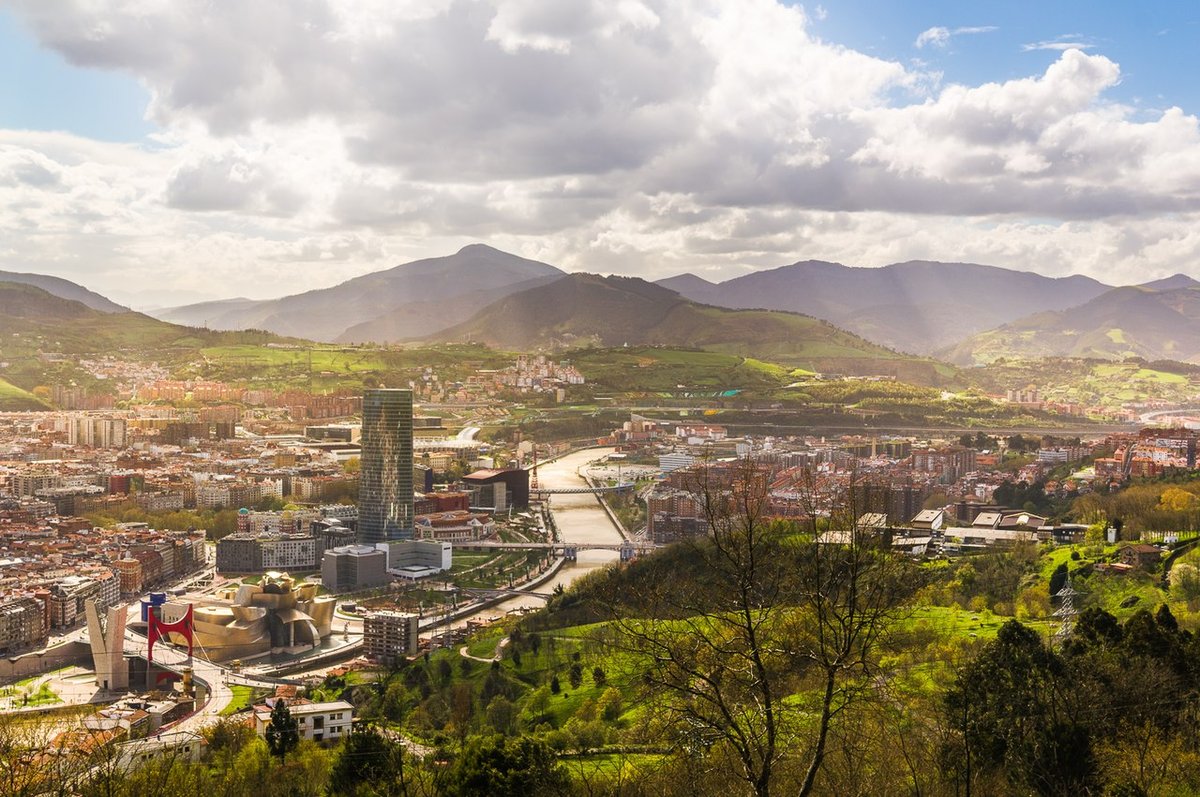
Valleys and hamlets a stone’s throw from Bilbao, buzzing with local life.
Hide article Read full article
A place that slips past unnoticed
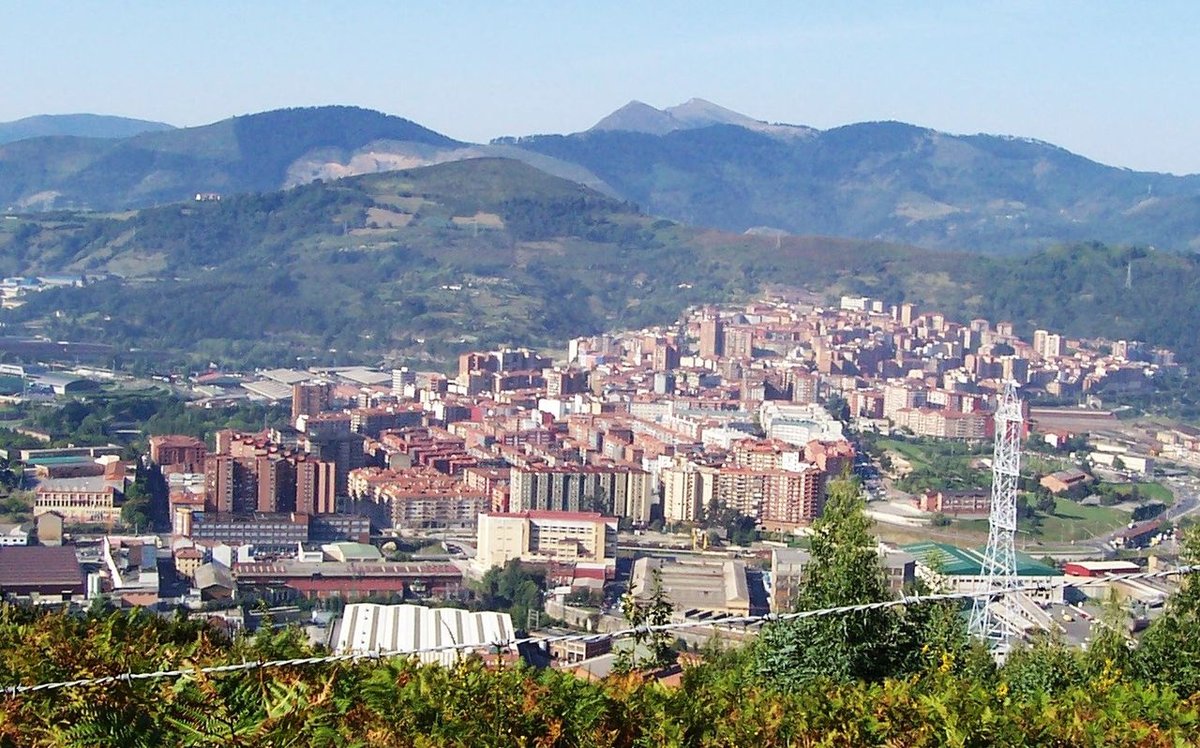
Lezama is easy to miss. It often feels like somewhere you pass through rather than a destination in its own right. For many people heading towards Bilbao, it barely registers as more than a junction off the A‑8 motorway. Only when you actually stop do you realise there is a small town here, and that some people come on purpose.
Online, it hardly seems to exist. Search for “Lezama” and you are more likely to find the palace in Getxo, a park in Buenos Aires, or the Athletic Club training centre. The village in Bizkaia, home to around 2,400 people, appears in little more than a handful of photos and a bus stop listing. It is as if the internet has not quite caught up with it.
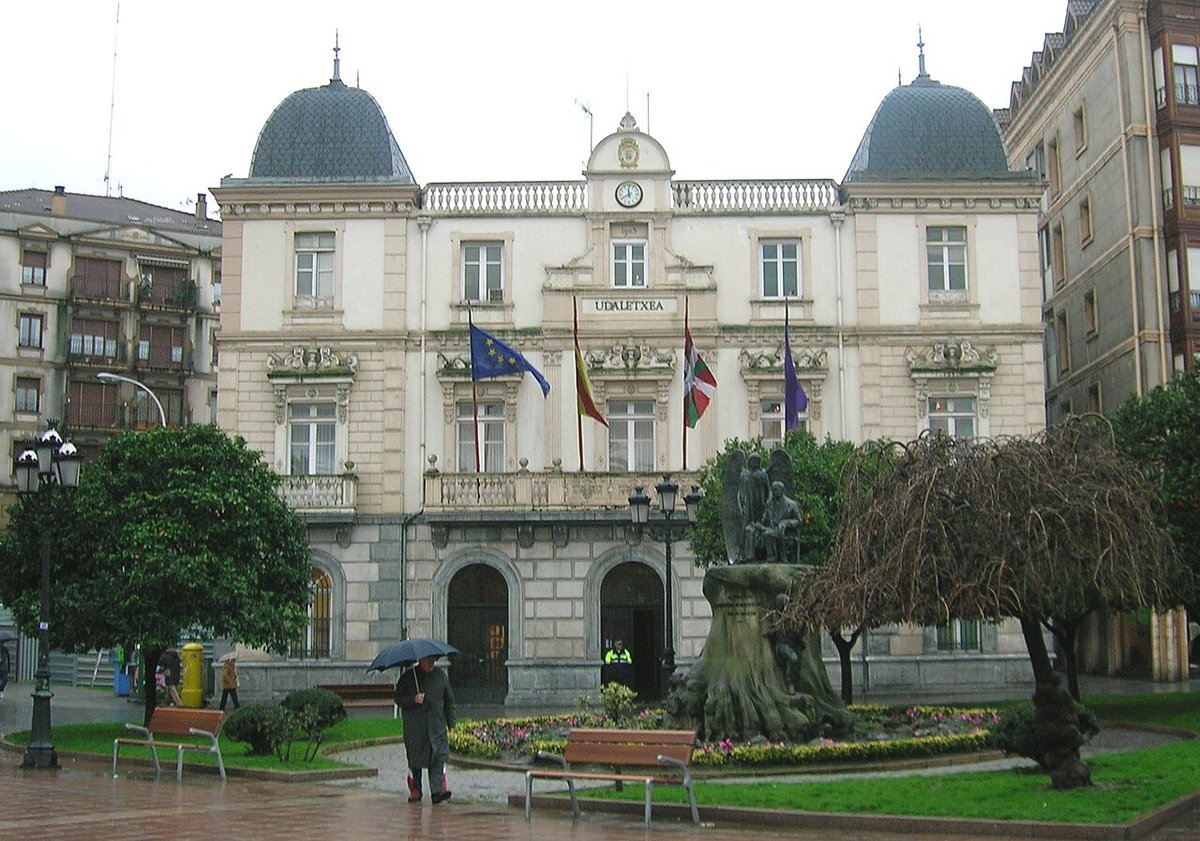
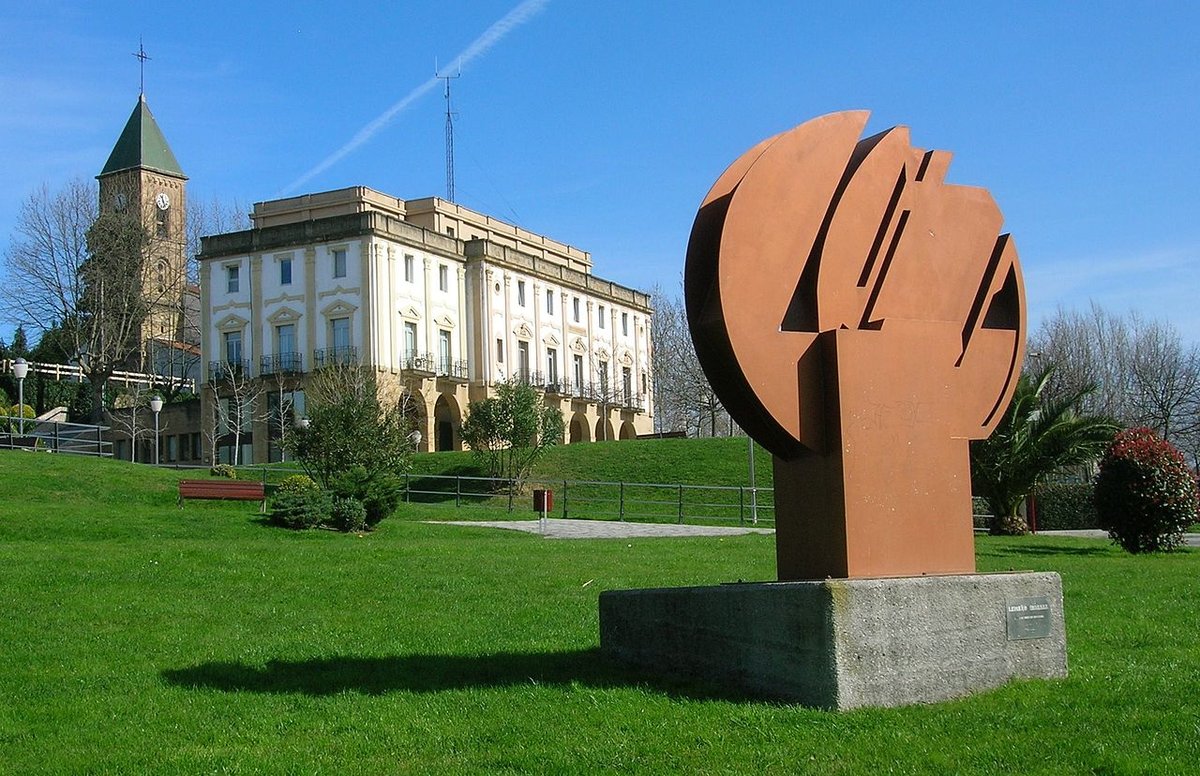
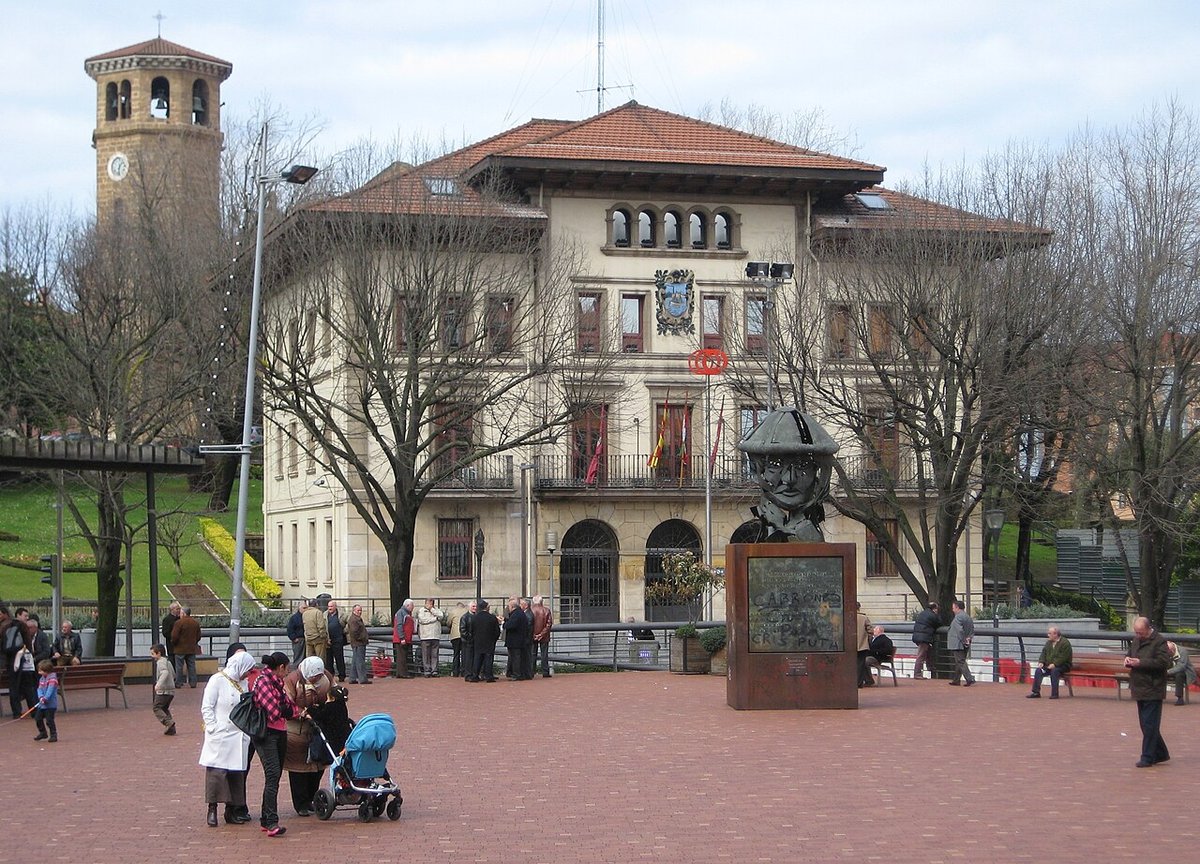
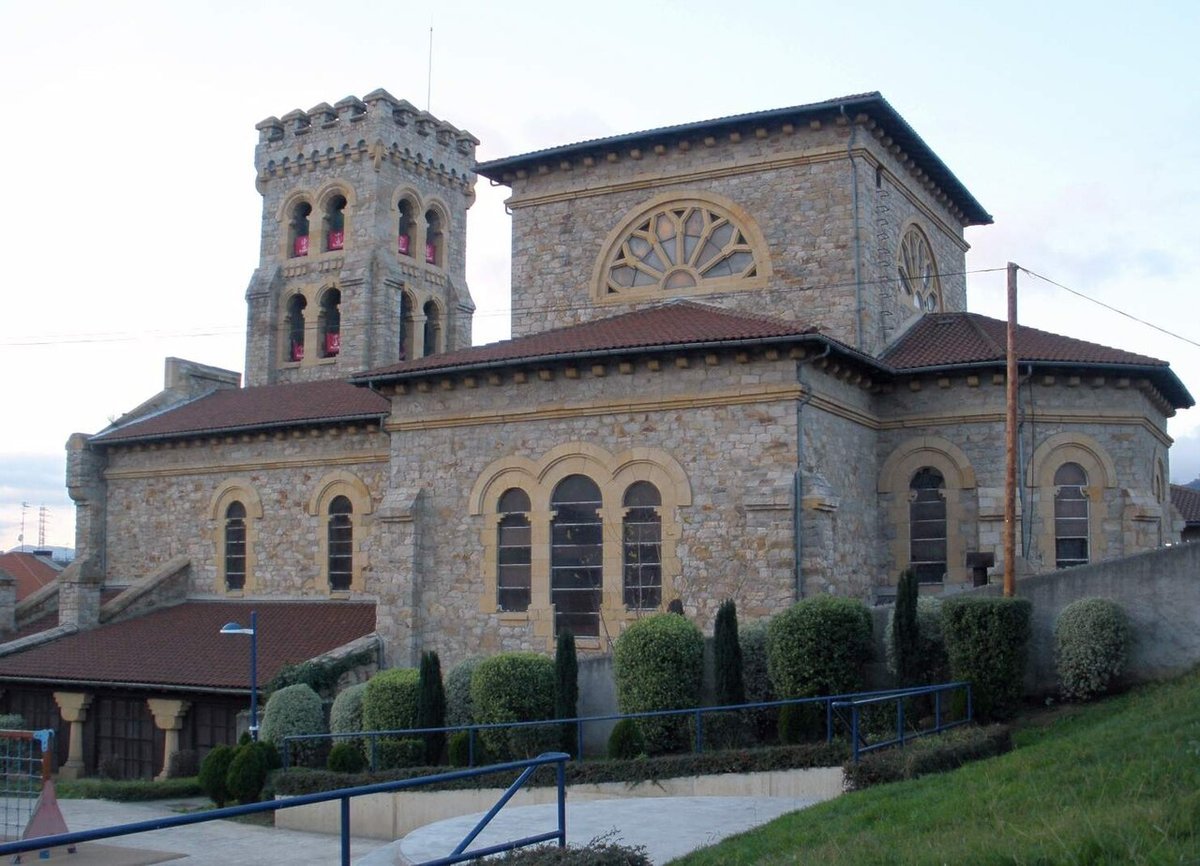
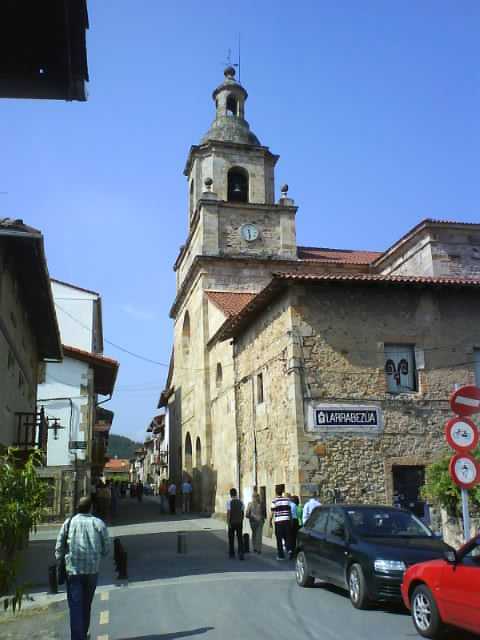
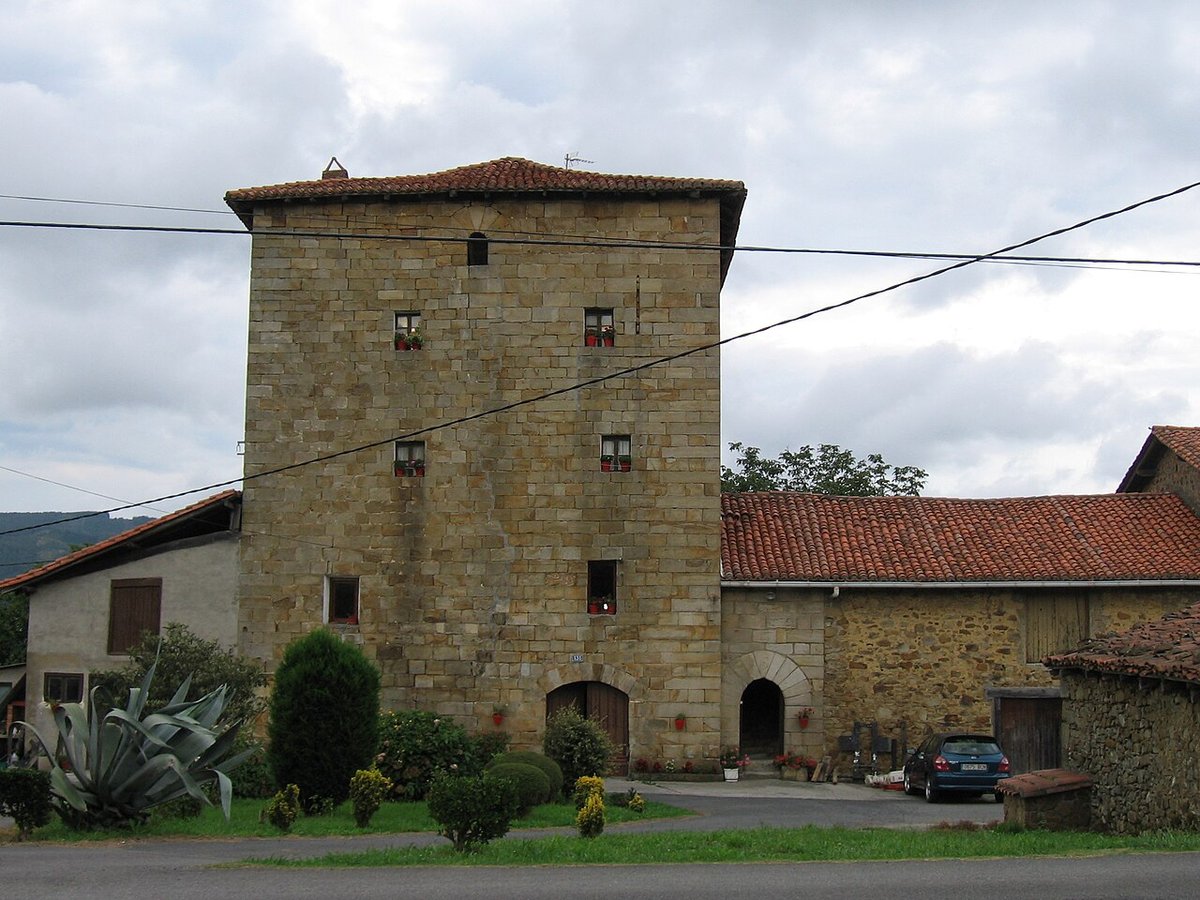
The old centre has changed very little. Narrow streets, houses with sloping roofs, and a frontón, a traditional Basque pelota court, that has seen better days. There are no signs designed for visitors. No information boards, no brown tourist arrows. If you want to find the town hall, you ask someone. That is how it works.
The name everyone recognises
For many, Lezama is synonymous with football. The Athletic Club training ground is what people think of first. Strictly speaking, it sits on land that belongs to Bilbao, but the name has stuck and no one seems particularly bothered by the technicality.
The connection is practical as much as symbolic. Many locals work there, or stop by to watch the younger teams train. It is part of everyday life rather than something set apart.
The local pitch tells a different story. Smaller, more rooted in the neighbourhood. This is where Lezama Club de Fútbol plays, and the atmosphere is familiar to anyone who has seen grassroots football. Sunday mornings bring parents along the touchline, commentary directed at the referee, and occasionally a dog wandering across the grass without much urgency to leave.
A motorway that split the town
Until the 1990s, Lezama sat at the end of a secondary road. Then the A‑8 arrived and changed the layout of the place. The town ended up divided.
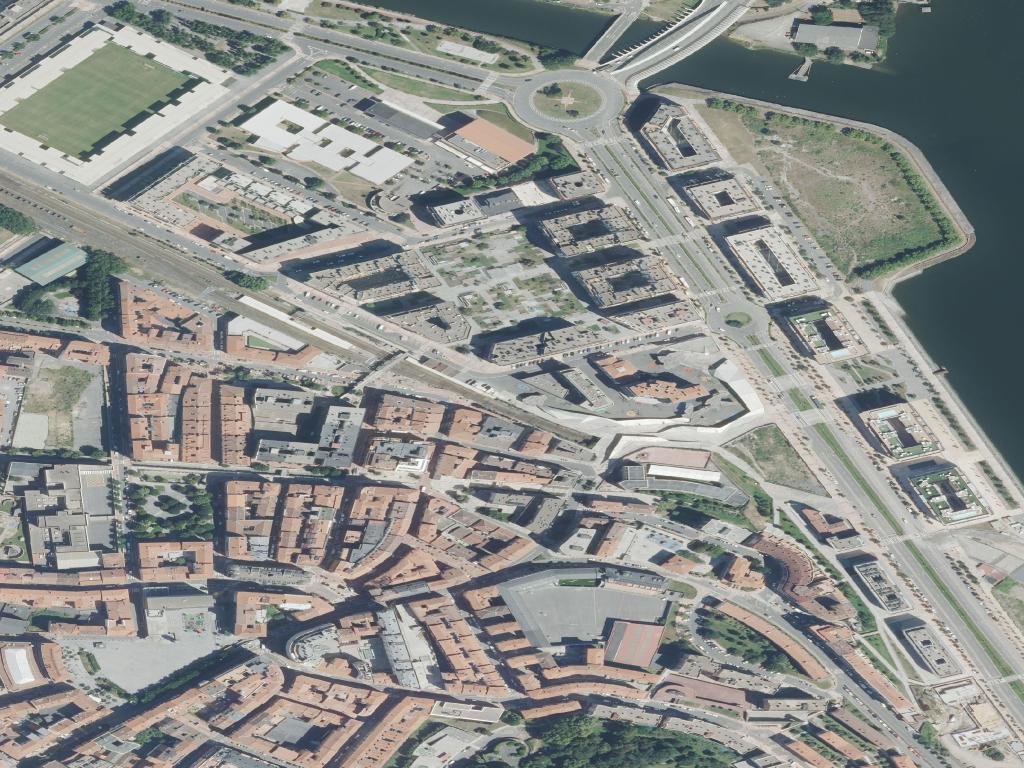
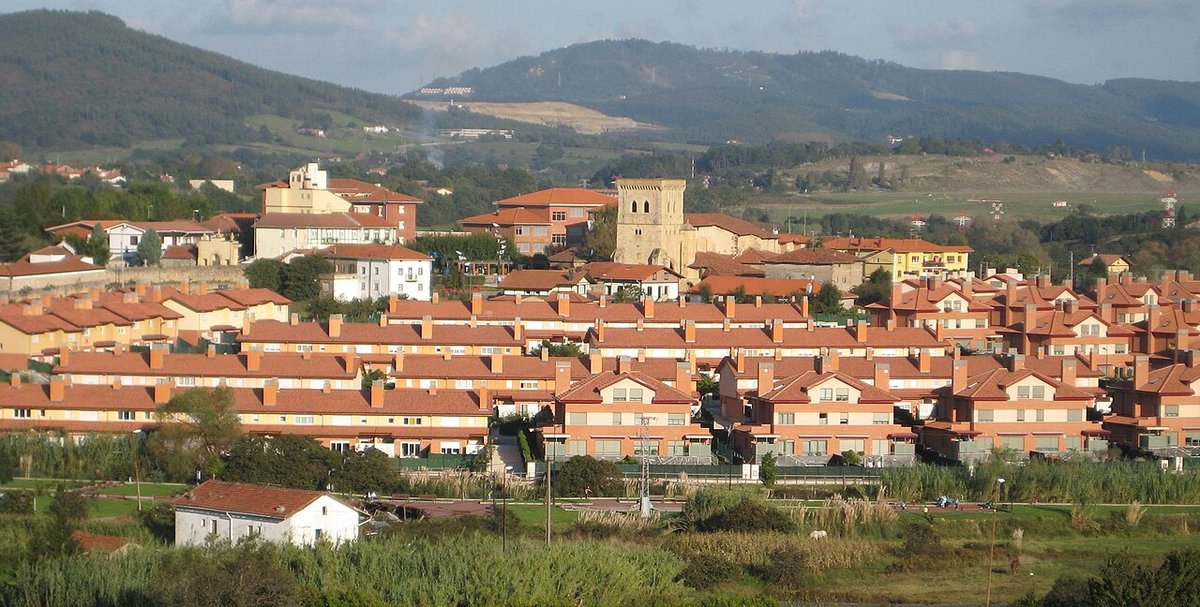
On one side is the long-established centre. On the other, newer housing developments and the services that followed them. It is not a dramatic divide, but it is noticeable in daily routines. Long-time residents continue to use the same small shops they always have. Those living in the newer areas tend to do their shopping in the more modern supermarket nearby.
Between the two runs the N‑633, carrying a steady flow of lorries heading towards the coast. Traffic is a constant presence, a reminder of how connected this quiet place is to the wider region.
Kiwis, tractors and an ordinary Saturday
A visit on a Saturday in April might not promise much at first glance. Yet Lezama has a way of revealing itself through small details.
The first thing that stands out is the smell: turned earth, eucalyptus, bread coming out of the oven. Then the background noise settles in. A tractor somewhere nearby, the sound of a chainsaw, someone singing in Euskera while working in a vegetable patch.
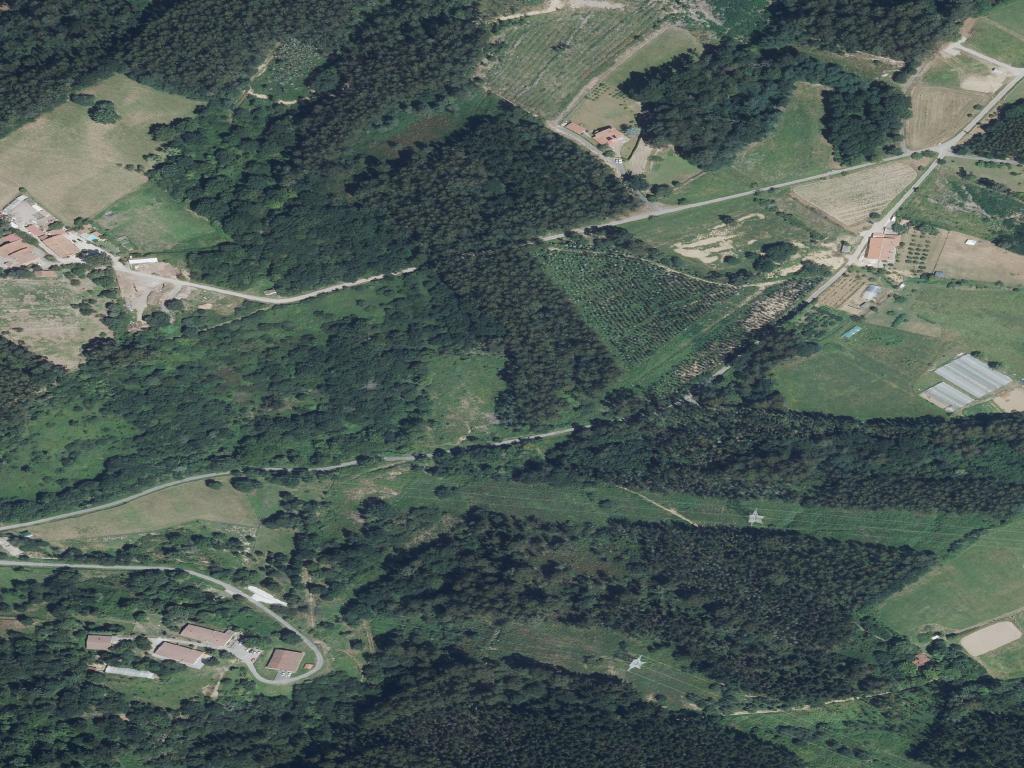
Kiwi fruit is widely grown here. It is not what most people expect to find so close to Bilbao, but the damp climate and acidic soil make it suitable. It is part of the local rhythm, something ordinary for those who live here and surprising for those who do not. Freshly picked, it tastes very different from the ones that travel long distances before reaching shops.
Eating, sleeping and getting around
Lezama does not have hotels or accommodation with polished branding. Occasionally, residents rent out a room to people who come to watch Athletic train or spend a couple of days nearby. These arrangements are simple and informal, based on asking around and seeing what is available.
Food revolves around the village bars. Portions are generous, whether in sandwiches or more traditional dishes. On certain days there are plates that lean towards hearty, home-style cooking. Conversations tend to begin with the weather and drift towards football or the year’s harvest.
Getting here is straightforward. By car, you leave the A‑8 towards Bilbao and within minutes you are in the village. From inland, there are regional roads with plenty of bends, popular with cyclists at weekends. There is also a bus connecting Lezama with Bilbao and some coastal towns. If you miss one, you wait for the next.
When to come, and why
Spring is when the valley shows its most vivid green. The vegetable plots come to life and the surroundings invite a slower pace, walking rather than rushing through. It is a good time to see how the place works day to day.
On match days for Athletic Club, the atmosphere shifts. Cars arrive in larger numbers, and the bars fill with red-and-white shirts discussing the line-up. It is a noticeable change from the usual calm.
Whether it is worth making a detour to Lezama depends on what you are after. There are no famous monuments, no streets lined with shops competing for attention. What you do find is a place that continues at its own pace, just a few minutes from Bilbao.
Sometimes that is exactly the point. A town with vegetable plots, Sunday football, and neighbours who still stop to talk outside the bar.