Full Article
about Loiu (Lujua)
Valleys and hamlets a step from Bilbao, with plenty of local life.
Hide article Read full article
Between runway and meadow
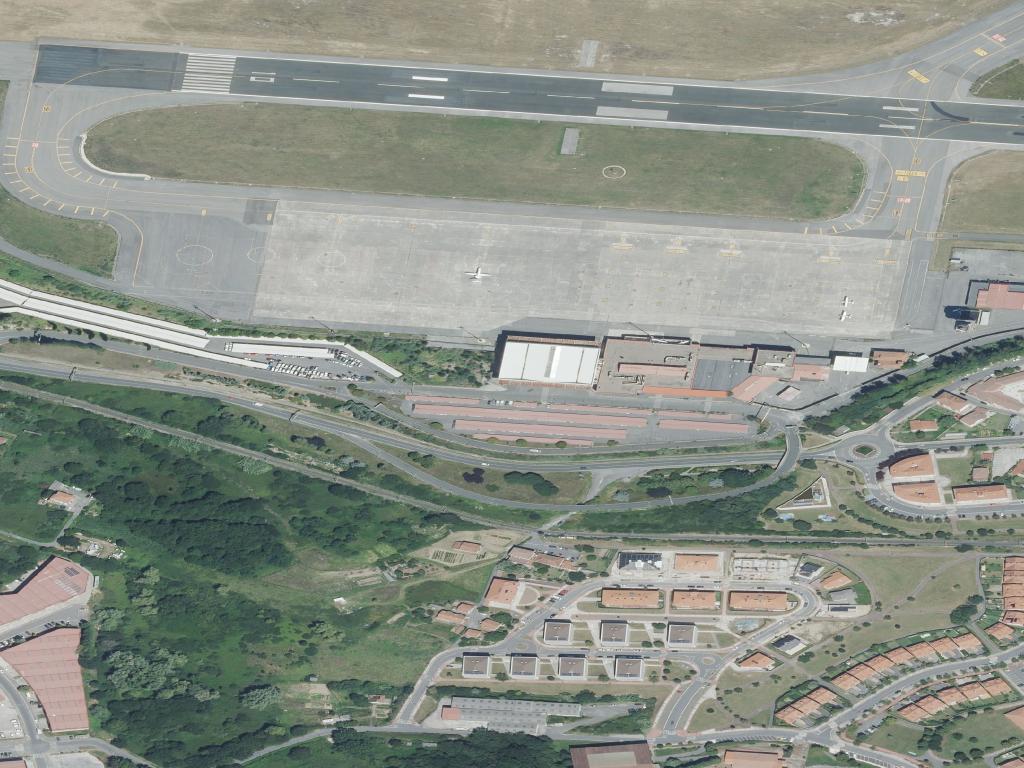
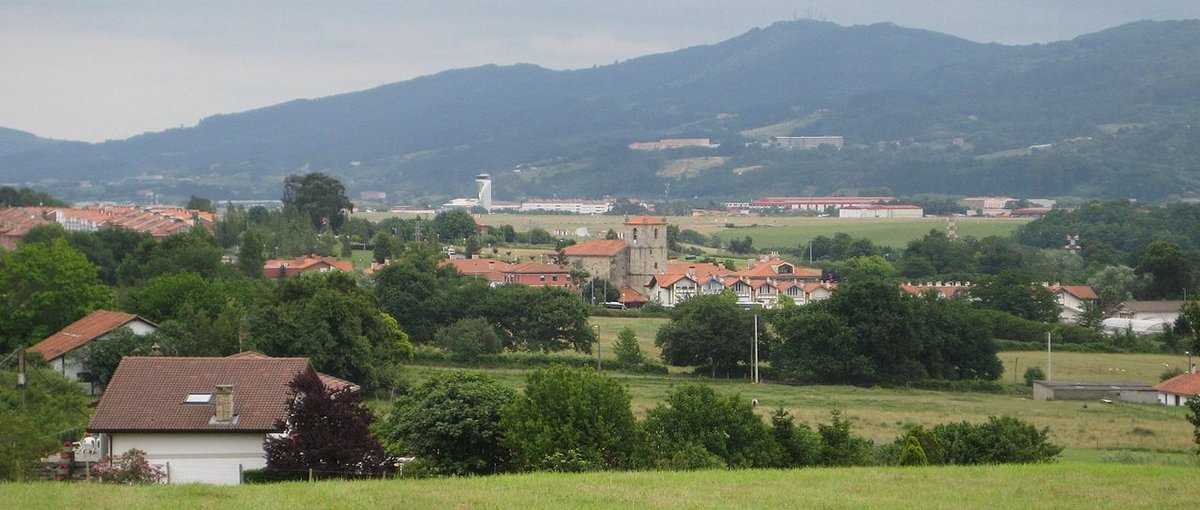
Cows graze beside the airport. It is not an image borrowed from somewhere else, it is everyday life in Loiu, just minutes from Bilbao. The meadows of the Asúa valley stretch almost as far as the airport runways. Now and then a plane passes low overhead, its brief roar rippling through the air, and the cattle barely react. The contrast can feel unusual at first: damp grass, scattered farmhouses, and suddenly the metallic flash of a plane lifting into the sky.
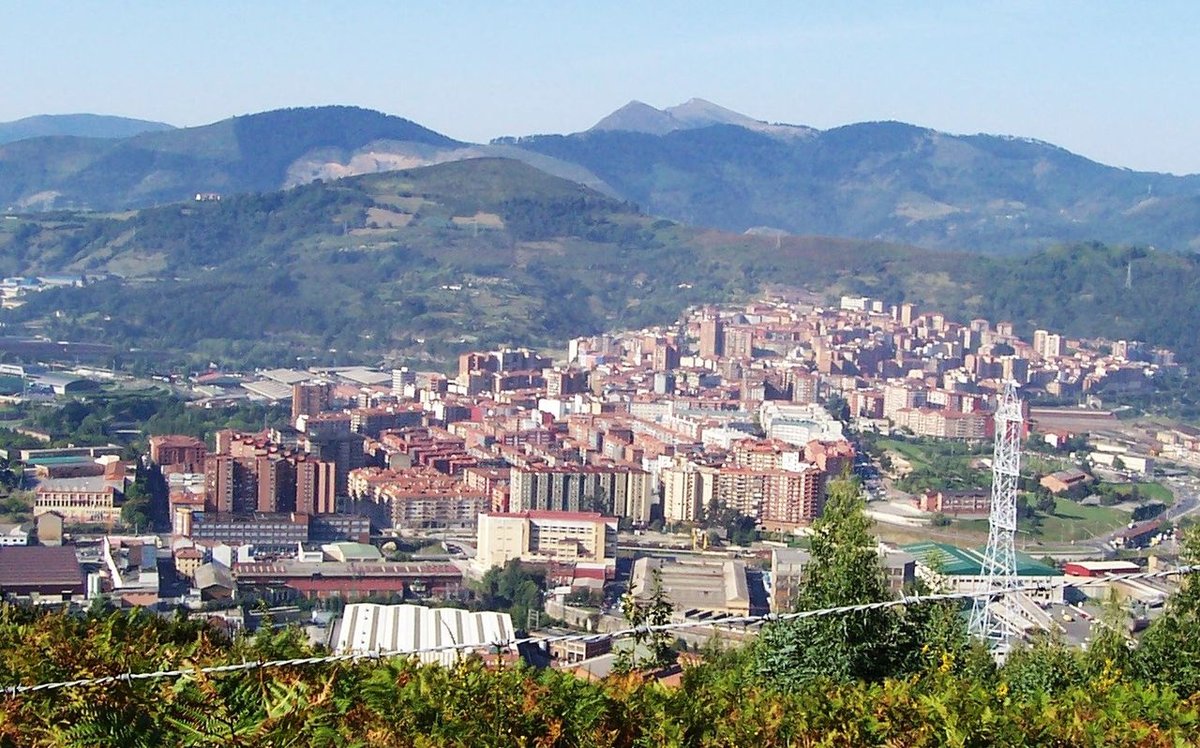
Tourism in Loiu has never followed the well-trodden routes of Greater Bilbao. For years the village was administratively part of the city and only regained its independence in the 1980s. That history still shapes its atmosphere. It feels like a place people pass through and return to, rather than a destination built for visitors. Many residents live here and work in Bilbao or at the airport, coming back in the evening to a landscape that remains largely rural. Between hangars, roads and fields there are still stables, vegetable plots and traditional baserri houses where windows open and voices call people in to eat.
A church above the valley
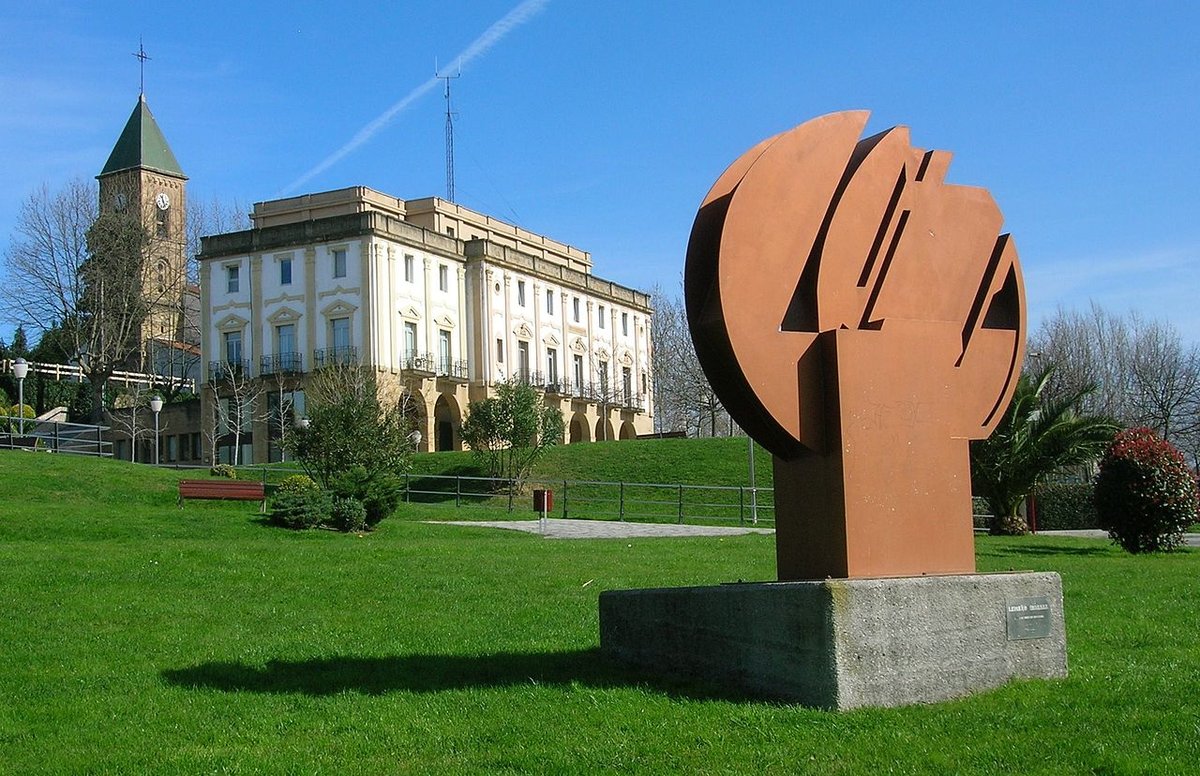
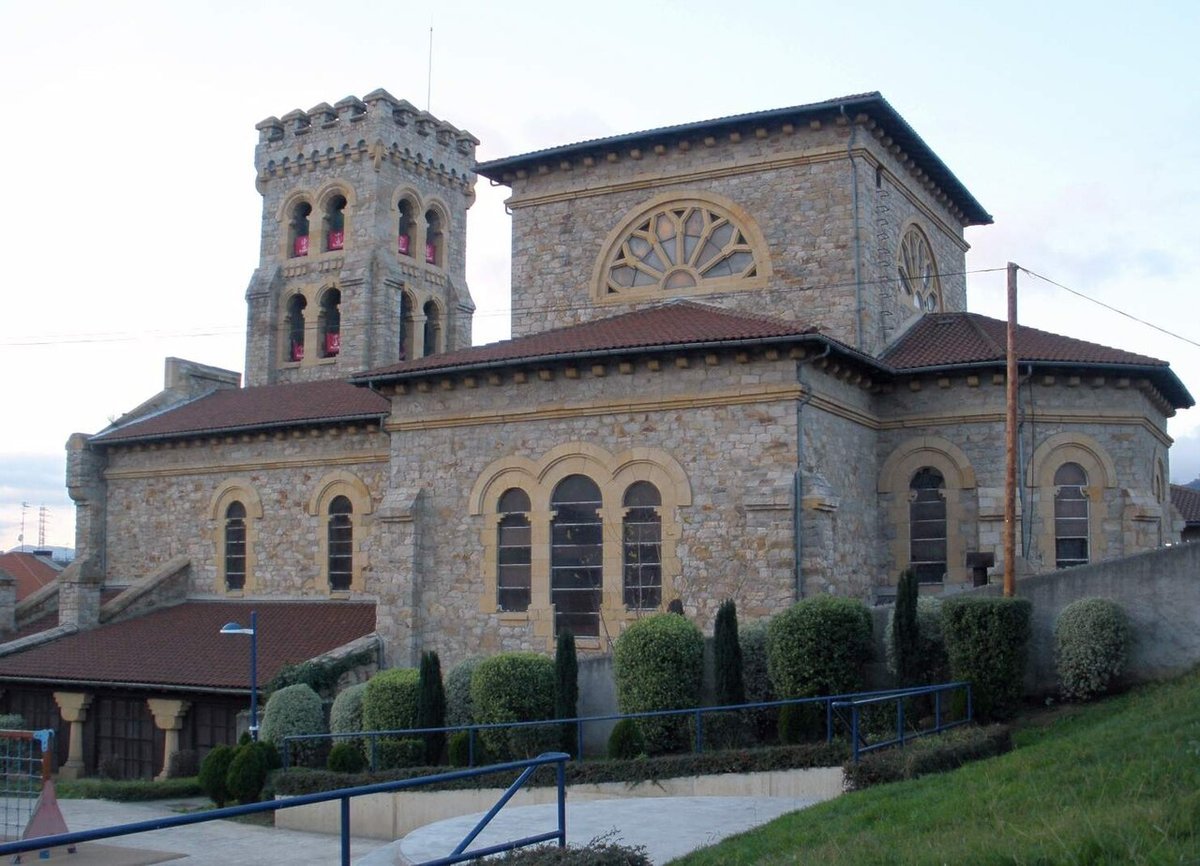
The church of San Pedro comes into view where the road widens and the valley opens out. The current building dates from after an earlier medieval temple that once stood here, with changes and additions layered over the centuries. The stone often appears darkened by moisture, and moss settles into the joints after several days of rain, something that happens regularly in this part of Bizkaia.
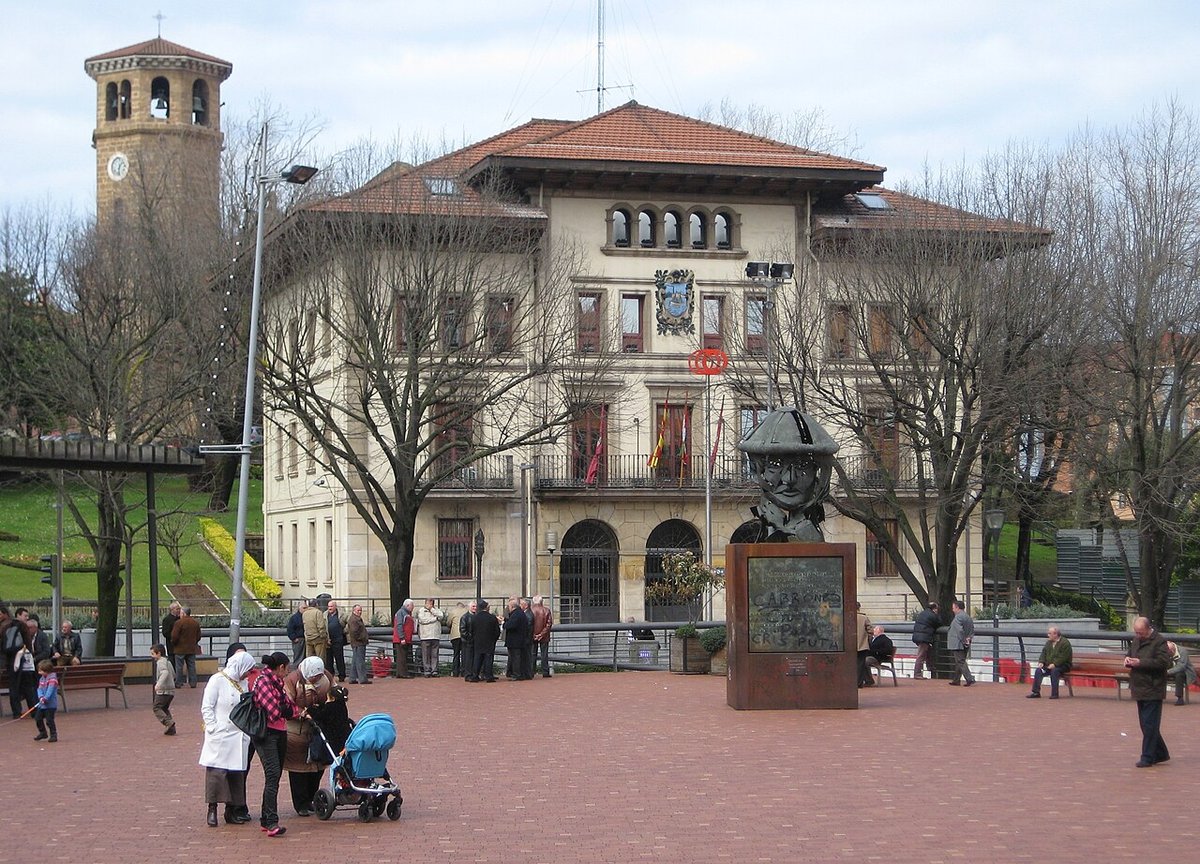
By mid-morning the bell can still be heard marking the hours. Life continues to pass right in front of the entrance. Older residents cross the square slowly, cars pull in briefly, and conversations begin and end in a matter of minutes before everyone moves on. It is a place where routine has not been pushed aside by the presence of the nearby airport.
Farmhouses on the slopes
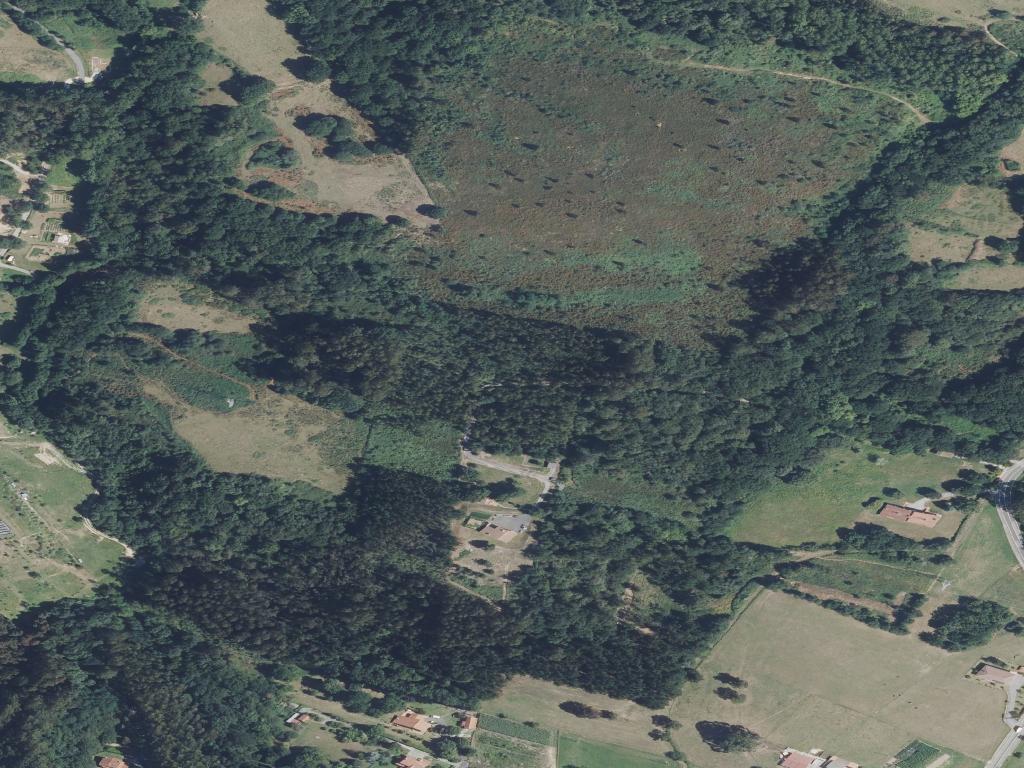
Higher up in the municipality, a number of old baserri houses remain, built from wood and stone, their oak frameworks darkened by time. They are not preserved as exhibits. Most are still lived in, even if fewer depend on farming than in the past.
Towards evening, when the sun drops low in the west, the wood takes on a deeper, warmer tone. A shutter might creak in the wind, and the quiet becomes more noticeable. It is a good time to walk slowly along the paths that climb up from the valley floor, without any need to hurry. The surroundings feel steady and lived-in rather than staged.
The old mill and the streams
A hydraulic mill survives in the municipality, a reminder of how much these small streams once shaped the local economy. Today its activity is mostly symbolic. Occasionally it opens to show how it worked, with the wheel, the channel that carries the water and the grinding stone all still in place.
The person who looks after it often explains that for generations maize and other cereals were milled here for the surrounding baserri houses. Whether it can be visited depends very much on the day and on who happens to be around, so it is not something to plan as a fixed stop.
Eating in the local way
In Loiu there are several asadores and sidrerías, traditional grill houses and cider houses where seasonal customs continue much as before. Natural cider is poured from the kupela, the large barrel, in a steady stream, and the food is straightforward and filling. Bacalao with peppers, tortilla de bacalao, grilled meat and cheese with walnuts appear regularly on the table.
When the dining room is full, the sound of cider hitting the glass mixes with the steady murmur of groups eating together. The floor often ends up splashed. That, too, is part of the atmosphere rather than something to be avoided.
Getting there and finding the moment
Loiu sits very close to Bilbao and can be reached easily by road or on an interurban bus. Those arriving by car often find it simplest to leave it near the frontón or the sports areas and continue on foot through the village centre.
During the week the pace is calm. At weekends, especially in good weather, the valley becomes busier with people heading out to walk or cycle. Even then, the rural character does not disappear, it simply shares space with more movement.
Spring and early autumn tend to be particularly appealing. The meadows are at their greenest, and the airport traffic is less noticeable than at the height of summer. A waterproof jacket is rarely a bad idea here, whatever the month.
A path for Sunday walks
Near the hermitage of Santa Lucía, small and white, set on a rise from which the airport runway can be glimpsed, a dirt path begins to climb gently along the hillside.
It is not especially well marked. Following the route used by local residents is enough. Within a few minutes the sound of engines softens, and what comes forward instead is the quieter rhythm of cows moving through the grass and, on clear days, the occasional seagull arriving from the estuary.
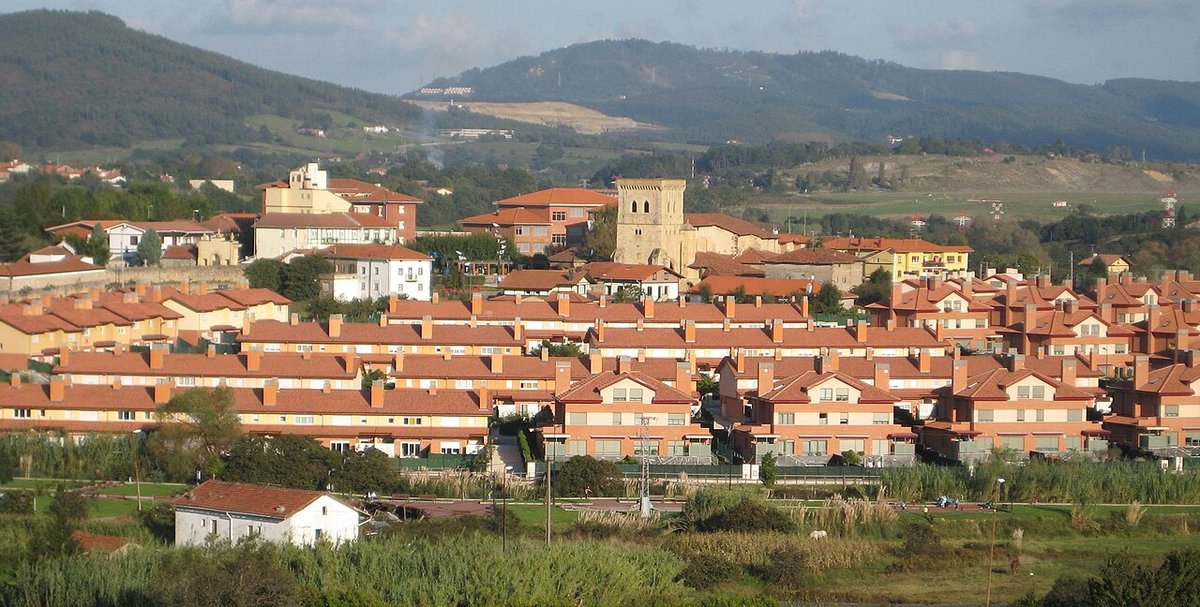
From higher up, the red roofs of the valley spread out below, alongside the airport buildings and, further in the distance, Bilbao extending towards the river. The walk is not long, but it shifts the perspective. Between one take-off and the next, a kind of rural stillness persists here, only a few kilometres from the city.