Full Article
about Muskiz (Musques)
Cantabrian Sea, cliffs and seafaring flavor in the heart of the Basque Country.
Hide article Read full article
A coast shaped by tide and industry
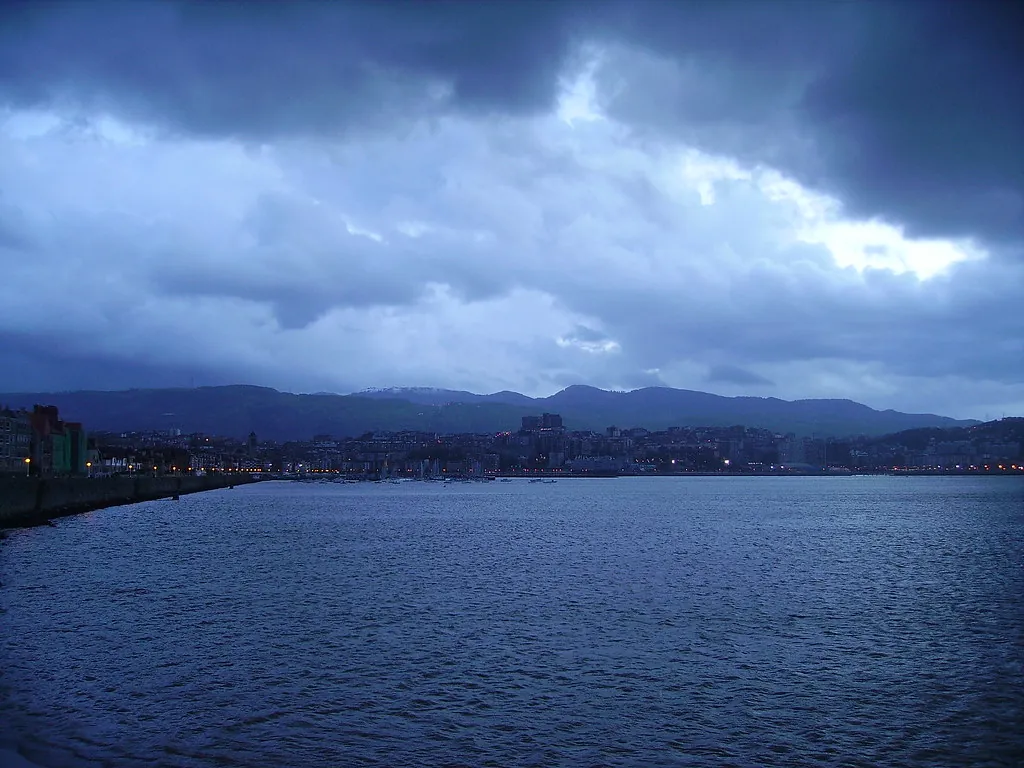
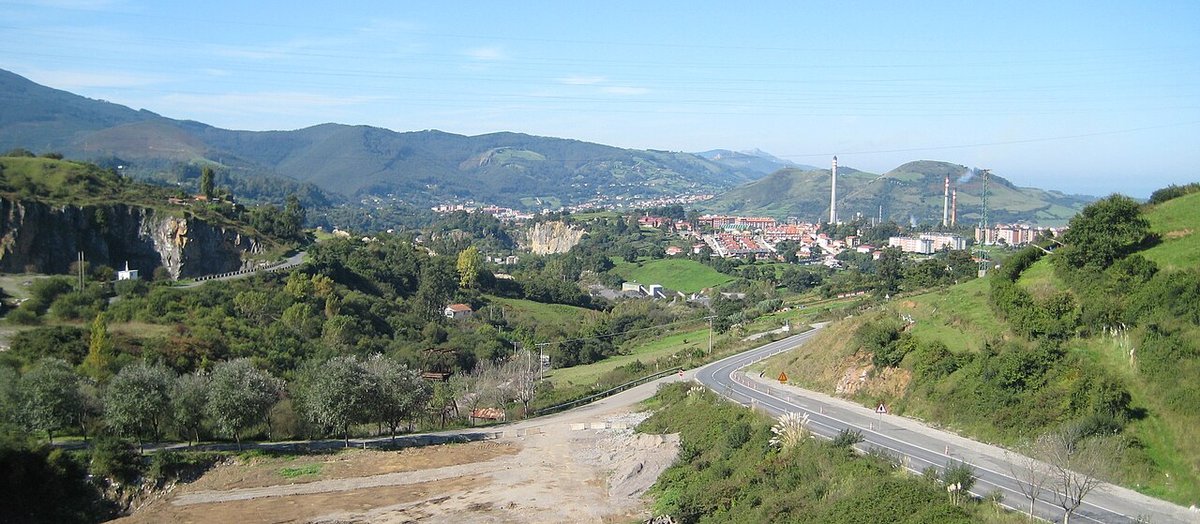
Tourism in Muskiz often begins with a smell. Early in the morning, the Cantabrian Sea carries something different here. It feels sharper, more metallic, with a heavier trace of salt, as if the water has spent centuries in quiet dispute with the land. From La Arena beach, when the light is still pale and low, the Petronor refinery draws a clear industrial outline in the distance. It sits within the landscape just as naturally as the surrounding hills or the rhythm of the tides, and says a great deal about the character of this place.
Time in Muskiz follows the sea. When the tide recedes, surfers spread across La Arena in their glossy wetsuits. When it rises again, the water swallows much of the sand and reveals a stretch of rounded stones that crunch underfoot.
The beach is shared with Zierbena, although on the ground there is little sense of where one municipality ends and the other begins. The water remains cold, even in July. Children run straight in regardless, shouting as they hit the waves, while adults tend to linger at the edge with towels draped over their shoulders, watching the horizon. Every so often, a tanker appears, edging its way towards the nearby port.
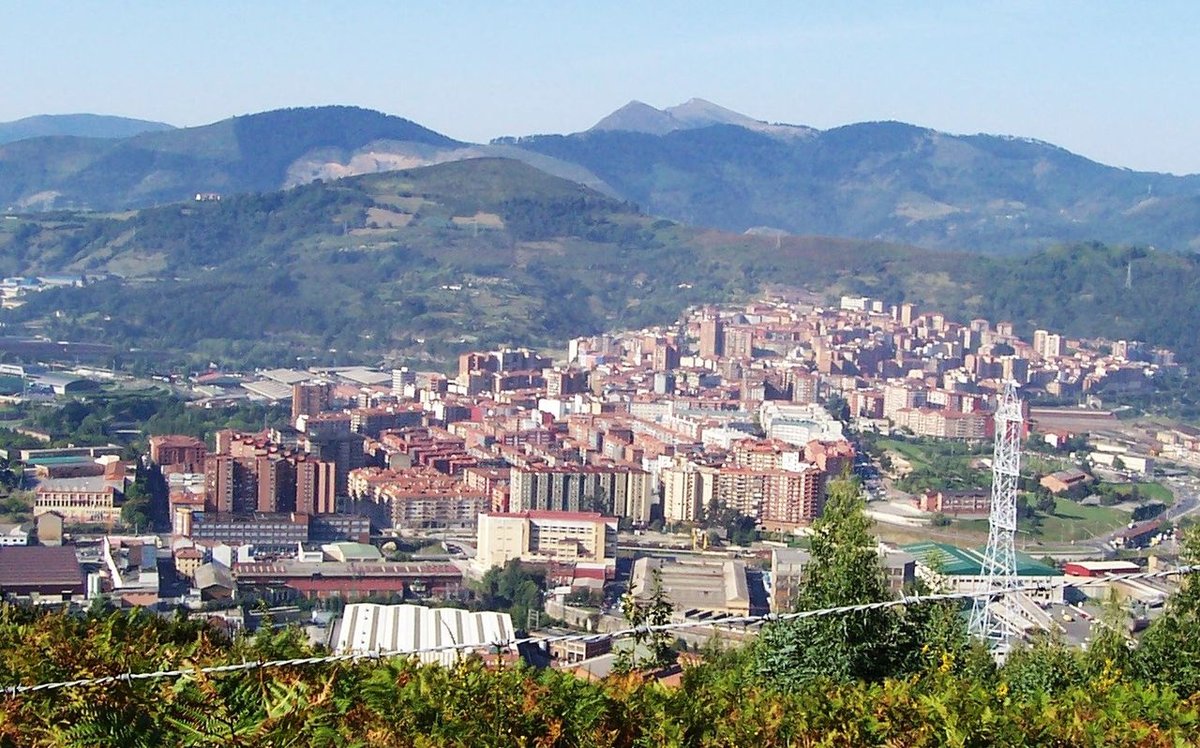
Behind the beach stands Monte Mello, rising just over six hundred metres. The climb takes a couple of hours at an easy pace. It is best to set off early, as sections of the slope are fully exposed to the sun. The path begins among eucalyptus trees and ends across loose rock where the wind from the bay comes straight on. From the top, the Barbadun estuary appears as a ribbon of green water cutting inland, while the town itself shrinks to a scattering of pale buildings beside the road.
Iron, river and memory
Heading back down towards the valley, the El Pobal ironworks comes into view beside the river, surrounded by alder trees and damp air. The main building dates from the sixteenth century and still holds the bellows, the forge and the living quarters where the ironworkers once stayed. On certain weekends, demonstrations bring the space back to life. The hammer strikes red-hot iron again, producing a dry, repetitive sound that can be heard from the bridge even before the building is in sight.
For centuries, workshops like this supported shipbuilding along the Bilbao estuary. Iron ore from these hills was transformed into nails and tools, along with other essential pieces that travelled far beyond the region.
A short distance away stands the castle of Muñatones, built on a small rise. Its main tower reaches a little over twenty metres and is easy to recognise from afar due to its compact mass of dark stone. Inside, a very narrow spiral staircase winds up floor by floor. This fortified house was home to Lope García de Salazar, author of Las Bienandanzas e Fortunas, one of the major medieval chronicles describing the lineages and conflicts of the area. The view from the top remains much the same today. Hills stretch outwards, the industrial corridor of the estuary cuts across the landscape, and on clear days there is a distant glint of the sea.
Firelight, food and local traditions
At the end of June, the festivals of San Juan and San Julián arrive. These are days when many people return, especially those who now live elsewhere along the left bank of the Bilbao estuary or in the city itself. They come back for their social groups, for music, and for long meals that spill out into the streets. As evening approaches, the frontón, a traditional Basque pelota court, often becomes a central meeting point.
The smell of grills appears early in the day. Smoke from holm oak mixes with freshly poured cider and the sharp crack of firecrackers, creating that dense atmosphere typical of a local celebration that stretches well into the night.
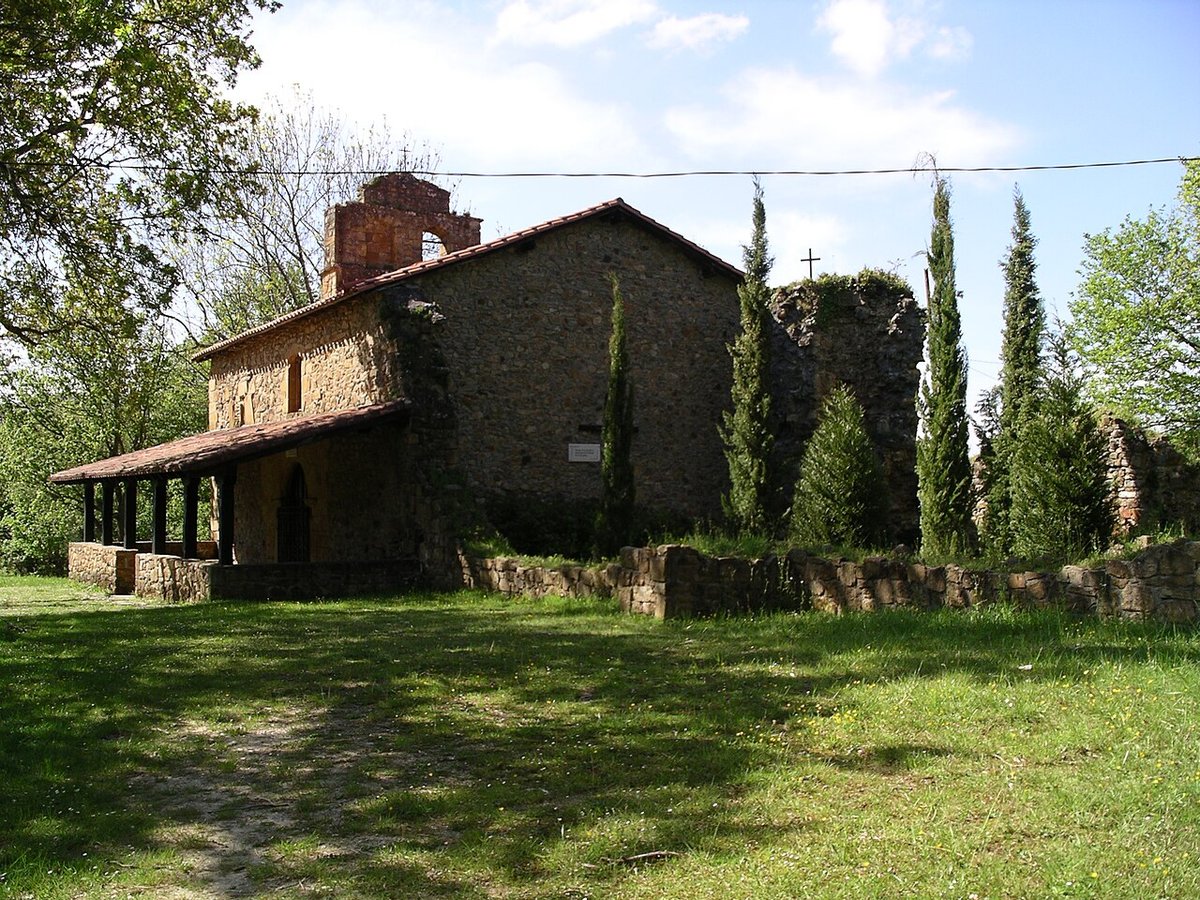
In September, local tradition calls for the Virgen del Socorro to be carried down from her hermitage in a romería, a type of rural procession. The route passes through part of the Barbadun landscape. Nearby is the cave of San Pantaleón, linked to old stories of hermits and sailors. Today, the setting feels quiet and almost concealed among vegetation. It is not unusual to find the remains of a candle or a small bunch of flowers left behind by someone who visited earlier.
The rhythm of the day
Muskiz shifts noticeably depending on the hour. Early in the day, the beach is nearly empty. The only sounds are the sea and, in the distance, the steady hum of industry. By midday, the car park at La Arena begins to fill, and in summer it can be difficult to find space without arriving early.
Weekends in July and August bring a louder atmosphere. Those looking to walk along the shore with a bit of room are better off coming during the week or setting out early in the morning.
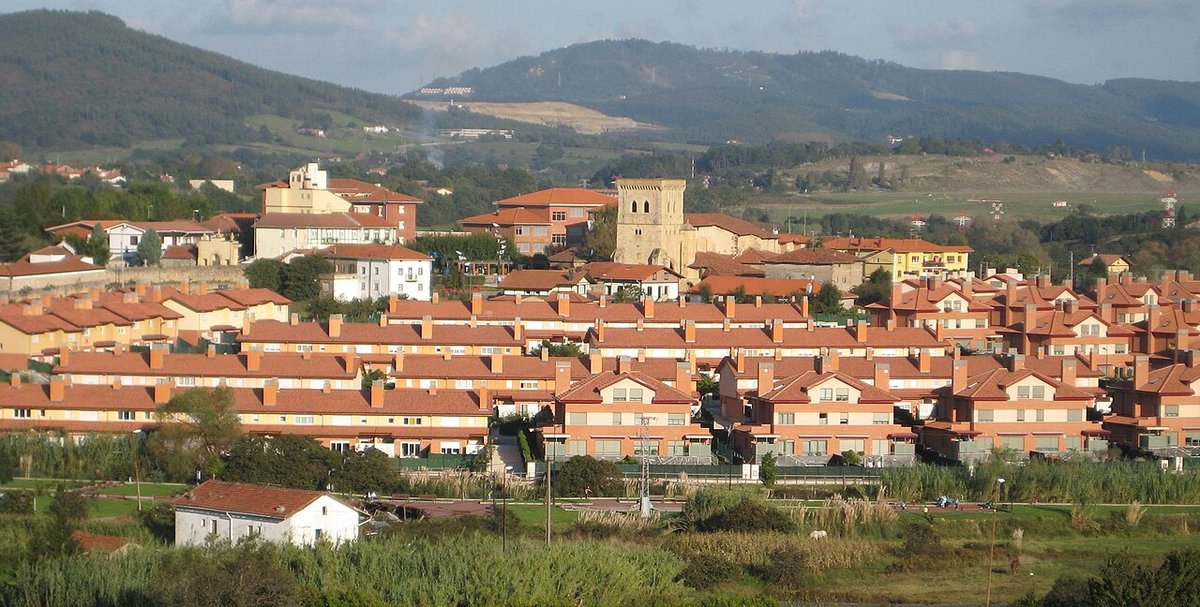
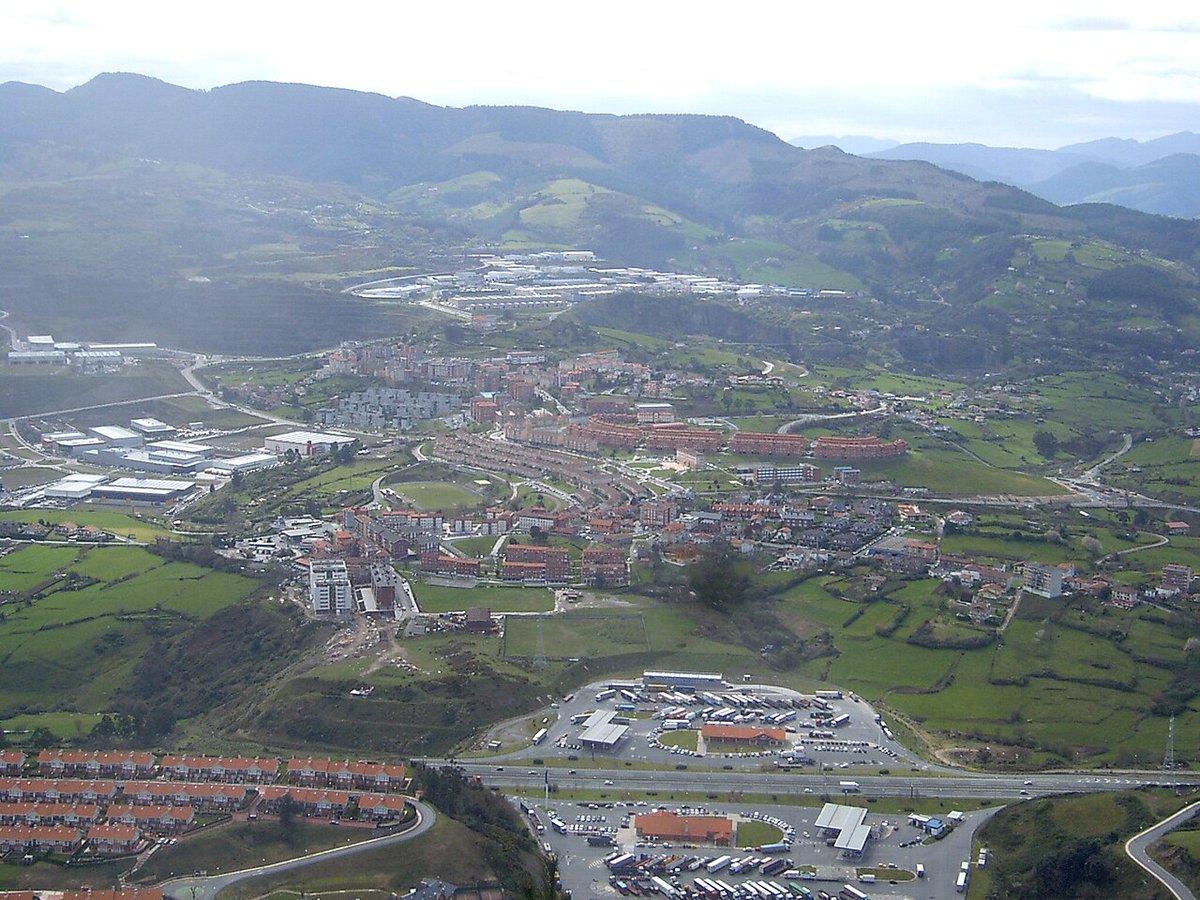
This is not a place that fits neatly into a postcard image. Lorries pass along the road, chimneys rise in the background, and some neighbourhoods have been built with little attention to ornament. Yet there are also paths that climb into the hills and return again to the sea, a river crossing the valley, and a particular feeling at dawn. It is the sense of standing at an edge where industry and nature have spent decades learning how to exist side by side.