Full Article
about Santurtzi (Santurce)
Cantabrian Sea, cliffs, and seafaring flavor in the heart of the Basque Country.
Hide article Read full article
A town shaped by the estuary
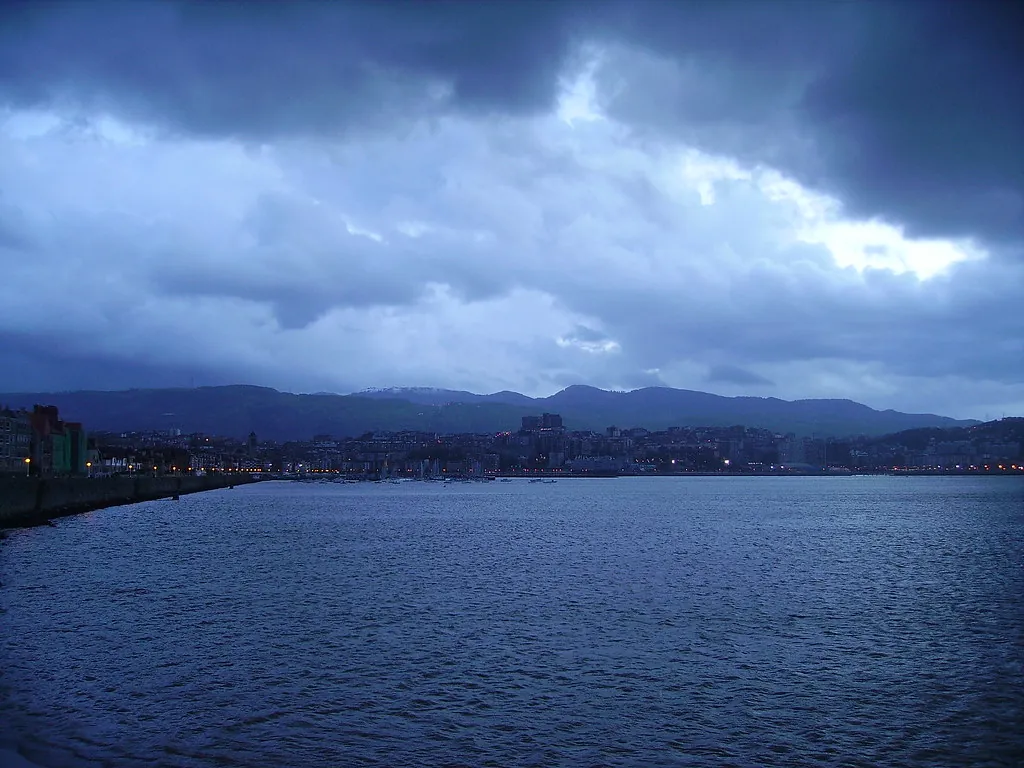
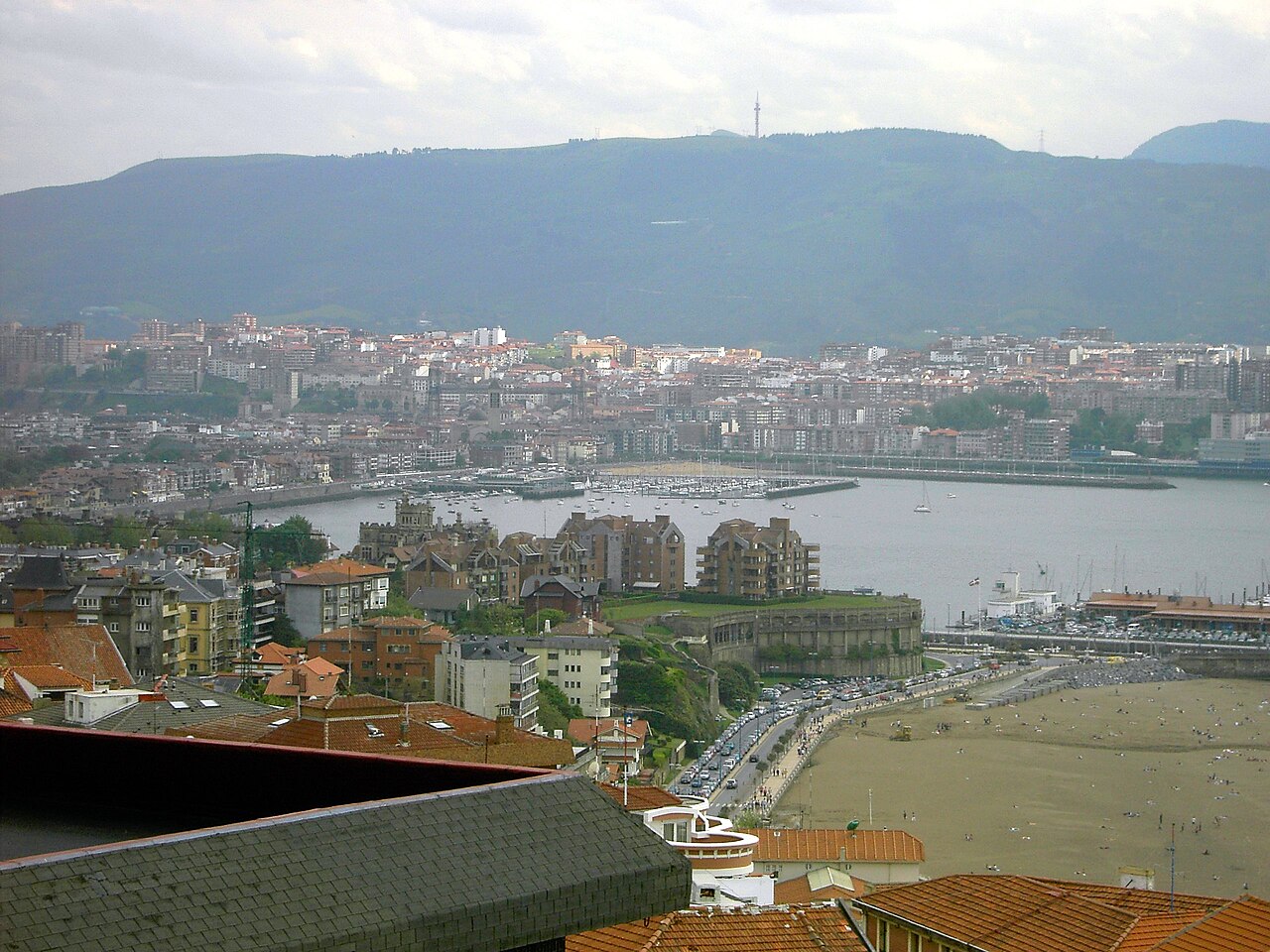
The first written reference to Santurtzi dates back to the 11th century. Nine centuries later, it remains where it began, beside the water at the edge of the Nervión estuary. The sea explains much of what the town is today. The old fishing port determined its layout and still sets the pace of daily life, even as it shares space with a marina and vessels used for maritime training by the University of the Basque Country.
Santurtzi developed around a bend in El Abra, where the estuary begins to open towards the Cantabrian Sea. That small geographical advantage allowed for a relatively sheltered port and ended up defining the character of the place. The waterfront is still the clearest expression of that link. Boats come and go, and the spaces once used entirely for fishing now coexist with leisure sailing and training ships.
The port and its traditions
On the quay, the statue of the Virgen del Carmen faces the water. It is not placed inside a church but oriented towards the estuary, a reminder of the work that sustained generations here. The connection between faith and the sea remains visible each summer, when the figure is taken out in a maritime procession. The image is placed on a boat and travels along the estuary, accompanied by smaller vessels while songs are sung from the quay. It is a scene closely tied to local memory.
The fishing port is still active, particularly early in the day when fish arrives at the market inaugurated at the start of the 20th century. Activity continues around the harbour, though it has changed in form. Next to it, the marina occupies part of the space where traditional fishing once concentrated. Among the moorings, the “Saltillo” is often visible, a three-masted ship now used as a training vessel.
These layers of use, from working port to teaching space, show how Santurtzi has adapted without losing its maritime focus. The estuary remains the centre of attention, whether for work, learning or daily routines.
Up to Monte Serantes
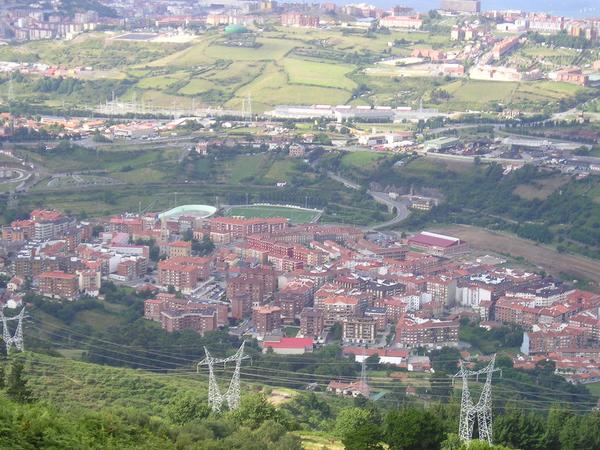
Monte Serantes rises to just under three hundred metres and dominates the landscape of the lower estuary. From the summit, the position of Santurtzi becomes clear, set between El Abra and the inner stretch of the river. Because of its strategic value, a fortification was built here in the 19th century, and remains can still be seen.
The walk up from the town usually takes a little over an hour. Along the way stands the hermitage of Cornites, linked to old blessings of fields before sowing. The site continues to play a role in local tradition. On Easter Monday, groups from the town climb the mountain to eat the bollo de Cornites. This round bread, filled with boiled egg and chorizo, is prepared by local bakeries during those days.
It is not a festival designed for visitors but a custom maintained within the community. The atmosphere comes from that familiarity rather than from organised events. At the top, the view stretches across the mouth of the estuary, over industrial docks and westwards to the open line of the Cantabrian Sea. The contrast between industry and open water is easy to read from this vantage point.
Walking the waterfront and remembering
A waterfront promenade follows the estuary and allows a walk from Santurtzi towards Portugalete and Getxo, always alongside the water. The route helps make sense of how different worlds coexisted for decades: the working life of the port and the presence of Bilbao’s bourgeois families who spent summers on the opposite bank.
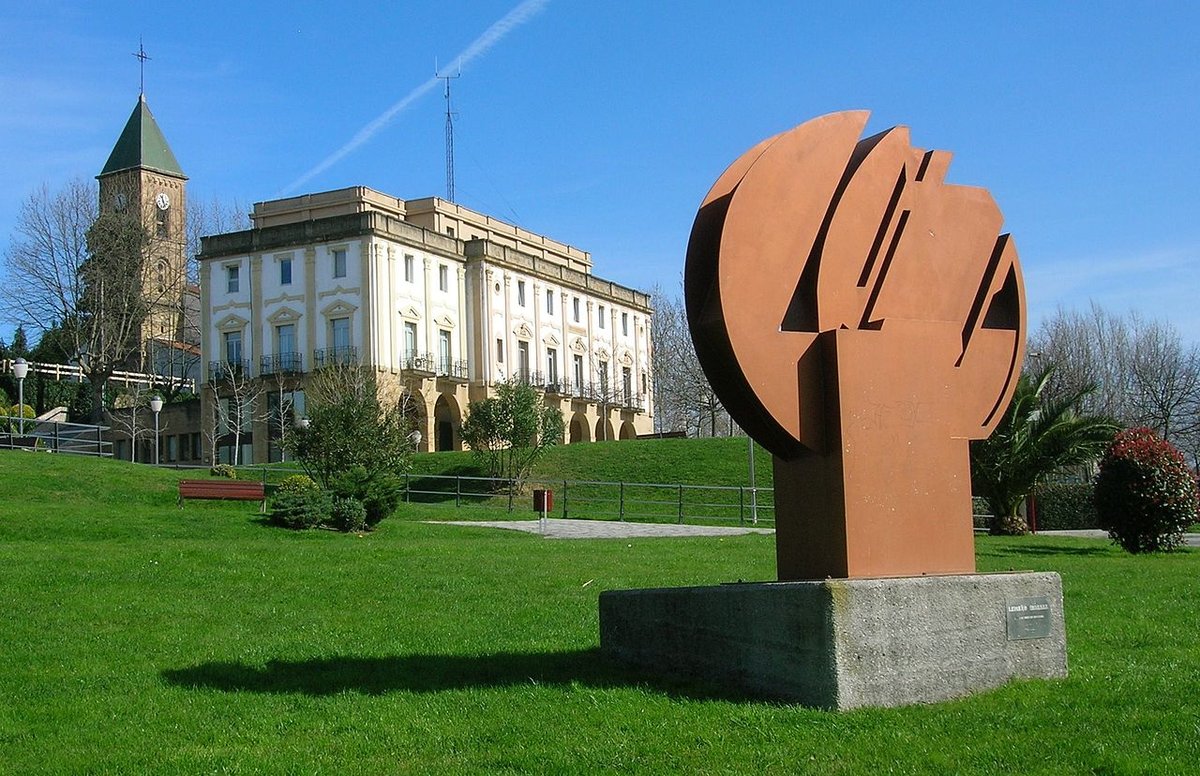
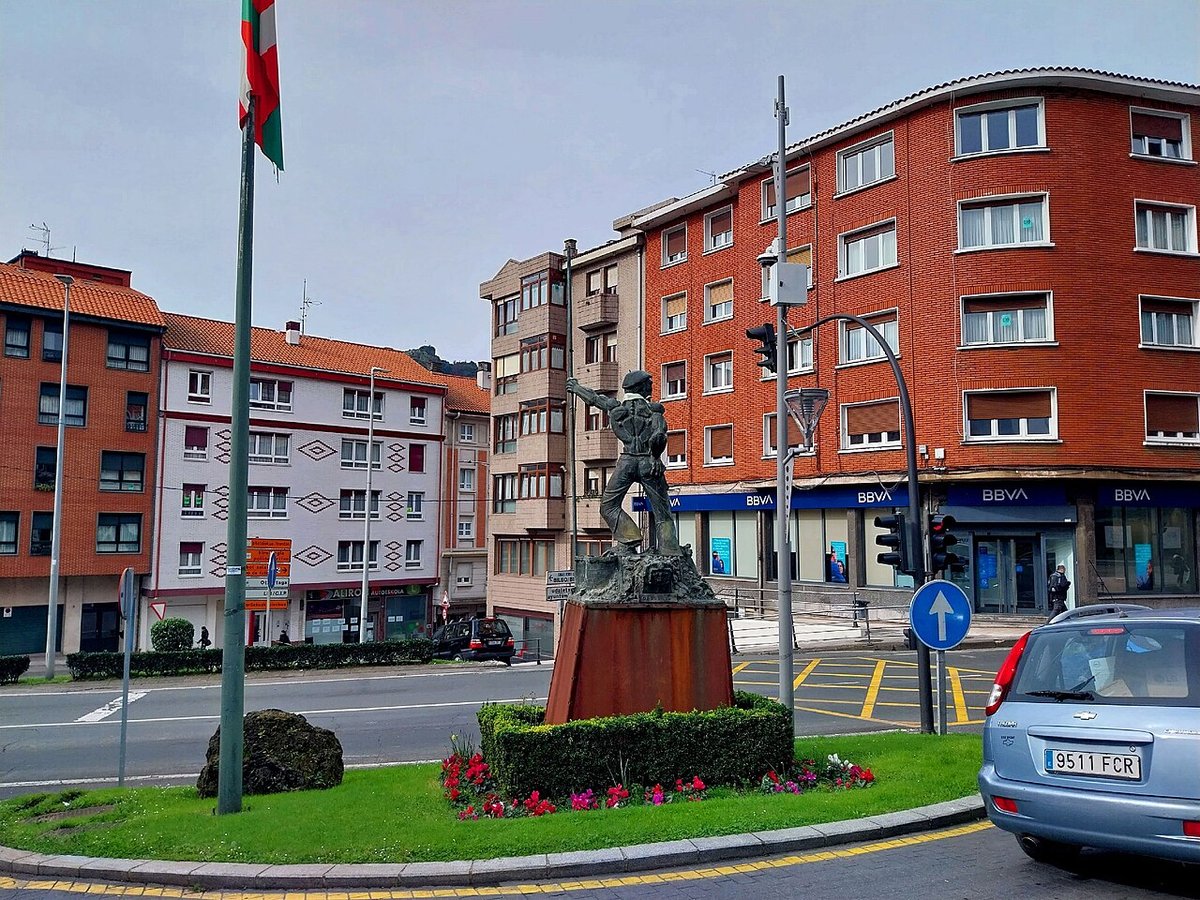
Within Santurtzi itself, one of the most visible reminders of port life is the monument to the sardineras. These women carried fish from the quay to Bilbao, either on foot or by tram, balancing baskets on their heads. The sculpture represents “La Bella Charo”, a well-known figure in local imagination, though it functions as a collective tribute rather than a portrait of a single individual.
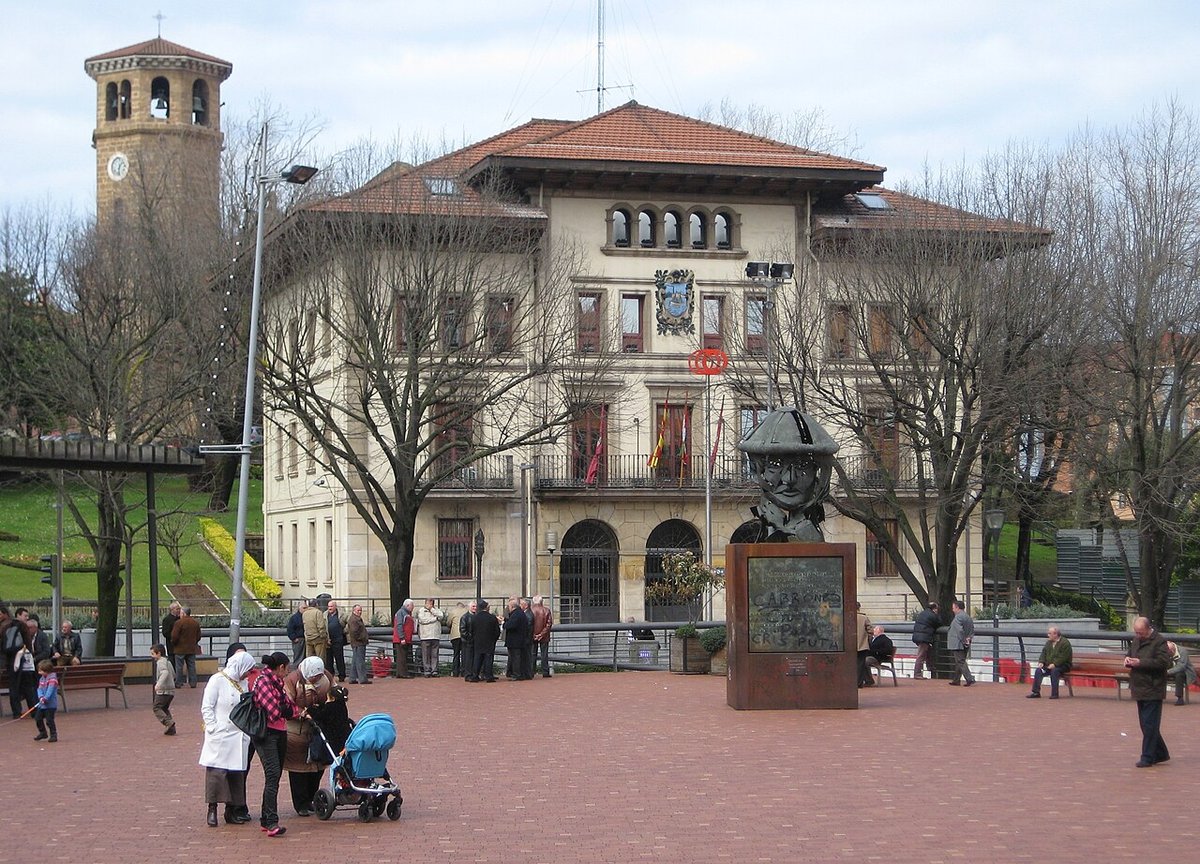
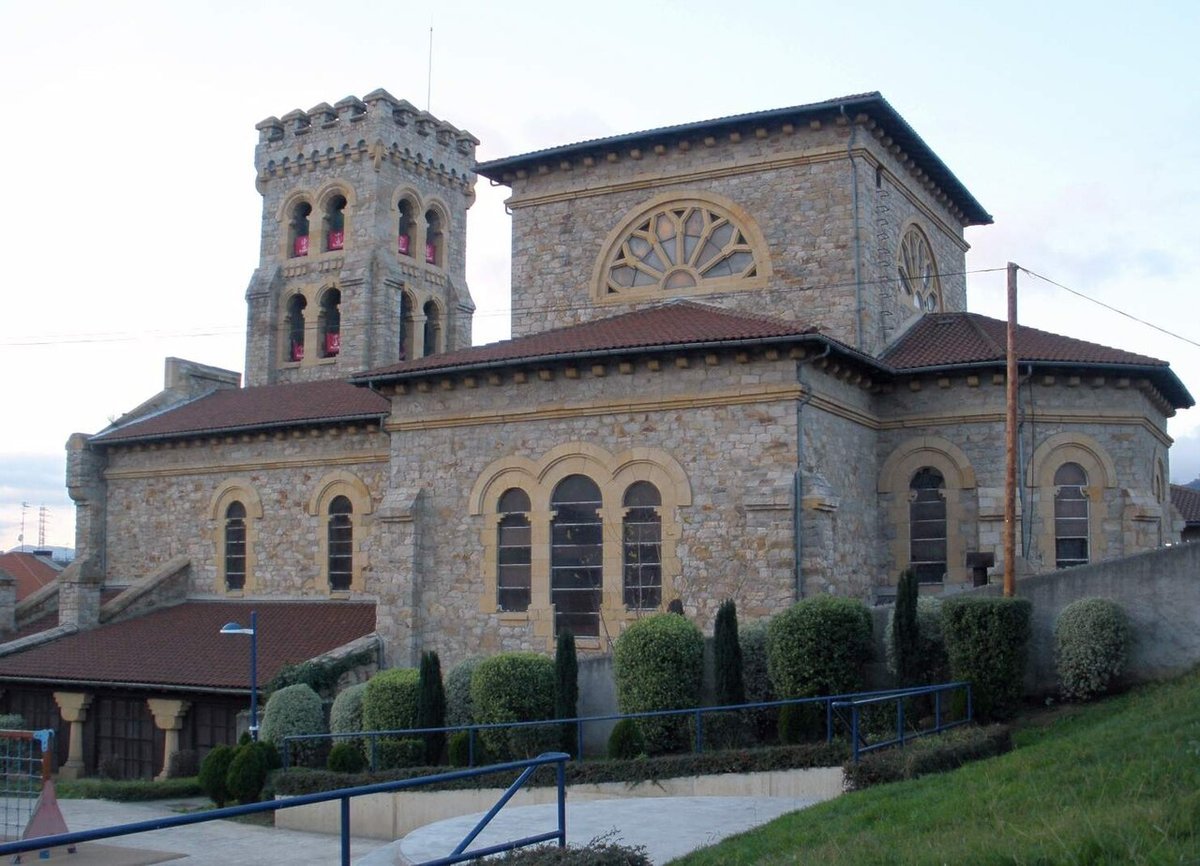
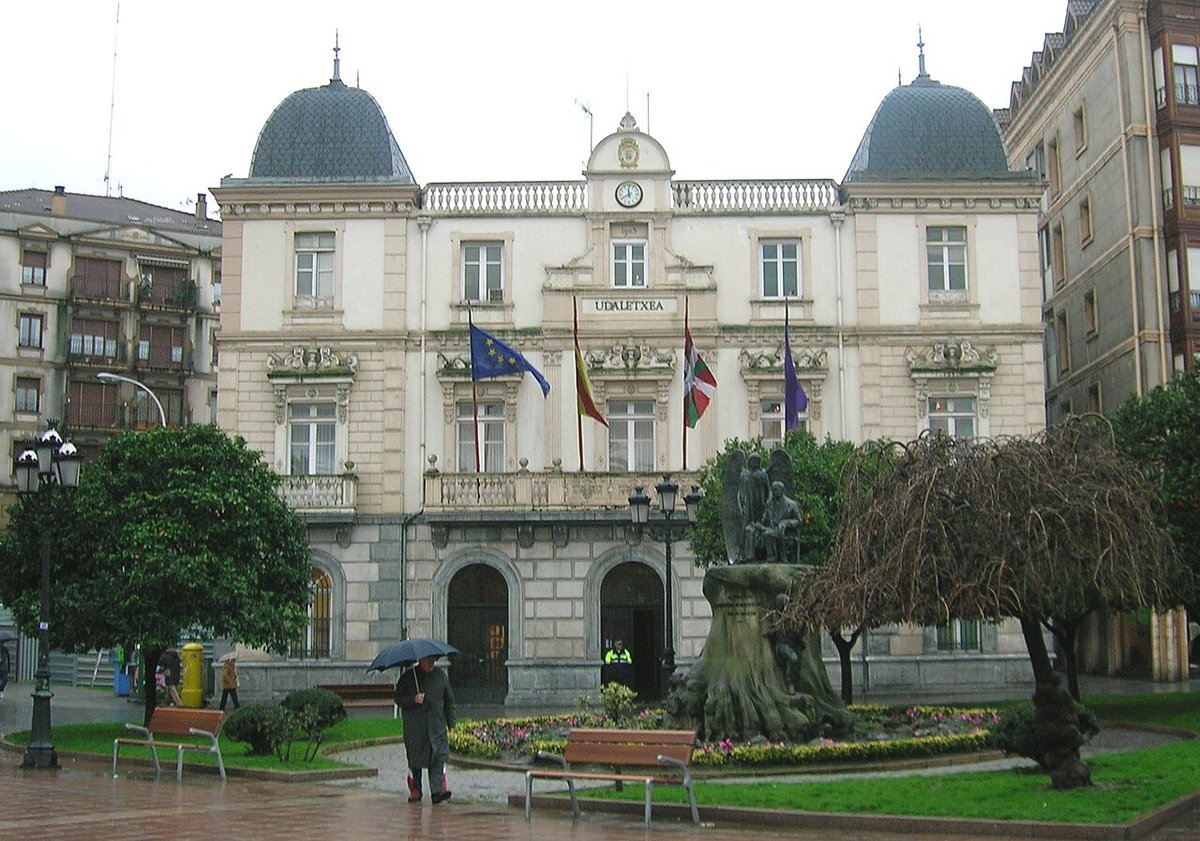
Nearby stands the Mamariga fountain, moved in the 19th century from its original location. It sits between the town hall, built in an eclectic style, and the Casa Torre, one of the historic buildings of the municipality. These elements, close together, bring different periods of Santurtzi into view without needing to leave the centre.
Food that follows the catch
Local cooking is closely tied to the fish arriving at the market. Dishes such as bacalao al pil‑pil, merluza en salsa verde and kokotxas are part of everyday cooking and of the gastronomic societies that are so present across the Basque Country. These are not occasional specialities but part of a shared culinary language.
When sardine season arrives, grills often appear along the quay. The method is simple but requires attention. The heat is kept at a certain distance so the fat can drip without burning. Sardines are opened by hand and eaten almost straight from the embers, usually with bread and some wine. Few preparations express more clearly the connection between the port and the table.
Food here is less about presentation and more about continuity. What comes in from the water finds its way, with minimal transformation, onto plates and into gatherings.
Getting around Santurtzi
The centre of Santurtzi is easy to explore on foot. The metro station is close to the port, making it a natural starting point both for the waterfront walk and for the route up Monte Serantes.
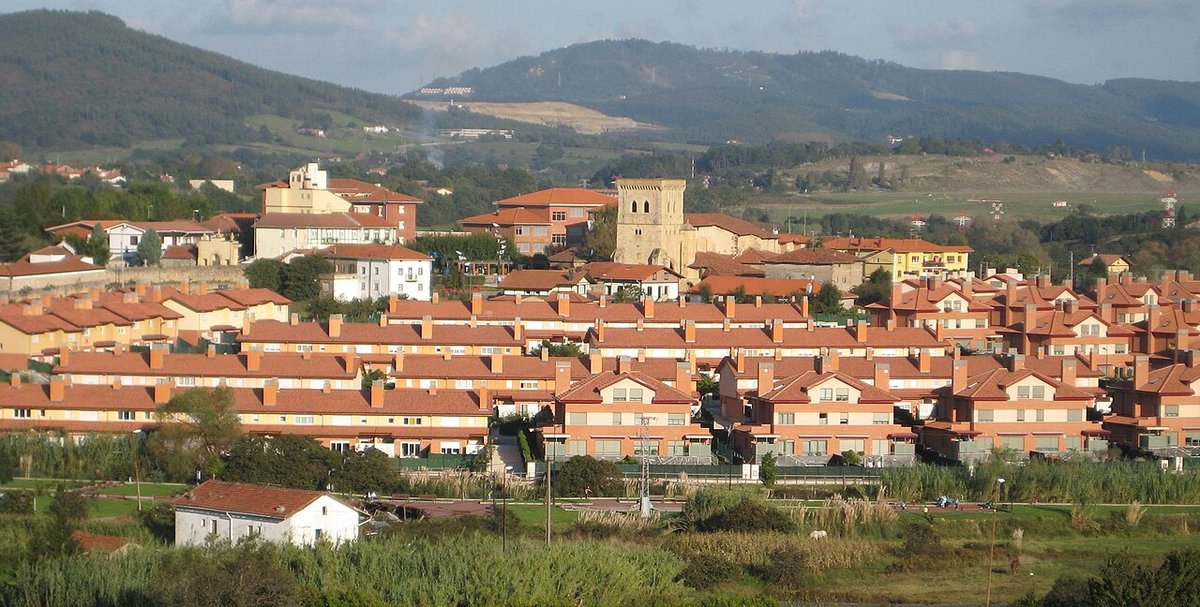
For those arriving by car, parking is generally easier near the marina, where development is more recent. The metro connects directly with Bilbao and with other towns along the estuary, so moving around the area is straightforward without relying on a car.
Santurtzi remains oriented towards the water, just as it was centuries ago. The port, the hillside and the traditions tied to both continue to shape how the town is experienced today.