Full Article
about Sestao
Valleys and hamlets a stone’s throw from Bilbao, buzzing with local life.
Hide article Read full article
Where the river carries a memory
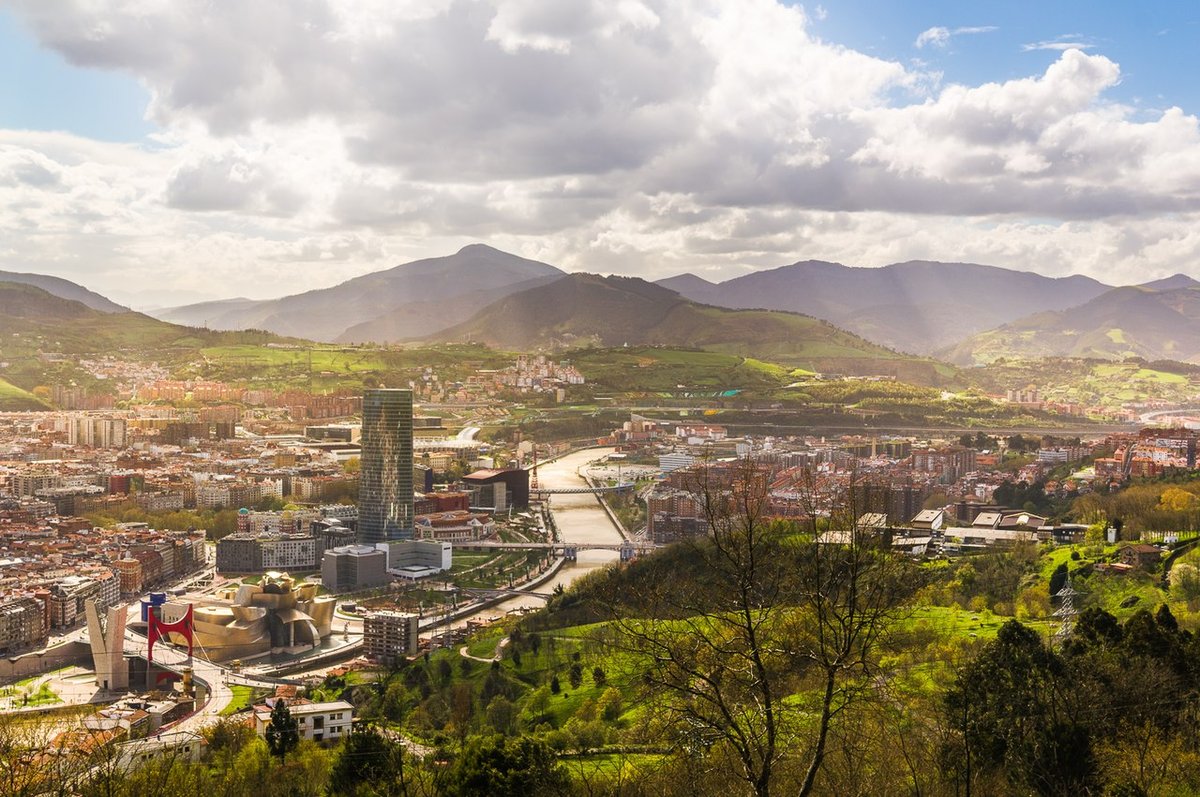
There is a moment, just as the metro glides over the estuary and the houses of Sestao press up against the window as if they have something to say, when you wonder if you got off too early. This is not Bilbao with its Guggenheim, nor Getxo with its grand villas. This is Sestao, and the first thing that registers is not a postcard view but a smell: sea air mixed with something metallic that seems to linger at the back of the throat.
That first impression sets the tone. Sestao does not try to impress in obvious ways. Its story sits closer to the surface, tied to the river and to the industry that once defined everything here.
When steel stopped singing
The Alto Horno nº1, a former blast furnace, dominates the skyline. At around 80 metres tall, it stands like a retired heavyweight, rusted but still carrying a certain dignity. For decades it was part of the daily rhythm of the town. Where fire once poured out, there is now a visit that leads up to a viewpoint, a place that helps make sense of what happened on this stretch of the Nervión.
Sestao’s history is often told through industrial figures. In the late 19th century it was a small settlement. Within a few decades it filled with workers arriving from across Spain. By the end of the 1970s, the population had reached levels that feel hard to imagine today when looking at the size of the municipality.
This was where you came if you were looking for work in shipyards or steel. Entire families lived close to the factories, often in houses built quickly because proximity to the morning shift mattered more than anything else. There is a local saying that in the 1950s you could smell money on La Pela street. It was a mix of sweat, coal and freshly paid wages that usually ended up in neighbourhood bars.
Today, money smells different. Parts of the old industrial land have been repurposed, and some of the large industrial buildings are used for activities that would have seemed unlikely half a century ago. Still, something lingers in the air, as if the chimneys have kept a memory of when this side of the estuary was working at full capacity.
The Kasko and life on the slope
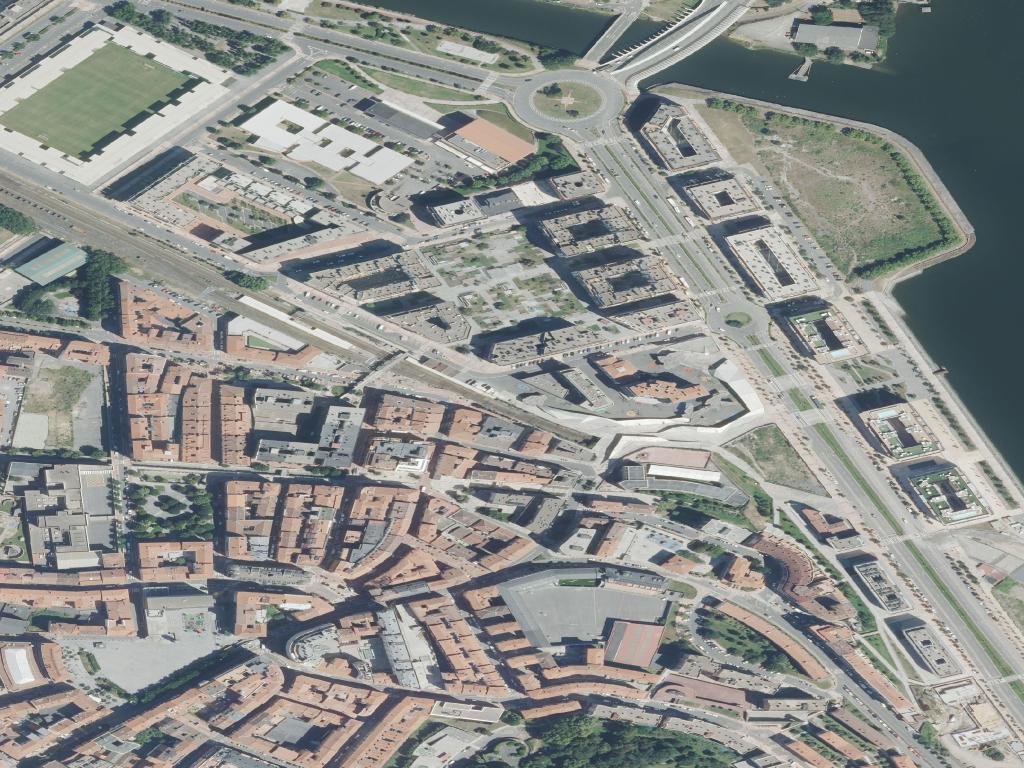
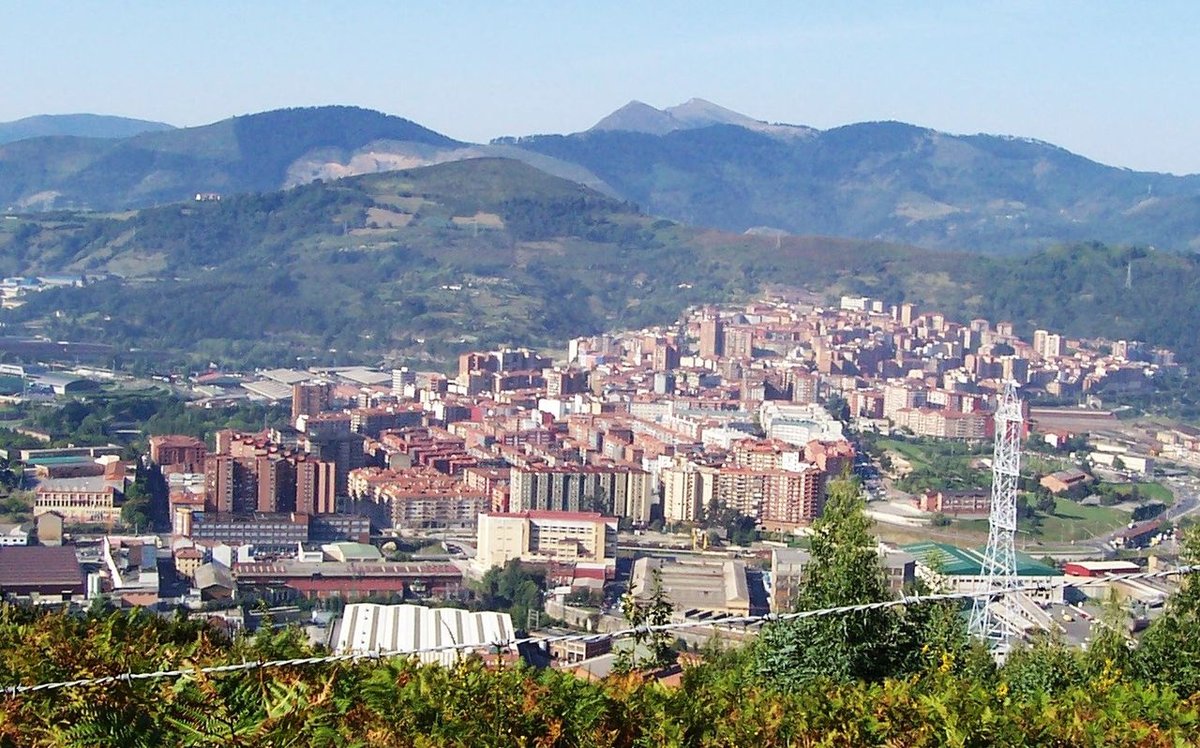
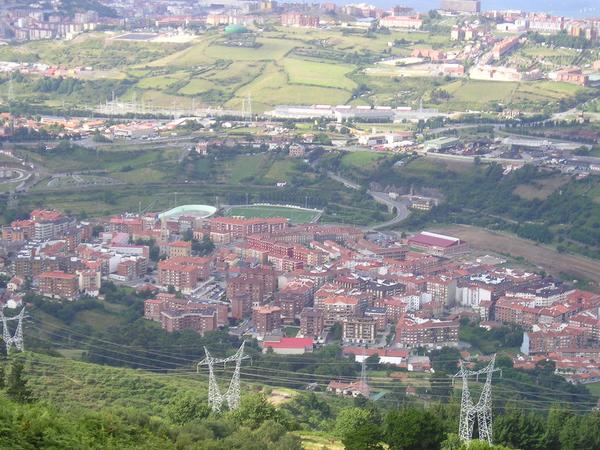
Step out of the metro and the layout of Sestao becomes clear straight away: it climbs. The Kasko, the old quarter, clings to the hillside with narrow streets where buildings face each other closely, almost window to window. Balconies nearly touch, and washing lines reveal more about daily life than any guidebook could.
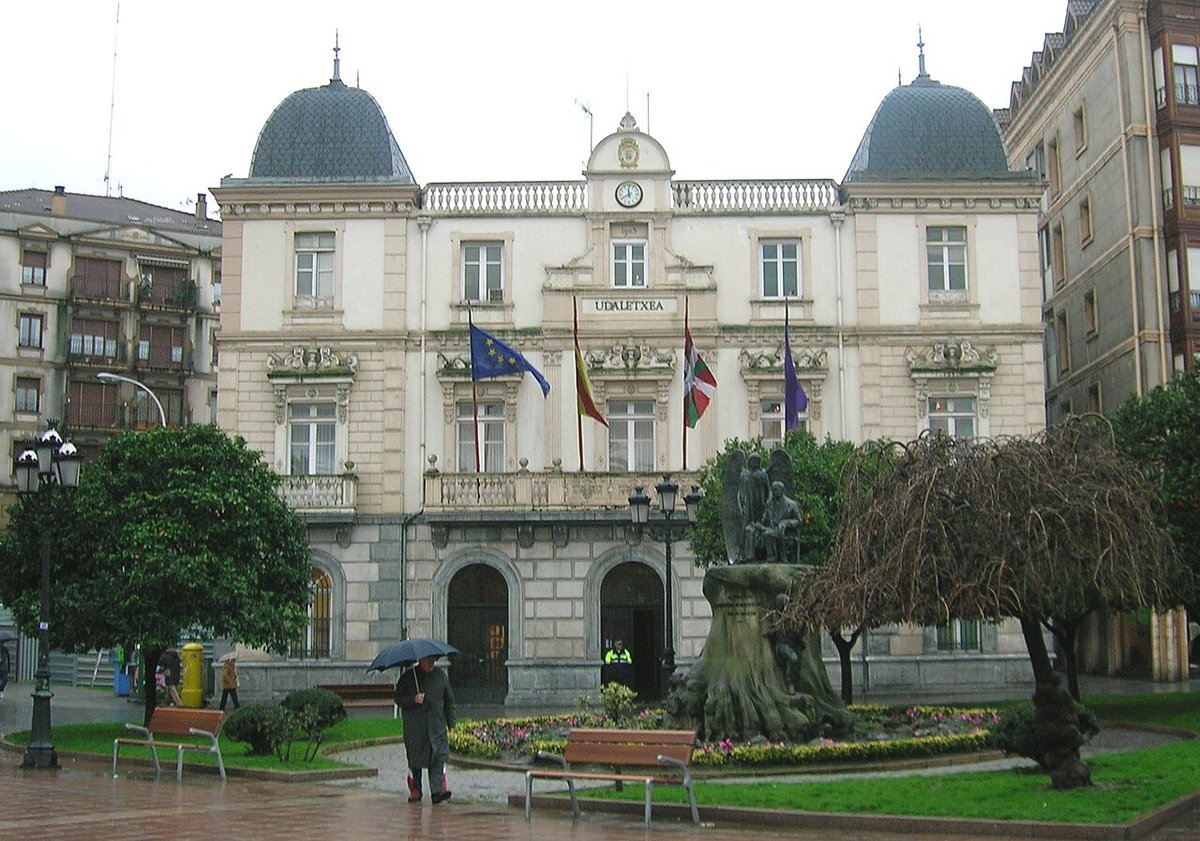
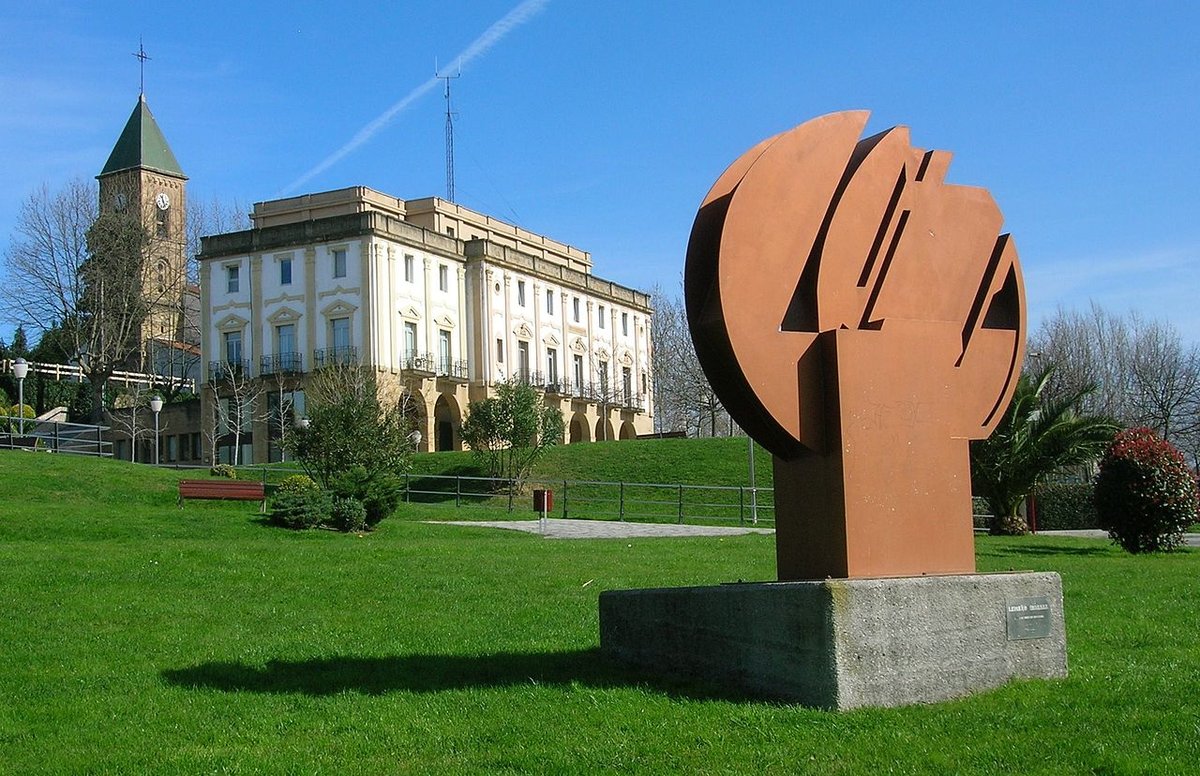
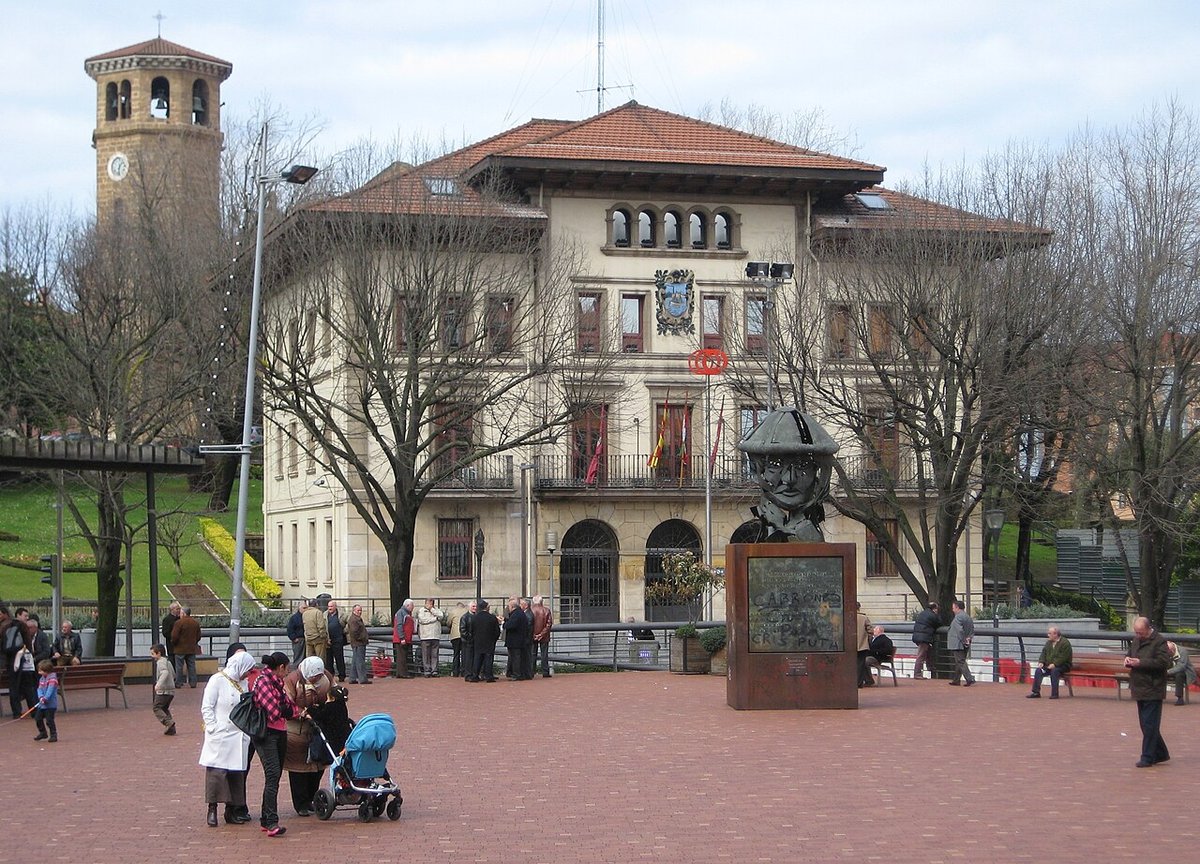
In the main square of the Kasko stands a monument dedicated to workers. It is easy to miss if you are in a hurry, but it fits naturally into the story of the place. Older residents still share anecdotes that never made it into official histories: protests, strikes, arguments over the price of wine in the taverns of the time. Small details, yet they help explain the character of the area.
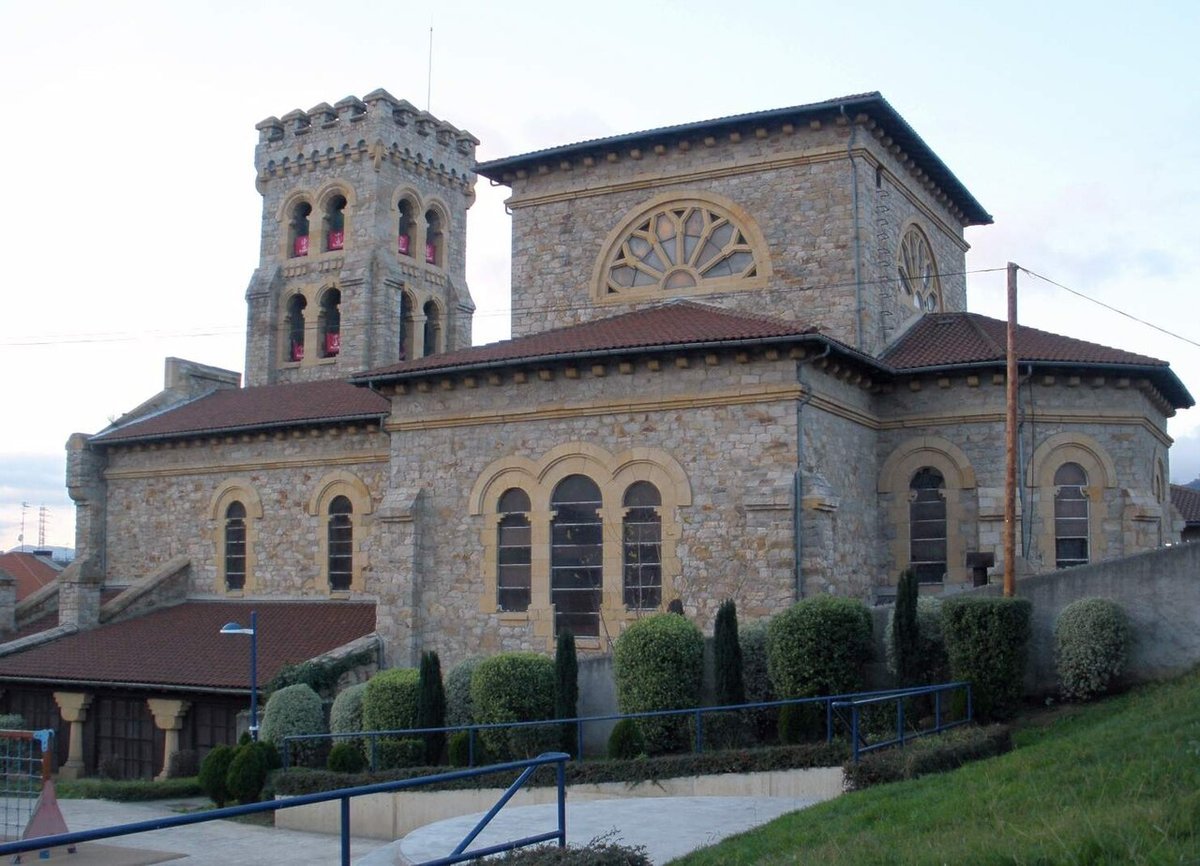
At the top sits the church of Santa María, rebuilt after a fire in the early 20th century in a robust style known as neovasco. From here, the shape of the neighbourhood becomes easy to read. Streets rise and fall, and their names recall the working life that defined them: La Pela, San Francisco, La Esperanza. There is also a strong sense of community that comes through without needing explanation.
Walking between iron and tides
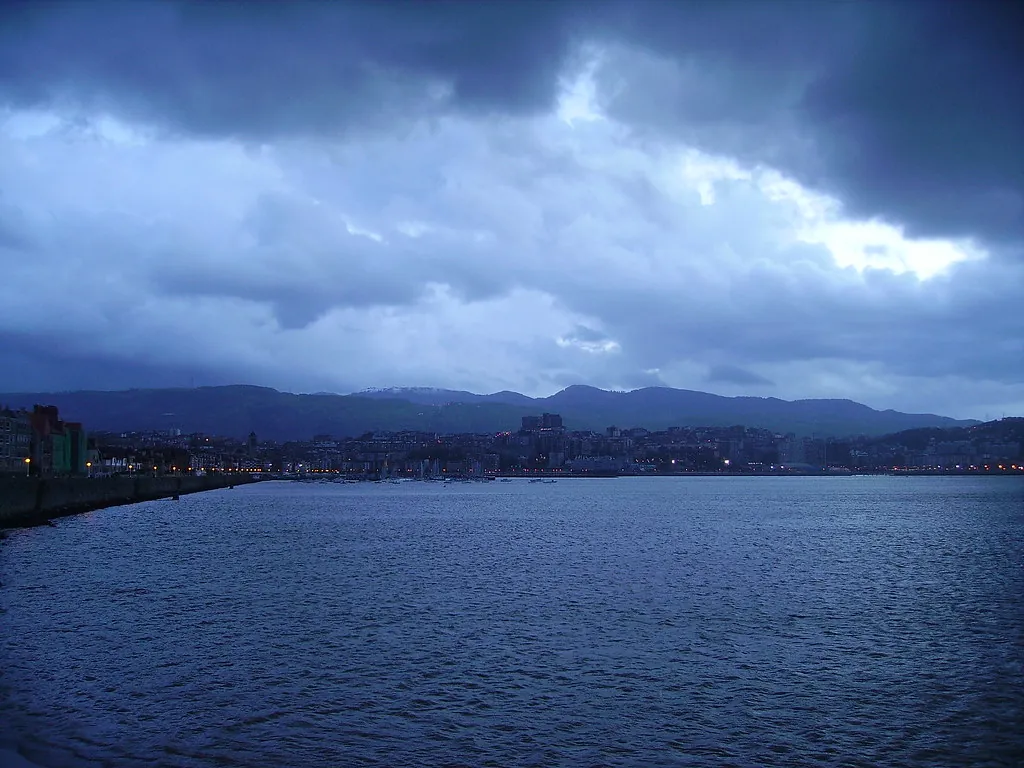
One of the clearest ways to understand Sestao is to follow the river. Walking routes trace the edge of the estuary, linking former industrial spaces with residential neighbourhoods and eventually leading towards the area of the Puente de Vizcaya, a well-known transporter bridge nearby. Depending on the route, it can add up to several kilometres on foot.
Along the way, some panels display old photographs. The same corners appear, but decades earlier: lines of workers entering factories at dawn, enormous cranes where today people cycle or walk their dogs.
The La Benedicta promenade is one of the more pleasant stretches beside the water. A bidegorri, a cycle and pedestrian path typical of the Basque Country, runs alongside the estuary and connects Sestao with neighbouring towns such as Portugalete. On one side, remnants and structures from the industrial past remain visible. On the other, the Nervión looks far cleaner than it did during the hardest years of steel production.
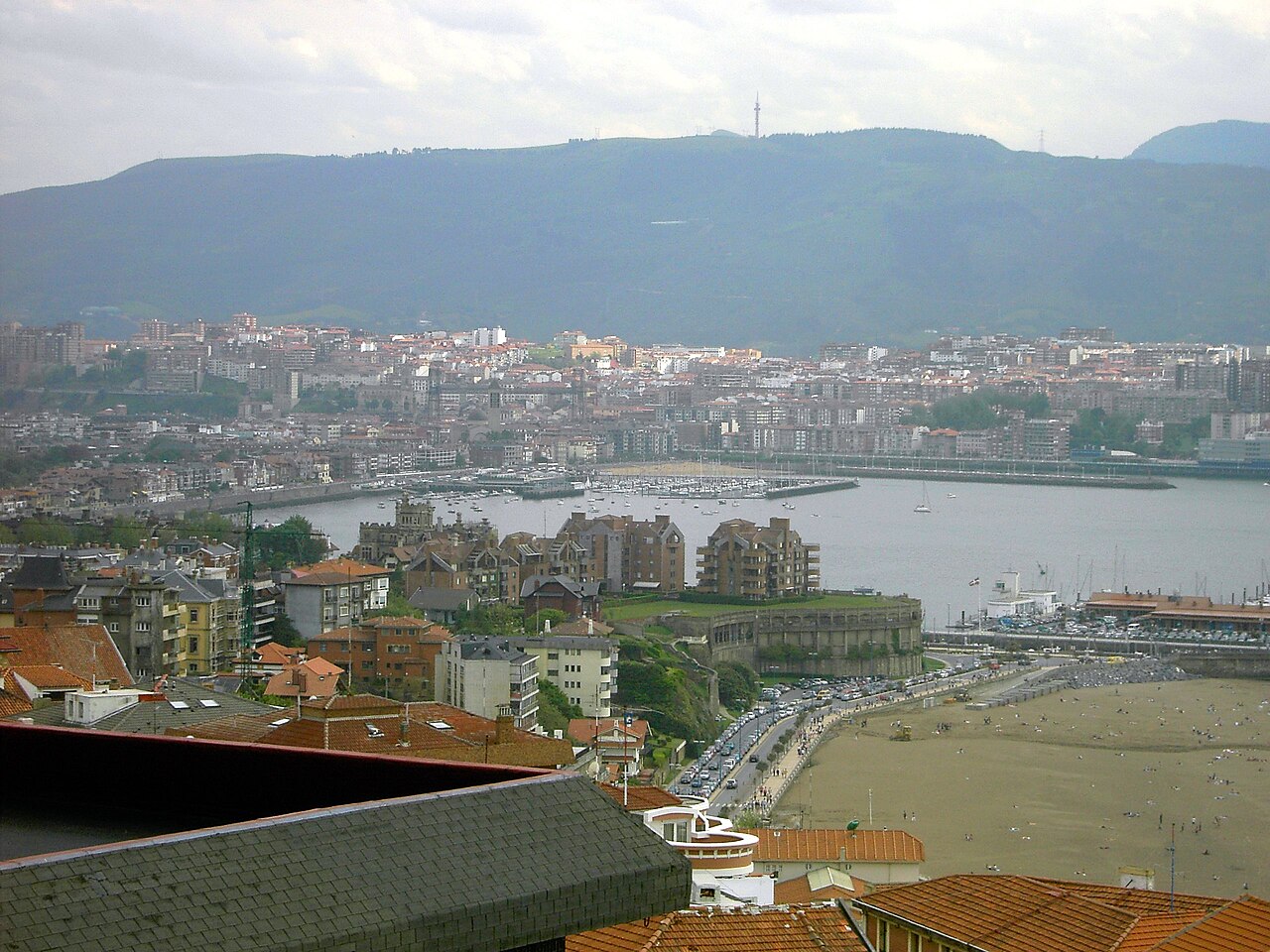
Las Camporras Park acts as the town’s main green space. It was once a harsher environment, but today it offers trees, places to sit and paths that lead towards Barakaldo. From certain points, the view opens out over the estuary, with Portugalete on one side and Santurtzi on the other.
When the pace slows
Is it worth coming to Sestao? That depends largely on what you expect to find. Anyone arriving in search of cobbled streets and flower-filled balconies may feel slightly out of place. The appeal lies elsewhere: in seeing how a place so closely tied to industry is adapting without fully erasing what it used to be.
A weekend morning is a good time to wander. The Kasko has a steady rhythm, people running errands, neighbourhood bars beginning to fill. Sit for a while and look towards the river. Everyday life unfolds in a straightforward way: newspapers under arms, market bags, groups chatting about the weekend’s football.
Afterwards, it is worth heading up to the Alto Horno. From above, the layout of the municipality becomes clearer: houses packed along the slope, the traces of old industrial areas, and the river that continues to shape everything around it. It is not a dramatic transformation, nor a polished one. Sestao does not hide its past, and that is precisely what gives it its edge.