Full Article
about Sondika (Sondica)
Valleys and hamlets a step from Bilbao, buzzing with local life.
Ocultar artículo Leer artículo completo
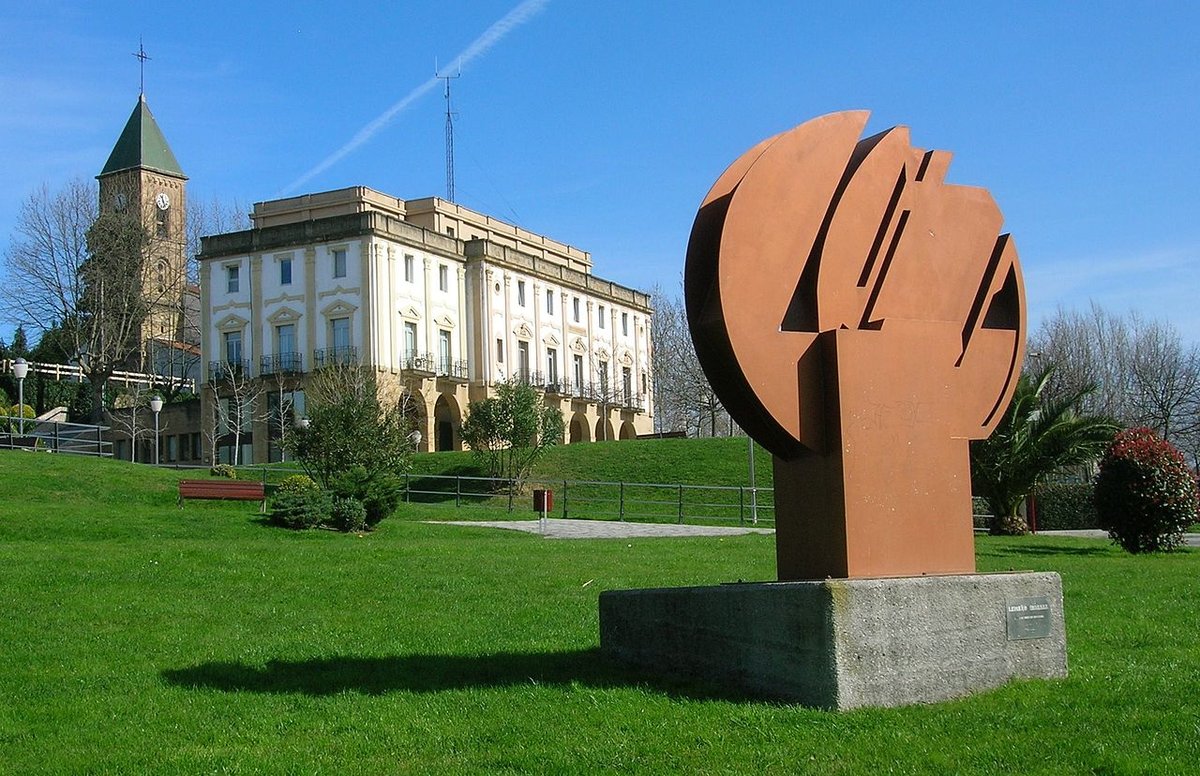
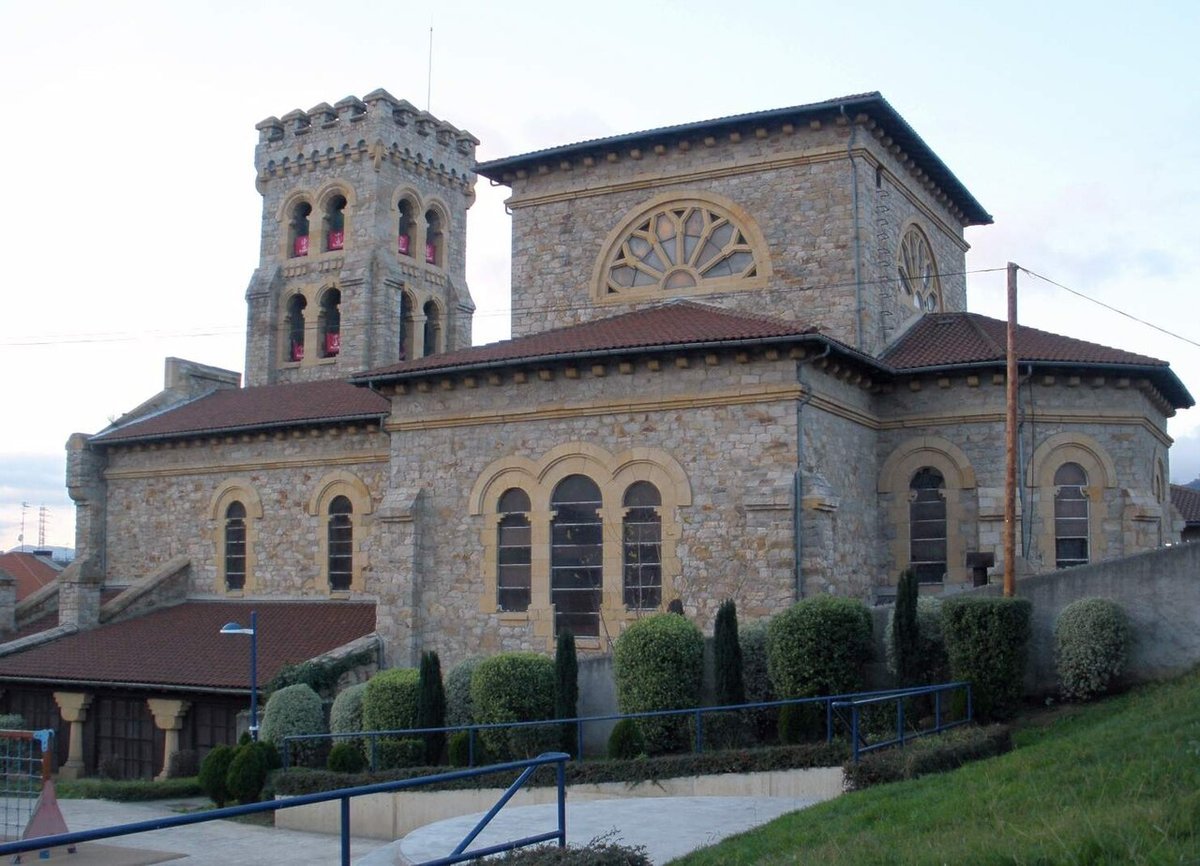
The 07:20 easyJet to Manchester roars directly above the church tower, close enough to read the registration. Five minutes later the bells of San Juan Bautista answer back, swinging over empty streets where housewives have already bolted the shutters for siesta. That contrast—jet engines versus cowbells—pretty much sums up Sondika, a commuter village that happens to sit on the flight path rather than the tourist trail.
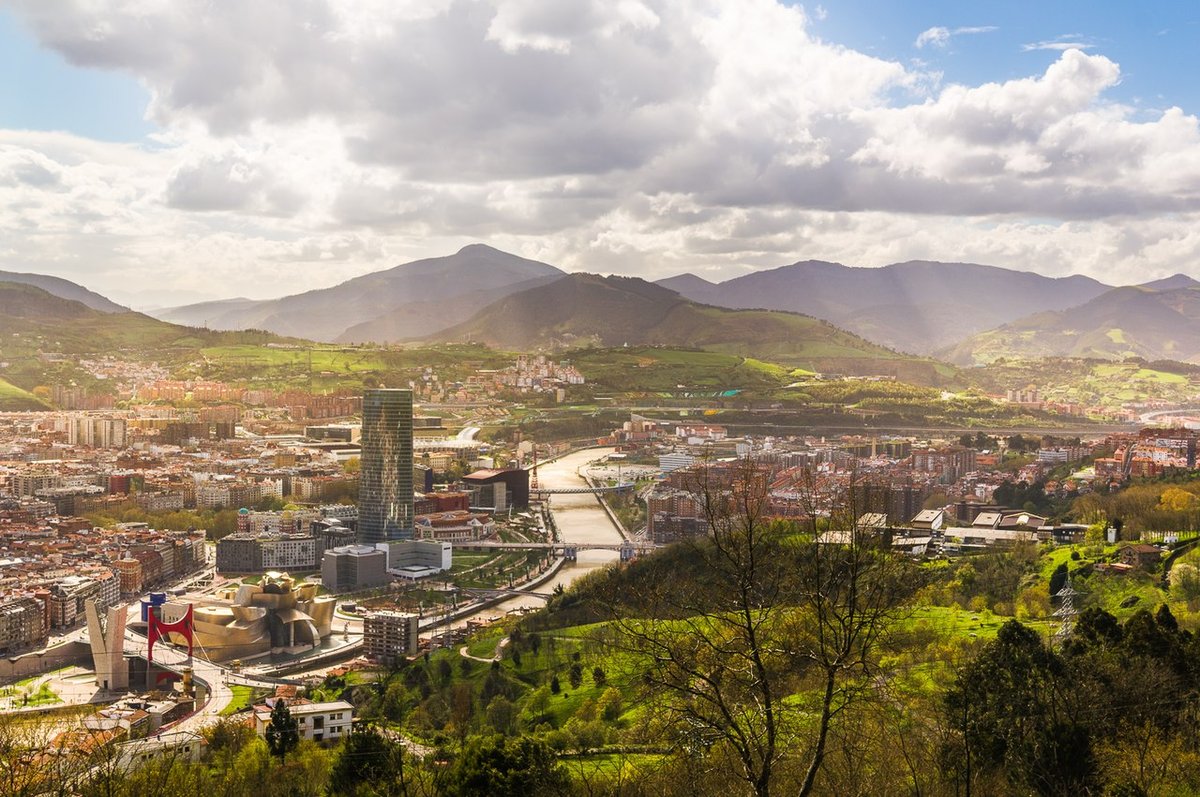
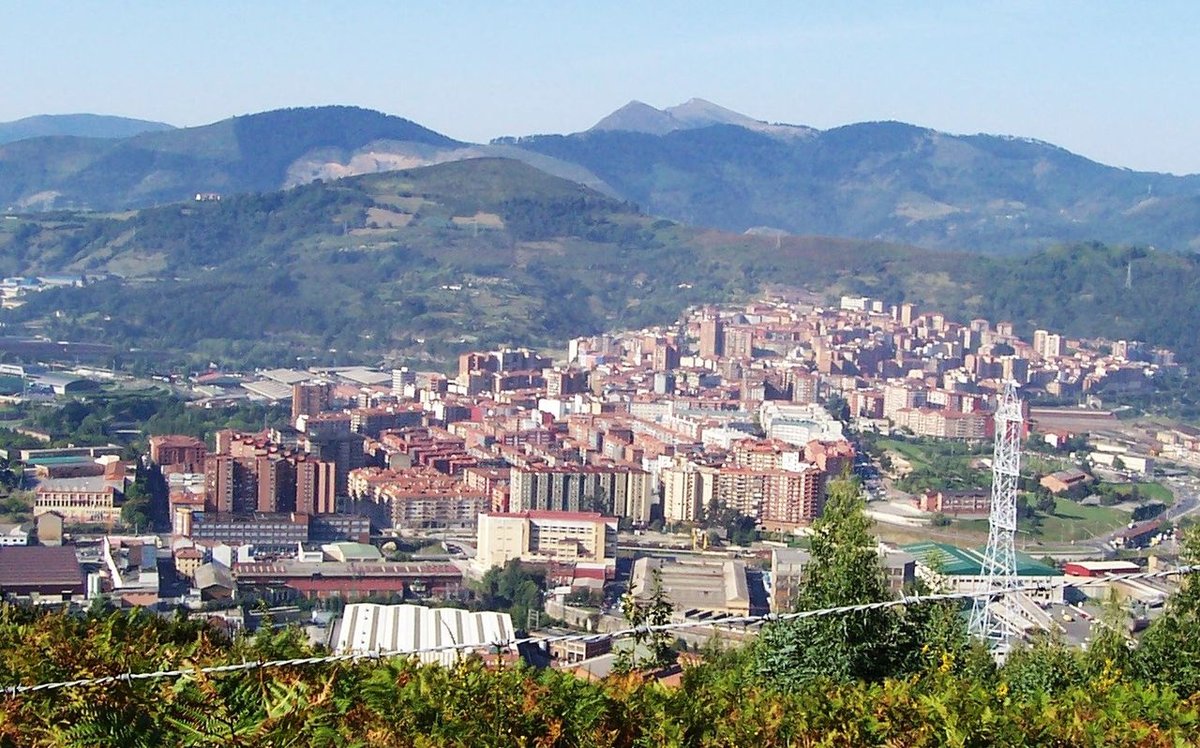
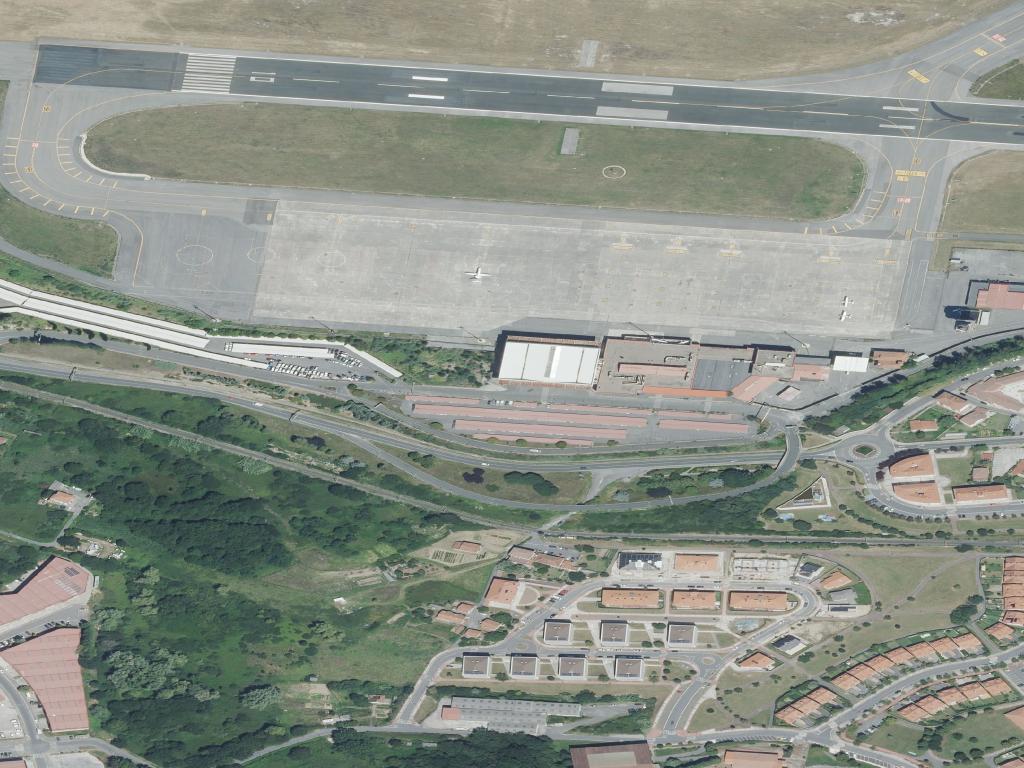
Eight kilometres north-east of Bilbao, the municipality spreads across a shallow valley carved by the Cadagua River. To the south, the runways of Loiu airport nudge the parish boundary; to the north, meadows climb toward the Artxanda ridge at 400 m. Altitude is modest by Basque standards, but the air still feels cooler than downtown Bilbao, especially when the tramuntana wind sweeps in off the Bay of Biscay. Locals claim the micro-climate halves the rainfall of the coast; visitors should still pack a waterproof—those grey Atlantic fronts can arrive in minutes.
Planes, lanes and country names
Most foreigners pass through only once: the taxi ride from the terminal, meter already ticking at €12–15, dashes down the BI-631, past warehouse roundabouts and rows of allotments. Yet Sondika is worth a pause if your flight leaves at dawn or if Bilbao’s hotels are charging weekend premiums. From the single-platform Euskotren station, a tram rattles into Abando every thirty minutes; journey time 15 min, last return 22:30. Miss it and the evening taxi jumps to €25.
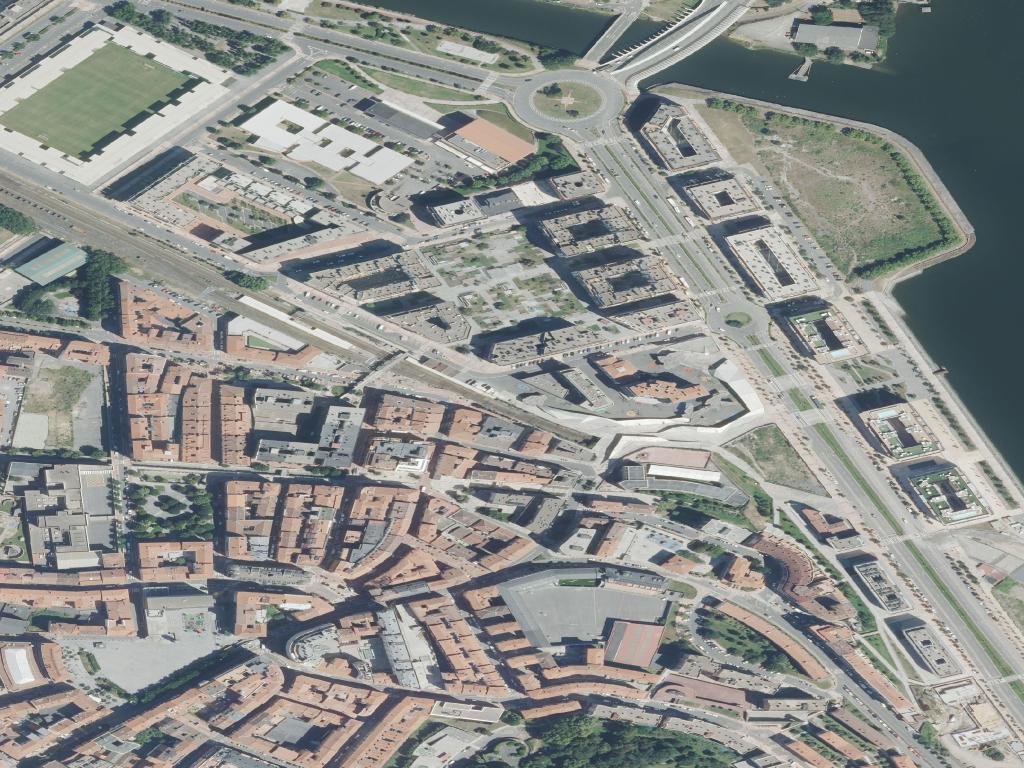
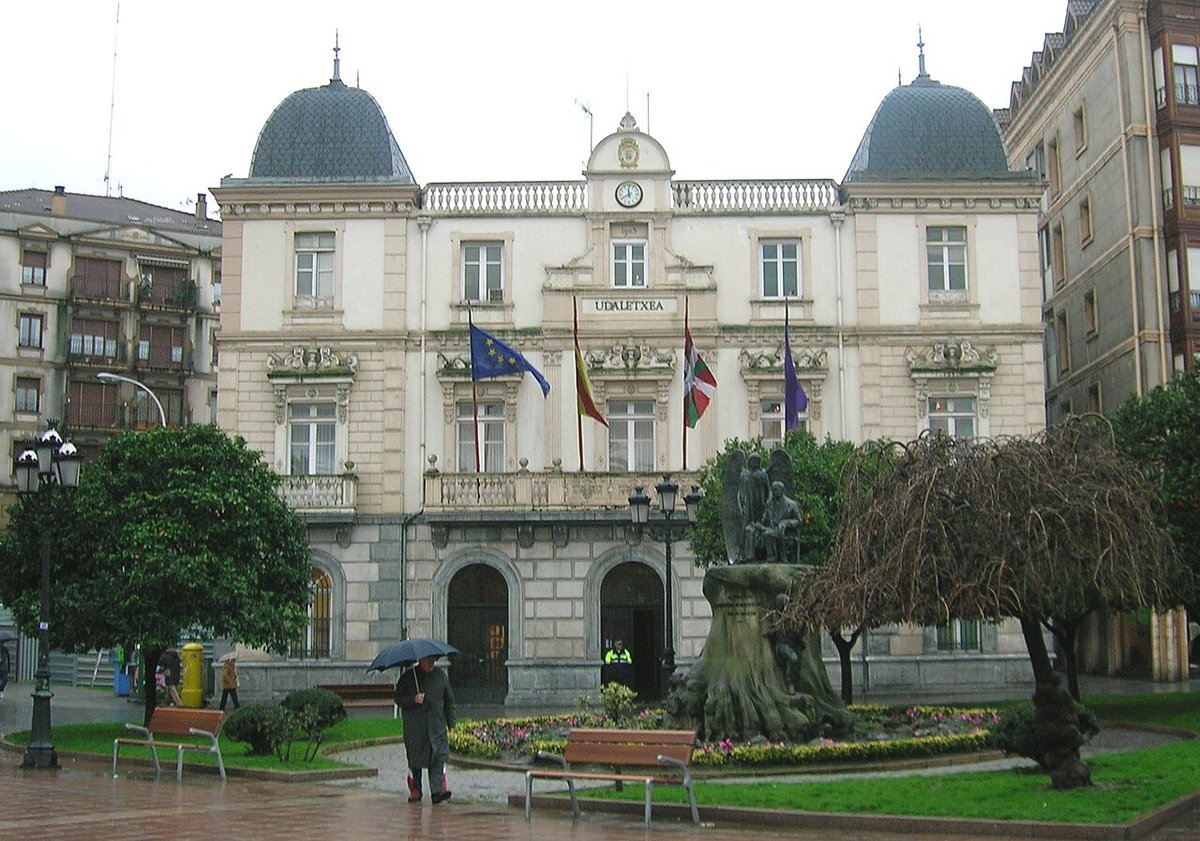
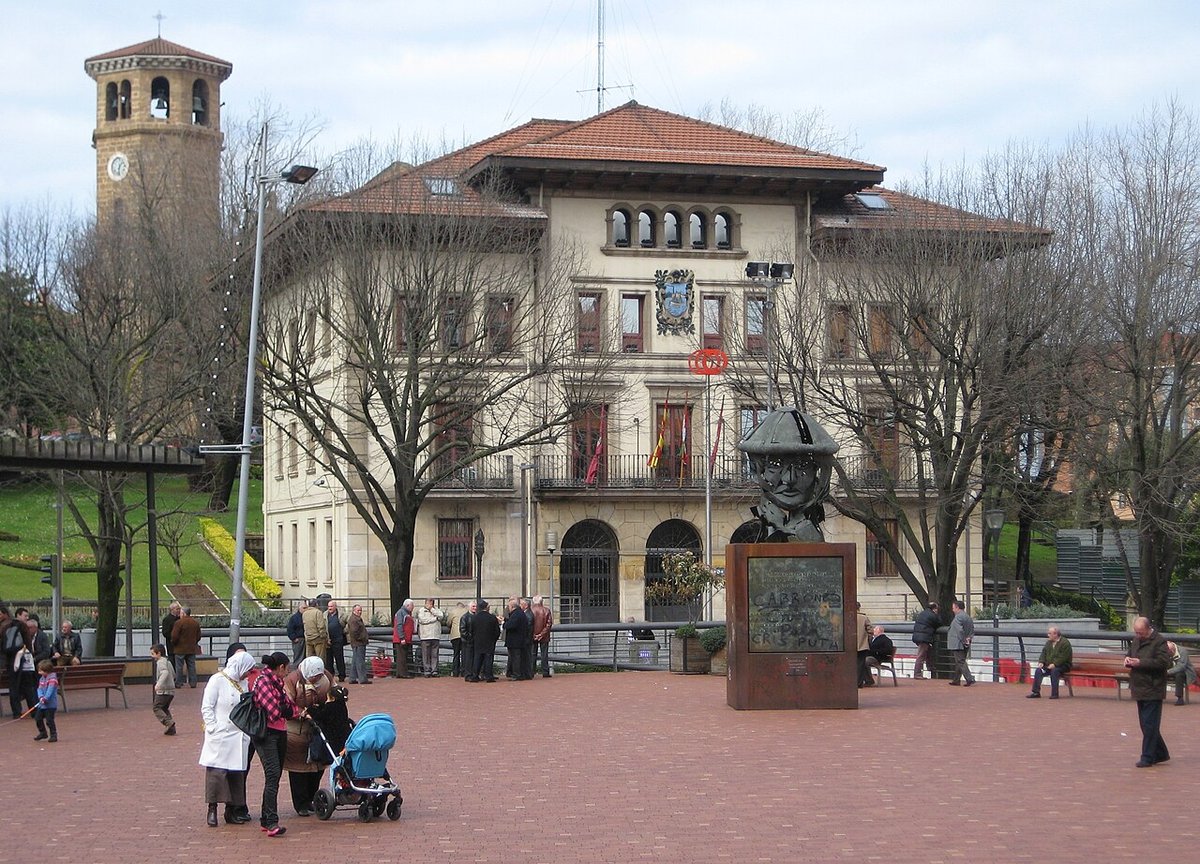
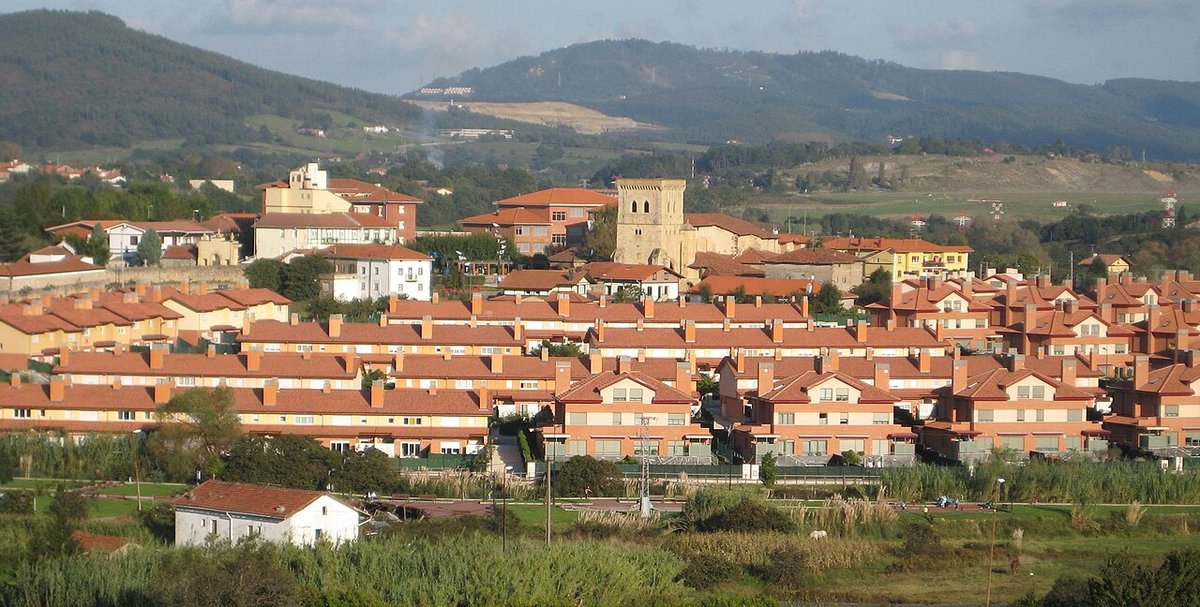
The village itself strings along three parallel roads. The oldest core—plaza, frontón, pharmacy, two bars—can be walked in ten minutes. Everything else is scatter-shot: 19th-century farmhouses converted to family compounds, new brick blocks set back behind electronic gates, and the occasional half-timbered caserío where hay still dries under the eaves. Expect dogs, not gift shops. Expect menus written only in Spanish or Euskera; Google Translate camera function is more use here than any guidebook.
A walk that finishes at the apron
The best short circuit begins behind the church. Follow the lane signed Barrio Larrabea; tarmac gives way to a concrete farm track that threads between vegetable plots and apple trees heavy enough to sag the fences. Ten minutes of gentle ascent brings you to a cattle grid and an open meadow where horses graze. Look south and the airport perimeter fence is suddenly 400 m away; aircraft taxi like bright toys against the industrial suburbs beyond. Noise? Undeniable when a turboprop spools up, yet the green absorbs it quickly—more muted than the constant hum outside Heathrow’s Terminal 5.
If mud is firm, continue uphill to the ermita of Santa Ana, a stone hut with a bell the size of a teacup. The path then loops back via Barrio Zubieta, re-entering civilisation opposite the village school where murals celebrate Basque pelota champions. Total distance: 4 km; total ascent: 90 m. Decent trainers suffice in dry weather; after rain the clay sticks like brick mortar and you’ll wish for boots.
Food at the end of a farm track
Sondika’s culinary reputation rests almost entirely on one address: Maipú, a 200-year-old farmhouse turned grill house ten minutes’ drive (or a stiff 35-minute walk) from the church. Inside, stone walls are blackened by decades of oak fires; outside, the car park is a field with a Portakabin loo. Brits nervous about nose-to-tail cooking can relax—lamb is the star, slow-roasted until the knuckle collapses at the touch of a fork. Order the lechazo when you book; four hours’ notice gives the kitchen time to balance its ancient ovens. A vegetable menestra—peas, artichokes and peppers in a light tomato-wine sauce—keeps vegetarians happy, while the rice pudding arrives dusted with cinnamon, reassuringly close to school-dinner comfort. House Rioja by the carafe costs about €9; allow €35 a head for three courses before taxis.
Mealtimes are rigid: lunch 13:30–15:30, dinner 20:30–22:30. Arrive at 19:00 and the door stays locked; arrive Sunday evening without a reservation and you’ll join a queue of locals who know the chef by name. Public buses do not run to the restaurant door—factor in €12 for the return taxi or borrow the hire car you collected at the airport.
When planes sleep and shutters open
The village’s quietest hours mirror the airport curfew: roughly 23:00–06:30. Stay overnight and you’ll hear neither jets nor church bells—just the occasional tractor heading for the morning milk round. Accommodation is limited to a pair of guest studios above the florist on Calle Mayor (doubles €70, kitchenette, reliable Wi-Fi) and a handful of Airbnb rooms in private houses. Prices drop 20% at weekends because business travellers vanish; conversely, availability evaporates during the San Juan fiestas in late June when brass bands march until dawn and locals spray strangers with cheap Cava.
Spring and early autumn offer the kindest light for walking. Summer can feel humid; thermometers hit 30°C in July, yet evenings cool enough for a jumper. Winter rarely freezes hard, but short days and Atlantic fronts turn footpaths to chocolate fondant. If you visit between November and February, plan on tarmac lanes rather than farm tracks, and carry a torch—street lighting is decorative rather than functional.
The honest verdict
Sondika will never compete with coastal Bermeo or mountainous Lekeitio, and it knows it. What it does provide is a low-stress slice of working Basque life plus the handiest bed in the province for a 06:00 departure. Come with modest expectations: a 4 km stroll, a plate of roast lamb, a glass of Rioja while aircraft glide over red-tiled roofs. Treat the place as a breather between Bilbao’s galleries and the coast’s Atlantic surf, and it justifies the detour. Come hunting postcard Spain and you’ll be back on the airport bus within the hour—probably in time for that same 07:20 flight to Manchester.