Full Article
about Zamudio
Valleys and hamlets a stone’s throw from Bilbao, buzzing with local life.
Hide article Read full article
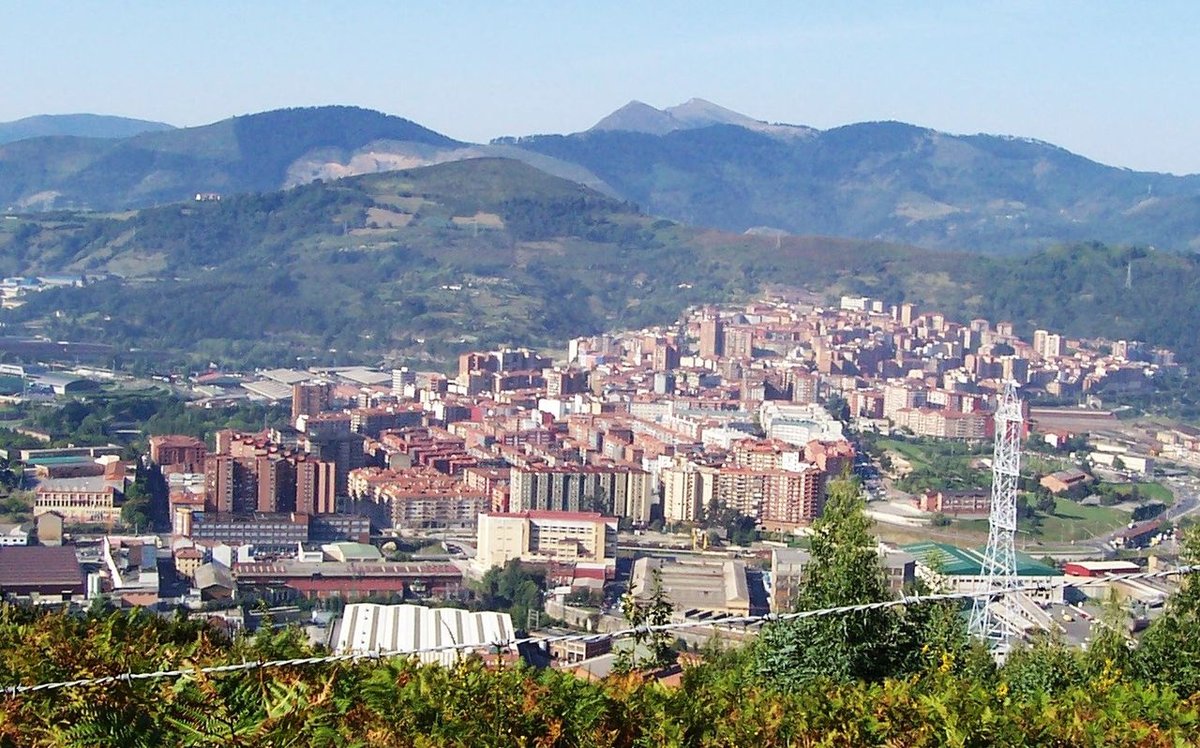
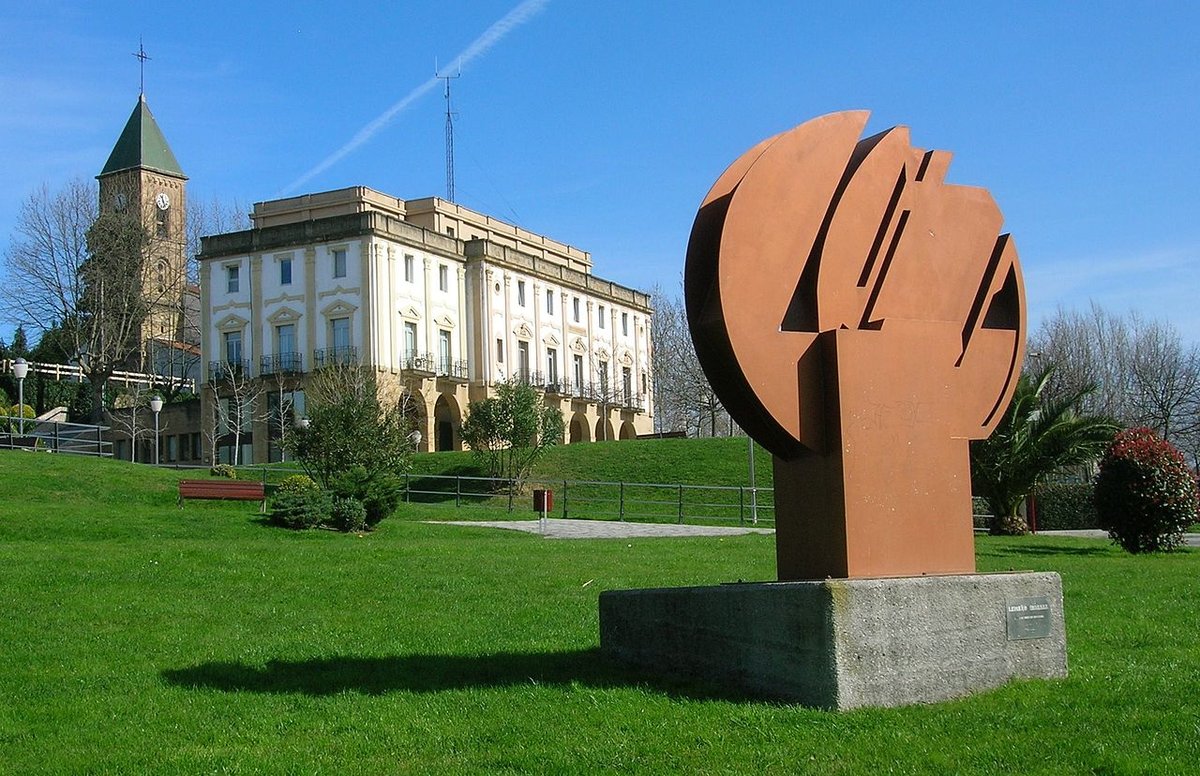
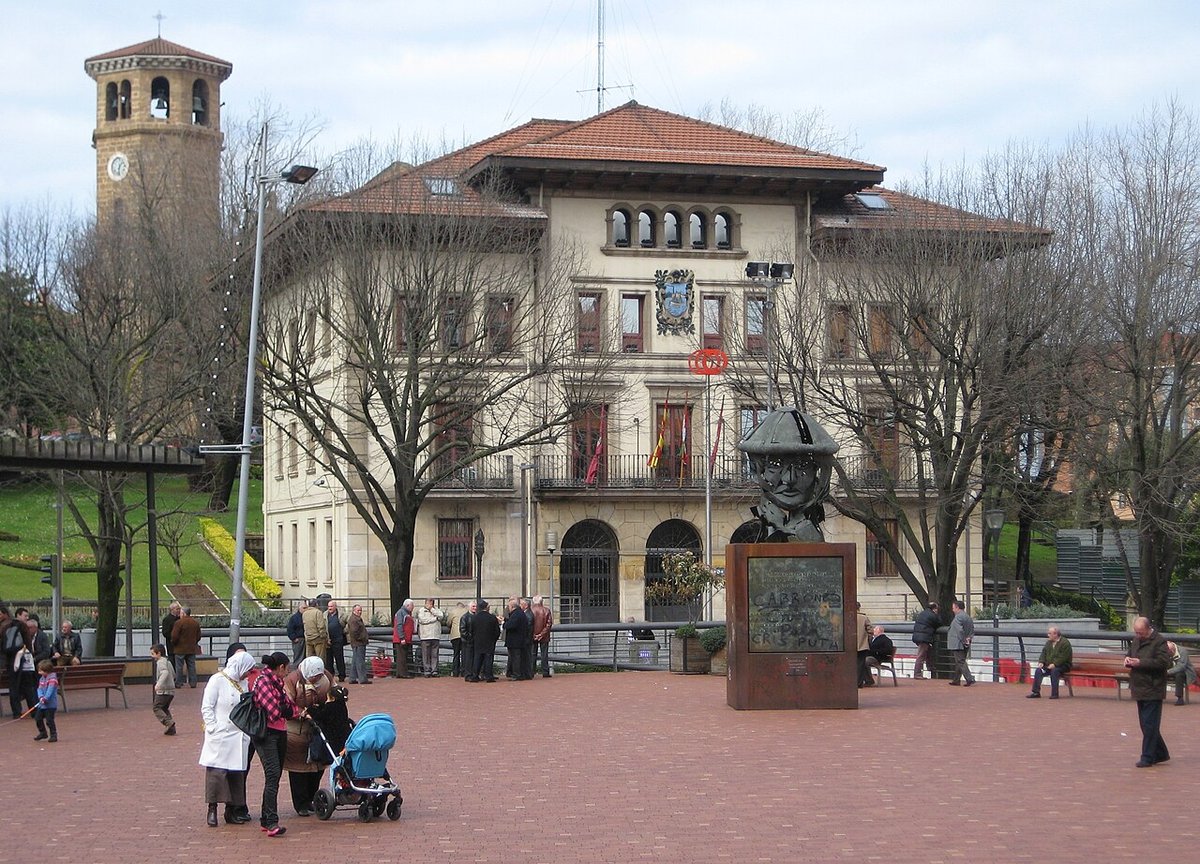
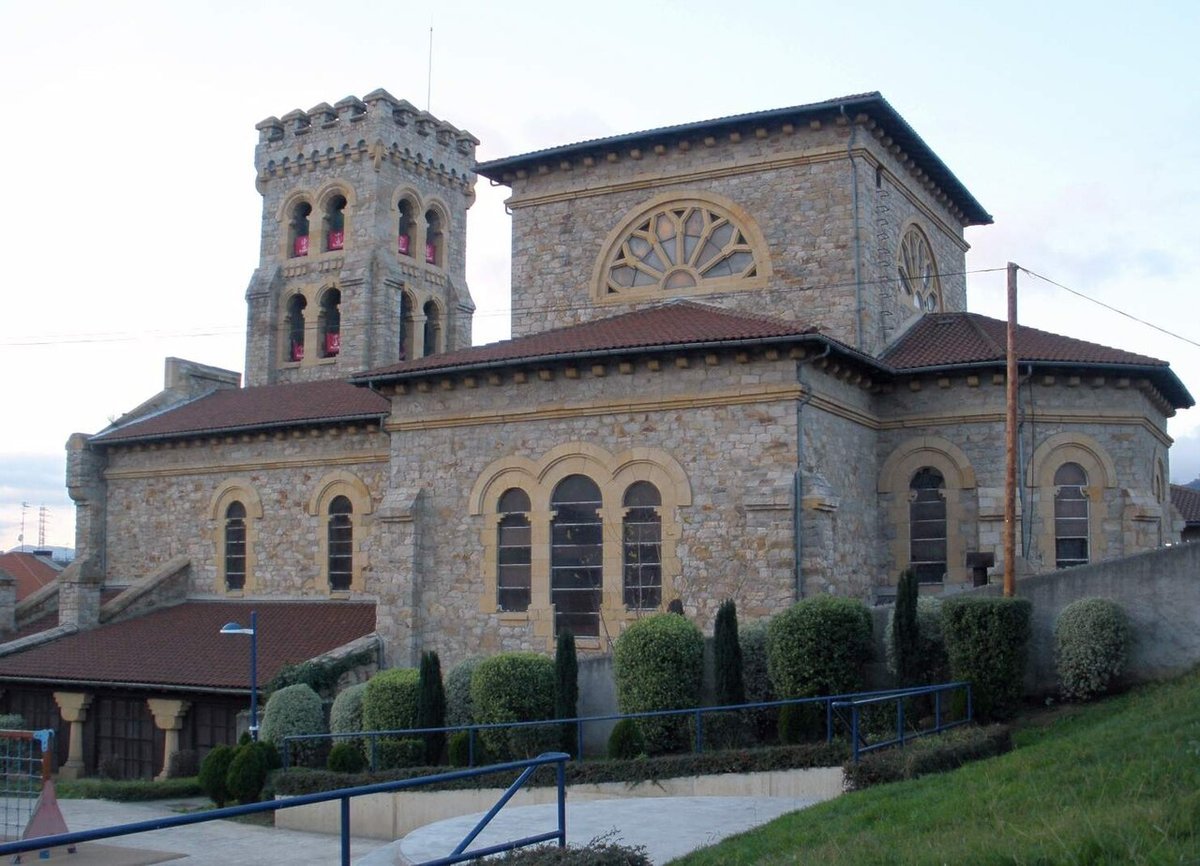
At eight in the morning, sunlight filters through the apple trees around the church of San Martín and stretches long shadows across damp grass. The village is still half asleep. A few cars pass slowly on their way to the Parque Tecnológico, and between the houses there is the steady hum of the dual carriageway that links the area with Bilbao. At that hour, Zamudio smells of warm bread and wet earth. For a while it still feels like a valley village before the car parks begin to fill and the rhythm of the day shifts.
The banderiza tower on the hill
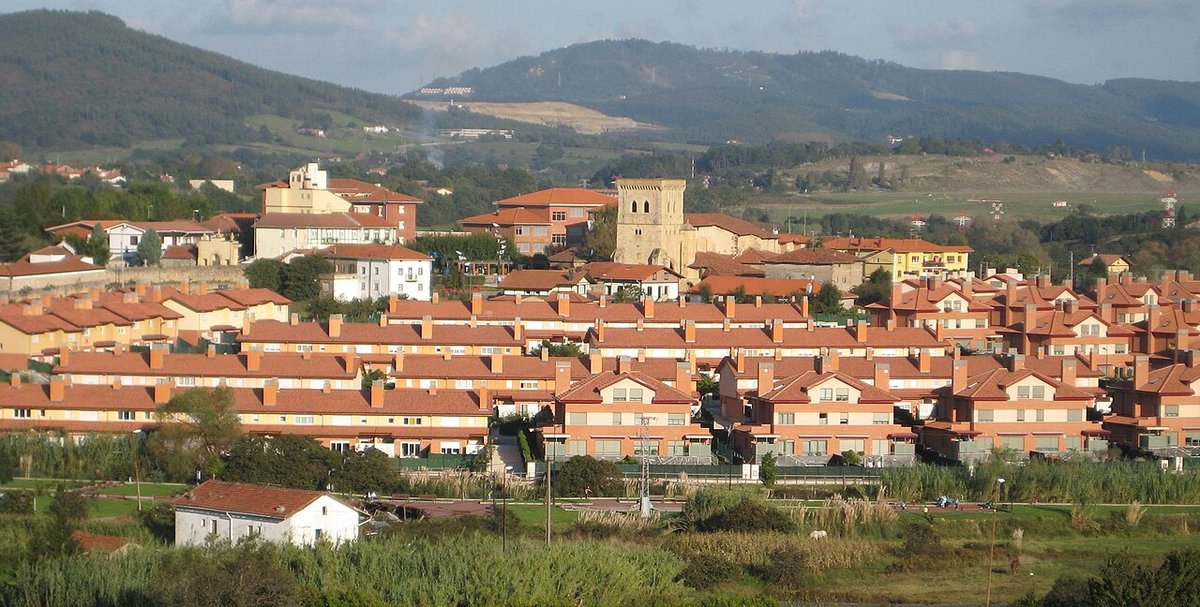
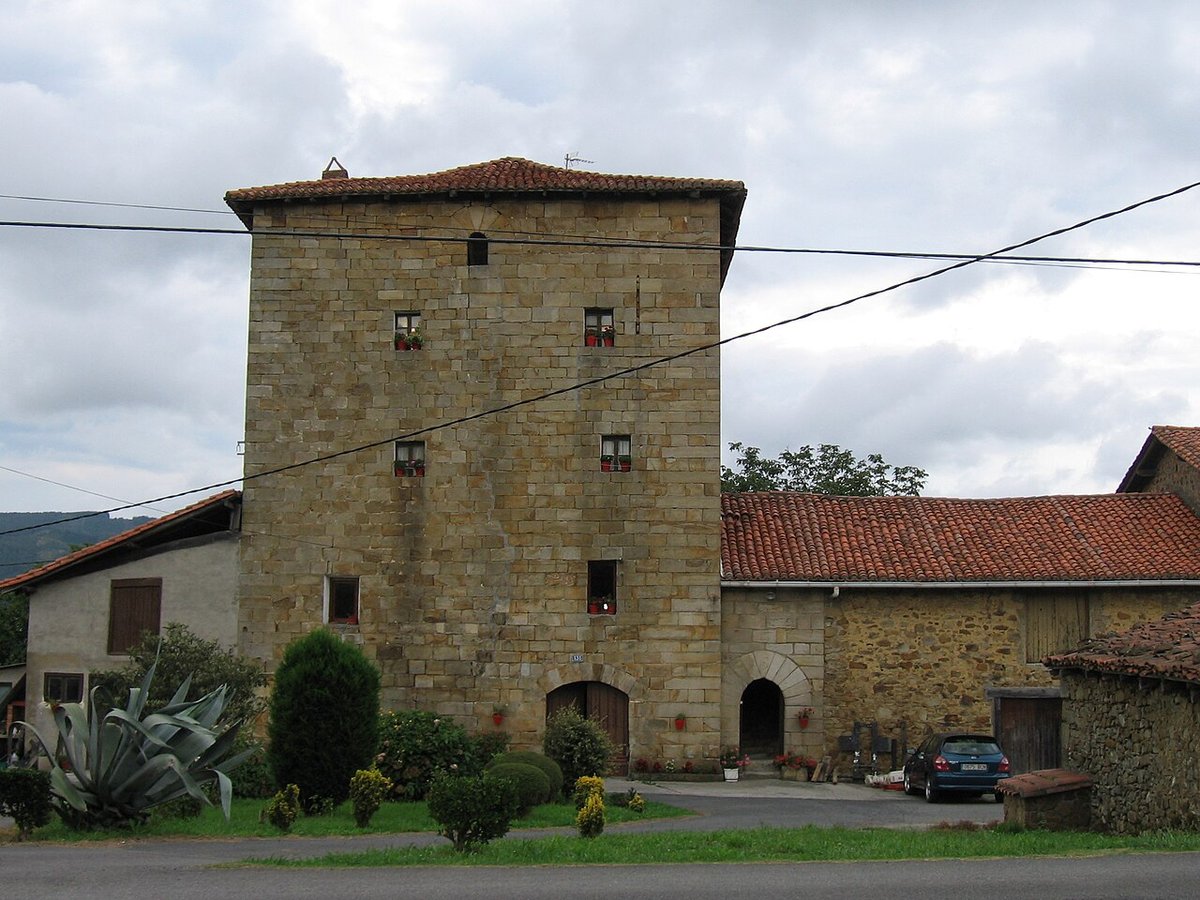
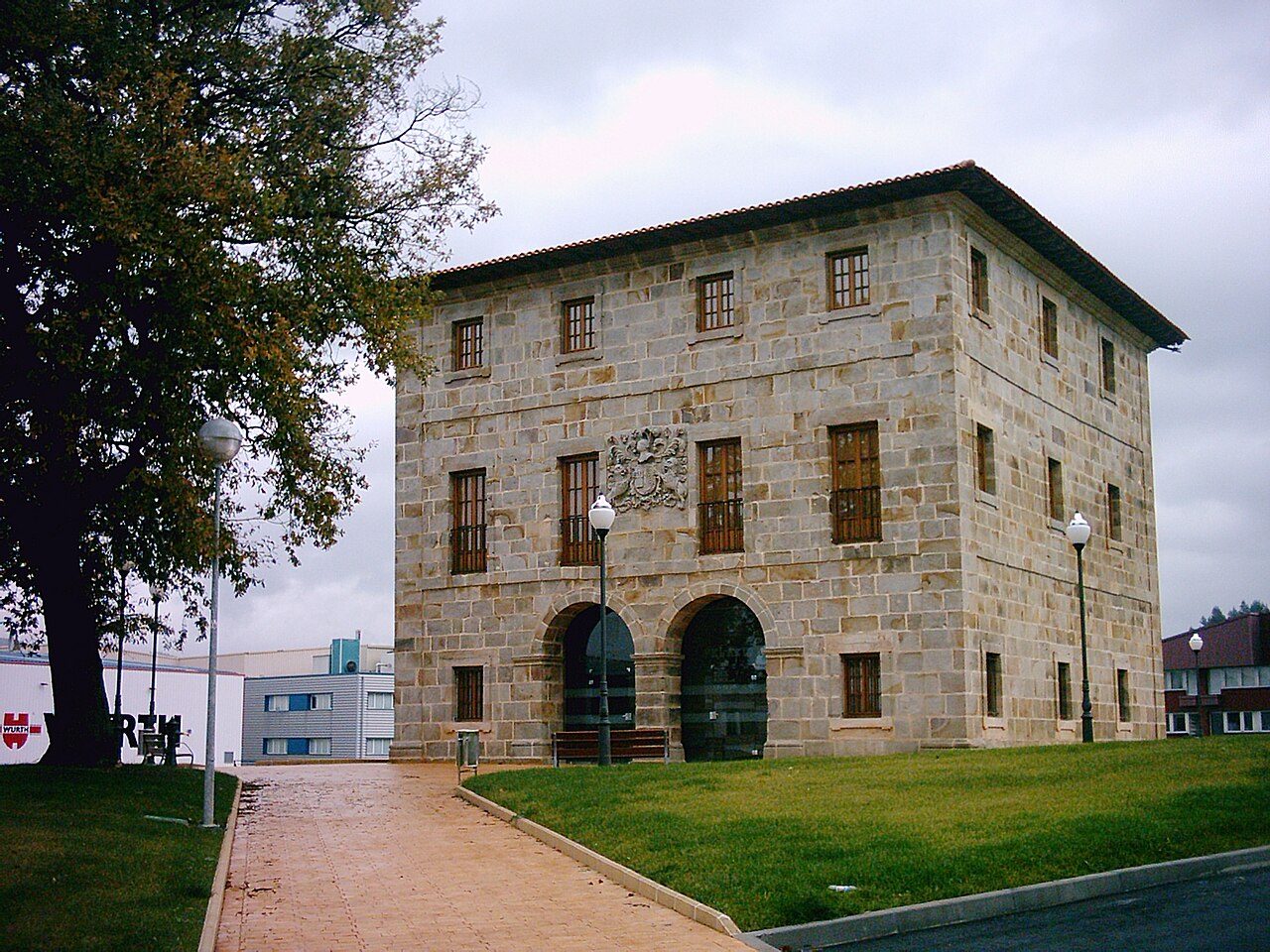
Walking up Zubiaurre street, past the frontón and houses with sloping roofs, the Torre de Zamudio comes into view at the top of the incline. It is a solid block of dark stone rising above the rooftops, one of the banderiza towers that remained after the struggles between rival lineages in Bizkaia during the Late Middle Ages. Its walls are thick, with narrow openings that once served defensive purposes. The overall appearance remains austere, almost military.
The tower is not open as a visitor attraction today. It is seen from the outside, surrounded by houses and fields, and perhaps that is why it retains something close to its original character. The stone is darkened by moisture, grass grows between the joints, and there is often a sense of quiet around it when no one is passing by.
Hermitages and rural tracks
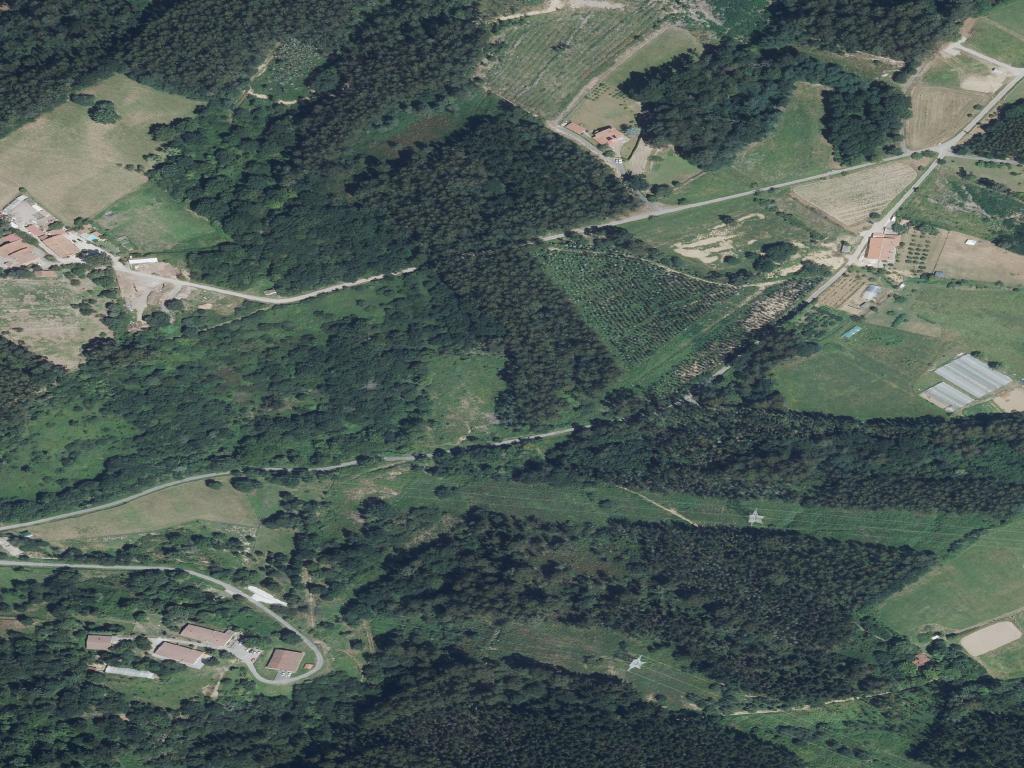
Leaving the centre of the village and following rural tracks, small hermitages begin to appear across the municipality. Some stand beside caseríos; others sit slightly apart, among meadows where horses graze. They tend to be simple buildings: whitewashed or stone walls, a small bell gable and wooden doors that are often closed.
The landscape shifts quickly from one spot to another. There are vegetable plots, old oak trees and expanses of intensely green grass that can become waterlogged in winter. After several days of rain, which is far from unusual here, mud clings to shoes and walking along some of the paths requires a bit of patience. In autumn, apple trees around some of the caseríos drop fruit that carpets the ground. The air takes on a sharp scent from the split apples.
The rhythm of workdays and weekends
Just a few minutes from the village centre, Zamudio presents a very different face. The Parque Tecnológico de Bizkaia spreads out with glass-fronted buildings, wide roundabouts and people moving in and out of offices carrying backpacks or laptops. The contrast is immediate: farmhouses with vegetable gardens on one side, engineering firms on the other.
The atmosphere changes noticeably at the weekend. Car parks are largely empty, and the sound of wind through the trees around the complex becomes more apparent. Some paths lead towards small patches of woodland where, within a few minutes, the noise of traffic fades away.
A practical note on visiting
Zamudio does not operate as a typical tourist destination. There are no large monuments or streets lined with shops. It is best approached without hurry, by walking through the surroundings of the village centre and the scattered rural neighbourhoods.
For walking, spring and early autumn are usually the most pleasant times. The fields are green and the heat is still moderate. In winter, the humidity is more noticeable and some paths become quite muddy. It’s worth bearing in mind the rhythm of the working day: during the week, especially early in the morning and when offices close, there is far more movement around the Parque Tecnológico than at other times.
Local celebrations often revolve around neighbourhood festivals at one of its hermitages. If a visit coincides with one of these occasions—dates vary—the scene includes long tables set up on a patch of grass and music played from a small stage under a marquee.