Full Article
about Zaratamo
Valleys and hamlets a stone’s throw from Bilbao, buzzing with local life.
Hide article Read full article
A village shaped by valley and hillside
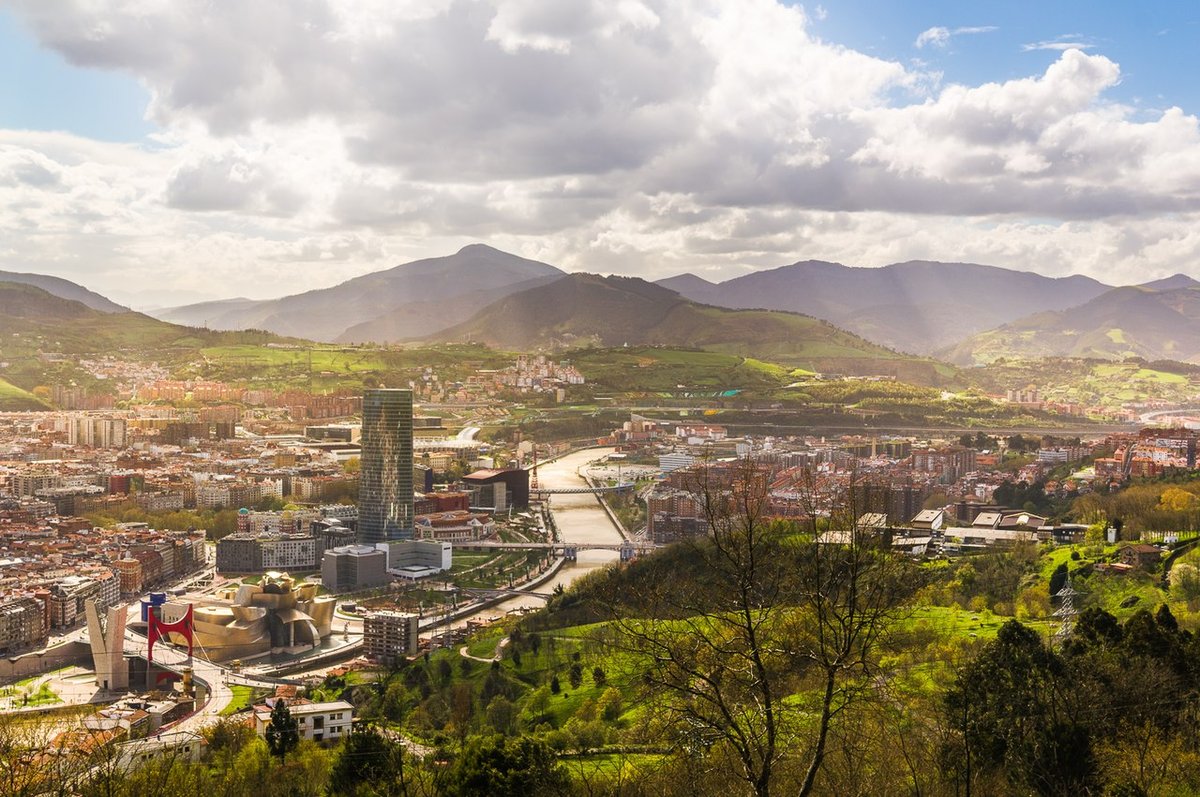
By mid-morning, once the sun has cleared the low hills around the valley, Zaratamo settles into its usual rhythm. Footsteps echo along the pavement, a metal door slides open somewhere in a nearby industrial unit, and the steady murmur of the Nervión river carries across the air. It sits only a few kilometres from Bilbao, yet the pace here feels noticeably different.
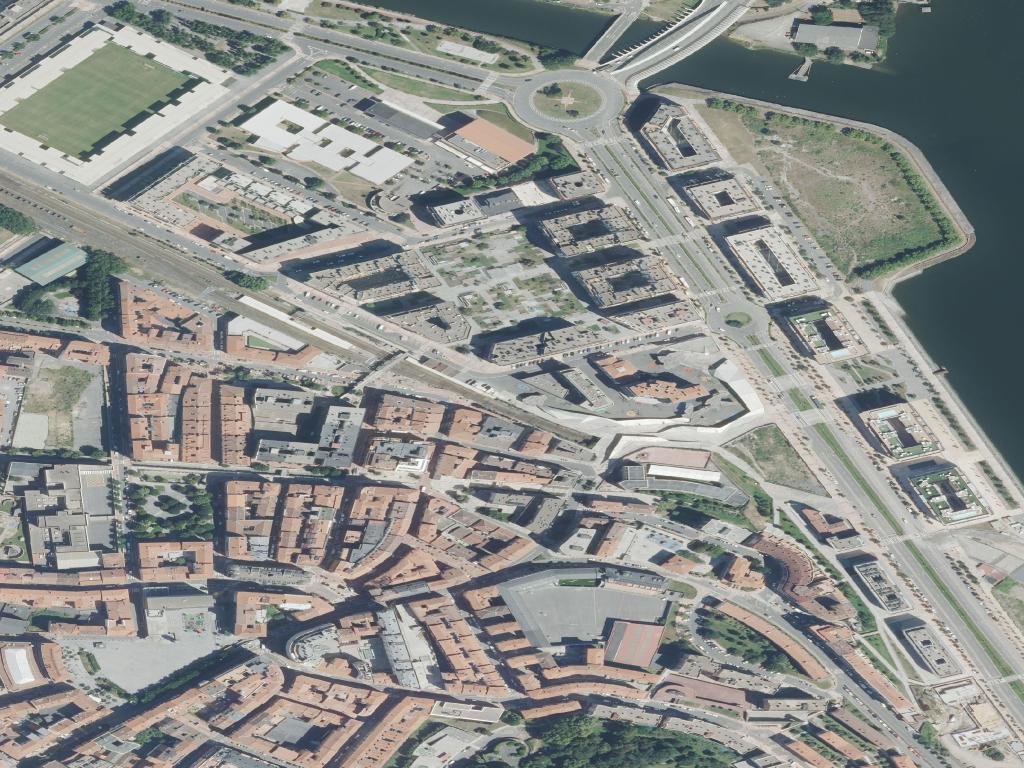
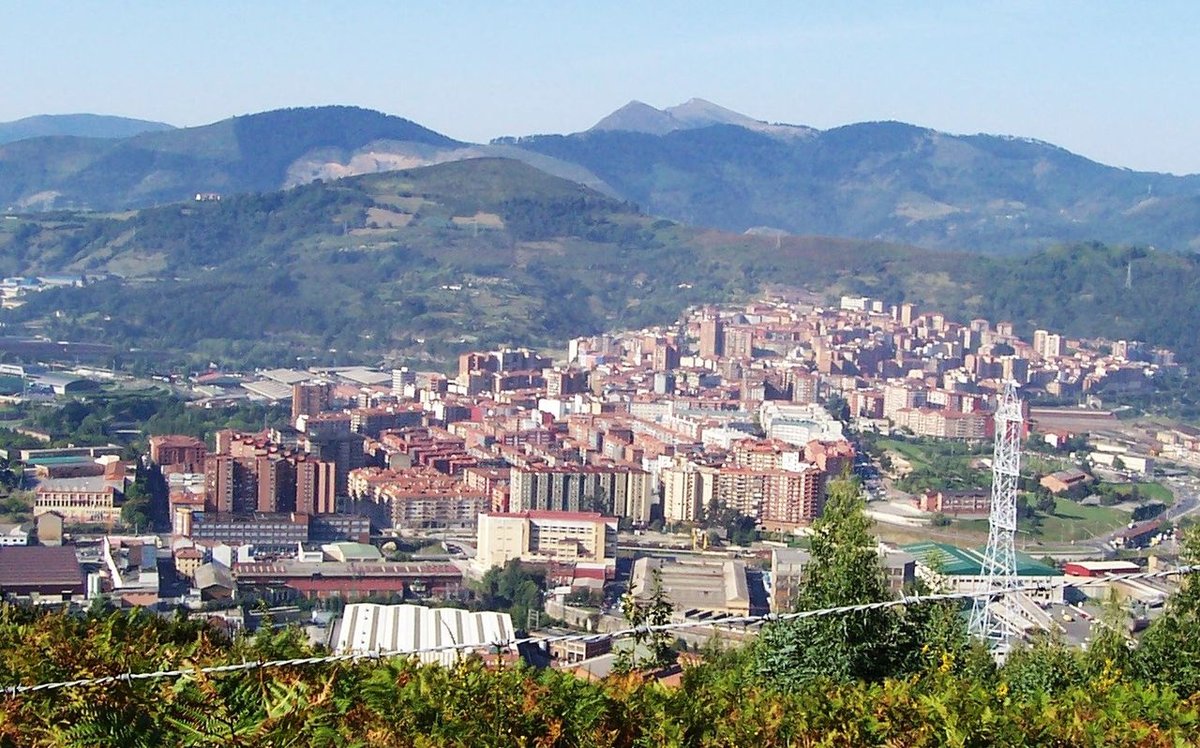
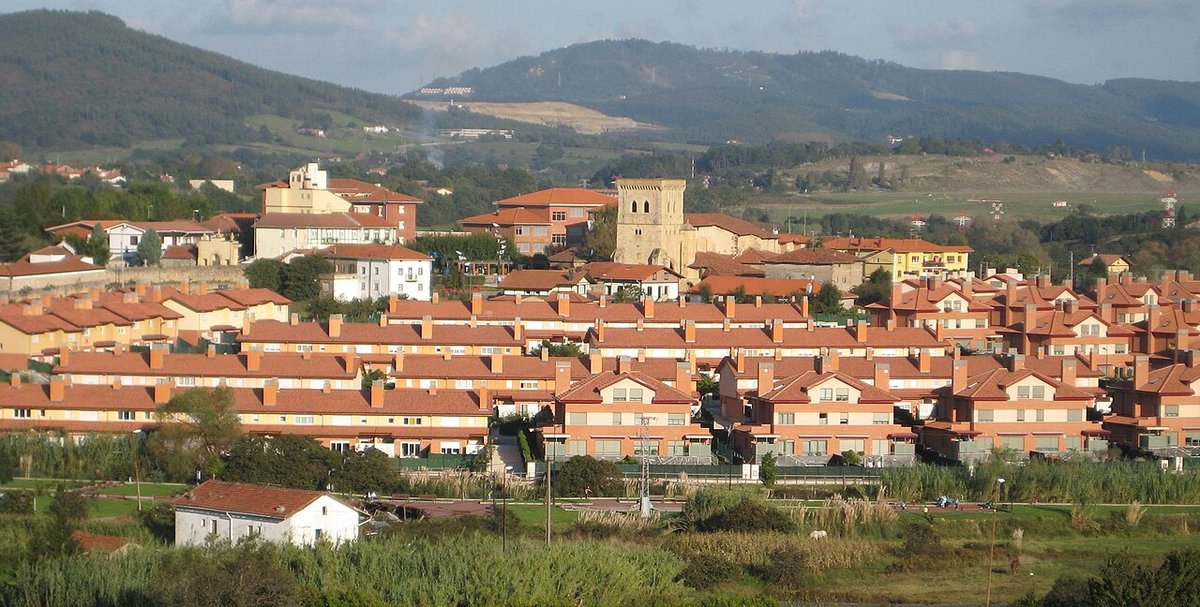
Zaratamo does not revolve around a large historic centre or a long list of landmarks. Instead, it spreads out in a small core with neighbourhoods scattered across the slopes. This layout reflects something typical of the Greater Bilbao area: industry occupying the valley floor, while meadows and wooded hillsides begin almost immediately above.
The result is a place where everyday life takes priority over sightseeing. Streets are quiet, distances are short, and the surroundings shift quickly from built-up to rural with just a slight change in elevation.
Around San Pedro and the village centre
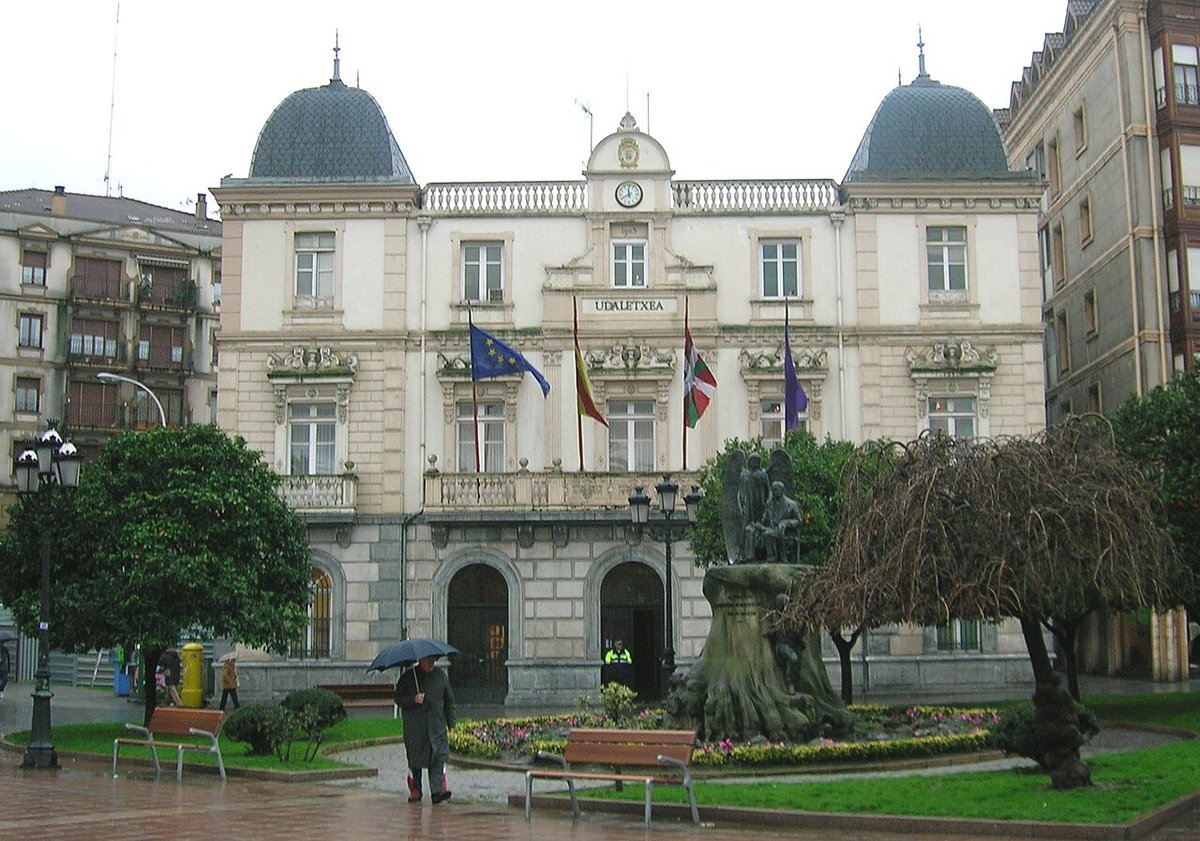
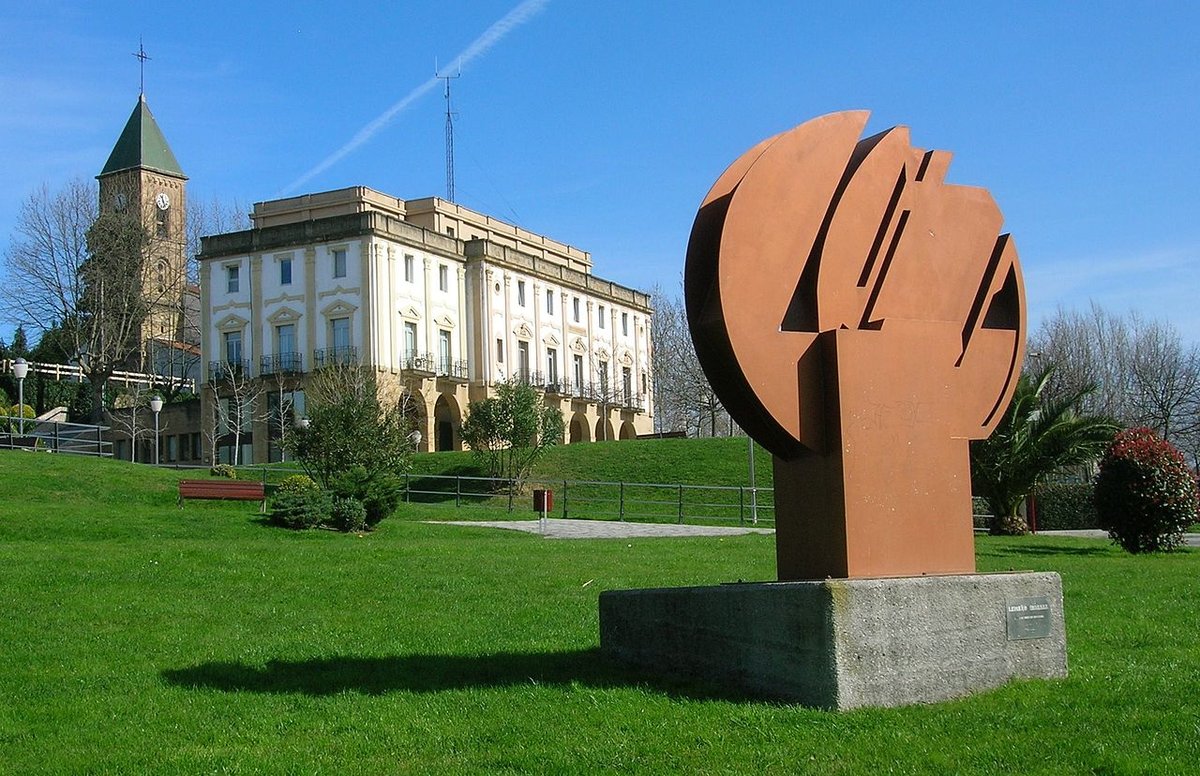
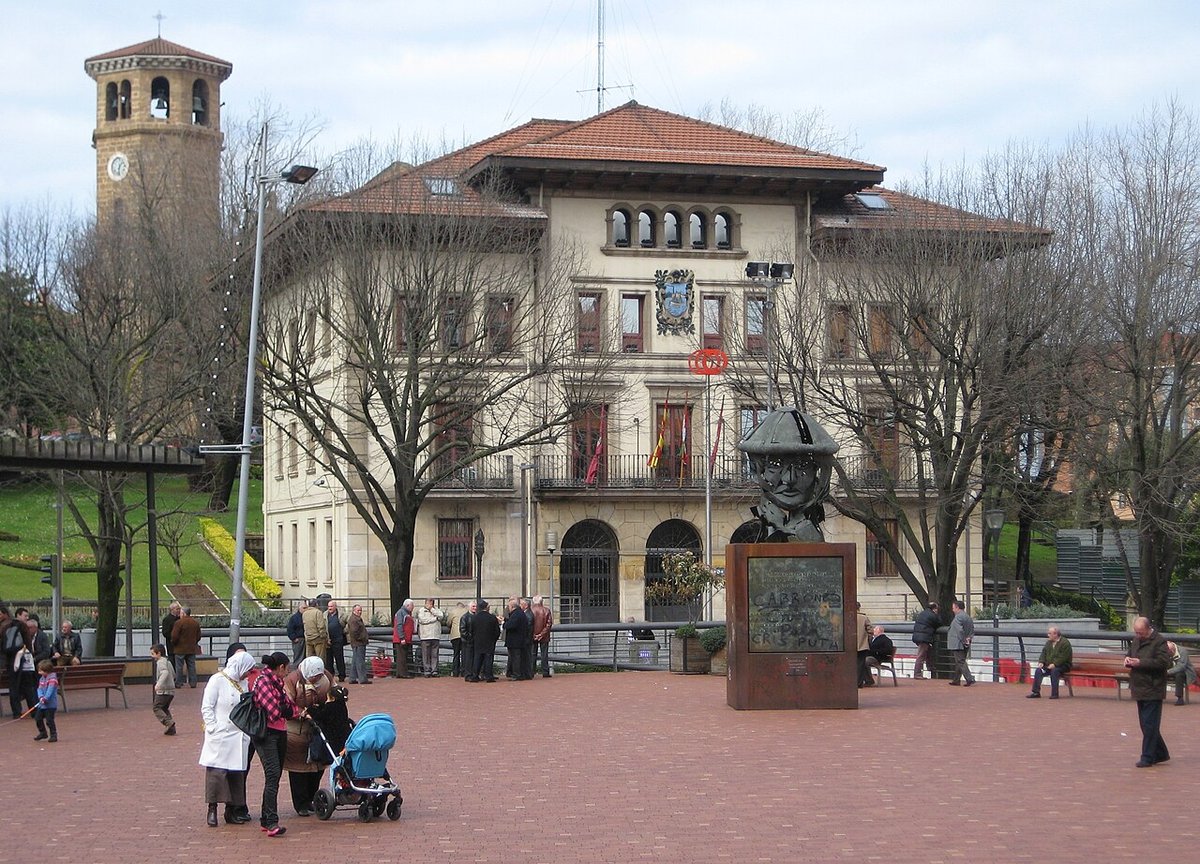
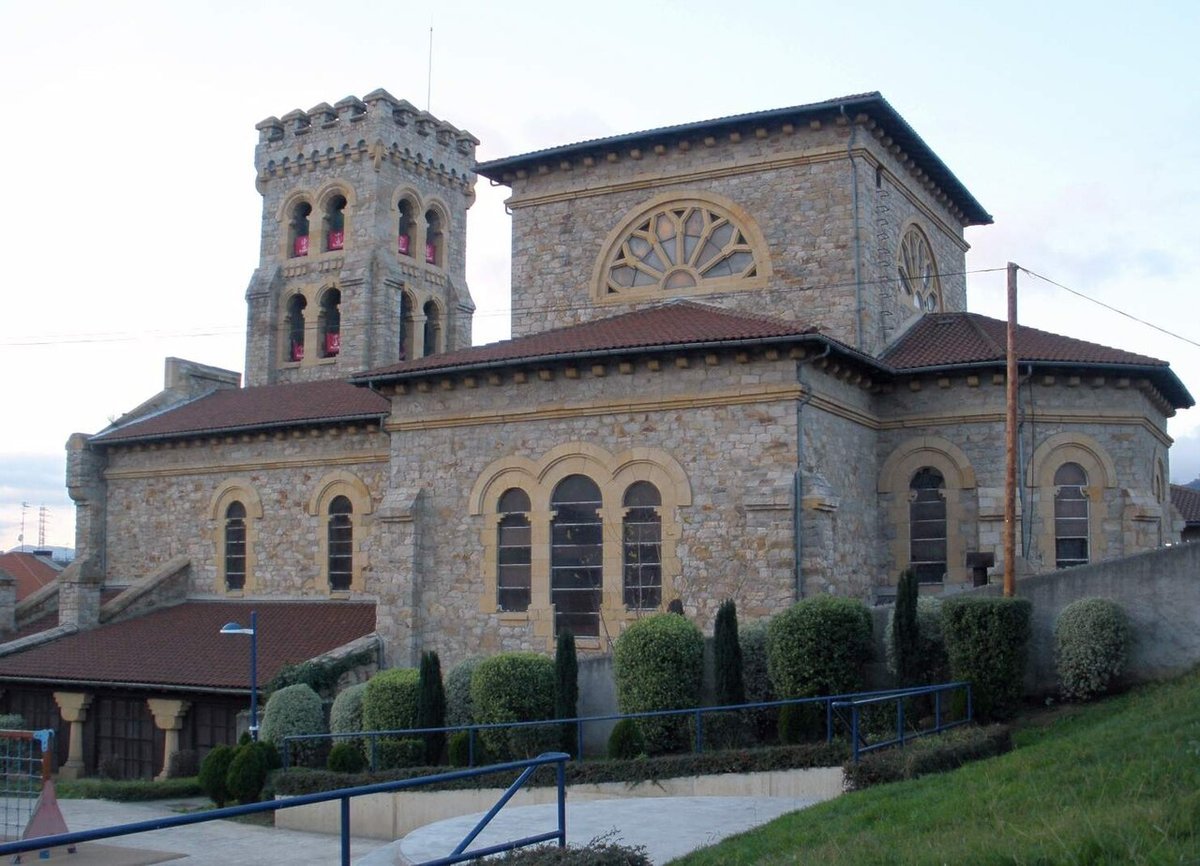
The most recognisable point in Zaratamo is the church of San Pedro. It stands beside a modest square that acts as a meeting point for locals, especially at certain times of day when small groups gather to talk. The church façade, built in pale stone, changes character depending on the light. Under a grey sky it appears muted and cool, while a break in the clouds brings out warmer tones.
Nearby streets such as Elexalde and Zubiaurre, along with others that climb gently towards the upper neighbourhoods, are lined with low houses. Some feature iron balconies, and in spring these begin to fill with plants that add colour to otherwise simple façades. The atmosphere is residential rather than monumental.
This is not a place for long urban strolls. The centre can be covered comfortably in ten or fifteen minutes without rushing, which suits the scale of the village. What it offers instead is a sense of how the settlement fits into its surroundings, rather than a sequence of standout sights.
Paths rising towards the hills
Things become more interesting when heading out of the centre along the small roads and tracks that climb uphill. The shift is immediate. Traffic noise fades, replaced by wind moving through grass and, depending on the season, the distant sound of cowbells.
These paths cut across enclosed meadows and patches of low woodland. Some caseríos, traditional Basque farmhouses, are still active here, along with small-scale livestock farming. It is common to see cows grazing near the track or piles of freshly cut grass during the summer months.
Signposting is not always consistent. Walkers may find that routes split in several directions, linking scattered neighbourhoods or continuing into forest tracks. It is worth checking a route in advance or using a mobile map, as it is easy to drift onto a different path than intended.
The appeal of these walks lies less in reaching a specific destination and more in the gradual change of environment. Within a short distance, the setting shifts from village edge to open countryside, with wider views over the valley and a growing sense of quiet.
Cycling on local roads
The local roads around Zaratamo are regularly used by cyclists setting out from Bilbao or nearby towns. They do not involve long mountain passes, but they do include short, sharp climbs that demand effort for a few minutes at a time.
In return, there are stretches where traffic is minimal. The dominant sounds become the hum of tyres on asphalt and birds along the edges of the woods. The terrain encourages a steady rhythm rather than sustained climbs, making it a varied ride despite the modest distances involved.
As with walking routes, these roads weave through the same mix of valley and hillside, alternating between open sections and more enclosed stretches bordered by vegetation.
San Pedro festivities and everyday life
Much of Zaratamo’s festive activity centres on celebrations linked to San Pedro, which take place towards the end of June. During these days, the square around the church takes on a different atmosphere. Music fills the space, local groups gather, and activities are organised by community associations.
Outside these celebrations, life returns to a quieter pace. Zaratamo functions mainly as a residential area for people working in the wider Bilbao region. Daily routines dominate, and the village remains calm for most of the year.
This contrast between brief periods of festivity and long stretches of everyday calm is part of its character. Visitors arriving outside festival dates will find a place that feels lived-in rather than staged.
How long to spend
Zaratamo does not require a full day. One or two hours is enough to walk through the centre and explore one of the paths leading up towards the hills.
If arriving by car, the simplest approach is to park near the centre and continue on foot for a while. From there, it is easy to combine a short look at the village with a walk into the surrounding countryside.
Weather is worth keeping in mind. Rain is common in Bizkaia, and when it has been wet, several of the tracks become slippery. Footwear with a solid grip makes a noticeable difference in those conditions.
The interest here does not lie in ticking off attractions. It comes from paying attention to small changes in the surroundings: how the light shifts across the slopes in the late afternoon, the damp smell of grass after rainfall, or the quiet that settles in once the road noise fades behind you. Zaratamo offers a brief pause within easy reach of Bilbao, shaped more by its setting than by any single landmark.