Full Article
about Zierbena (Ciérvana)
Cantabrian Sea, cliffs and seafaring flavor in the heart of the Basque Country.
Hide article Read full article
Where the port sets the tone
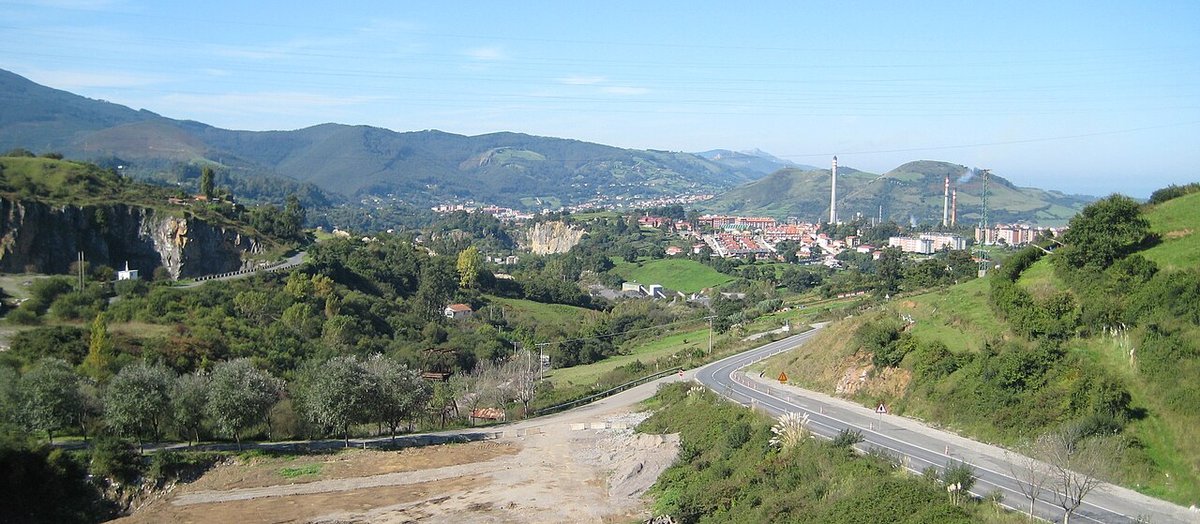
Zierbena feels like the kind of place you arrive at almost by accident. Follow the coast or leave Bilbao with the vague idea of seeing the sea, and suddenly there it is: a vast working port, lorries coming and going, and right beside it a broad beach facing the Cantabrian Sea. It rarely features in guidebooks, and that is part of its character. Tourism in Zierbena does not feel staged.
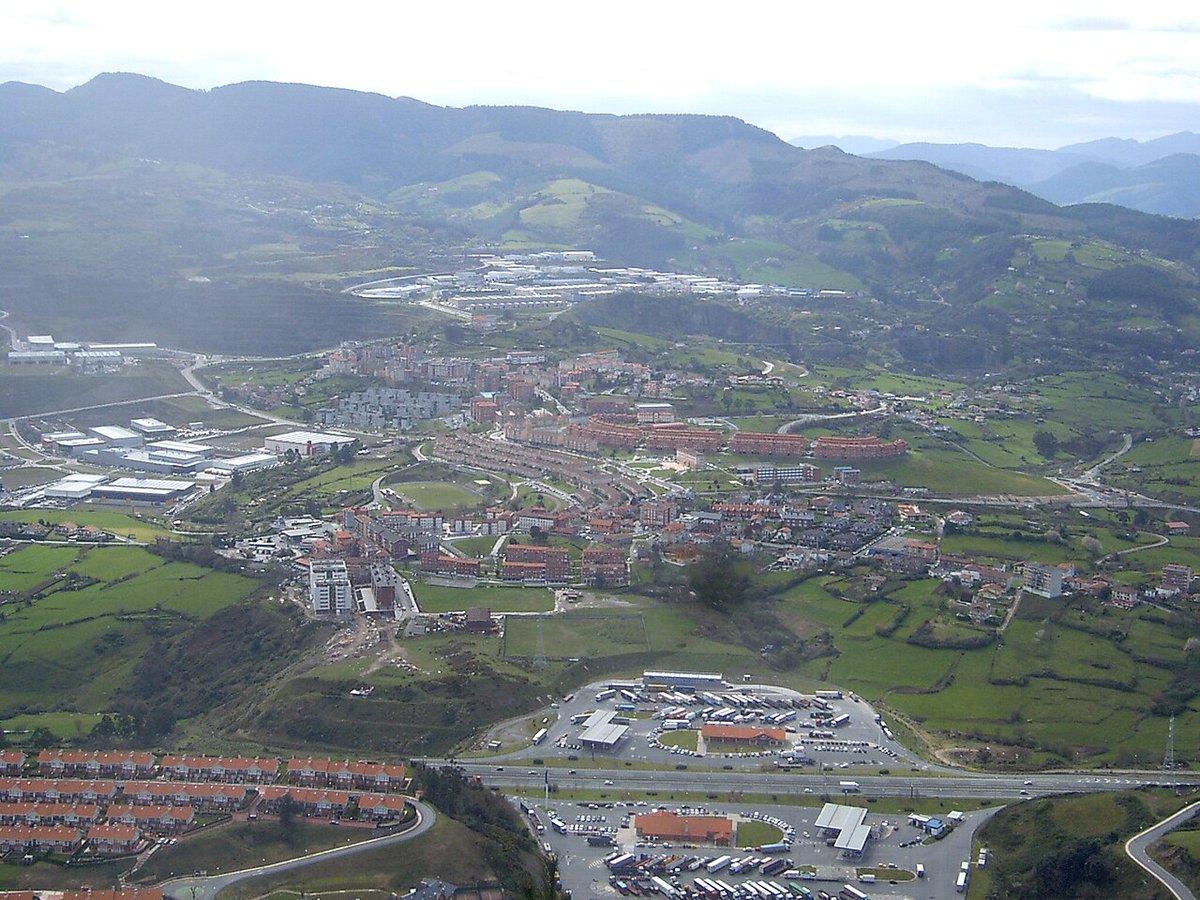
It sits just over ten kilometres from Bilbao, an easy drive that passes quickly. The shift in atmosphere is immediate on arrival. Port cranes, ships at work, and a town closely tied to the quay. There is no decorative layer here. The port defines the place, and it shows.
La Arena beach: a counterpoint to industry
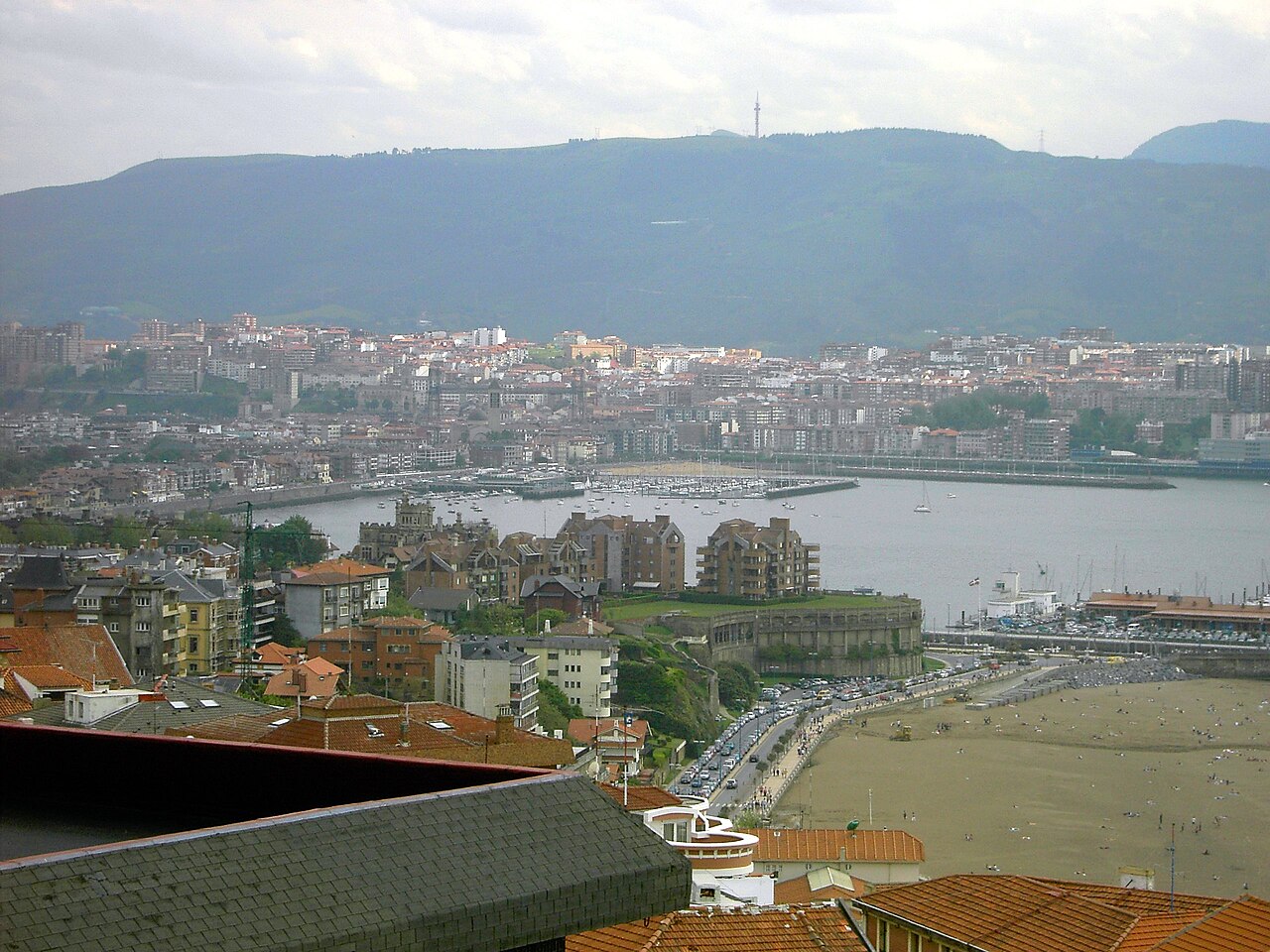
La Arena beach is what draws many visitors to Zierbena. It is striking because it lies right next to one of the most significant port areas around Bilbao. Even so, the beach is wide and very open to the sea.
The sand is coarse, and the Cantabrian does not tend to hold back. In winter, waves roll in with force and the landscape feels different. Summer softens things: people walking along the shore, surfers waiting for the next set, locals out for a simple stroll.
This is not a postcard beach. The water shifts the sand, the tide sometimes leaves pieces of wood behind, and the horizon blends open sea with port structures. That combination somehow works. It reflects the character of El Abra, the estuary area where natural coastline and industrial activity share the same space.
At one end of the beach, paths begin to climb towards rockier ground and sections of cliff. The terrain changes quickly, so proper footwear makes a difference. It is not a place for flip-flops.
A compact town facing the quay
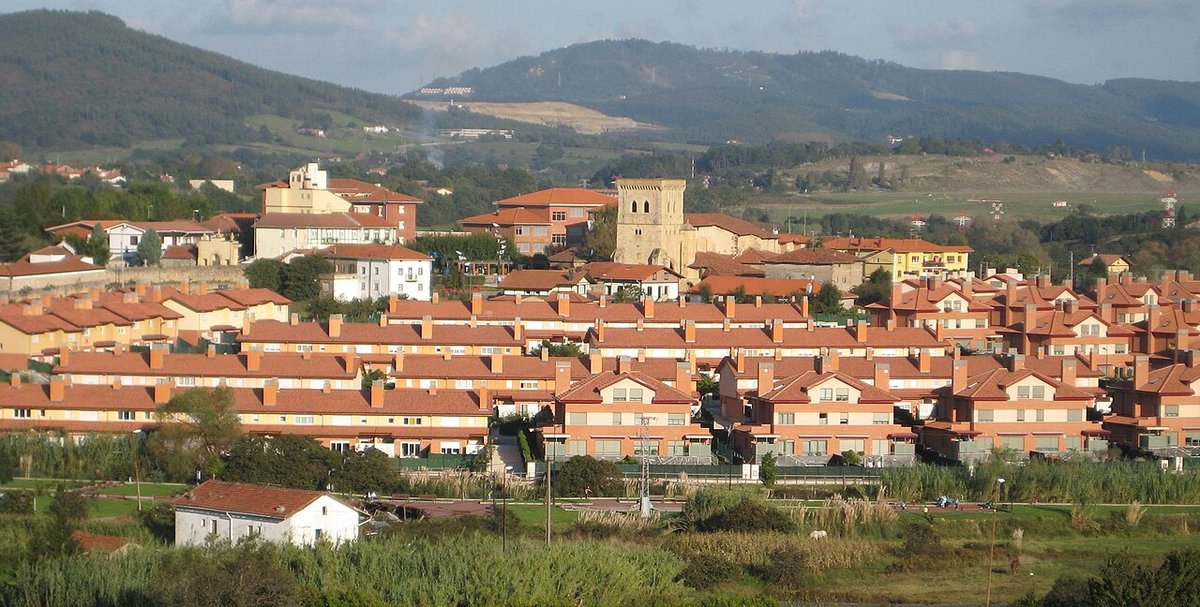
The urban centre of Zierbena is small and compact. A handful of streets, houses that have grown up around the port, and bars where the rhythm of maritime life still comes through.
In the middle of the town stands the church of San Miguel Arcángel, one of its most recognisable buildings. It is simple and solid, the sort of structure that looks built to last without unnecessary ornament.
There are no major monuments or long avenues designed for wandering. Zierbena feels functional, closely tied to port work and to the fishing activity that shaped it for decades.
A port that is always present
In Zierbena, the port is not a distant backdrop. It is right there in front of you. Lorries entering, ships manoeuvring, cranes moving cargo. It forms part of the landscape as much as the sea itself.
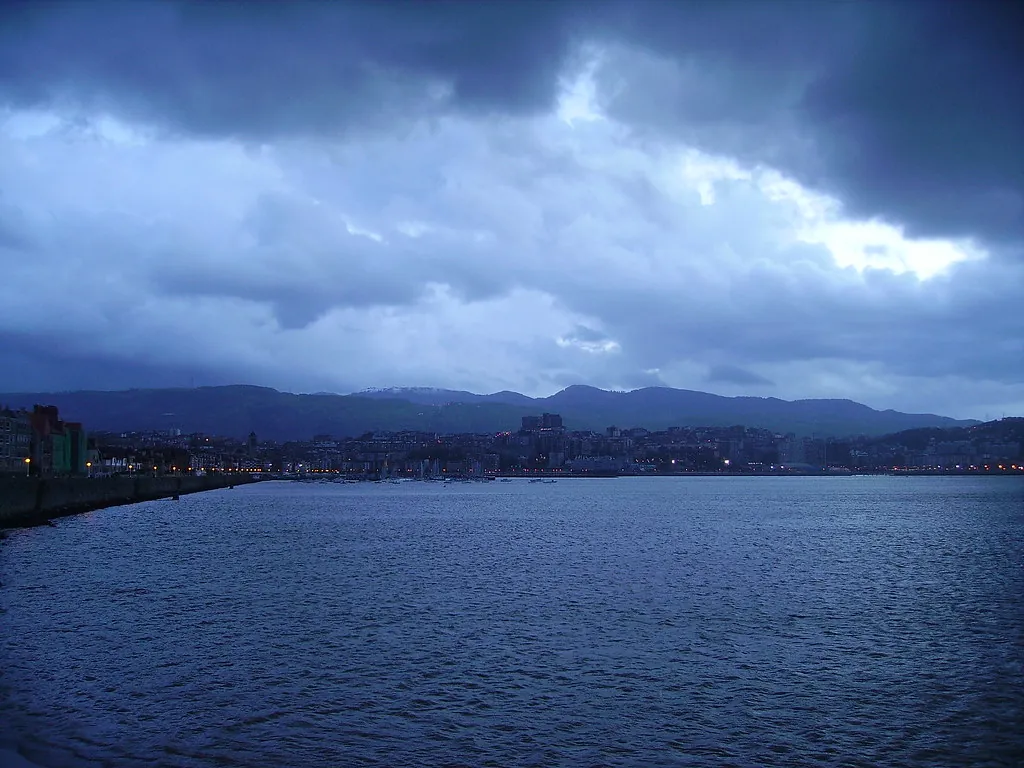
From slightly elevated points, there are clear views of the mouth of El Abra and the steady movement of vessels. Ferries come and go, tugboats carry out their work, and from time to time smaller leisure boats cross the area.
Anyone looking for complete silence might find it a little overwhelming. For those interested in how a working port operates, it has a certain appeal. This is not a stylised maritime setting. It is real, ongoing activity.
Everyday details and traces of the past
At first glance, Zierbena might seem to offer little in terms of stories. Spend a bit more time, and small details begin to emerge. Houses built by fishing families, conversations in the square, people whose lives remain connected to the port.
Local festivals usually take place in August, and during those days the atmosphere shifts. Events linked to the sea appear, along with traditional Basque music. It is when the town fills out and its community side becomes more visible, compared to the quieter rhythm of the rest of the year.
Walking out towards the hills and the sea
For those inclined to move around, paths lead from Zierbena towards the nearby hills. One of the best-known spots is Punta Lucero, a high point overlooking the sea with wide views across El Abra.
From there, the layout of the area becomes clear: open sea on one side, the extensive port of Bilbao on the other, and the coastline stretching towards Getxo and Santurtzi.
There are also stretches of coast with small coves and quieter corners if you move away from the main beach. These are not long excursions, more like short walks to take in the view and see the landscape from a different angle.
Practical notes before you go
Getting to Zierbena from Bilbao is straightforward via the A-8 towards the coast. By car, the journey is short and makes it easier to explore the surrounding area.
There are also bus connections with nearby towns, though it is worth checking in advance as services are not always frequent.
One thing to bear in mind is the wind. The Cantabrian breeze is noticeable here even on sunny days, so a light layer is useful. If you plan to walk along the cliffs or dirt paths, decent footwear is a sensible choice.
Zierbena is not a place built for a full day of ticking off sights. It works better as a pause: a walk along the beach, time spent watching the port, perhaps a short climb to a nearby viewpoint, and then on your way again with a clearer sense of how this stretch of coast lives and works.