Full Article
about Amoroto
Valleys and hamlets a short distance from Bilbao, with a strong local life.
Hide article Read full article
Amoroto: un municipio disperso en Lea Artibai
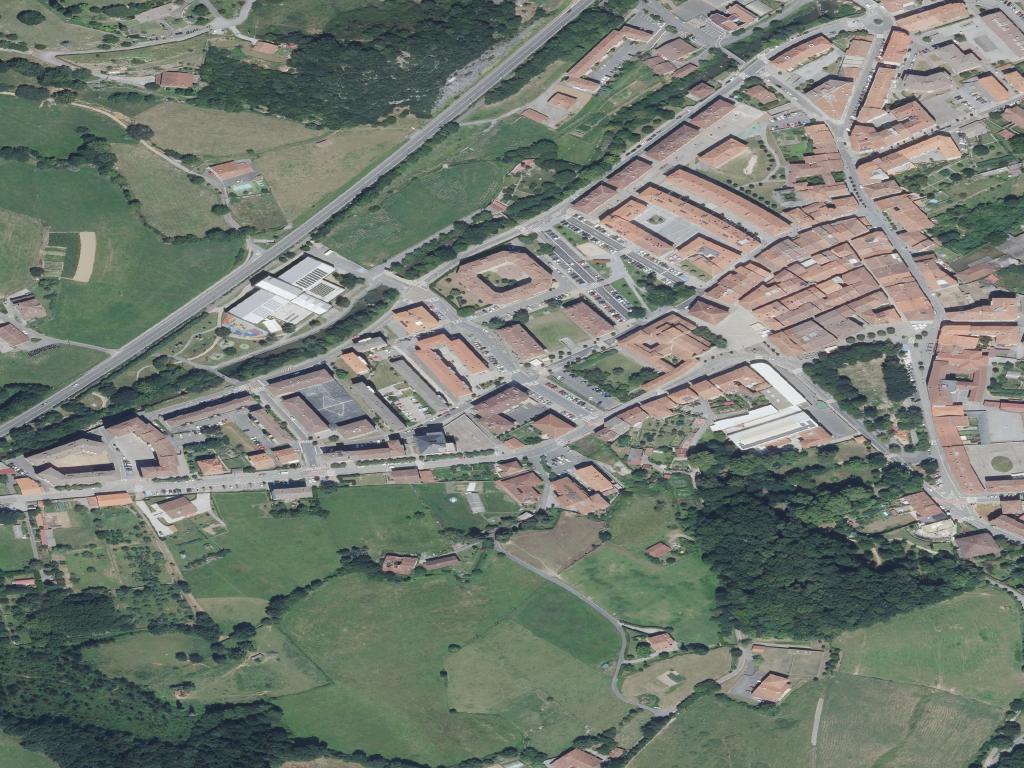
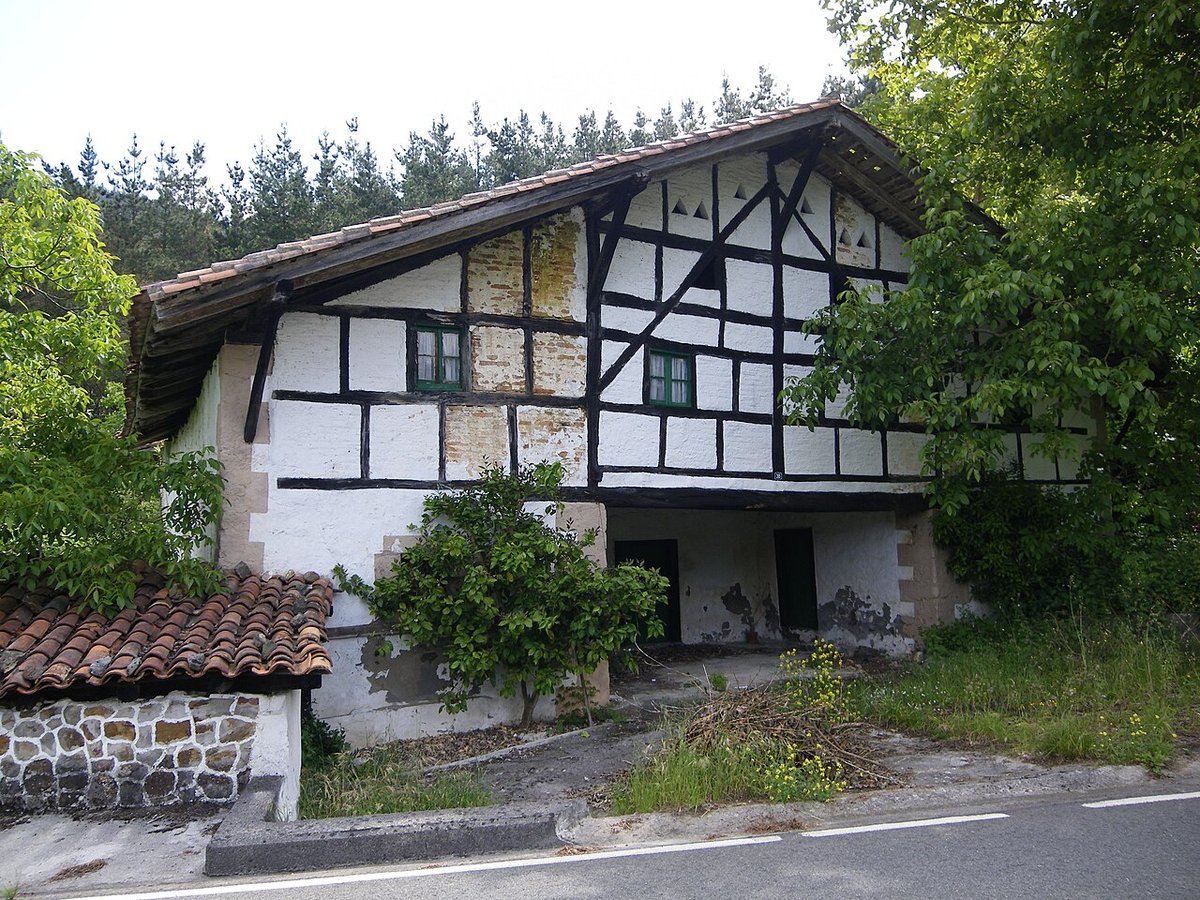
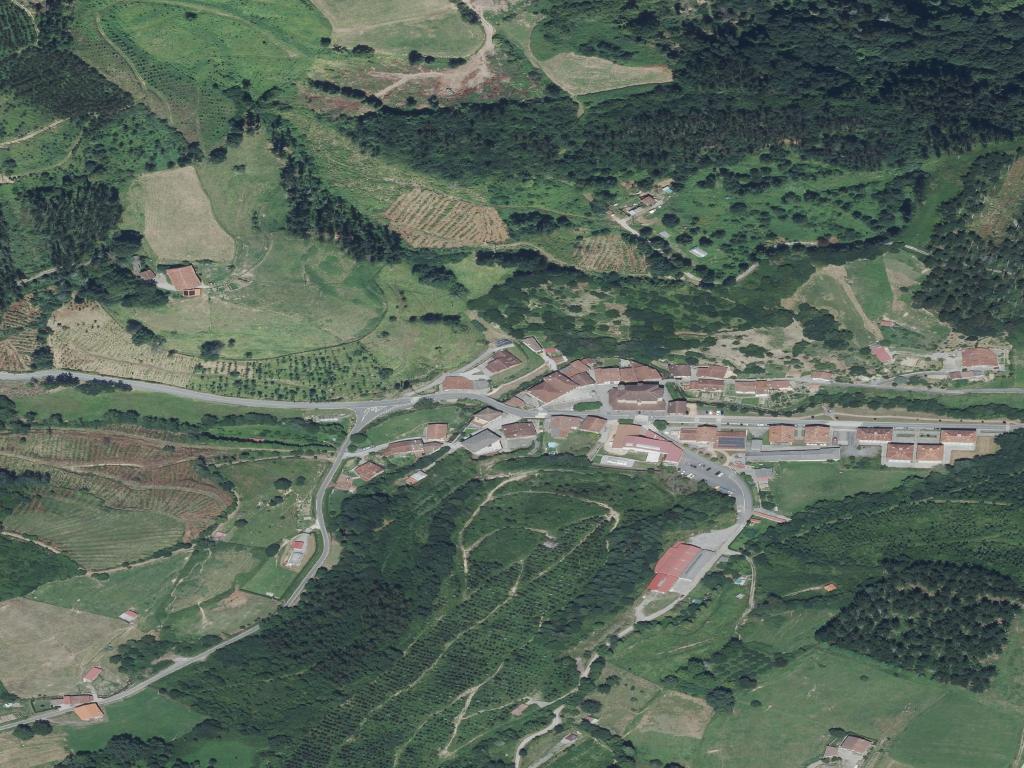
Para entender Amoroto hay que empezar por su geografía. Este municipio de Bizkaia, en la comarca de Lea Artibai, no tiene un núcleo urbano compacto. La población se distribuye en barrios y caseríos separados por prados y lomas suaves, conectados por carreteras locales y caminos. Es un patrón de asentamiento tradicional aquí, donde cada casa está ligada a la tierra que trabaja.
El paisaje lo explica. Entre manchas de bosque, sobre todo hayedo y castaño, se abren praderías. Arroyos bajan por vaguadas hacia el valle del Lea. La vida local ha girado durante siglos en torno al ganado y la agricultura a pequeña escala. La posición de cada caserío responde a esa lógica, no a la de formar un centro.
La iglesia de San Martín como referencia
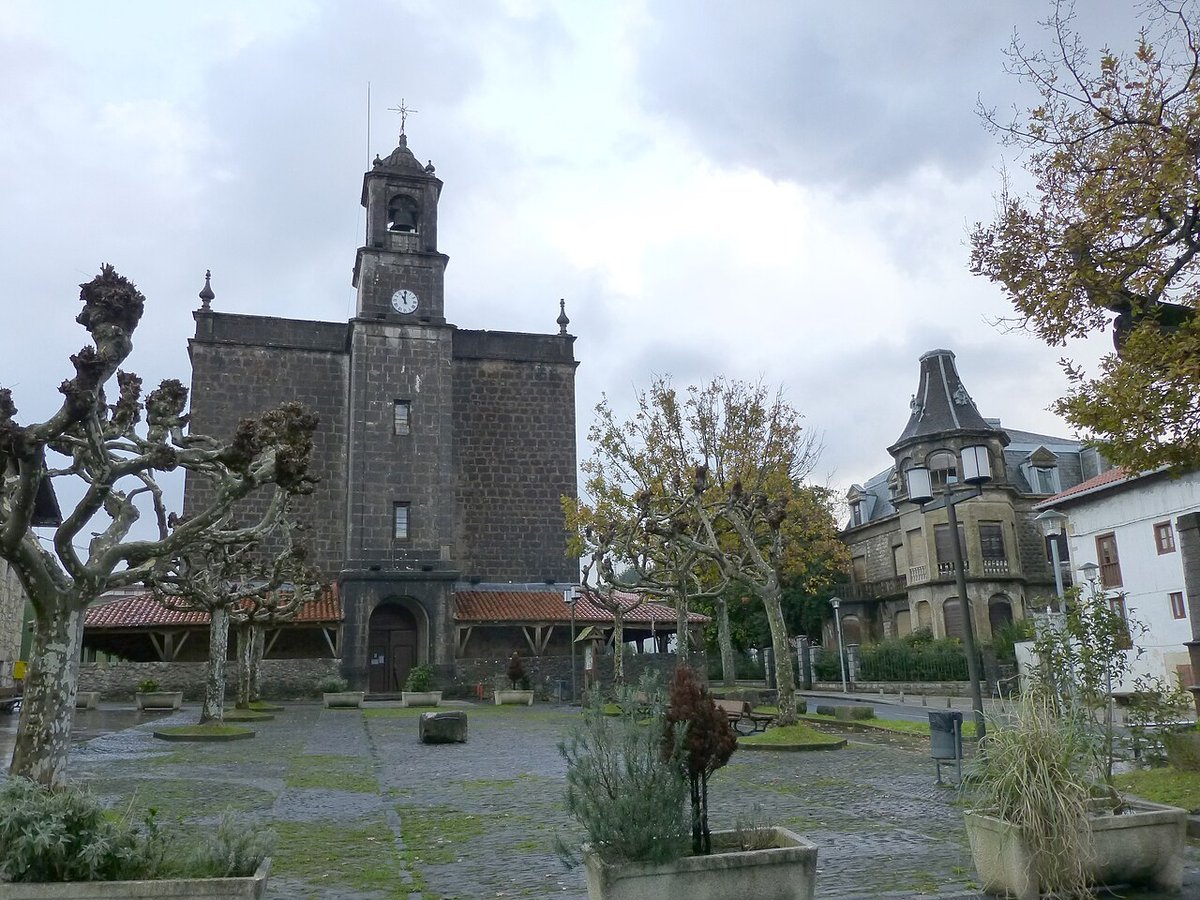
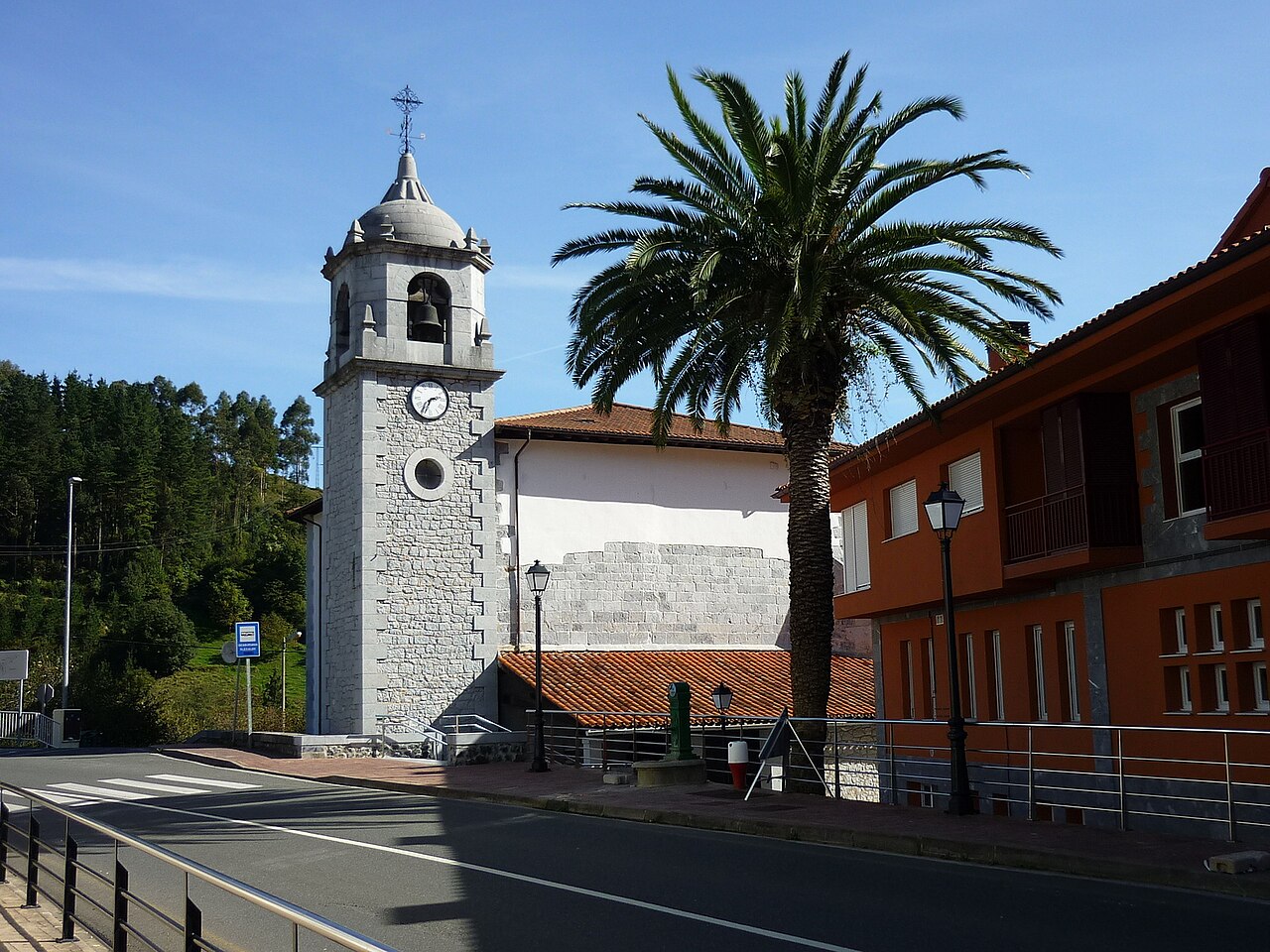
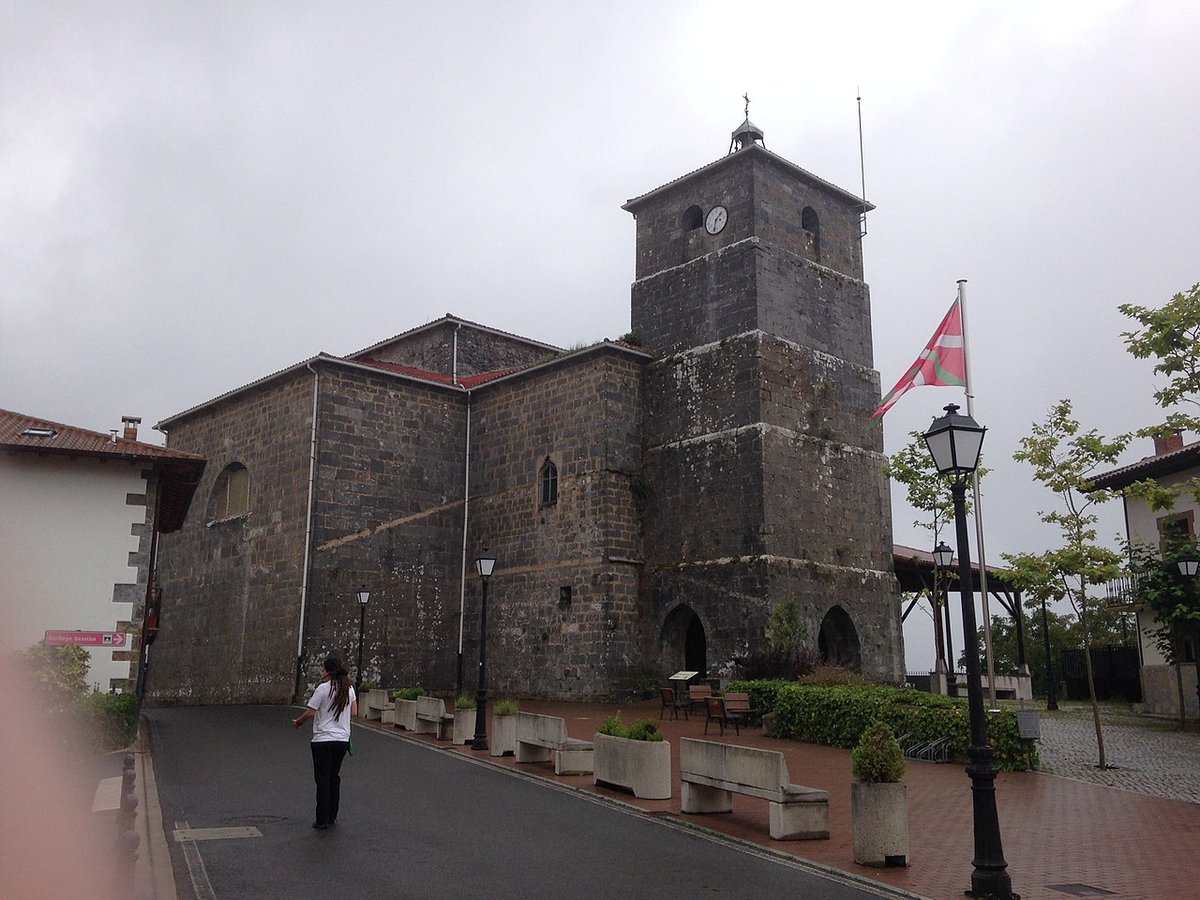
La iglesia de San Martín sirve de punto de referencia dentro de la dispersión. El edificio actual, que ocupa el solar de uno del siglo XVI y ha sido reformado, no es monumental. Su interés está en cómo organizaba la vida comunitaria en un territorio tan fragmentado.
El atrio hace las veces de plaza. Desde allí se lee bien el terreno: no hay miradores preparados, pero basta caminar unos metros por la carretera para ver cómo se ordenan los barrios. Es una perspectiva sin adorno, que cuenta mucho del lugar.
Moverse por el territorio
No hay una ruta urbana definida. La forma de ver Amoroto es moverse entre sus barrios, en coche o a pie. Las carreteras locales unen pequeños grupos de casas y cruzan pastos abiertos.
El terreno atrae a ciclistas por sus constantes subidas y bajadas, sin grandes puertos de montaña. El paisaje cambia con rapidez: un tramo de bosque, una pradera con ovejas, otro grupo de caseríos aislados. El ritmo del lugar está en esas transiciones.
Vida rural y producción
La agricultura y la ganadería siguen siendo parte del día a día. Es frecuente ver rebaños en los prados junto a los caseríos y pequeñas huertas junto a las viviendas. Algunos productores venden directamente en sus fincas, aunque no siempre está señalizado ni pensado para visitantes; depende de la época del año y del momento.
No es un lugar de tiendas o mercados. Amoroto funciona más como un paisaje habitado que como un destino para recorrer comprando. Las rutinas diarias giran en torno a las casas familiares y el trabajo de la tierra, lo que marca el ambiente de forma constante pero discreta.
Celebración local y ritmo anual
Las fiestas suelen girar en torno a San Martín, el patrón. Como ocurre en muchos pueblos pequeños, las fechas y el programa pueden variar cada año. La forma más segura de saber qué hay es preguntar en el bar o consultar los carteles cuando se está por la zona.
En esos días cambia el ambiente. Se reúnen los vecinos, hay actividades ligadas al mundo rural y viene gente de otros pueblos del valle. La escala sigue siendo reducida, pero se nota el cambio.
Cuestiones prácticas
Amoroto cobra sentido cuando se acepta su escala. No hay un casco histórico extenso ni calles largas para pasear. El municipio son barrios dispersos.
Conviene moverse con calma por las carreteras locales. Es útil parar donde el terreno lo permita para observar el entorno. No todas las entradas a los caseríos o caminos son aptas para aparcar; a menudo es mejor dejar el coche en un ensanche de la carretera y continuar un tramo a pie.
La lluvia cambia las condiciones con rapidez. Tras varios días húmedos, algunos caminos de tierra se vuelven resbaladizos, por lo que un calzado adecuado es aconsejable si se piensa caminar.
Con poco tiempo, una visita a la iglesia de San Martín y un corto recorrido en coche por las carreteras cercanas bastan para captar el paisaje. Con más tiempo, tiene sentido combinar Amoroto con otros pueblos del interior de Lea Artibai. Vistos en conjunto, se entiende mejor la estructura de la zona: caseríos diseminados, prados modelados por el uso y carreteras locales que conectan un valle con el siguiente.