Full Article
about Berriatua
Valleys and hamlets a stone’s throw from Bilbao, buzzing with local life.
Hide article Read full article
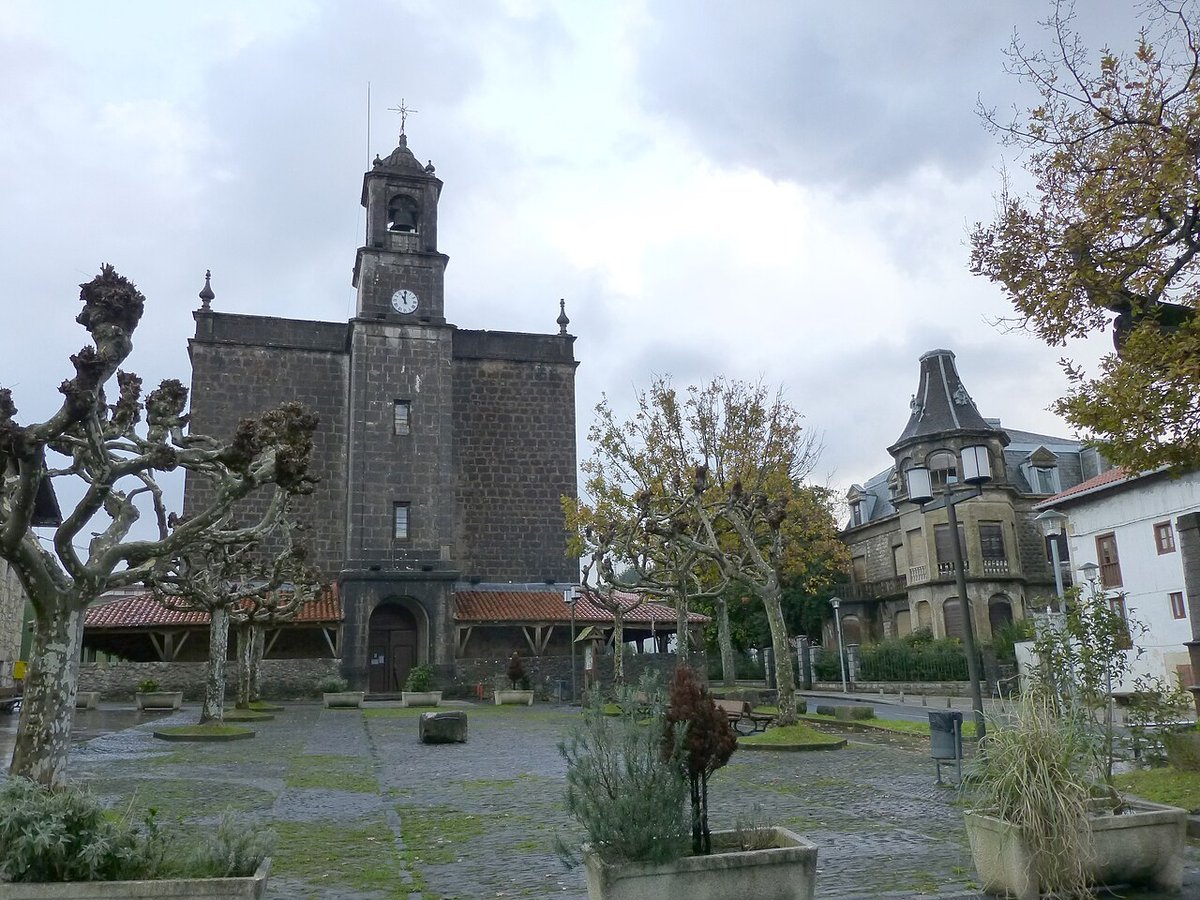
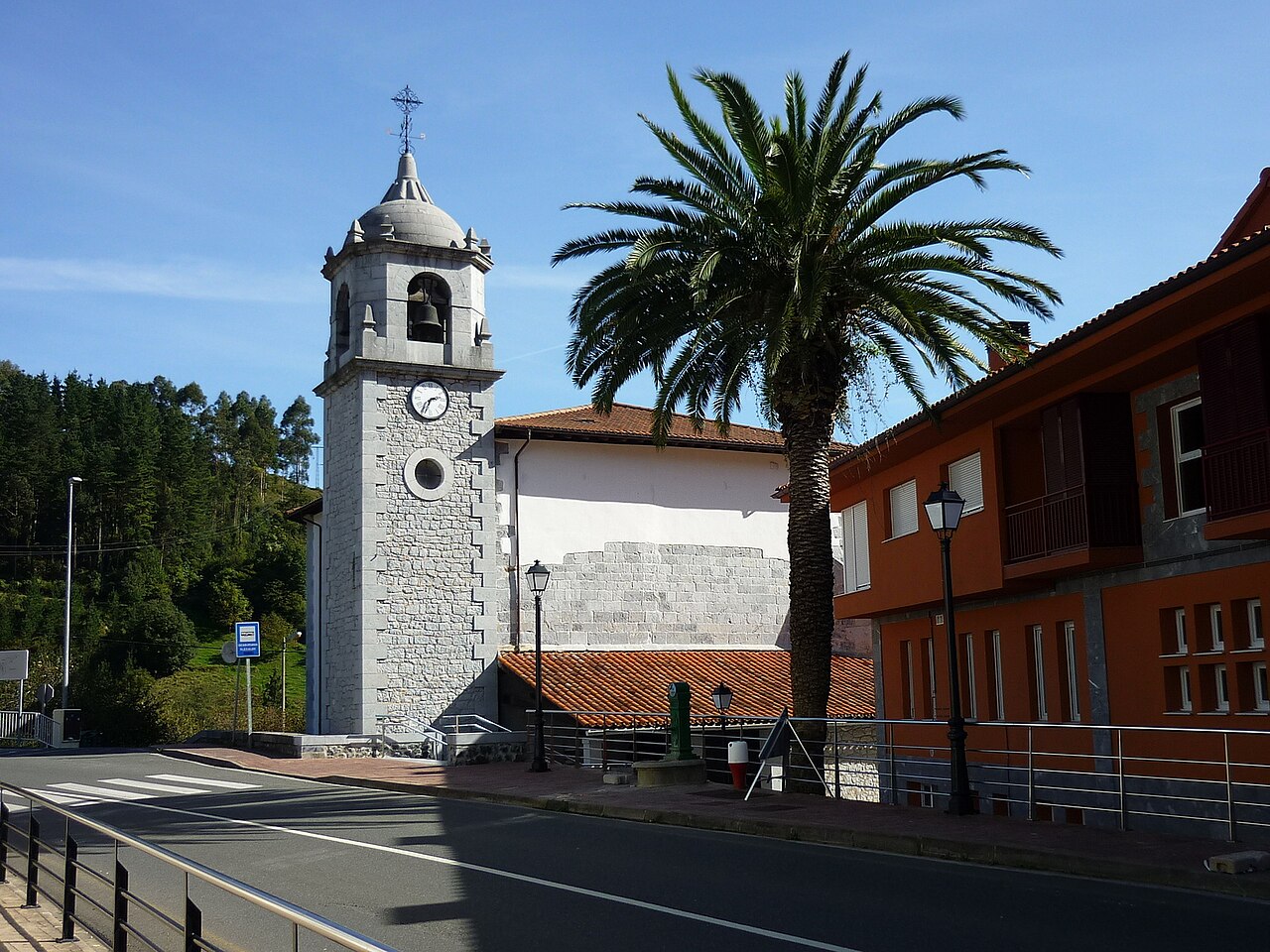
At eight in the morning, the square in Berriatua is still half empty. The air often carries the smell of damp grass and cold stone. The church of San Pelayo stays in shadow a while longer, its thick walls holding on to the night’s cool even in summer. A shutter lifts somewhere and the first car passes slowly through. That early moment says a lot about tourism in Berriatua: an unhurried pace, little sense of rush, and a village that feels more like a place to live than a place arranged for display.
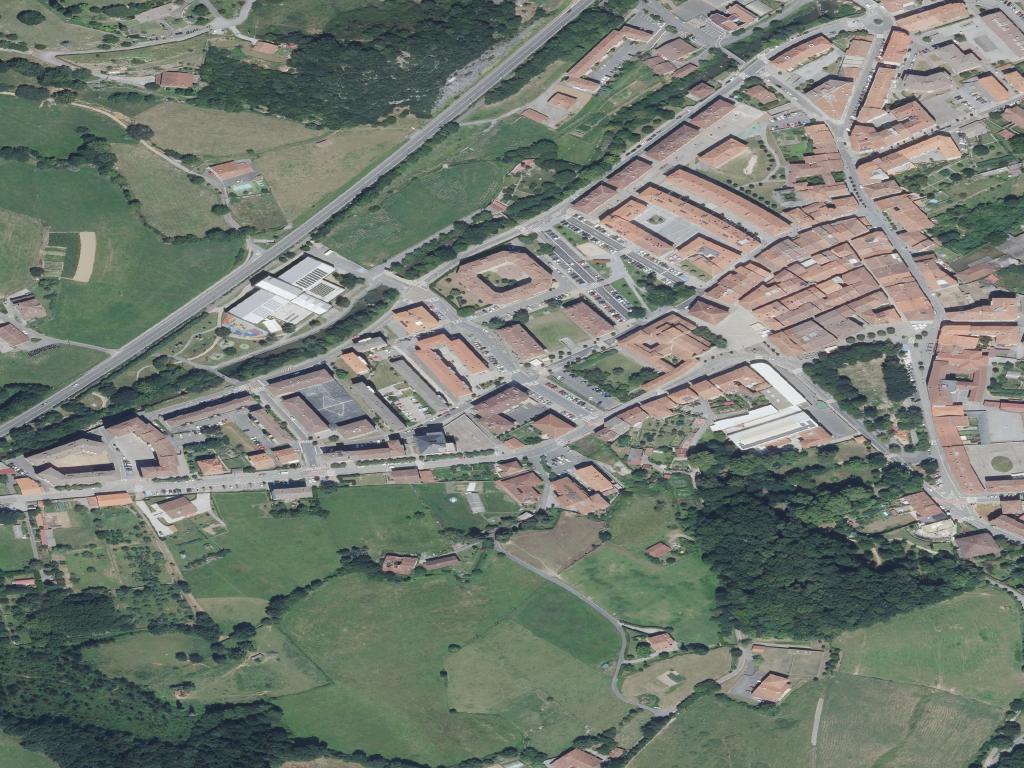
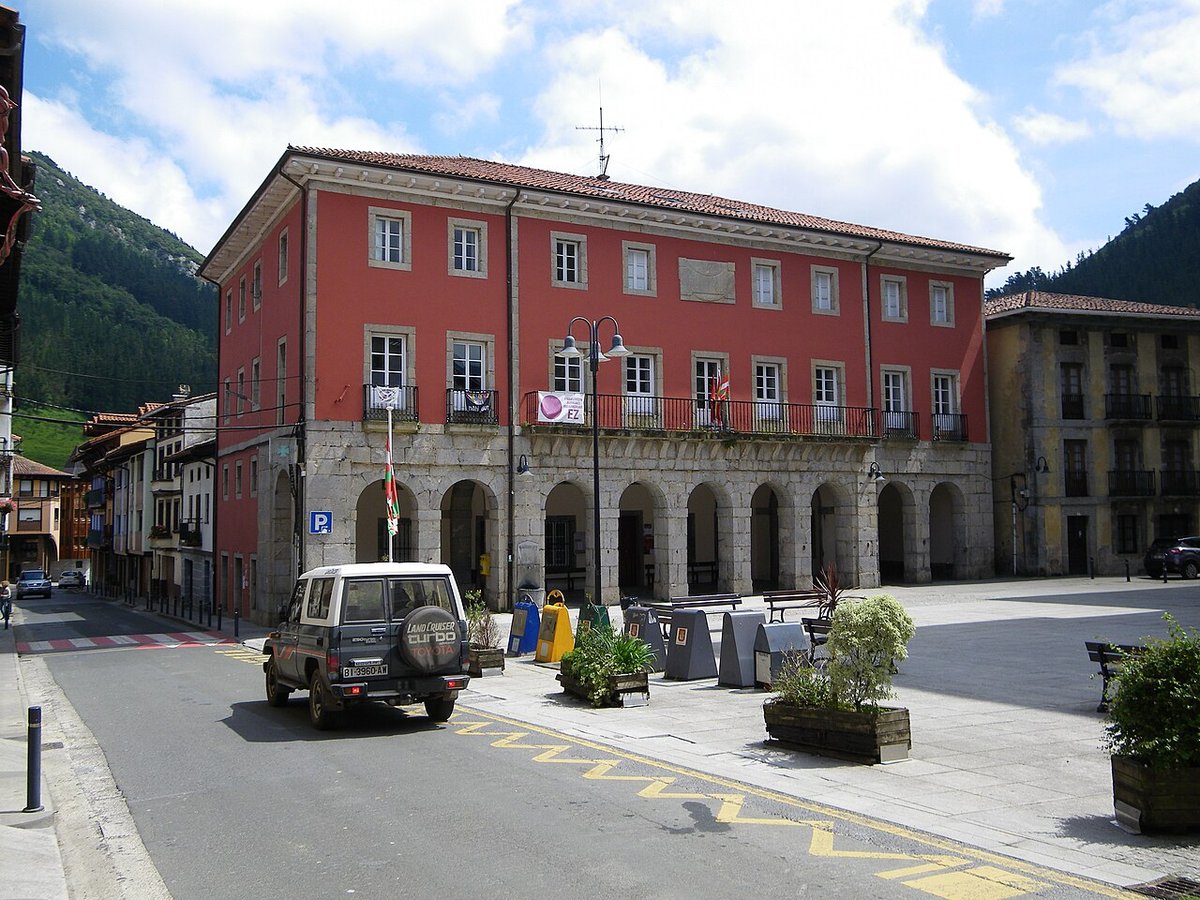
The streets around the square are short and slightly uneven. Houses have pale walls, some with simple iron bars on the windows, others with façades left much as they were decades ago. There are no large signs or obvious attempts to draw attention. The place reveals itself gradually, as the minutes pass.
Along the River Lea
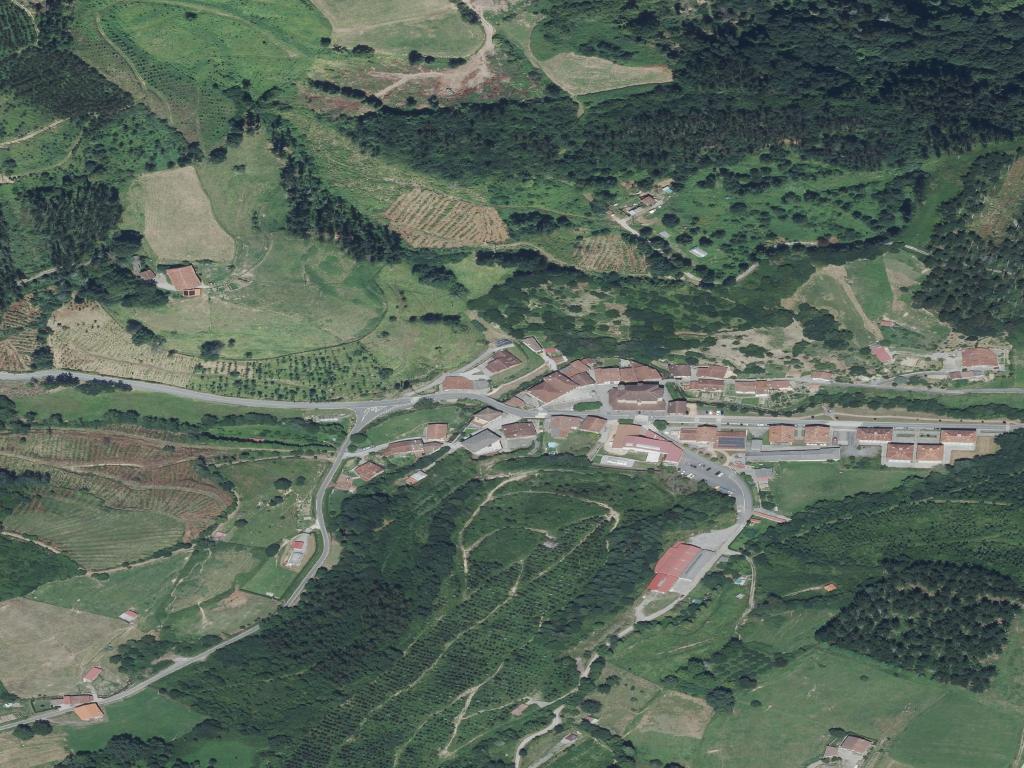
Not far away lies the valley of the River Lea. There is no need to look for a specific viewpoint. It is enough to follow one of the minor roads or walk downhill for a while. The landscape opens into damp meadows, small vegetable plots and scattered trees that break up the green with darker patches of shade.
There are few viewpoints or information panels here. Rural tracks trace their way between plots of land, sometimes edged by low stone walls, sometimes by hedges that grow without much order. In spring the green becomes especially vivid. In autumn the edges of the paths fill with brown leaves and the ground gives a faint crunch underfoot.
Care is needed when walking, as many of these tracks are shared with tractors and other agricultural vehicles. It is also common to come across gates or chains marking private access.
Farmhouses and everyday life
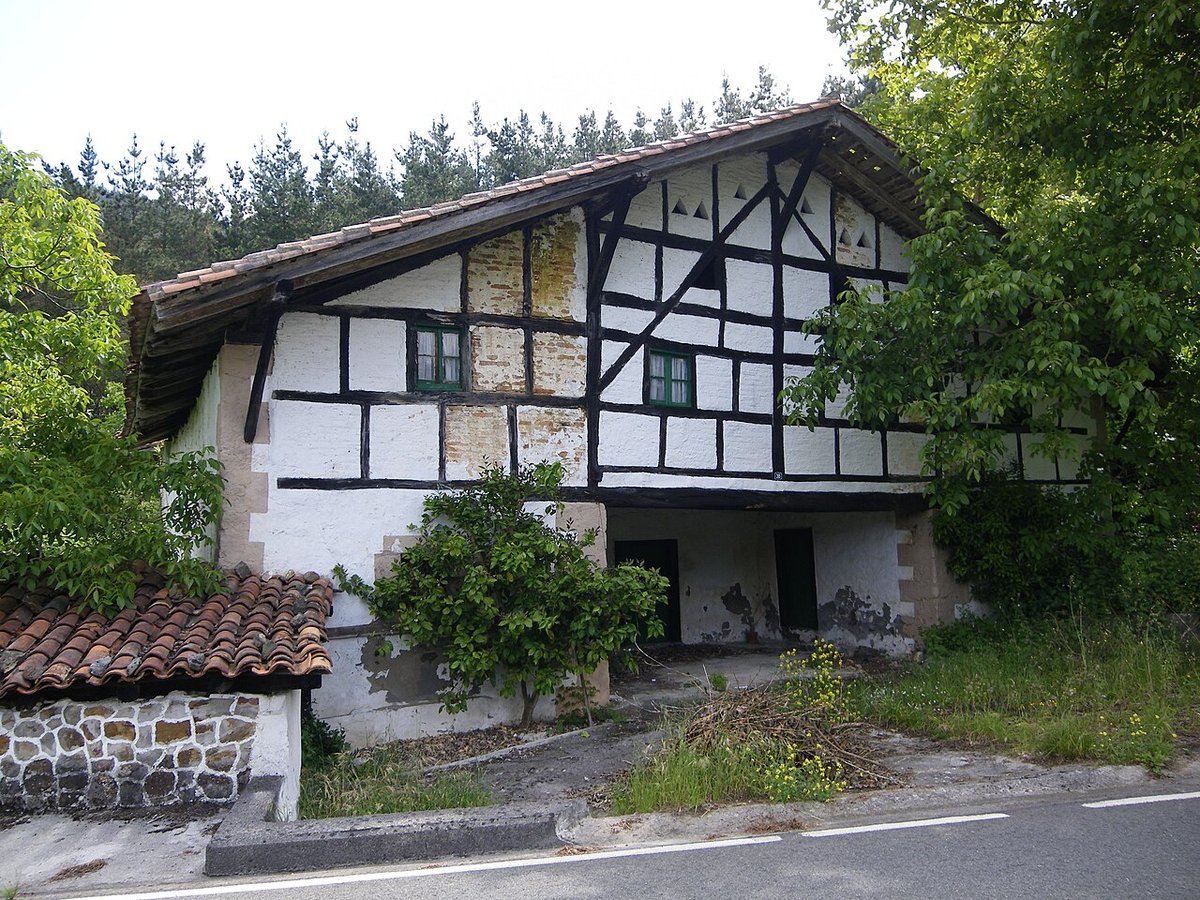
Scattered farmhouses, known locally as caseríos, continue to appear in the surrounding area. Some are well kept, with large roofs and dark wood along the balconies. Others seem quieter, used as storage or for livestock. They do not form a grand architectural ensemble, yet they help make sense of how this landscape has been organised over generations.
At certain times of day, tractors can be seen parked beside sheds, stacks of firewood piled neatly, or herds moving slowly across enclosed fields. Nothing here is arranged for visitors. It is simply daily life continuing as it always has.
Anyone walking through these areas should remain discreet and avoid stepping into open plots of land, even if no one appears to be around.
A short distance from the sea
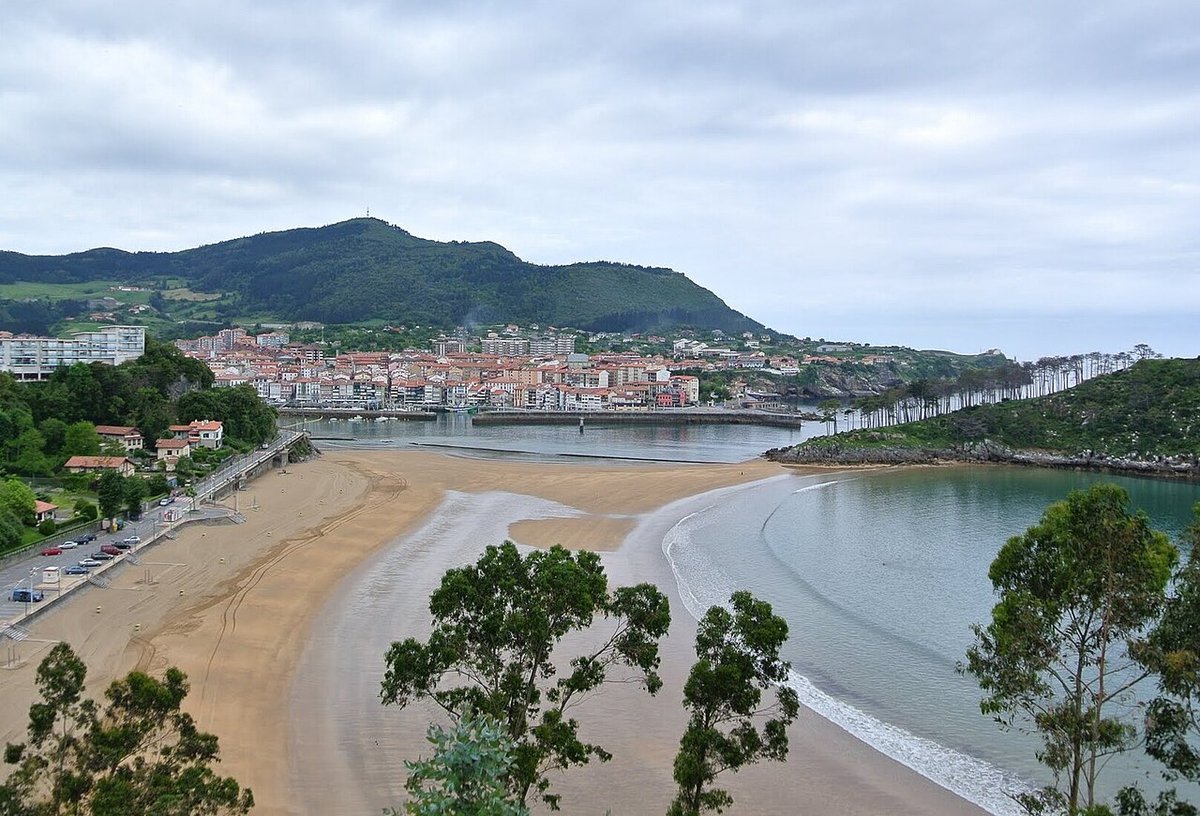
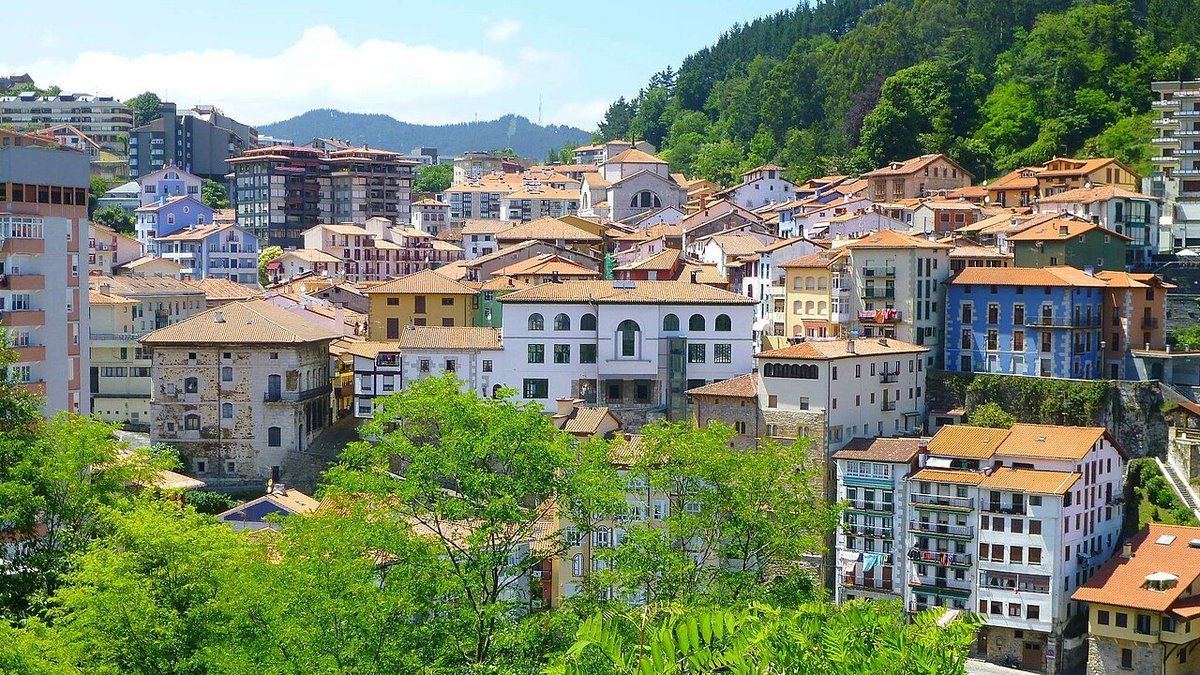
From Berriatua, the coast is reached quickly. Ondarroa is very close and has an active port where fishing boats can still be seen coming and going with the tide. Lekeitio, a little further west, combines older streets with the constant presence of the sea.
Many people pass through Berriatua on their way to these coastal towns. Even so, spending some time inland shifts the perspective. The landscape here is quieter, with less movement and more space between houses.
Walking without marked routes
There are no major signposted tourist routes around the municipality. Some paths link neighbourhoods and farmhouses. Others follow small streams or climb gently up the slopes.
The ground can become slippery when it rains, which happens often in this part of Bizkaia. If the soil is very muddy, it makes sense to stick to wider tracks or remain close to the village itself.
Parking should be done in clearly suitable places, without blocking agricultural access. Many of these tracks are used daily for work on the land.
When to visit Berriatua
Between spring and early autumn, the valley is generally more pleasant for walking. Meadows are at their greenest, days are longer and temperatures remain mild. In winter, rain can be persistent and the wind arrives from the coast carrying a good deal of moisture.
In summer, traffic increases towards the nearby beaches, especially at weekends. For those looking for a quieter experience, it is worth passing through early in the morning or later in the afternoon, when the flow towards the sea has eased.
Berriatua does not revolve around major monuments or set plans. It is best understood by walking for a while, hearing the river in the distance and watching how the valley opens out between meadows and farmhouses. Sometimes that is all there is, and also all that is needed.