Full Article
about Ispaster
Valleys and hamlets a stone’s throw from Bilbao, buzzing with local life.
Ocultar artículo Leer artículo completo
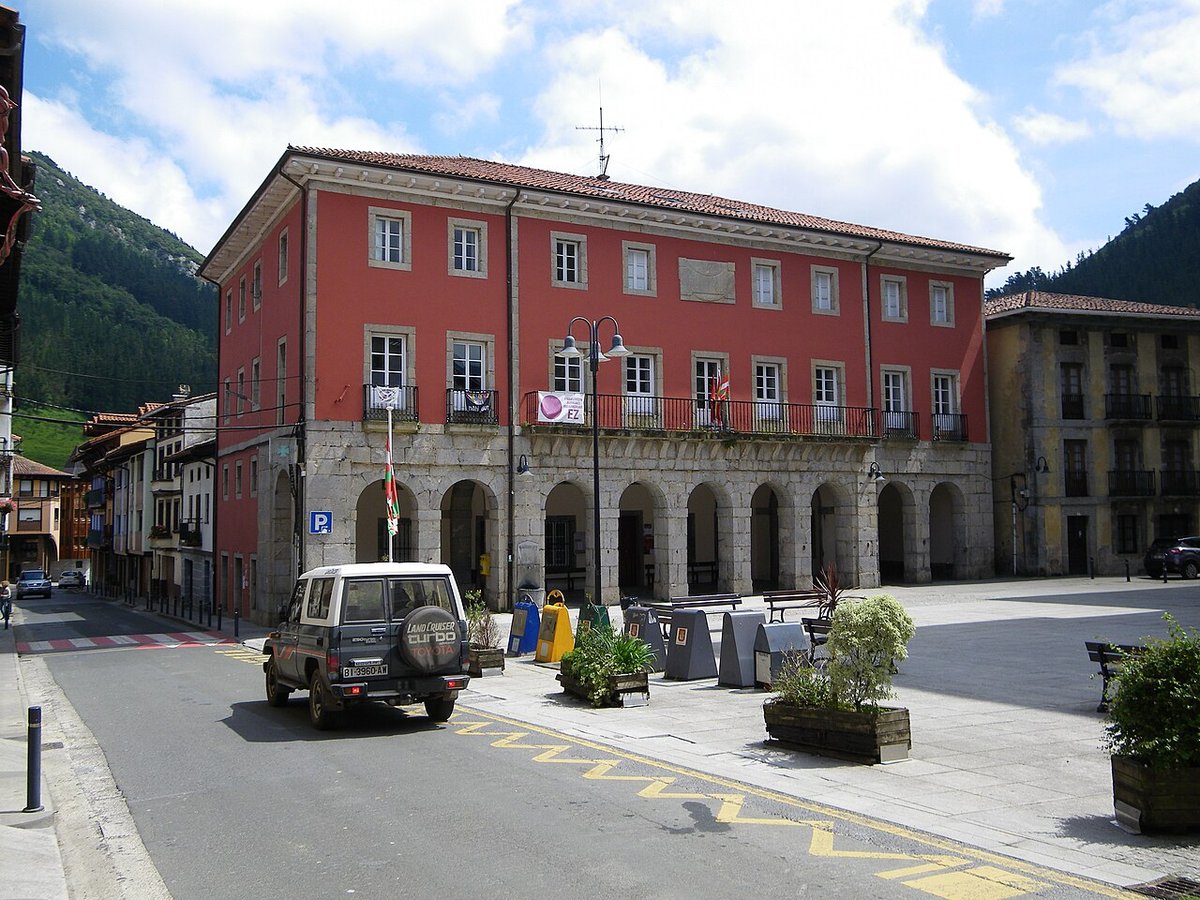
The Aldi van pulls up at 09:47 sharp, hazard lights blinking beside the stone cross. Housewives in gardening clogs appear from lanes you hadn't noticed, canvas bags ready. By 10:15 the van is gone, the cross stands alone again, and Ispaster has done its weekly shop. This is utility, not performance: a village of 700 souls scattered across folded hills five kilometres from the Bay of Biscay, yet feeling nowhere near a beach.
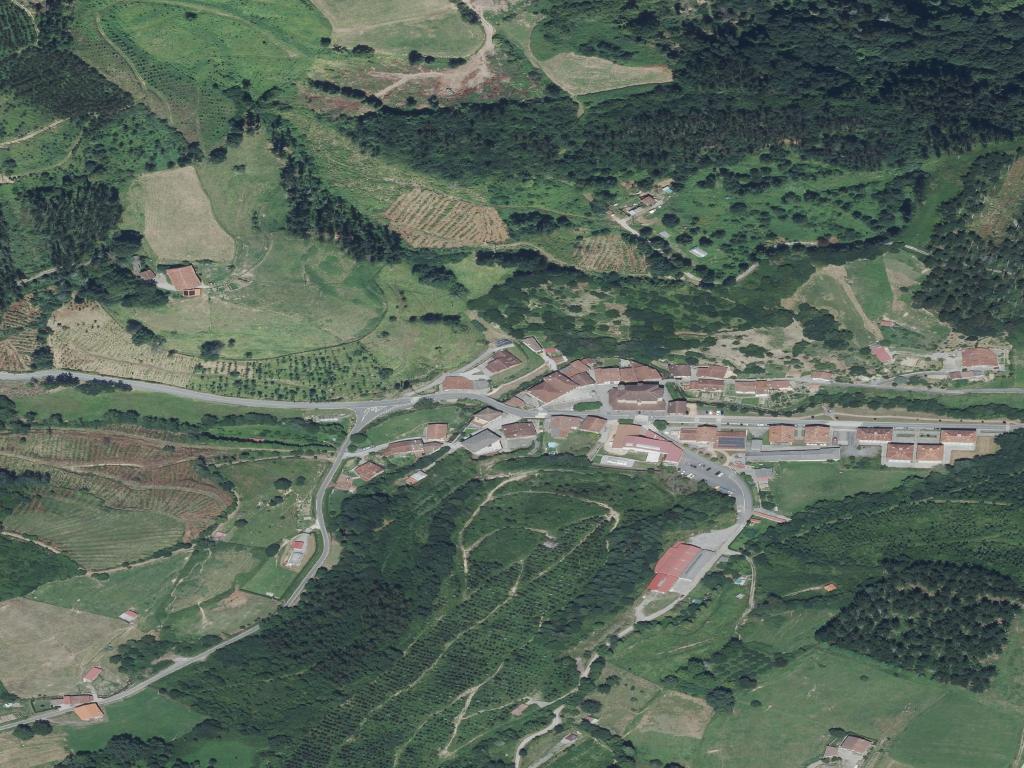
Green Geometry
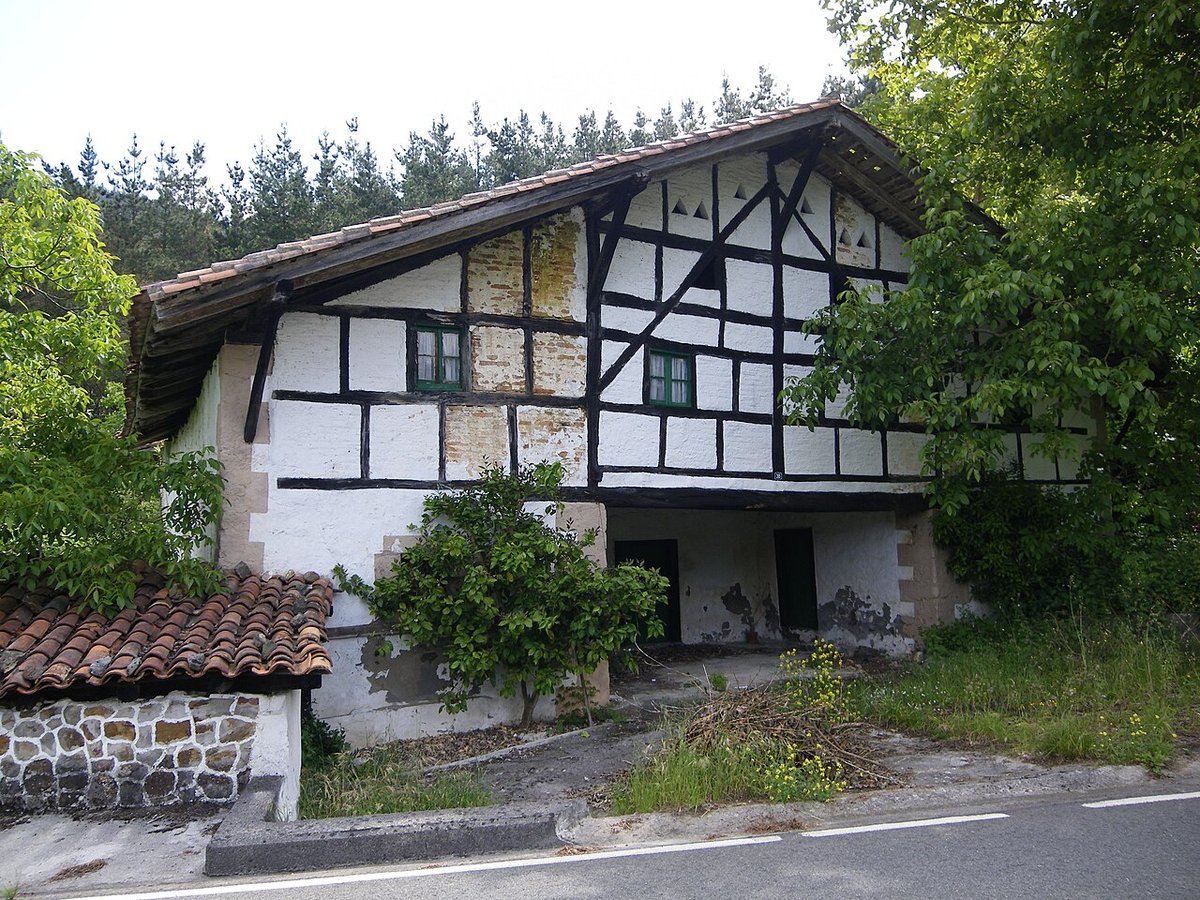
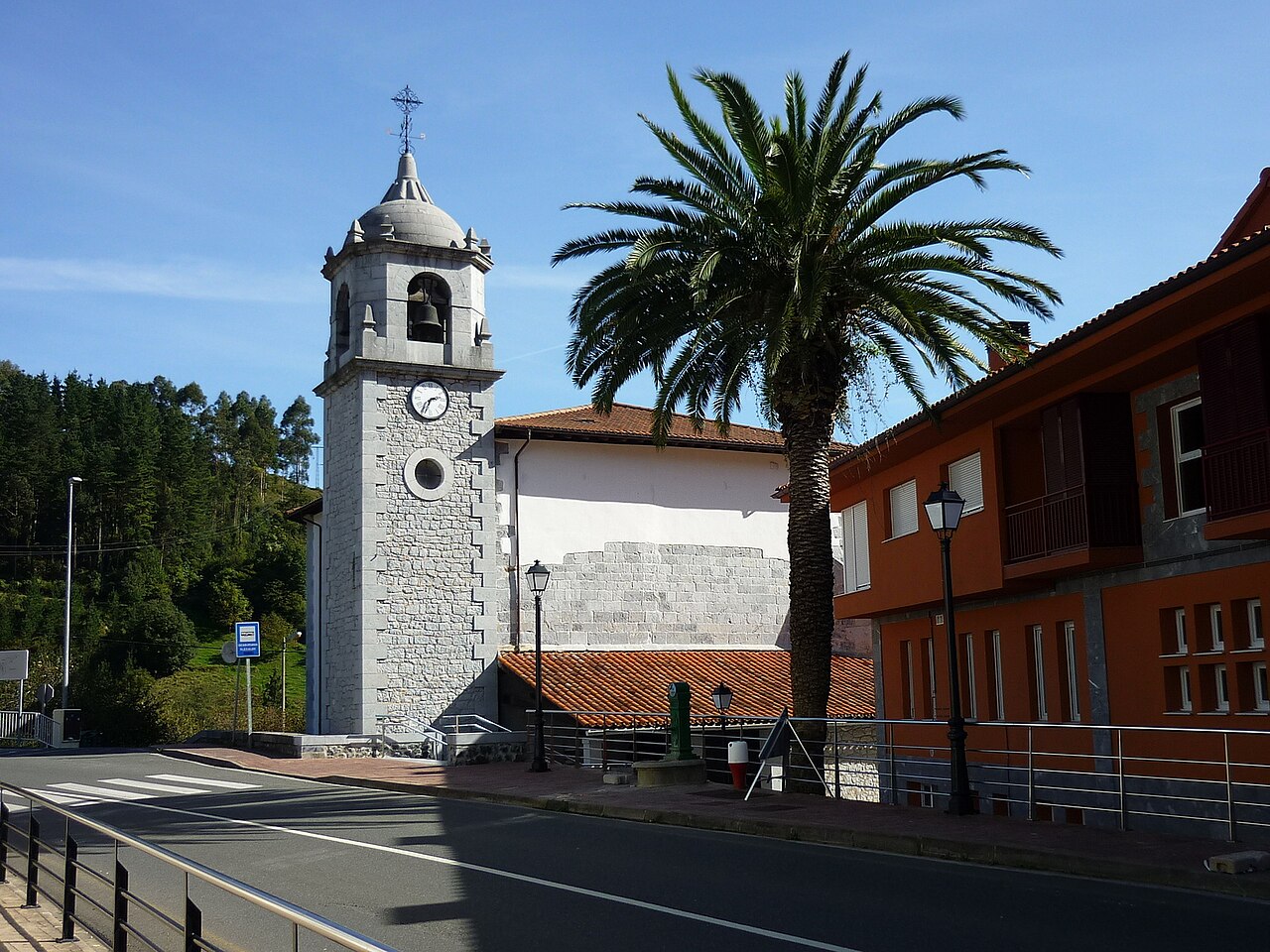
Ispaster sits on a limestone ridge that catches Atlantic weather and squeezes it into mist. Fields are small, hedged with chestnut and hazel, each one a different shade of wet green. The parish church of San Miguel acts as a rough centre, but "centre" here means the point where three roads meet and the mobile signal briefly returns. Caseríos – solid farmhouses of ochre stone and painted timber – sit wherever the slope flattens enough for a barn and 30 cows. Some are immaculate, some roofed with rusting tin; all face south-east to catch winter sun and avoid the north-westerly gales that roar up from the Cantabrian Sea.
You can walk the lanes in an hour, yet every bend reveals another working yard: a tractor reversing, a woman pinning washing under the eaves, the smell of silage sharp enough to make your eyes water. Tourism leaflets call the landscape "timeless"; locals call it Tuesday. There is no entrance fee, no gift shop, no interpretive board. If you want a postcard, buy one in Lekeitio.
The Hilltop Hermitage and the GR-123
Leave the church, pass the frontón court where boys thud pelota balls at dusk, and the tarmac soon turns to stone. Fifteen minutes uphill through chestnut wood brings you to the ermita of San Antonio, a single-cell chapel locked except on 13 June when villagers carry the saint down for romería. The reward is not architecture but horizon: east to the oak crest of Oiz, west to the salt-white lighthouse at Matxitxako. Red-and-white waymarks of the GR-123 long-distance path cut across the grass here; follow them north for 45 minutes and you reach the cliff edge, where kites wheel above 150-metre basalt walls and the Atlantic smashes into horseshoe coves unreachable by car. The return loop drops through pine and back along the road – three miles door to door, enough to justify a txakoli at the asador later.
Take the same path south-east and the route climbs to 600 metres, crossing into Gernika-Lumo through beech forest where wild boar root at night. British walkers report the signage "better than most of Cornwall" but warn that the red clay becomes axle-deep after rain. Boots with tread are non-negotiable; poles help on the descents where cow slurry adds a final cosmetic slick.
What You Eat and Where
Ispaster has two places to sit down, both on the main BI-2235. Asador Ispaster smells of oak smoke before you reach the door. Weekday menú del día runs to €14 and brings soup, entrecôte or hake, wine and coffee; at weekends families share txuletas – rib steaks the width of a plate – cooked rare and sliced tableside. Locals lunch at 15:00, so arrive before 14:00 or after 16:30 if you want a quiet table.
Across the road Bar Kiriki opens at 08:00 for cortado and tortilla, closes mid-afternoon, then reopens for evening pintxos. Try a Gilda – anchovy, olive and guindilla pepper skewered in salute to Rita Hayworth – and a glass of txakoli poured from height so it fizzes. British visitors expecting cider are surprised by the sharp, green-apple bite; alcohol sits at 10.5%, ideal for a second glass before the drive home.
There is no supermarket. The mobile produce van (not just Aldi – a green Eroski van on Mondays) stocks UHT milk, tinned tuna, overripe plums. Self-caterers should stock up in Lekeitio: Lidl on the roundabout, plus a fish market on the harbour where yesterday's catch becomes today's bargain at 11:00 sharp.
When Silence Costs Extra
August fiestas honour San Roque and the Virgen de las Nieves. Brass bands march at 07:30, fire-crackers echo off stone, and teenagers in matching red scarves drink kalimotxo until the street cleaning lorry hoses them away at 04:00. House prices triple, rental cars clog the BI-2235, and the one cash machine in neighbouring Lekeitio runs dry. Come outside the fortnight around 15 August and you pay half the price for twice the quiet; most cottages rent by the week Saturday-to-Saturday, so mid-week arrivals in May or October secure last-minute discounts.
Winter brings its own rules. At 250 metres altitude the village escapes coastal fog but not Atlantic rain. Days end early, cattle come into lower barns, and wood-smoke lingers like a lid. The asador stays open because farmers still eat, but both guesthouses shut between Christmas and Epiphany. If you do arrive then, expect a warm welcome, a radiator you can't switch off, and darkness so complete that the Milky Way feels like a civic amenity.
Getting Here, Getting Out
Ispaster is 55 minutes from Bilbao airport on the new A-8 autopista, last exit before the toll. Buses run twice daily from Bilbao Termibus to Lekeitio; from there a taxi costs €18 and drivers phone ahead if you need collecting later. Without a car you are effectively marooned: the nearest train station is in Gernika, 25 kilometres inland, and rural taxis must be booked a day in advance.
With wheels the coast unfurls quickly: west to Mundaka's estuary surf, east to the painted harbour of Elantxobe where the road drops so steeply buses have to back in. Inland, the Lea-Artibai valley hides cider houses (sagardotegiak) where €30 buys cod omelette, T-bone steak, unlimited cider and a singsong you can't leave before midnight. Ispaster works as a base precisely because nothing happens after 22:00; you sleep, then drive to wherever something does.
The Honest Verdict
Guidebooks struggle with places like this. No cathedral, no Michelin star, no sunset selfie point. What you get instead is a working Basque parish going about its business while you borrow the view. One morning you wake to find the farmer next door has parked a trailer of turnips beneath your window; another evening the bar owner refuses payment because "you already bought wine earlier, it's the same tab". These moments feel accidental, but they are the product of choosing a village that tourism hasn't yet recalibrated for visitors.
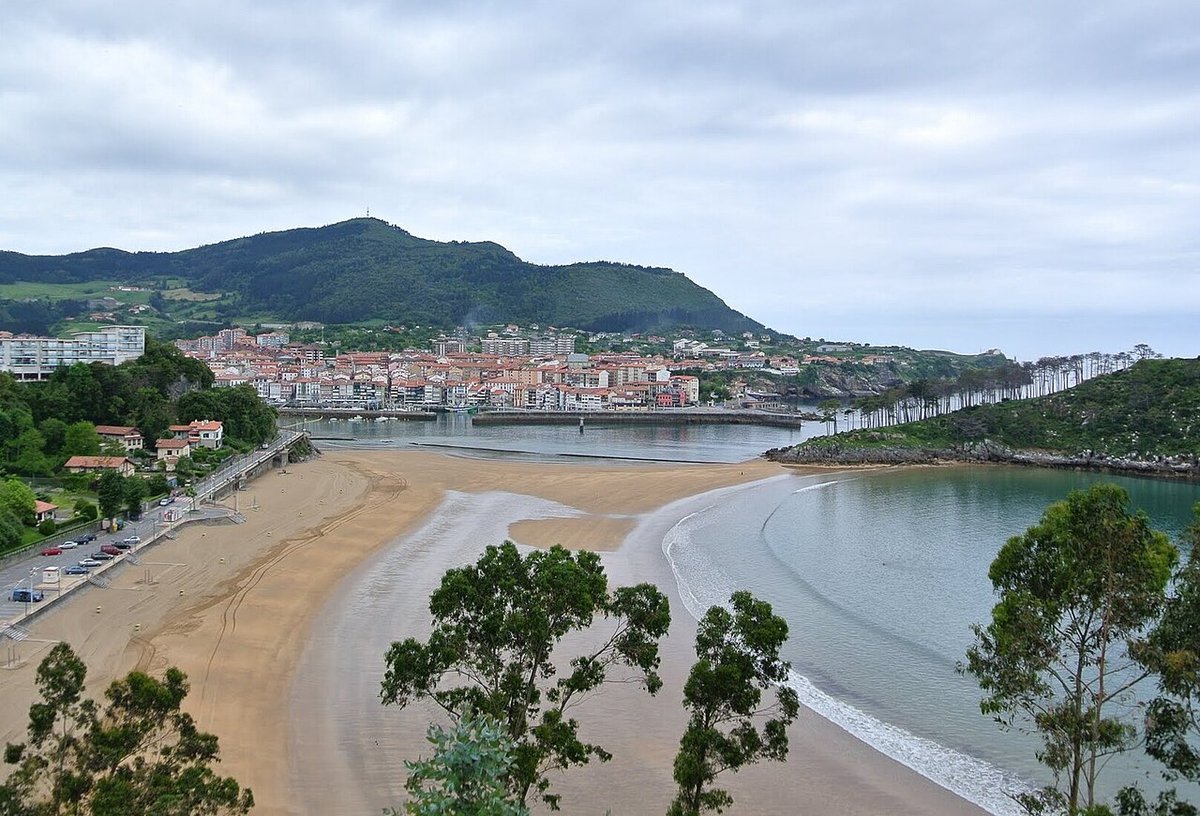
Come if you want lane-after-lane of green, the smell of cut grass and cow feed, a cliff-top walk that ends at a bar where the wine is cheaper than cola. Don't come expecting night-life, boutique shopping, or a beach within walking distance – Lekeitio's superb sweep of sand is ten minutes by car, but ten minutes matter when the fog rolls in. Treat Ispaster as a comma in a longer sentence, not the full stop, and the place will reward you with the small, unscripted happenings that no brochure can script.