Full Article
about Lekeitio (Lequeitio)
Cantabrian Sea, cliffs and seafaring flavor in the heart of the Basque Country.
Ocultar artículo Leer artículo completo
The Clock That Runs on Seawater
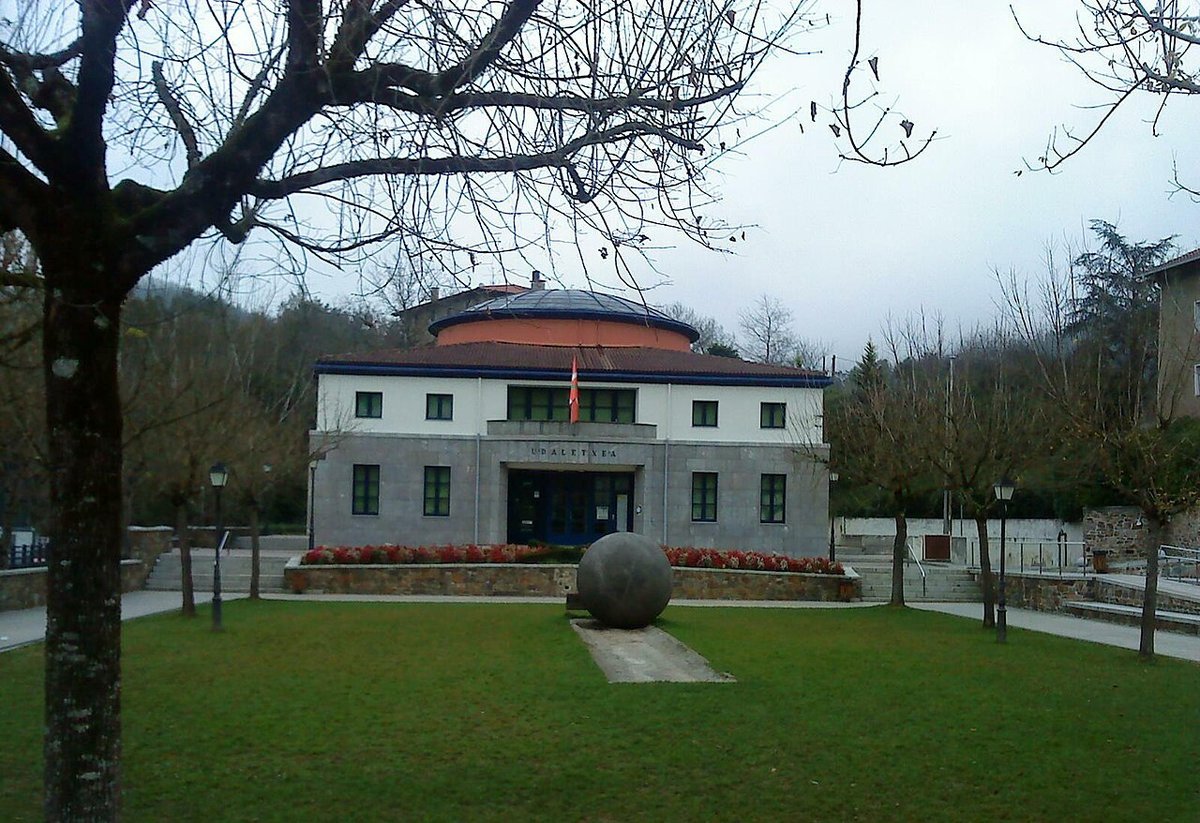
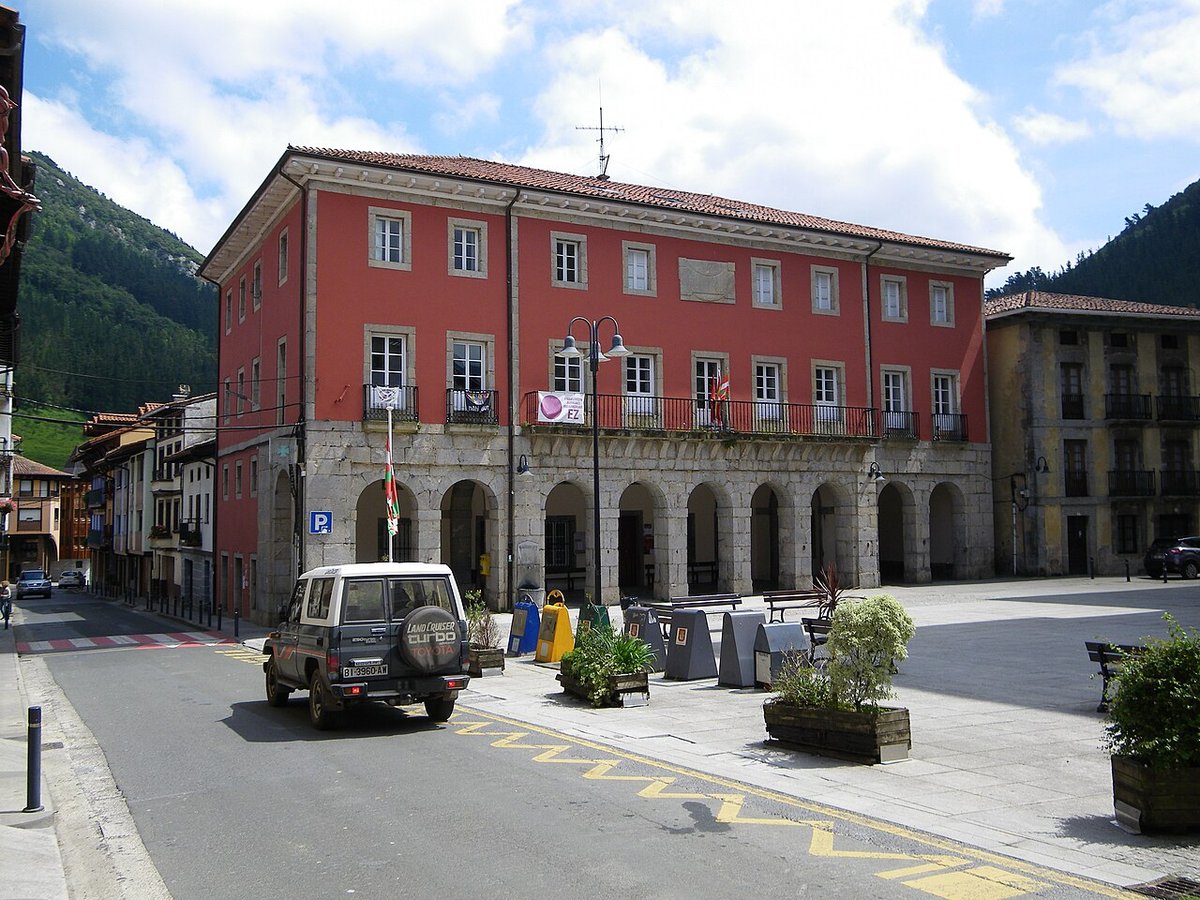
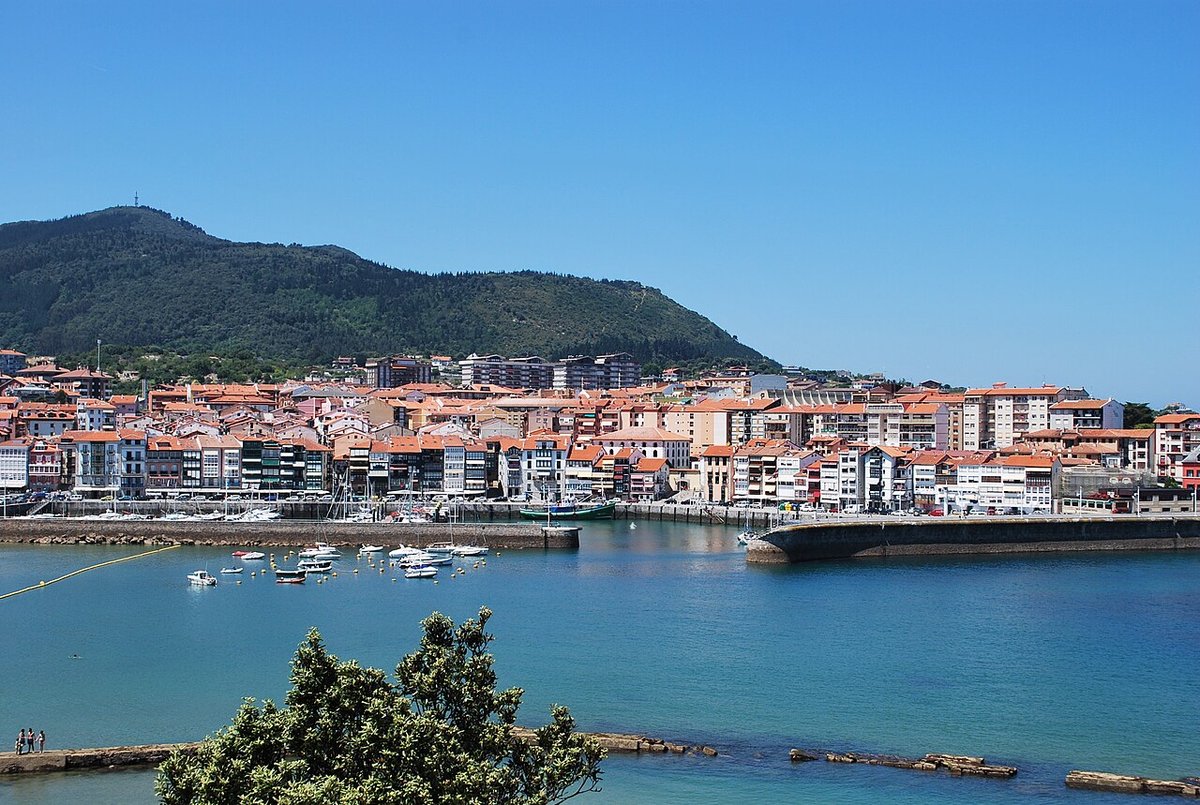
Lekeitio's town hall flies the Basque flag at half-mast when someone dies, but the real master clock is the tide gauge bolted to the harbour wall. At 11:47 on a Tuesday morning, the causeway to San Nicolás island is still dry. By 12:03, seawater laps over the concrete. Locals crossing back from the island lift shopping bags above their heads like wartime signalmen. This is normal life in a port where 5,000 people schedule supermarket runs around lunar charts.
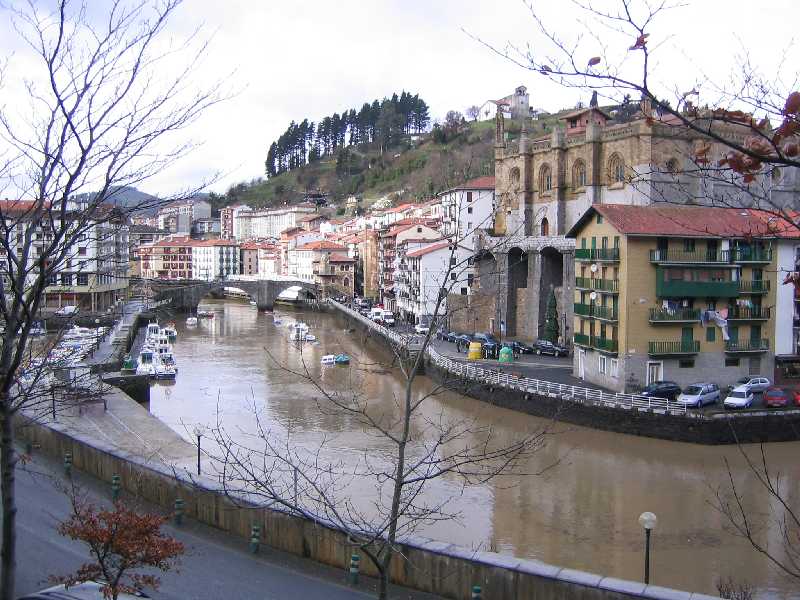
The fishing boats tied up along the Lea estuary haven't changed much since the 1950s. Their timber hulls are painted the same bottle-green, and crews still mend nets on the quays while arguing about football transfers. What has changed is the soundtrack: on summer evenings you might catch a Bradford accent ordering txakoli in the marina bar, though you're still more likely to hear Basque. Lekeitio sits 90 minutes west of Bilbao, far enough from the autopista to miss the weekend Costa dash.
A Basilica That Outgrew Its Town
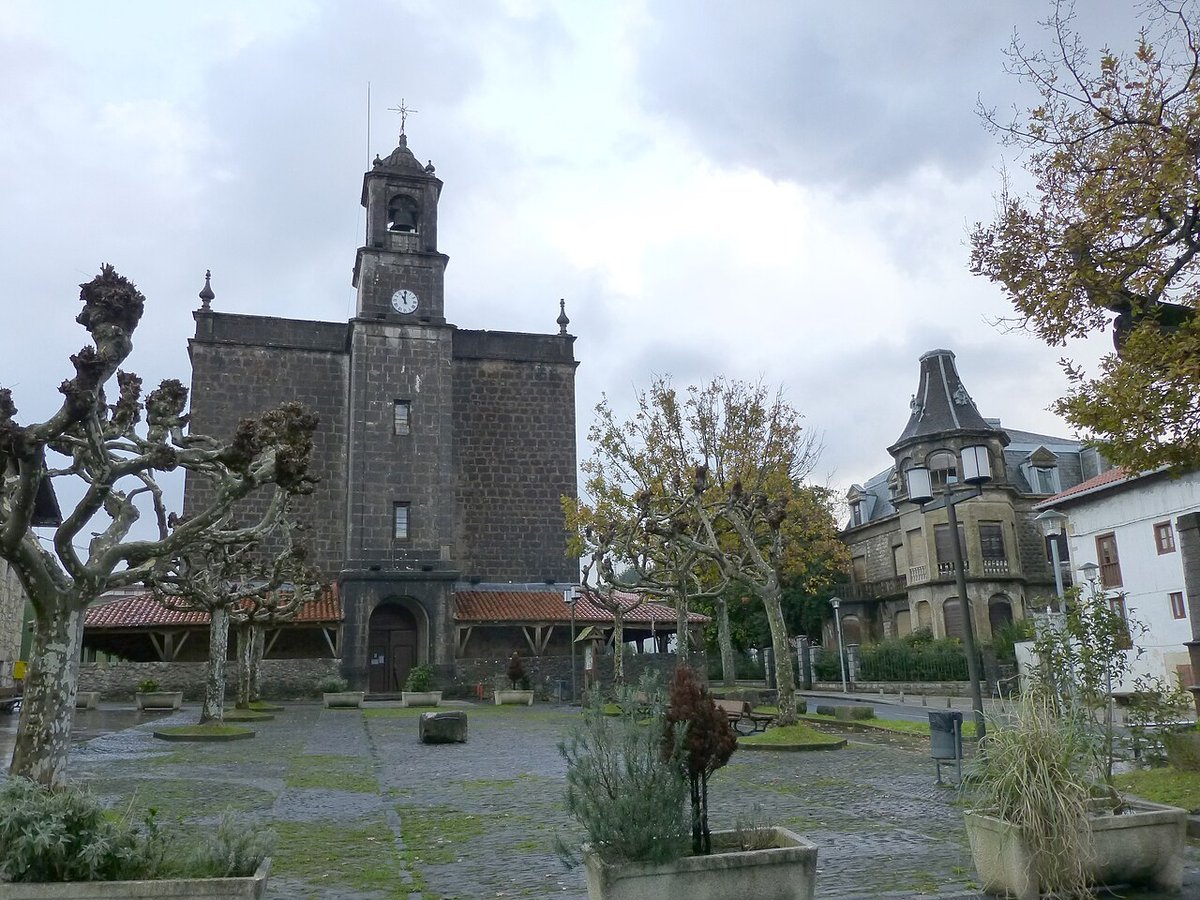
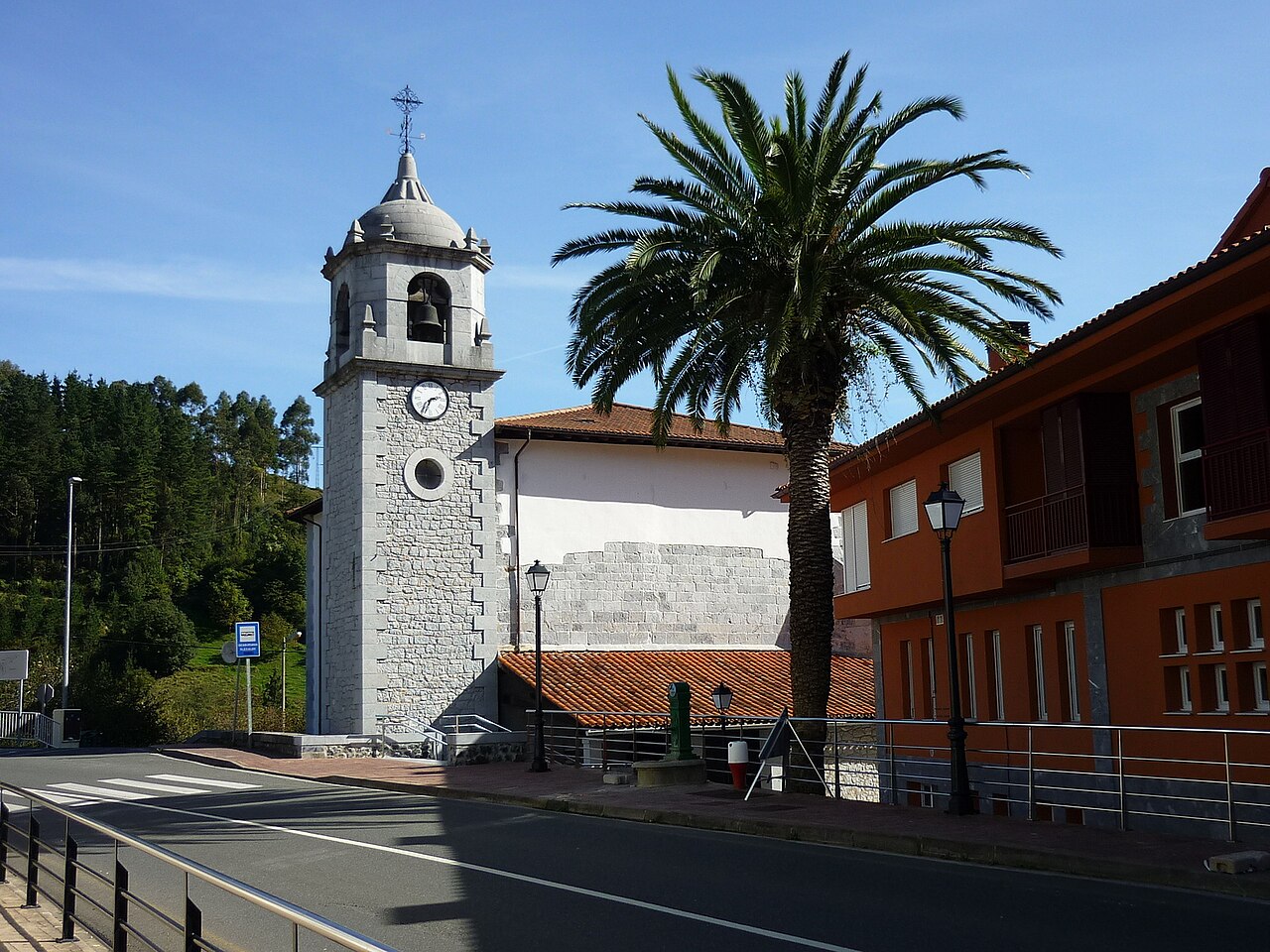
Santa María de la Asunción squats at the top of the old town like a gothic battleship. The stone is so dark it photographs navy blue, and the tower punches 45 metres above the surrounding rooftops – architecturally rude, locals joke, for a place this size. Inside, Flemish craftsmen spent 1543-1580 carving every inch of the high altar; the centre panel shows sheep falling asleep at the Nativity, a detail that keeps primary-school visitors quiet for a full five minutes. Opening hours shrink to a single evening slot in winter; turn up at 17:15 sharp or risk finding the doors bolted for a funeral. Photography is allowed, but flash is banned – the caretaker will tap your shoulder even if you're only checking messages.
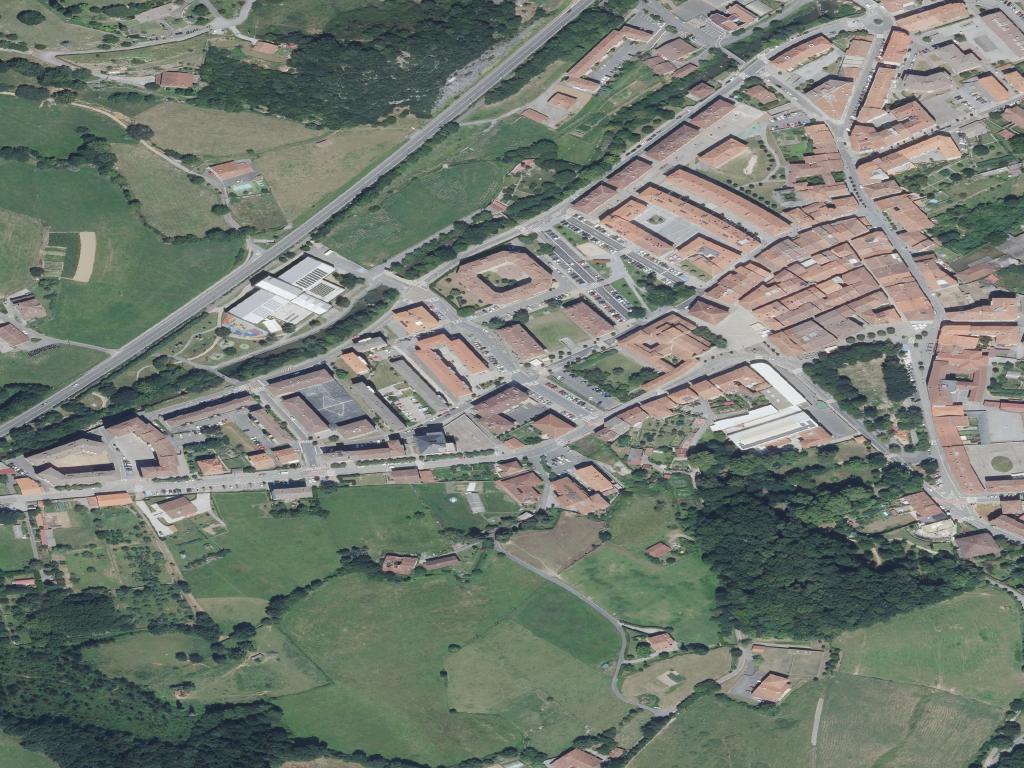
Below the church, lanes narrow to shoulder-width. House walls lean in until upper floors almost touch; residents opposite could shake hands from bedroom windows. Timber balconies sag under geraniums and yesterday's laundry. Number 12 Kale Nagusia still bears cannon scars from 1839 Carlist wars – a detail easy to miss while dodling an ice-cream drip. The whole quarter measures barely four football pitches; you can cross it diagonally in eight minutes, assuming you don't stop to photograph every cat.
Two Beaches, One Temperamental Island
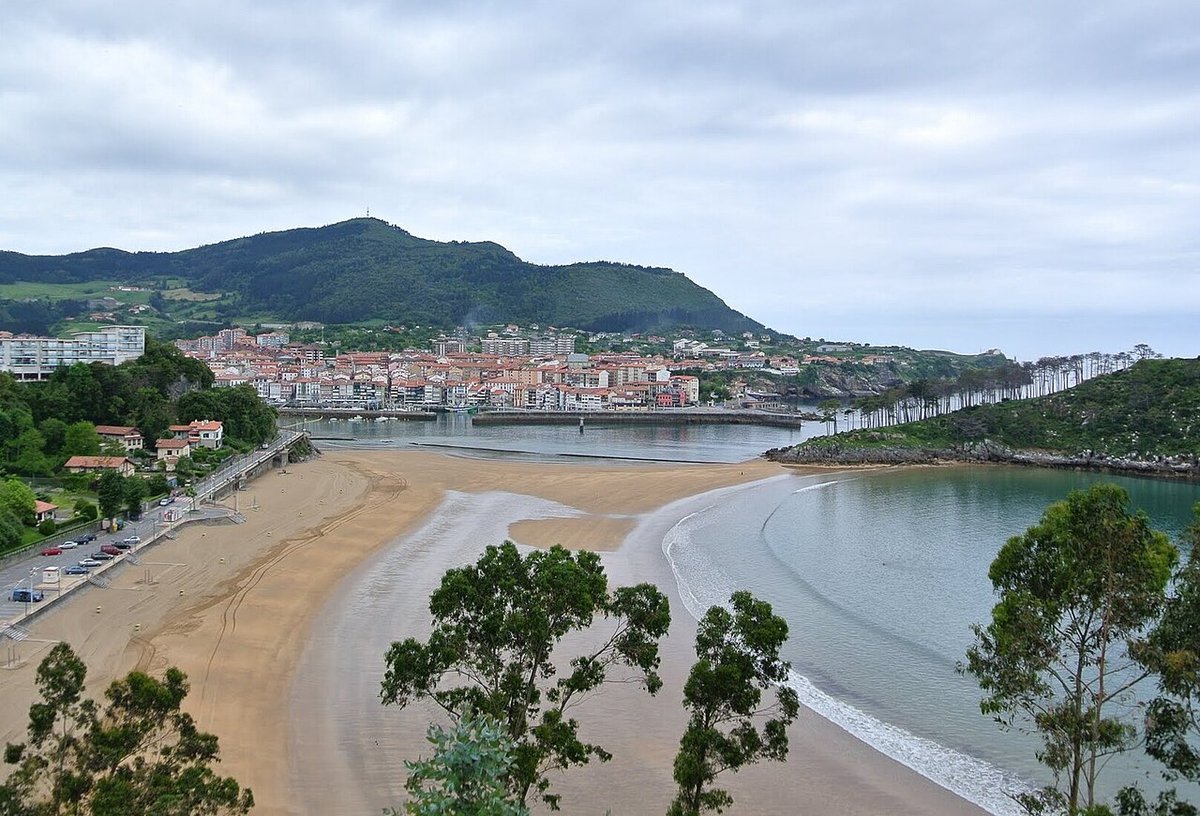
Isuntza beach sits two minutes from the town square, a crescent of pale sand sheltered by the eastern breakwater. Water quality earns Blue Flag status most years, though the Cantabrian never tops 21 °C even in August. Families cluster near the lifeguard tower; teenagers drift to the far end where a concrete slipway becomes an improvised diving board. When the red flag flies – frequent in October – swimmers retreat to the promenade and watch waves explode against the sea wall with enough force to shudder the railings.
Karraspio, across the river mouth, feels wilder. There's no protection from westerlies, so sand dunes shift each winter. Surfers check it first at dawn; if the swell is working, wetsuited figures jog past the campsite carrying 8-foot boards. Between the beaches, San Nicolás island waits for low tide. The crossing is a 200-metre stroll on firm sand, but the window closes fast. Harbour lampposts display handwritten tide tables; ignore them and you'll spend three hours sharing the island with only gulls and a growing sense of stupidity. The summit gives a 360° view back to town – terracotta roofs jammed between green headlands – worth the climb even if you forget biscuits.
Lunch Follows the Boats
Restaurant menus hinge on whatever entered the port before sunrise. In May that means bonito (Atlantic tuna) seared rare and served with piquillo peppers; by July the catch switches to squid the size of your thumb, flash-fried and piled like bronze coins. Txangurro – spider-crab gratin – arrives bubbling under a cheese crust gentle enough for seafood sceptics. Portions aren't tapas-sized; one plate plus bread feeds two if you add a side of blistered green peppers. Expect to pay €16-22 for a main, less at the fishermen's co-operative bar where the floor is still sawdust and the television shows weather forecasts on loop.
Txakoli, the local white, is poured from height to knock CO₂ into suspension. The first glass tastes sharp, like green apples dipped in the sea; the third slips down dangerously fast. Red Rioja appears on most lists, but ordering it marks you as either conservative or from Madrid. Cider houses open only January–April, yet several bars keep a couple of barrels for nostalgia. They'll crack the tap, send a thin jet into your glass from a metre away, then expect you to drink within thirty seconds before the bubbles collapse.
When the Valley Closes In
Behind the town, the coast road climbs through hamlets whose stone chapels predate the Reconquista. The GR-121 footpath heads east towards Ondarroa, switching between oak woodland and cliff-edge pasture. Spring brings wild garlic thick enough to scent the air before you see it; autumn turns the scrub purple with sloes. Allow three hours to Mendexa and back, plus extra for photo stops when the view opens across the Biosphere Reserve. Stout shoes are sensible – the track is stony and cows graze freely, leaving generous evidence.
Winter changes the rules. Atlantic storms can snap mooring lines; when they do, the harbourmaster closes the pier and restaurants board up until March. The basilica stays open, but grey seas fling shingle over the promenade and even locals avoid Karraspio. If you relish dramatic weather, February delivers – just pack a proper cagoule and expect power cuts.
Getting Stuck (and Unstuck)
Buses leave Bilbao's Termibús station hourly; the BI-631 switchbacks through 60 kilometres of eucalyptus and sudden vistas. Motion-sickness sufferers should sit forward of the rear axle – the final descent into Lekeitio involves six hairpins above a 200-metre drop. Drivers arrive on the same road: in August traffic backs up two kilometres short of town, and the harbour car park fills by 11 a.m. The free dirt lot on the east bank adds a five-minute riverside walk but rarely reaches capacity. Once inside, everything is walkable; bring the car out again only when you're leaving.
Accommodation ranges from the 19th-century Palacio Lekeitio (€140 for a room with Juliet balcony) to municipal pensions where €45 buys clean sheets and a shared bath. Campers pitch at Karraspio's field – showers cost €1 in tokens – or rent wooden bungalows if the wind howls. Book early for San Antolín week in early September; the goose-free version of the traditional festival still packs bars until 04:00, and earplugs become essential kit.
The Honest Verdict
Lekeitio won't keep you busy for a fortnight. Two relaxed days covers the basilica, both beaches, the island crossing, a coastal hike and several long lunches. What it offers instead is rhythm: coffee when the market shutters rise, siesta while gulls wheel overhead, dinner after the fishing boats tie up. Come expecting constant entertainment and you'll notice the absence of souvenir megastores or cocktail shakers. Visit prepared to let tide and weather set the agenda and the town makes perfect, practical sense – just check those tide charts before you stride towards the island with a baguette and grand plans.