Full Article
about Markina-Xemein (Marquina-Jeméin)
Valleys and hamlets a step from Bilbao, with plenty of local life.
Hide article Read full article
The bells of Santa María strike eight while the fronton in the square still smells faintly of wet oak. A boy of about twelve hits a ball against the wall: ta, ta, ta. The rhythm doesn’t falter when someone walks past, or when a neighbour pulls down a shutter with a crash. Spend a little time in the square and something becomes clear. In Markina‑Xemein, pelota, the traditional Basque ball game, is as everyday as bread. It is made and remade daily, without fuss.
The square where the town took shape
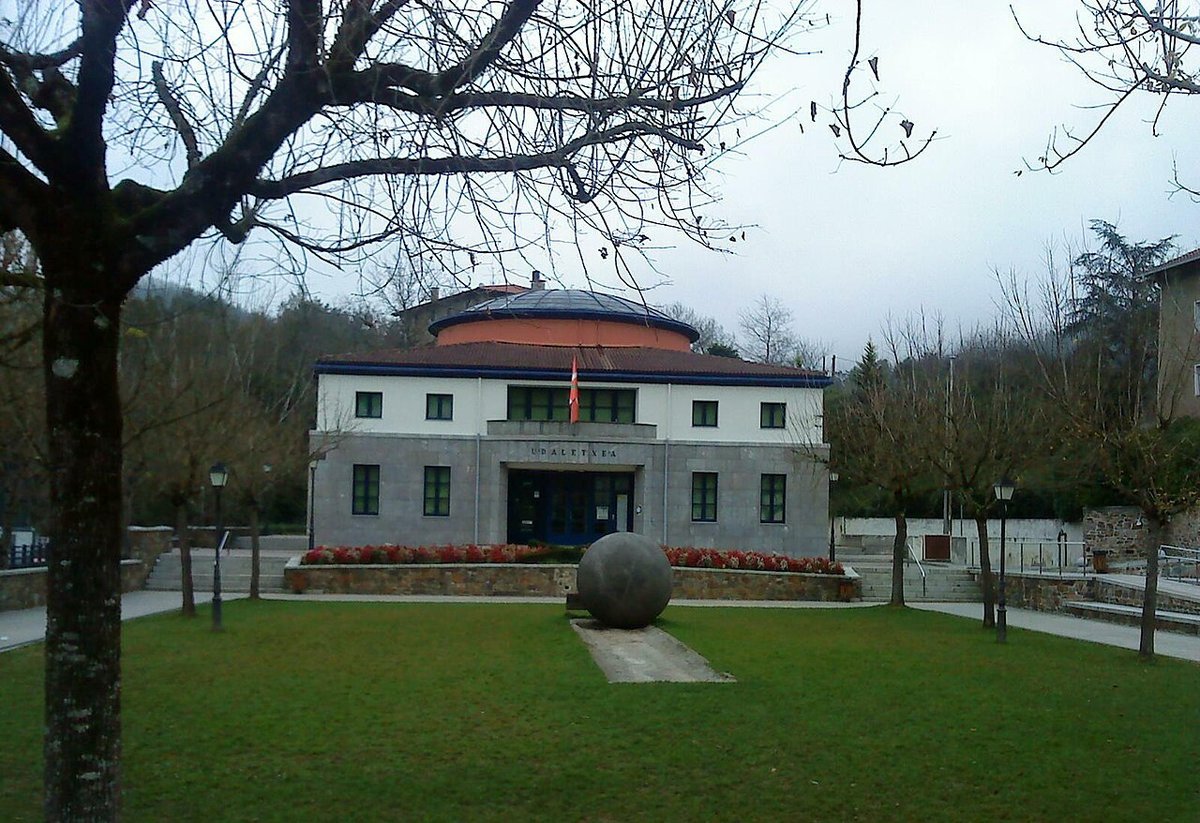
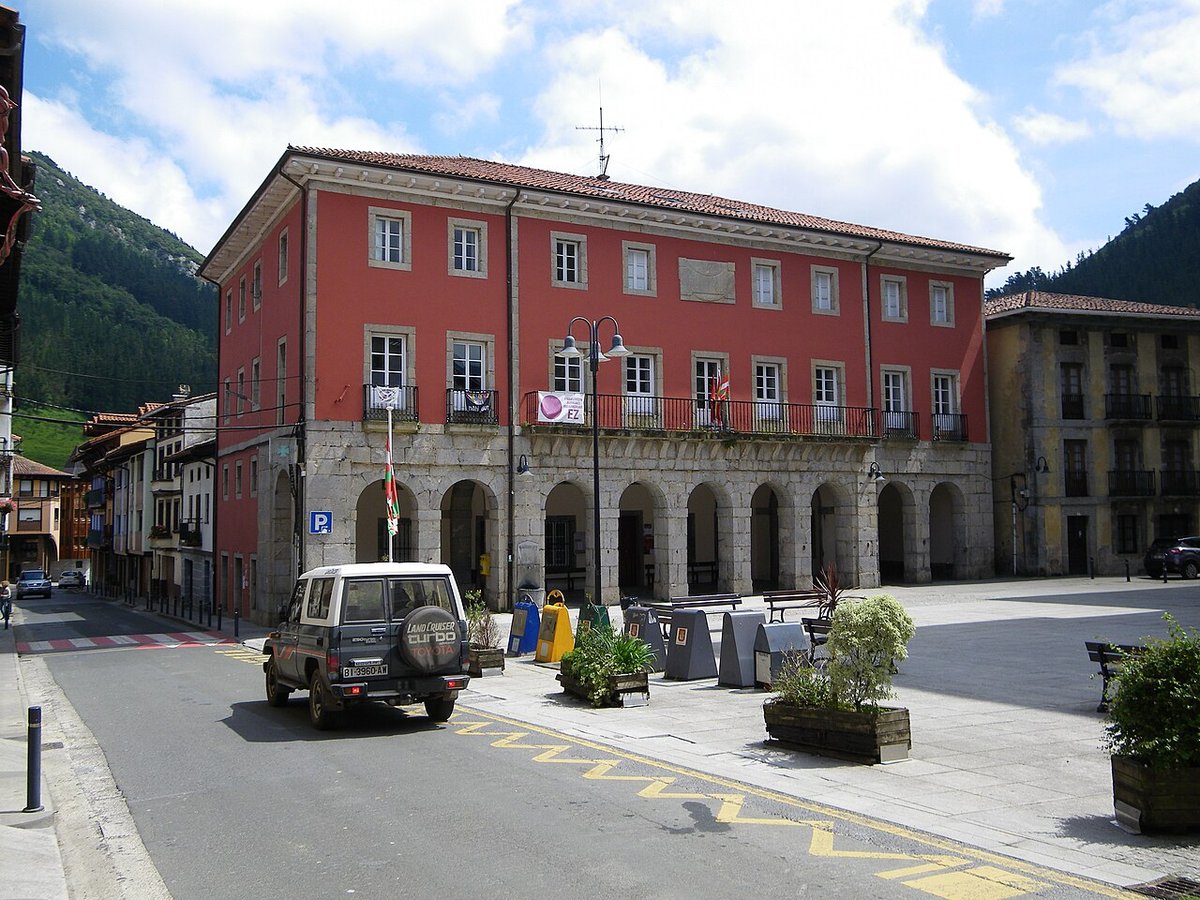
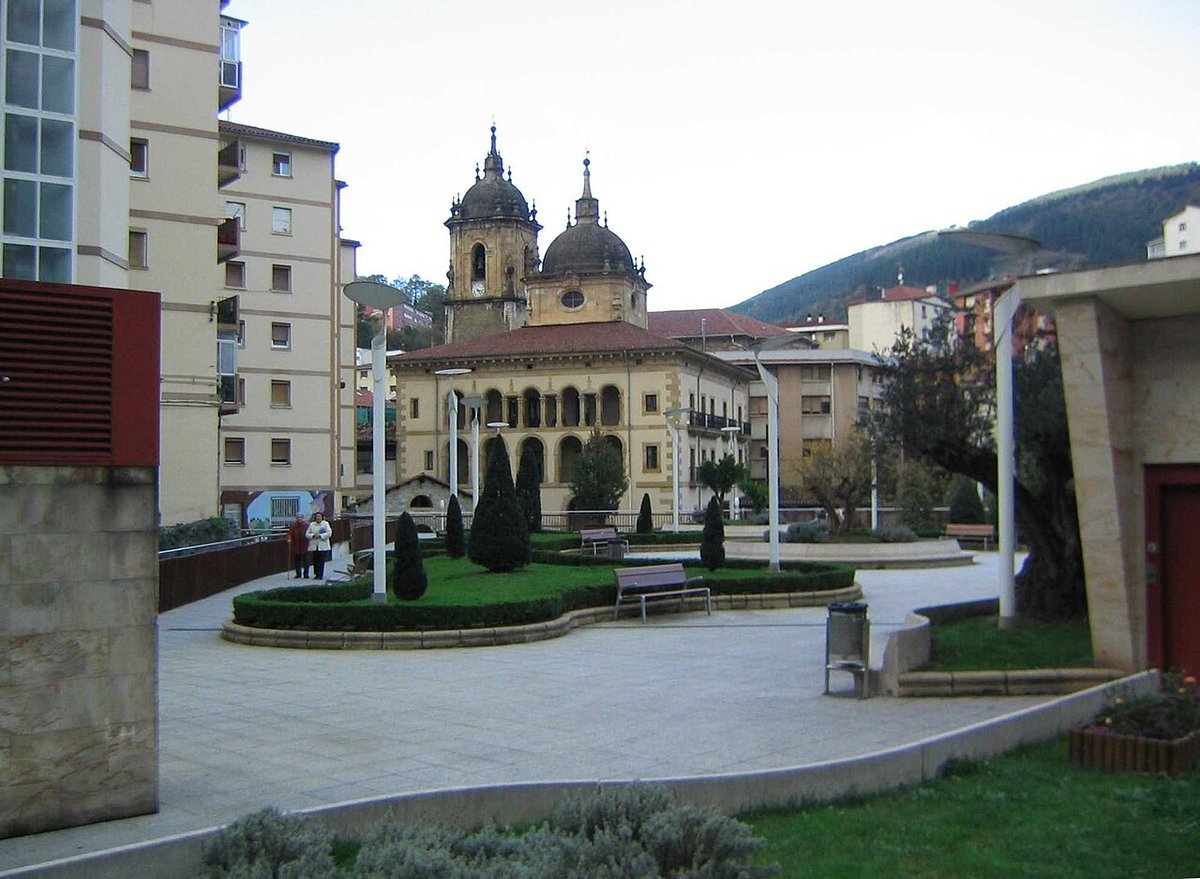
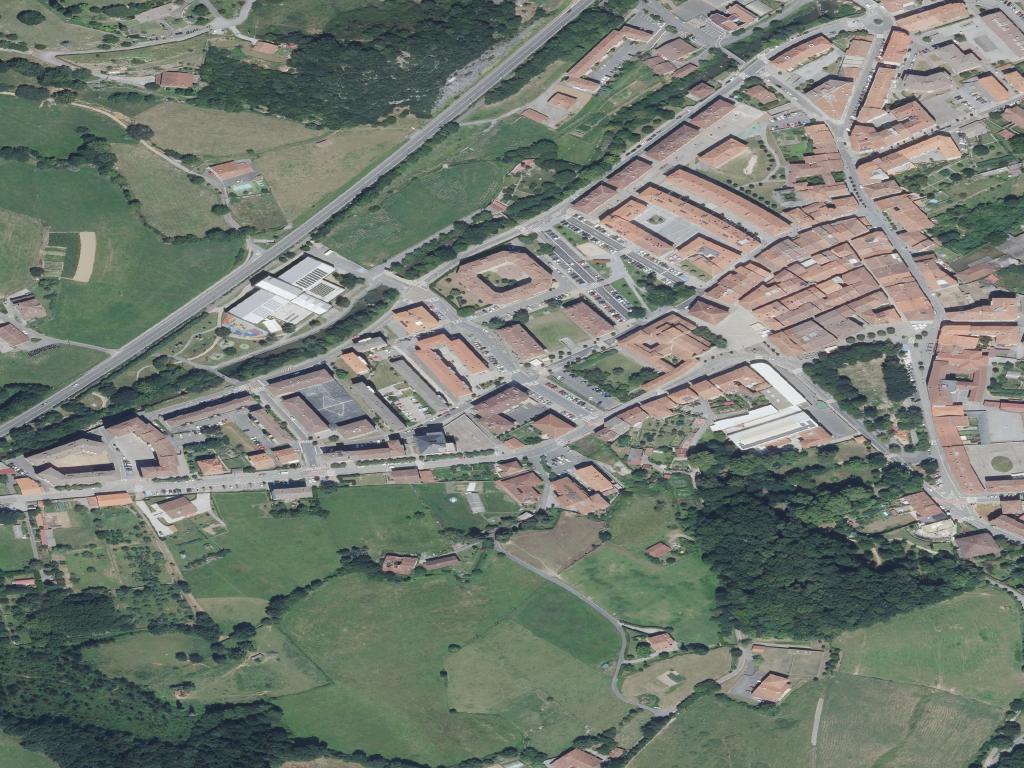
The town was founded in the mid-14th century under a name now rarely used: Villaviciosa de Marquina. What truly defines its centre is the square. The fronton sits in the middle as if it has always belonged there, while the old town hall raises its columned portico facing worn stone paving.
On Monday mornings the atmosphere shifts. Market stalls appear, carts scrape across the ground, and the air carries a mix of damp vegetables and fish brought in fresh from the coast. Older women still carry cloth bags, stopping to compare prices or discuss the quality of bonito tuna, which varies from year to year.
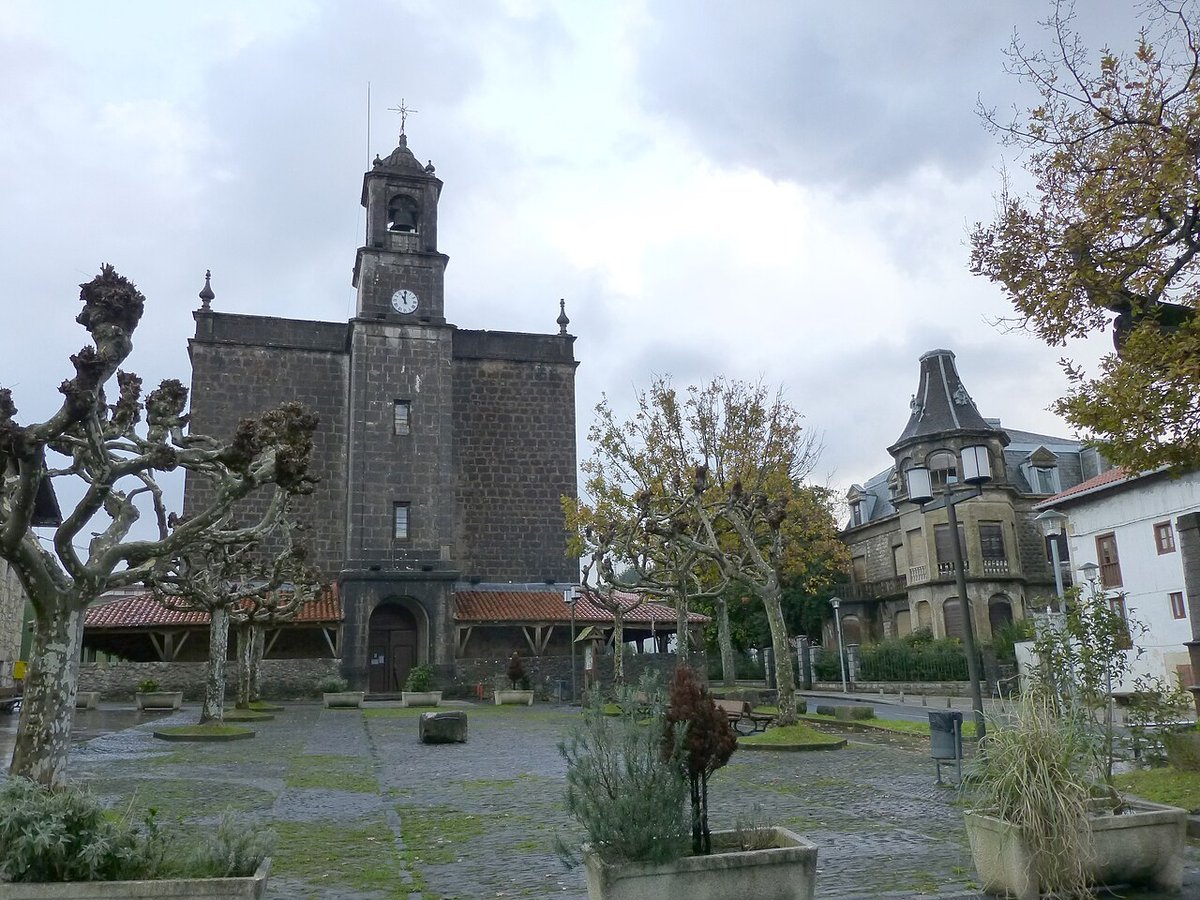
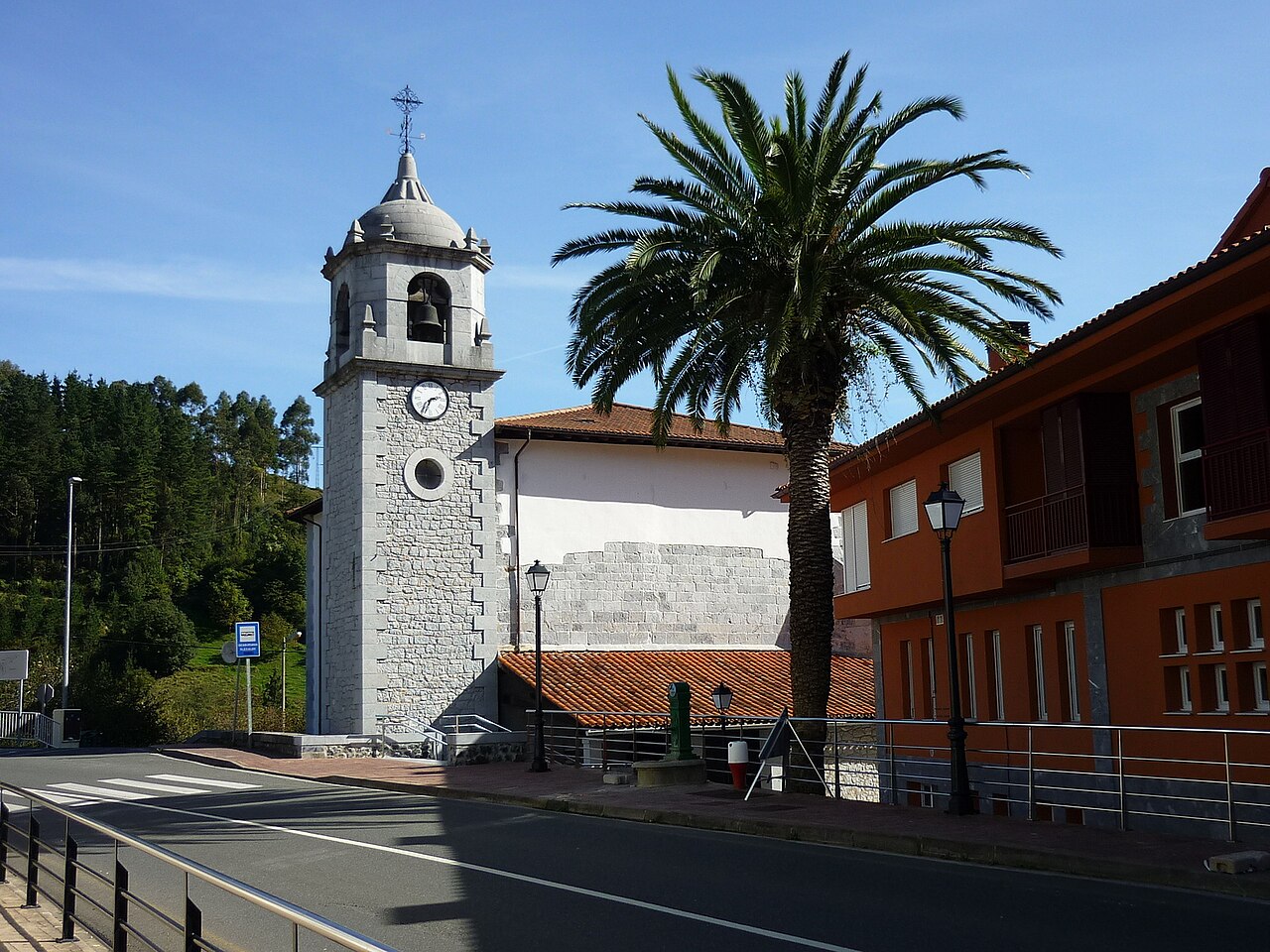
At one end stands the church of Santa María. From the outside it feels austere; inside, the light is low and takes a moment to adjust to. The building dates from the 16th century. At ground level, the chill of the stone is noticeable, along with a faint scent of wax and incense that seems to linger on clothes after leaving.
A cemetery that feels like something else
About ten minutes on foot from the centre, along a street where many houses still keep stacks of firewood against their walls, lies the cemetery of Markina. Built in the 19th century, its entrance, with columns and a classical pediment, looks more like an ancient temple than a burial ground.
Inside, everything is white and ordered. Mausoleums line up in careful rows, pale gravel covers the ground, and tall cypress trees hold back the northern wind. On clear days the light reflects off the stone so strongly it makes the eyes narrow.
In autumn, towards late afternoon, around four or five when the sun is dropping, the columns cast long shadows across the ground. At that hour there is usually silence, broken only by footsteps on gravel or the occasional low voice. This is not a monument set apart from daily life. It is still used by local people.
Stones that promise marriage
San Miguel de Arretxinaga is reached by a gentle walk from the centre. The route takes about fifteen minutes, passing scattered houses and small vegetable plots.
The hermitage is small, almost domestic in scale. What surprises is inside. Three large rocks hold up the central space, and the altar sits beneath them. These are prehistoric stones, dark and rounded, seeming to fit together by chance.
Local tradition says that anyone who walks three times beneath the rocks will be married within a year. People still do it. Some laugh as they pass through; others move more carefully, almost in silence. The floor often carries the scent of wax and damp, and when no one else is there, footsteps echo softly inside the hermitage.
When the town smells of cooking
Around one in the afternoon, the air changes in several streets in the centre. Open windows release the smell of peppers, garlic and fish slowly cooking. There is no need to step inside to guess what is being prepared. Marmitako, a traditional tuna stew, leaves a thick aroma that lingers between the façades.
In the square, there is always some movement around the fronton. Someone is playing, someone else watches leaning against the wall, others pause briefly before continuing their shopping. The sound of the ball returns every few seconds and begins to set the pace of the morning.
The moment to leave, and to return
Markina‑Xemein does not rely on major attractions. The town moves at its own steady speed. By mid-afternoon, when low Cantabrian clouds begin to catch on rooftops, the smell shifts again: damp wood, smoke from a chimney, freshly poured cider in nearby homes.
It is a good moment to sit for a while on the edge of the fronton and watch the first lights appear in the windows.
A practical note. If possible, visit during the week. At weekends the square often fills with matches and groups arriving from other towns in Bizkaia. If arriving in August, it is worth getting there early. First thing in the morning, the town still sounds like shutters opening and bread coming out of the oven. Later on, traffic increases and the calm takes on a different tone.