Full Article
about Munitibar-Arbatzegi Gerrikaitz (Arbácegui y Guerricaiz)
Valleys and hamlets a short hop from Bilbao, buzzing with local life.
Hide article Read full article
Munitibar-Arbatzegi Gerrikaitz: un municipio disperso
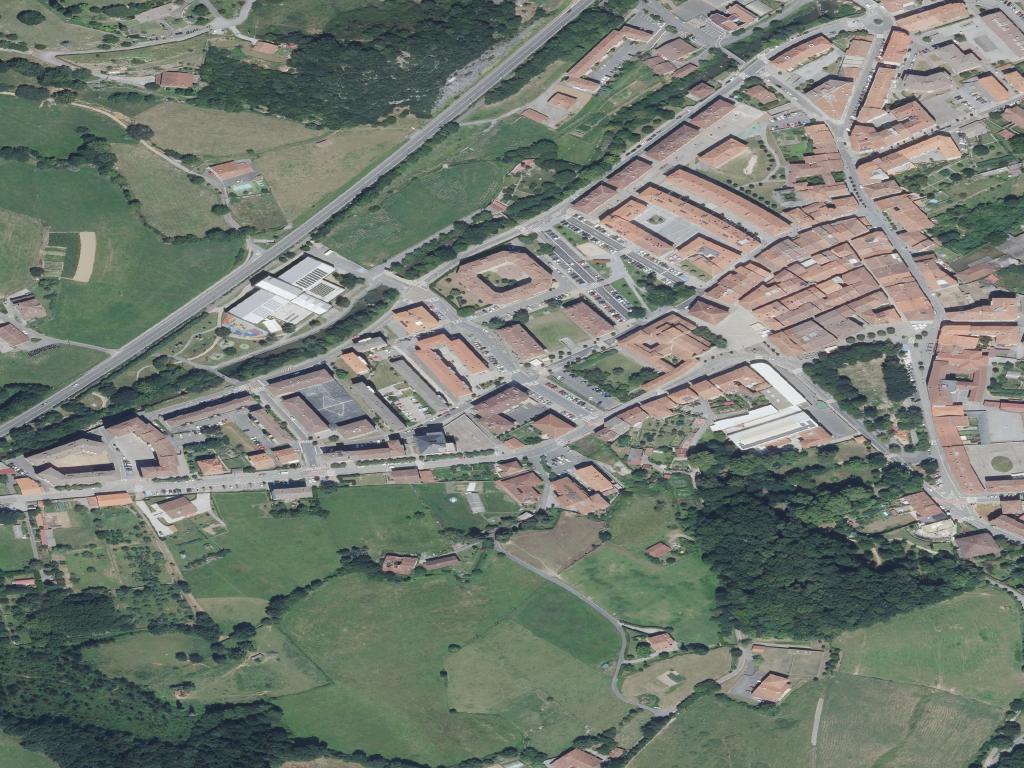
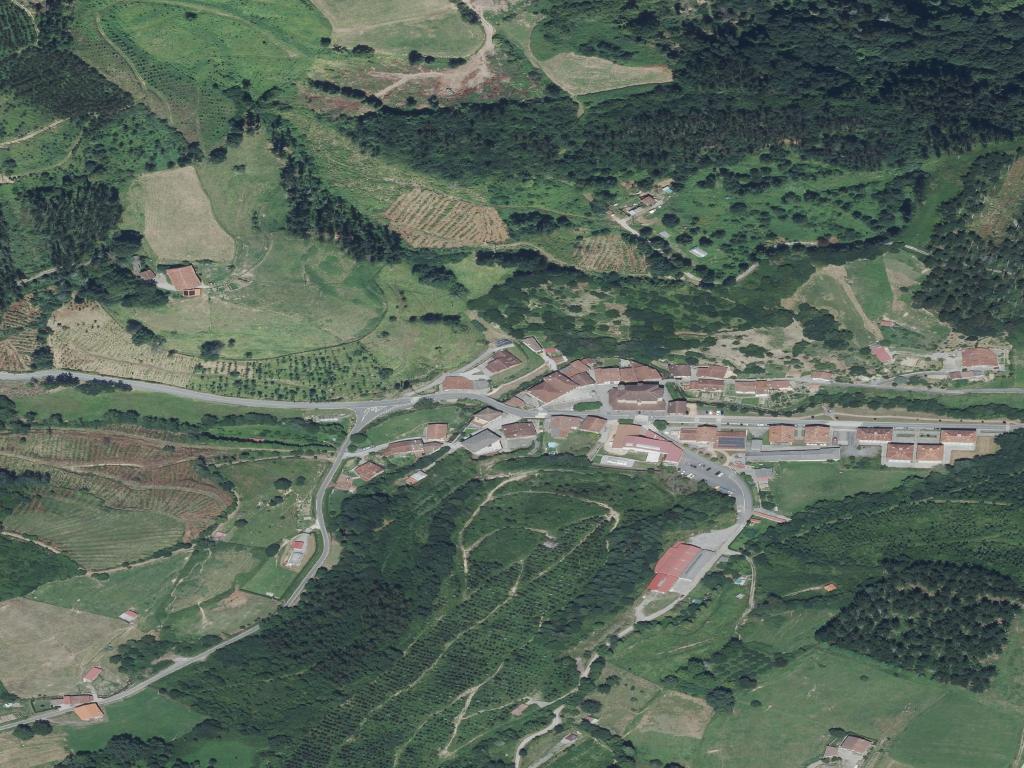
Munitibar-Arbatzegi Gerrikaitz se encuentra tierra adentro en Bizkaia, dentro de la comarca de Lea-Artibai. Su geografía es la de un valle suave, cruzado por regatos que bajan hacia el río Lea. Aquí no hay un núcleo urbano compacto. El municipio se compone de tres antiguas anteiglesias —Munitibar, Arbatzegi y Gerrikaitz— que hoy funcionan más como referentes geográficos que como pueblos separados. La vida se organizó históricamente desde los caseríos, cada uno con sus tierras de labor y prados, dispersos por las laderas.
Este territorio formó parte del sistema de anteiglesias del Señorío de Vizcaya. Gerrikaitz aparece en documentos medievales vinculado a la merindad de Busturia. Aquellas comunidades rurales se gobernaban mediante asambleas, y la iglesia parroquial actuaba a menudo como centro administrativo. Este pasado explica el paisaje actual: una red de caseríos, caminos y límites parcelarios que se fue tejiendo a lo largo de siglos.
La parroquia y el territorio
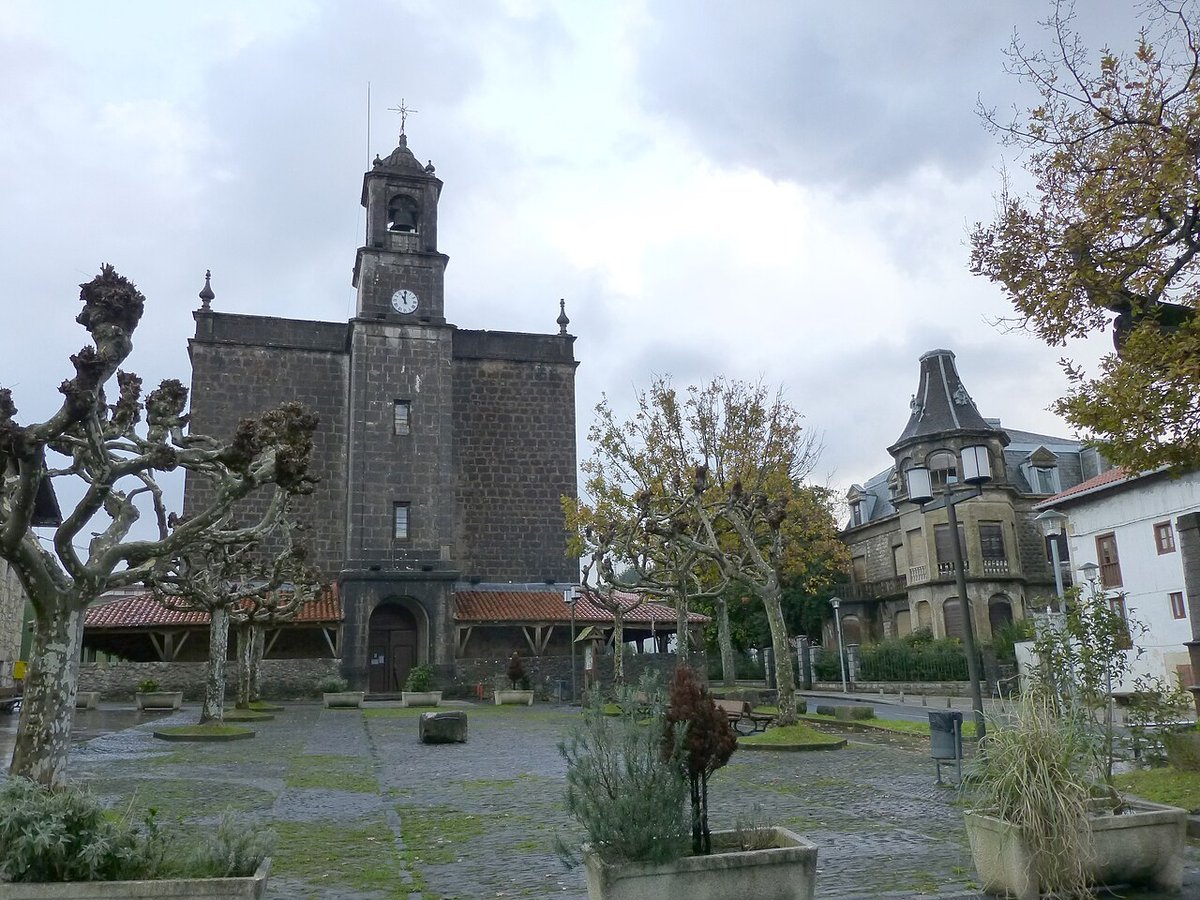
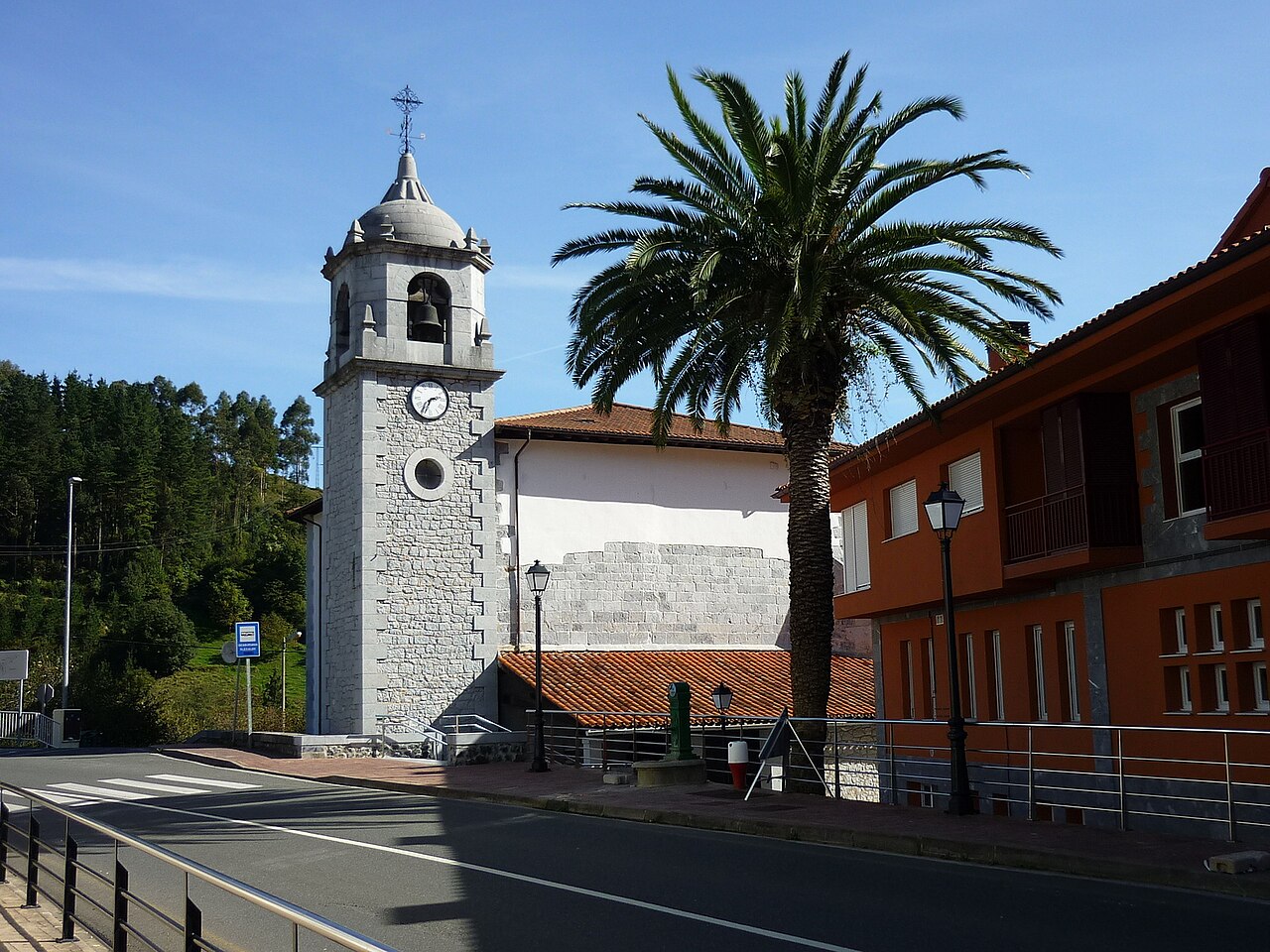
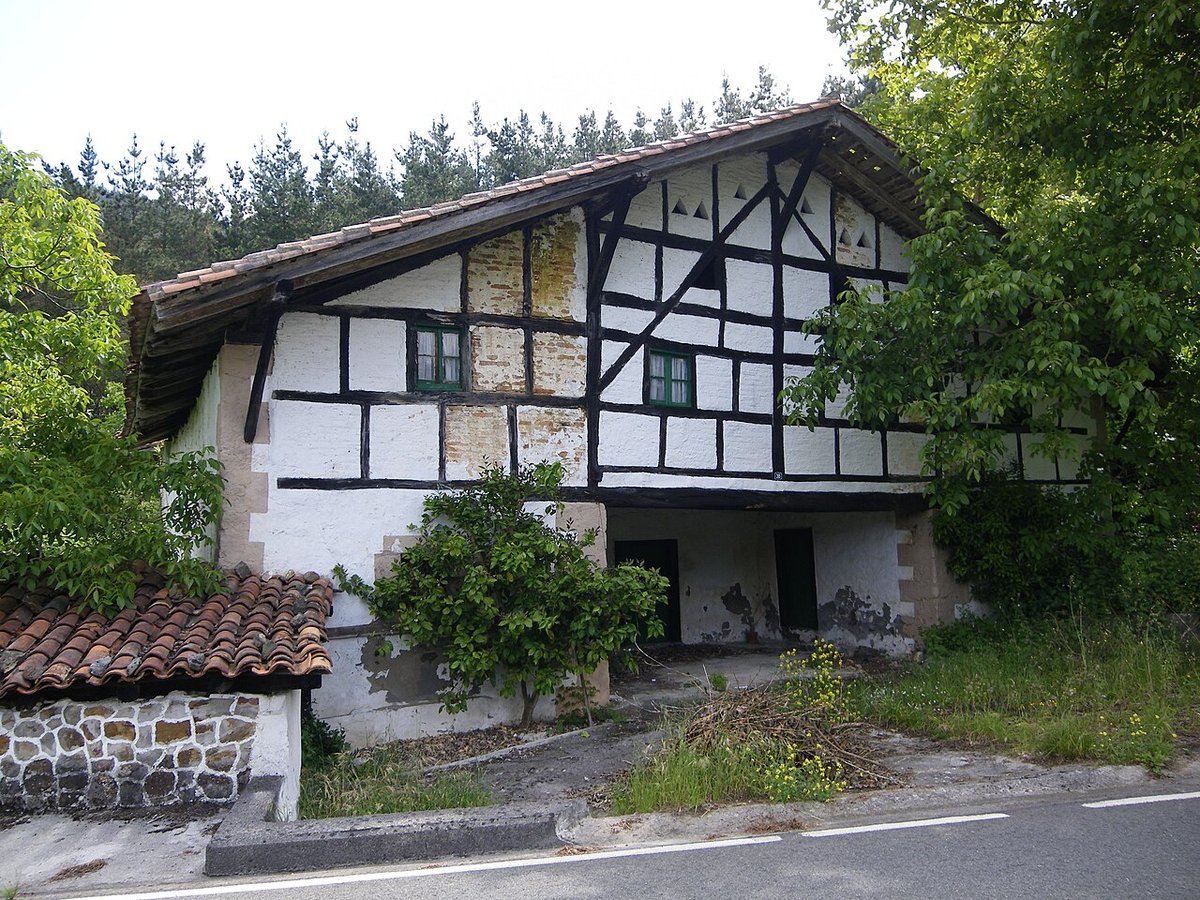
La iglesia de San Miguel de Gerrikaitz sirve de punto de referencia. El edificio actual es resultado de varias reformas, aunque la parroquia tiene origen medieval. Como en otras anteiglesias, este lugar fue durante siglos el centro social y de decisión colectiva. Alrededor se ven algunos caseríos antiguos, con muros de mampostería y grandes portalones. Son edificios funcionales, modificados según las necesidades de las familias que los habitaron.
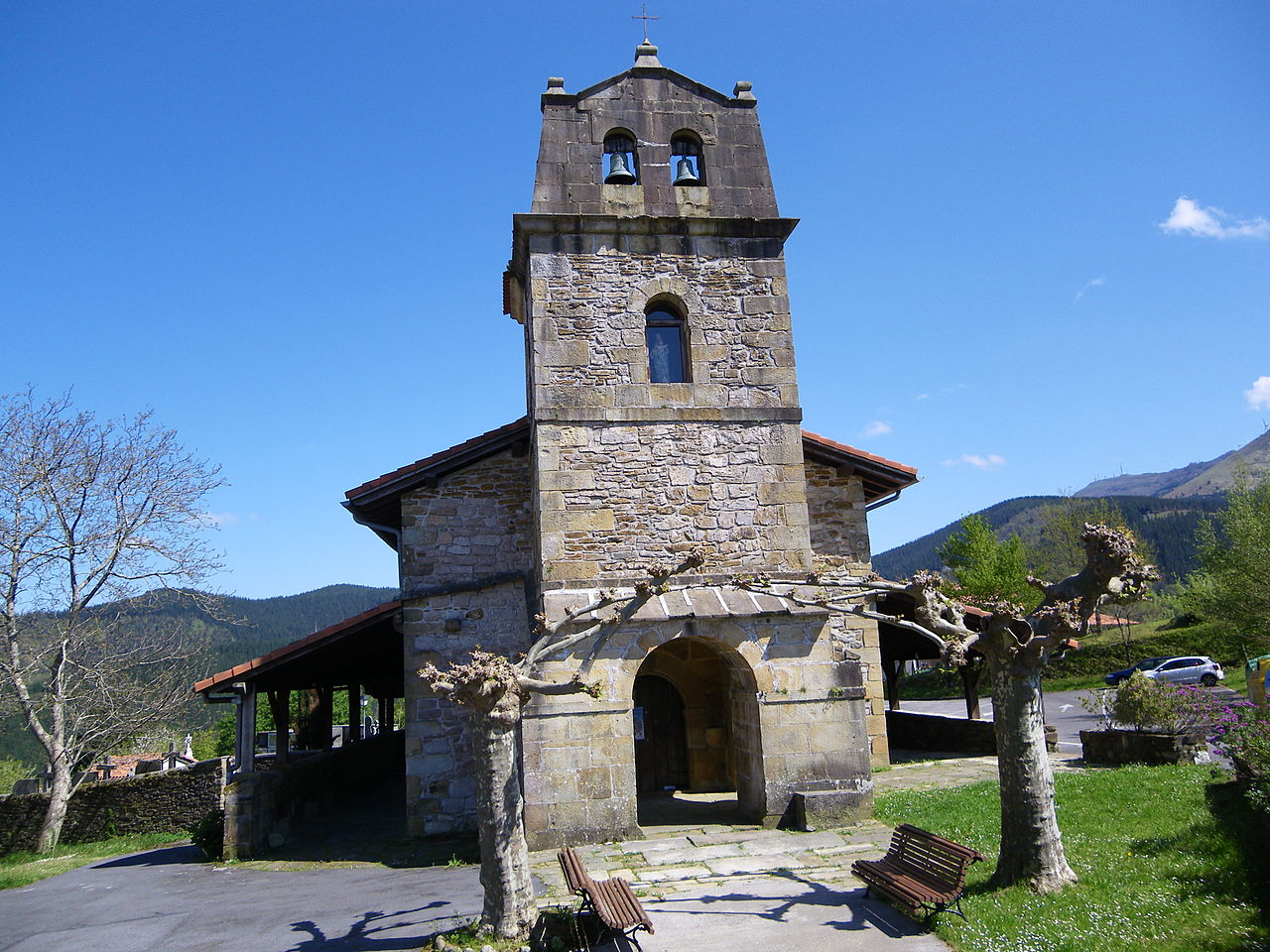
Varias ermitas se sitúan en las lomas cercanas. Una de ellas, también bajo la advocación de San Miguel, ocupa una posición elevada. Desde allí se comprende mejor la estructura del valle: colinas redondeadas, prados de siega y manchas de bosque donde el terreno es más húmedo o empinado.
Un paisaje de labor
El paisaje no es naturaleza virgen. Es el resultado del uso agroganadero continuado. Prados cercados, setos vivos y pequeños bosques responden a una lógica productiva forjada durante generaciones. La cría de ganado, el cultivo de maíz y el aprovechamiento forestal se combinaron aquí tradicionalmente.
Robles y hayas aparecen principalmente donde la pendiente o la humedad dificultaban el cultivo. Entre ellos corren los regatos, cuyo caudal varía mucho según la estación. Este mosaico de prados, cultivos y bosque es característico del Bizkaia interior.
Los caminos rurales permiten observar cómo funciona ese mosaico. Algunos muros de piedra marcan lindes que no han cambiado en generaciones. Ciertos senderos siguen rutas antiguas que comunicaban los caseríos entre sí.
Recorrer el municipio
El territorio se presta a recorridos pausados por carreteras locales y pistas agrarias. La señalización es escasa; conviene llevar mapa o GPS. El suelo suele estar húmedo gran parte del año, algo a considerar si se camina o pedalea.
En bicicleta se aprecia bien el carácter del terreno. Las cuestas no son largas, pero son frecuentes, como es habitual en los valles interiores vizcaínos. El tráfico en estas carreteras secundarias es bajo, lo que refuerza la sensación de estar en un espacio rural vivo, no preparado para el visitante.
La actividad agraria sigue marcando el ritmo cotidiano. En algunos caseríos hay venta directa ocasional, normalmente sin horarios fijos. Forma parte de la economía local, no de un circuito comercial establecido.
Cómo llegar y moverse
Desde Bilbao, se toma la carretera regional hacia Gernika y luego se sigue hacia la comarca de Lea-Artibai. El último tramo discurre por carreteras locales estrechas y con curvas, comunes en esta zona. Si se planea caminar por pistas o senderos, el calzado adecuado es necesario.