Full Article
about Ondarroa
Cantabrian Sea, cliffs and seafaring flavor in the heart of the Basque Country.
Hide article Read full article
A town shaped by the river and the sea
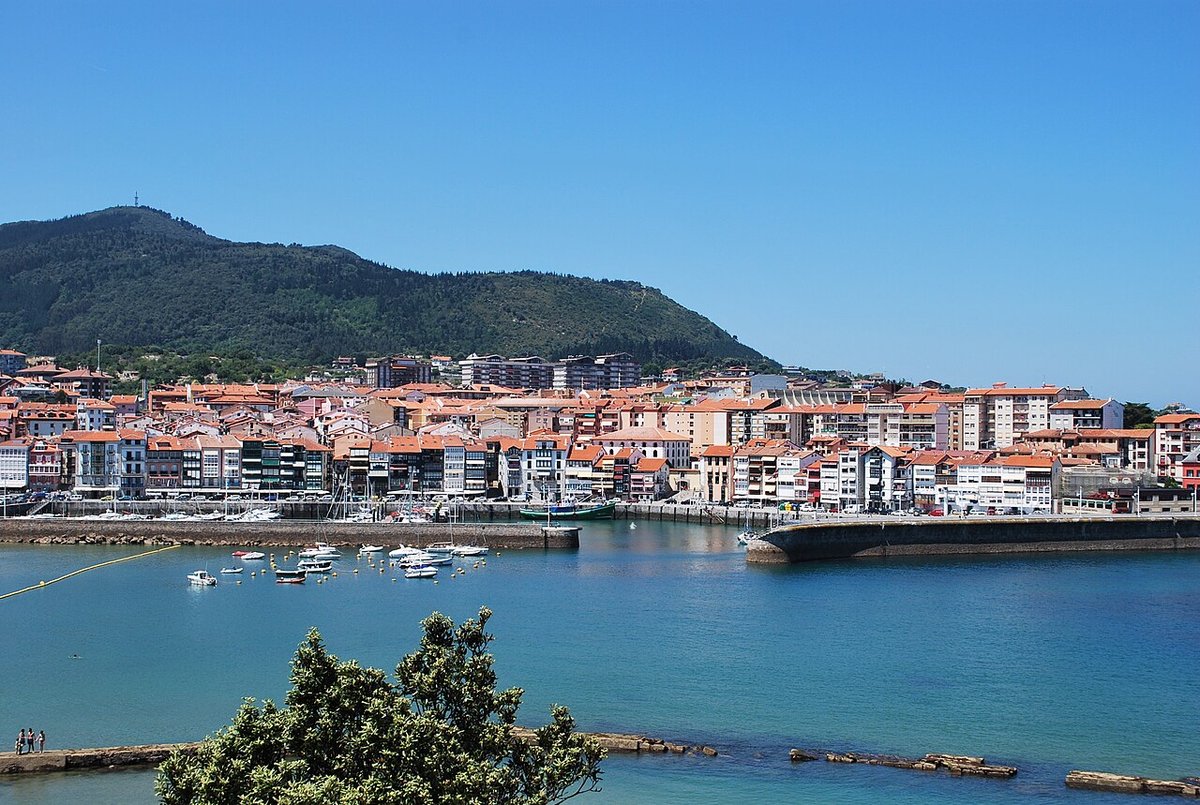
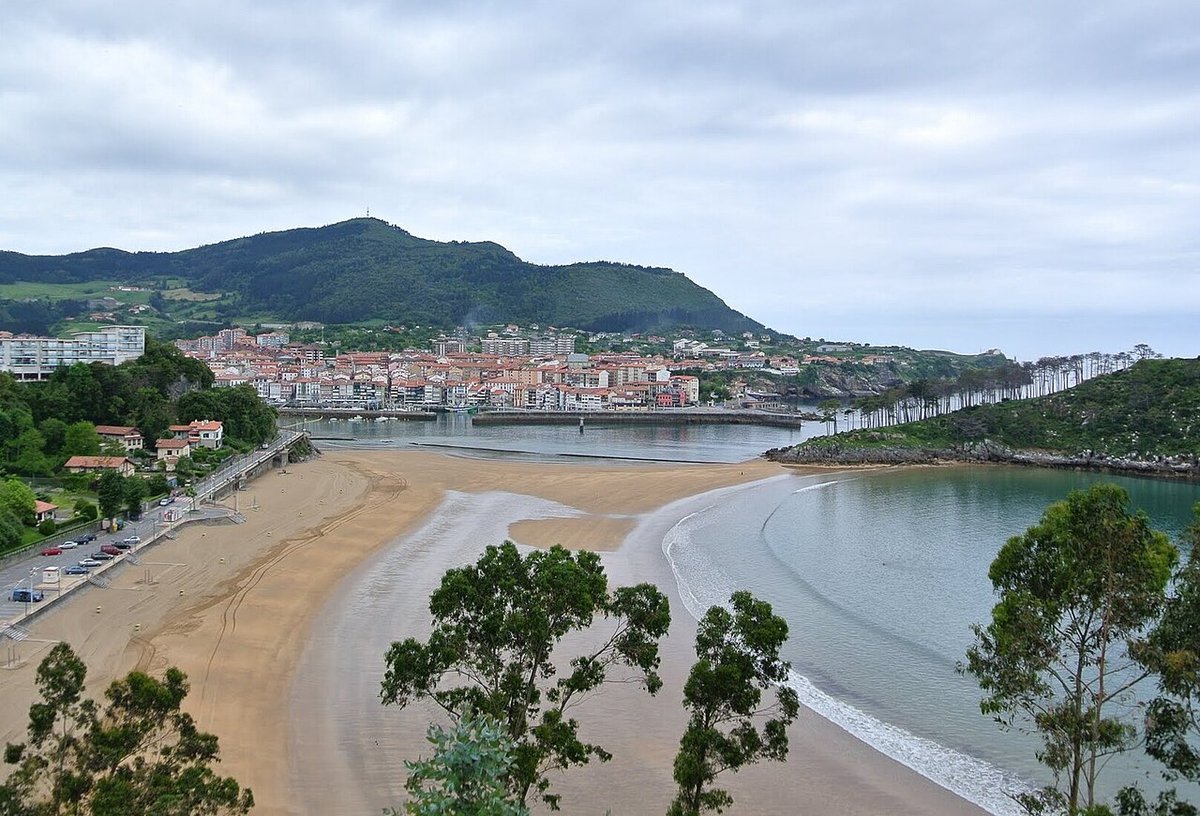
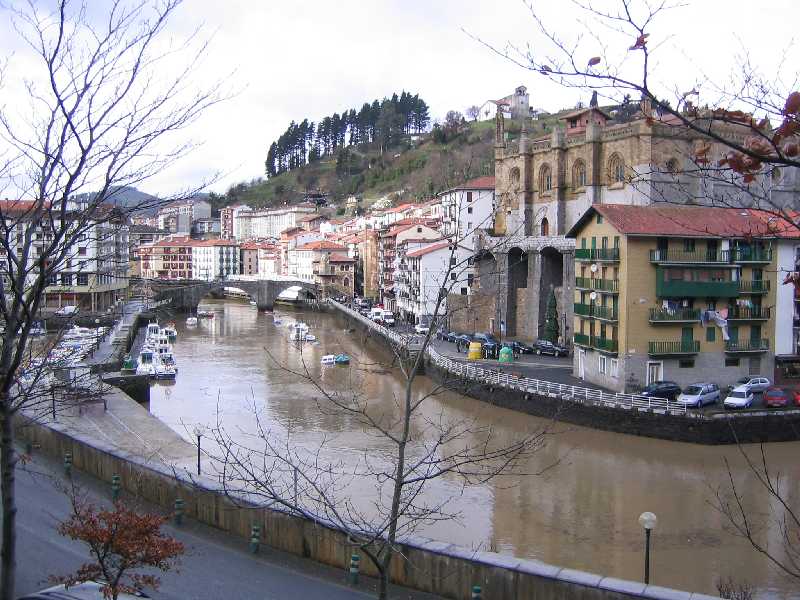
Ondarroa lives off its port, and that becomes obvious as soon as you arrive. The river cuts straight through the town, and everything seems to revolve around the boats that come and go each day. This is not a place that hides its purpose. Fishing activity sets the tone, and the harbour defines the rhythm.
One of the first things that catches the eye is the old swing bridge. It still stands over the water, rusted and unmoving. It has not worked for years, although there is occasional talk of repairing it. For now, it stays fixed in place, a reminder of how the town once operated. The fishing vessels, by contrast, continue their daily routine without pause.
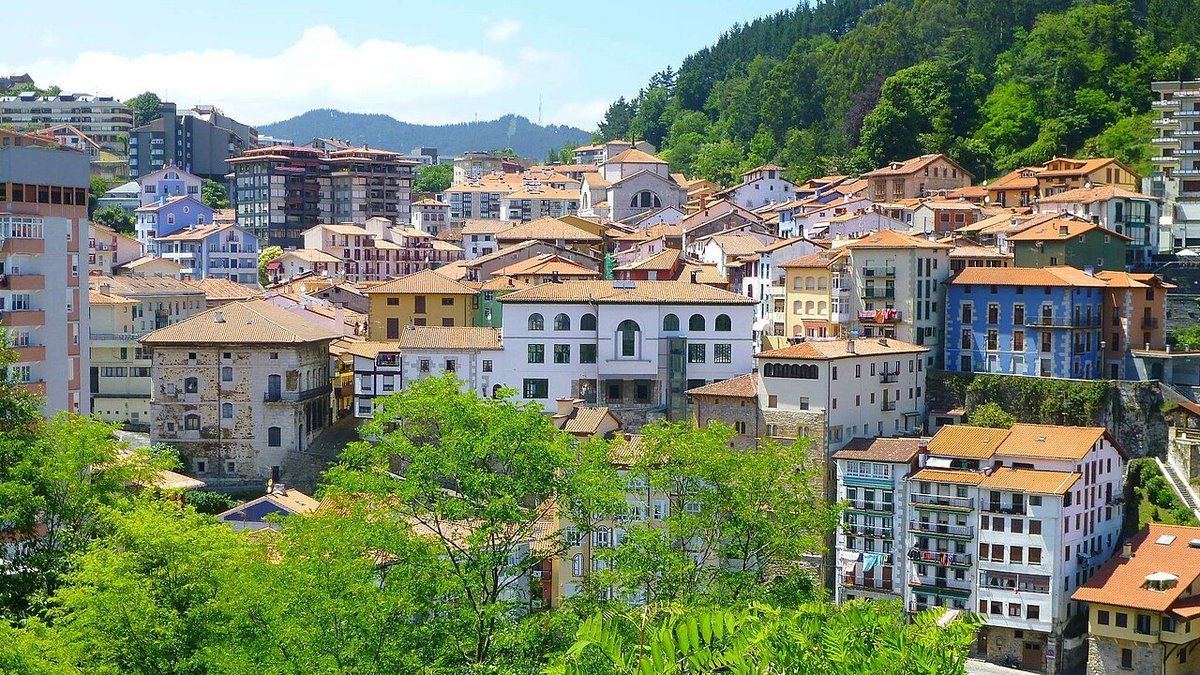
Ondarroa does not try to reinvent itself. It remains a working port with a compact centre built around it. That directness is part of its character.
Getting in and finding a place to park
Orientation is simple. The main road leads straight down towards the port and the urban centre, so there is little chance of getting lost. The real difficulty is the car.
Space is limited, and many parking spots are taken up by vehicles linked to port activity. That leaves fewer options for visitors. Late arrivals often find that circling the centre achieves very little.
A more practical approach is to leave the car in the upper part of town and continue on foot. The walk down involves a short slope and only takes a few minutes. It saves the frustration of searching for a space near the harbour, where availability is tight.
Santa María and its unusual details
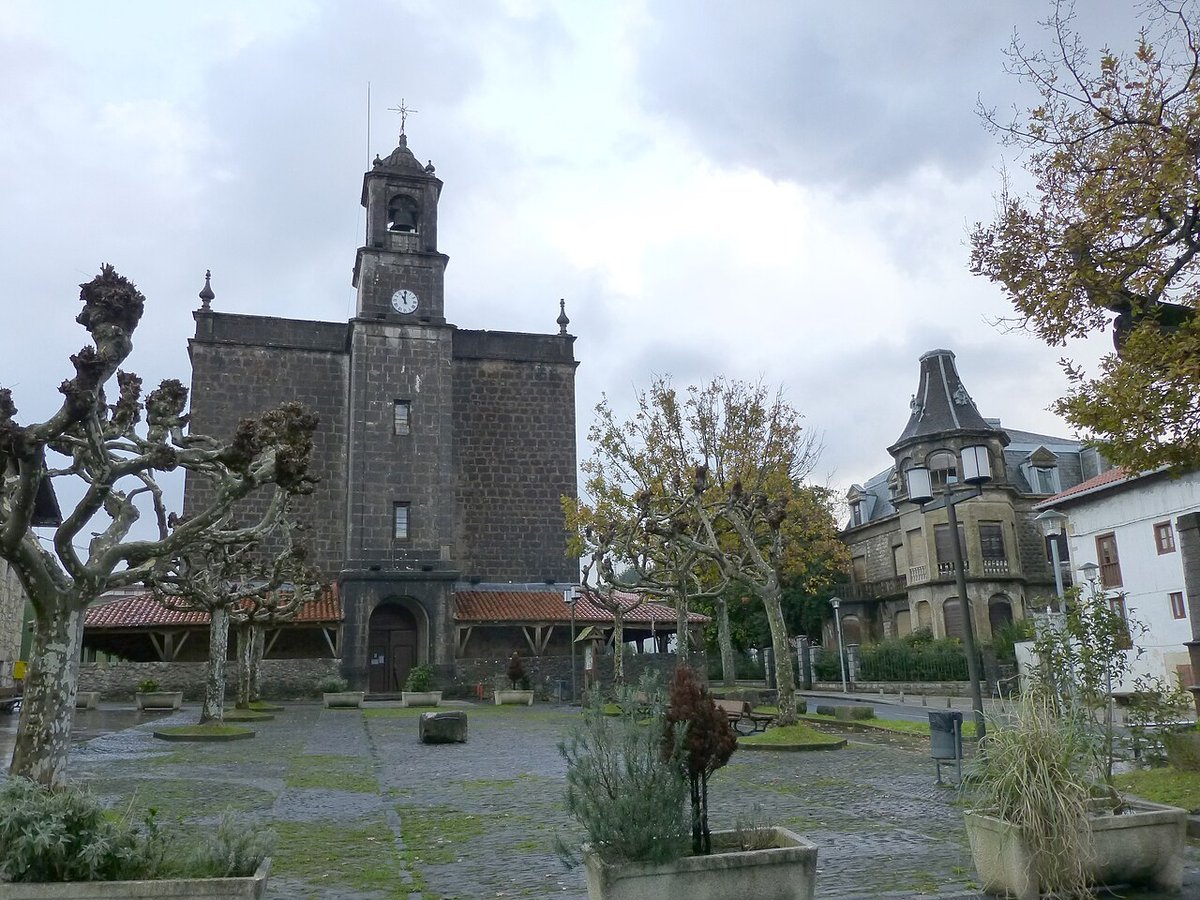
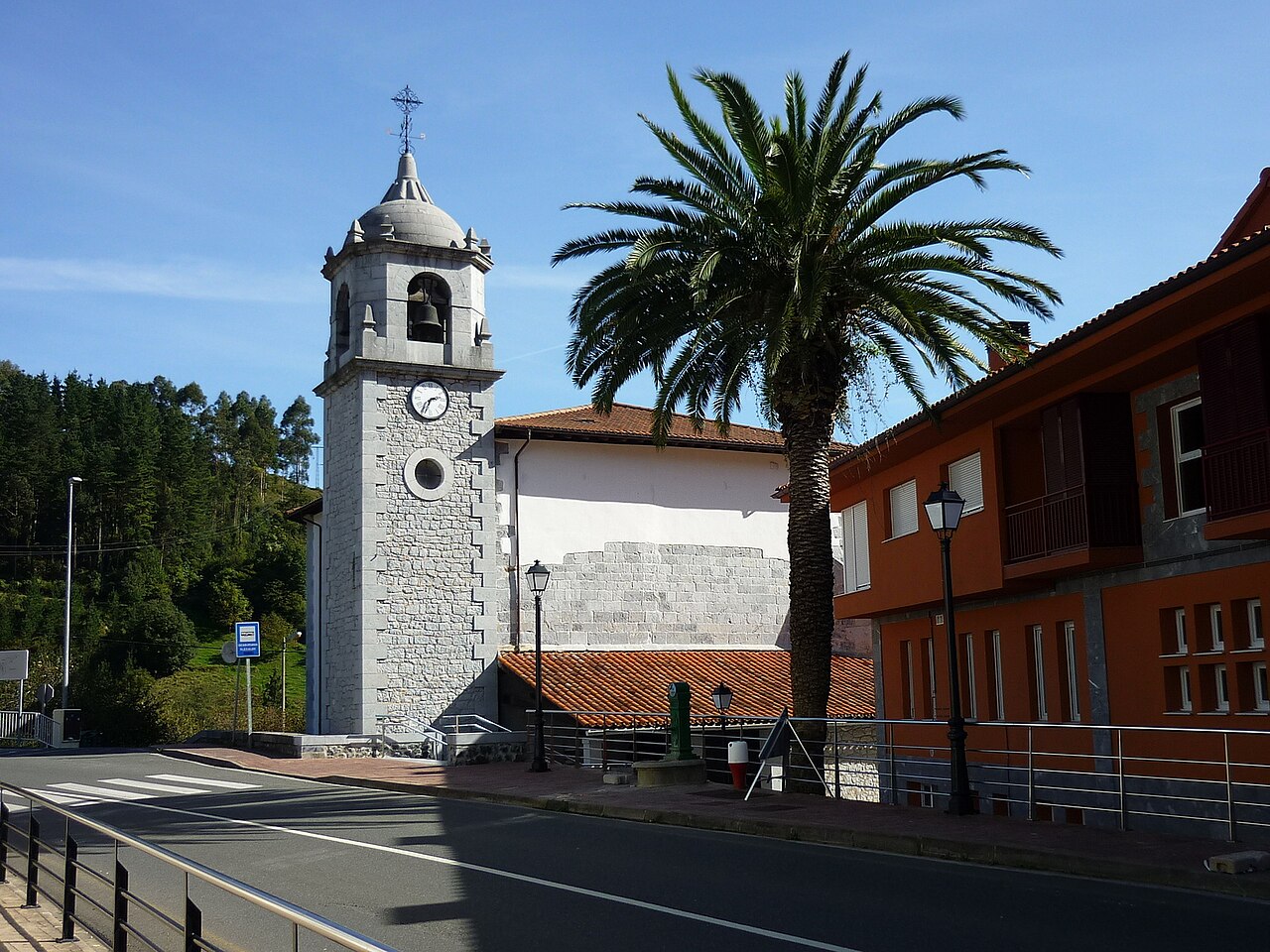
The church of Santa María de la Antigua stands right beside the river. Its position makes sense when looking at the details on its façade. Iron rings are embedded in the stone, once used when the water level reached higher up and boats could moor close to the building. That small feature hints at how closely the town and the sea have always been connected.
The structure itself is late Gothic. It feels large for a town of this size, a solid presence next to the river. Santa María survived fires and wars that destroyed parts of Ondarroa towards the end of the eighteenth century, which adds another layer to its history.
Inside, attention often turns to a set of sculptures known locally as “los mamús”. The figures have a somewhat grotesque appearance. Their unusual style draws curiosity, and many people step inside the church specifically to see them. The contrast between the building’s scale and these striking sculptures makes the visit memorable, even for those with only a passing interest in religious architecture.
The port that sets the pace
The port is the element that truly defines Ondarroa. Activity starts early, when fishing boats arrive and the market begins its work. That initial burst of movement gives way to quieter periods later on, when the quay feels more relaxed.
Smell is part of the experience here. Some days carry the mix of salt and diesel that comes with a working harbour. Other days bring the scent of freshly unloaded fish. In summer, those notes blend with the presence of people strolling and sitting outside, which softens the industrial edge without replacing it.
The inner harbour, built during the twentieth century to organise fishing activity, now feels somewhat limited for certain boats. Even so, it remains the true centre of the town. Everything leads back to it, whether through work, daily routines or simple observation.
This is not a decorative waterfront. It functions first, and any appeal comes from watching that function in motion.
Walking along the coast
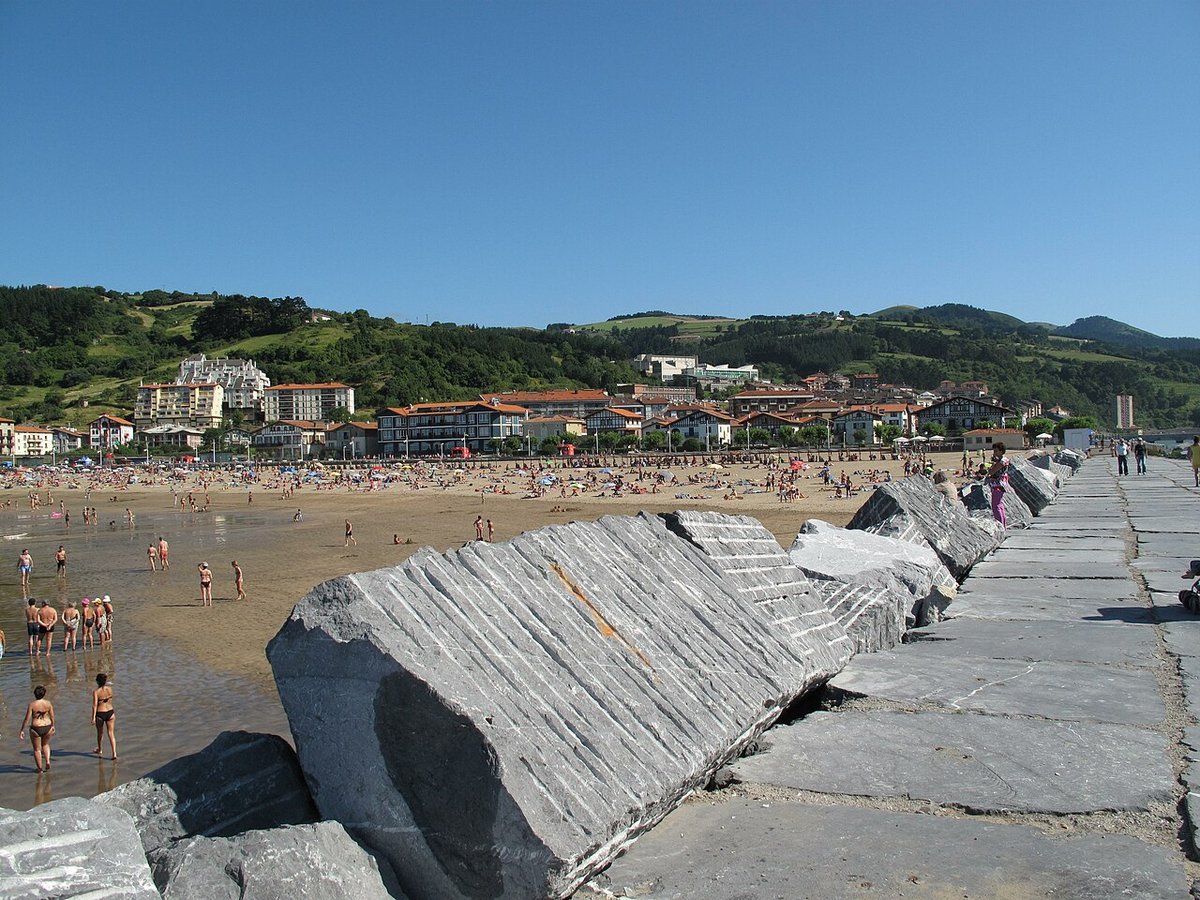
Those who feel like walking will find the coast the most logical direction. One route connects Ondarroa with Mutriku and passes through an area known as the flysch. This landscape consists of dark rock cliffs with clearly visible layers, shaped over time into a striking sequence along the shoreline.
The path rises and falls quite a bit, so it is not completely flat. Still, the views over the Cantabrian Sea make up for the effort. The combination of sea and rock gives this stretch a distinct character that differs from the town itself.
In the opposite direction, the scenery changes quickly. There are beaches and more urbanised sections. The walk remains easy enough, although the landscape alternates between built-up areas and open coastal stretches. That contrast appears within a short distance, which keeps the route varied without needing to go far.
A place that keeps things simple
Ondarroa does not try to impress visitors. It does not present itself as a showcase destination or a carefully staged stop. It is a working port with a small centre built around it, and it stays true to that identity.
The church still stands by the river, the old bridge remains motionless, and the sea is always close. Everything feels compact and direct.
A short visit is usually enough to understand the place. A walk along the quay, a look at the boats, and a moment to watch how the port operates give a clear sense of what Ondarroa is about. After that, the coast continues in both directions, inviting the journey to carry on.