Full Article
about Ziortza-Bolibar (Cenarruza)
Valleys and hamlets a short distance from Bilbao, with a strong local life.
Hide article Read full article
Ziortza-Bolibar es ese tipo de pueblo que te hace bajar un cambio
Llegas, aparcas donde puedes (que no siempre es fácil), y en cinco minutos ya has captado el ritmo. No es que el tiempo se haya detenido, es que aquí nadie le ha dado nunca prisa. Visitar Ziortza-Bolibar es como entrar en una casa familiar donde los muebles llevan décadas en el mismo sitio: no hay espectáculo, pero hay una tranquilidad que se agradece.
No vengas buscando una lista interminable de monumentos. El plan aquí es otro: conectar un par de puntos con un paseo sin prisa y fijarte en lo que hay entre medias. Prados, caseríos, colinas suaves. Parece sencillo, casi plano, hasta que te pillas a ti mismo parado un buen rato, solo mirando.
Dos nombres, un mismo valle
En el barrio de Bolibar está la casa vinculada a la familia de Simón Bolívar. Funciona como museo, pero se parece más a una torre antigua que a una exposición moderna. Es discreta, sin aspavientos. Si te interesa la figura del Libertador, entenderás cómo un apellido de este valle acabó dando nombre a medio continente americano.
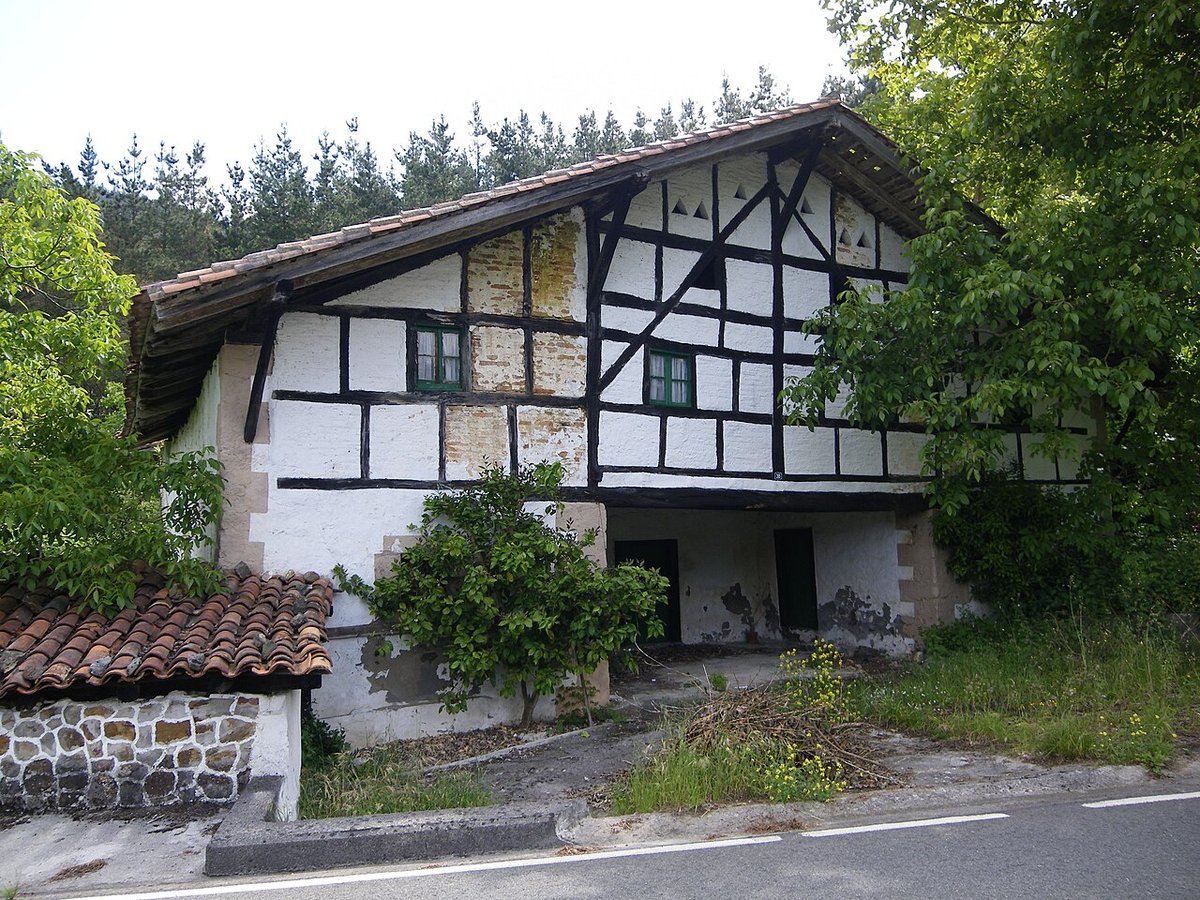
La construcción tiene el carácter de las casas tradicionales de por aquí: muros gruesos, ventanas pequeñas, madera oscura. Tiene ese aire sólido y protector, como diseñada para aguantar inviernos largos sin inmutarse.
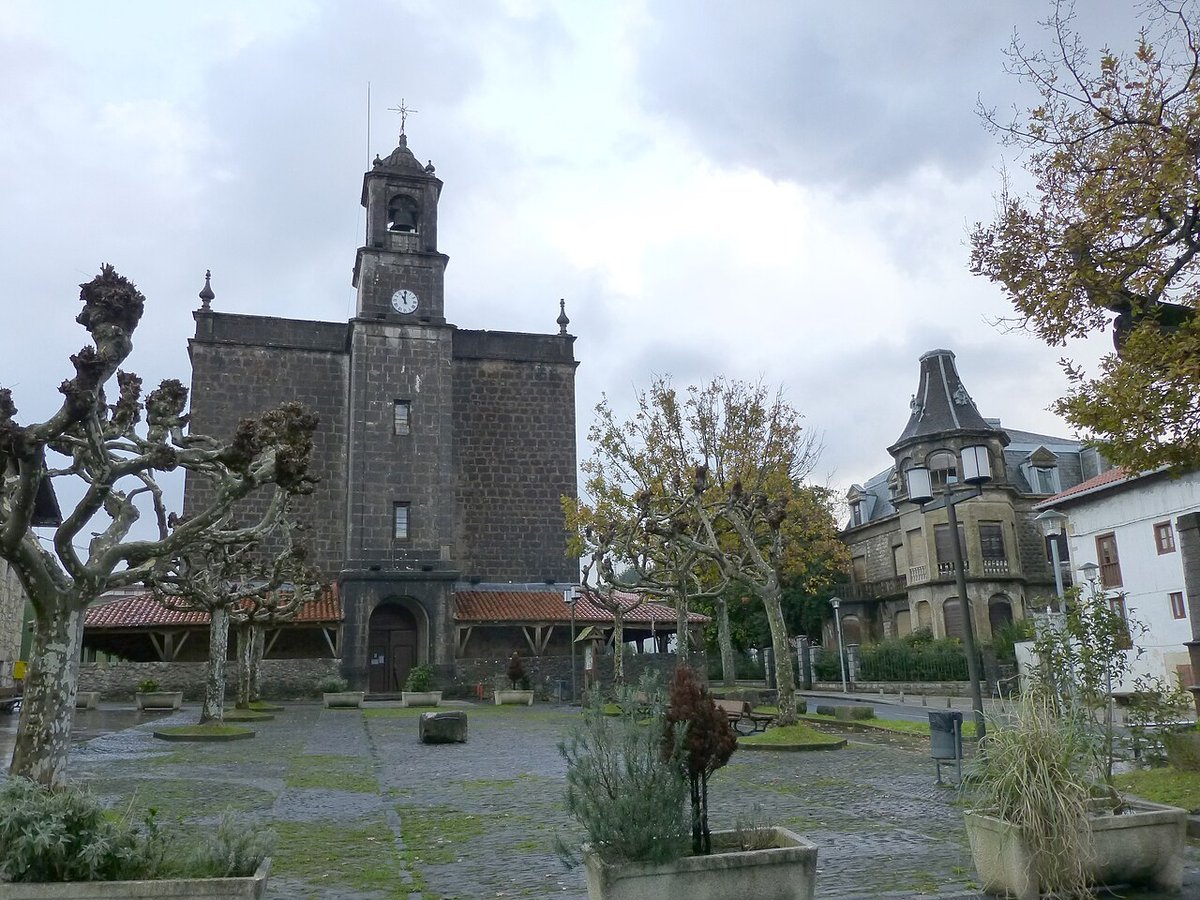
A poca distancia está la Colegiata de Ziortza. Durante siglos fue parada importante en el Camino de Santiago del Norte. El conjunto es sobrio: estructuras de piedra, un claustro simple y mucho silencio. Si te sientas un rato, lo único que sueles oír es el viento o algún pájaro.
Hace décadas un incendio serio dañó parte del complejo y hubo que reconstruir. Aún así, el ambiente sigue siendo el de un monasterio rural, algo apartado de todo a pesar de tener la carretera cerca.
El paisaje se entiende caminando
No hace falta planificar una ruta larga o exigente. Con seguir un tramo corto del camino de peregrinos, o tomar una pista que une unos cuantos caseríos, ya captas cómo es el terreno.
El paisaje engaña. Desde el coche parece casi llano, pero en cuanto empiezas a andar aparecen cuestas cortas pero constantes. Cada una te sube la temperatura un grado. Lo que iba a ser un paseo rápido a menudo se convierte en algo más largo sin que te des cuenta.
Los campos suelen estar delimitados por muros de piedra y setos. Los días húmedos huele a hierba mojada. Si ha llovido, el barro aparece rápido; llevar un calzado con buena suela no es un consejo, es una necesidad.
Lo que la gente no suele calcular bien
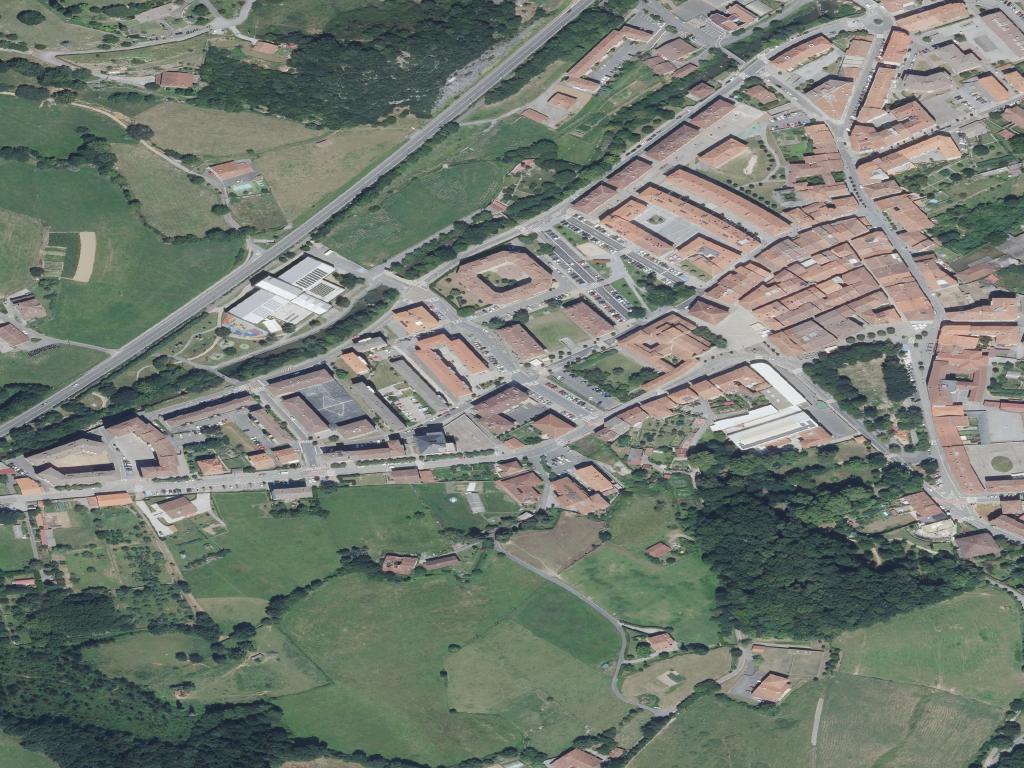
Ziortza-Bolibar se ve en poco tiempo. No es un sitio para pasar el día entero dando vueltas por el centro, básicamente porque el centro es minúsculo.
Una visita típica consiste en ver la casa de Bolívar (si está abierta), acercarse a la Colegiata y dar luego un paseo por los alrededores. Se parece más a esa parada que haces en un viaje más largo: estiras las piernas, respiras y sigues camino.
Las carreteras también son para tenerlas en cuenta: son estrechas y con bastantes curvas. Los días que llega más gente de lo habitual, encontrar dónde aparcar requiere su dosis de paciencia.
La visita cambia con la estación
La primavera muestra el valle en su versión más verde. Todo huele a fresco y el contraste con la piedra de los edificios se nota más.
El otoño cambia el ambiente: hojas caídas, colores más apagados y una luz baja por la tarde que le da a los paseos un ritmo más lento y silencioso.
El verano trae días largos y temperaturas suaves, aunque también hay más peregrinos pasando por el Camino. Llegar temprano significa pillar el lugar aún medio dormido, y eso cambia la experiencia.
La lluvia lo altera todo otra vez: los caminos se ponen resbaladizos e invitan poco al paseo largo… pero entonces aparece ese olor tan particular a tierra mojada después del calor.
Una pausa dentro de Lea Artibai
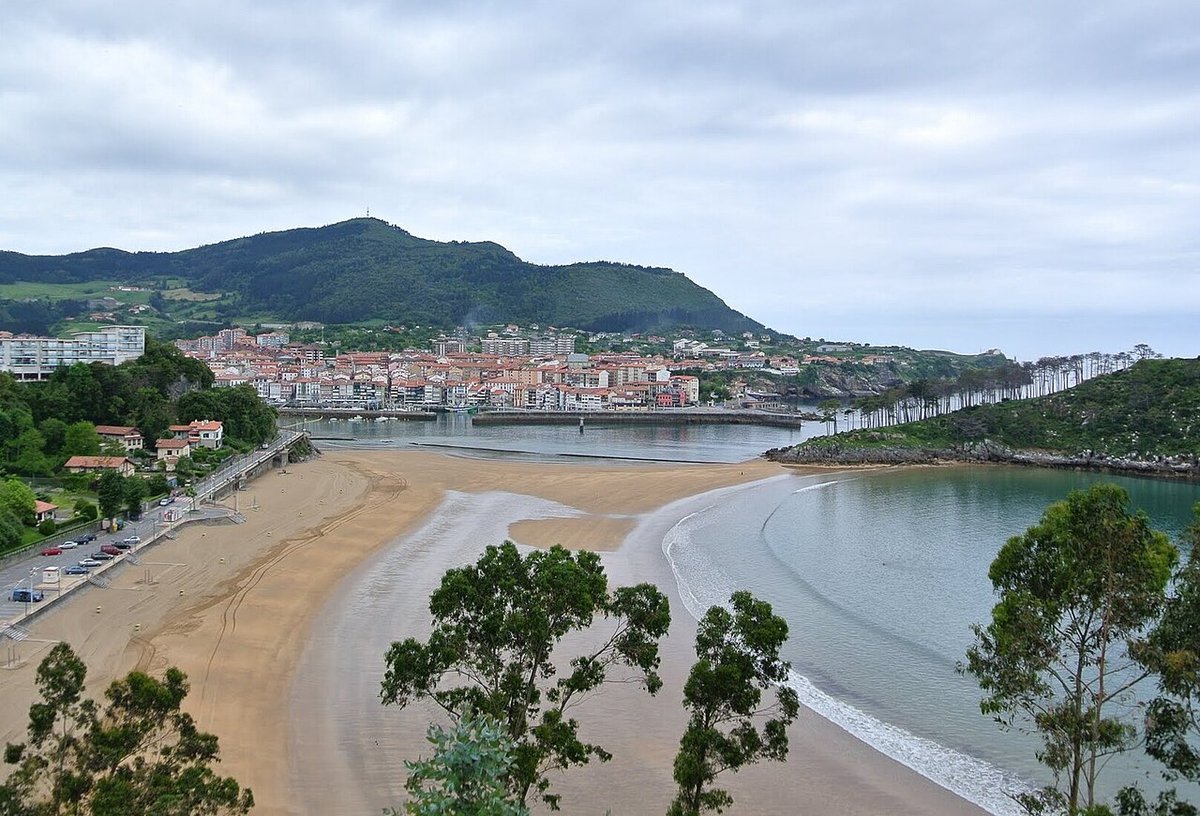
Ziortza-Bolibar funciona mejor como parte de una ruta más amplia por Lea Artibai. Es uno de esos lugares que encajan como una pausa tranquila entre otros pueblos o tramos de costa.
Llegas, echas un vistazo, captas su historia y sigues camino. La visita es breve, pero suele quedarse. De esas paradas no planeadas que al final definen más un día que cualquier atracción marcada en negrita en la guía