Full Article
about Abaltzisketa (Abalcisqueta)
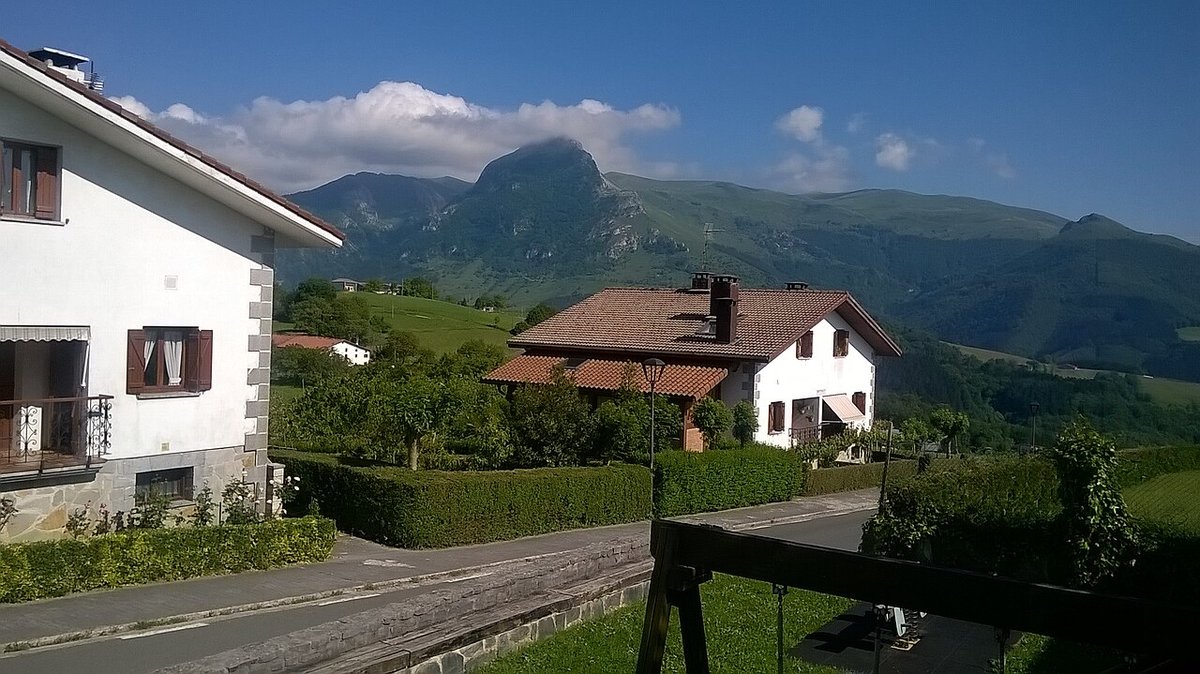
Deep green, farmhouses and nearby mountains with trails and viewpoints.
Hide article Read full article
A village that slows you down
Some places slip past the car window without leaving much of an impression. Others make you ease off the accelerator without quite realising why. Tourism in Abaltzisketa begins in that second way: a calm road, meadows on both sides, and then a small cluster of houses where everything seems to move at its own pace.
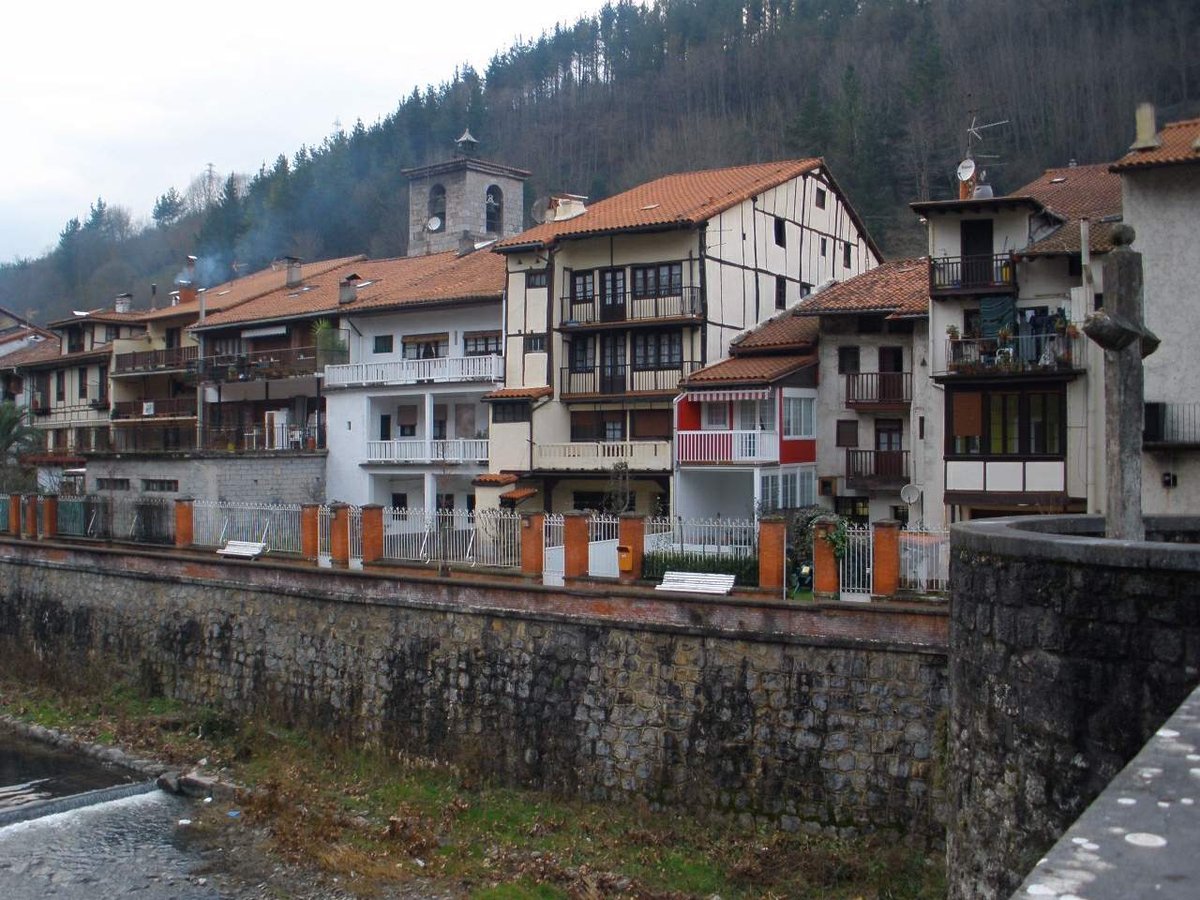
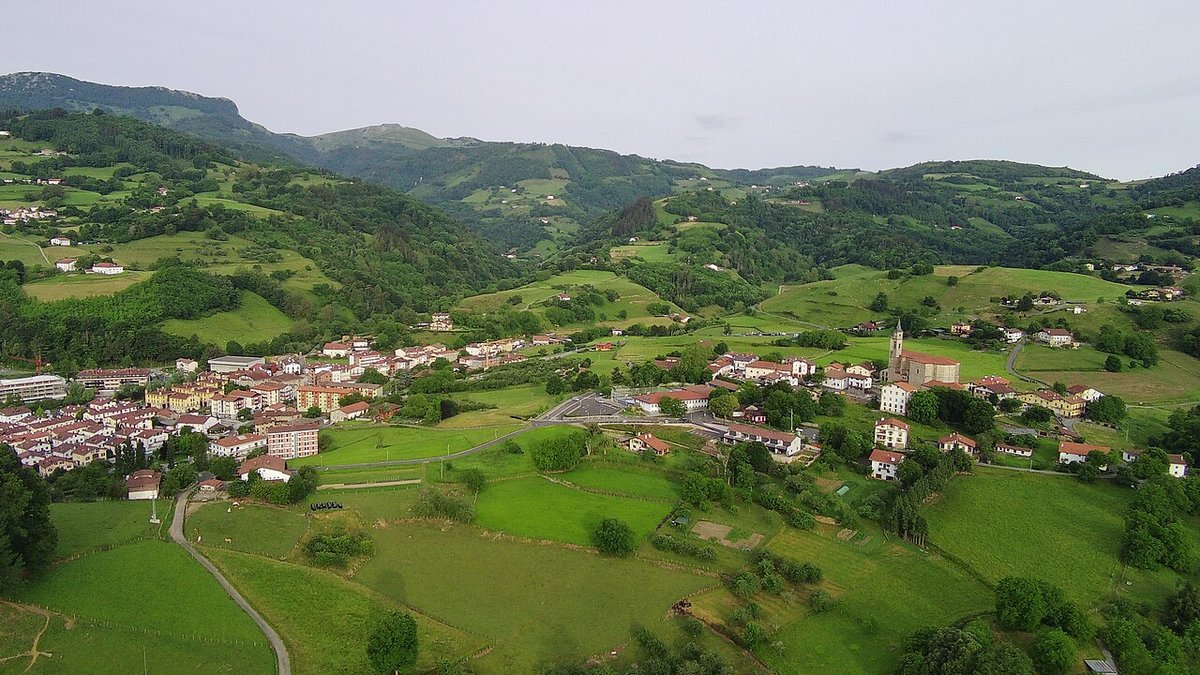
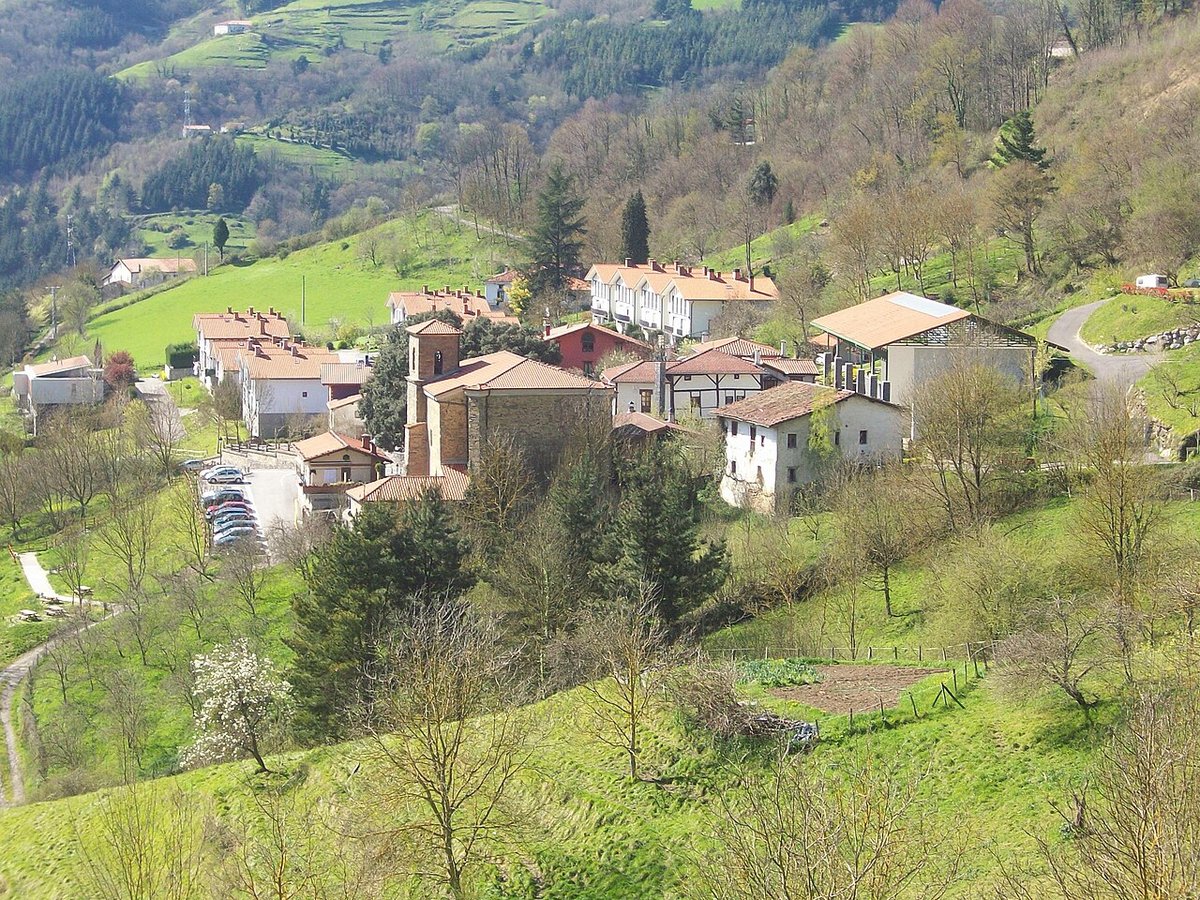
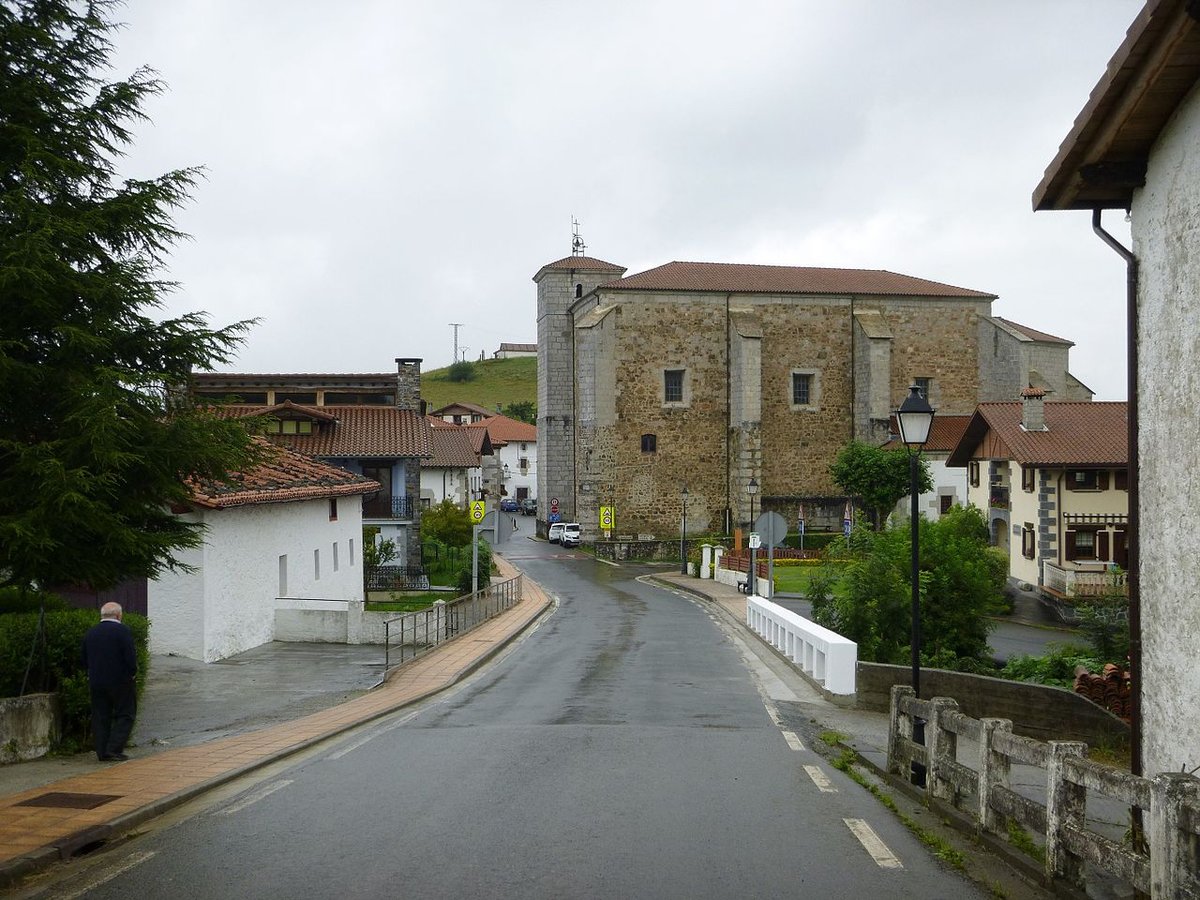
The village does not try to catch attention. A handful of stone houses, a short street or two, and the outline of a church rising above the centre. There are no broad squares or façades arranged for quick photos. Abaltzisketa is small, and it carries on without much concern for appearances.
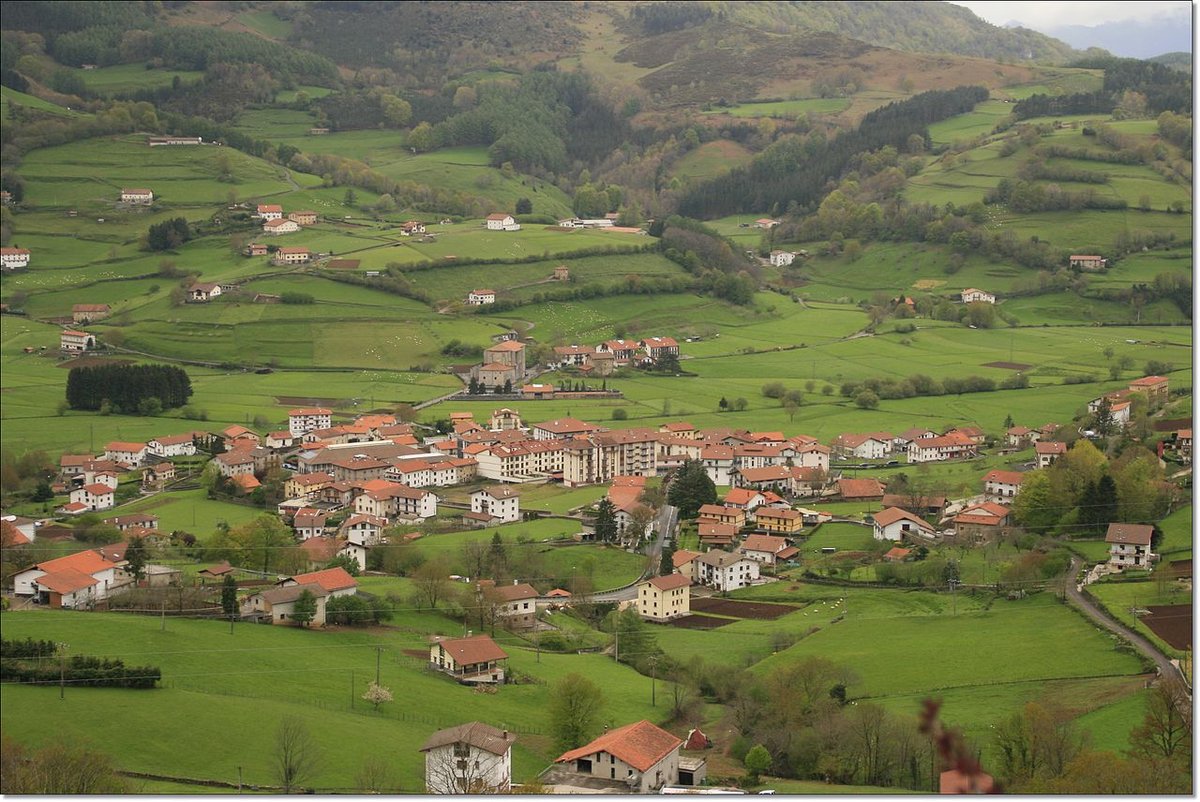
Just over 300 people live here, with many caseríos, traditional Basque farmhouses, spread across the surrounding slopes. Daily life still revolves largely around the land. You notice it in simple details: stacked firewood beside walls, tractors parked close to front doors, fields freshly cut in summer. This is not a staged rural scene. It is everyday work.
A centre reduced to essentials
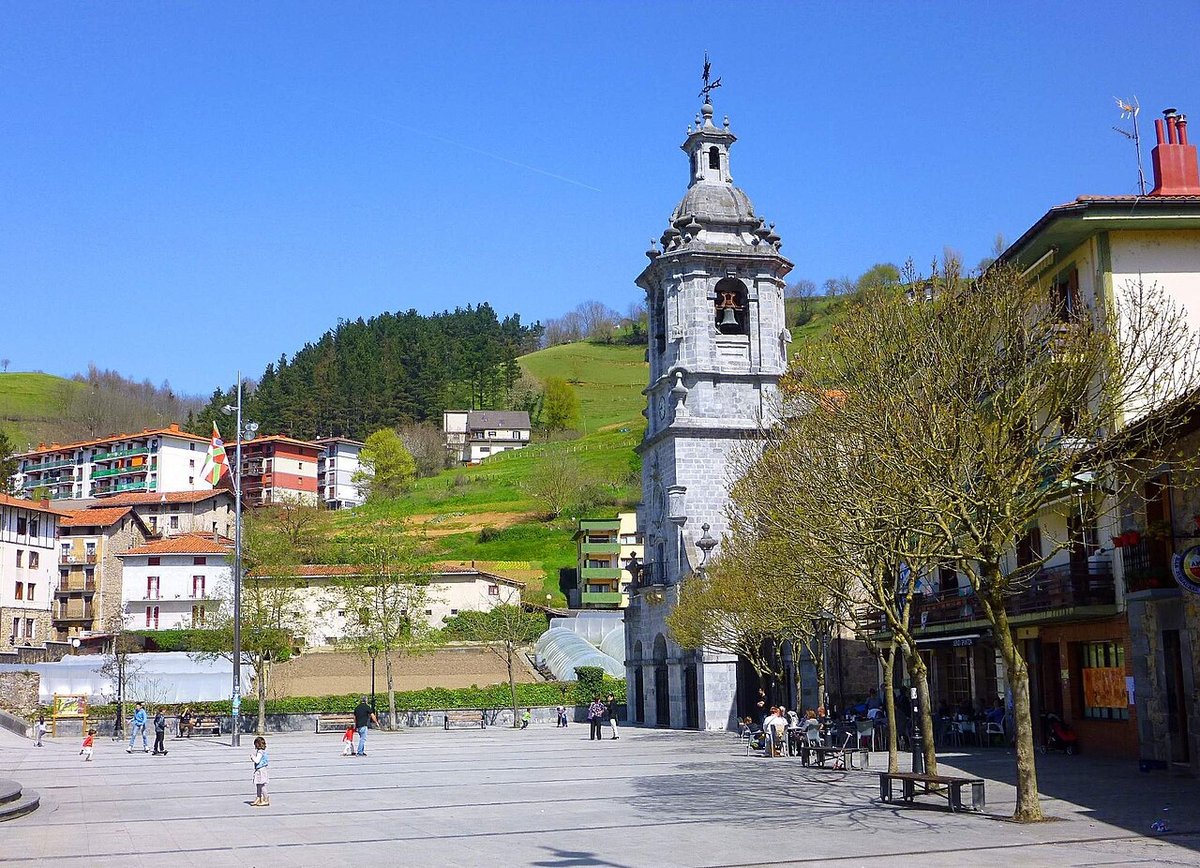
The centre of Abaltzisketa is minimal. At its heart stands the parish church of San Miguel, with a few houses nearby and little else. It is not the kind of historic quarter where you spend an hour studying architectural details.
San Miguel follows a style seen across many villages in Gipuzkoa. The structure is solid, built in stone, with restrained decoration. It does not aim to impress, yet it works as a clear point of reference. Visitors arrive, park nearby, and quickly understand how the village is laid out.
Around the church, several caseríos show different stages of life. Some retain an older appearance, with thick walls and steeply pitched roofs. Others have been carefully restored. This balance is common in the area: homes that continue to be lived in, rather than second residences turned into display pieces.
Walking without a set route
Abaltzisketa is not about ticking off landmarks. It suits a slower approach, with a walk that has no fixed goal.
Leave the centre and rural tracks appear almost immediately, threading through open fields. Some are paved, while others are simpler dirt paths used by locals to reach their homes. After several days of rain, which is quite common in this part of the Basque Country, muddy sections are likely on the unpaved stretches.
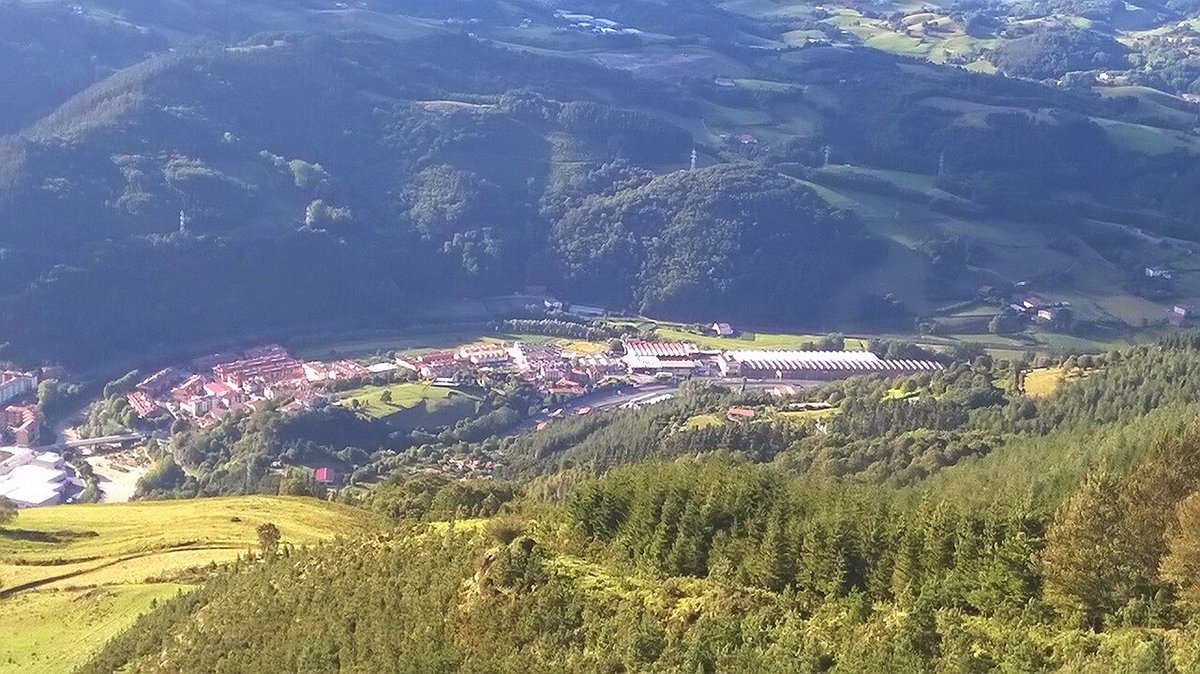
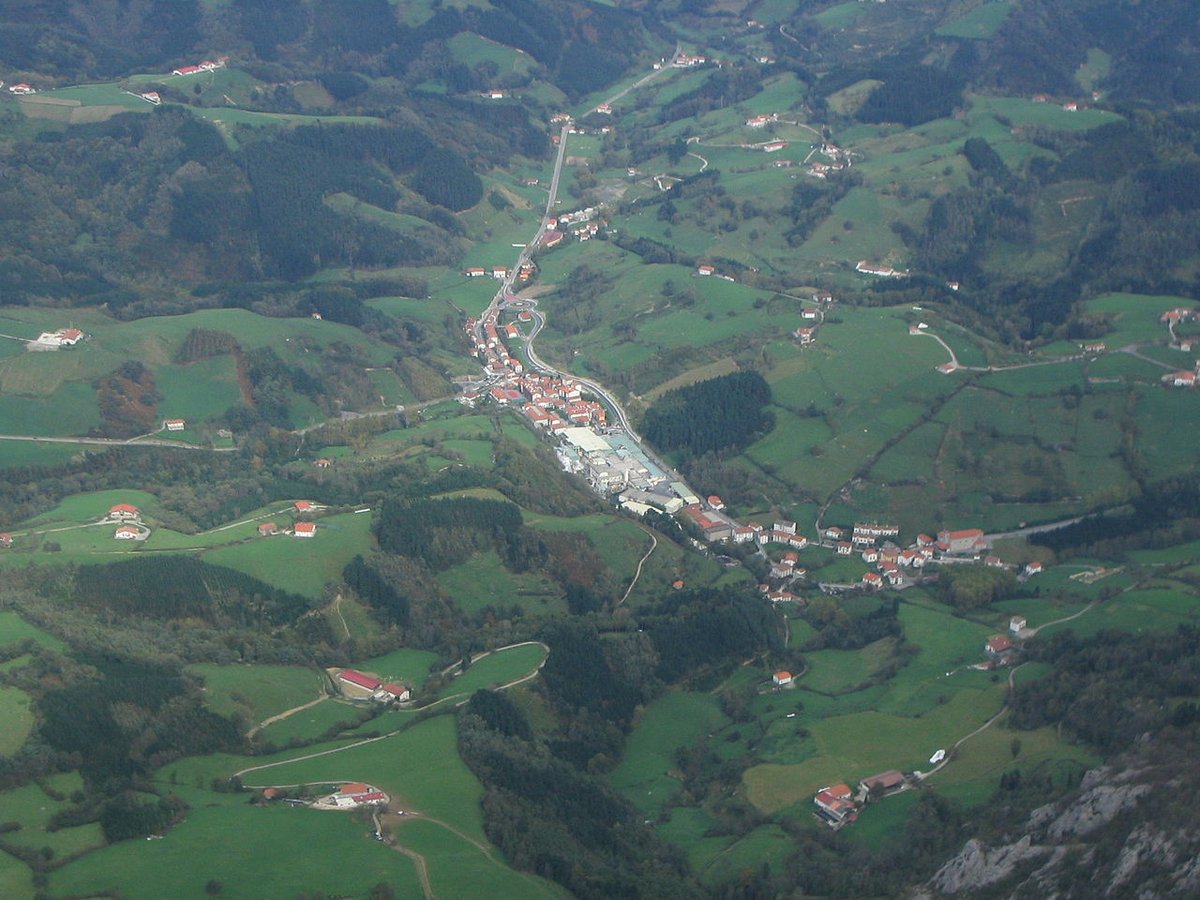
The landscape reflects the character of Tolosaldea, especially in this area close to the Aralar mountain range. Green meadows stretch out between small wooded patches, and the land rises gradually towards the mountains. Birds of prey are often visible in summer, circling above. When the wind comes down from Aralar, the quiet can feel almost exaggerated.
This is a place where the surroundings shape the experience more than any specific sight. A short walk is enough to pick up on the rhythm of the area.
A quiet gateway to the Aralar range
One of Abaltzisketa’s most interesting aspects is its connection to the Sierra de Aralar. Roads and paths lead out of the village and climb gradually towards higher ground.
Cars often pass through with people heading out for walks or continuing up into the mountains. The Txindoki, a well-known peak in the area, dominates much of the horizon from here. Its presence gives a clear sense of direction, even for those who are not planning a long hike.
A short drive uphill already changes the landscape noticeably. The transition from farmland to more rugged terrain happens quite quickly. Even without a defined route, the shift is easy to appreciate.
Signage is limited, so it helps to have a general idea of where you are going. This is not an area filled with information boards or frequent signposts at every junction.
Local traditions and everyday life
Life in Abaltzisketa follows the patterns of a small village in Gipuzkoa. Traditions are tied closely to the local and religious calendar.
The festivities of San Miguel are the main moment when the community gathers. The atmosphere is simple, shaped more by neighbours than by visitors. Events tend to be modest, with a focus on shared participation rather than attracting large crowds.
There are no large stages or programmes designed for tourism. Celebrations remain rooted in the people who live in and around the village.
Practical notes before visiting
Abaltzisketa does not take long to explore. A visit focused only on the village itself can be done in under an hour, enough to get a clear sense of the place.
It works best as a quiet stop within a wider route through Tolosaldea or on the way to the Aralar mountains. Pause, take a short walk, spend some time looking out over the landscape, then continue on.
Respect for the caseríos is important. It can be difficult to tell where public space ends and private access begins, so parking carefully and avoiding blocked paths makes a difference.
Weather is another factor to keep in mind. Rain is frequent in this part of Gipuzkoa, and mud appears quickly on rural tracks. Suitable footwear helps, especially if you plan to walk beyond the centre.
Abaltzisketa offers a clear view of how rural life continues here, without embellishment or staging. It is simply daily life, unfolding at its own steady pace.