Full Article
about Aduna
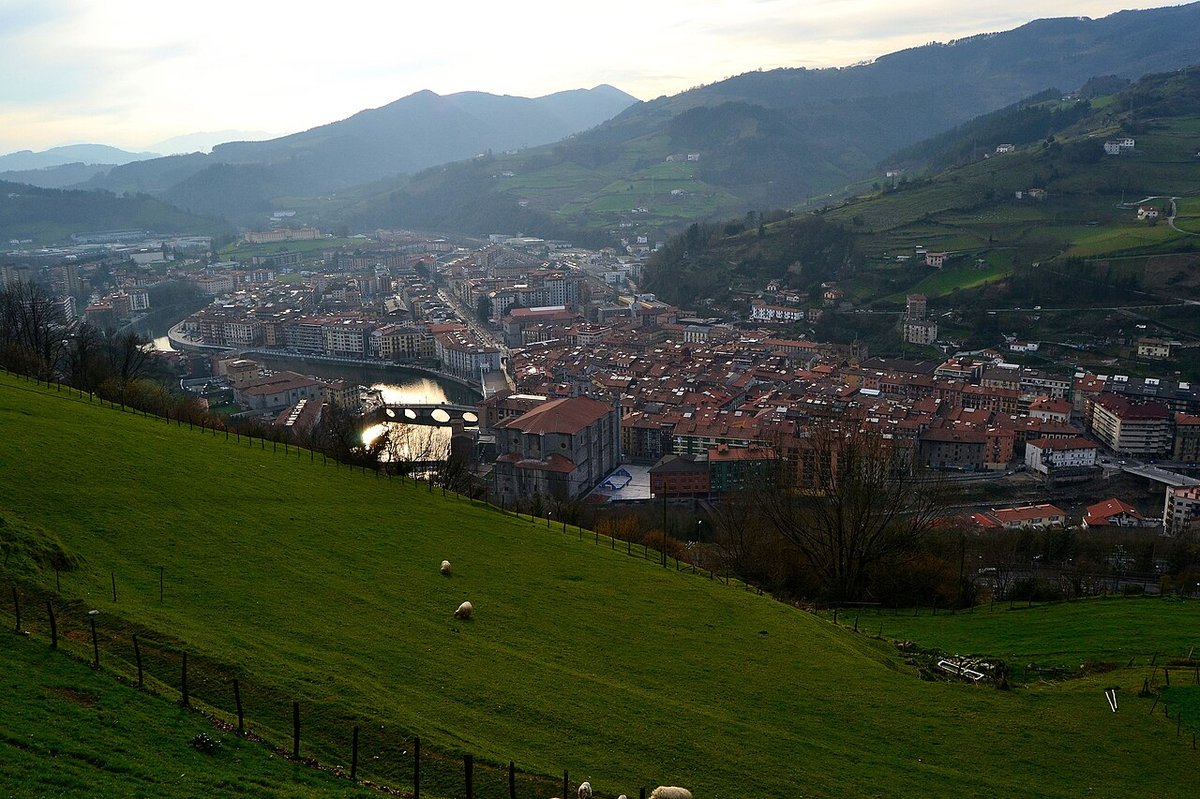
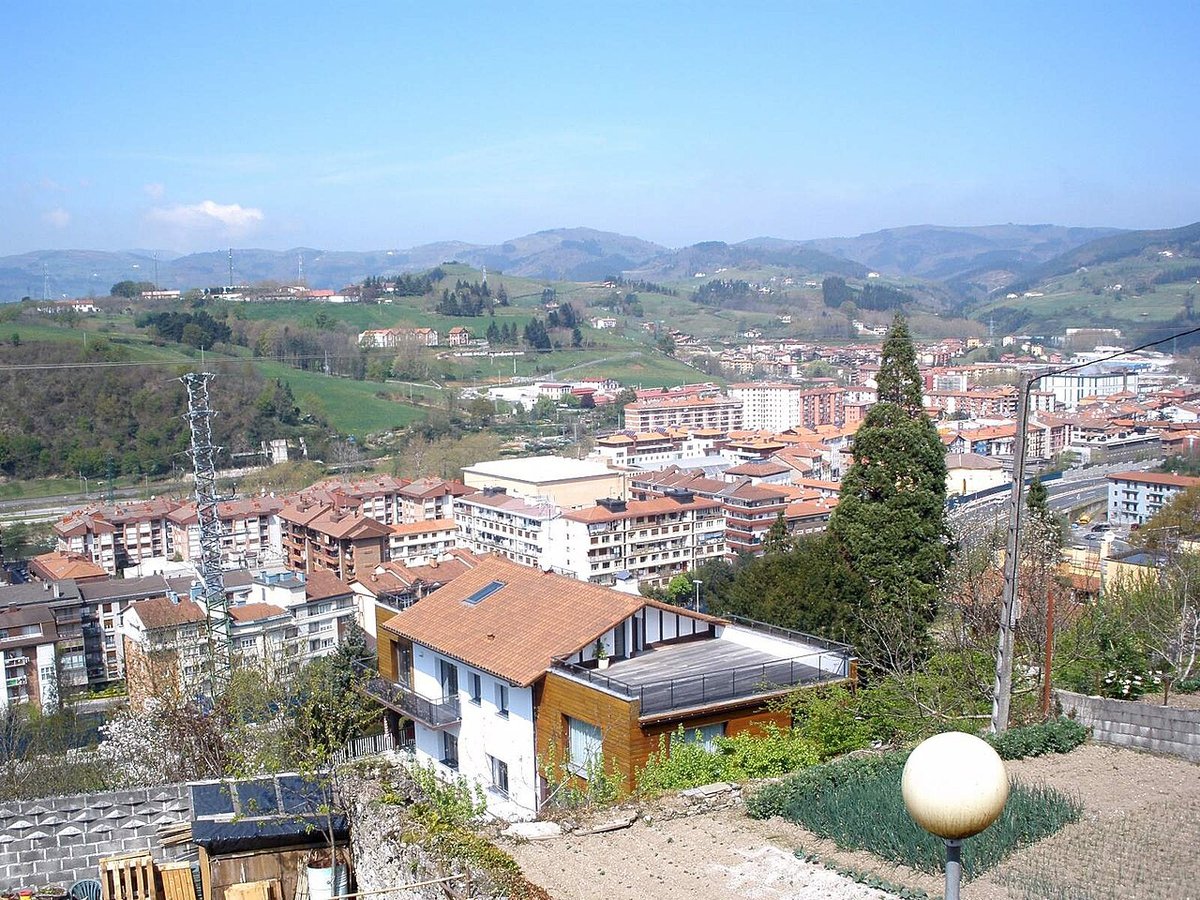
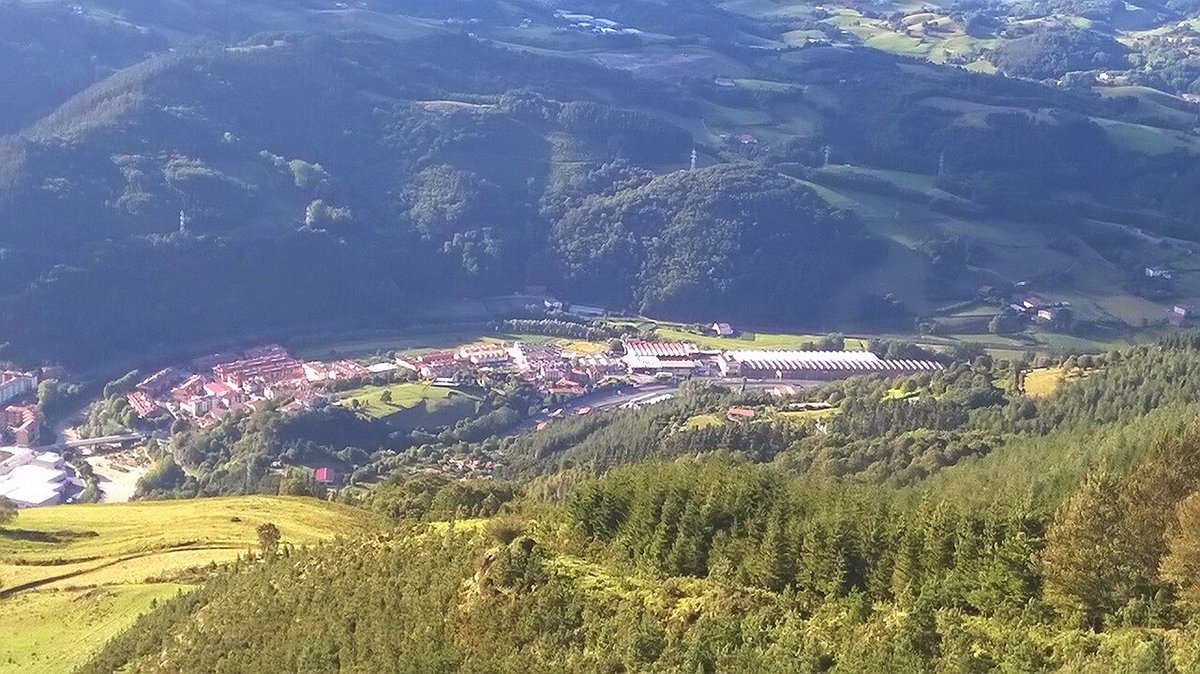
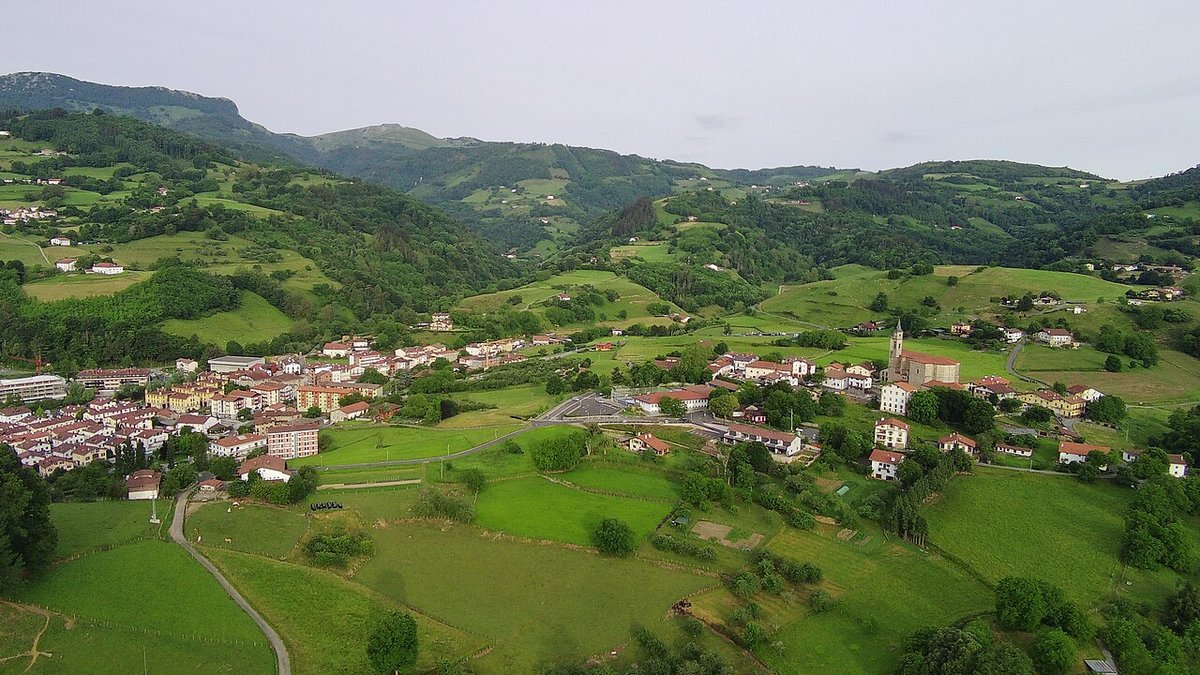
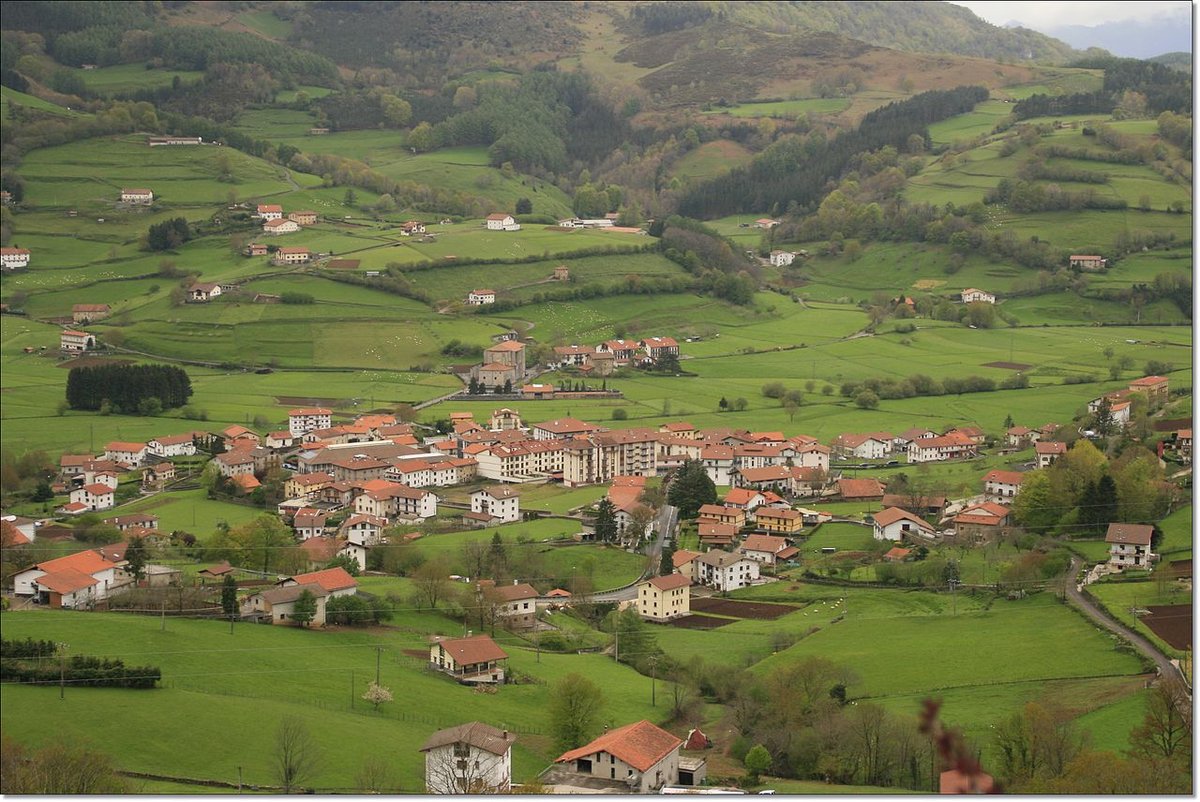
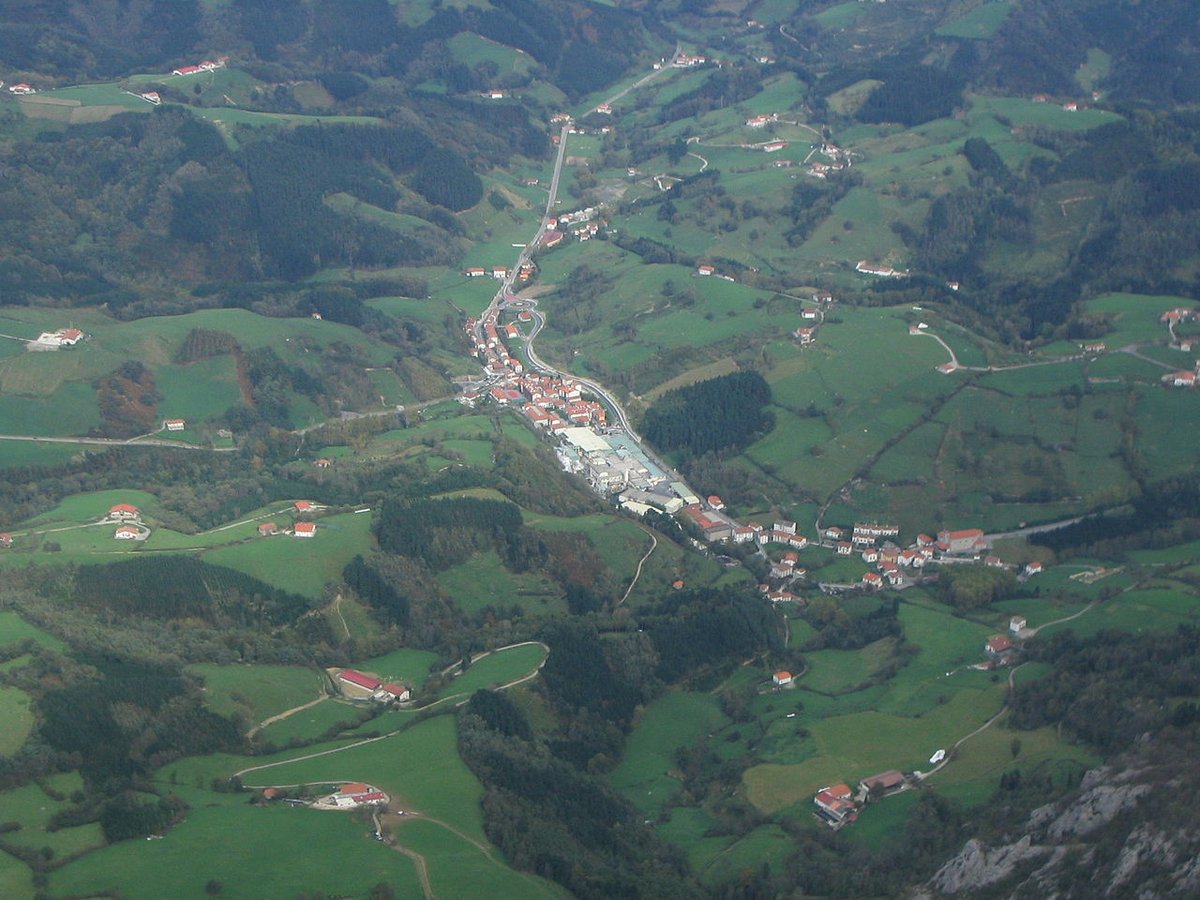
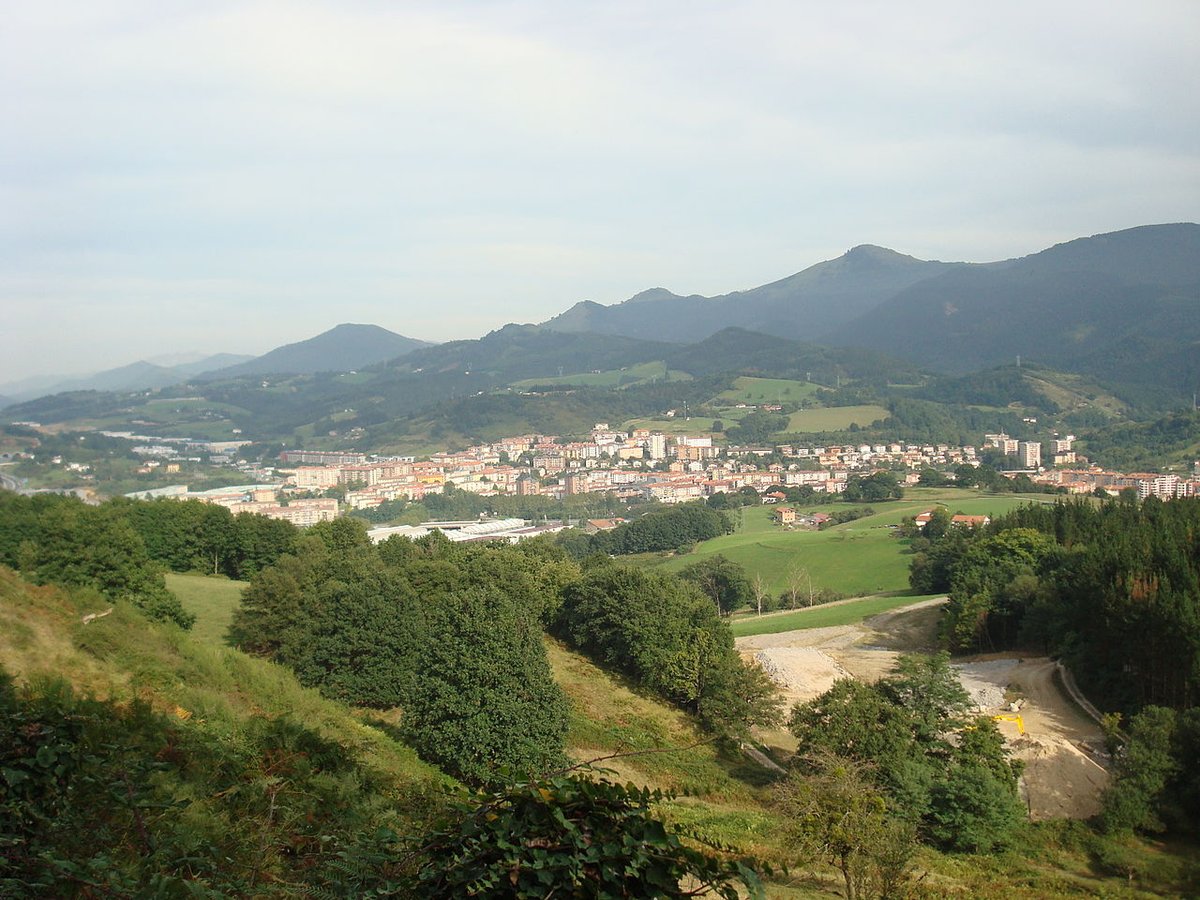
Deep green, farmhouses and nearby mountains with trails and lookouts.
Hide article Read full article
A Small Place, Easy to Take In
Aduna is small, very small. In less than an hour you can see the centre and take a short walk nearby without rushing. Its scale shapes the visit: this is not a place to fill a day, but one that fits neatly into a wider route around Tolosaldea.
It sits just a few minutes from Tolosa, which is why many people stop here briefly rather than making it a destination in its own right. The rhythm is slow and practical. There are no large visitor areas or formal parking zones, so if you arrive by car, you will need to find a space along the streets in the centre or on the edges of the village. Care matters here, as access to farmhouses and small holdings needs to be kept clear.
Everything about Aduna suggests a place that functions first as a living rural settlement, with visitors passing through rather than shaping the space.
Getting Around Without Fuss
Once you arrive, there is little need for transport. The centre can be explored entirely on foot without difficulty. Streets are short, there is some slope to contend with, and traffic is minimal.
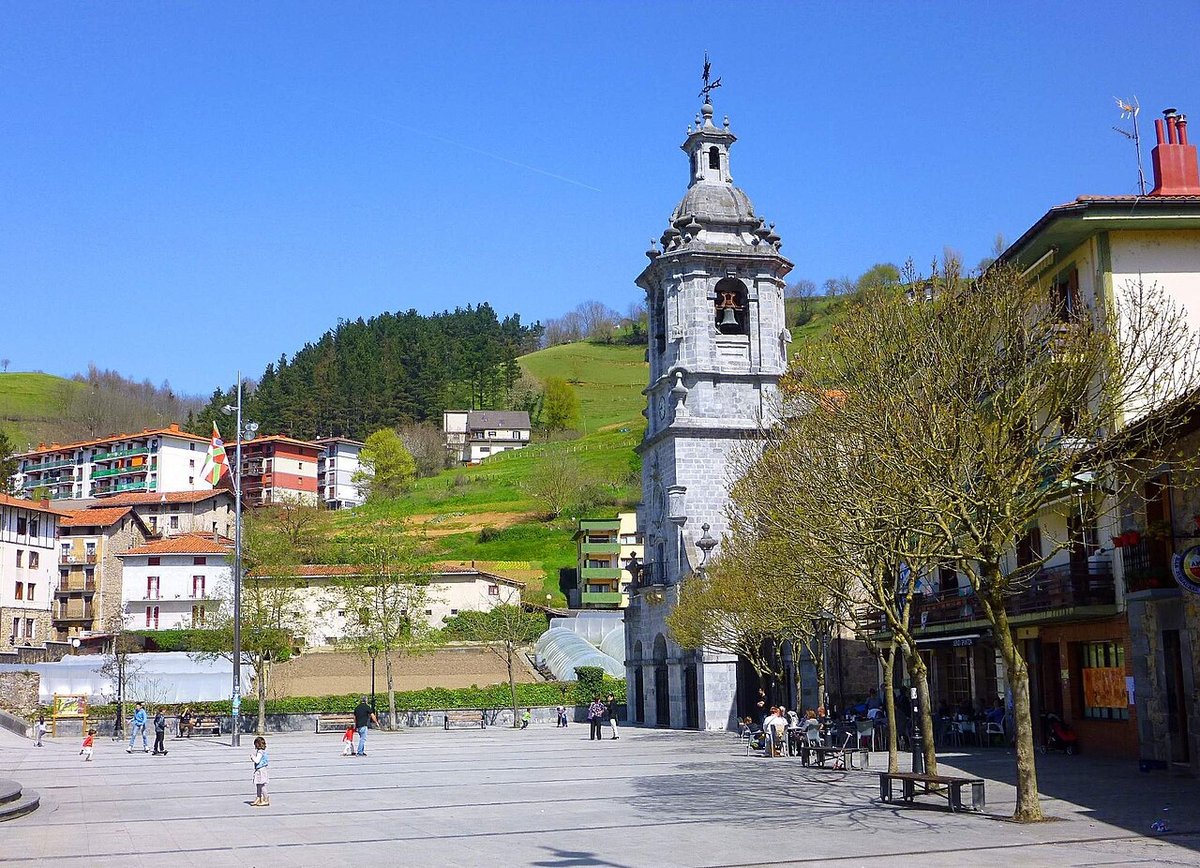
Most people leave the car near the main square and continue walking from there. It keeps things simple and matches the scale of the village.
If you are coming from Tolosa, it is even possible to reach Aduna on foot or by bike. The distance is not long, although the final stretch includes a noticeable uphill section. It is manageable, but you will feel the incline.
The Heart of the Village
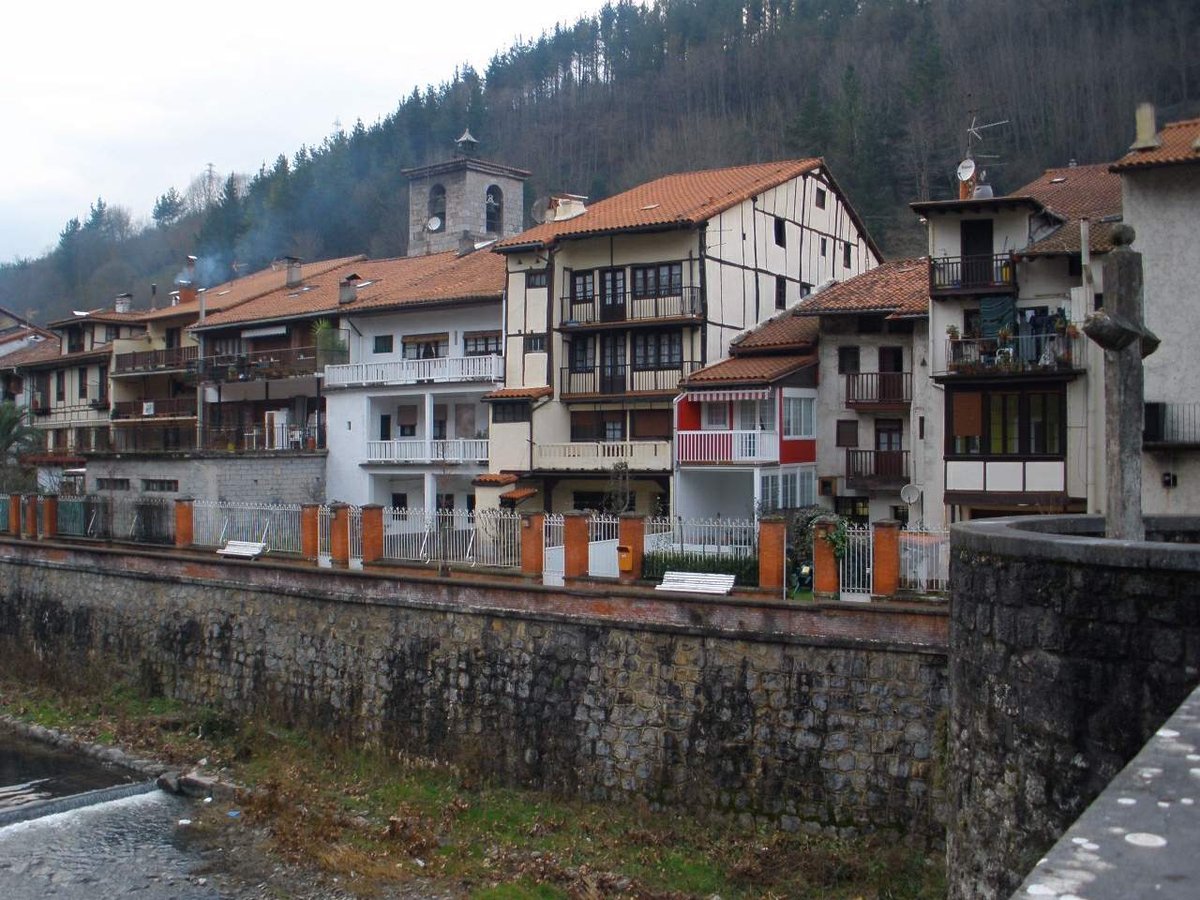
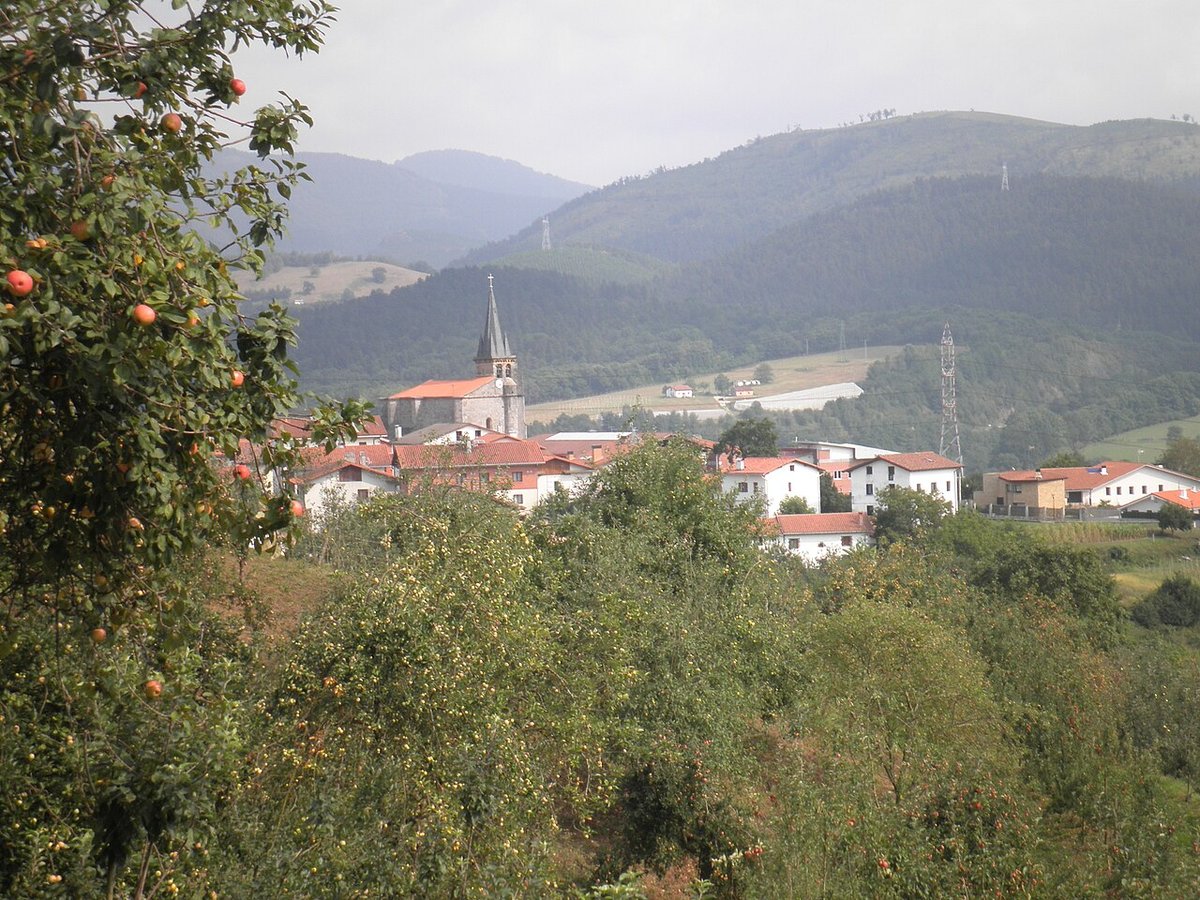
The most recognisable point in Aduna is the church of San Martín de Tours. Dating from the 16th century, it stands in the main square and anchors the small centre. Around it, there is little in the way of concentrated heritage or large monuments.
Nearby, you will find a frontón, the traditional Basque court used for pelota, along with a handful of older houses. Beyond that, the built environment remains modest.
Aduna does not have museums or major public buildings. It is, at its core, an agricultural village, and that character is visible throughout. Farmhouses, known as caseríos, are scattered across the surrounding hillsides rather than grouped tightly together. Some retain old wooden doors and solid stone walls that hint at their age.
These buildings can be seen from the road or from the local paths, but they are private homes rather than places to enter or visit. The experience here is one of observation rather than access.
Walking Out into the Landscape
For those who want to stretch their legs, there are rural paths that begin directly from the village. These are not marked as official routes, so there is no signage or structured trail system to follow. Instead, they are simple tracks that wind through fields and small wooded areas.
The landscape is typical of this part of Tolosaldea. Gentle hills roll outwards, with meadows enclosed by hedges and low stone walls. In some stretches, the valley opens up and gives a broader sense of the surroundings, although there are no designated viewpoints or information panels.
Walking conditions depend heavily on the weather. When the ground is dry, the paths are easy to follow and comfortable underfoot. After several days of rain, which is not uncommon in this region, puddles and mud become part of the experience. It happens frequently enough to be worth bearing in mind.
There is no sense of a curated walking destination here. The appeal lies in moving through an everyday rural setting, where agriculture and landscape remain closely linked.
When to Come
In Aduna, the weather plays a decisive role in how the place feels. Winter often brings grey skies and damp conditions that can linger for days. The village does not shut down, but the atmosphere becomes quieter and more subdued.
Summer can bring strong sun, and the heat becomes noticeable on the slopes and uphill sections. Even short walks feel more demanding under these conditions.
Spring and autumn tend to offer the most comfortable balance. The countryside is green, the air is milder, and walking becomes more enjoyable. On clear days, starting early helps make the most of the light and the calm.
Local festivities revolve around San Martín. There is also usually some activity in summer, particularly around the frontón, although details vary from year to year. It is worth checking in advance if your visit coincides with a specific event, as there is no fixed programme that repeats unchanged.
A Short Stop in Tolosaldea
Aduna works best as a brief stop within a wider visit to the region. Its proximity to Tolosa makes this especially clear. Tolosa offers a more active atmosphere, with a weekly market and streets that carry more movement and daily life.
From Aduna, it is easy to continue on to other villages in the valley within a short time. The landscape remains similar across the area, but each place has its own square, its own frontón, and its own pace.
The simplest approach is often the most fitting: spend a little time, take a walk, and then continue your journey. Aduna does not try to be more than it is, and it does not need to. As a quiet pause between other stops in Tolosaldea, it fits naturally into the rhythm of the region.