Full Article
about Albiztur
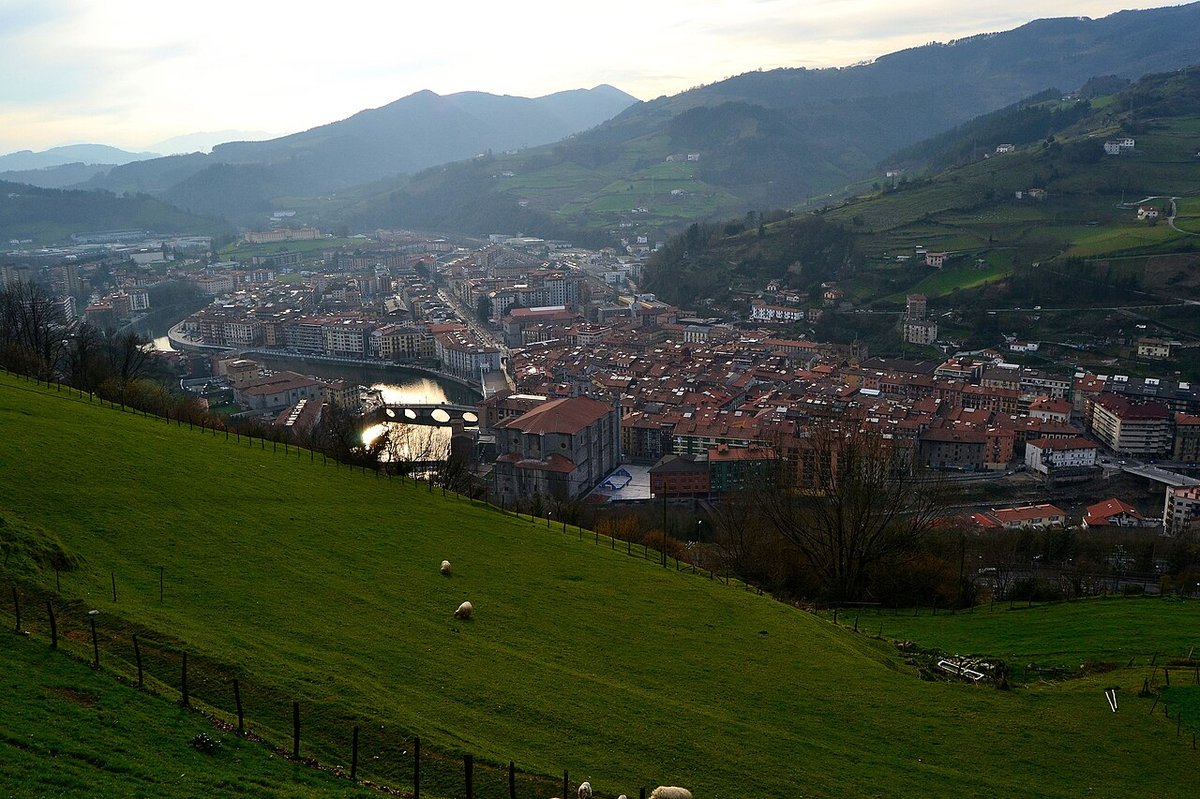
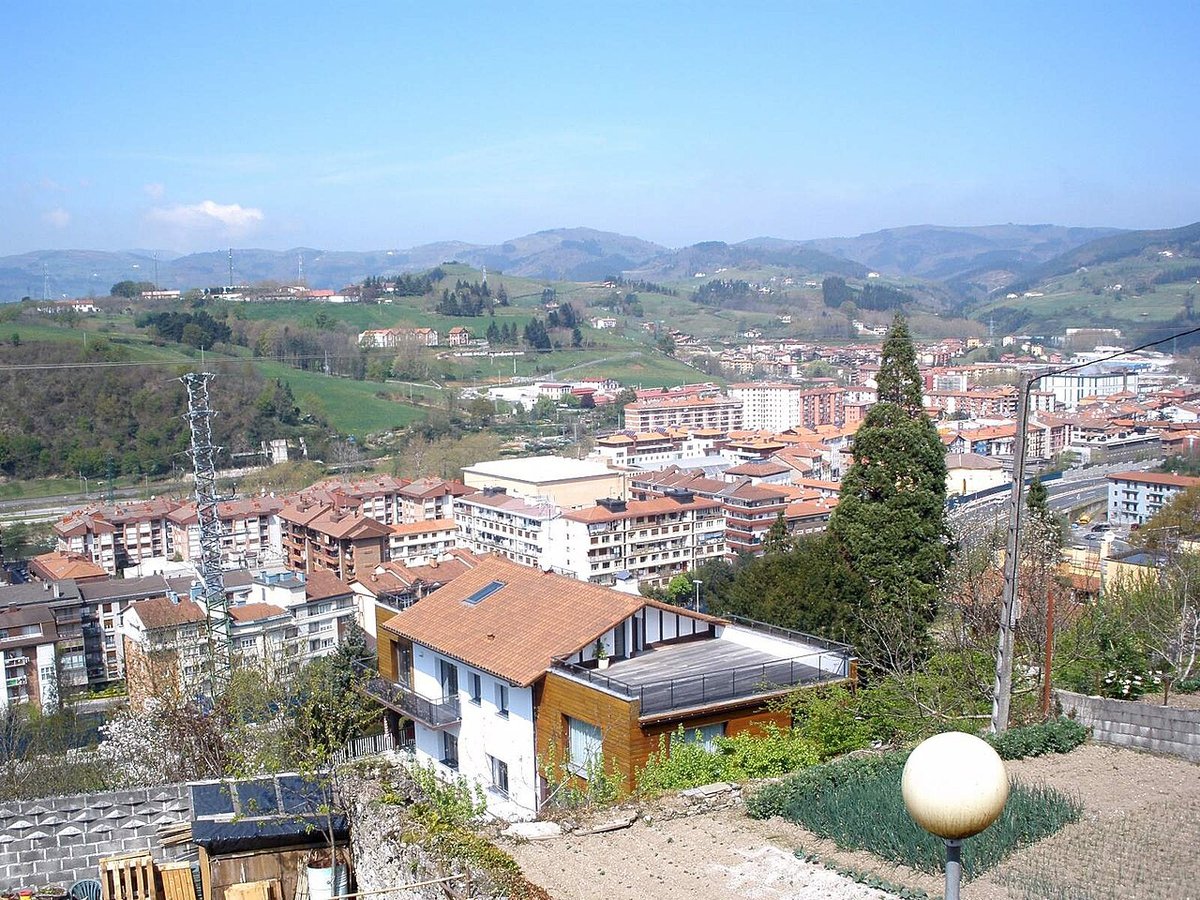
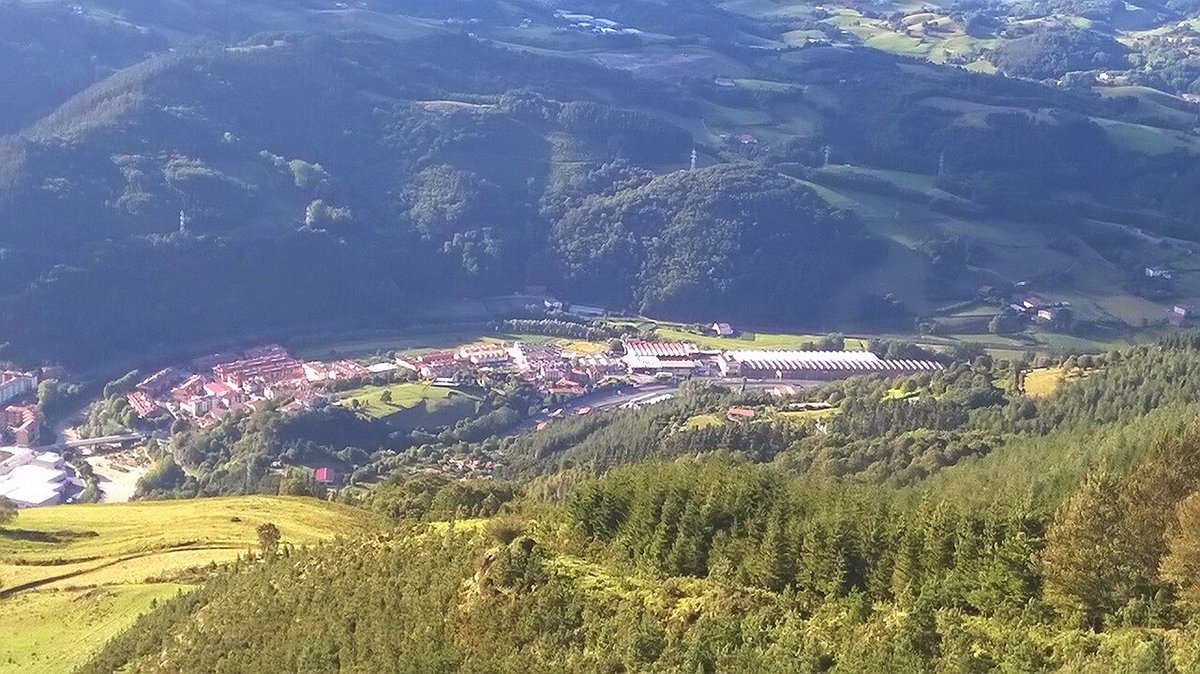
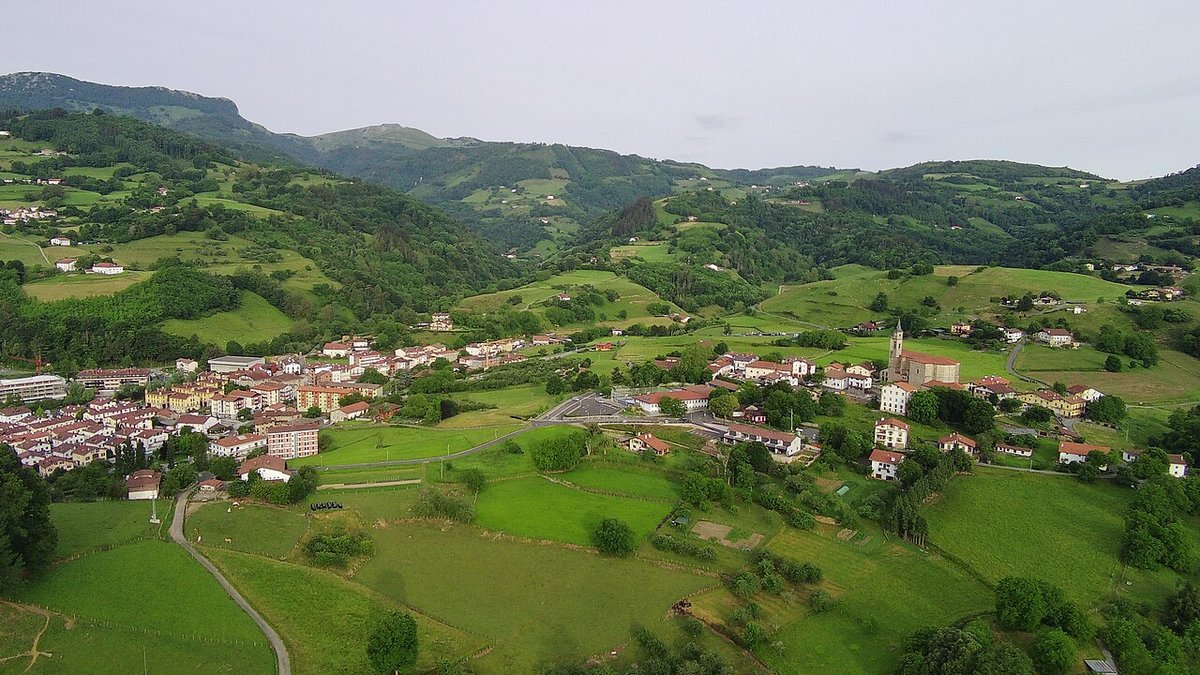
Deep green, farmhouses, nearby mountains with trails and lookouts.
Ocultar artículo Leer artículo completo
The tractor driver raising two fingers from his steering wheel isn't being polite—he's warning you to pull over. The track ahead narrows to single-file between stone farmhouses, and he's got hay bales stacked higher than your rental car. This is your first indication that Albiztur operates on different rules than the coastal resorts forty minutes away.
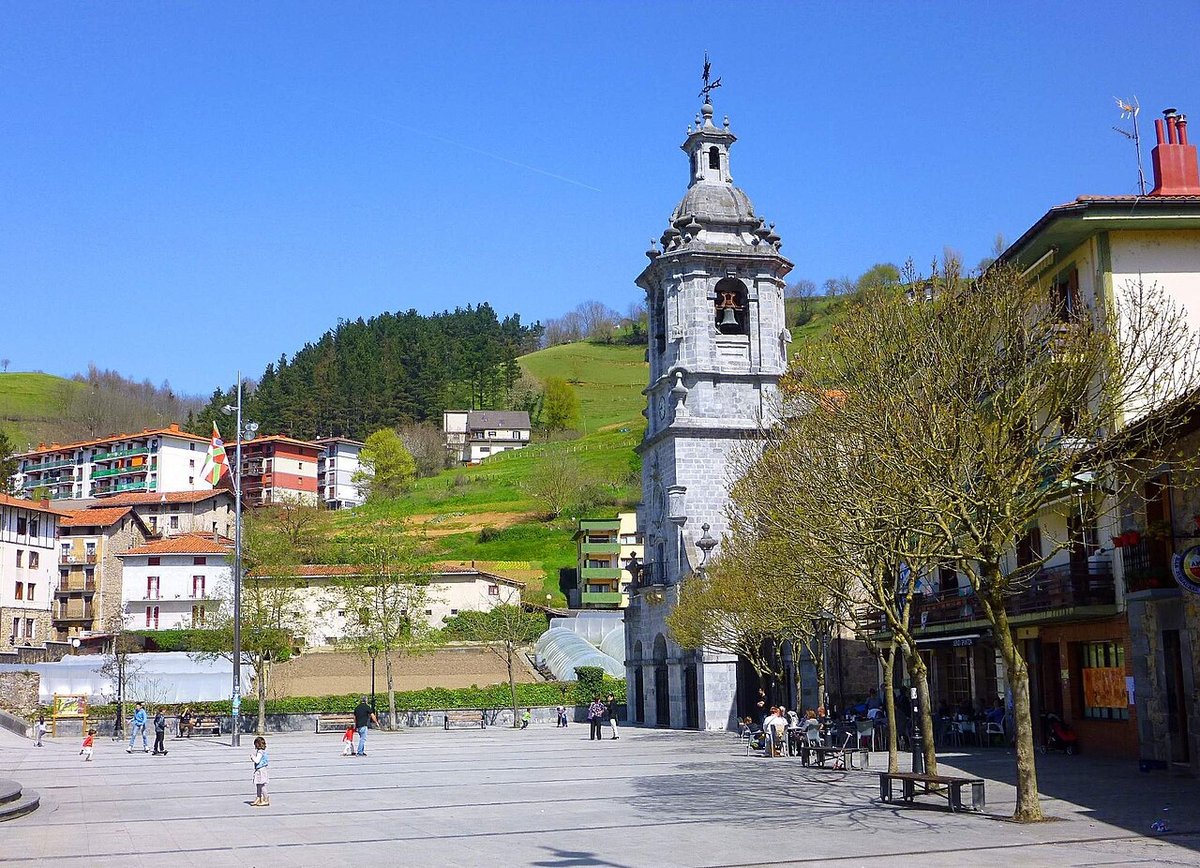
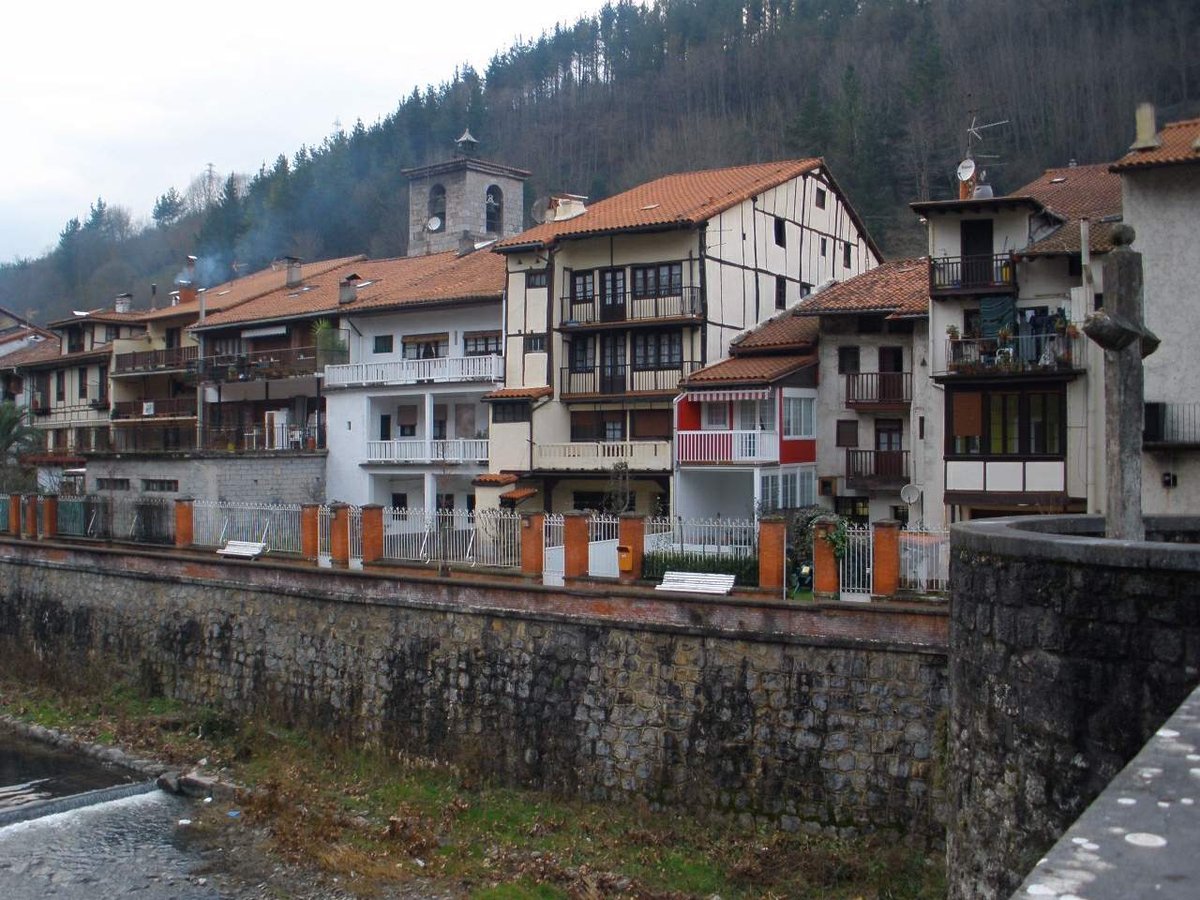
Three hundred and twenty-eight residents spread across hillside farms so steep that farmers still use donkeys for fields their tractors can't reach. The village centre—if you can call it that—consists of a church, a bar, and a fronton court where locals slap pelota balls against a wall every evening. Nobody's selling key-rings. Nobody's dressed in traditional costume for photos. This is simply where people live, work, and have done for generations.
The Landscape That Shapes Everything
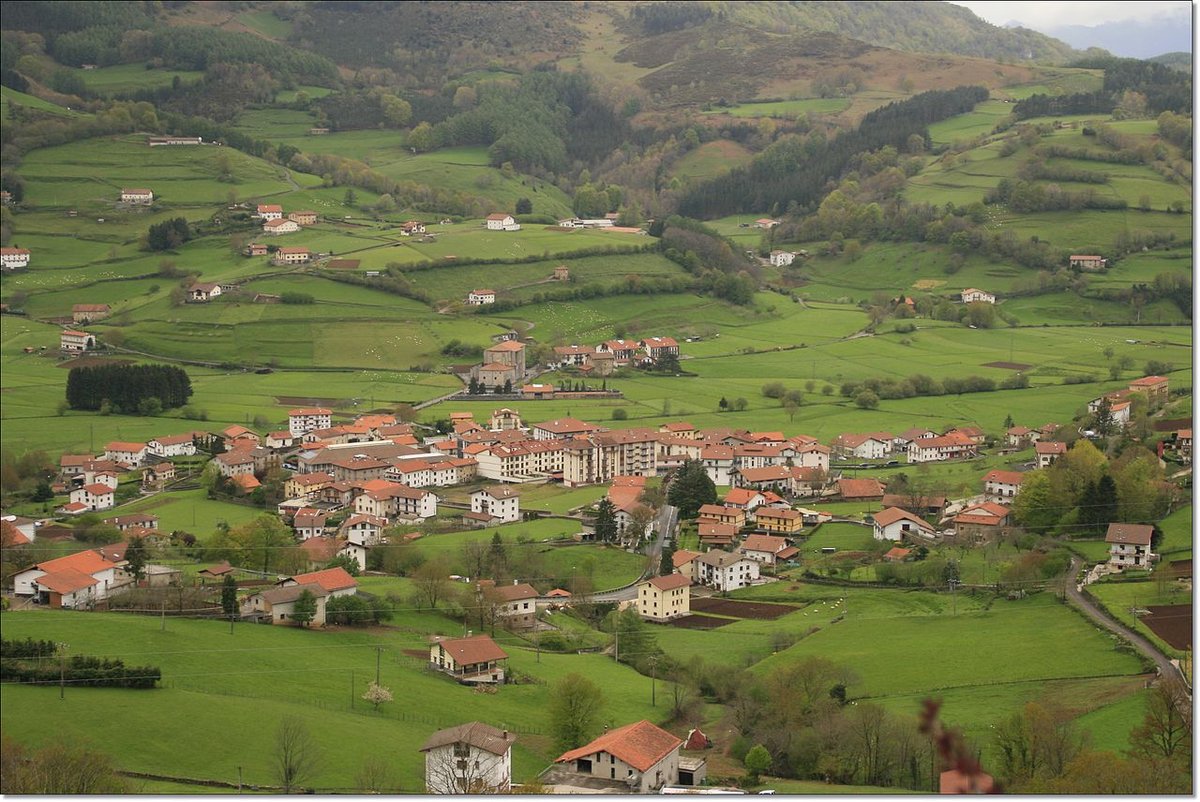
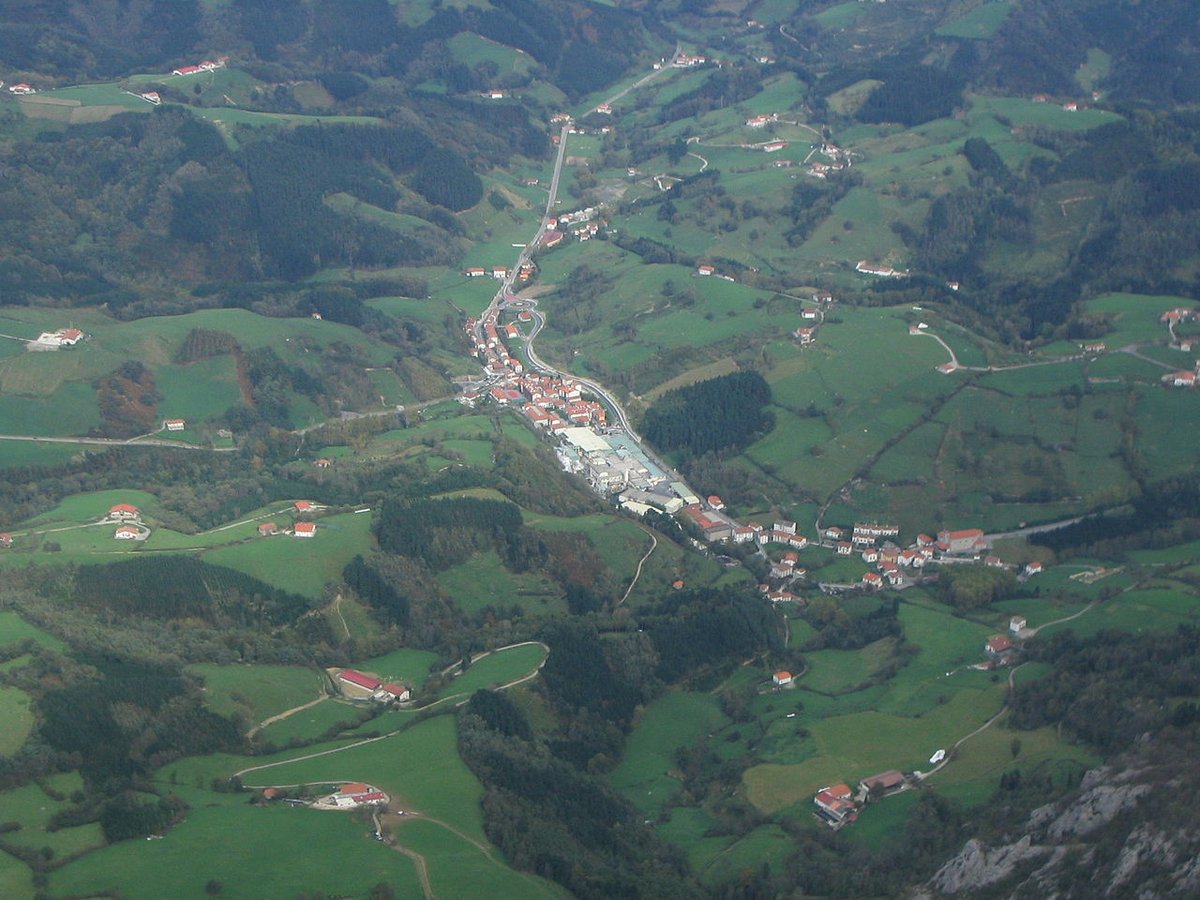
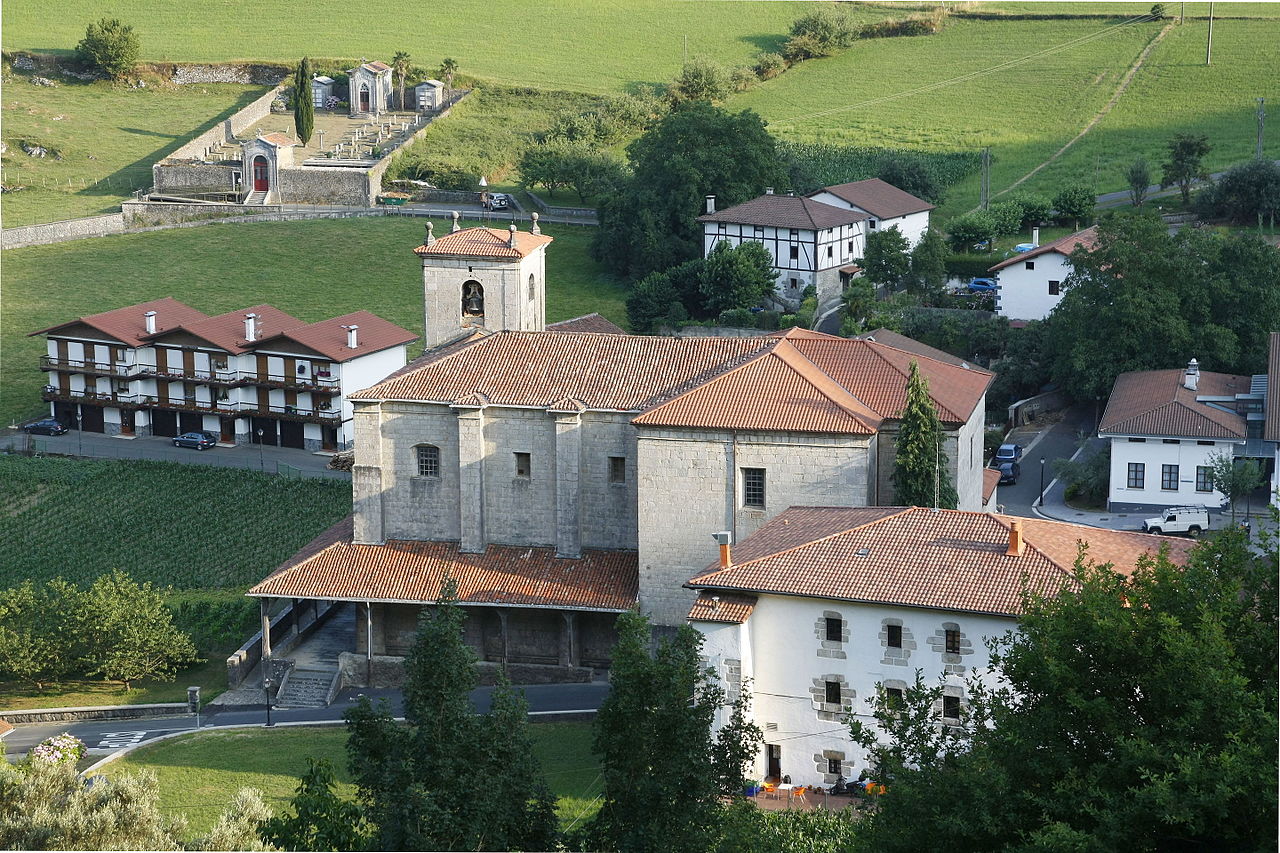
Stand beside the church of San Martín de Tours and the valley folds open like a crumpled green blanket. Pastures stripe the slopes in irregular rectangles, separated by dry-stone walls older than most countries. Oak and beech woods occupy the steepest ground, their leaves turning copper and gold by mid-October. Red-roofed farmsteads—proper Basque caseríos with wooden balconies and haylofts—perch wherever a scrap of flat ground exists.
The roads follow ridge lines before dropping sharply into hollows. What looks like a gentle stroll on Google Maps becomes a thigh-burning climb within minutes. Elevation changes of 200 metres happen in less than a kilometre. Bring proper walking boots; the farmer's wife watching from her doorway has seen too many Brits in white trainers sliding backwards down her lane.
Weather arrives quickly from the Bay of Biscay. One moment you're photographing cow parsley in sunshine, the next you're enveloped in cloud so thick the church bell tower disappears. The locals call it txirimiri—a fine rain that isn't quite drizzle, more like walking through cold steam. Pack a proper waterproof, not a festival poncho.
Working Country, Not Museum Piece
This isn't a preserved village—it's a working landscape. Farmers here still practice transhumancia, moving their Latxa sheep to higher pastures in June and back down in September. The milk produces Idiazabal cheese with a smoky tang that bears no resemblance to supermarket Manchego. Visit during cheese-making season and you'll hear the metallic clang of milk pails at 6 am, same as your great-grandparents would have recognised.
The absence of a proper village centre confuses visitors expecting quaint plazas and souvenir shops. Instead, houses scatter along lanes barely wider than a single vehicle. Each farm is self-contained: vegetable plot, apple trees, perhaps a few chickens scratching between the stones. Dogs work here—border collies eyeing your every move, not handbag-sized pets. Keep yours on a lead or face the wrath of someone whose livelihood depends on livestock.
Sunday mornings bring the only real congregation point. After mass, locals gather at Bar Ugarte for txistorra sausage wrapped in talo (cornflour flatbread) and cups of thick hot chocolate strong enough to wake the dead. The bar opens at seven—it doubles as the farmers' social club—but the kitchen shuts by three-thirty sharp. Arrive at three forty-five and you'll get crisps and apologies.
Walking Without Waymarks
Forget signed footpaths and National Trust-style car parks. Walking here requires initiative and a 1:25,000 map from the Instituto Geográfico Nacional. The reward is complete solitude: just you, the wind through beech leaves, and the occasional cow bell clanking from a distant field.
A decent circuit starts from the church, follows the tarmac toward Amezketa for two kilometres, then turns left onto a farm track signed only in Basque. The climb is brutal—300 metres straight up through bracken and brambles—but the ridge delivers views across three valleys. Descend via the forestry track that zig-zags back to Albiztur; the whole loop takes three hours including stops to catch your breath and photograph the stone wall that some medieval farmer built without machinery.
Cyclists need thighs of steel and nerves to match. The NA-710 from Zumarraga gains 400 metres in eight kilometres, with hairpin bends tight enough to make a Spanish lorry driver break sweat. Mountain bikers can follow the gravel tracks linking farms, but expect to push—some gradients hit 20%. The farmer on his quad bike won't slow down for you.
Food That Doesn't Mess About
Restaurant Ugarte serves dinner only on weekends unless you book ahead for six or more. Their txuleta—a Basque rib-steak aged until it develops blue cheese notes—arrives on a platter big enough to feed two hungry walkers. Chips come free, vegetables cost extra, and the house red tastes like someone bottled autumn. Don't ask for it well-done; the chef will refuse.
For lighter fare, try the talo stall that appears during fiestas. This cornflour flatbread, thicker than a Mexican tortilla and speckled with char from the griddle, gets filled with txistorra—a thin, paprika-laced sausage that stains your fingers orange. Cost: three euros. Taste: better than any street food market in Shoreditch.
The local cider, sagardoa, arrives in 750ml bottles and requires ceremony. Hold the bottle above your head, glass at waist height, and pour from height to create foam. It tastes dry, slightly sour, more like Somerset's finest than Strongbow. The first pour is free at most cider houses; after that you're expected to buy a bottle. Pace yourself—it's 6% and the nearest taxi operates from Zumarraga twenty minutes away.
When It All Goes Quiet
Monday in Albiztur feels post-apocalyptic. The bar shutters stay down, the church bell rings only for funerals, and the sole shop—really just a room in someone's house selling tinned tuna and washing powder—closes at noon. Plan accordingly: stock up in Tolosa's covered market beforehand, where you can buy still-warm mantecadas (cupcakes) and cheese wrapped in cabbage leaves like they've done since 1850.
Winter brings its own challenges. The road from Zumarraga gets gritted, but side lanes turn to ice sheets where tractors have compressed the snow. Fog sits in the valley for days, reducing visibility to ten metres. Come December, many farms operate on generator power during the frequent storms that topple trees across power lines. It's beautiful, but bleak—more Wuthering Heights than Costa del Sol.
Getting There, Getting Out
Bilbao airport lies seventy-five minutes away via the A-8 and NA-710—hire a car because public transport requires three buses and a patience saint. The final approach winds through beech woods so dense that satellite navigation loses signal; download offline maps beforehand.
Stay in Tolosa if you need hotels—Albiztur itself offers only two rental cottages, both booked months ahead by Basque families returning to ancestral homes. The upside: no tour coaches, no stag parties, nobody selling inflatable donkeys. The downside: you can't just rock up and expect a bed.
Leave time for the detour to Zumarraga's Santa María monastery, where a 16th-century altarpiece depicts sheep that look suspiciously like the ones still grazing outside. Then drive the back road to Ataun, where vultures circle above limestone cliffs and every barn seems older than Stonehenge.
Albiztur won't change your life. It offers no Instagram moments, no bucket-list ticks, no stories to trump fellow travellers. What it gives instead is rarer: the chance to see a European landscape functioning exactly as it has for centuries, where farmers still matter more than tourists and where the biggest decision involves choosing between the two-euro talo or the three-euro version with extra sausage. Sometimes that's enough.