Full Article
about Alegia
Deep green, farmhouses and nearby mountains with trails and viewpoints.
Hide article Read full article
A town along the Oria
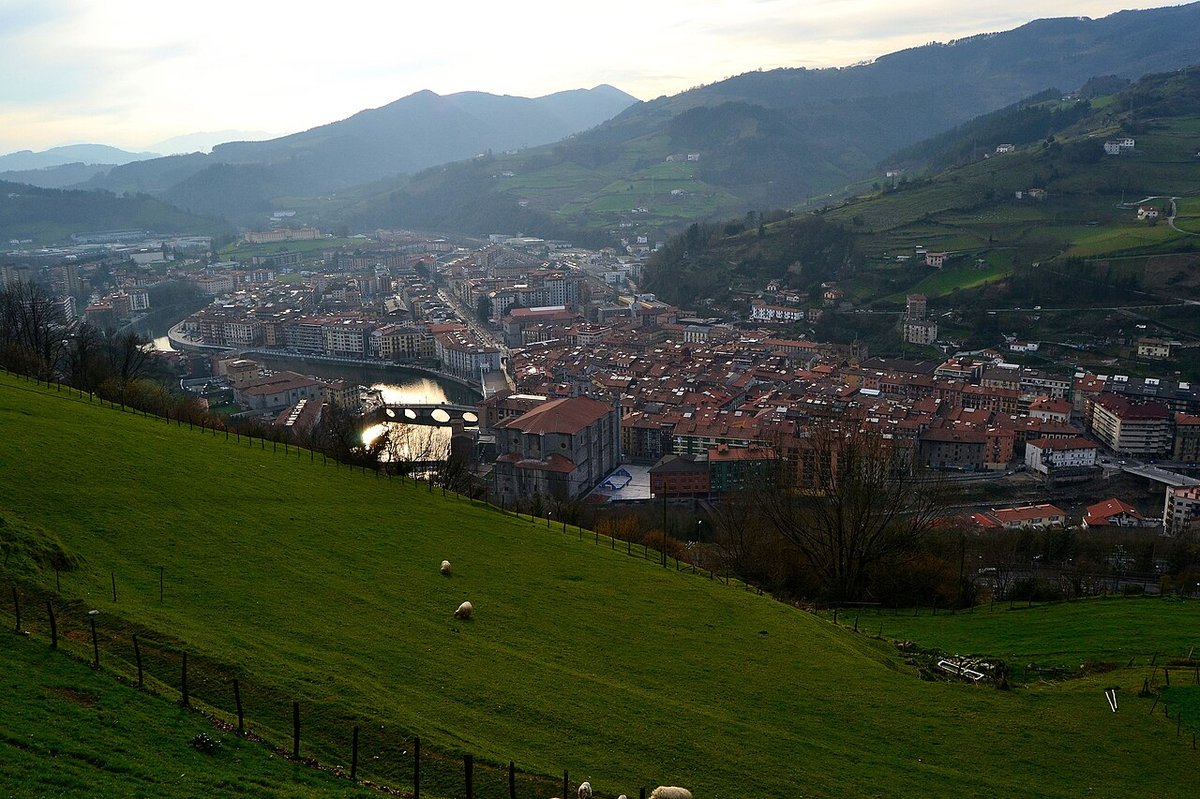
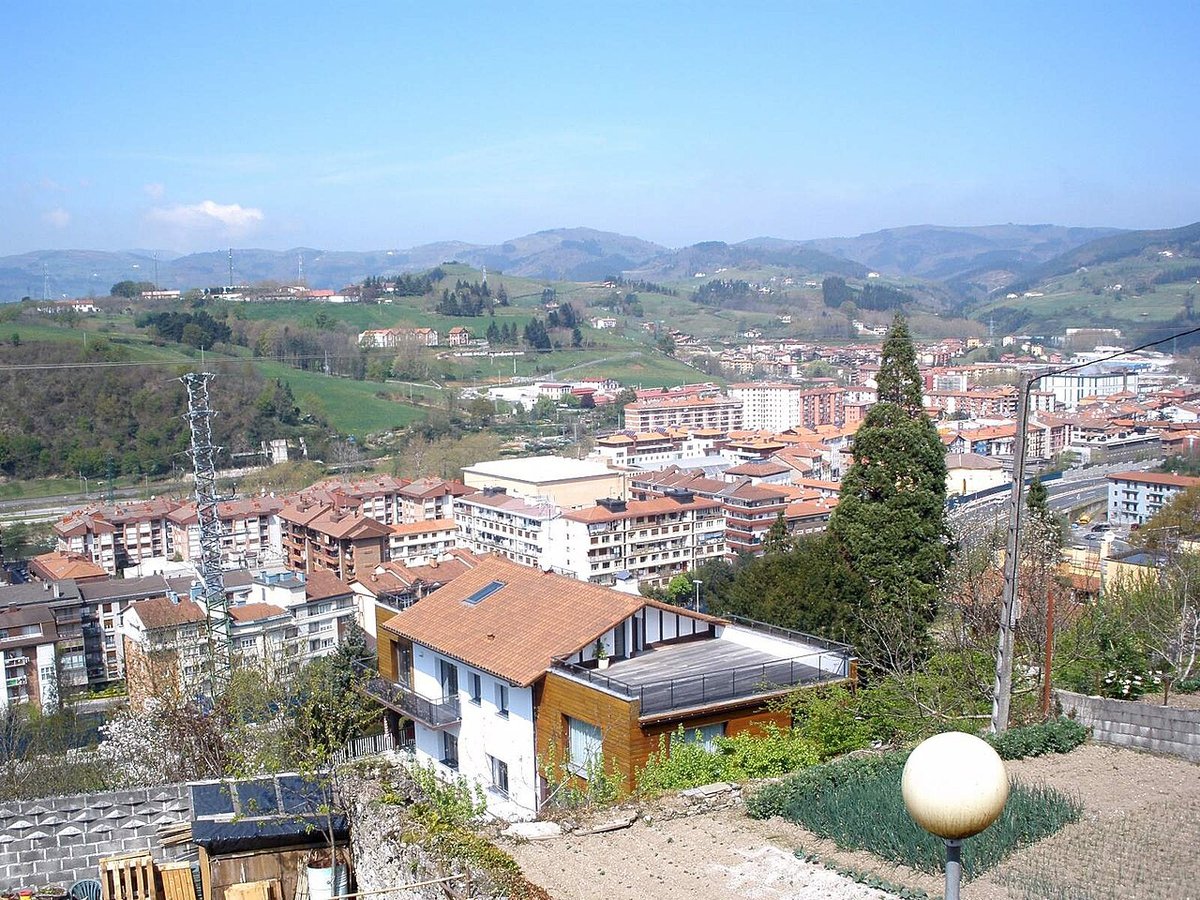
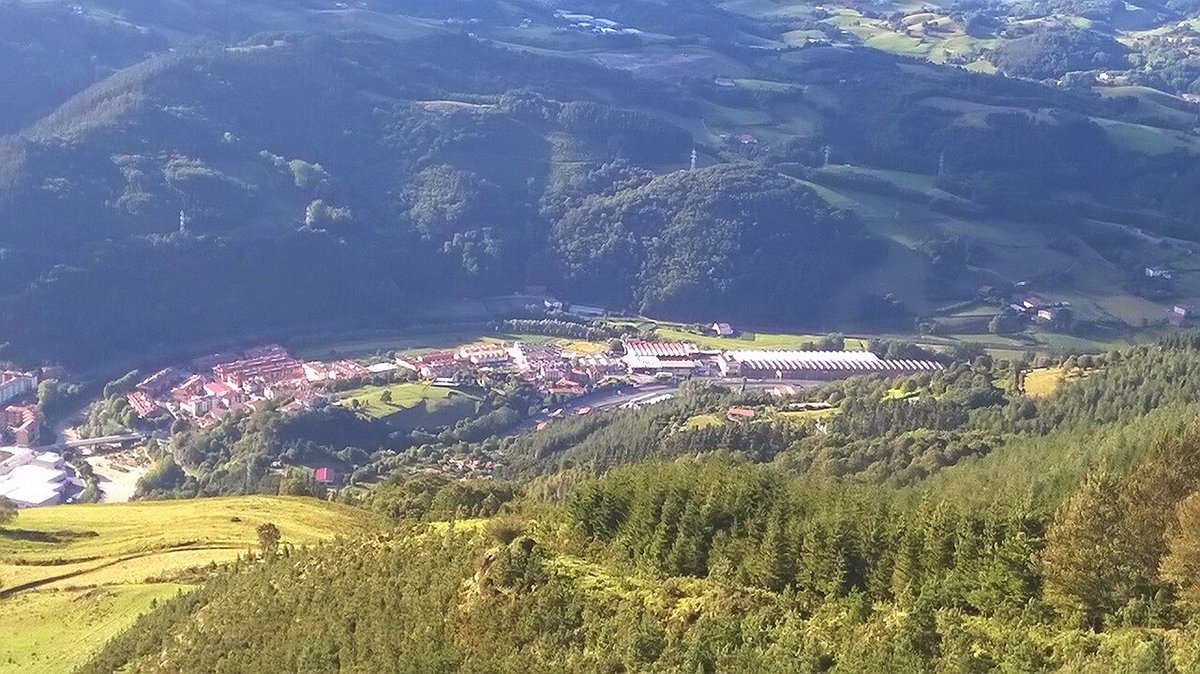
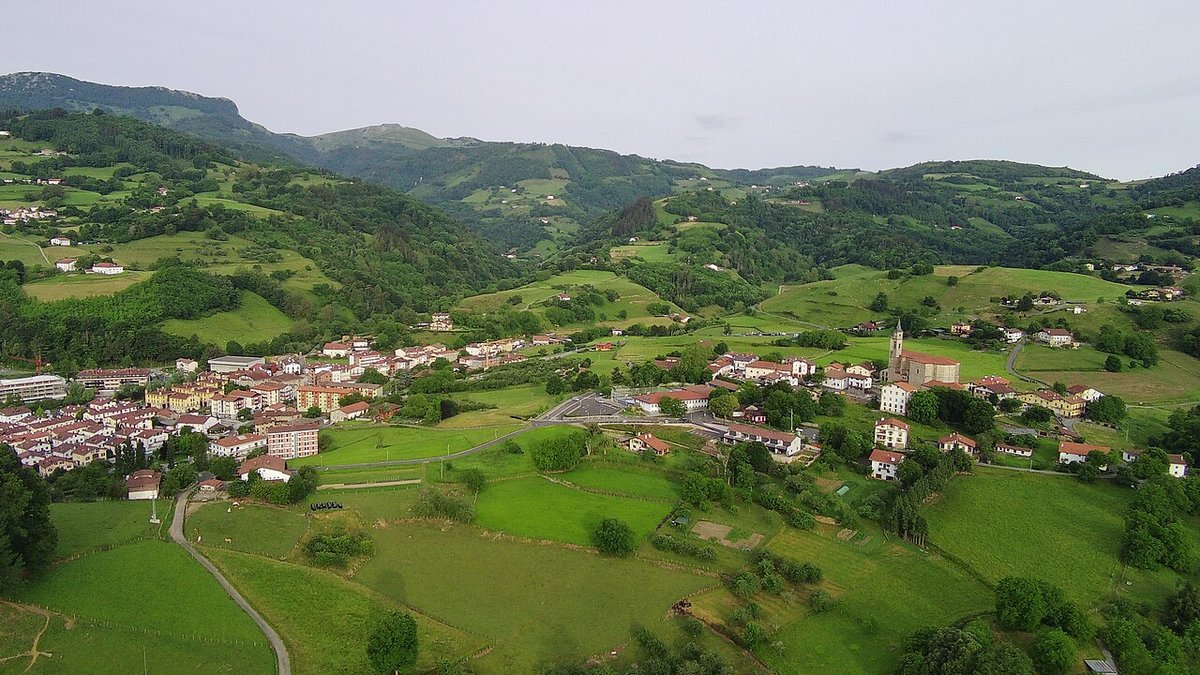
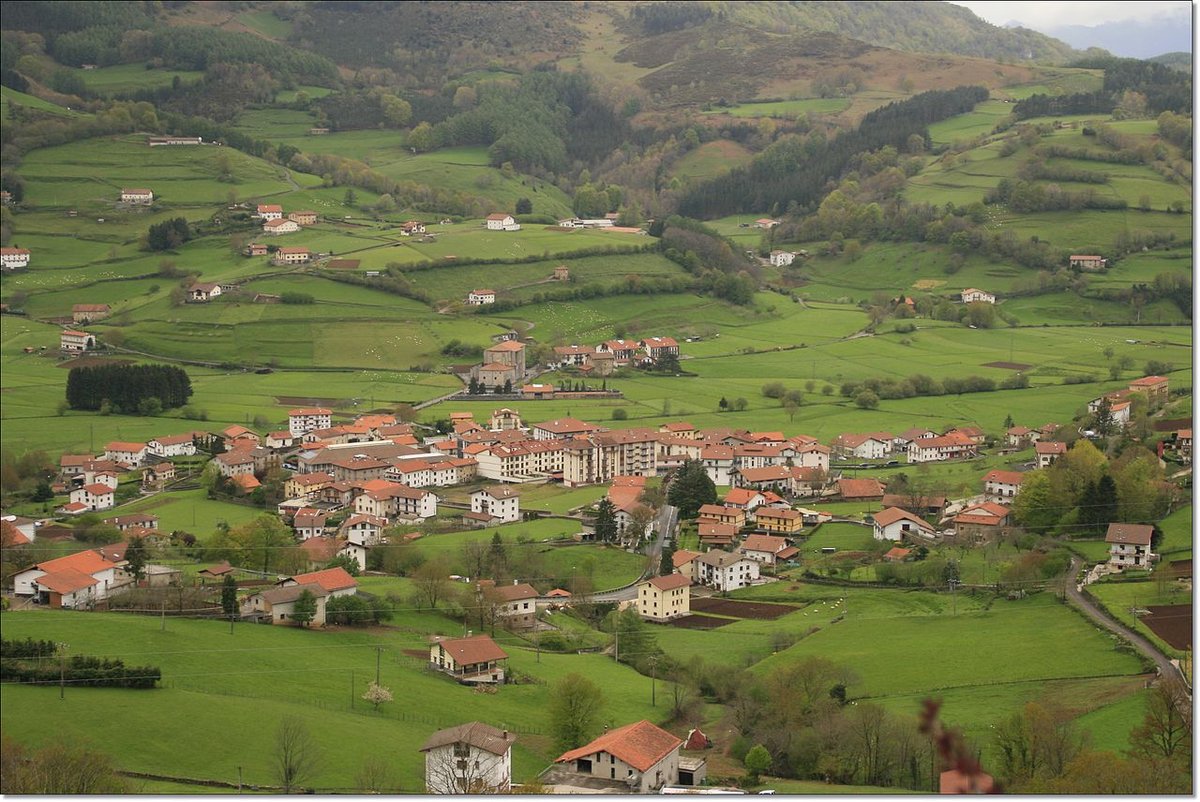
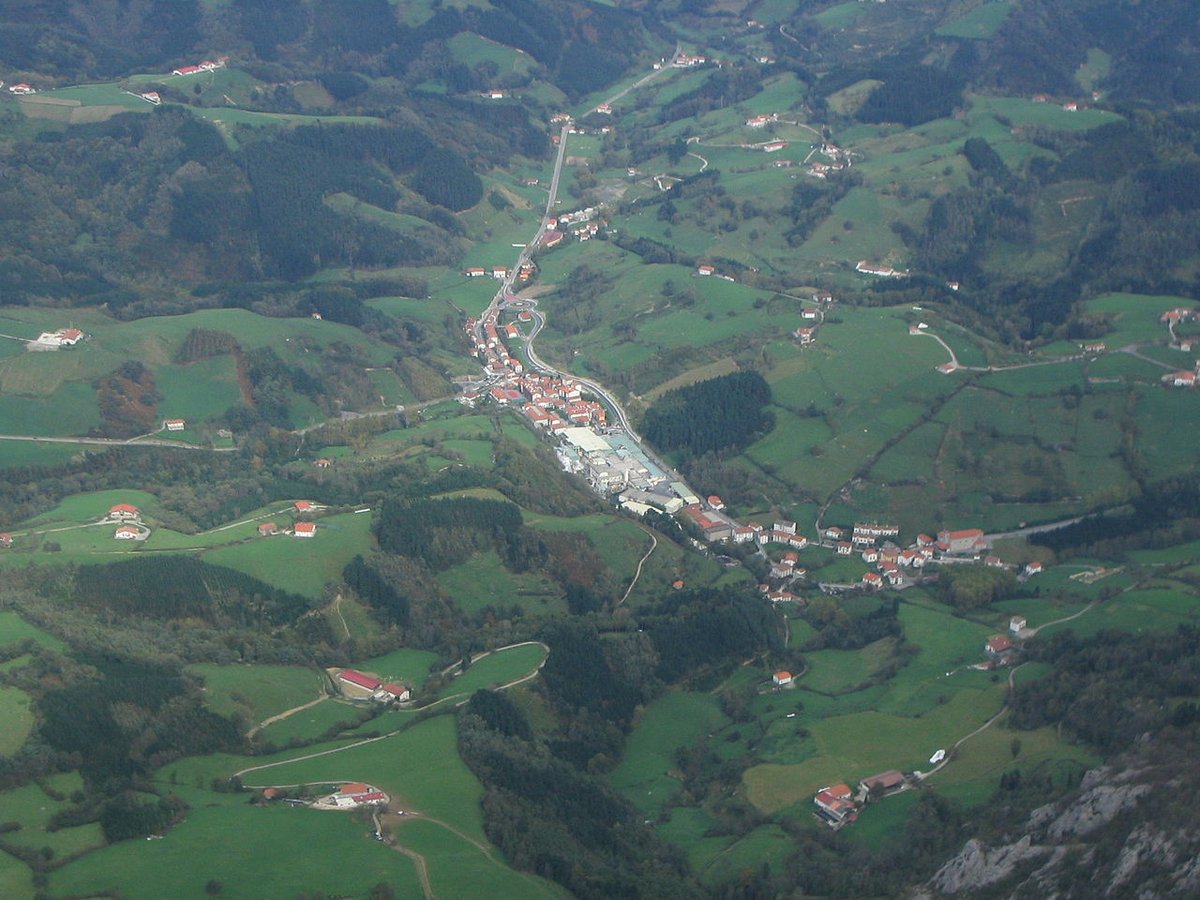
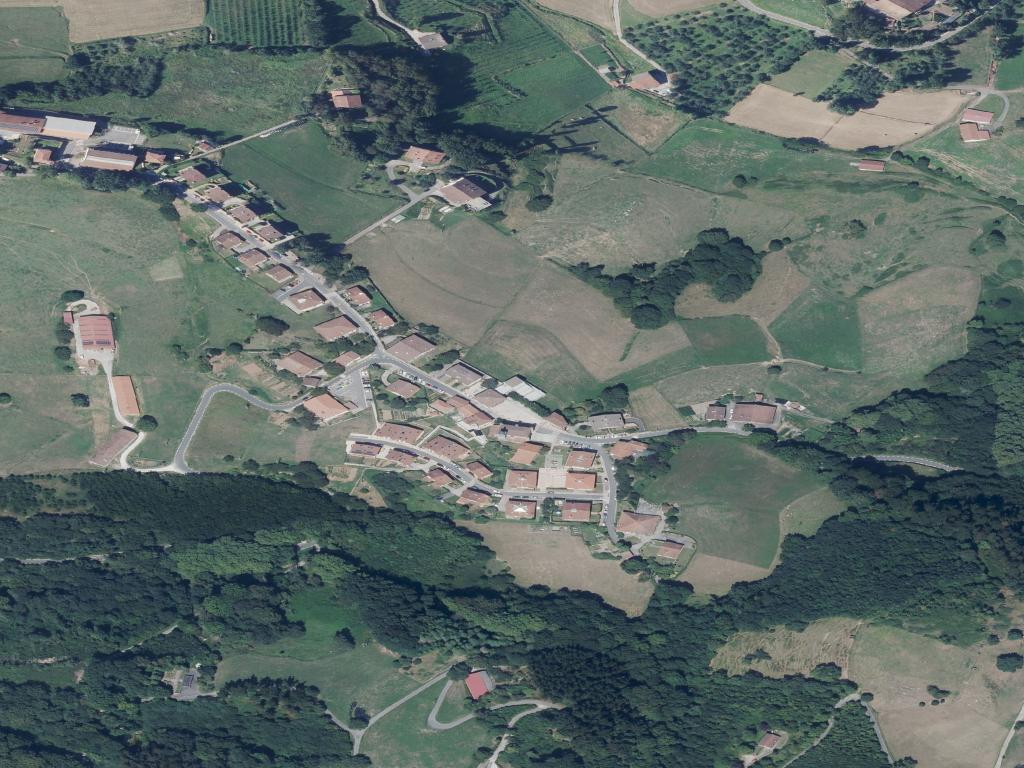
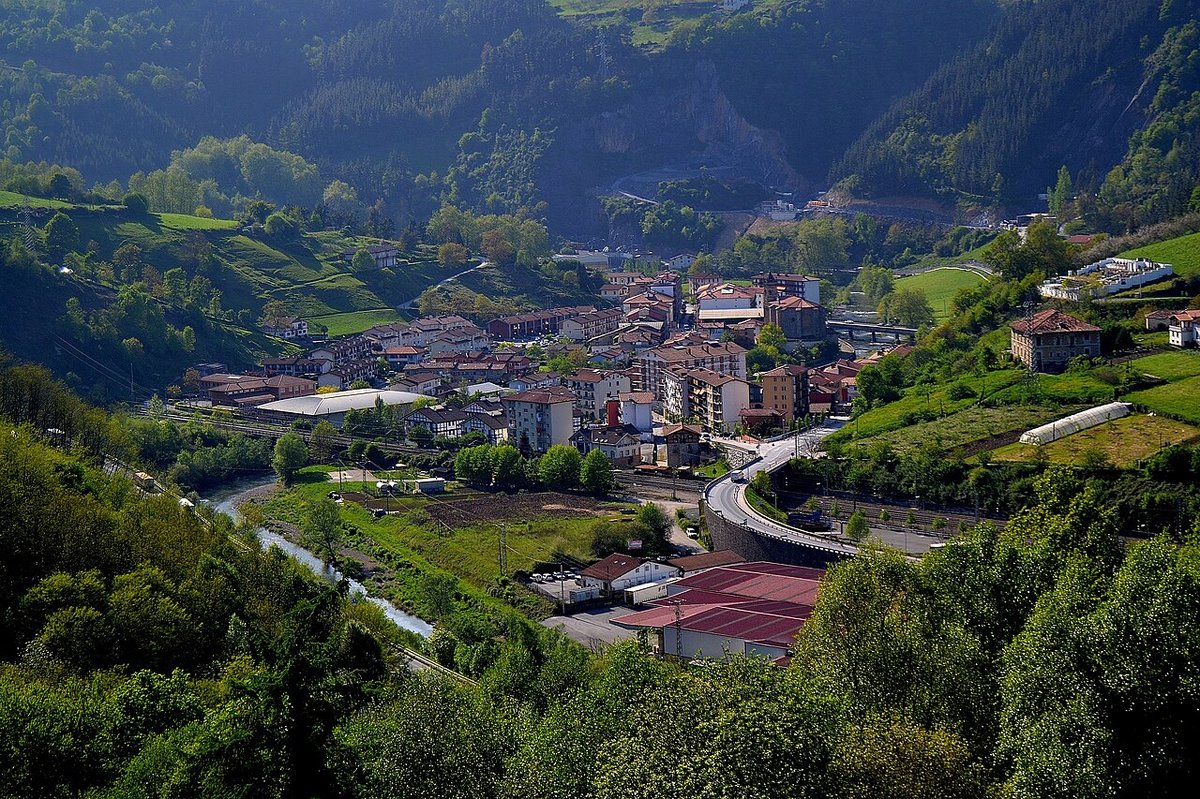
Alegia sits in the Oria valley much like many towns in Tolosaldea, set close to the valley floor and facing slopes that for centuries have been used for farmhouses, meadows and small-scale agriculture. Just over 1,800 people live here today. The size of the municipality and its elongated layout reflect the narrow geography that defines much of inland Gipuzkoa.
There are no major monuments that dominate a visit. The interest lies elsewhere, in understanding how a valley town is organised. The main cluster of streets runs beside the river, while farmhouses are scattered up the hillsides, and daily life remains closely tied to the wider Tolosa area.
Streets, church and local history
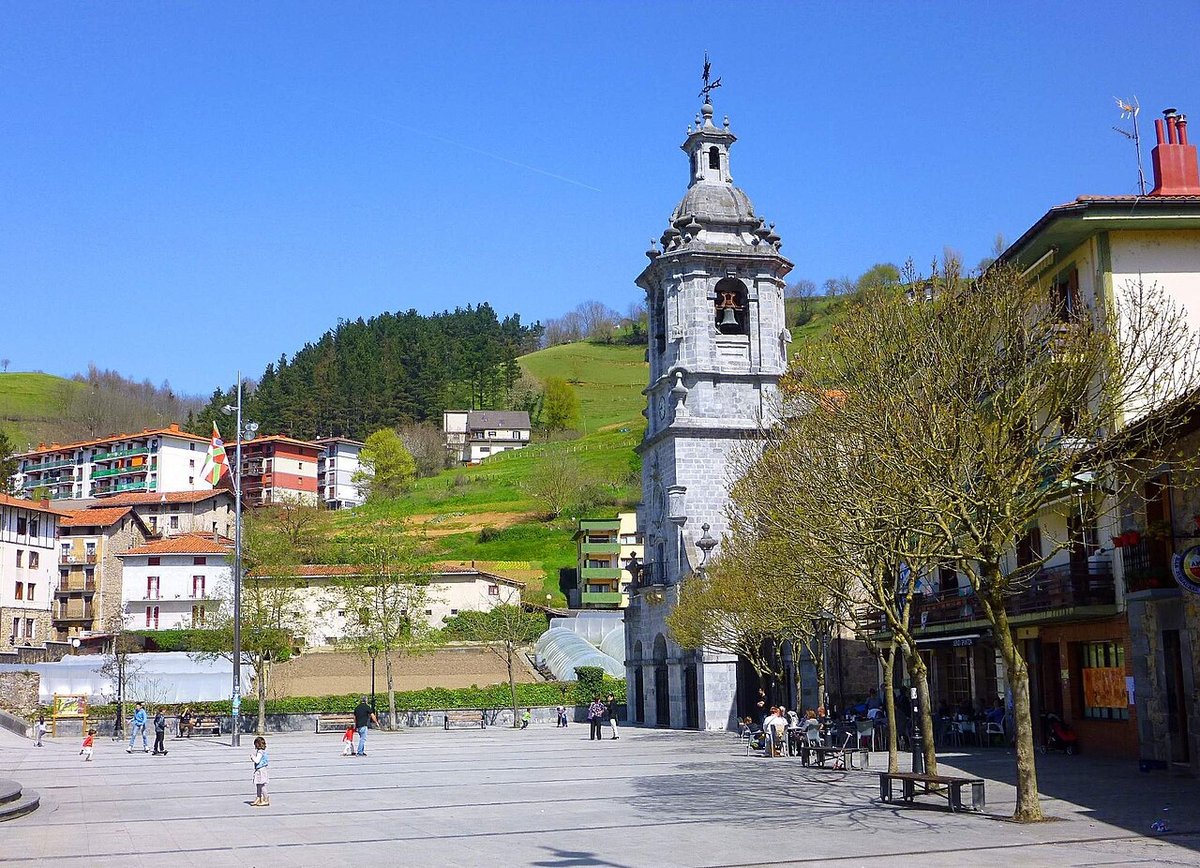
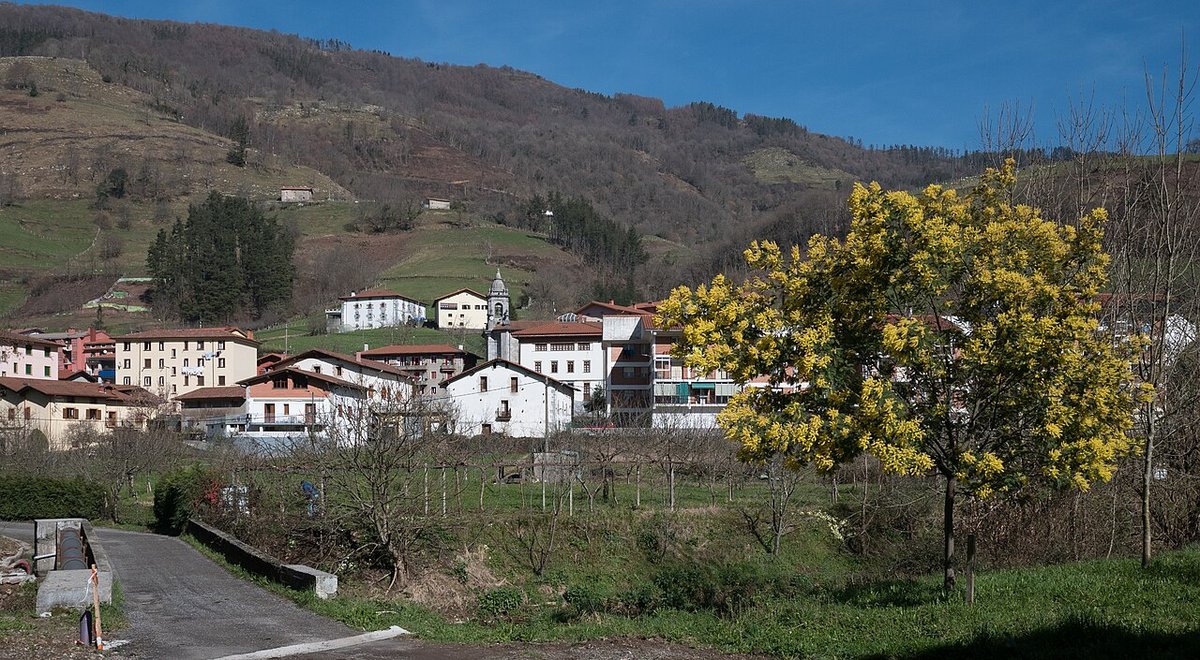
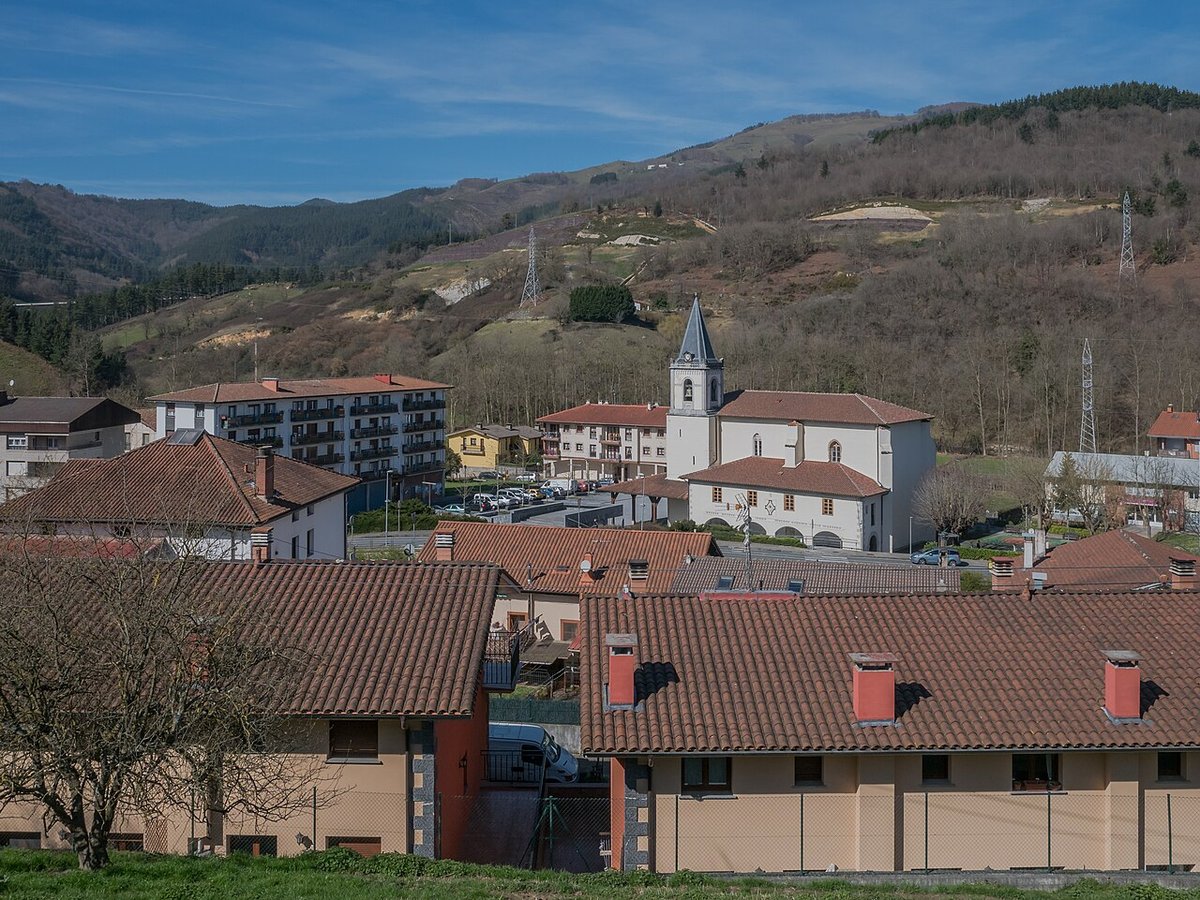
The centre of Alegia is compact. Streets follow the contours of the land and gather around the parish church of San Martín. The current building dates from the 16th century, although later alterations are part of its story, something quite common in churches across this region.
From the outside, the church has a restrained appearance. Inside, decoration is equally measured. Its importance is less about artistic richness and more about its role in community life. For centuries, it was the place where celebrations were held, meetings took place and much of the shared calendar was organised.
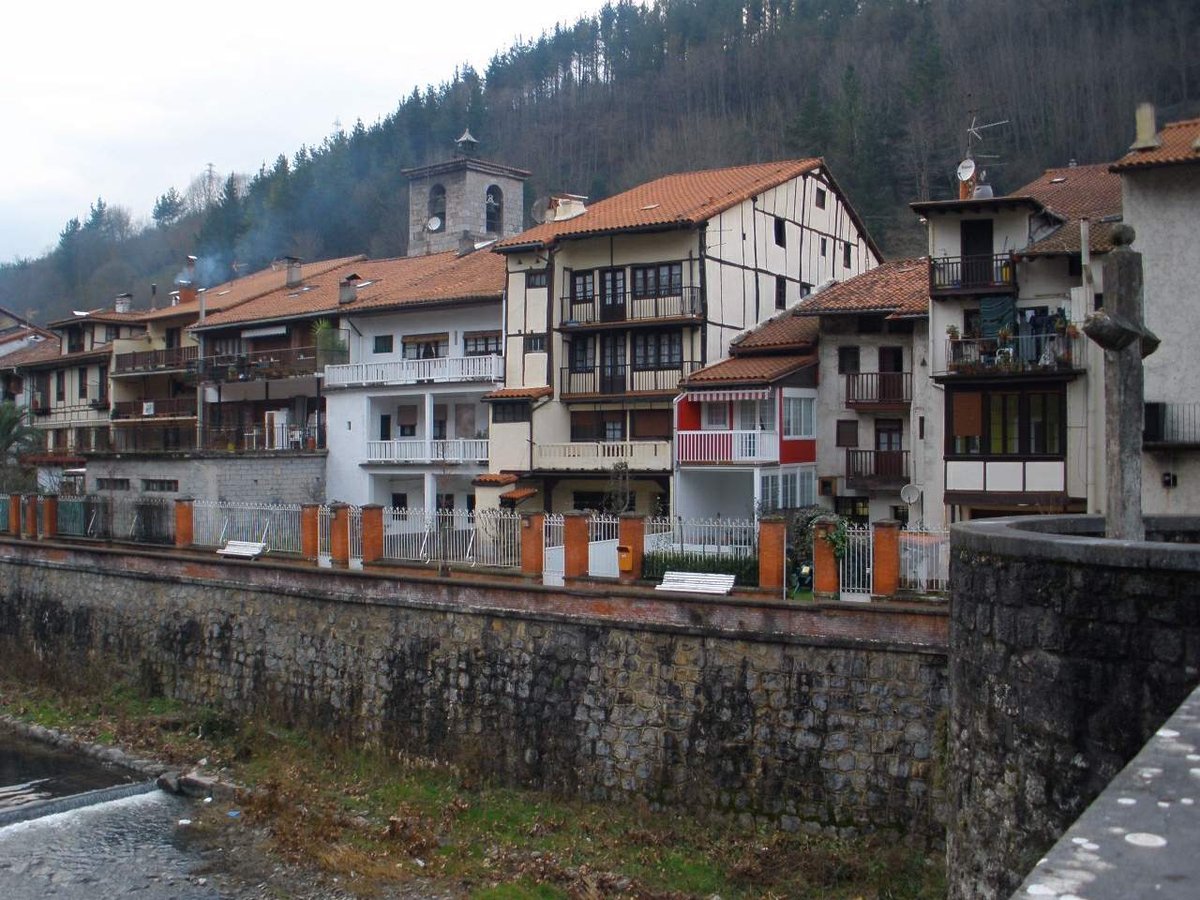
Around it, houses from different periods create a modest urban fabric. A short walk away, the first farmhouses appear. Many retain features typical of rural Gipuzkoan architecture, with stone walls, sloping roofs and façades positioned to make the most of available light. These buildings are not set apart as attractions but form part of the everyday landscape.
Walking the valley landscape
The Oria river shapes the entire setting. Along its course, small flat areas open up, with paths linking the town centre to the farmhouses on the slopes.
These are straightforward walks, though the terrain brings steady, short climbs. From higher ground, the structure of Tolosaldea becomes clear: small plots of land, enclosed meadows and patches of woodland rising towards nearby summits. It is a landscape defined by use rather than spectacle.
In some spots, traces of past industrial activity can still be seen near the river. For a long time, the valley combined workshops and small factories with agricultural work carried out in the farmhouses. That mix has left subtle marks rather than large-scale remains.
Traditions and the local calendar
The main local celebration centres on San Martín, usually held in November. Like other towns in inland Gipuzkoa, Alegia’s calendar also includes activities linked to rural sports and community gatherings that take place in squares and frontons, the traditional Basque pelota courts that often act as social hubs.
Cider culture forms part of the atmosphere across the wider area. The season typically runs through winter into early spring. In Alegia, its presence is quieter than in some neighbouring places, though it still connects the town to a broader regional tradition.
Practical notes for a short stop
Alegia can be explored quickly. One or two hours is enough to walk through the centre, visit the church and follow a path towards the slopes or along the river.
It is not a place to expect an extensive historic quarter or a developed tourist offer. It works better as a brief stop within Tolosaldea, or as a way to understand how towns are arranged along the Oria valley.
Parking in the central streets can be limited. Outside the main area, some paths include steep sections and stretches of private land marked by gates or barriers. This is common in areas with farmhouses, and respecting those signs is part of moving through the landscape.
When to go and getting there
Spring and autumn tend to be the most pleasant times to walk in the valley. The light is softer, and the scenery shifts noticeably between the bright greens of spring and the tones that appear after summer.
Rainy days are frequent in this part of the Basque Country. When it rains, dirt paths can become muddy, which is worth bearing in mind if planning to leave the built-up area.
Alegia lies a short distance from Tolosa, following the Oria valley southwards. Access by car is straightforward via the local roads that run through Tolosaldea. There are also public transport connections along the valley line, although timetables vary depending on the day, so checking in advance is advisable.