Full Article
about Alkiza (Alquiza)
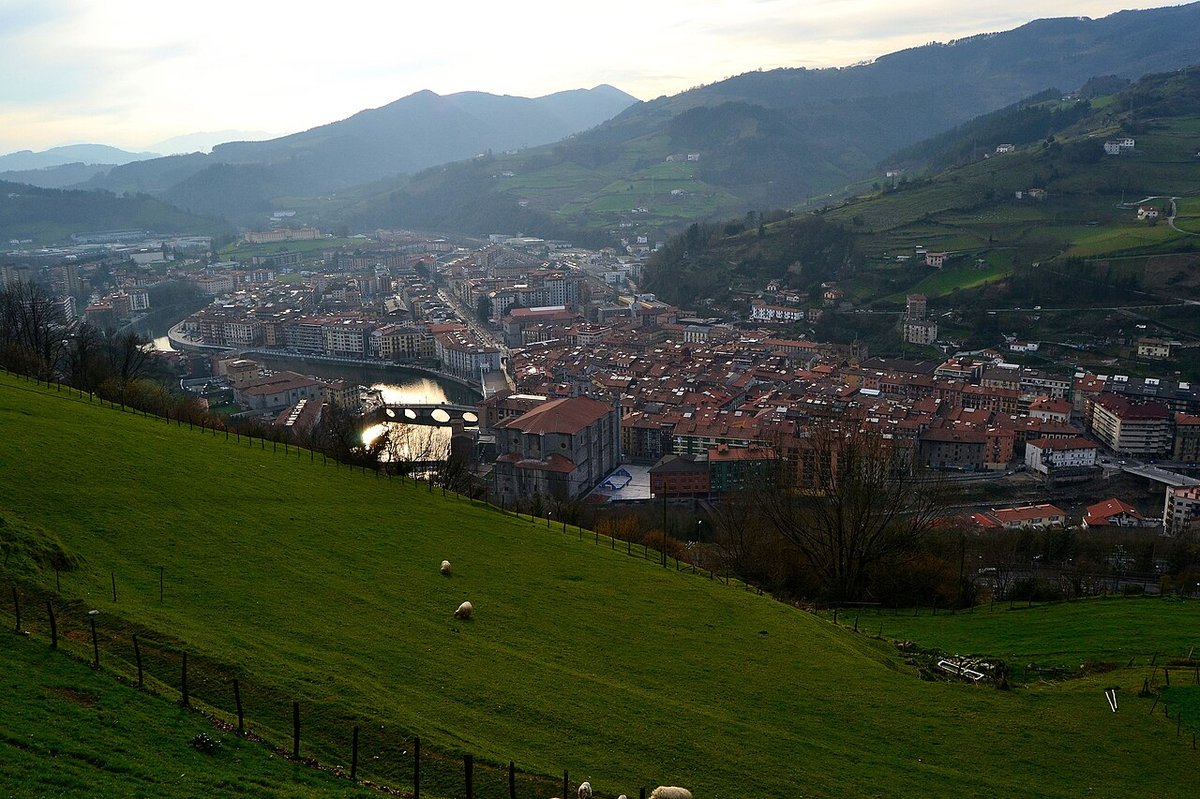
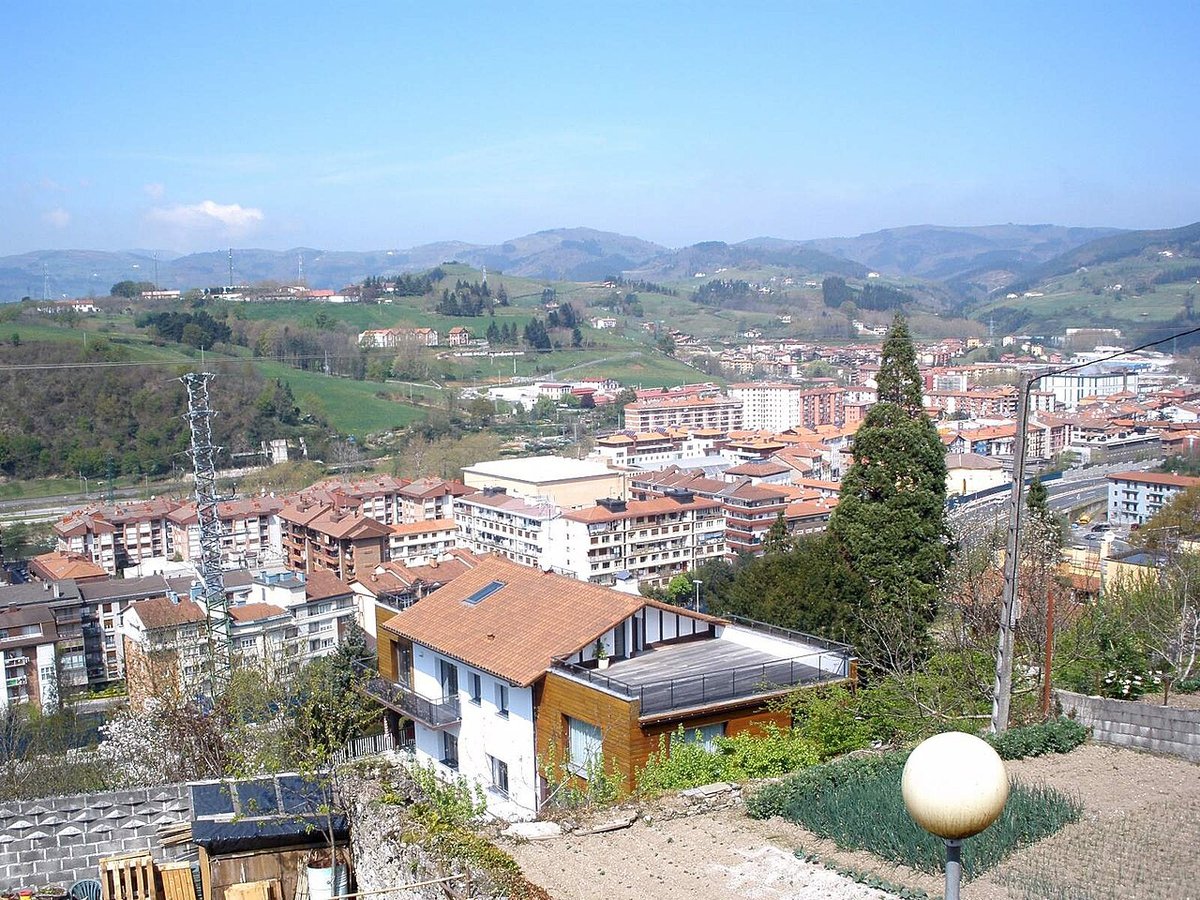
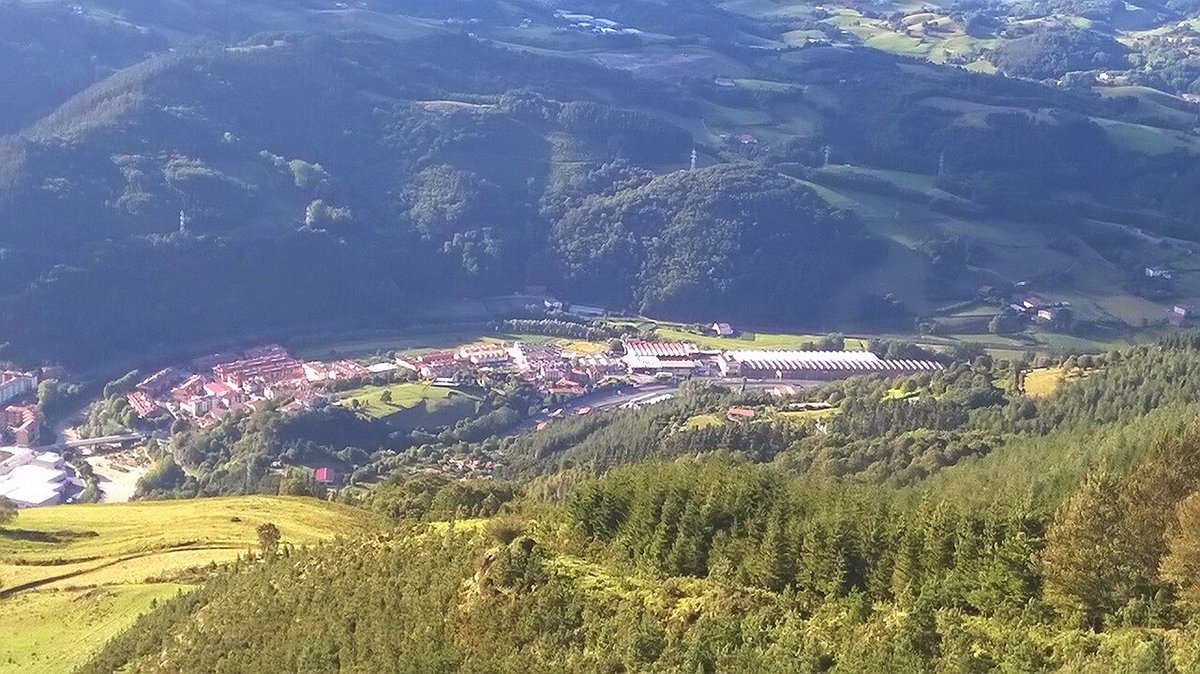
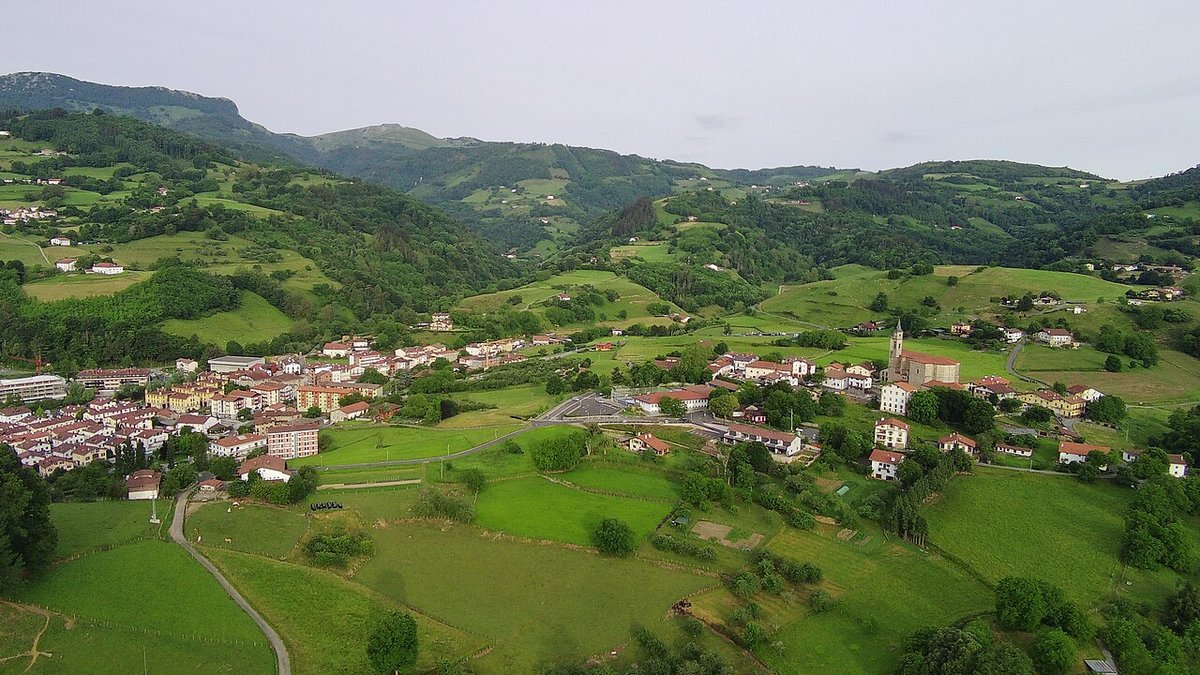
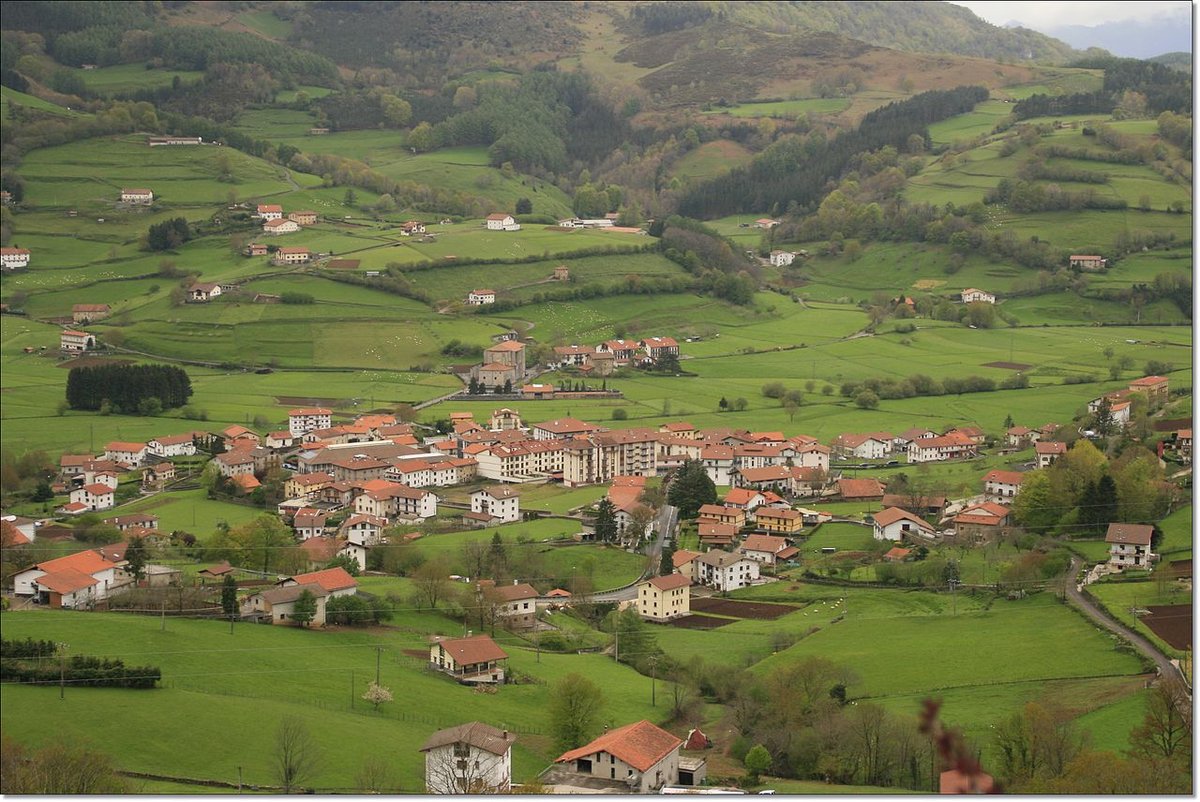
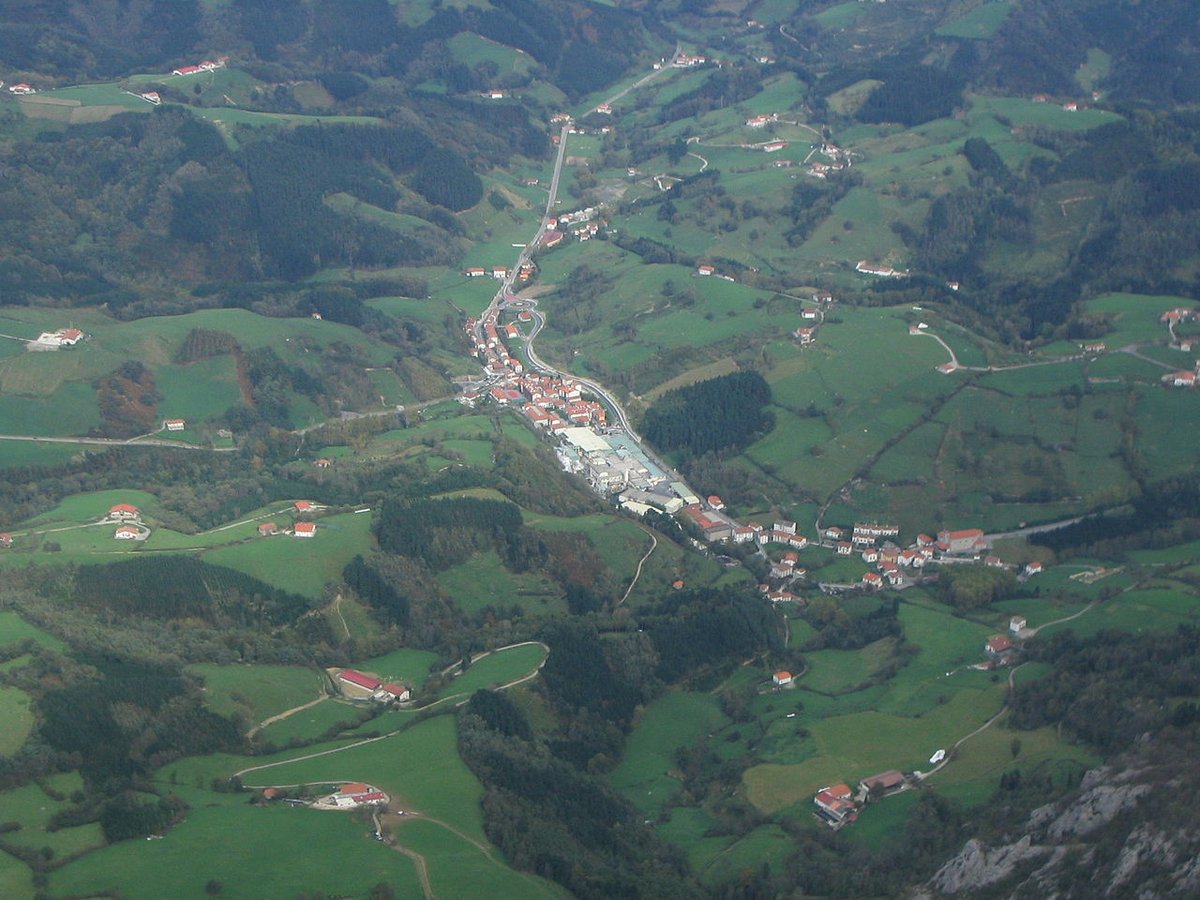
Deep green, farmhouses, nearby mountains with trails and viewpoints.
Hide article Read full article
A village that works the other way round
Some places match the postcard you had in mind before arriving. Others quietly undo those expectations. Tourism in Alkiza belongs to the second group. It is less about ticking off sights and more about walking for a while and noticing how life is organised on a hillside.
You park, take a couple of steps, and the rhythm already feels different.
It helps to forget the car here. Alkiza makes more sense on foot, linking paths between scattered caseríos (traditional Basque farmhouses) and working meadows. There are no big attractions, and no sense that anyone is in a hurry to invent them.
Around San Martín de Tours
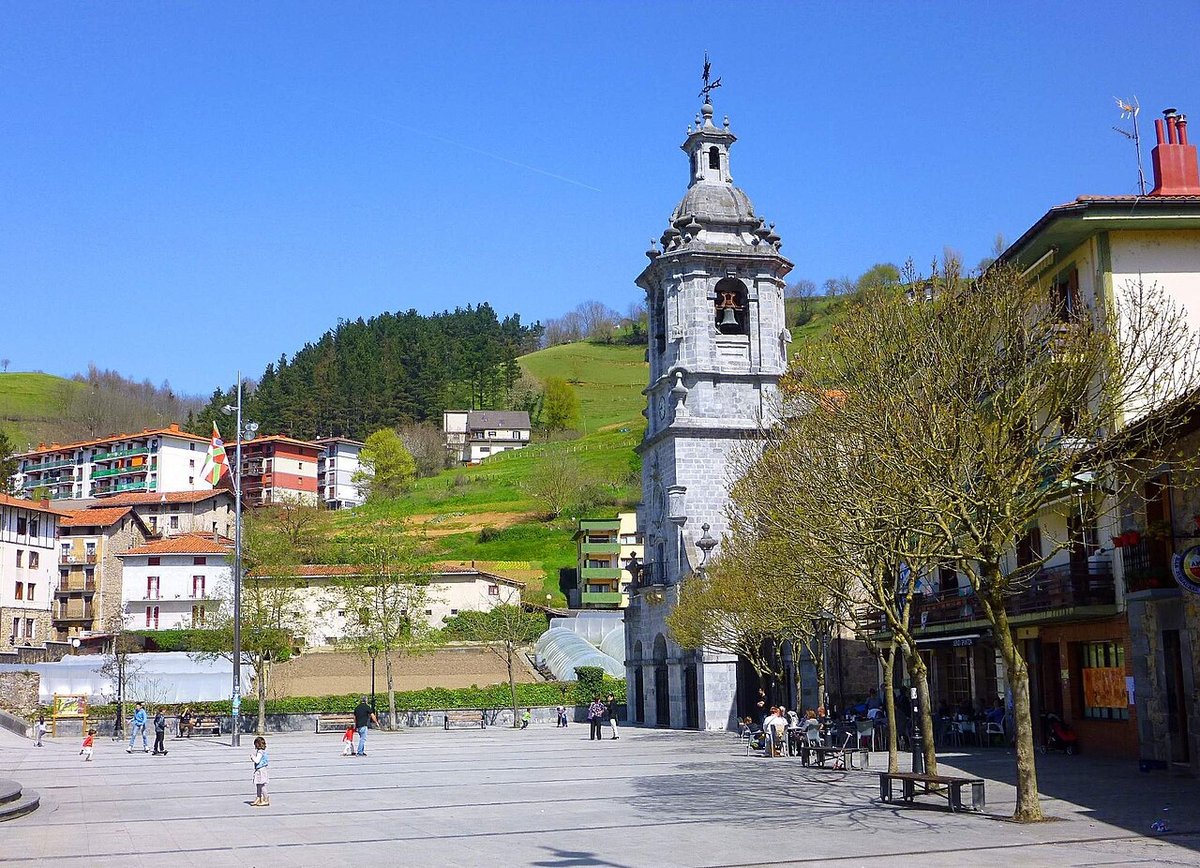
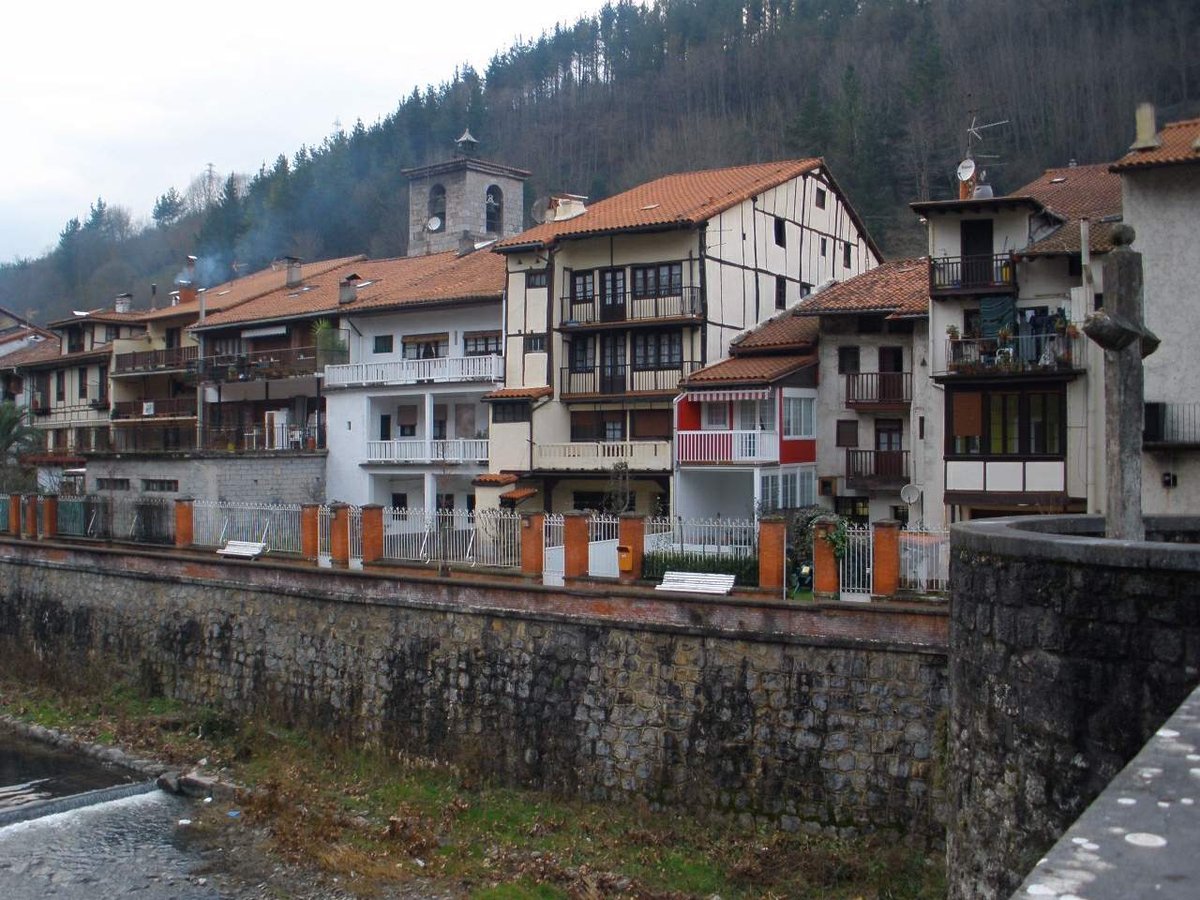
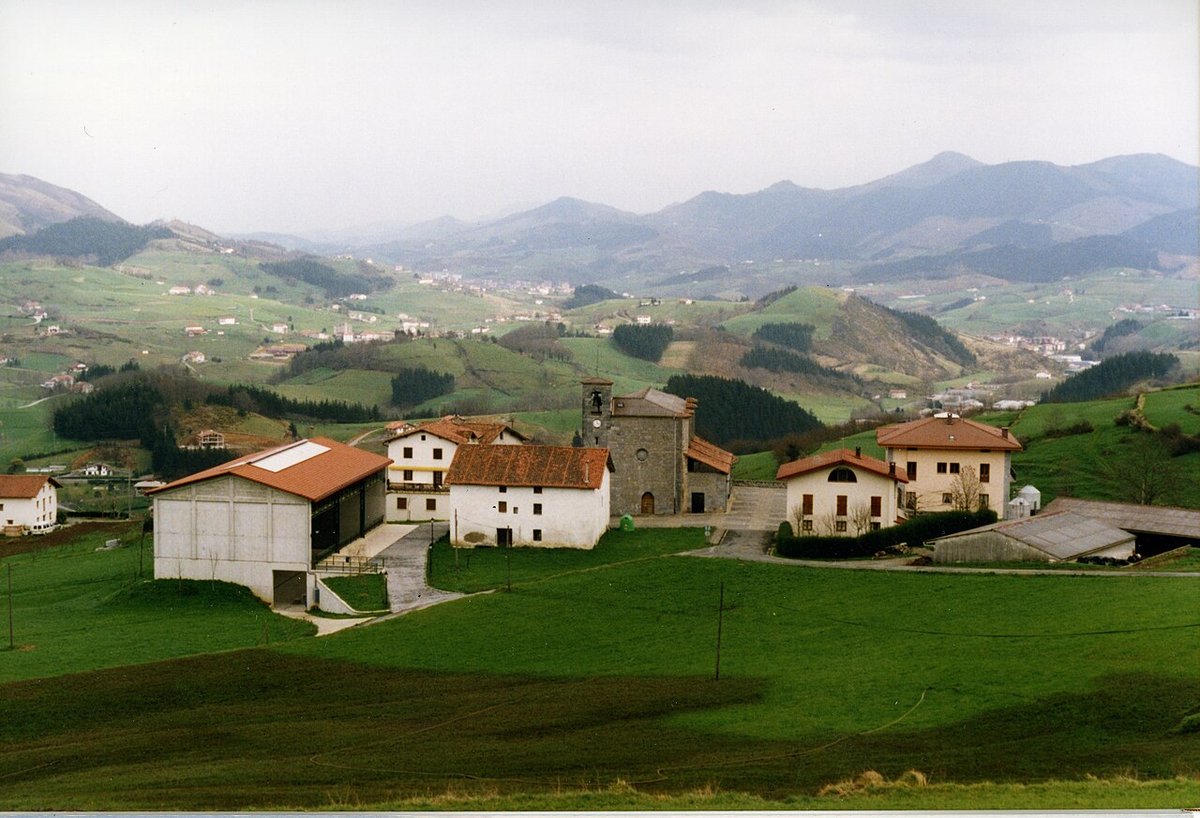
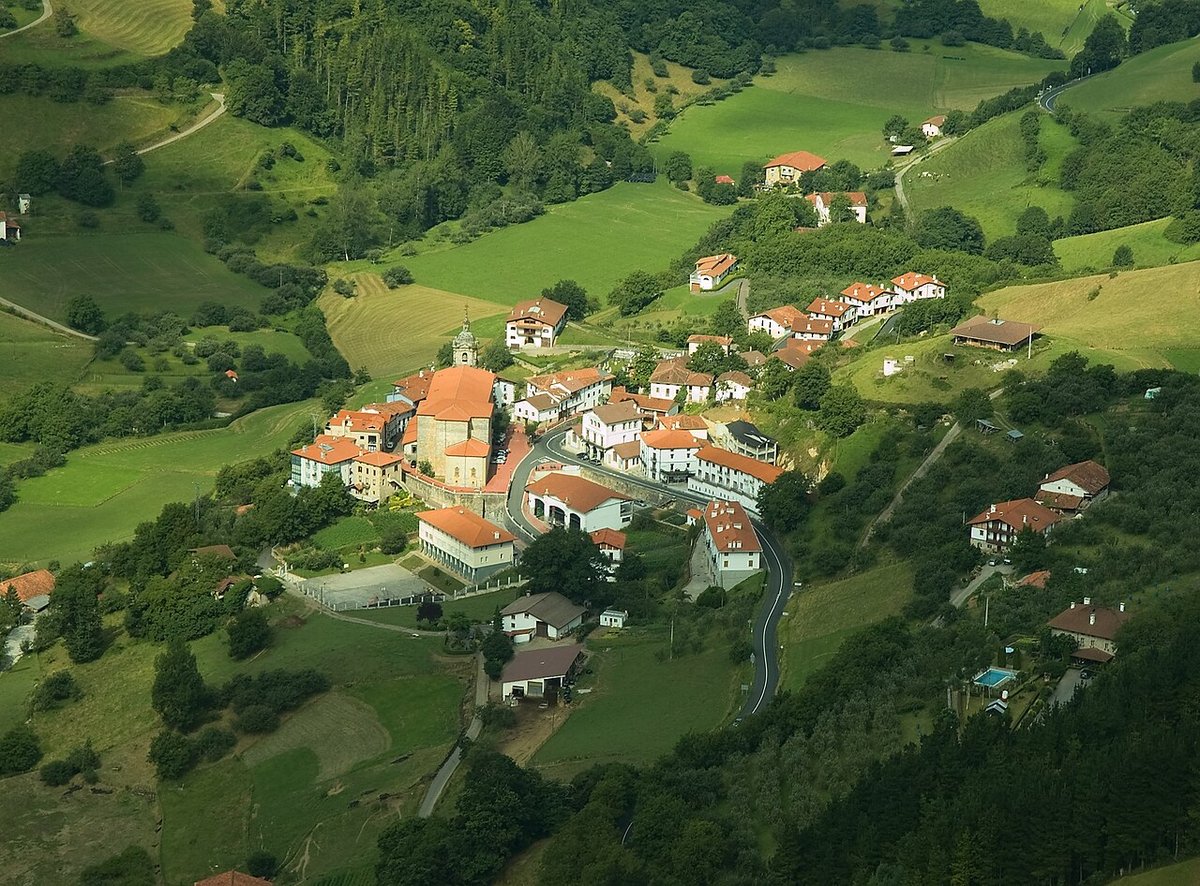
The small centre gathers around the church of San Martín de Tours. It does not dominate the view at first glance, yet it gives a clear reference point. You arrive, spot the frontón nearby, see a handful of houses grouped together, and it becomes obvious where the heart of the village lies.
The streets around it are short. Stone houses sit low under simple roofs. Many are lived in all year. Others have gradually adapted into second homes or small workshops, something fairly common in this part of Gipuzkoa.
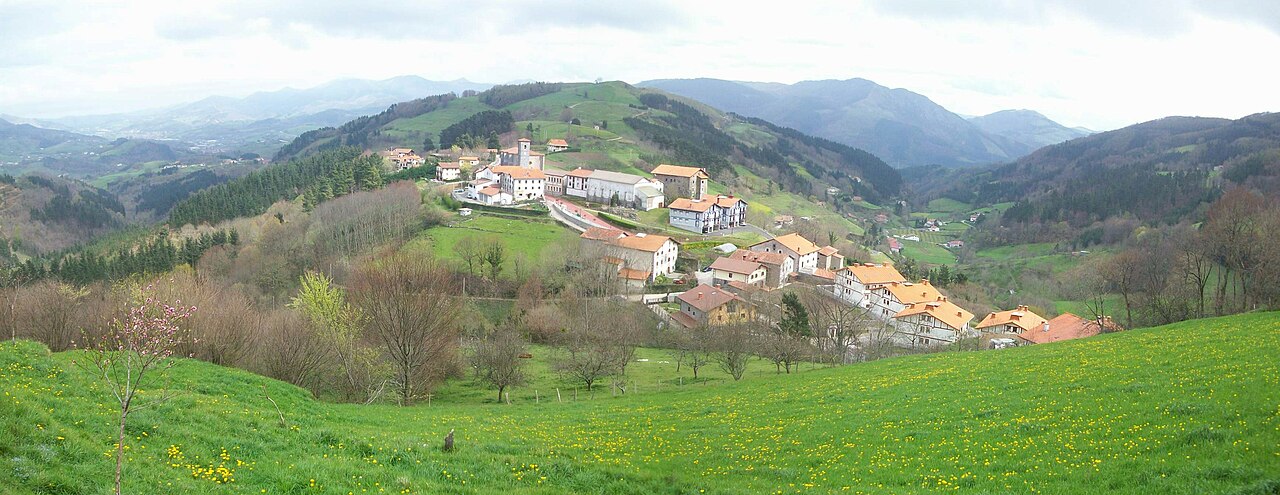
What defines Alkiza, though, extends beyond this cluster. The caseríos spread across the whole municipality are the real pattern. They appear on the slopes, each with its own vegetable patch, a meadow and sometimes a shed for livestock. That patchwork is what shapes the landscape.
Walking between farmhouses and fields
There is no old town to explore street by street. The plan is simpler: pick a path and start walking.
Several tracks and signposted trails leave from the centre and wind between meadows, hedgerows and small wooded areas. At times you pass close to caseríos. At others, the path slips into denser patches with oaks, beeches or managed forest plantations. Then the view opens again and those green valleys typical of Gipuzkoa come into sight.
There are no formal viewpoints with railings or panels. Walk a little and clearings appear naturally, offering a good sense of the terrain: sloping fields, clusters of trees, and a farmhouse placed where it seems there was barely space.
It is common to come across sheep or cows grazing. This is still an active rural setting, not a staged backdrop.
A landscape that depends on daily work
Anyone expecting ruins or large historic buildings may find Alkiza understated. What matters here is something else: many homes remain tied to the land.
There are family vegetable plots, meadows cut in season, and small-scale livestock farming. Nothing showy, yet very real. Much of what you see exists because people continue to work these plots.
In winter, and during family gatherings, dishes closely linked to the area tend to appear. Lamb, Tolosa beans, and hearty vegetable stews are typical. This is home cooking, the kind that takes time when the weather outside does not encourage going far.
If you only have a short time
Alkiza does not demand a full day to grasp what it is about.
Many visitors arrive, take a short walk around the church and then follow a nearby track into the fields. In less than an hour, you can already form a clear impression of the place.
Expectations matter. There are no busy squares filled with terraces or shops open all day. For that kind of atmosphere, Tolosa is relatively close and offers a livelier setting.
Local life and San Martín
Social life in Alkiza centres largely on the patron saint festivities of San Martín in November. That is when the village becomes more animated: shared meals, gatherings among neighbours, and the feel of a small community where most people know each other.
Throughout the year, traditional tasks linked to the countryside continue. Cider is made in season, livestock is tended, and family plots are worked. These are not arranged as spectacles. They simply form part of everyday life.
Before you go
Alkiza is small and very quiet. Much of the land around the paths is private, so it is worth respecting fences, gates and crops. If a trail runs along the edge of a meadow, there is a reason for it.
One practical detail: the ground is often damp for much of the year. Decent footwear makes a noticeable difference.
Come with the right idea, walk for a while, look around, and try to understand how a hillside village in Gipuzkoa functions. Alkiza tends to reveal more than it first suggests.