Full Article
about Altzo (Alzo)
Deep green, farmhouses and nearby mountains with trails and viewpoints.
Hide article Read full article
A village without a centre
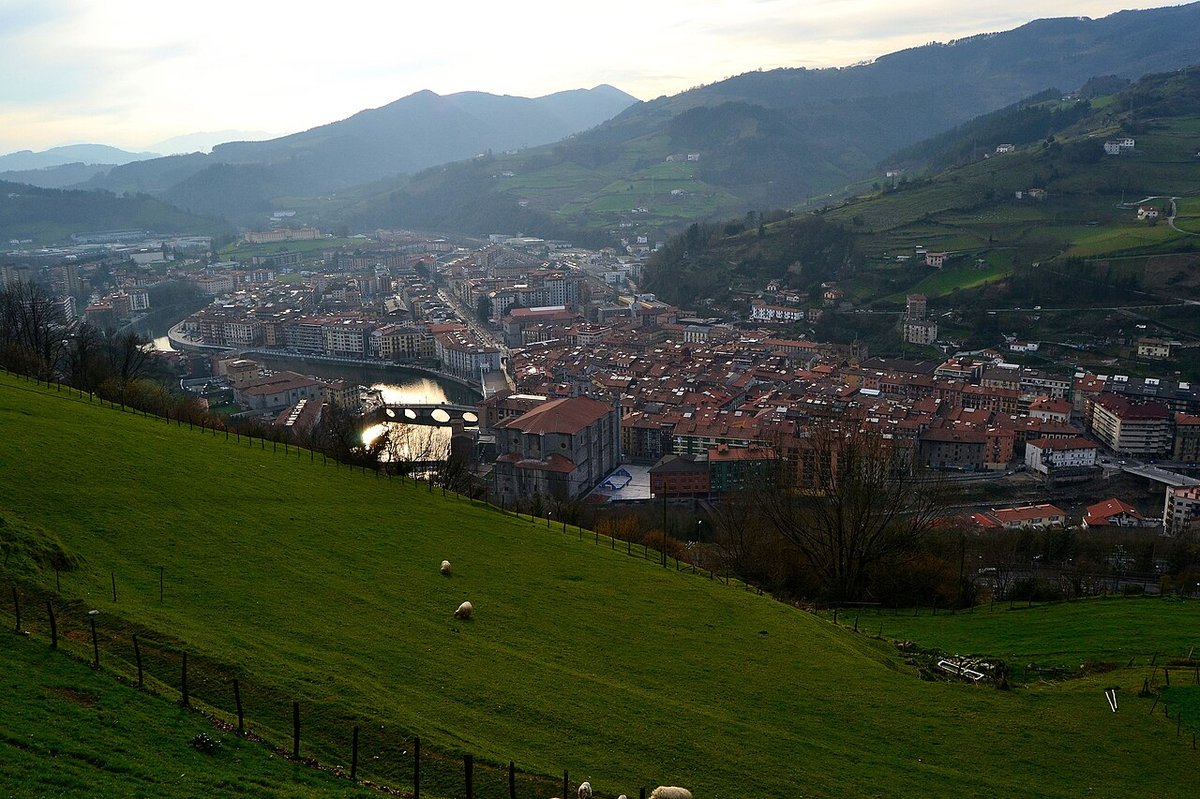
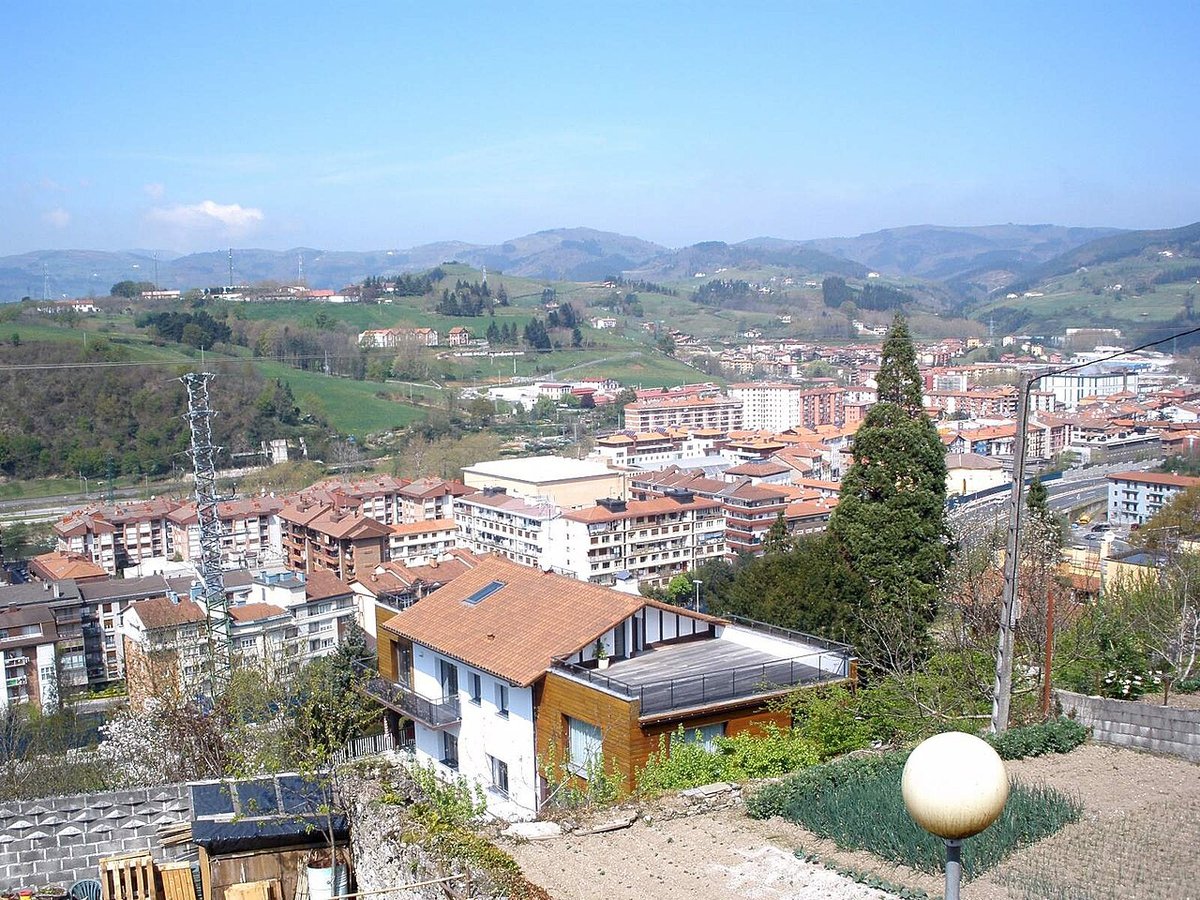
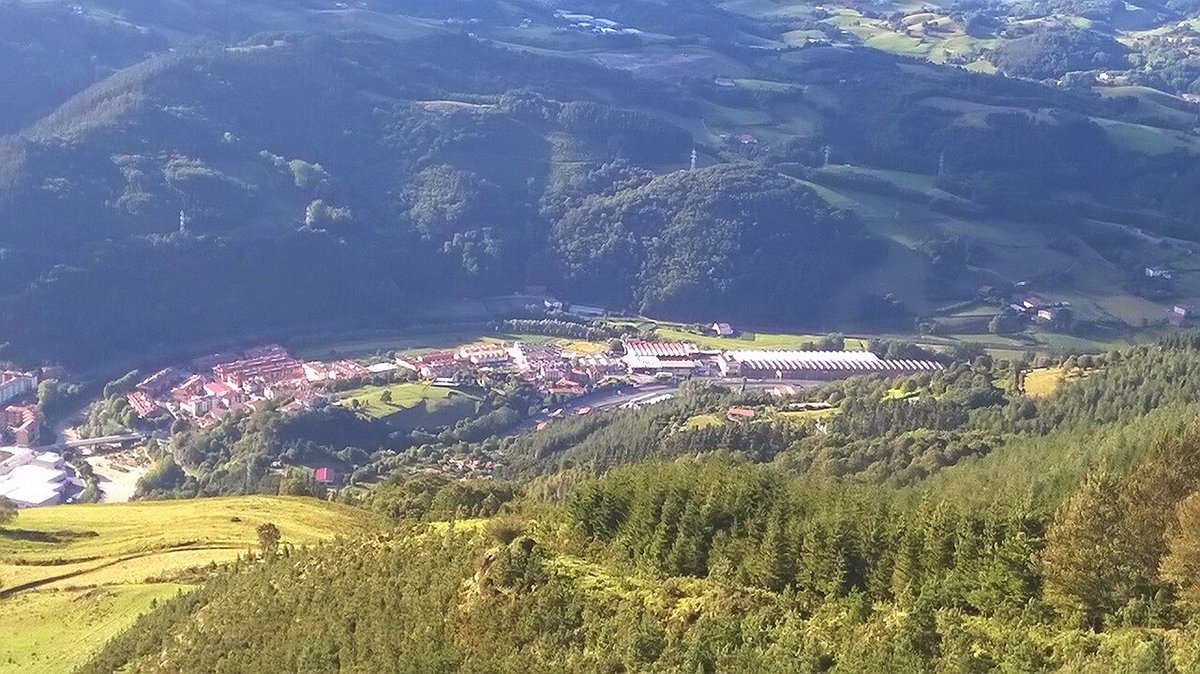
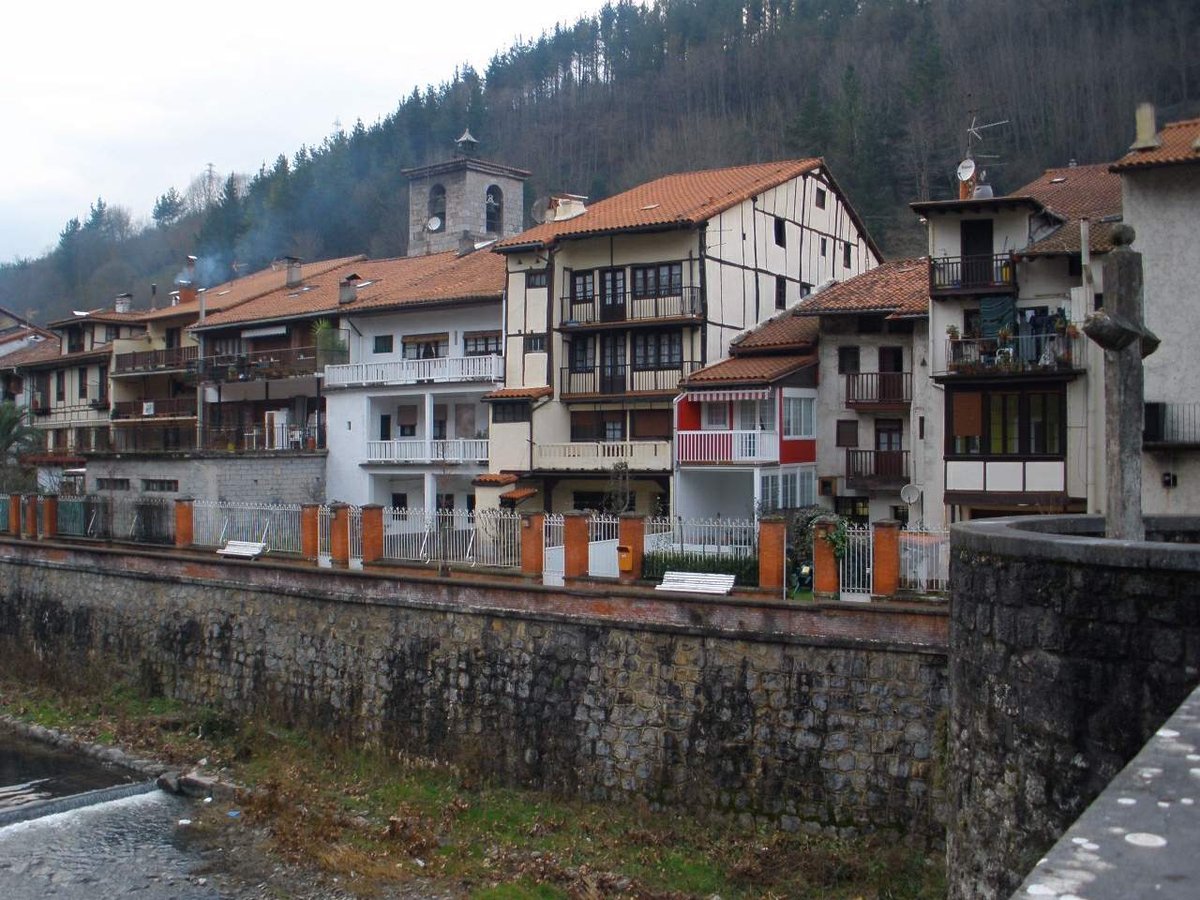
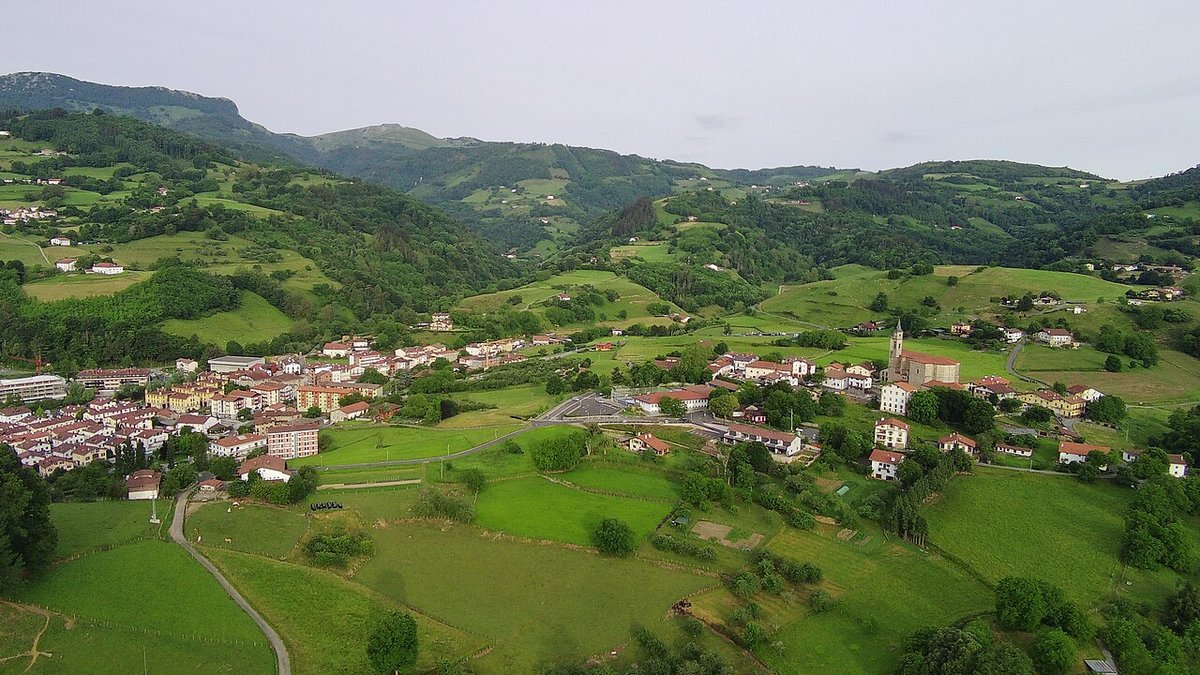
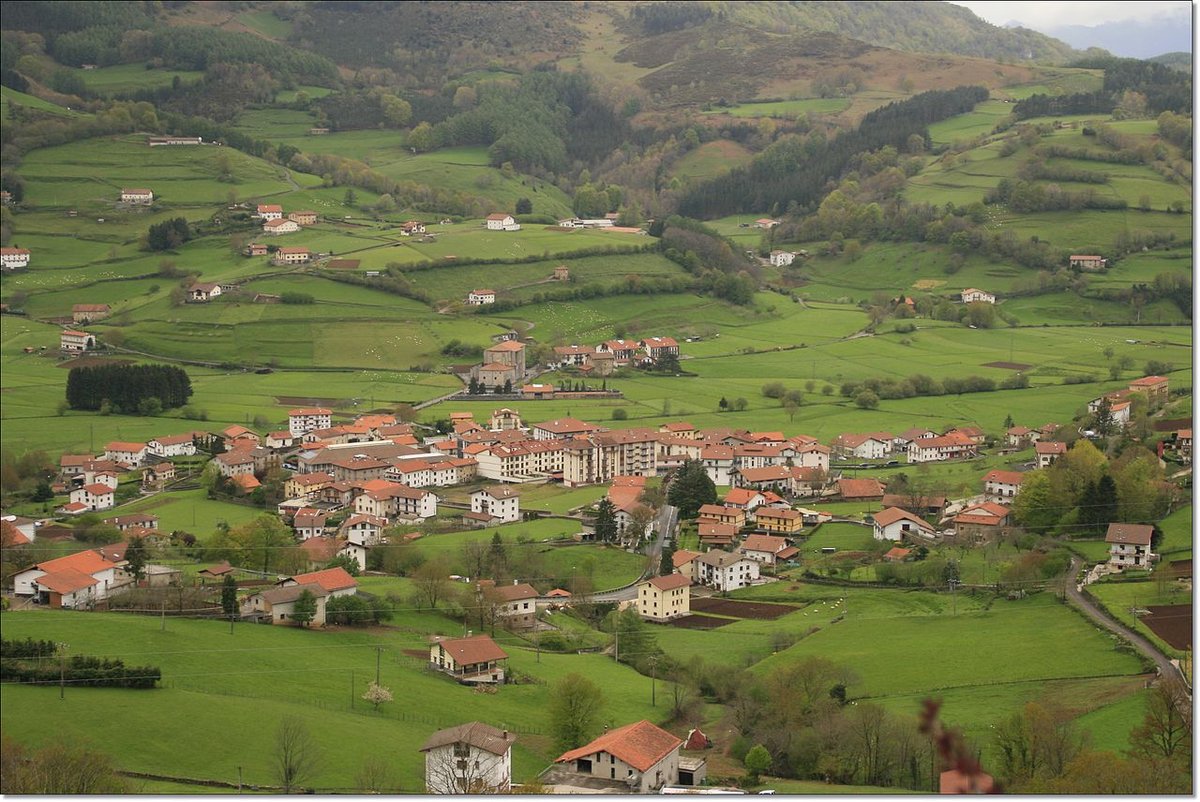
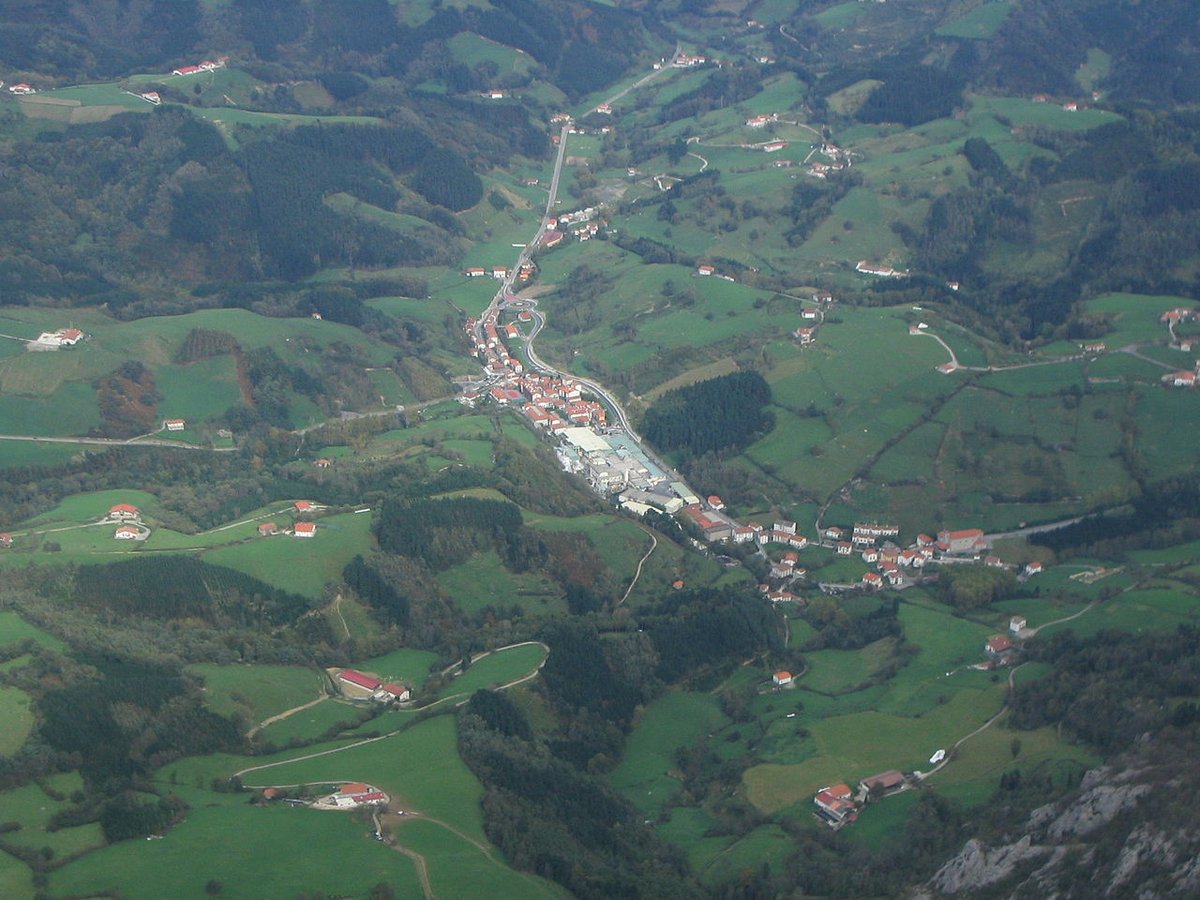
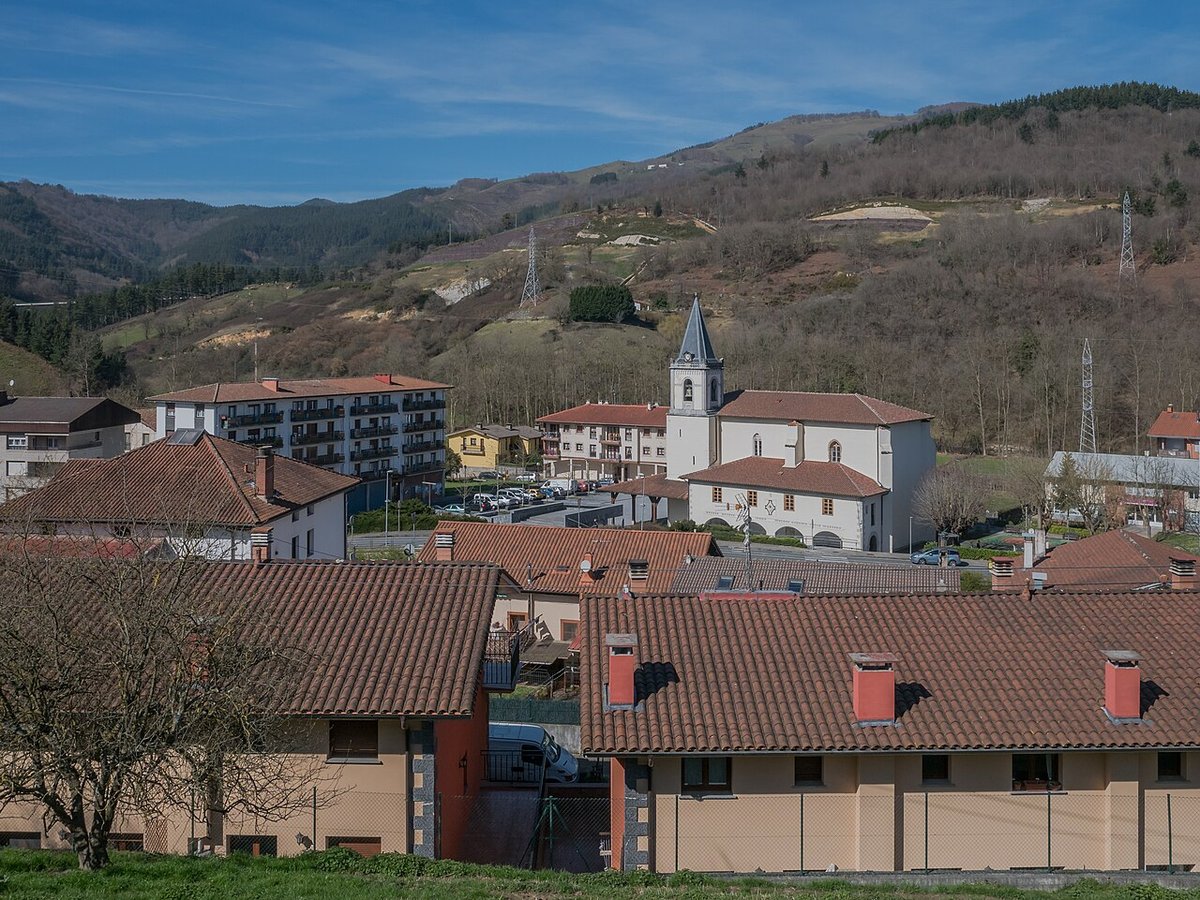
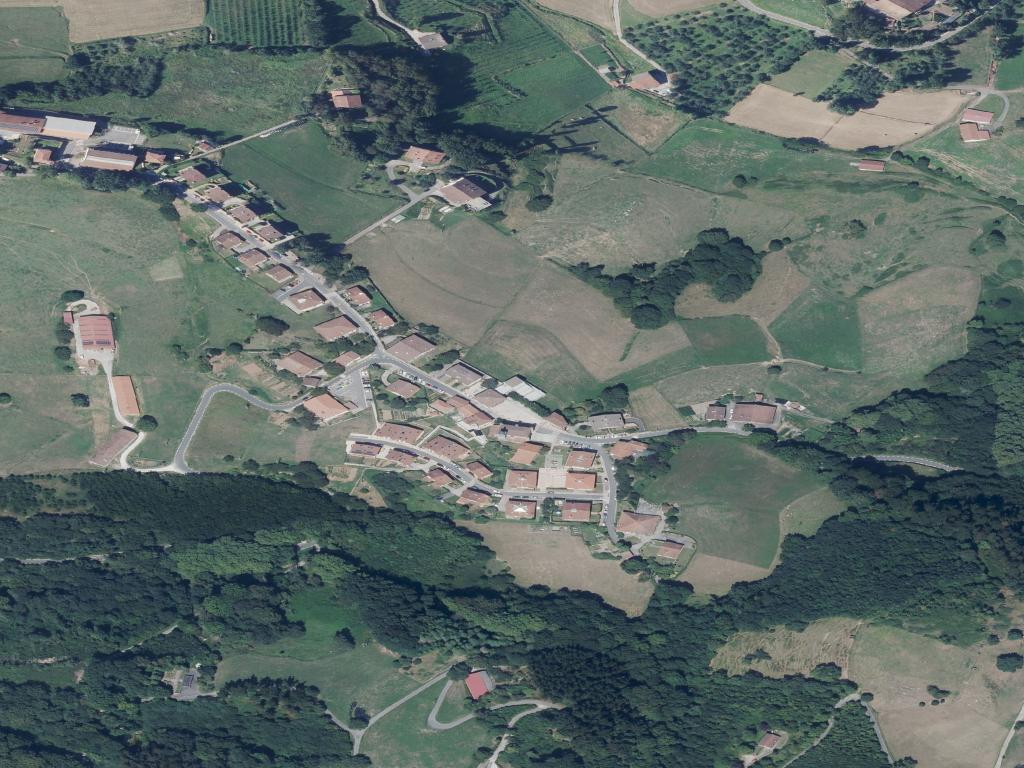
In the early hours, silence in Altzo is usually broken by something small: sheep crossing a path, a farmhouse gate opening, a distant dog barking. Spring light arrives cool and slightly grey, filtering through deciduous trees and settling on damp stone walls. Tourism in Altzo has more to do with this atmosphere than with any clearly defined set of monuments. The village is scattered across the slopes in a patchwork of caseríos, traditional Basque farmhouses, with whitewashed façades, red tiles and small windows facing the valley.
There is no wide square pulling everything together. Instead, houses, meadows and paths link one to another as they climb the hillside. The place feels continuous rather than concentrated, shaped by daily life rather than by a designed centre.
The church and a small focal point
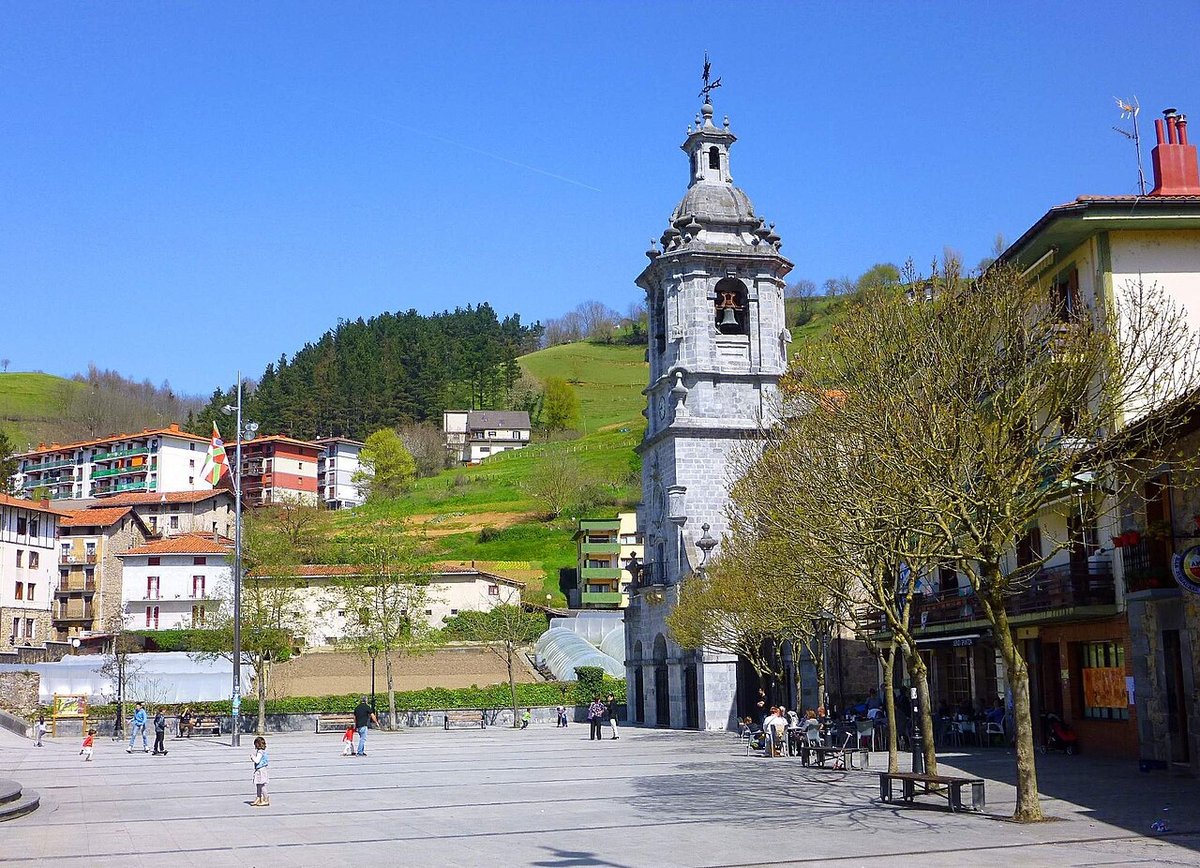
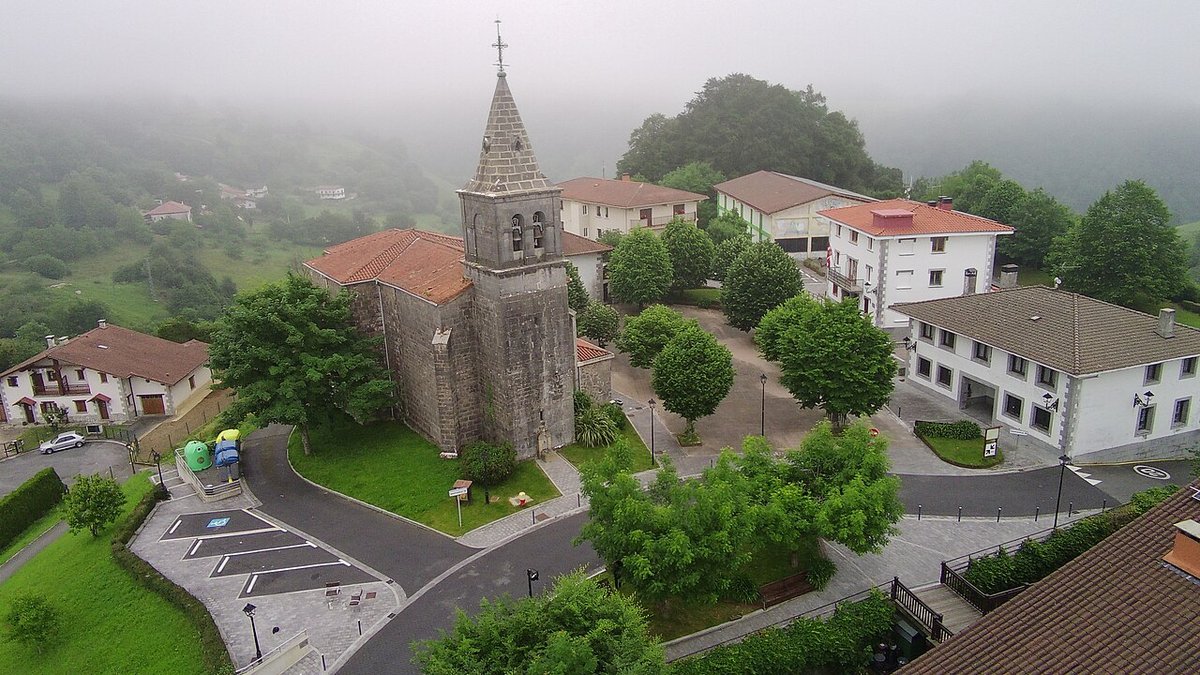
The most recognisable landmark is the church of San Martín de Tours. It is a restrained building, with a pointed doorway and a square bell tower visible from several nearby paths. Like many rural churches in Gipuzkoa, it has been altered over the centuries, and that layered history shows in the stonework and details on the façade.
In front of the church is a small open space where the cemetery sits. Some of the older gravestones are worn by rain and moss, a quiet reminder of how closely life here has always been tied to this spot. When there is a breeze, the sound is mostly the trees brushing against each other.
Walking between caseríos
One of the clearest ways to understand Altzo is to walk, unhurried, between its different neighbourhoods and farmhouses. There are dirt tracks, very narrow stretches of tarmac and the occasional cobbled section cutting across meadows where livestock often graze.
Not all routes are signposted, so it helps to carry a simple map or have a route saved on a phone. Even so, getting slightly lost here rarely causes problems. Most paths eventually connect with another farmhouse, a forest track or a local road.
The slopes are noticeable. Some climbs are short but direct, the kind that slow the pace even when the distance on the map looks modest. Cycling is possible, though the constant gradients need to be taken into account.
A working village
Altzo has only a few hundred residents, and daily activity still revolves around the caseríos. Vegetable plots, sheds with machinery and fields where cows or sheep graze are part of the landscape. This is not a staged rural setting. Most of the houses remain homes or family-run farms.
That also means moving around requires a bit of care. Many paths run alongside private land or working areas, and it is standard practice to close gates after passing through livestock crossings.
Within the small core there are very few services aimed at visitors. For meals or shopping, people usually head to Tolosa, a few kilometres away by road, or to other nearby towns in the area.
Traditions that remain on the calendar
Local celebrations tend to revolve around San Martín, the village’s patron saint. These are small, neighbourly events, with religious elements and gatherings around the church or nearby space.
The custom of San Blas, at the beginning of February, is also still observed. It is common to see blessed ribbons that many people keep throughout the year. As in many small villages, the programme can vary depending on who organises it each time.
When to come and what to keep in mind
Late spring and early autumn are often good times to walk in the area. The grass remains green and temperatures allow for several hours outdoors without excessive heat.
After several days of rain, some of the dirt paths become quite muddy. The ground holds water well, so sturdy footwear with grip is a sensible choice.
In winter, fog frequently rises from the valley. At times it covers the slopes for hours, reducing the view to a handful of farmhouses and the nearest trees. There is little movement in those weeks, though if quiet is the aim, very little disturbs it.
From Donostia or San Sebastián, the journey takes a little over half an hour along winding local roads. It is usually possible to park near the small centre without difficulty, as long as access to farmhouses and agricultural tracks is kept clear. Public transport reaches the area, but it does not connect all neighbourhoods, so it is worth checking in advance if not travelling by car.