Full Article
about Amezketa (Amézqueta)
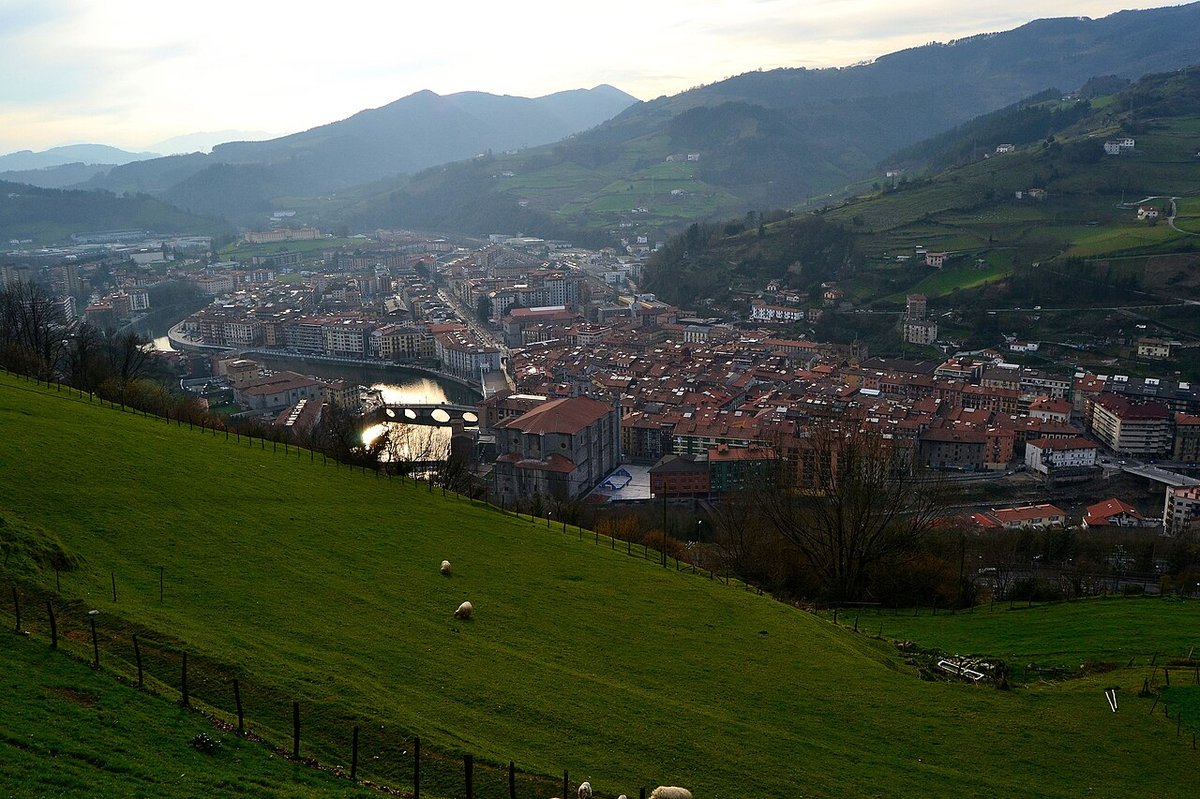
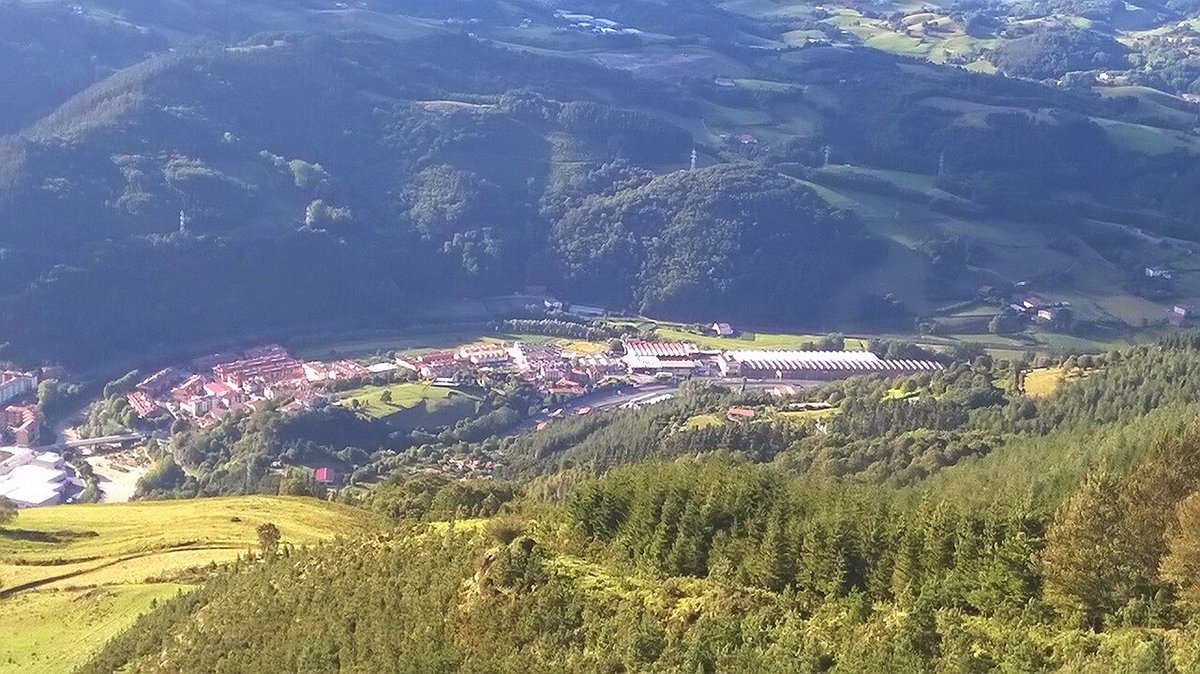
Deep green, farmhouses and nearby mountains with trails and viewpoints.
Hide article Read full article
Arriving without a script
Some places take a moment to make sense. You arrive, look around, and instinctively pause to see how things work before stepping in. Amezketa has that effect. It can feel like a quick stop on the way elsewhere, yet after a short while it becomes clear that the pace here runs differently.
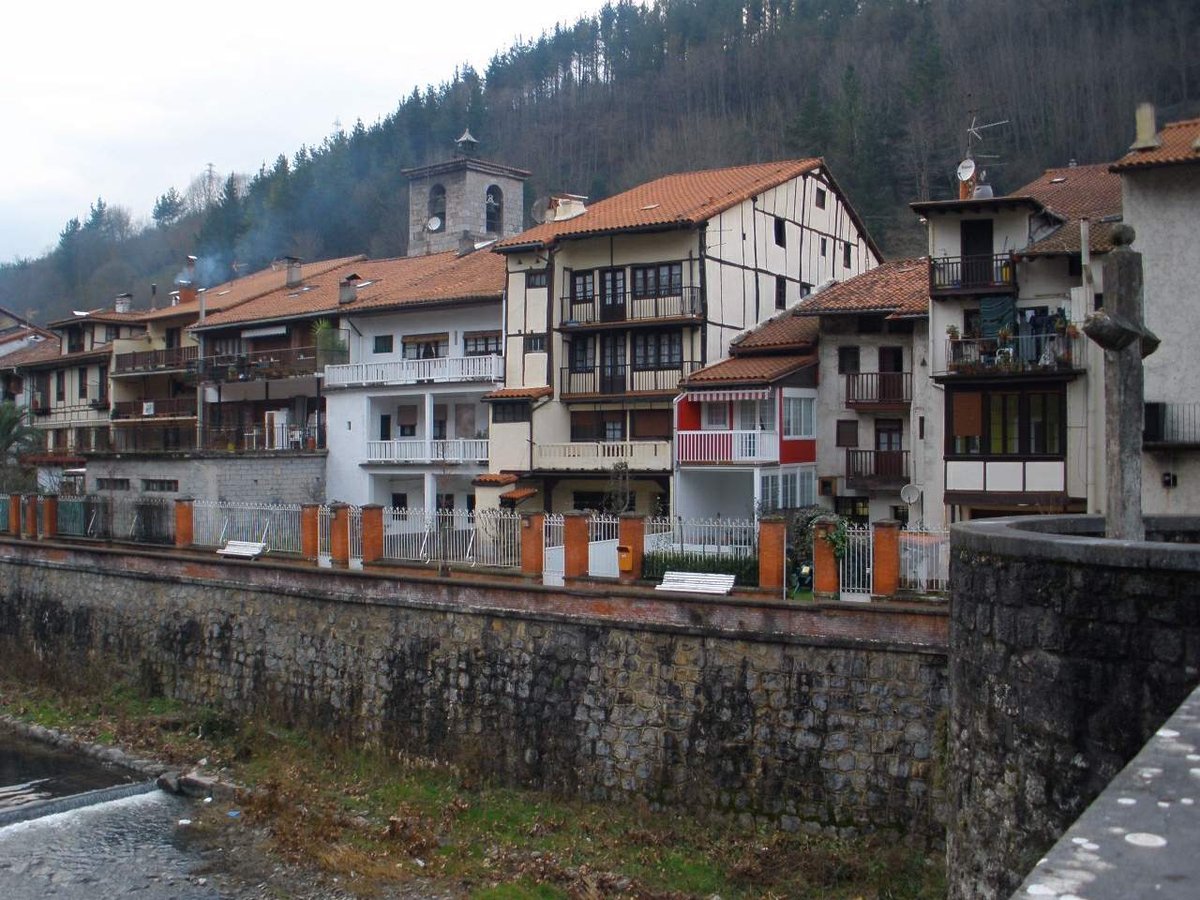
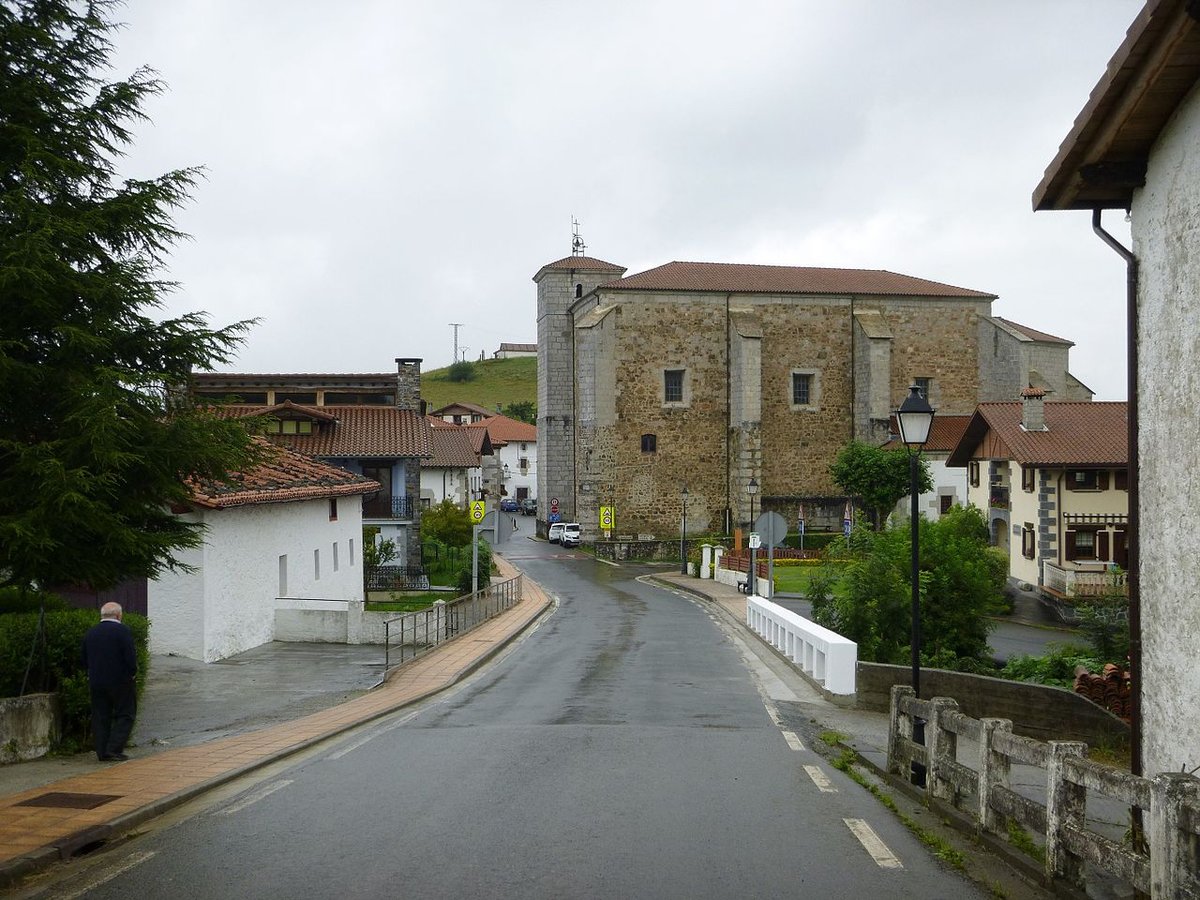
There is little in the way of obvious visitor infrastructure. No oversized signs, no streets arranged for easy photographs. What you find instead are stone houses, paths that rise and fall without warning, and a quiet that stands out if you are coming from nearby Tolosa or Donostia. That contrast is part of the appeal. The village does not present itself, it simply continues at its own speed.
A place that sets your pace
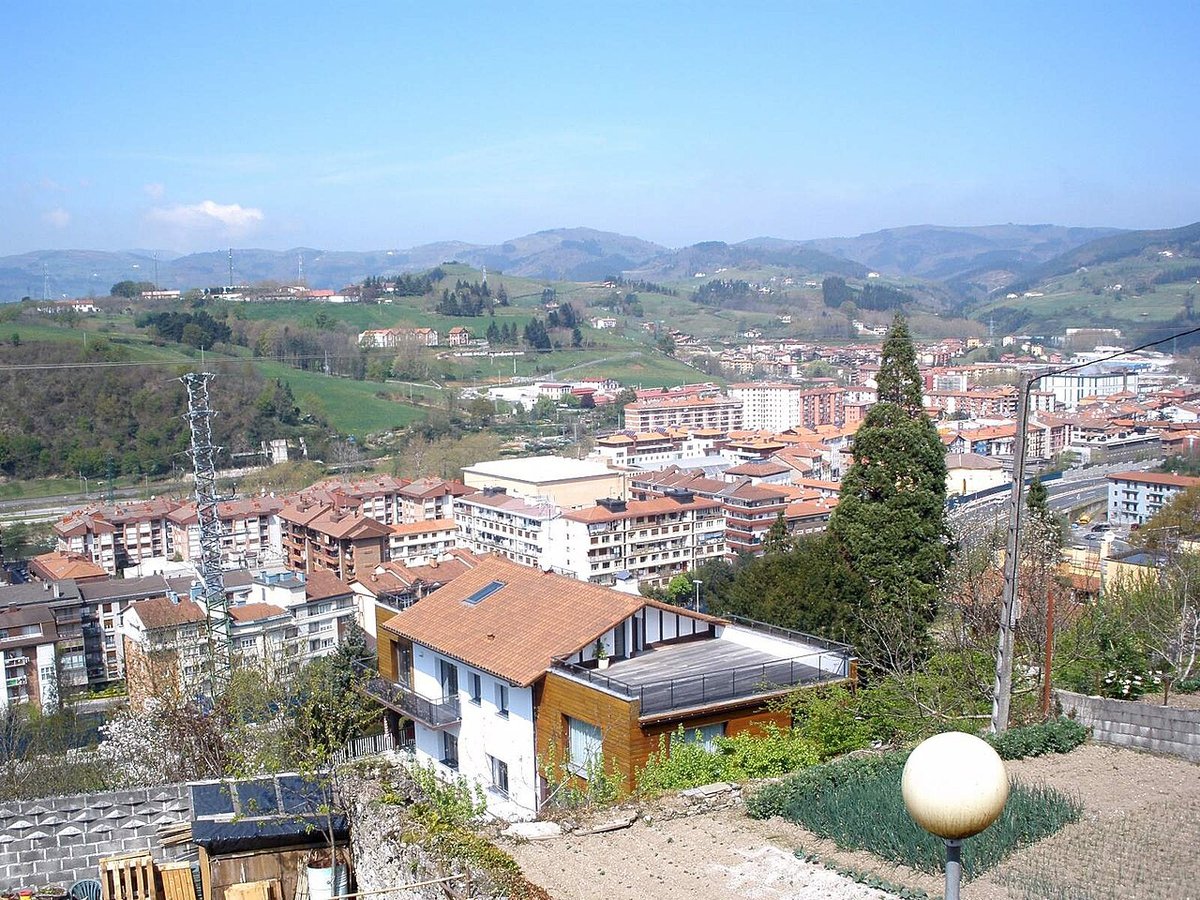
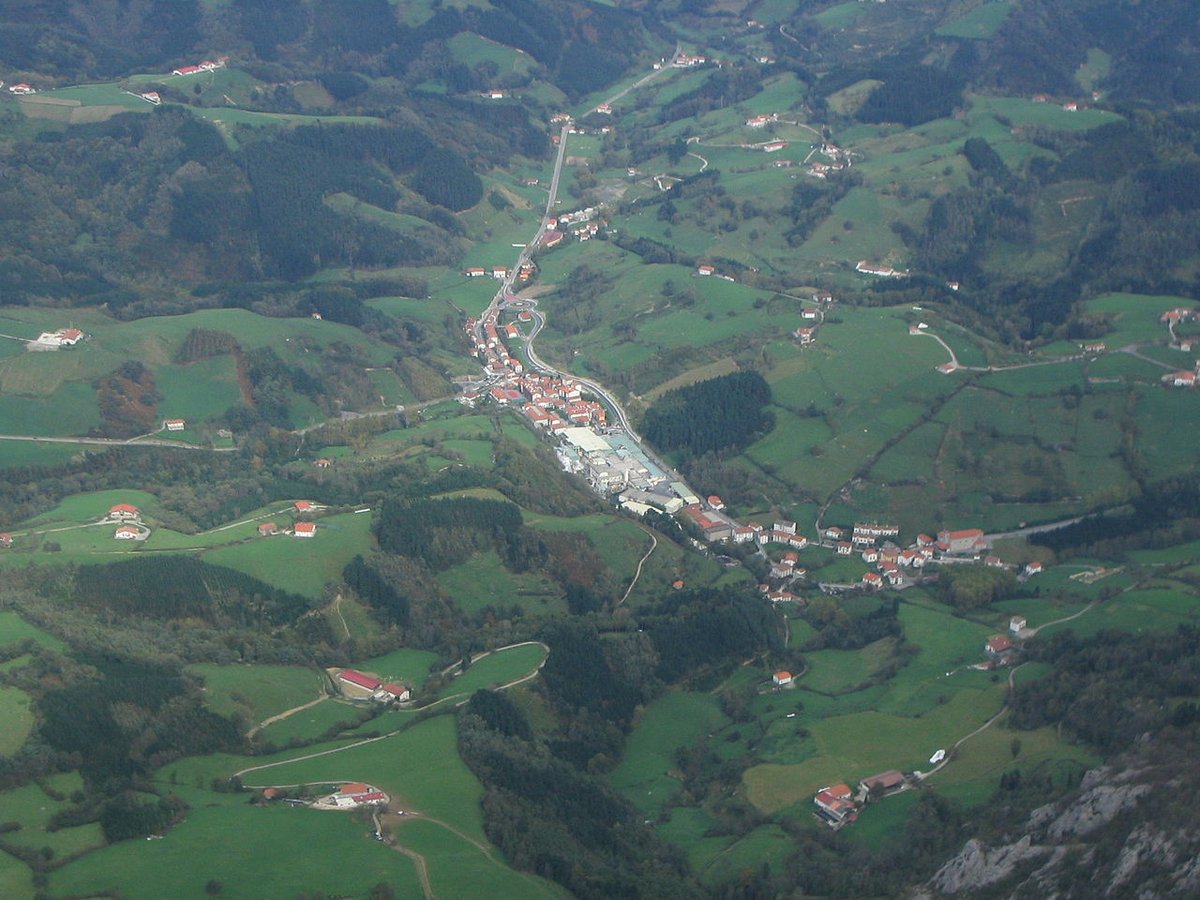
Amezketa sits at around 200 metres above sea level, though the number does not tell the whole story. The terrain follows the familiar pattern of inland Gipuzkoa, where each street seems to carve its own route across the hillside.
There are no long, flat promenades. A short stretch soon turns into a slope, then another. None of it is extreme, yet it is enough to make you adjust your stride. It becomes clear quite quickly why people here walk steadily and without hurry.
Distances can be deceptive. A route that looks brief on a map may take longer than expected once the gradients come into play. Anyone planning a short walk will do well to allow extra time and take the terrain into account rather than relying on straight-line estimates.
Fields, farmhouses and the presence of Murumendi
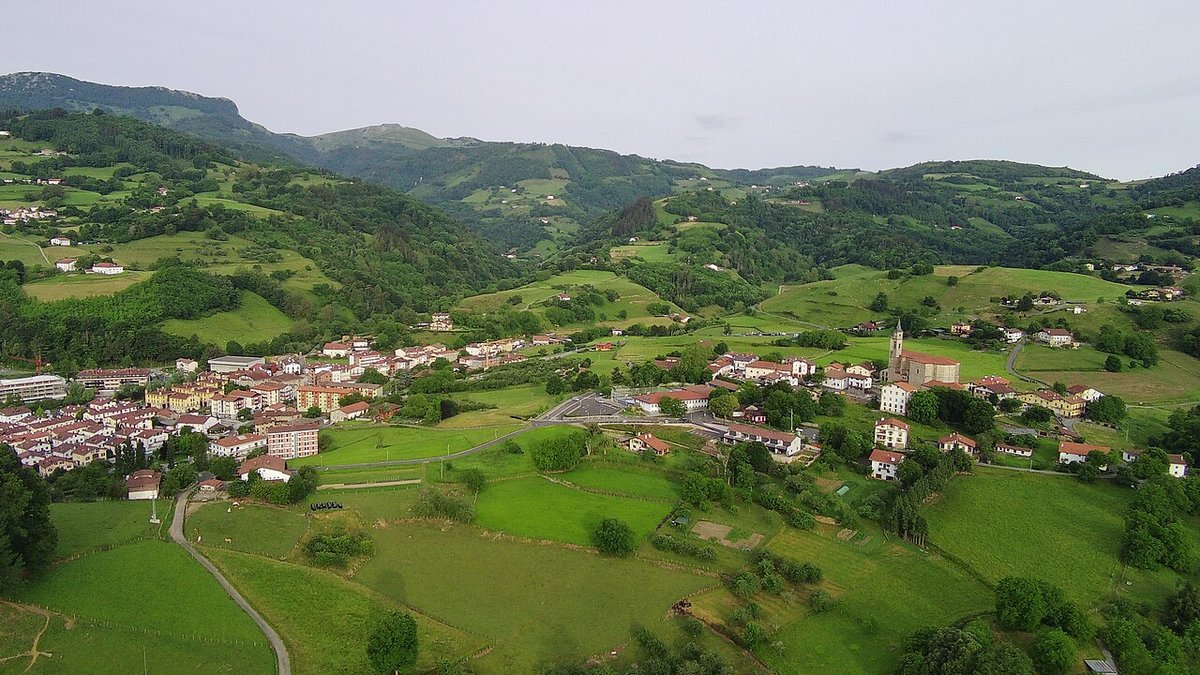
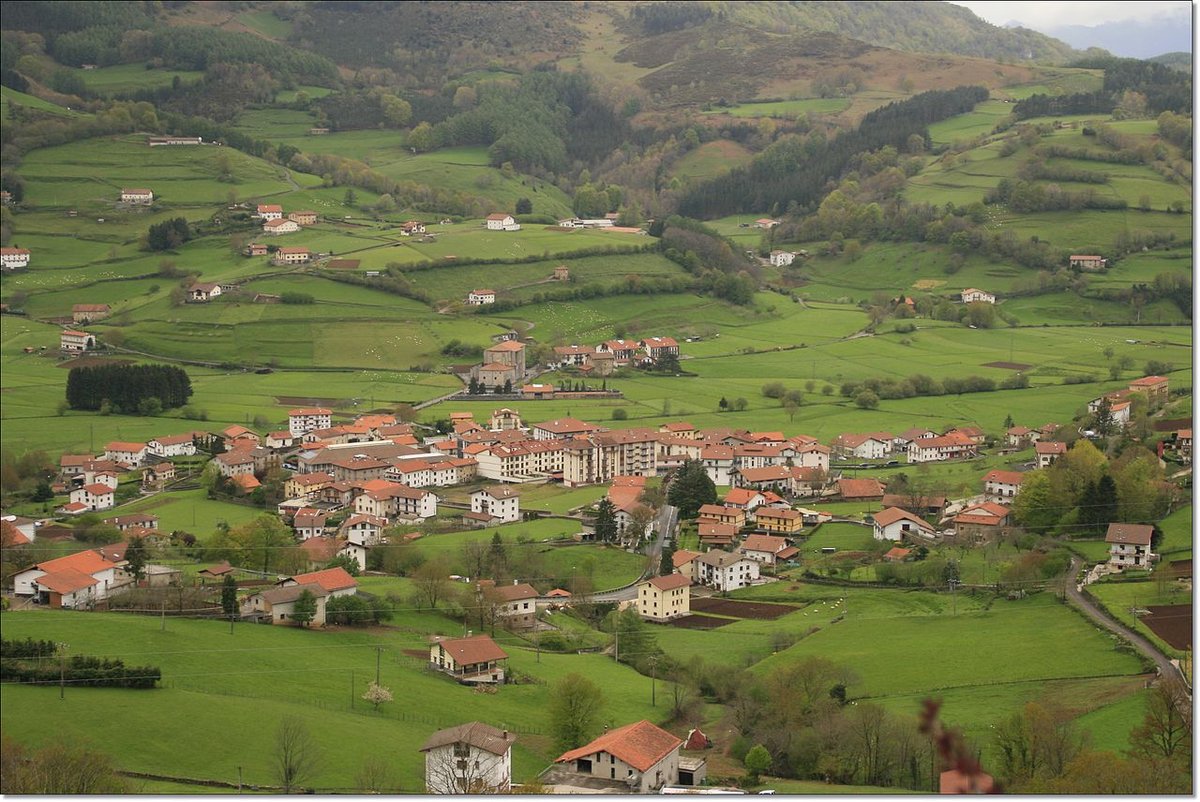
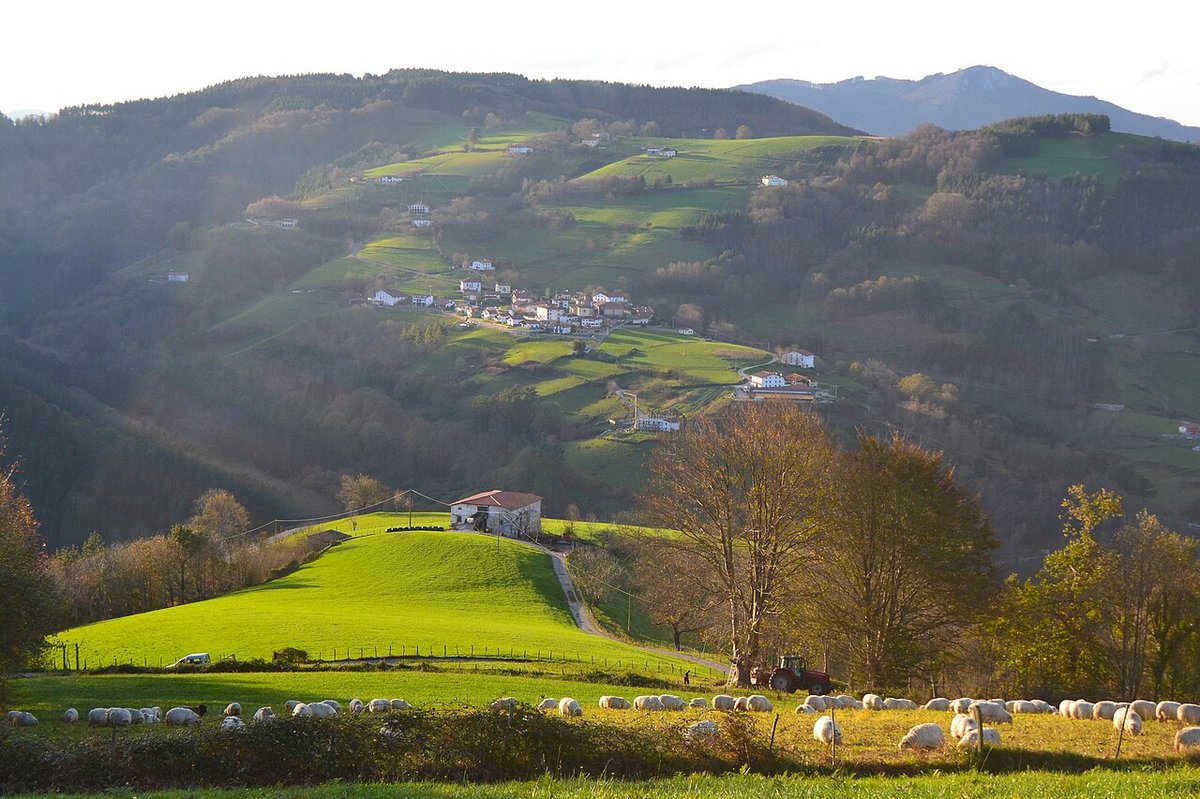
The centre of Amezketa is small. The wider setting gives the village its character: scattered caseríos, the traditional Basque farmhouses, and neighbourhoods spread along the slopes.
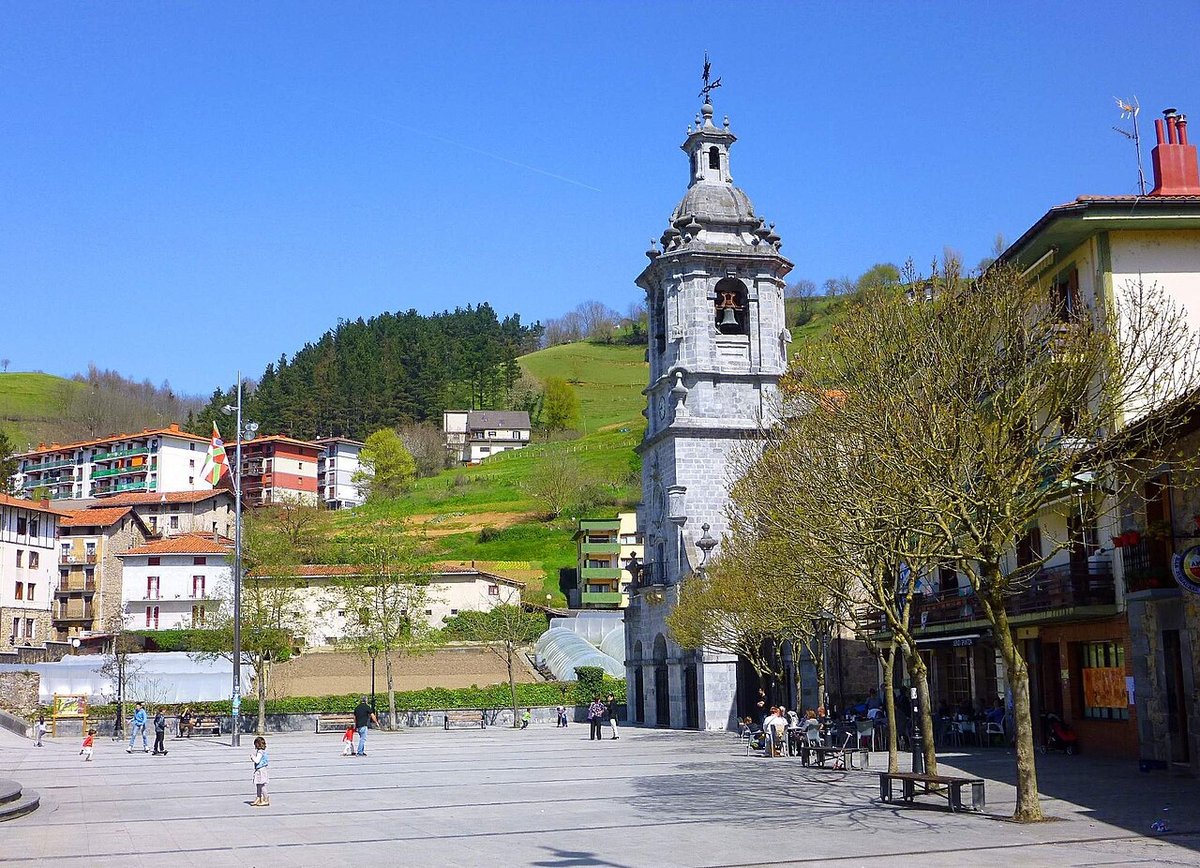
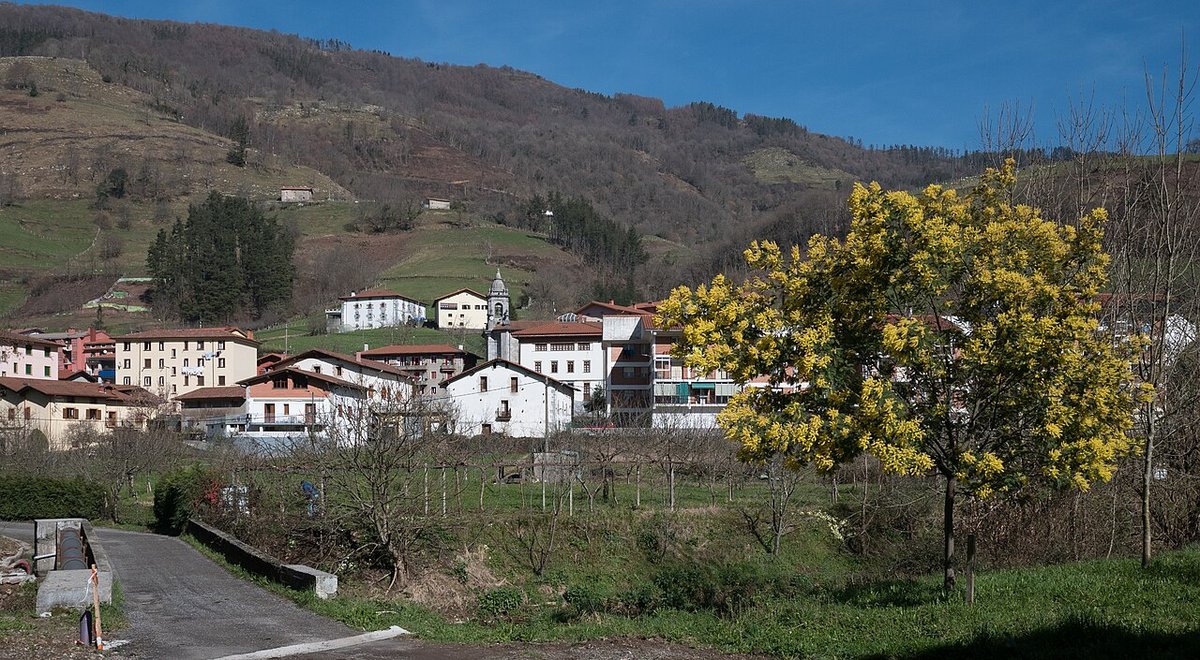
The church of San Martín de Tours, dating from the 17th century, is visible from several points and continues to define the heart of the village. From there, the view opens onto meadows and patches of woodland that shape the surrounding landscape.
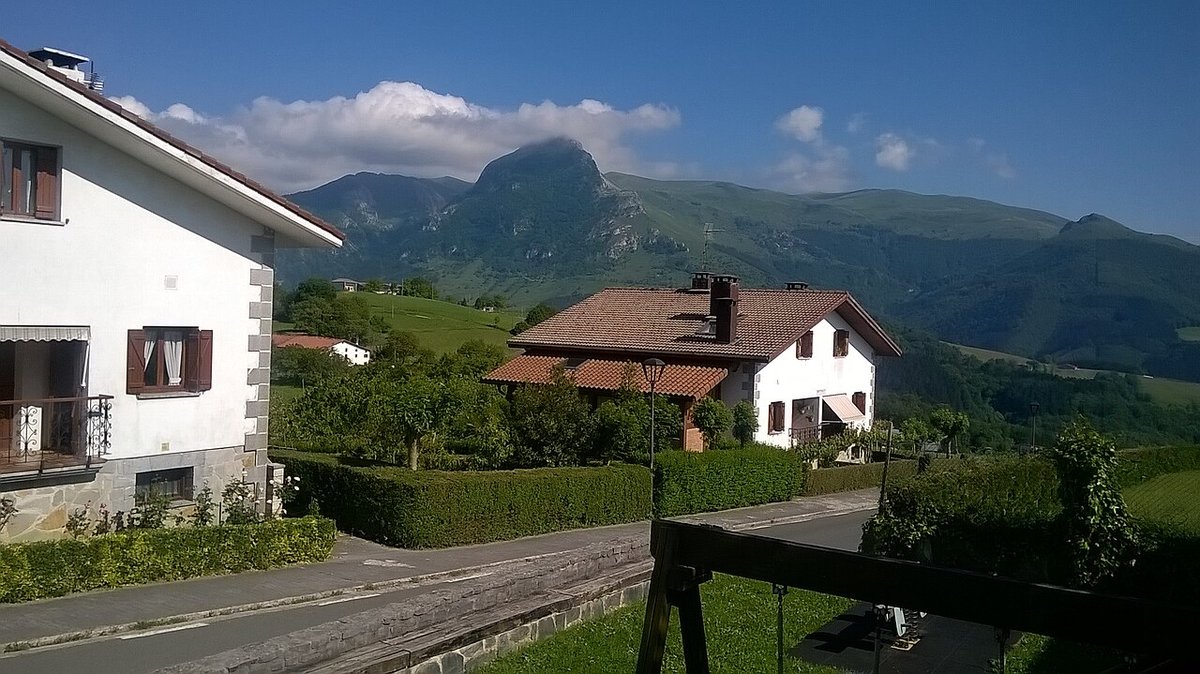
Close by stands Murumendi, a peak of around 590 metres. It is not especially high, yet it makes its presence felt from below. The atmosphere changes noticeably depending on the weather. On clear days the surroundings appear open and defined, while low clouds rolling in from the Cantabrian coast can quickly alter the scene. Those clouds are a regular feature in this part of Gipuzkoa, and they shift the light and visibility in a matter of minutes.
Walking routes and a working rural landscape
The best way to understand Amezketa is on foot. Rural tracks run between fields, bordered by dry stone walls, with small structures such as bordas used to store tools or house livestock equipment.
For those who enjoy walking, the route towards Murumendi is the main local reference. The climb is not particularly high, but conditions can change the experience. Mud underfoot or sudden fog can make the path more demanding than expected. Weather shifts quickly here, so it is worth keeping an eye on the sky before setting out.
Livestock remains part of everyday life. It is common to see latxa sheep grazing in nearby meadows, a native breed closely linked to the area. There is no need to enter farms to notice this. The layout of the fields and enclosures already shows how the land is used and organised.
Eating simply and getting around
Food options in Amezketa itself are straightforward. In this part of Tolosaldea, the norm is traditional Basque cooking without much embellishment. The emphasis is on familiar dishes rather than elaborate presentation.
Those interested in Idiazabal cheese, one of the best-known cheeses of the Basque Country, will find that it is typically produced in nearby villages such as Idiazabal or Zerain. Asking around locally is usually enough to point you in the right direction.
As for getting around, the simplest approach is to leave the car near the centre of the village. Many of the tracks leading towards the caseríos are narrow and primarily used for agricultural access. Parking once and continuing on foot for a few minutes tends to avoid complications and fits better with how the place functions.
Festive dates and everyday calm
The main festival in Amezketa is linked to San Martín, celebrated in mid-November. Traditionally, events take place across autumn and the beginning of winter, with music and a distinctly local atmosphere.
Outside those dates, the village remains quiet. There are no major attractions or museums that structure a visit. Amezketa works more as a base for walking, observing the landscape, and getting a sense of life in this inland part of Gipuzkoa.
Rain is a frequent companion here, and plans often need to adapt to it. On wet days, shorter walks and a brief wander through the centre tend to be enough. The village does not invite rushing. Instead, it encourages a slower rhythm that gradually takes over without much effort.