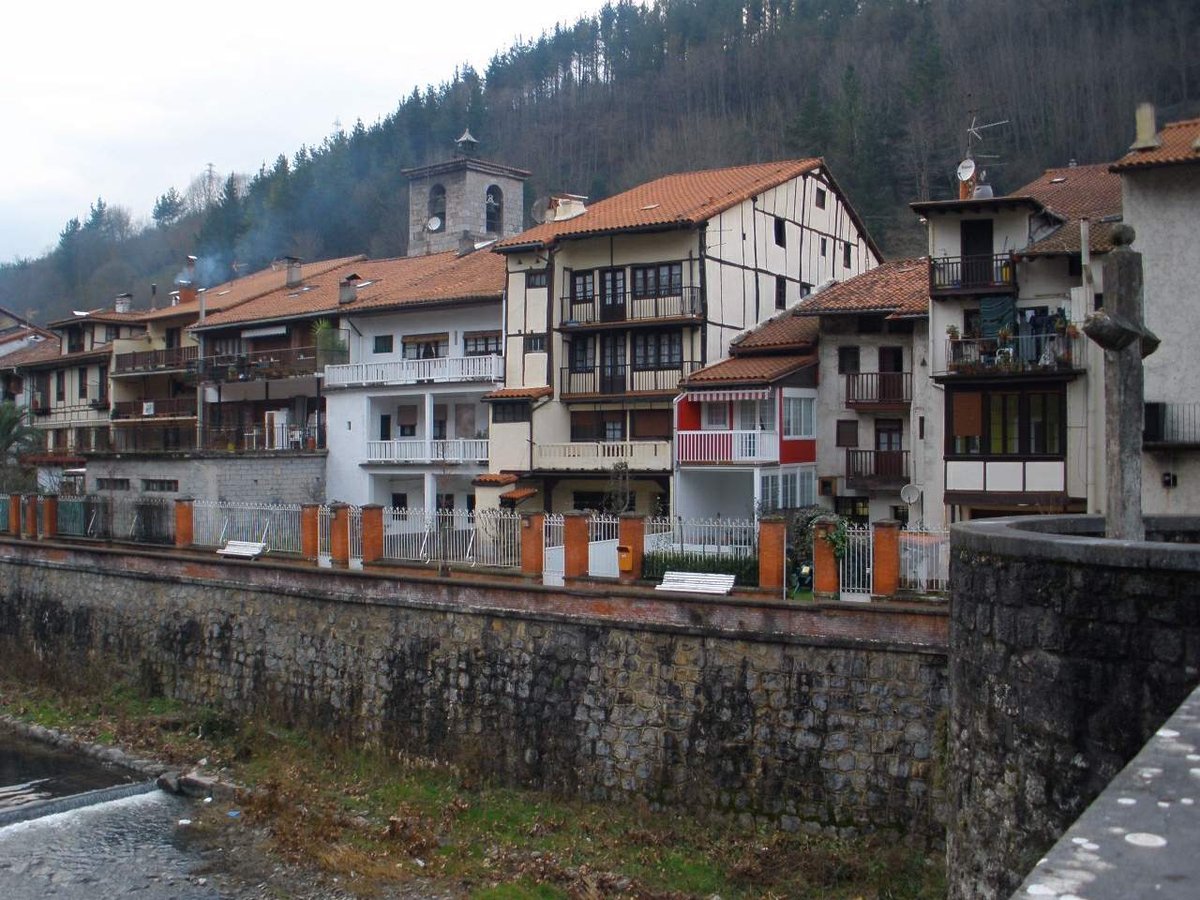
Anoeta - Iglesia de San Juan Bautista 1
Zarateman · CC0
País Vasco · Atlantic Strength

Anoeta

The tractor comes first. Always. In Anoeta, this isn't countryside courtesy—it's survival. When a Massey Ferguson appears around a bend, you step o...

2,112 inhabitants · INE 2025
74m Altitude

Why Visit

Mountain Historic center Hiking

Best Time to Visit

summer

Things to See & Do
in Anoeta

Heritage

  • Historic center
  • parish church
  • main square

Activities

  • Hiking
  • mountain biking
  • viewpoints
  • local cuisine

Full Article
about Anoeta

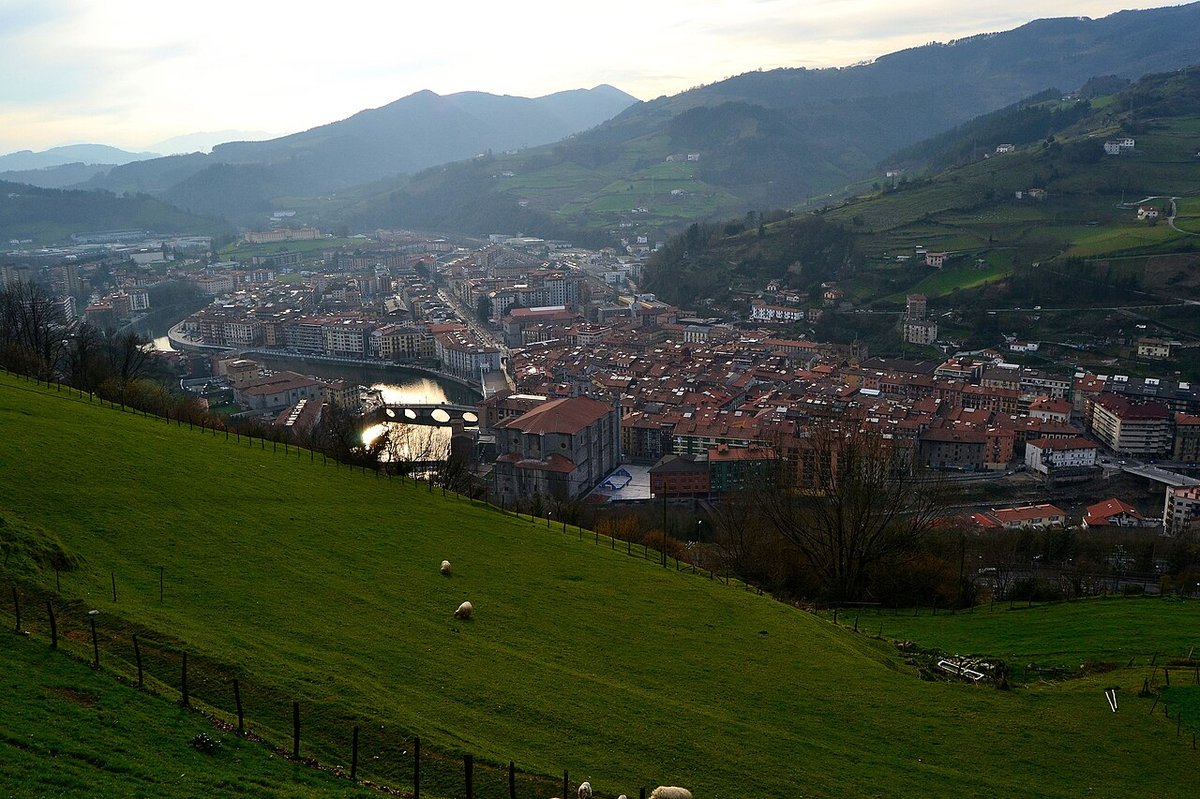
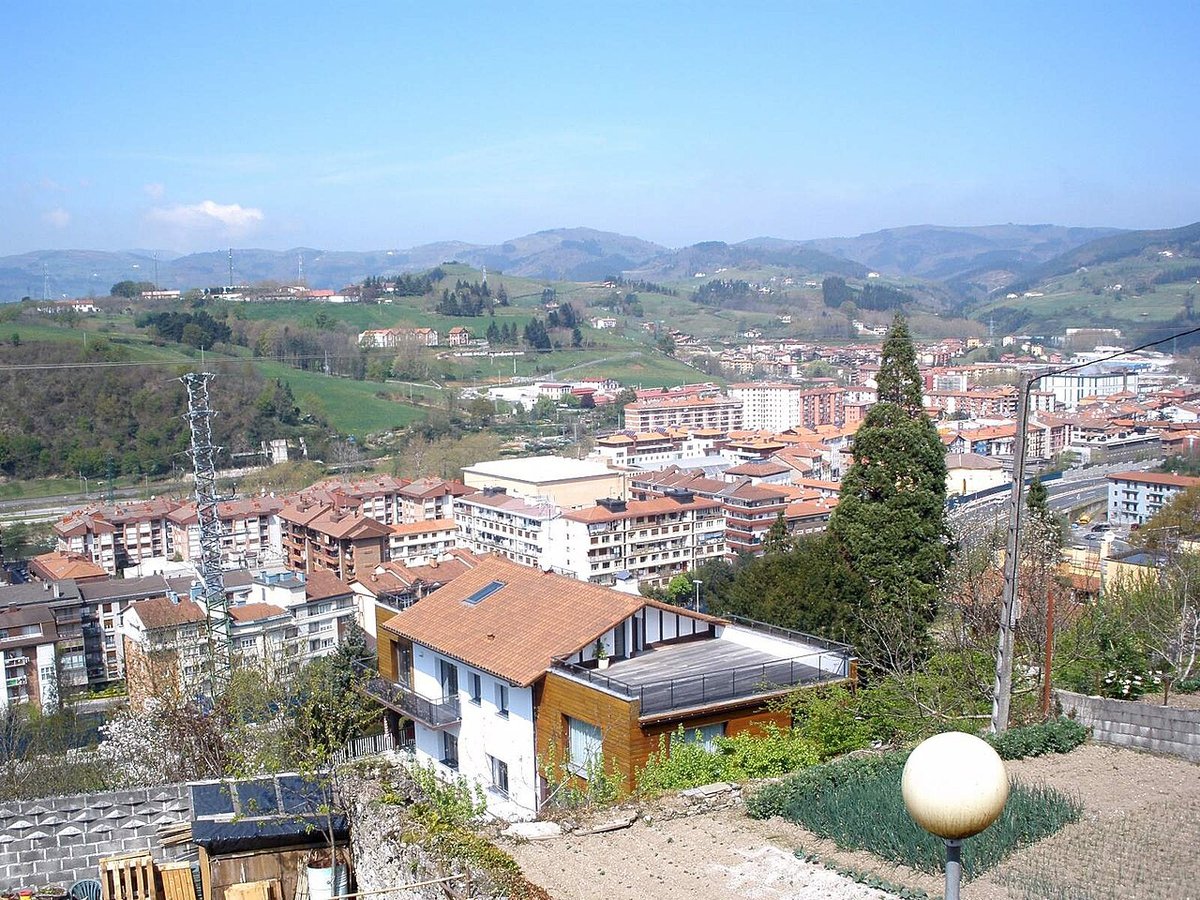
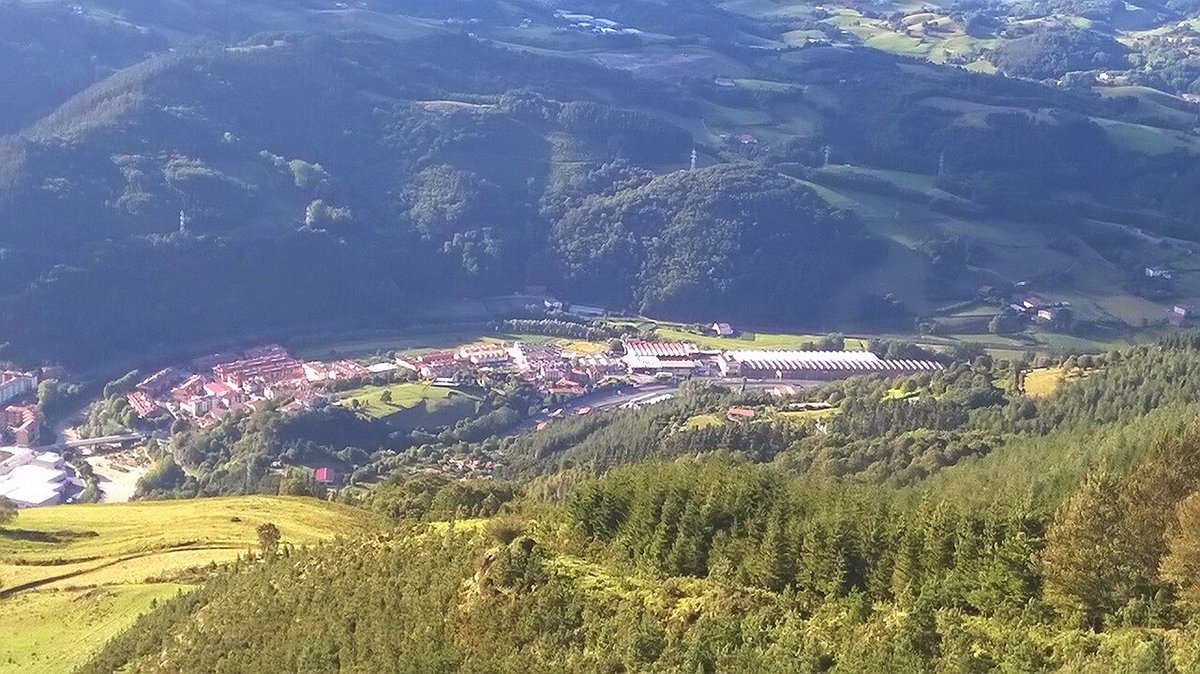
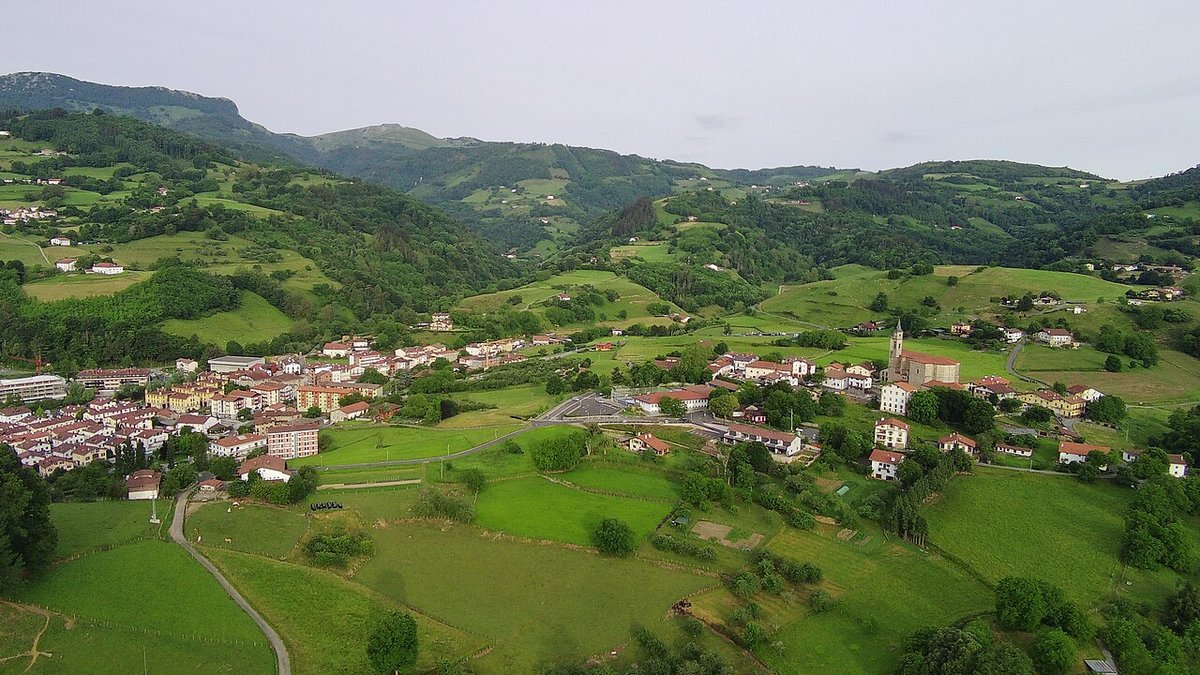
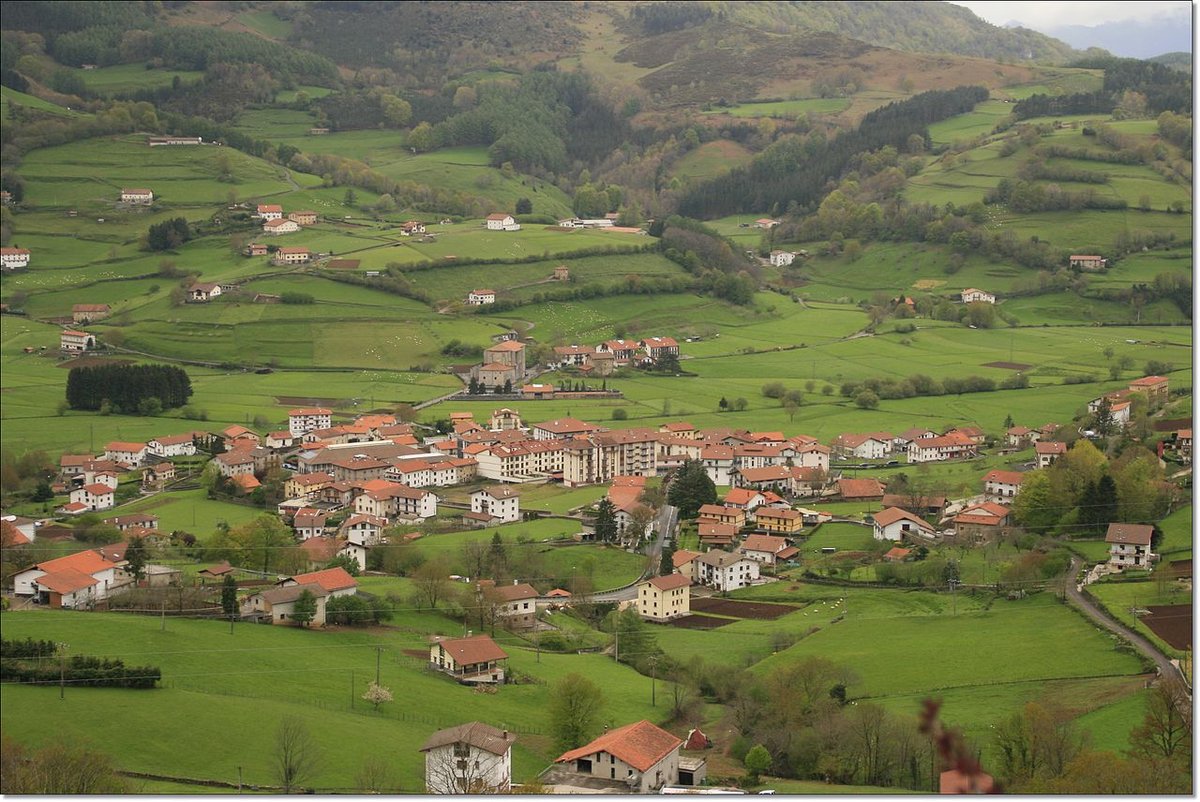
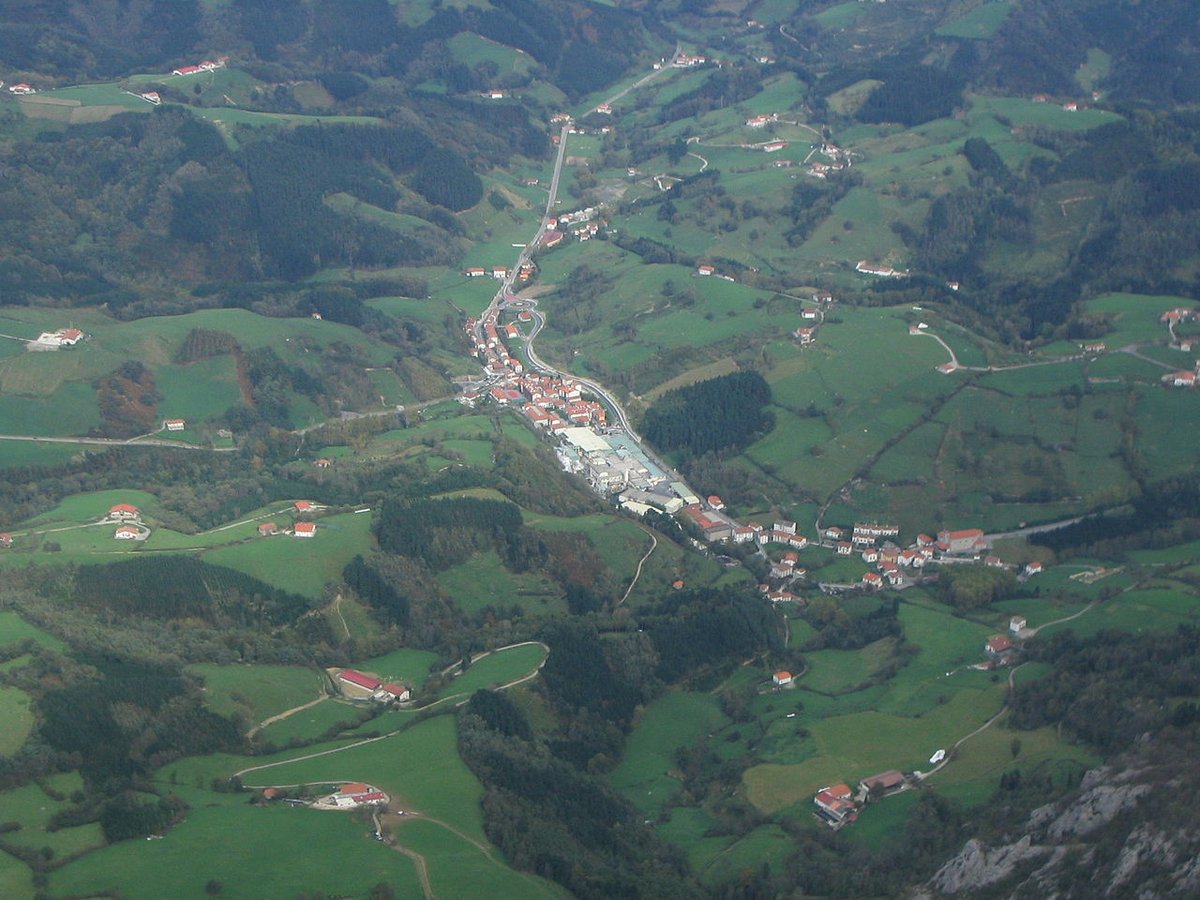
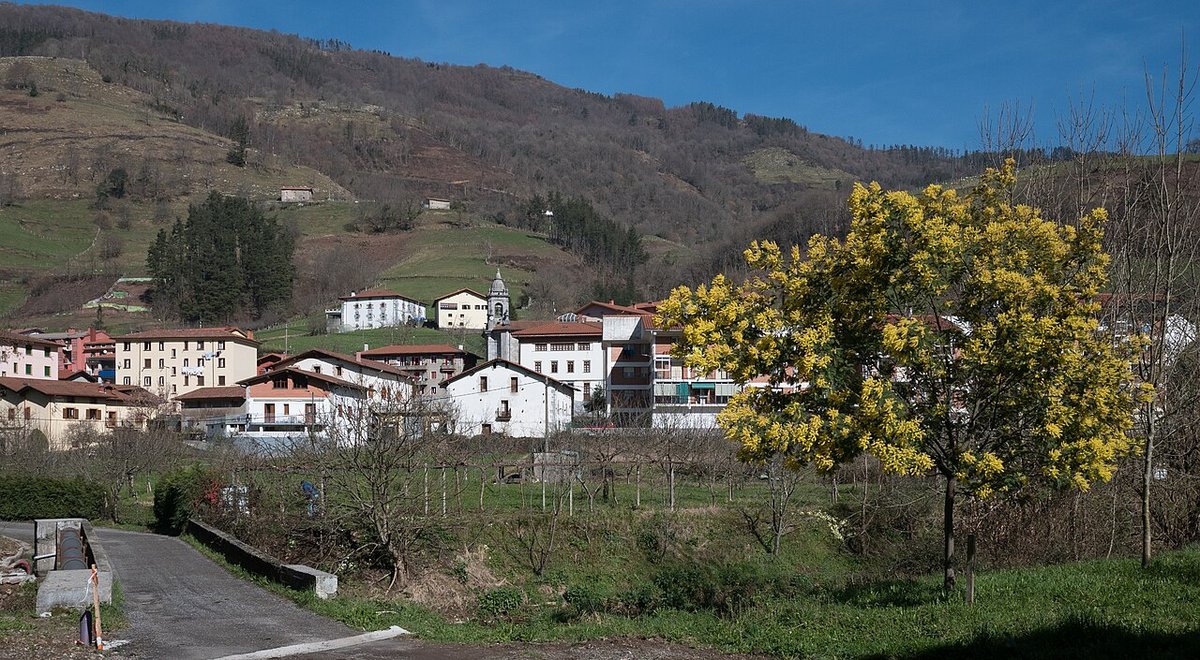
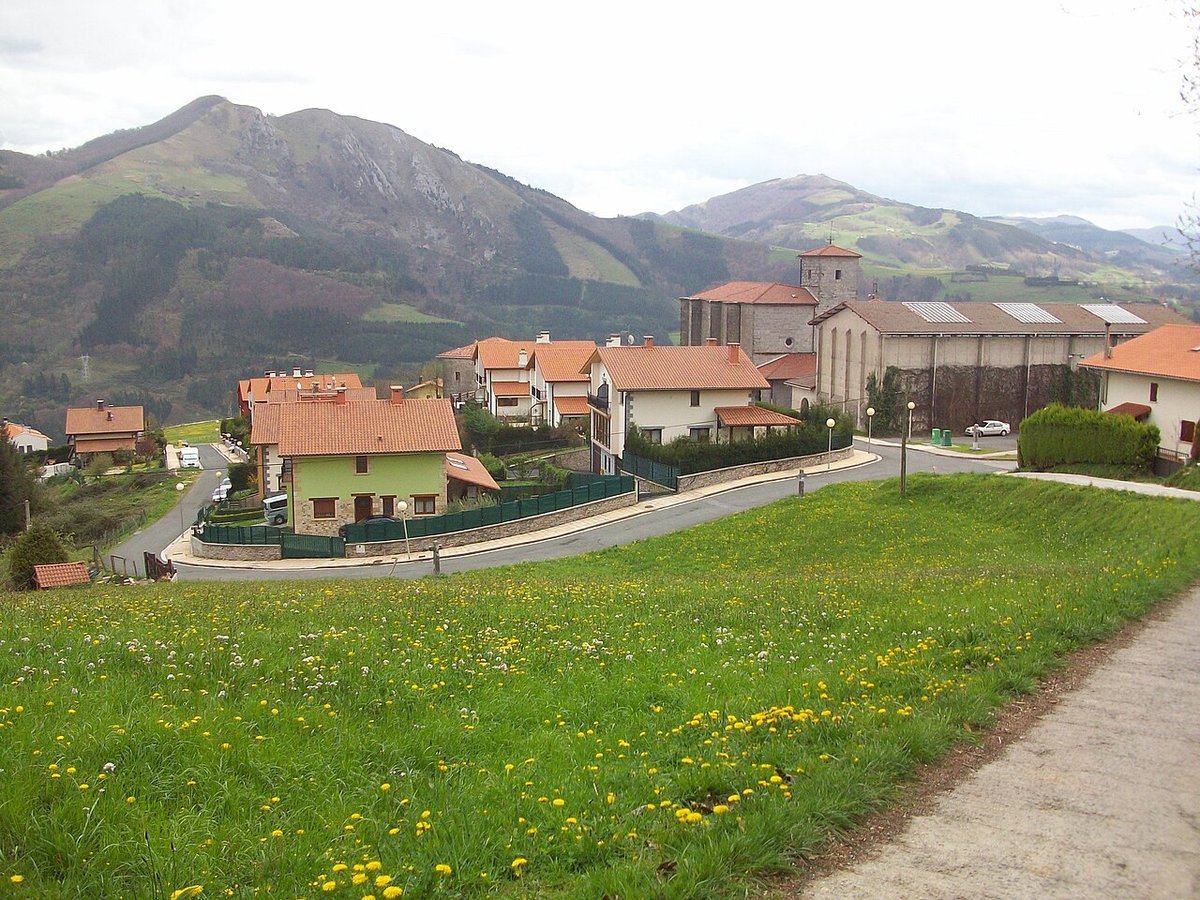
Deep green, farmhouses, nearby mountains with trails and viewpoints.

Ocultar artículo Leer artículo completo

The tractor comes first. Always. In Anoeta, this isn't countryside courtesy—it's survival. When a Massey Ferguson appears around a bend, you step onto the grassy verge and wait while it rumbles past with a nod from the driver. That's your introduction to a village where agriculture still dictates the timetable, not tourism.

Five thousand people live here, though you'd never guess it from a first glance. The houses scatter across folds of green, connected by lanes that dip and climb with the sort of gradients that make cyclists question their life choices. Anoeta sits twenty minutes south of San Sebastián, close enough for day-trippers to pop in, far enough that they usually don't.

The Church That Isn't Trying to Impress

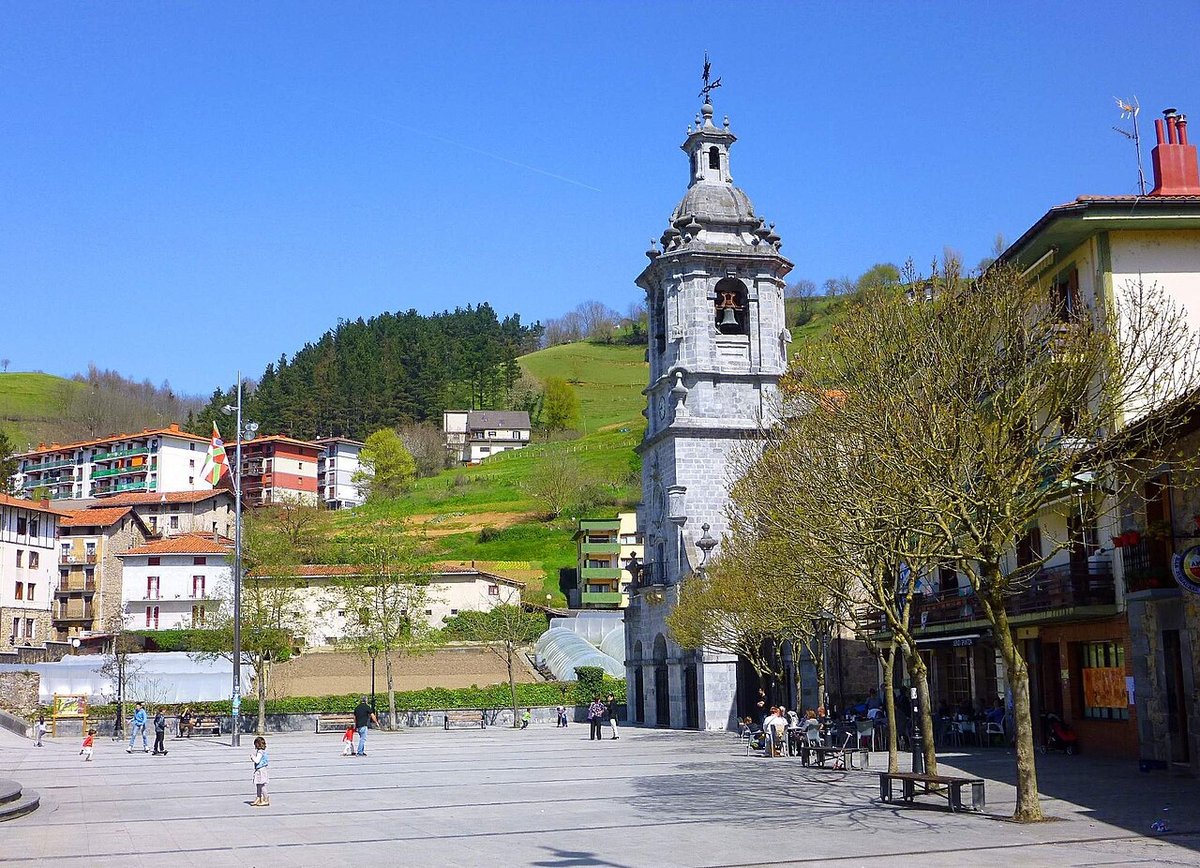
San Martín de Tours squats at the village centre like it's been there forever, which it has. The church won't wow anyone who's ticked off Burgos Cathedral or the Alhambra. No audio guides, no gift shop, no roped-off areas. Just thick stone walls, a bell that actually gets rung, and doors that stay open because nobody here thinks someone might nick the candlesticks.

Walk around the building and you'll spot the details that matter locally: a plaque commemorating the priest who stayed through the Civil War, initials carved into a wall by someone who clearly had time on their hands in 1892, geraniums exploding from balconies opposite. The square functions as Anoeta's living room. Old blokes occupy benches with the dedication of people who've earned their seat through decades of consistent attendance.

What Happens When Nobody's Looking

The frontón tells you more about Basque identity than any museum. This isn't decorative architecture—it's infrastructure. Come evening, the slap of pelota against wall provides the soundtrack while players argue about points with the passion of siblings. The game moves fast, the conversations faster, entirely in Euskera. Nobody translates. They don't need to. You understand through body language: the shrug that means "your call", the hand gesture that definitely doesn't mean "well played".

Behind the frontón, paths head into countryside that changes personality every few weeks. Spring brings neon-green grass and mud that'll swallow inappropriate footwear. Summer turns everything golden-brown, the air thick enough to chew. Autumn arrives with russet shades and sudden showers that send people sprinting for cover. Winter strips the hills to their bones, revealing stone walls that divide fields with the precision of someone who had plenty of time and zero tolerance for neighbours.

The Wrong Shoes and Other Errors

Let's be clear about practicalities. Anoeta doesn't do pavements. The roads narrow enough to make passing cars breathe in, and when it rains—frequently—the verges become brown rivers. Trainers with decent grip work; white shoes become abstract art within minutes. High heels? Save them for San Sebastián's old town, twenty kilometres north.

Parking requires similar realism. The village has spaces, but they're designed for locals who know exactly how much room they need. Block a gateway and you'll meet someone whose patience expired around the time their ancestors started farming this land. The farmer won't shout. He'll just stand there, keys in hand, waiting for you to realise why everyone else parked differently.

Beyond the Two-Street Rule

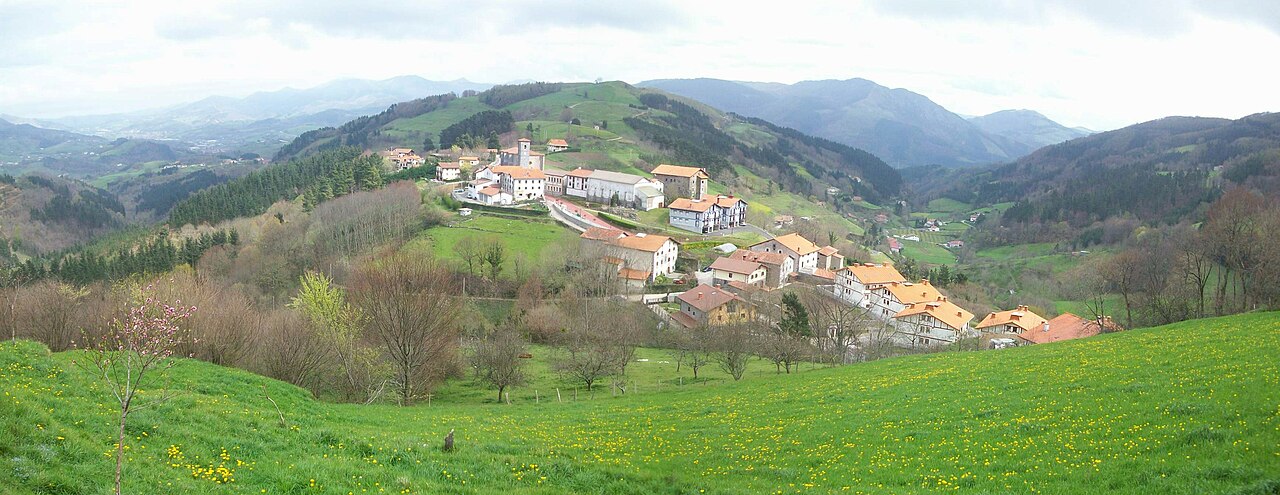
Anoeta's centre occupies roughly two streets. Walk them in ten minutes and you'll think you've seen everything. You haven't. The real village spreads across hillsides in neighbourhoods with names like Aitzeta and Goikoerrota, places where houses grow organically from the landscape. Stone meets wood meets corrugated iron in combinations that architects would call eclectic and locals call Tuesday.

Tracks between these scattered homes offer proper walking without the crowds that clog better-known routes. The GR-121 passes nearby, but most paths are simply how people reach their fields. Follow one upwards and you'll gain views across Tolosaldea, the rolling landscape that separates coast from mountains. On clear days, the Bay of Biscay appears as a silver sliver. More often, clouds perform their Basque speciality of appearing from nowhere, turning spectacular vistas into impressionist paintings.

When to Bother, When to Skip

April through June delivers the goods: temperatures that won't kill you, countryside that looks photoshopped, daylight lasting until respectable drinking time. September matches this pleasantness but adds harvest activity—tractors everywhere, the smell of cut grass, locals actually cheerful because summer tourists have departed.

July and August get sticky. The Atlantic brings humidity that makes walking feel like swimming through warm soup. Every Basque person with sense heads for the coast, leaving Anoeta quieter but somewhat sterile. December and January offer the opposite problem: beautiful light, empty paths, but darkness arriving before you've digested lunch. February? Just don't. The rain doesn't fall—it attacks horizontally while wind provides commentary.

Getting Here Without the Drama

The N-1 connects San Sebastián with Tolosa, passing Anoeta's turn-off. Driving takes twenty minutes from the coast, though GPS occasionally panics at the final junction. Public transport exists but operates on Basque time—frequent enough to be useful, sporadic enough to require planning. The last bus back to San Sebastián leaves early enough to disappoint anyone expecting Spanish late-night schedules.

Cyclists face the eternal Basque question: why does every road go upwards? The answer involves geology and sadism. Roads from the coast climb steadily for ten kilometres. They're not Alpine monsters, just persistent. Your legs will notice. E-bikes suddenly seem less like cheating, more like intelligence.

The Reality Check

Anoeta won't change your life. You won't tick off world heritage sites or dine at Michelin-starred tables. What you get instead is Basque Country without the filter—where grandmothers still wear black, where bars serve wine from barrels rather than bottles with fancy labels, where the barman switches to Spanish not because he's polite but because he recognises your limitations.

Stay for coffee and tortilla at the single bar that opens reliably. The tortilla arrives thick, heavy on potatoes, served with bread that costs extra because that's how economics works here. Drink it watching locals conduct the daily business of village life: discussing whose cow escaped, arguing about football, planning whose turn it is to organise the next festival.

Then leave. Anoeta functions perfectly well without visitors and makes this abundantly clear. The village offers a glimpse into lives that continue regardless of tourism trends, Instagram moments, or whether travel writers turn up. That authenticity isn't marketed—it's simply what remains when nobody's trying to sell you anything.

Drive away, past the tractor that definitely has right of way, and you'll understand: some places don't need to be destinations. They just need to keep existing, doing their thing, while the rest of us occasionally remember that real life happens where guidebooks fear to tread.

Key Facts

Region
País Vasco
District
Tolosaldea
INE Code
20010
Coast
No
Mountain
Yes
Season
summer

Livability & Services

Key data for living or remote work

2024
ConnectivityFiber + 5G
TransportTrain nearby
HealthcareHospital
EducationHigh school & elementary
Housing~6€/m² rent · Affordable
CoastBeach nearby
Sources: INE, CNMC, Ministry of Health, AEMET

Official Data

Institutional records and open data (when available).

  • Iglesia de San Juan Bautista (Anoeta)
    bic Monumento ~0.1 km

Planning Your Visit?

Discover more villages in the Tolosaldea.

View full region →

More villages in Tolosaldea

Traveler Reviews