Full Article
about Asteasu
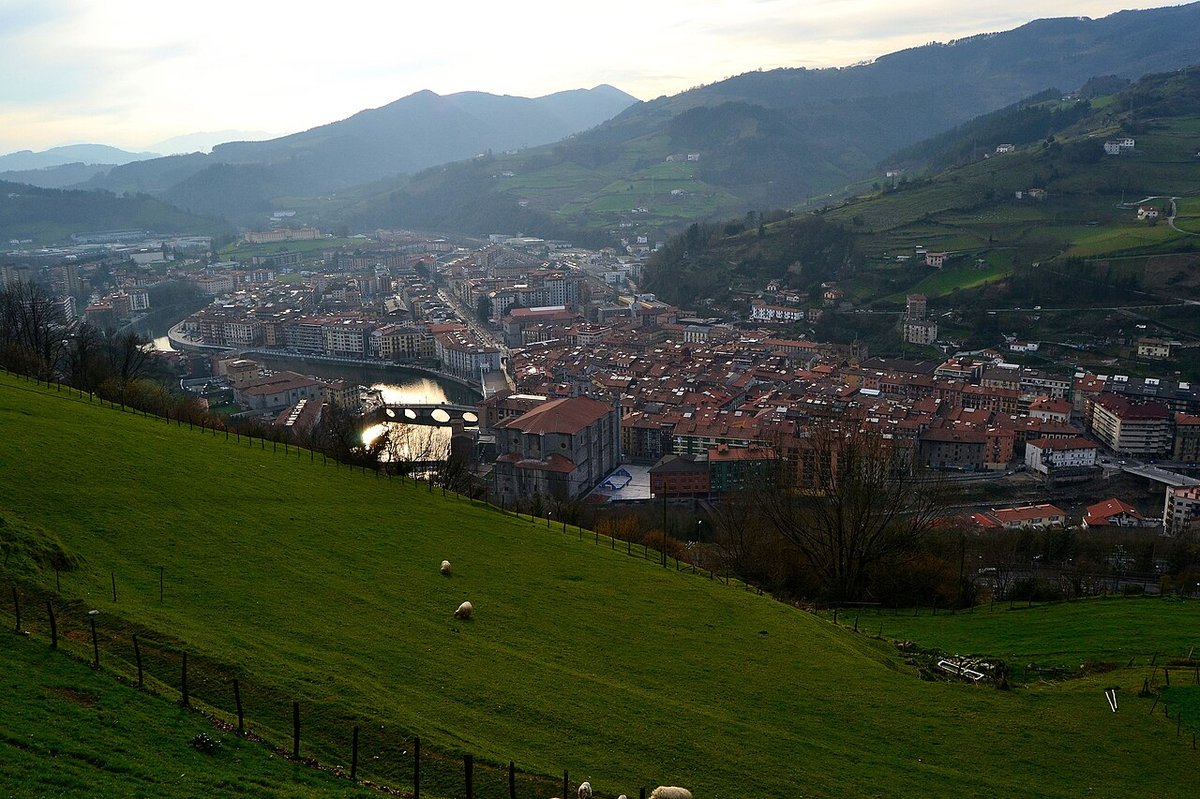
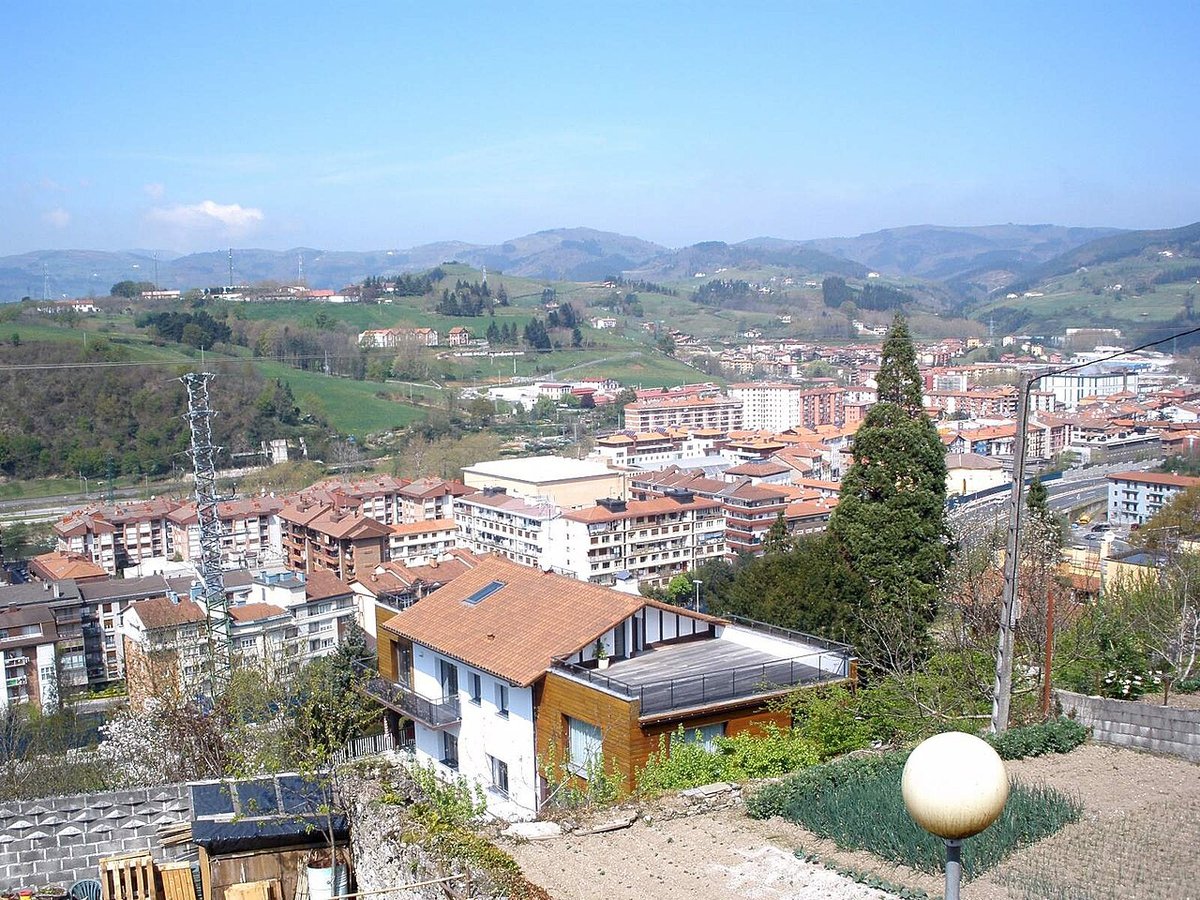
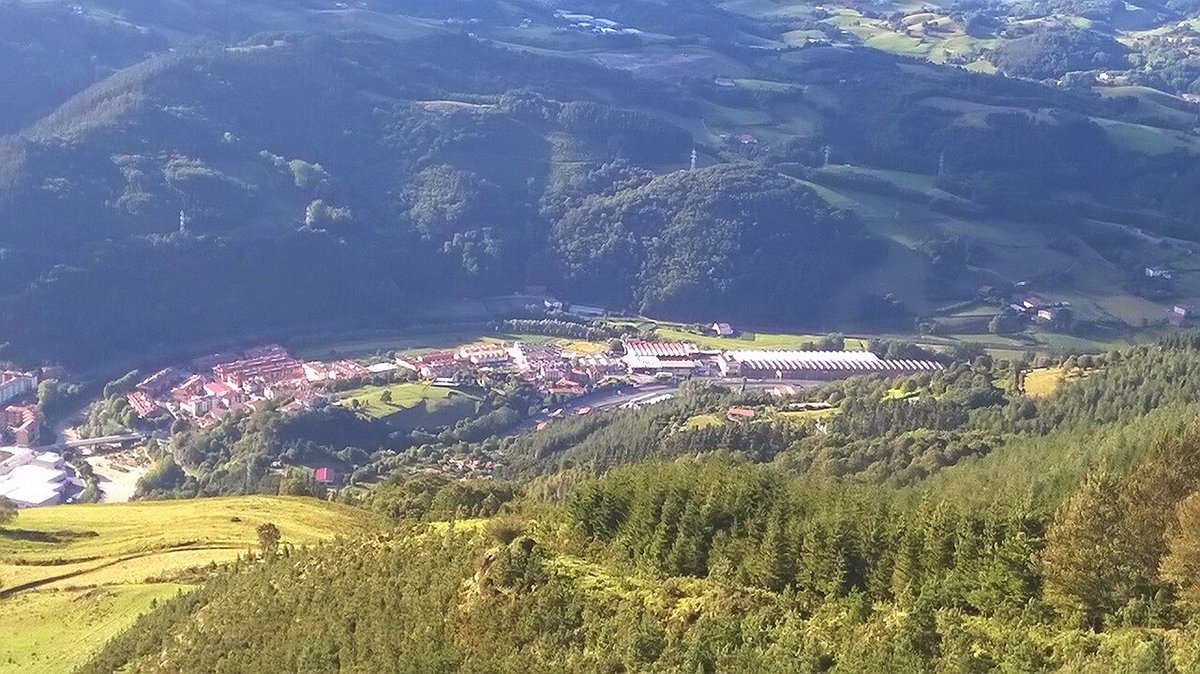
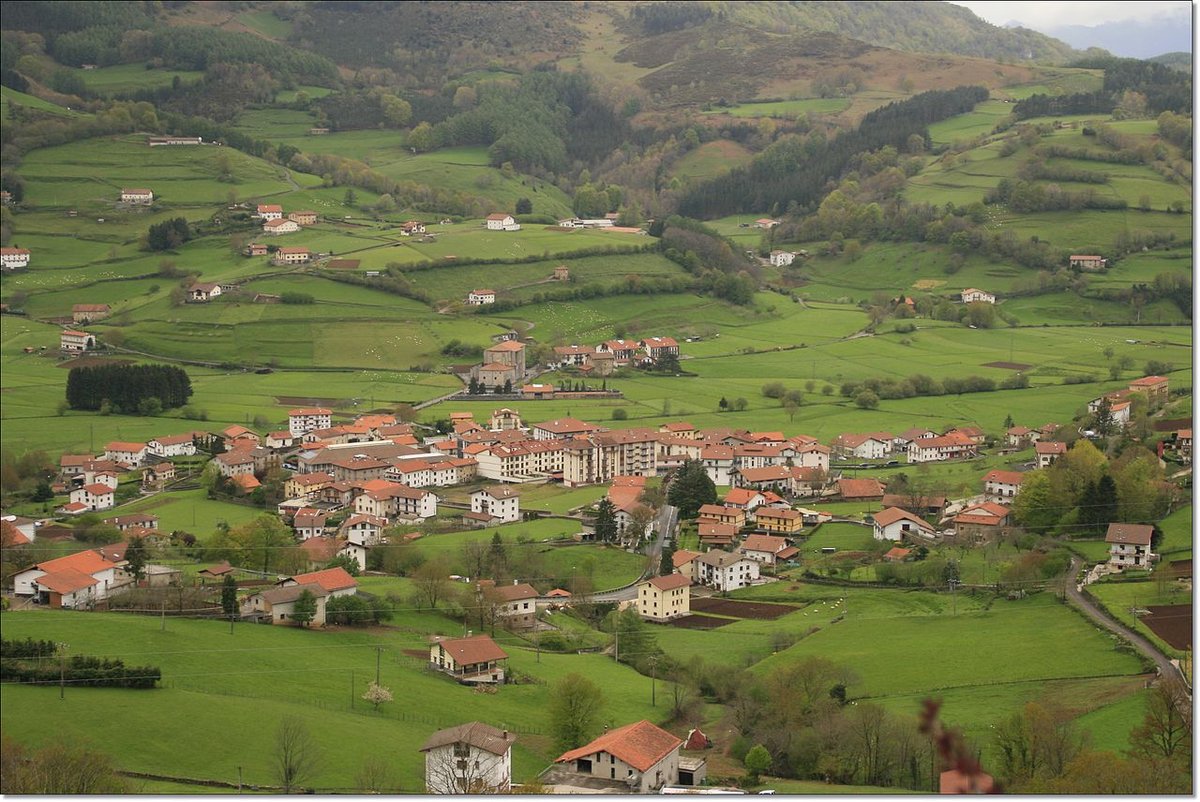
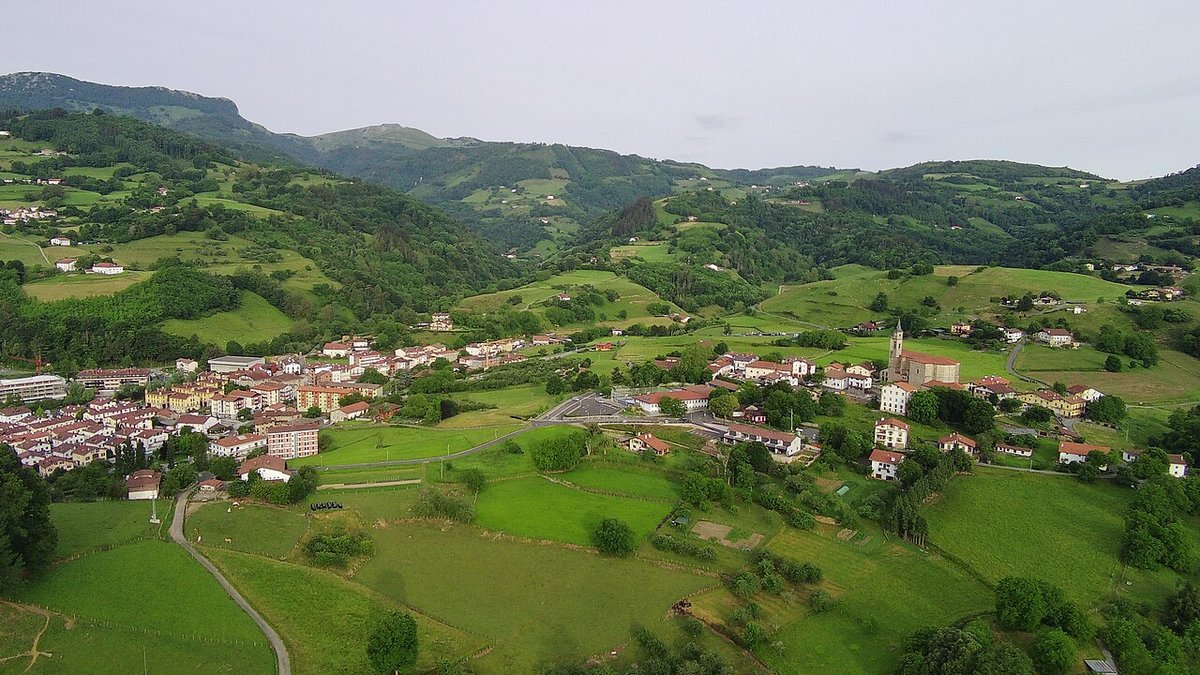
Deep green, farmhouses and nearby mountains with trails and viewpoints.
Ocultar artículo Leer artículo completo
Morning Fog and Cows in Church Square
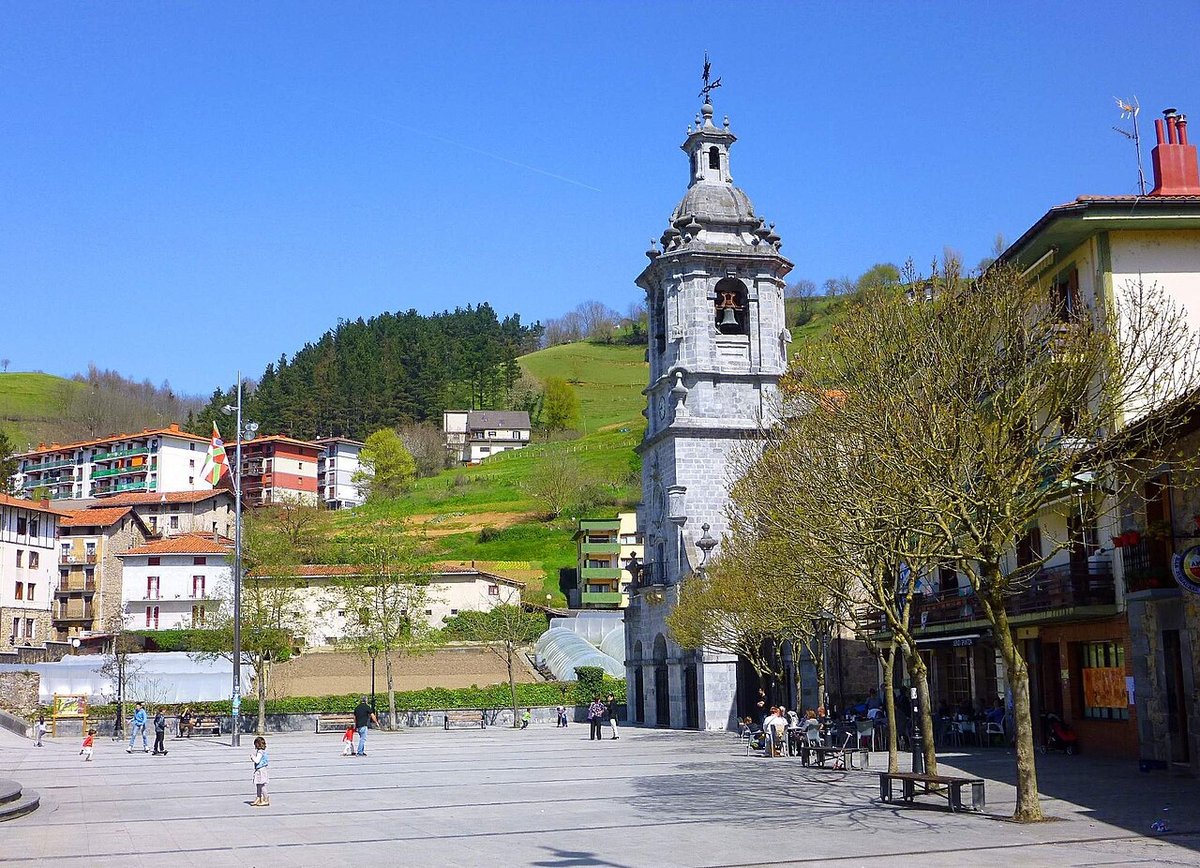
At 07:43 the church bell in Asteasu strikes once, not because the clock is wrong but because there is no seven-thirty. The dairy lorry is already idling beside the stone trough, steam rising from its cab while the driver rolls a cigarette and waits for a farmer who appears in carpet slippers, swinging two aluminium milk cans that catch the first real light of day. This is how the village wakes: not with sunrise yoga or espresso machines but with the low clank of full cans and the smell of cattle cake drifting across the plaza.
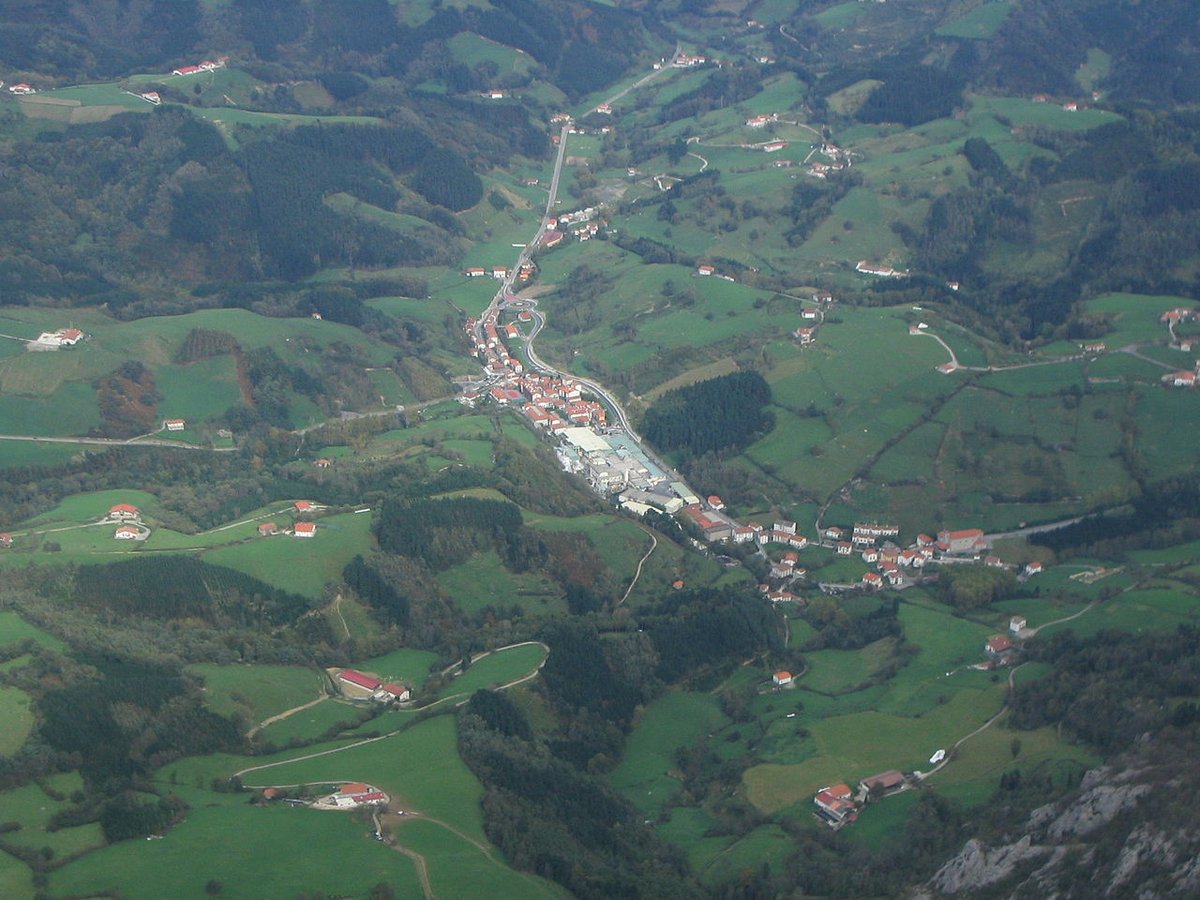
Asteasu sits 170 m above sea level on a ridge between the Oria and Leitzaran valleys, low enough to dodge the worst Atlantic weather yet high enough for views that slide west to the limestone wall of Aizkorri. The difference is noticeable: Bilbao may swelter at 32 °C while here the breeze stays cool and the grass keeps that intense, almost aggressive green Basque farmers insist is a colour you can grow. In winter the altitude turns the same breeze sharp; if snow reaches the coast once every five years, Asteasu usually sees a dusting that lingers long enough to make the lanes slithery until lunchtime.
Stone Houses That Work for a Living
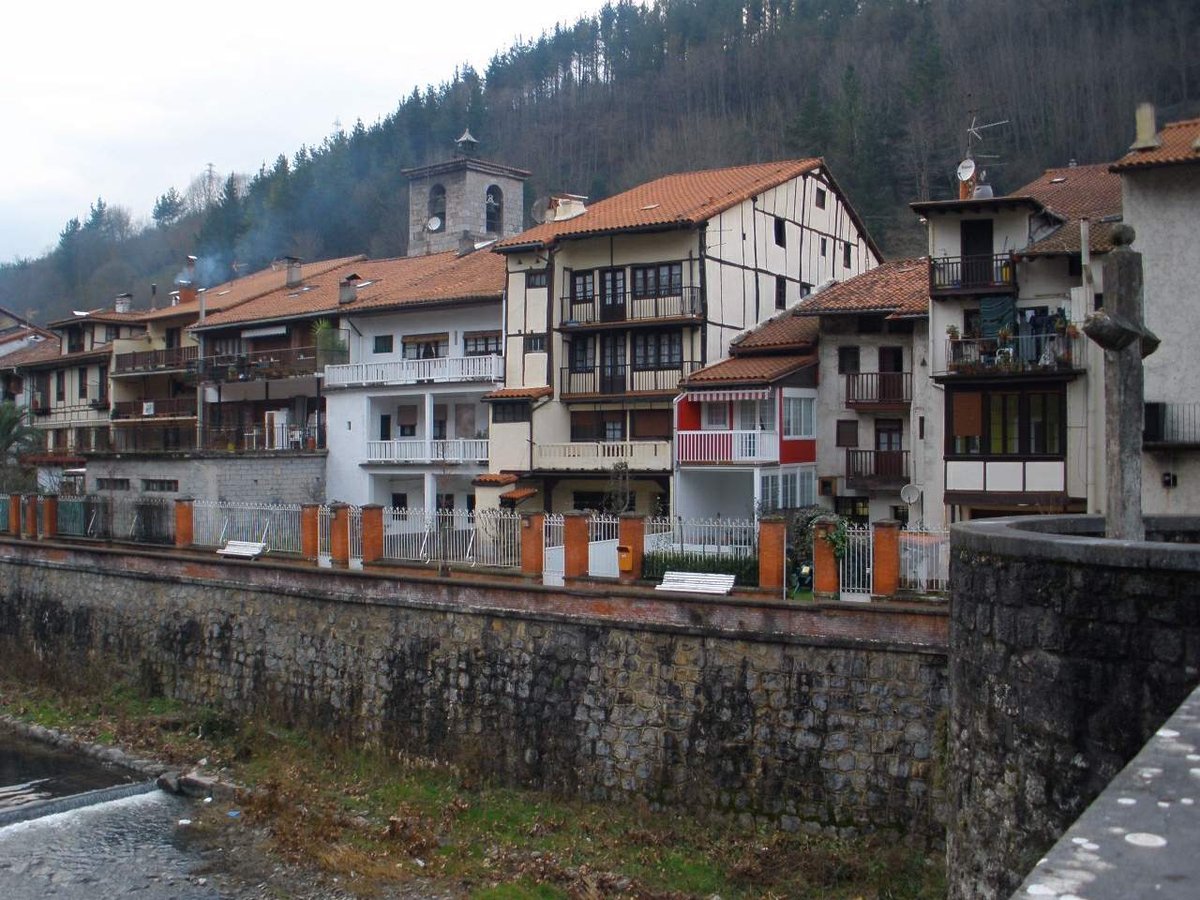
The caseríos are not museum pieces. Their balconies sag under modern PVC water butts, satellite dishes cling to medieval eaves, and every second façade has a brand-new roller door punched through the stonework for the tractor. Walk up Kale Nagusia and you pass Bastero, a 1698 farmhouse whose inhabitants still slaughter their own pigs in December; the blood runs down a sloped granite slab into the gutter, exactly as it did three centuries ago. The only visible concession to tourism is a tiny hand-painted sign reading “Txistorra ona, 12 € kg” – good cooking sausage, ring the bell – yet visitors rarely stop because the village doesn’t appear on the sausage-trail blogs.
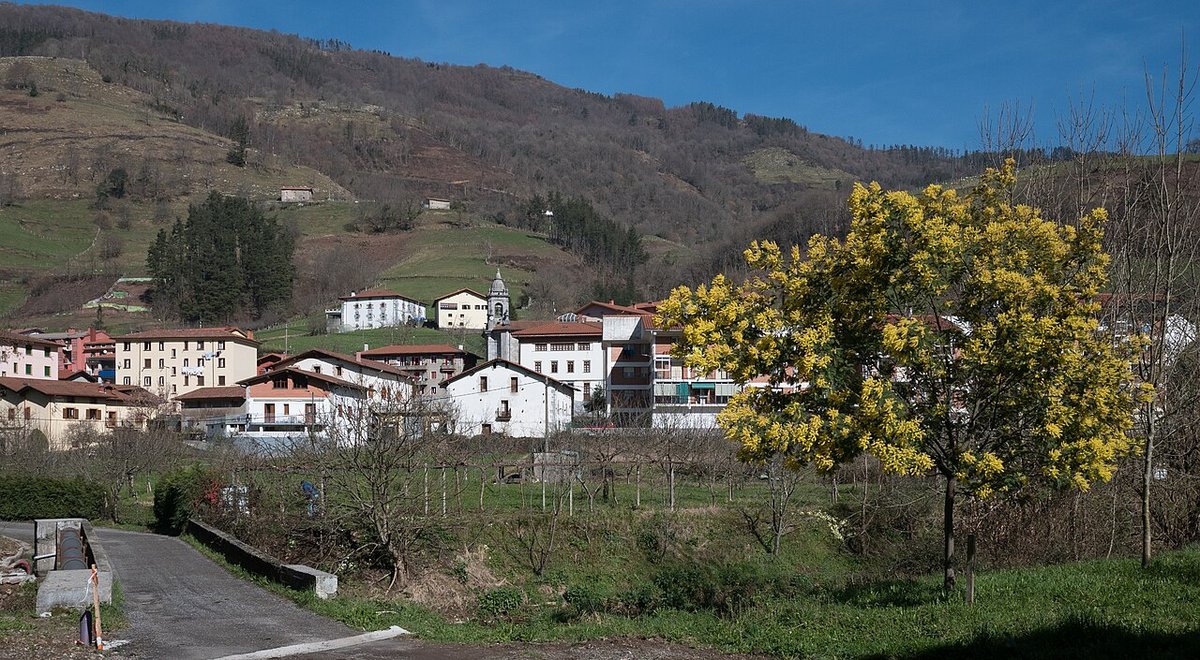
San Martín church keeps the same pragmatic mood. The south doorway is Romanesque, the tower is eighteenth-century, the interior was last re-ordered in 1972 when someone thought olive-green paint was a good idea. Step inside on a weekday and the lights are off to save electricity; coins in the box buy thirty seconds of fluorescent glare, enough to notice the nineteenth-century organ still labelled “Manufactura Gernika”. If the door is locked, which happens when the sacristan cycles to Tolosa for bread, the porch gives shelter and a wooden bench where village men sit to debate football transfers at voices pitched just below the bell rope.
Tracks That Turn Into Tracks
Asteasu’s real sight is the lattice of farm lanes that unspool from the centre like spokes. They are marked “PR-Gi 203” on maps but locally known by the hamlets they reach: Olalde, Iraeta, Zinkoenea. None climbs above 300 m, so the walking is gentle, but gradients are sneaky: a lane that looks flat can still leave calves burning after three fields. The council grades them “MTB friendly” yet forgets to mention the cattle grids; skinny tyres hate the gaps.
Spring brings the best conditions. Foxgloves appear in May hedgerows, meadows are cut twice before July, and the air smells of wet earth rather than the stronger autumn scent of rotting chestnuts. An easy hour-long circuit heads west past the disused tobacco-drying barns of Amezketa, then loops back along the Leitzaran river where kingfishers flash under the brick railway viaduct. In October the same path turns glutinous; Basque red clay sticks to boots like melted chocolate and the viaduct arches echo with shotgun reports as hunters aim for wood pigeon.
Public transport works, barely. The Tolosa–Asteasu bus leaves the regional capital at 08:10, 13:10 and 18:40, costs €1.65, and finishes the 12 km in twenty minutes unless the driver stops to chat with every auntie at the roadside. The return timetable is identical, so day-trippers have three choices: long lunch, very short stroll, or overnight. Sunday service is axed completely; miss the last bus and a taxi is €28 before 22:00, €35 after.
What You’ll Eat and What You Won’t
There is no restaurant in the village centre. The closest proper dining is Iturri Ondo, a farmhouse converted into a sidrería ten minutes down the hill towards Tolosa. Weekday menu del día is €18 including bottled cider poured from shoulder height by waiters who refuse to make eye contact; the salt-cod omelette arrives sizzling in its own mini skillet and is worth the detour. Otherwise, stock up in Tolosa before you arrive: the only grocery in Asteasu opens 09:00-13:00, sells UHT milk, tinned tuna and little else, and closes early if the owner decides to watch her grandson play pelota.
That said, Thursday is txuleta night in the social club opposite the frontón. Locals fire up an outdoor grill made from an old plough disc; outsiders are welcome but must sign a clipboard and pay €15 cash for a plate of charcoal-seared rib steak, half a baguette and as much wine as you can pour from the communal jug. Vegetarians get a larger portion of peppers and sincere apologies that everything has shared the same grill since 1987.
When the Silence Gets Noisy
August fiestas last four days and triple the population. Brass bands march at 02:00, teenagers set off fireworks from the church steps, and someone always drives a quad bike into the fountain. Accommodation disappears faster than you can say “San Martín”, so unless you have cousins in the valley book early or stay away. November brings the pig fair: animals auctioned in the square, cider flowing by ten in the morning, prices negotiated with handshakes sealed by slaps on the back. Both events are friendly but insider; expect to be offered drinks, also expect conversations to switch to Basque the moment politics surfaces.
Winter is quieter, sometimes too quiet. January fog can park itself for a week, headlights on at midday, the church bell muffled by damp air. Snow is rare but ice is not; the steep lane to Iraeta becomes a toboggan run that even locals avoid after dark. If you do visit then, bring shoe chains and a thermos – the bus still runs, the driver still waves, but the tobacco barns look like prison blocks and the river path is ankle-deep in leaf sludge.
Leaving Without a Souvenir
Asteasu will not sell you a fridge magnet. The bakery vanished in 2004, the craft shop never existed, and the village website hasn’t been updated since someone discovered Facebook. What you can take away is the sound of cowbells drifting through open bedroom windows at dawn, the sight of hay bales wrapped in recyclable white plastic like giant marshmallows, and the realisation that rural Basque life is neither postcard nor poverty but a working equilibrium between stone, grass and weather. Catch the 13:10 bus back to Tolosa, wipe the clay from your boots before the driver scolds you, and the ridge will shrink in the rear window until only the church tower remains, still striking the quarters for tractors no one bothered to photograph.