Full Article
about Baliarrain
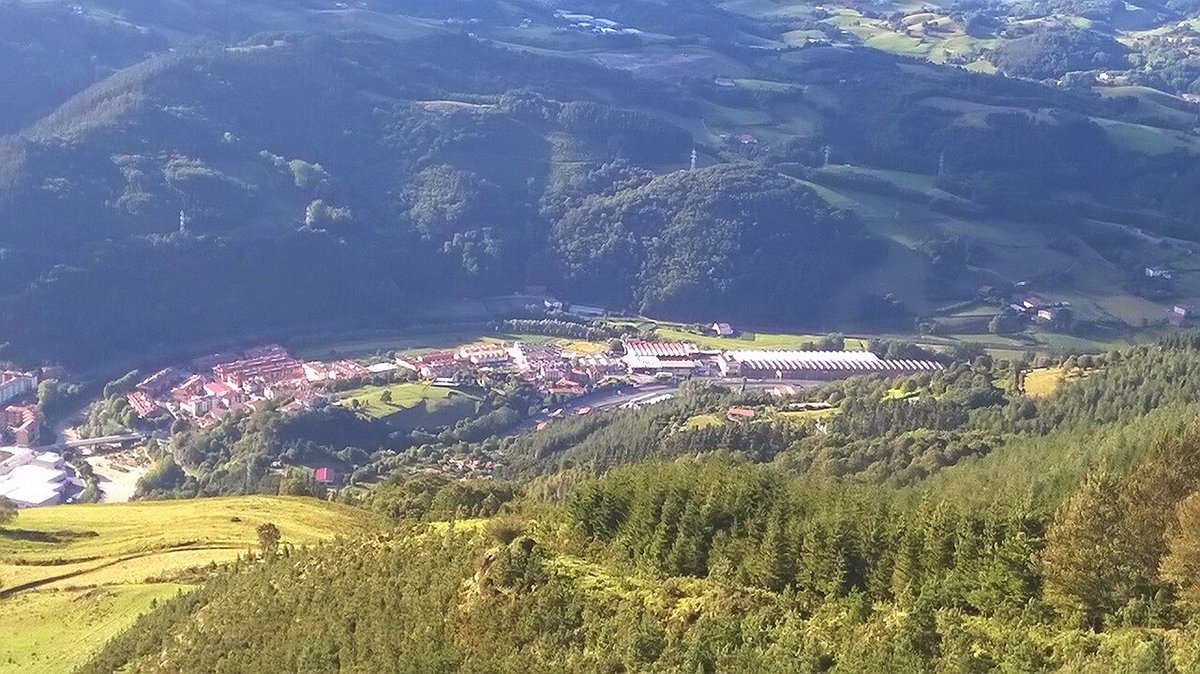
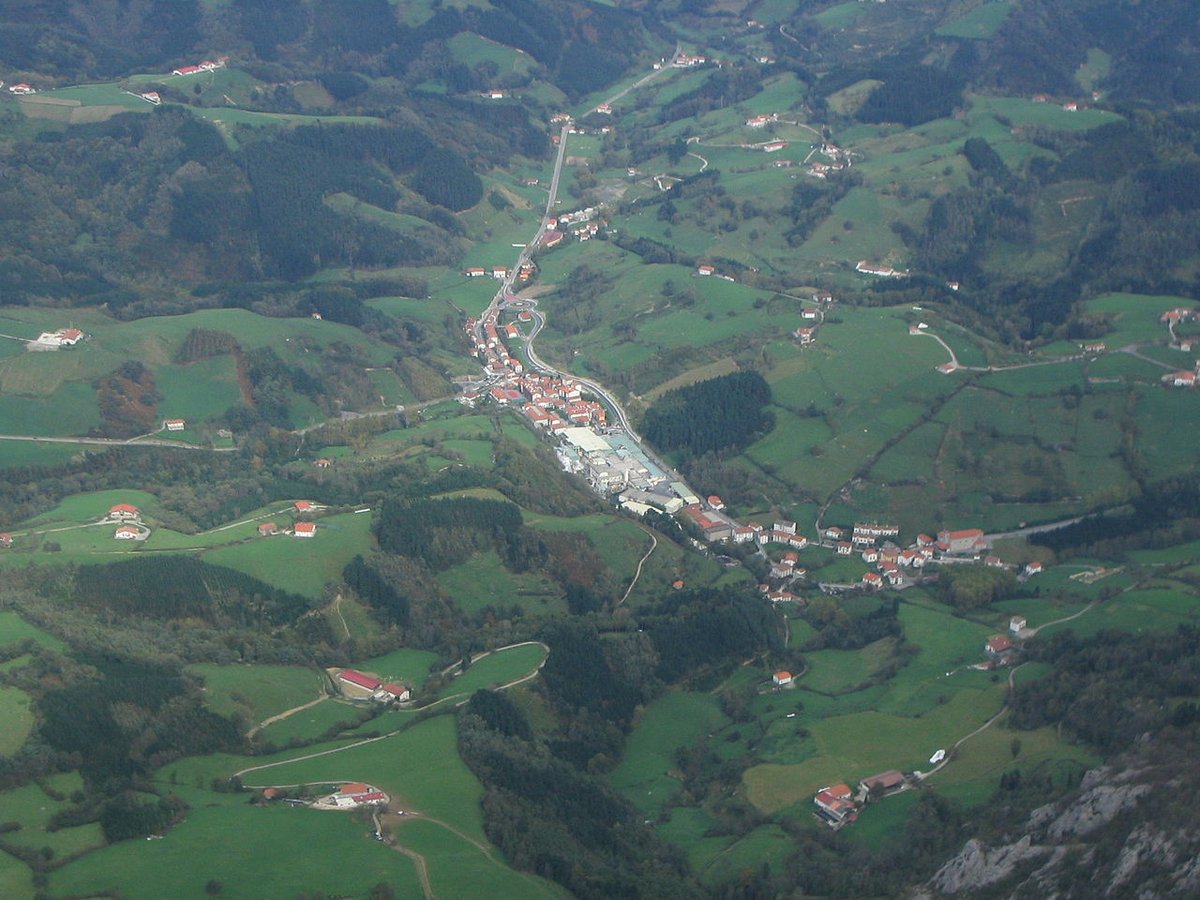
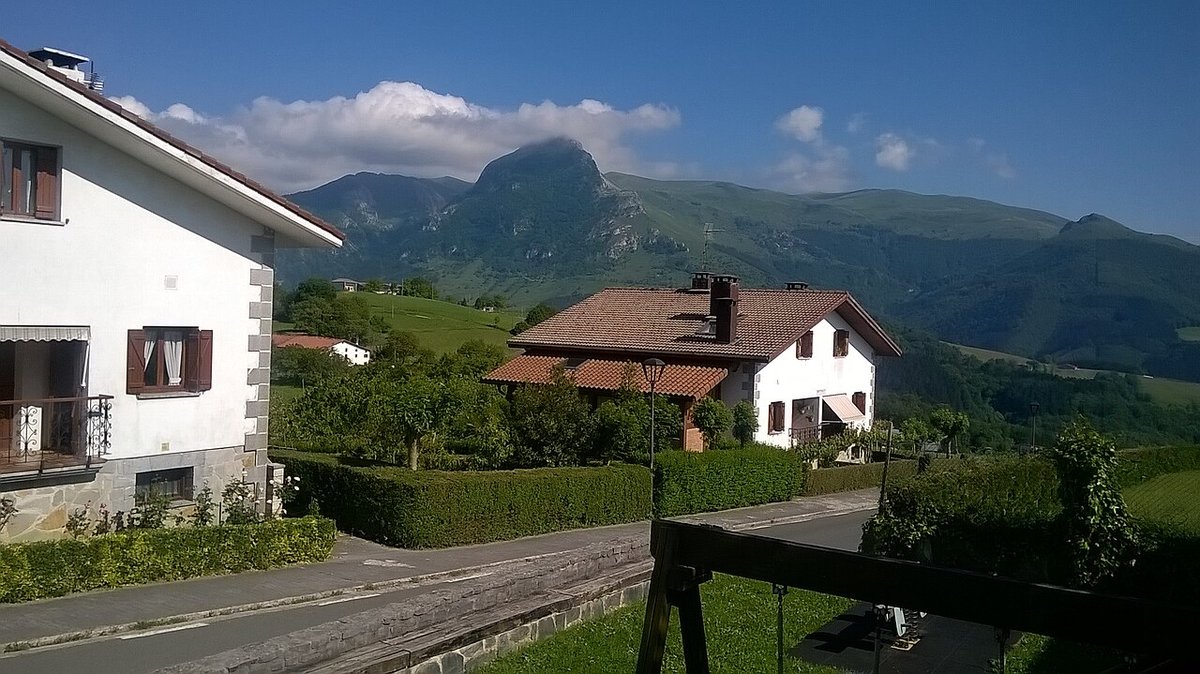
Deep green, farmhouses, nearby mountains with trails and lookout points.
Hide article Read full article
Parking and a quick look around
Drive into Baliarrain, find a spot along the main street without blocking any driveways, and leave the car. That's it. The village has 152 inhabitants and you'll cover it on foot in under an hour. There's no visitor parking.
Come by bus if your schedule matches the sparse service; otherwise, you need a car. Start from the upper part of town on a clear day to see the lay of the land first.
A hillside village in working order
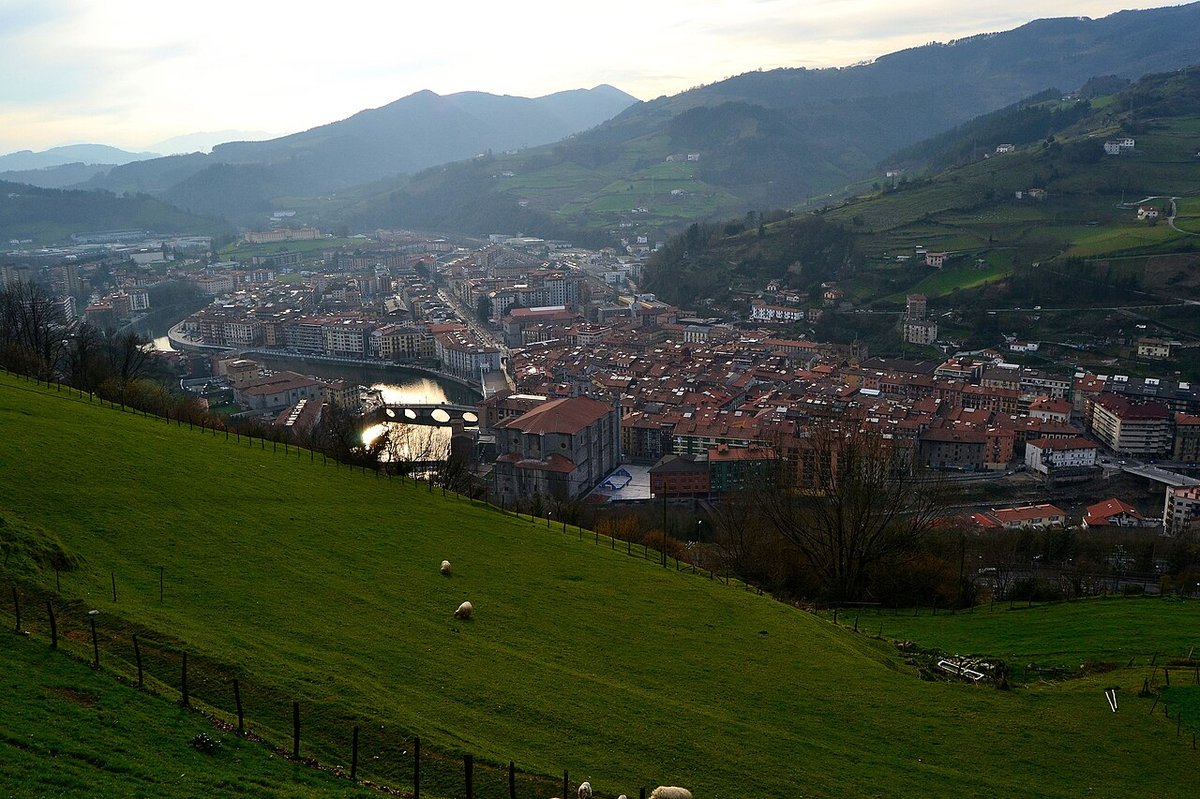
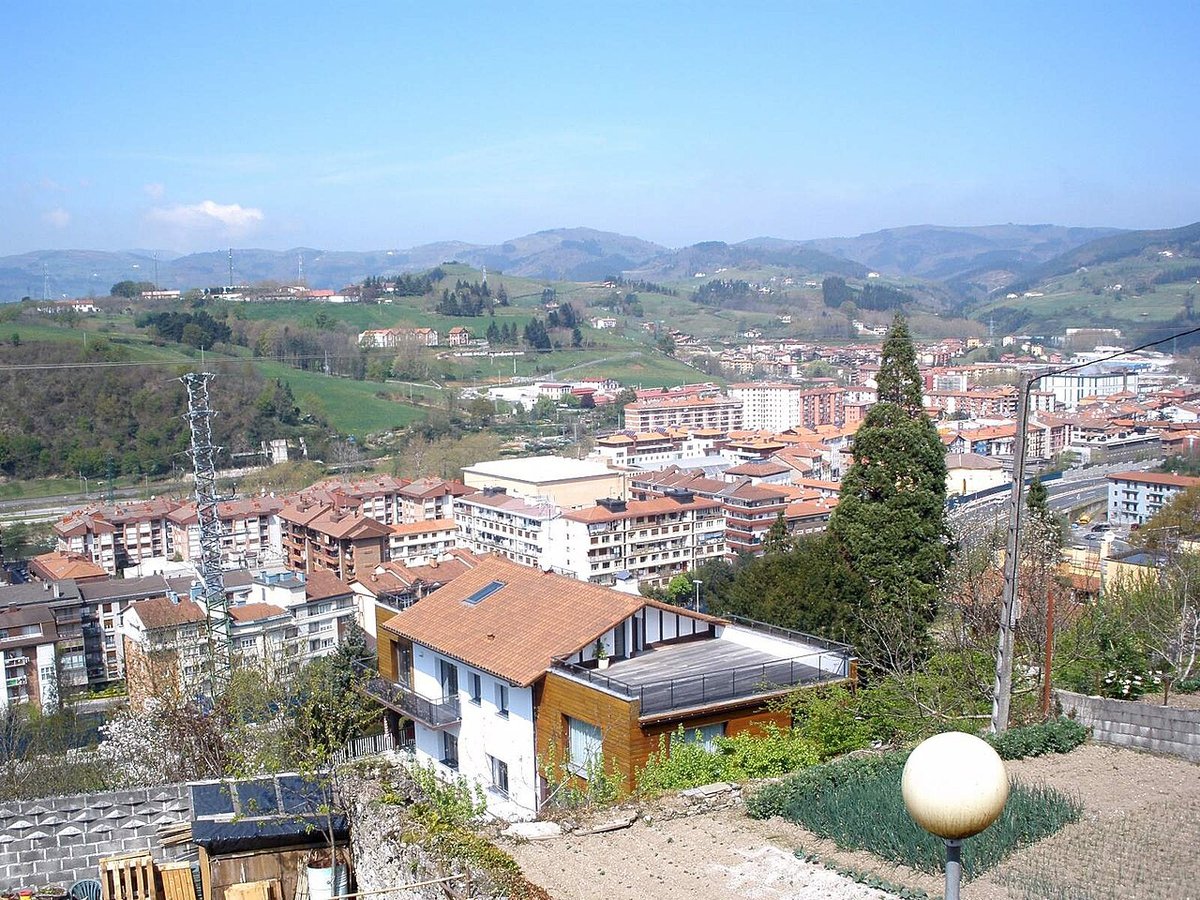
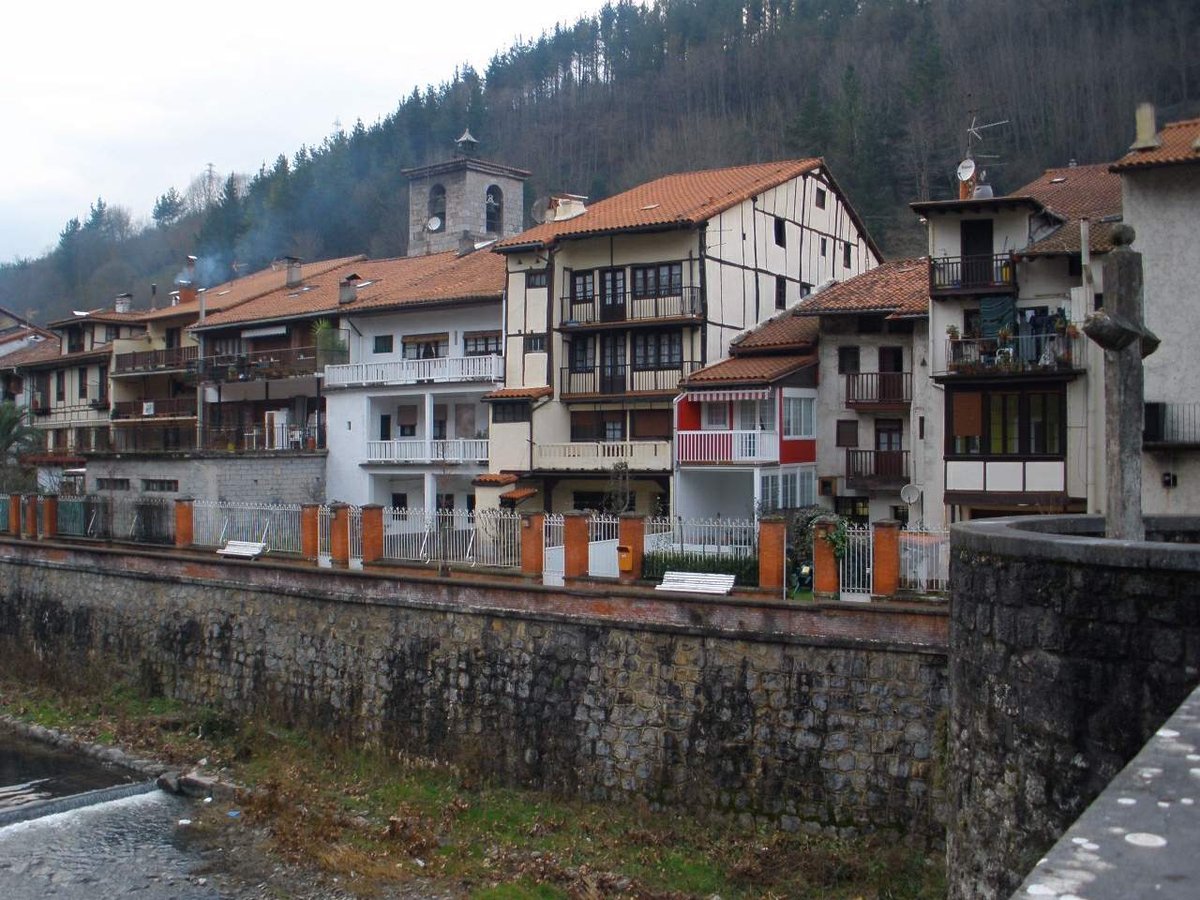
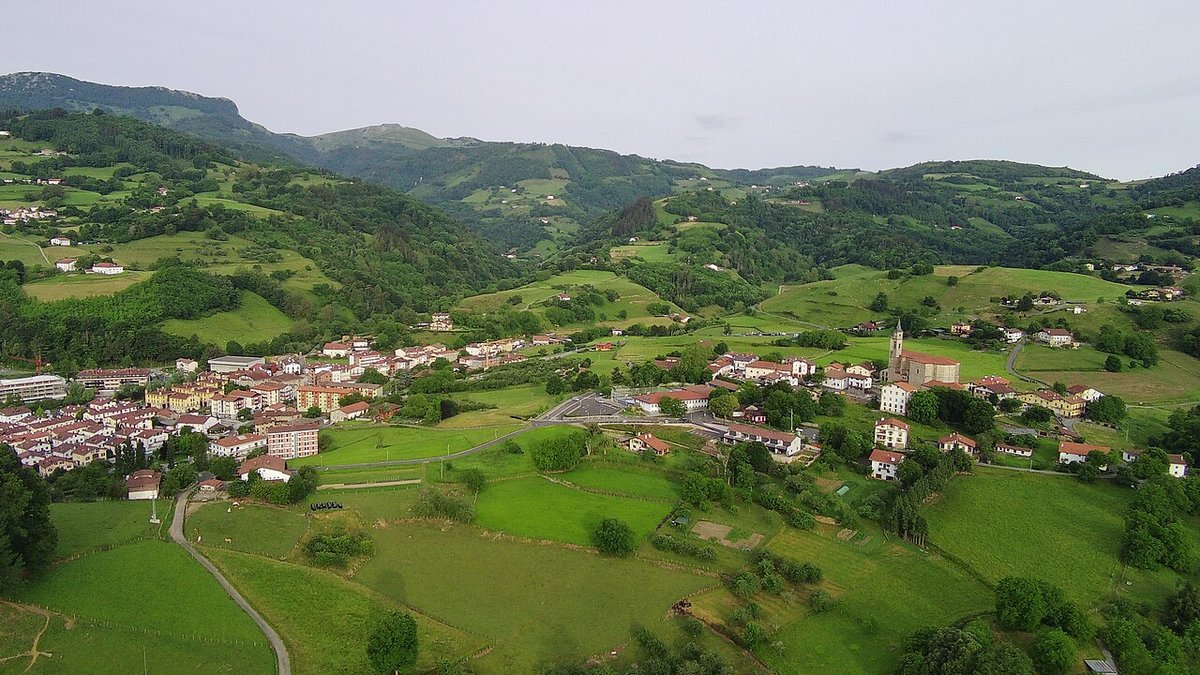
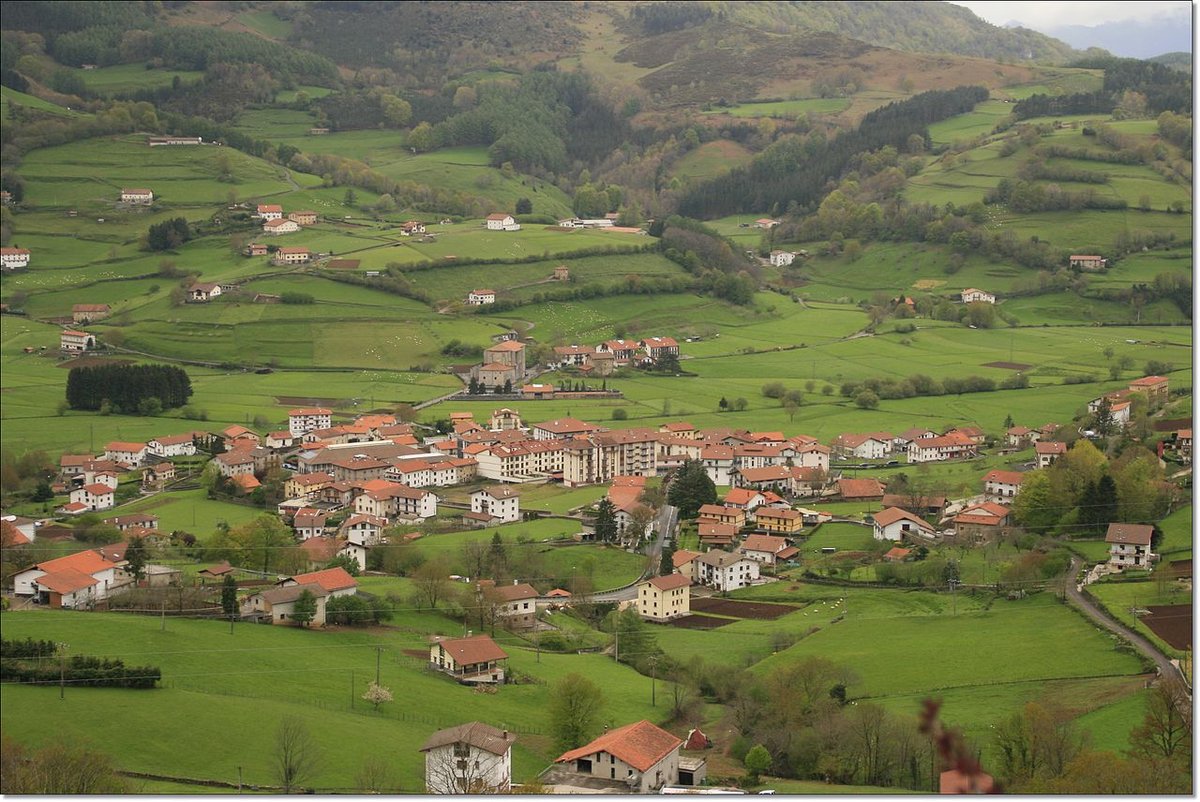
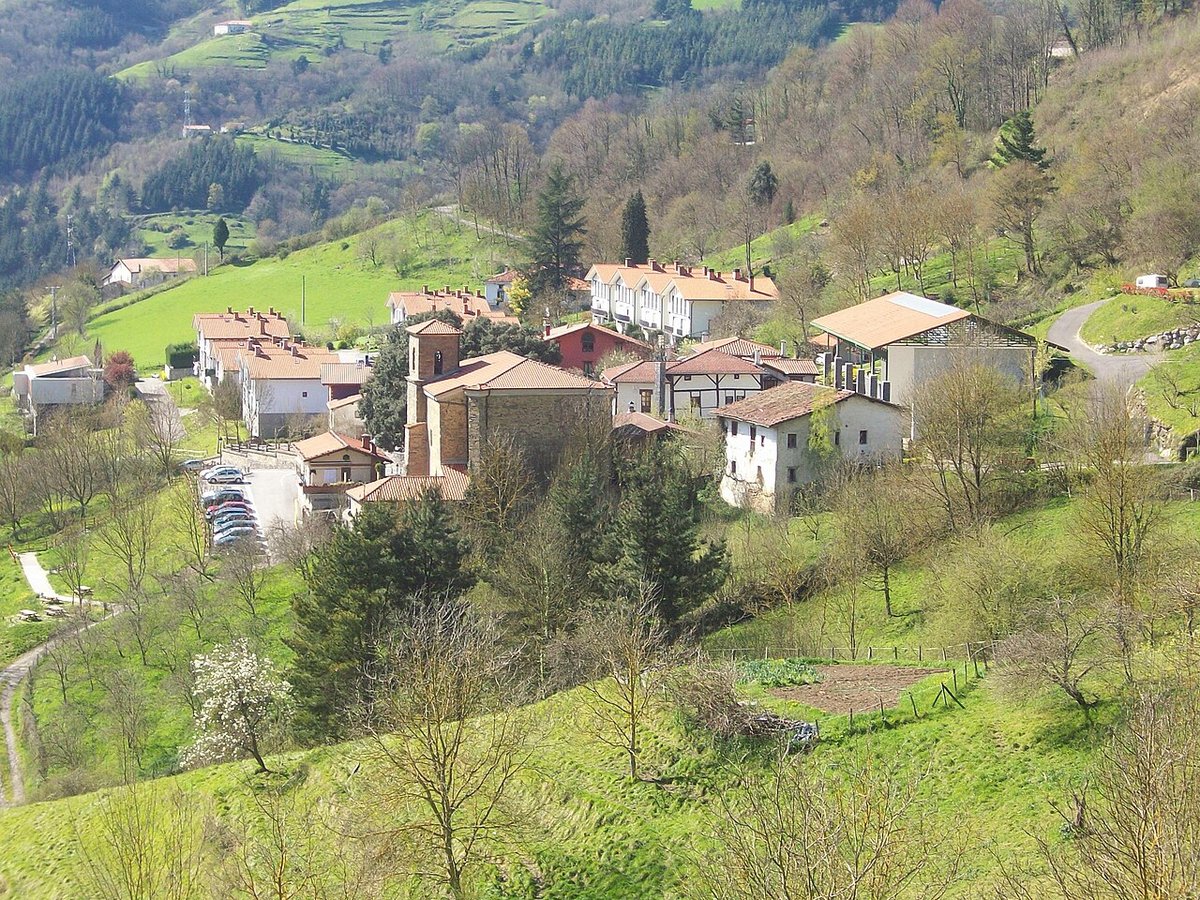
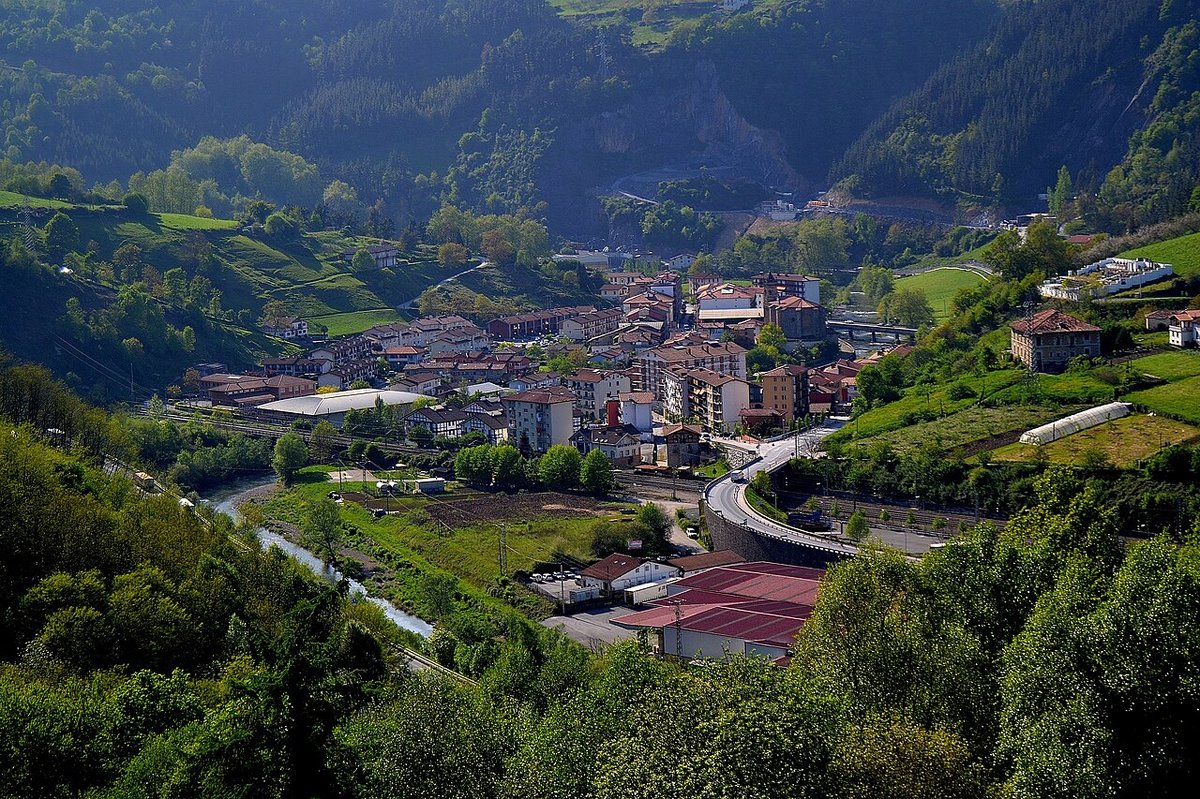
Baliarrain is built on a slope in Gipuzkoa's Oria valley. The layout is orderly: lines of houses following the incline, minimal traffic. It feels like what it is—a functioning agricultural community.
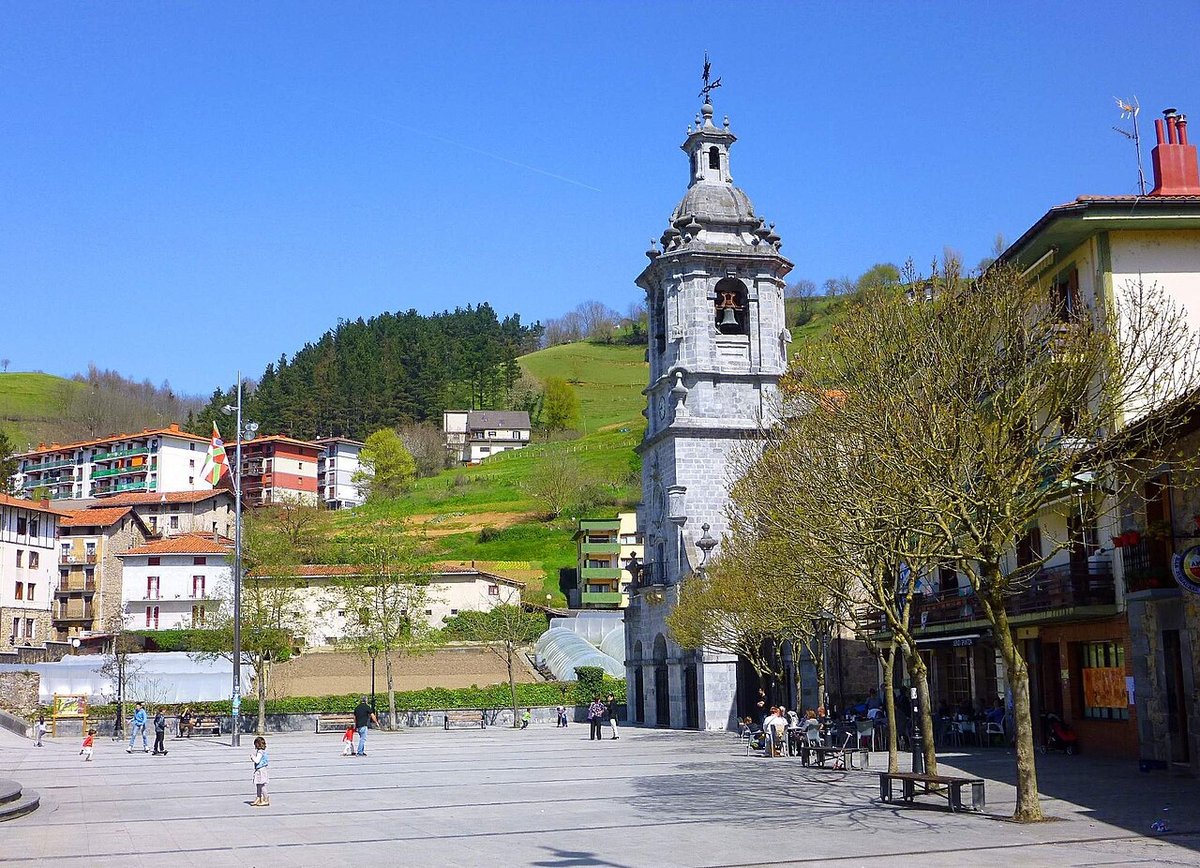
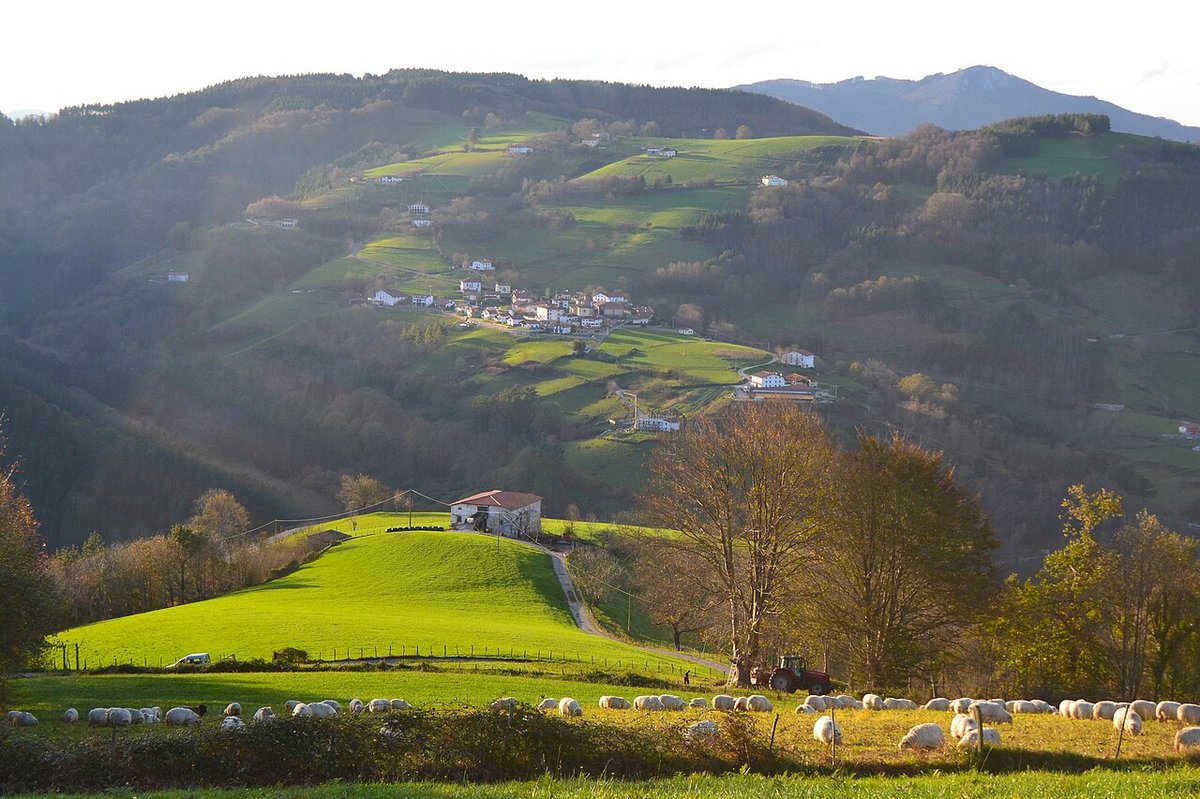
Don't expect a monumental old town or a bustling plaza. The parish church is the central visual marker. You'll see it, walk past it, and that's that. What defines Baliarrain is the view of farmhouses scattered across maintained fields, not any single landmark.
Paths into the farmland
Dirt tracks lead straight from the streets into the meadows. These are not hiking trails; they're used for farm work and local walks. You share them with tractors.
Remember how this landscape works: close any gate you open and leave barriers as you found them. The scenery here is contained—pastures, hedgerows, patches of woodland. You're walking through someone's workplace.
What to watch out for
If you're driving, don't turn onto unpaved tracks that look like roads; they lead to private farms and get muddy after rain.
On foot, just stay on the paths and respect field boundaries. There are no signposts or tourist facilities here. You navigate by sight.
A brief pause, not a day trip
Baliarrain isn't a destination with a list of sights. It's a short stop if you're already touring Tolosaldea.
Walk its streets, look over the valley for ten minutes, and move on. That's sufficient