Full Article
about Belauntza (Belaunza)
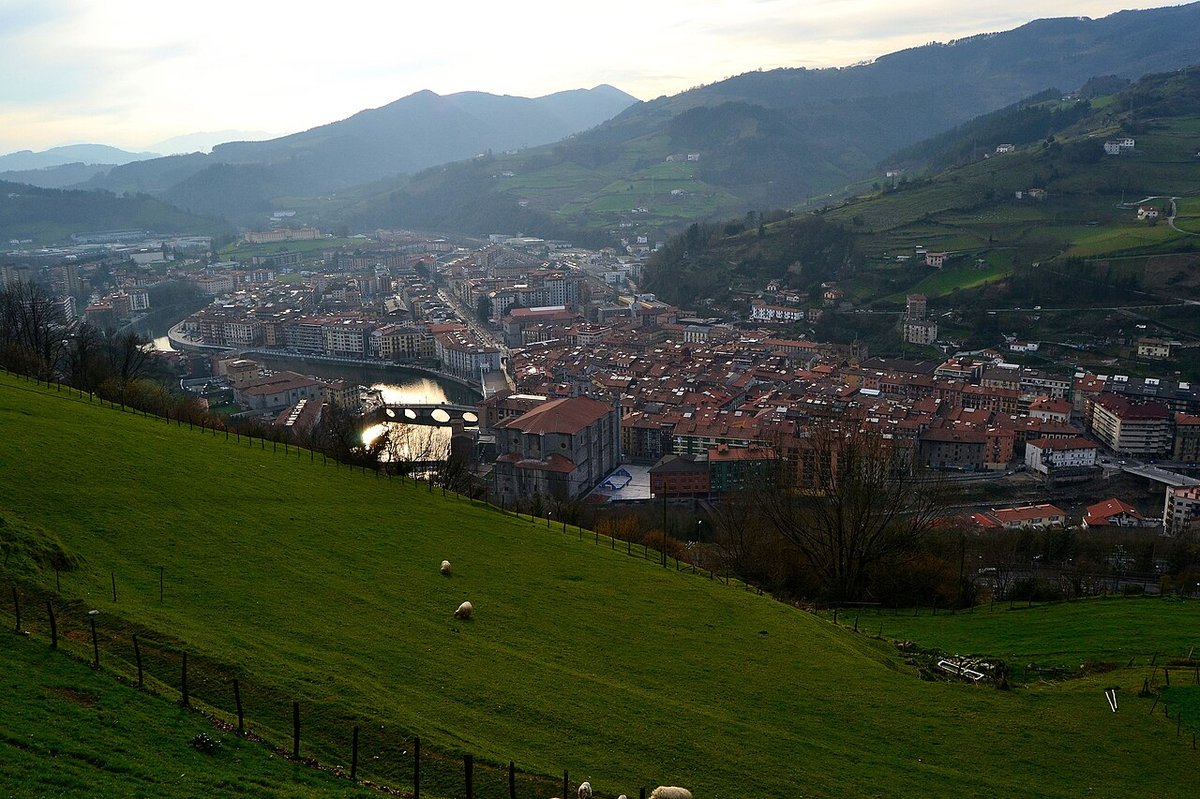
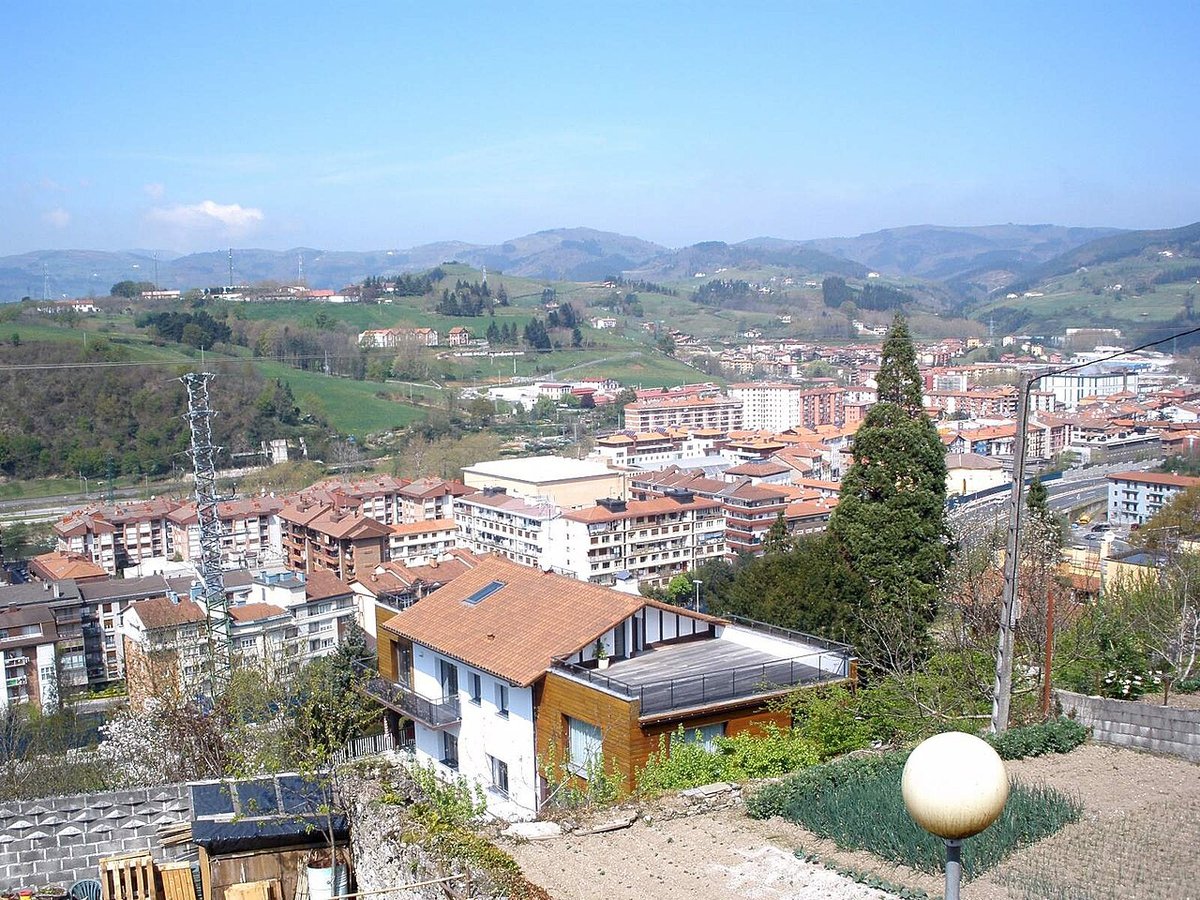
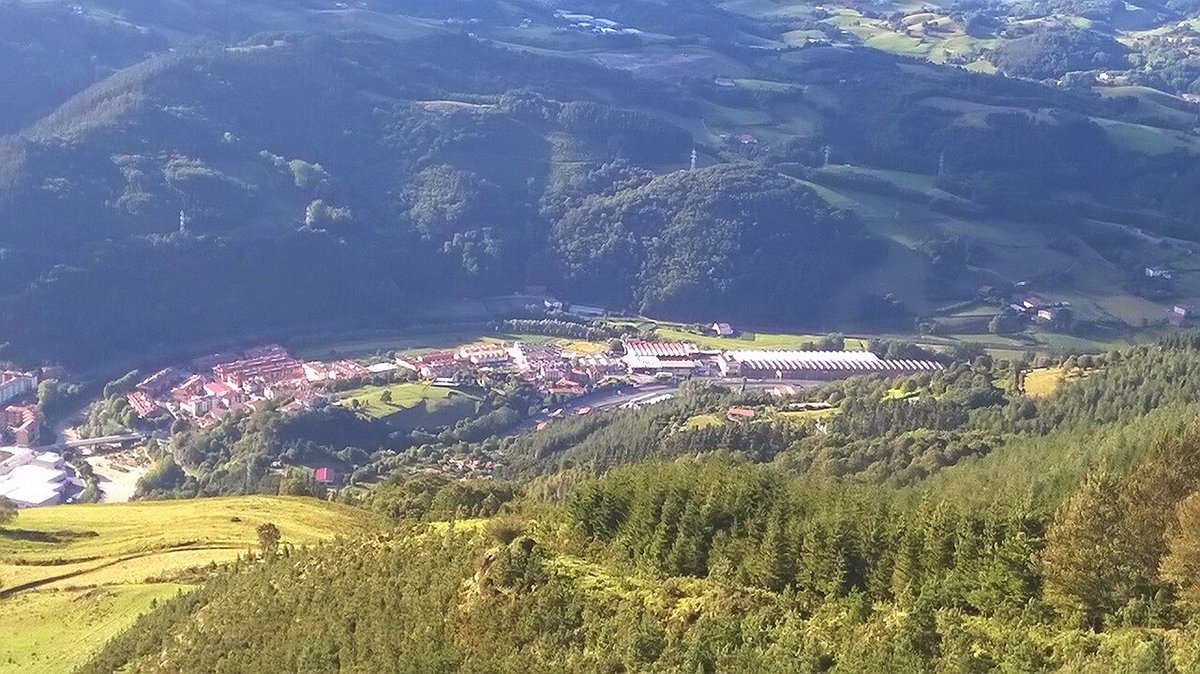
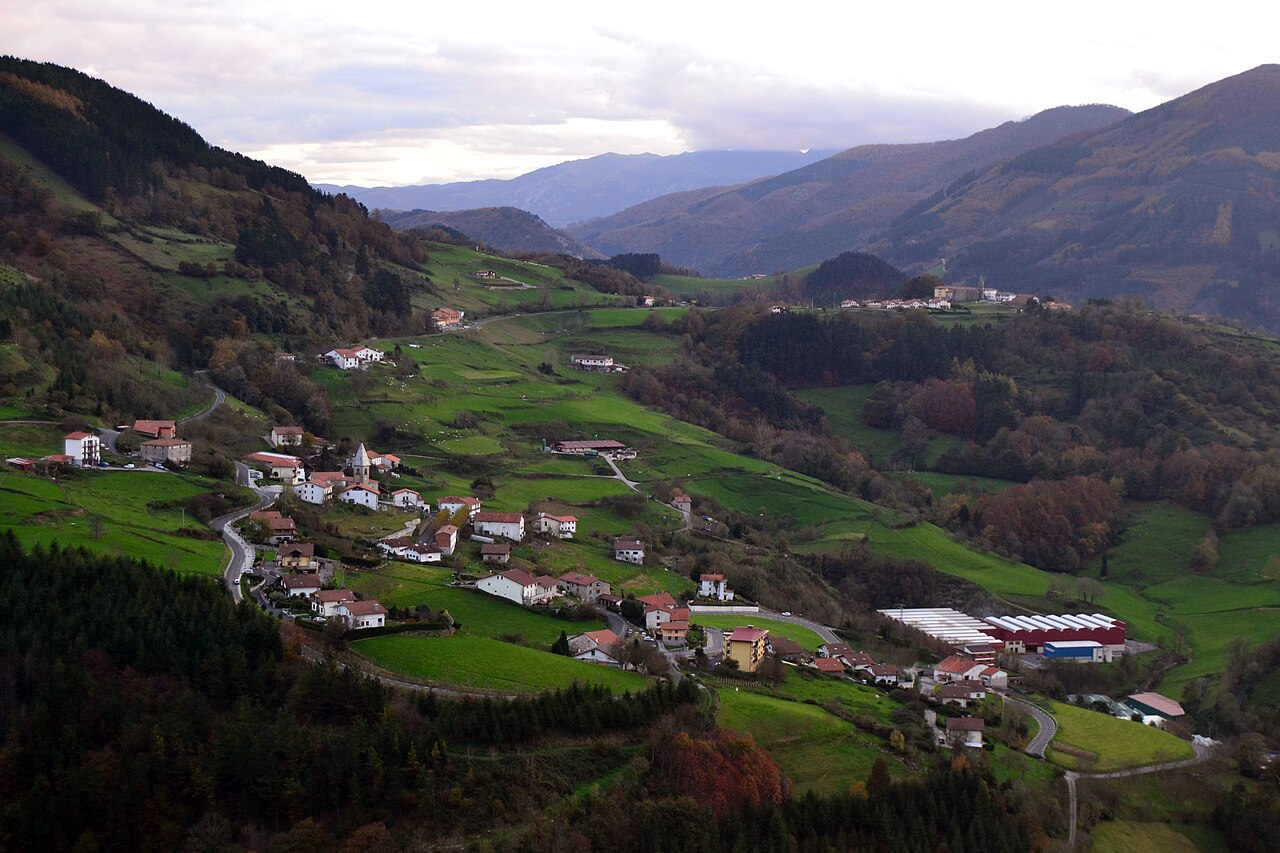
Deep green, farmhouses and nearby mountains with trails and viewpoints.
Ocultar artículo Leer artículo completo
A village that refuses to perform
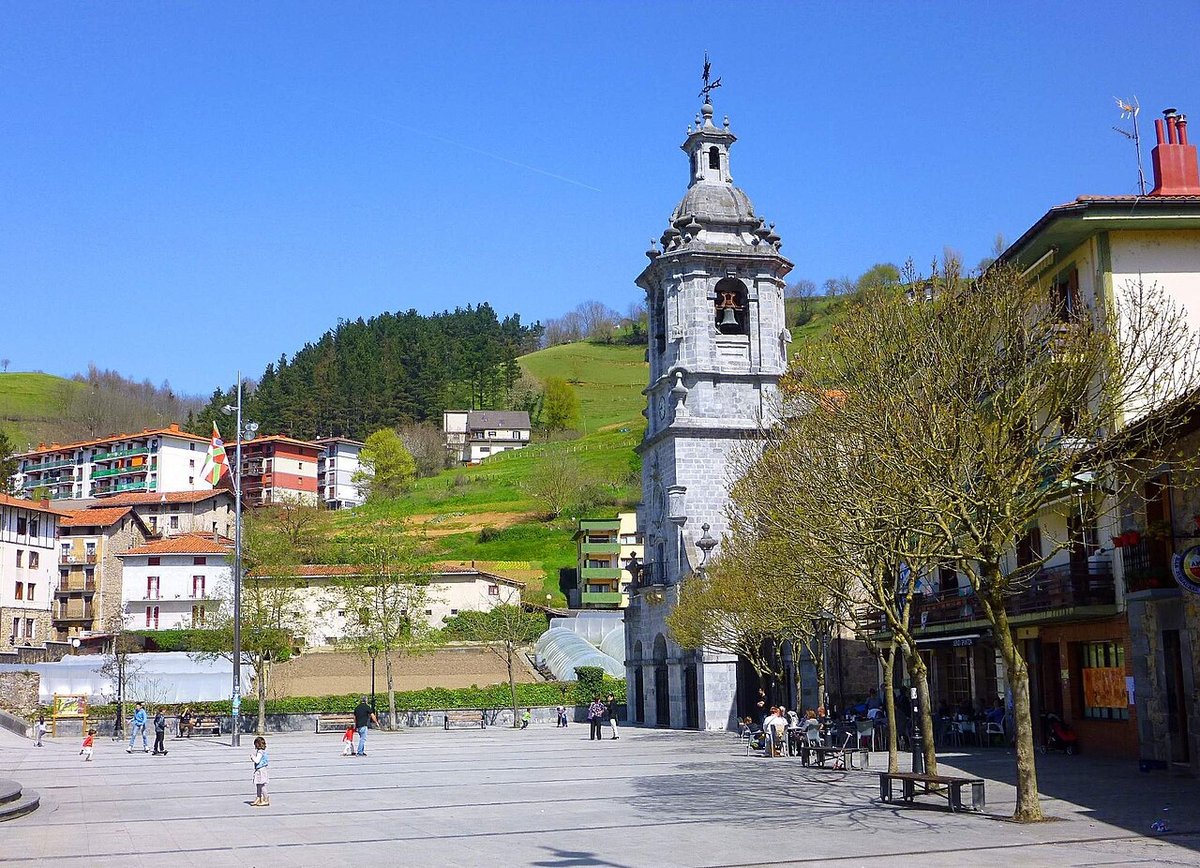
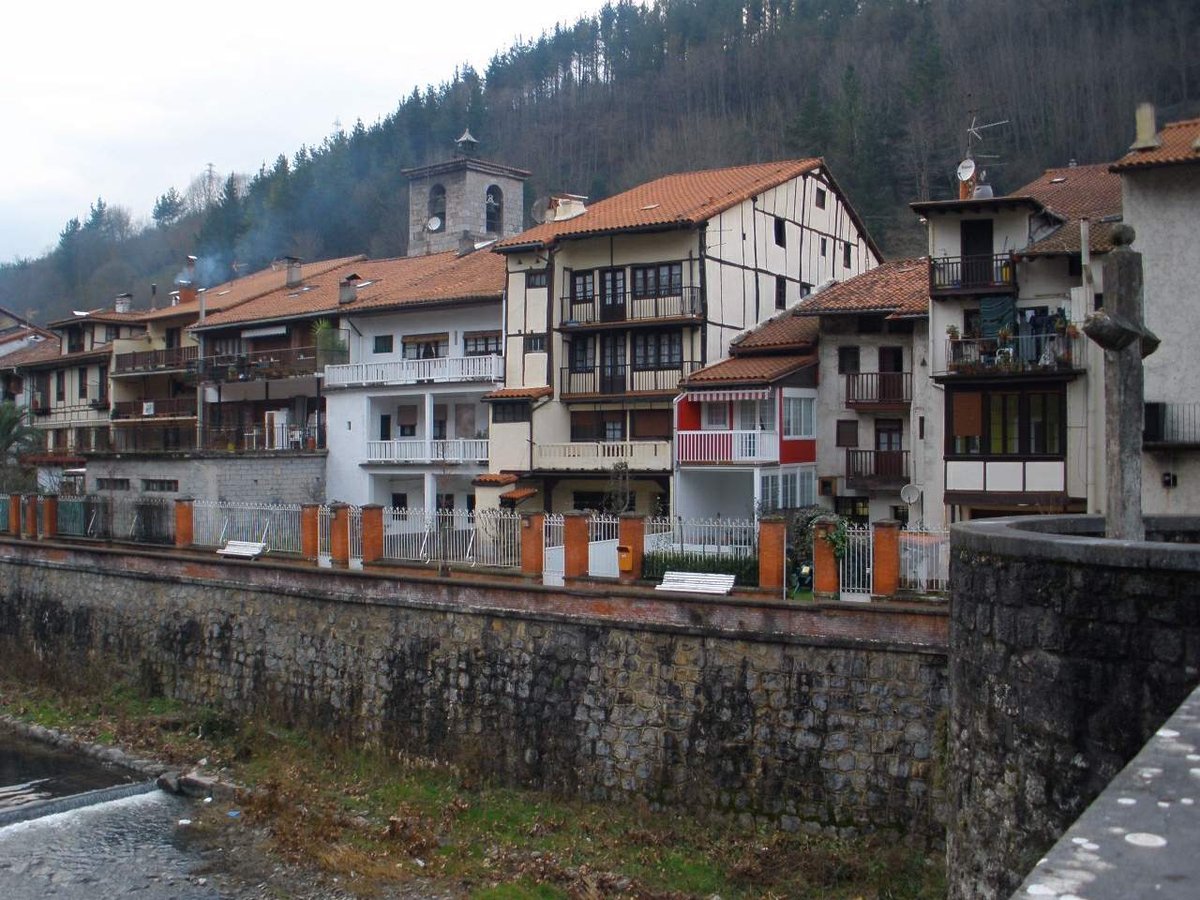
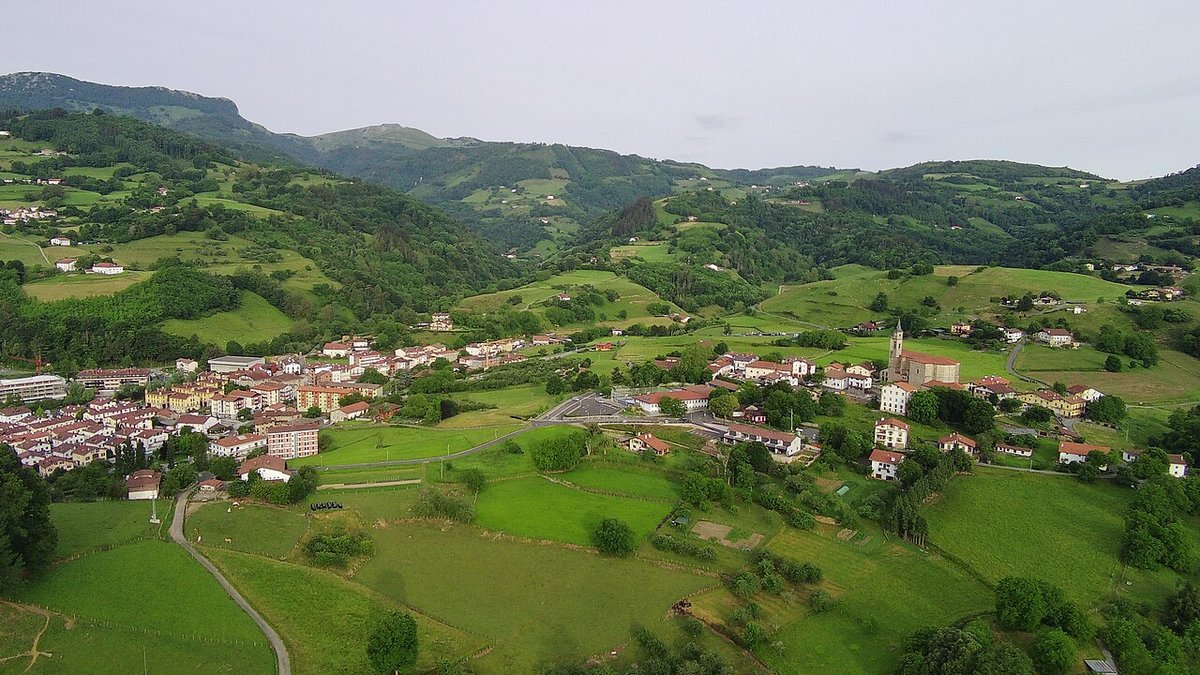
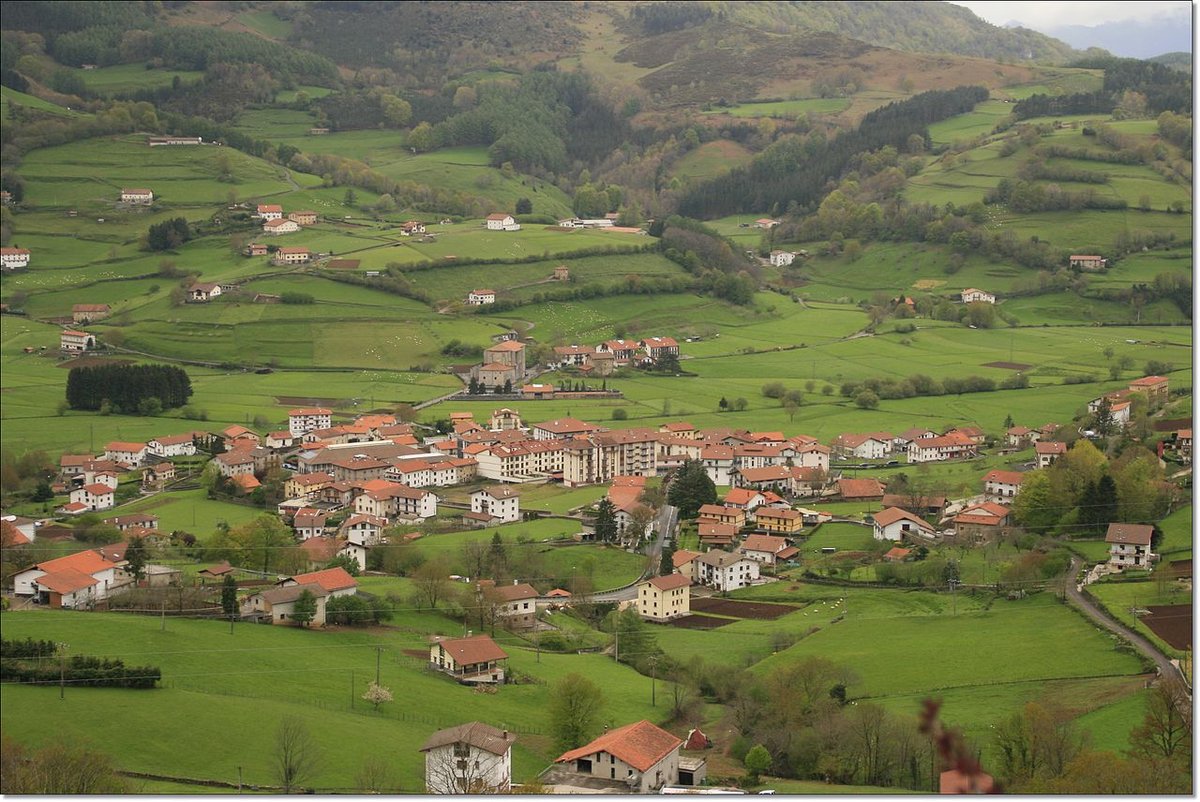
Belauntza doesn’t do selfies. Stand in the middle of the single-lane track that passes for the high street and your phone will hunt in vain for something monumental to frame: no medieval archway, no colourful fishing boats, no tiled café terrace. Instead it finds a low white church, a scatter of farmhouses set well back from the road, and a hillside so green it looks almost black after rain. The place is 291 souls, two tractors and a sheepdog that barks at anything faster than a stroll. If you arrive expecting to be entertained, you’ll leave after twenty minutes. Come prepared to listen and you might stay the afternoon.
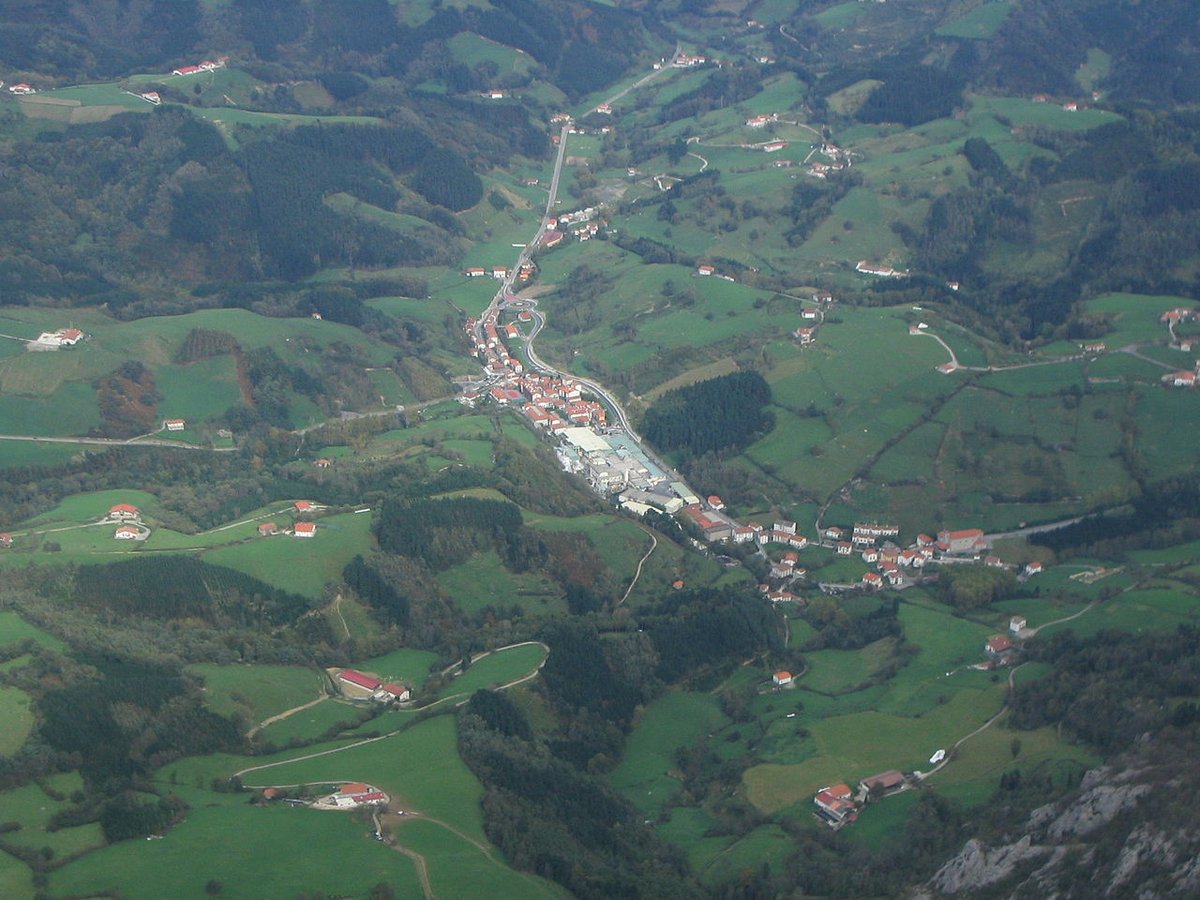
The village sits forty minutes inland from San Sebastián, up a valley that narrows until the road feels like an afterthought. You climb, but gently; at 180 m above sea level Belauntza is high enough to shake off coastal humidity yet low enough for lemons to survive in sheltered gardens. The air smells of wet grass and diesel when a farmer fires up his digger, then suddenly of laurel when the breeze shifts. There is no centre to speak of—just the church of San Andrés, a noticeboard advertising blood-donor dates, and a map so faded the footpaths have turned ghost-grey.
Walking without a destination
The only thing to do is walk. The lanes are paved for the first hundred metres, then crumble into packed earth and hoof prints. Yellow arrows painted by earlier hikers fade in and out, but signposts are treated as a mild embarrassment; locals rely on memory and the shape of the ridge opposite. You pick a direction—north towards Amezcoa, south-east to Lizartza—and set off until the traffic noise from the N-1 is swallowed by cowbells.
Spring brings shoulder-high grass along the verges, thick enough to hide the drainage ditches that keep the fields usable. By mid-May the meadows are striped with yellow broom and the occasional rogue poppy; in October the same slopes look bronze, and every footstep releases a puff of seed heads that stick to your socks. Summer is workable if you start early: by eleven the sun has baked the cattle grids too hot to touch, and shade is confined to the north side of barns. Winter is simply wet. A morning drizzle can turn a gentle slope into something resembling a bobsleigh run; boots with tread are not a fashion statement, they’re the price of staying upright.
Distances are modest—three kilometres to the next village, five if you take the loop through the oak copse—but the going is slower than the map suggests. Gates must be opened and closed, cattle inspected for curiosity, and conversations endured with farmers who want to know whether it always rains in Manchester. You will be offered a segment of mandarine if it’s December, or directed to the one barn where cider is sold in plastic bottles from a fridge that also holds bait. Accept. Refusing hospitality is considered ruder than trampling someone’s vegetable patch.
What you won’t find (and might miss)
There is no shop. The last bakery closed when the owner retired in 2018; bread now arrives in a white van that toots its horn at eleven-thirty, unless the driver’s mother needs collecting from physio. Fresh fish is advertised on WhatsApp—“Hake in twenty minutes, who wants a kilo?”—and the transaction happens beside the church wall. If you need milk before eight o’clock you knock on the farm with the blue gate; someone’s granddaughter will ladle it from a steel pail and charge you sixty cents. Cards are useless—carry coins and small smiles.
Evenings are quiet. The single bar opens only at weekends, and then only if Athletic Bilbao are on television. Locals gather around a single high table, arguments flicking between Basque and Spanish depending on the referee’s latest injustice. Visitors are tolerated provided they don’t request “a pint” (beer comes in cañas, two-thirds of a British half) and can pronounce “Kaixo” without making it rhyme with “cha-cha-cha”. Conversation stops sharply at ten-thirty; by eleven the lights are off and the owner is wheeling motorbikes inside in case of overnight rain.
Rain, mud and other honesties
Let’s be clear about precipitation. Belauntza receives roughly 1,600 mm a year—about double Cardiff’s total. What makes it tiresome is concentration: a front can unload a week’s worth in an afternoon, and farm tracks become the consistency of chocolate mousse. The village’s refusal to concrete every lane is admirable until you’re sliding sideways towards a barbed-wire fence. Waterproof trousers are not overkill; they’re survival gear. On the plus side, showers arrive with theatrical timing. Stand still and you’ll watch a wall of grey advance up-valley, swallow the ridgeline, and burst overhead like a burst water main. Ten minutes later skylarks are singing again.
Mobile reception mirrors the weather. Vodafone usually works near the church; EE drops to one flaky bar unless you climb the path behind the cemetery and stand on the stone wall, arm aloft like a budget Statue of Liberty. Locals cheerfully direct you to the exact square metre where their nephew gets 4G. Treat it as part of the fun; nobody expects you to live-stream your picnic.
Beds, bases and beyond
Accommodation is thin on the ground. There are no hotels, and the nearest hostel is eight kilometres away in Alegia. What exists is self-catering: two Airbnb cottages (one in an old cider press, one above a barn that still smells faintly of hay) and a handful of Rentalia houses scattered across the slopes. Expect stone floors, wood-burning stoves labelled only in Basque, and hot-water tanks the size of a sombrero—enough for one enthusiastic British shower, not two. Prices hover around £90 a night for two people, less if you stay a week and bring your own sheets. Book early for Easter and the first weekend of October when cider houses open their doors and half of Bilbao heads inland to drink.
Many visitors use Belauntza as a sleep-spy rather than a destination, day-tripping to San Sebastián’s beaches (35 min by car, traffic permitting) or to the Aralar ridge for more serious hiking. That works, provided you accept the trade-off: coastal crowds versus evening silence, Michelin stars versus cheese sandwiches eaten on a wall. Try to do both and you’ll spend more time in the hire car than out of it.
Leaving without a souvenir
You could buy a bottle of farmhouse cider, cloudy and still, but it won’t fit in hand luggage. The only postcards on sale date from 2004 and show a sheep. Instead, take home the sound of cattle grids clanking under your boots, the smell of wet earth after a downpour, the realisation that “nothing to do” can fill a day if you let it. Belauntza will not try to impress you; it barely notices you’ve come. That, in a Europe of hashtag villages, is the rarest thing of all.