Berrobi 01
País Vasco · Atlantic Strength

Berrobi

The church bell strikes noon and the only other sound is a tractor reversing into a barn. From the bench outside the fronton court you can watch cl...

551 inhabitants · INE 2025
161m Altitude

Why Visit

Mountain Historic quarter Hiking

Best Time to Visit

summer

Things to See & Do
in Berrobi

Heritage

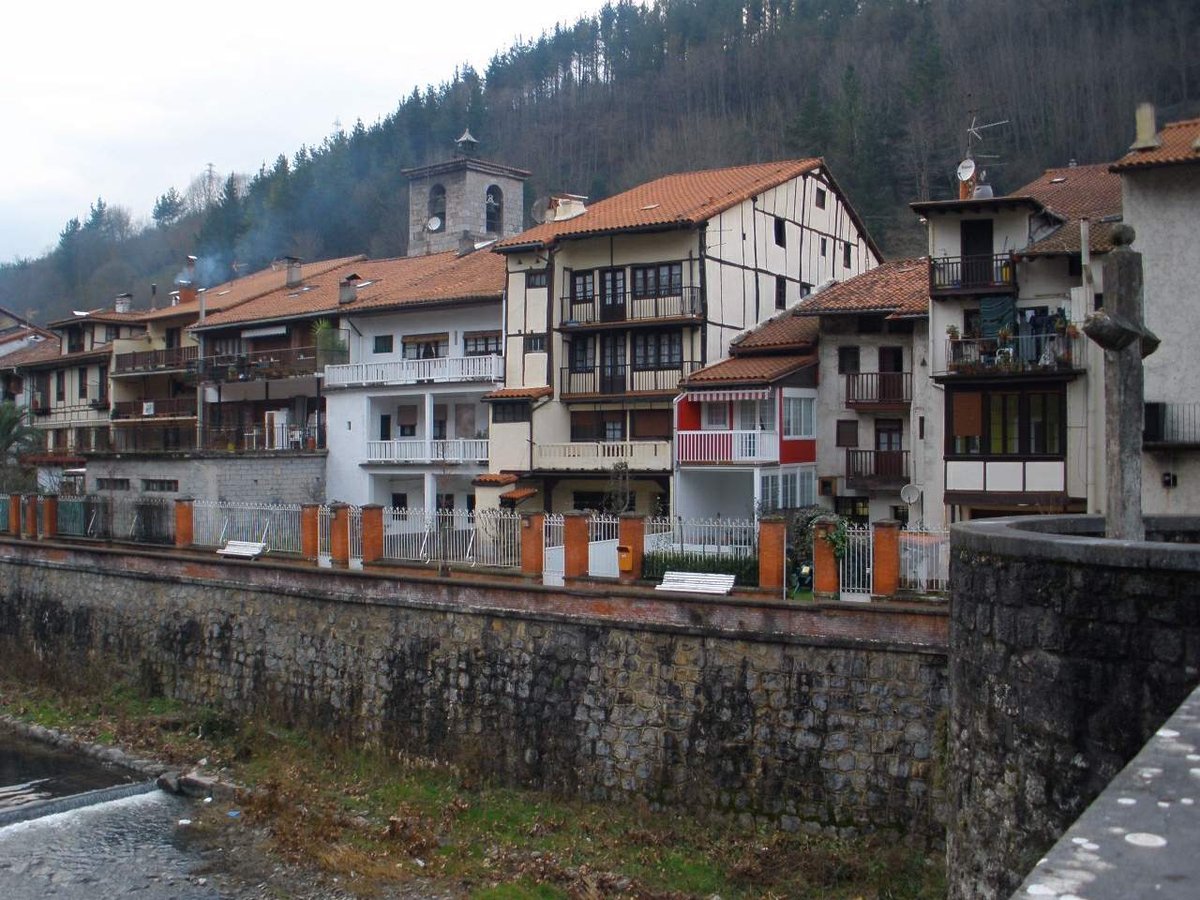
  • Historic quarter
  • parish church
  • main square

Activities

  • Hiking
  • mountain biking
  • viewpoints
  • local food

Full Article
about Berrobi

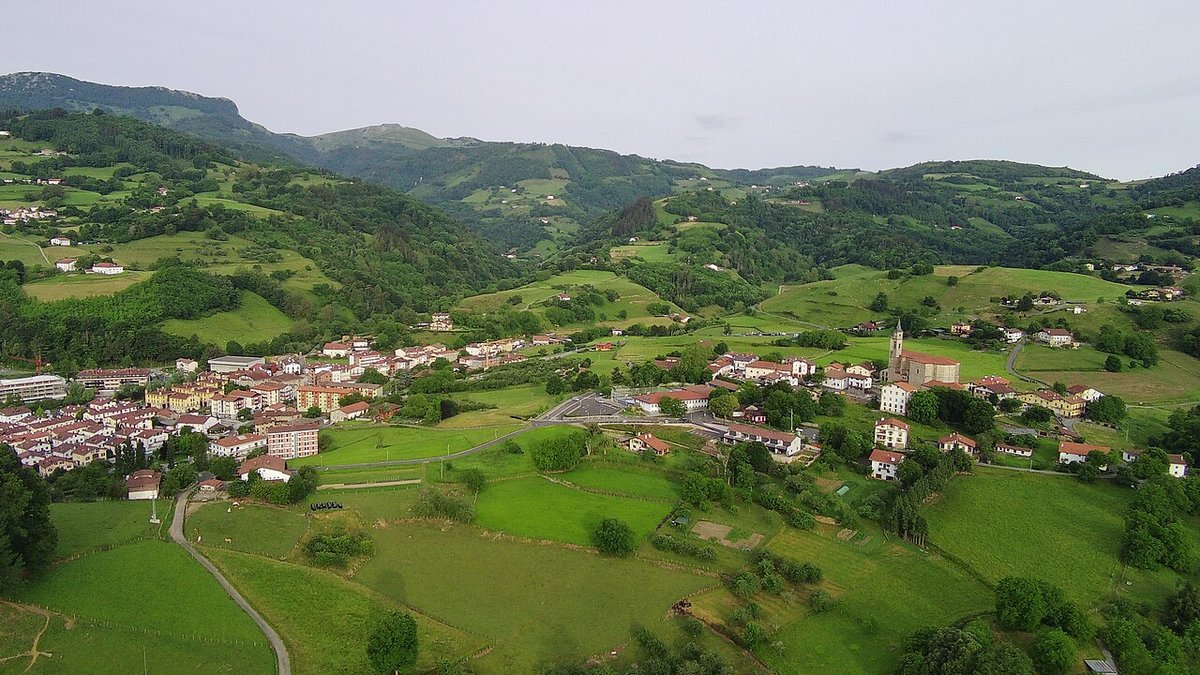
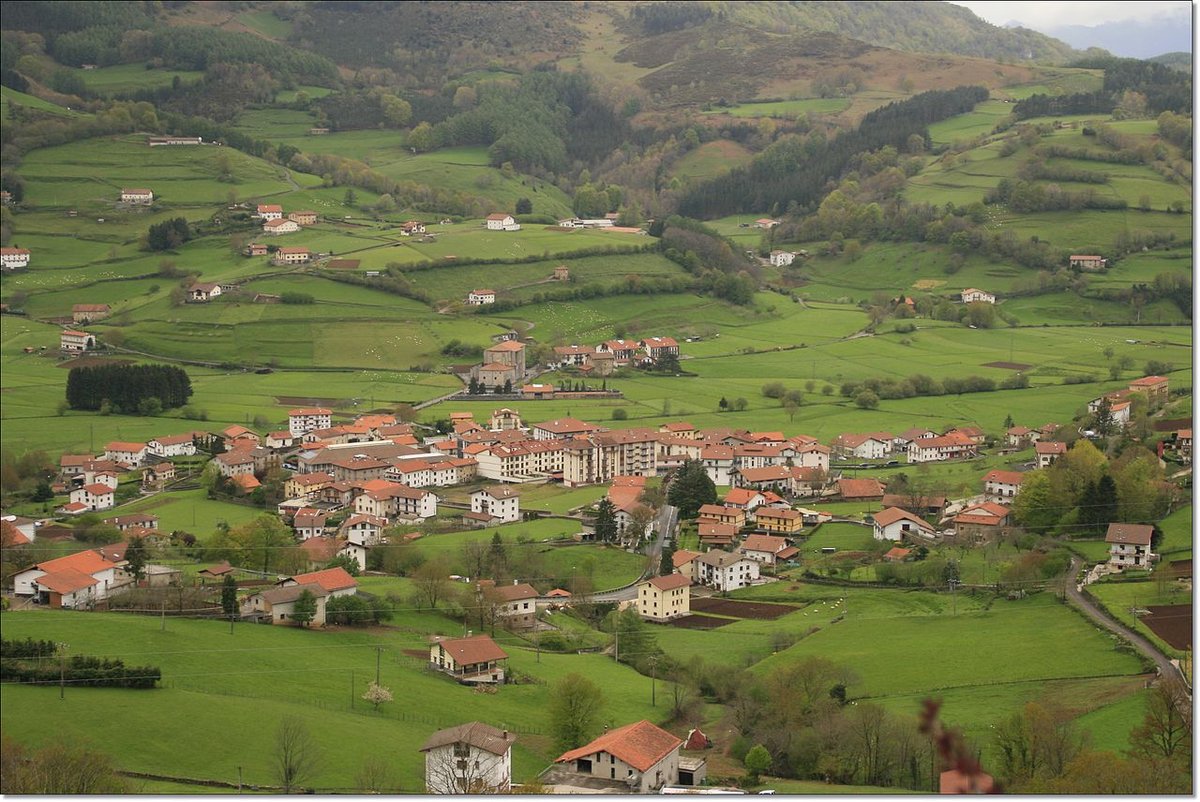
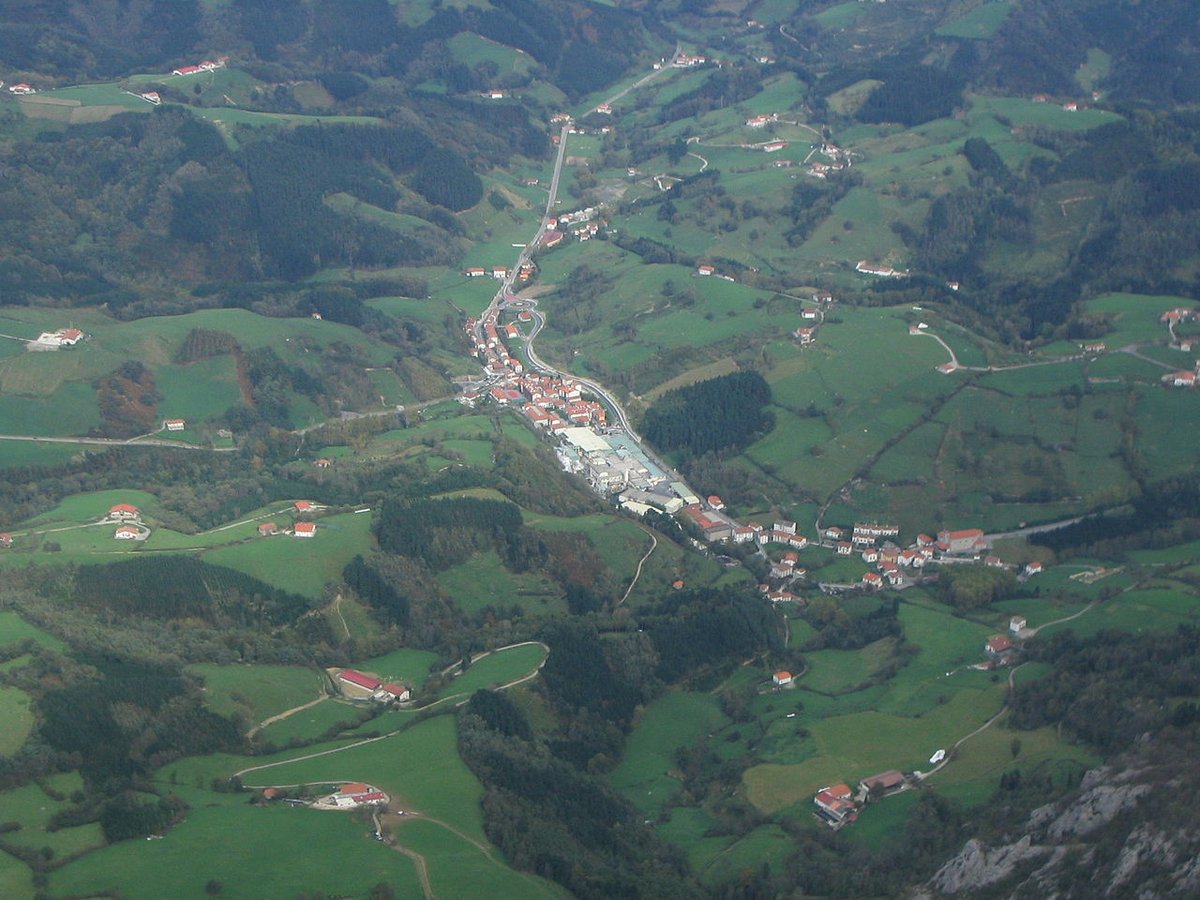
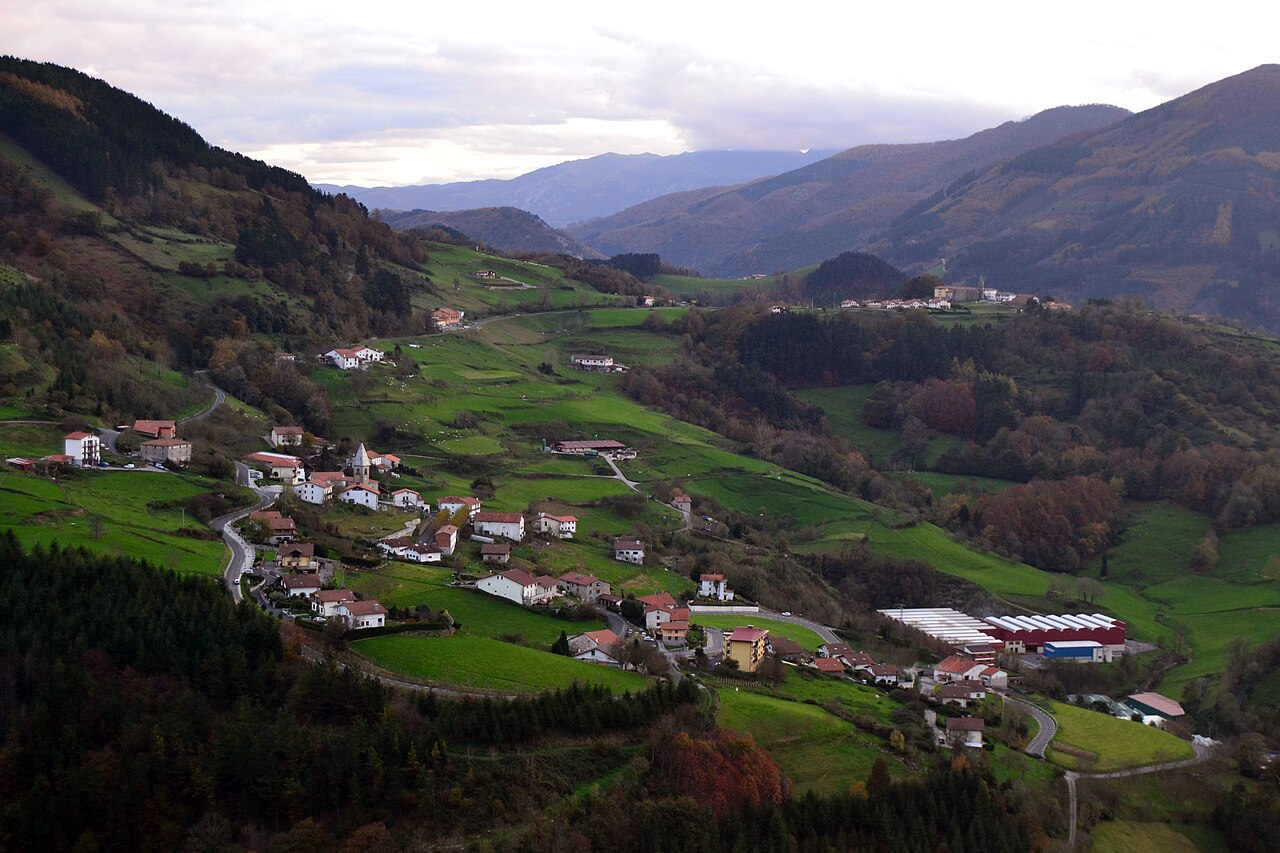
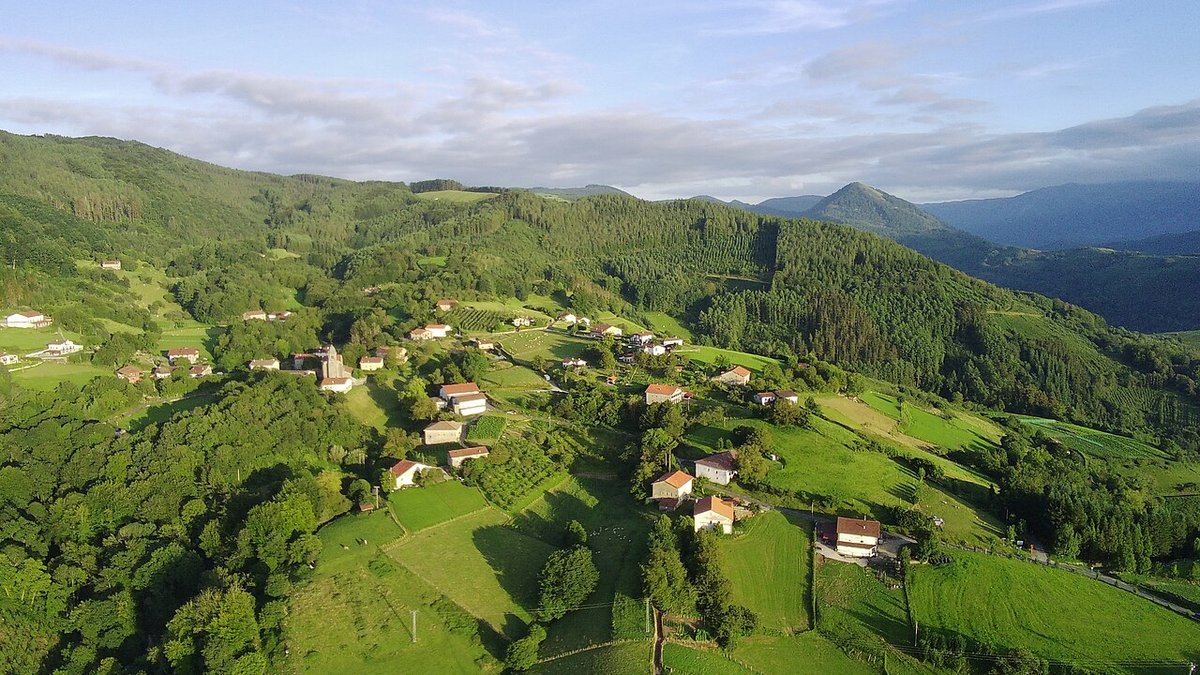
Deep green, farmhouses and nearby mountains with trails and viewpoints.

Ocultar artículo Leer artículo completo

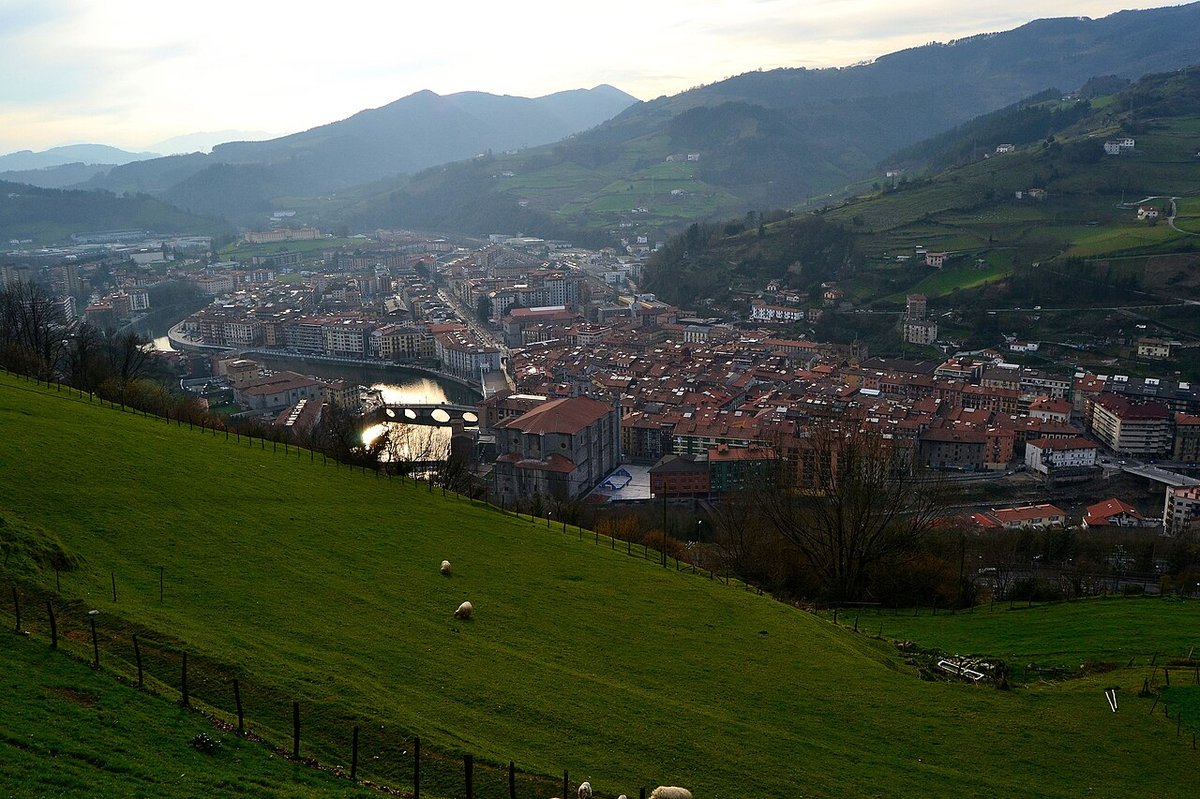
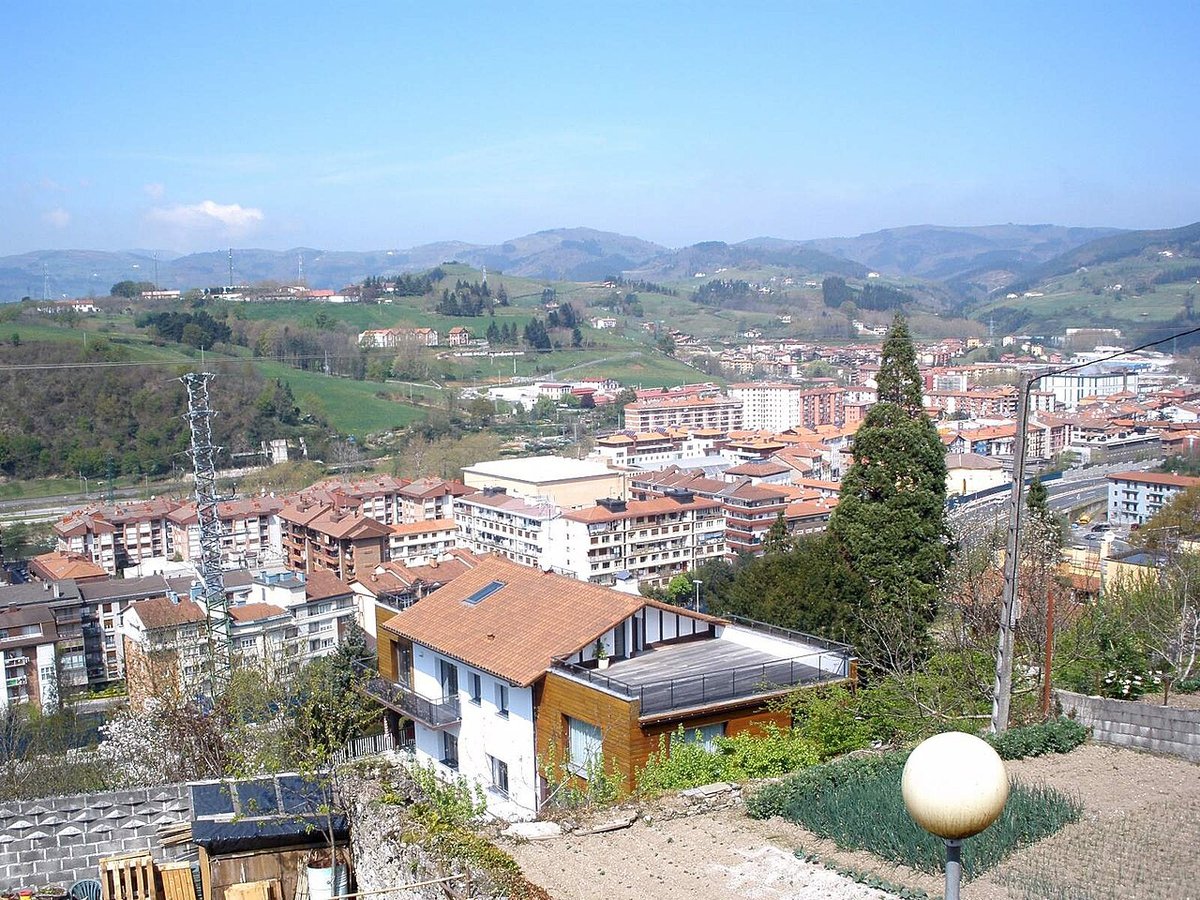
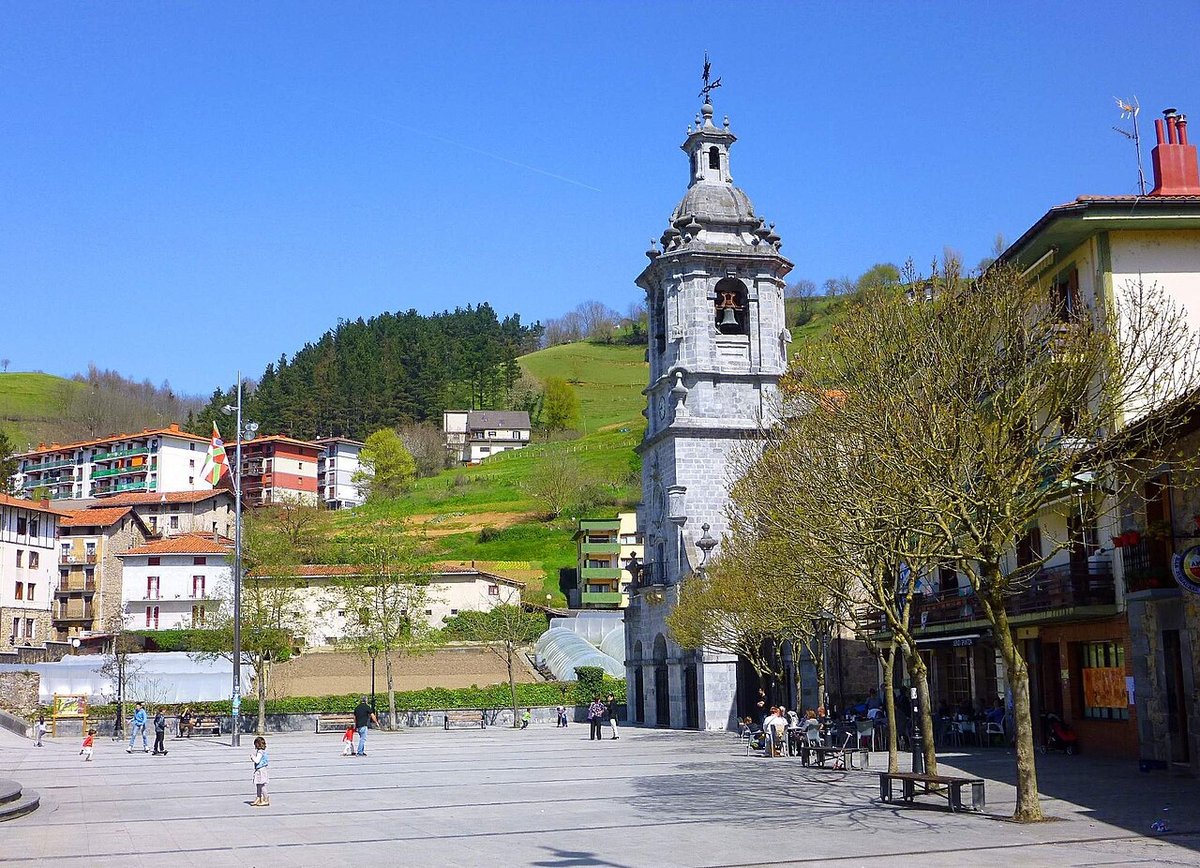
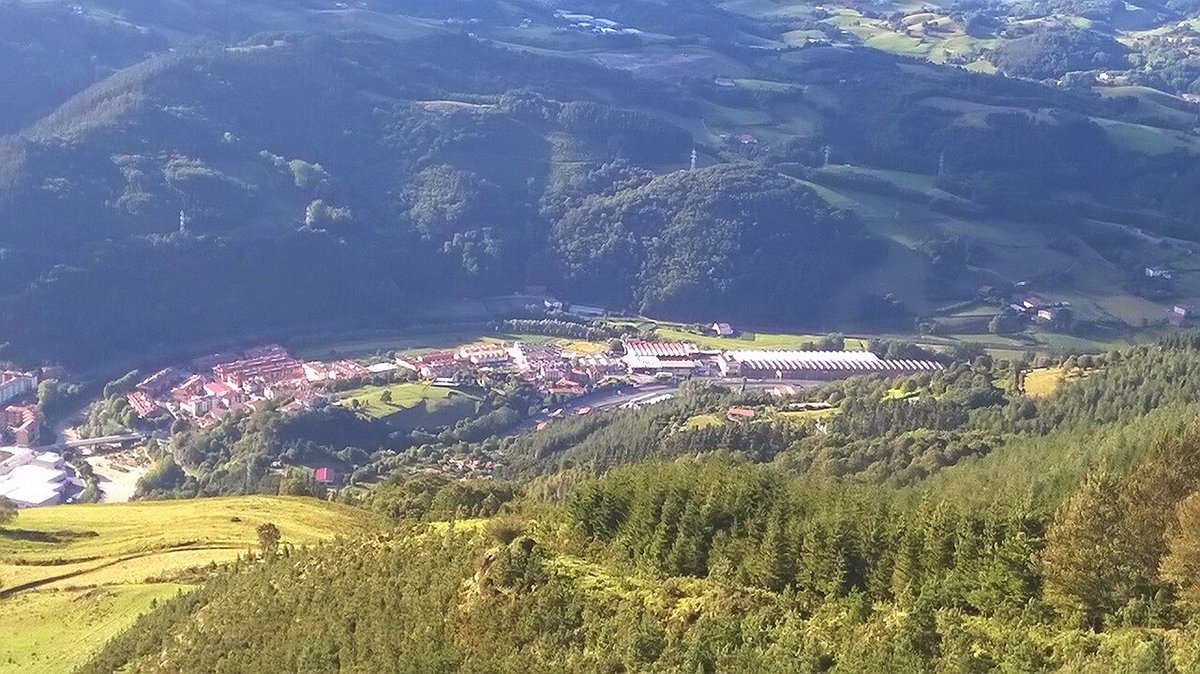
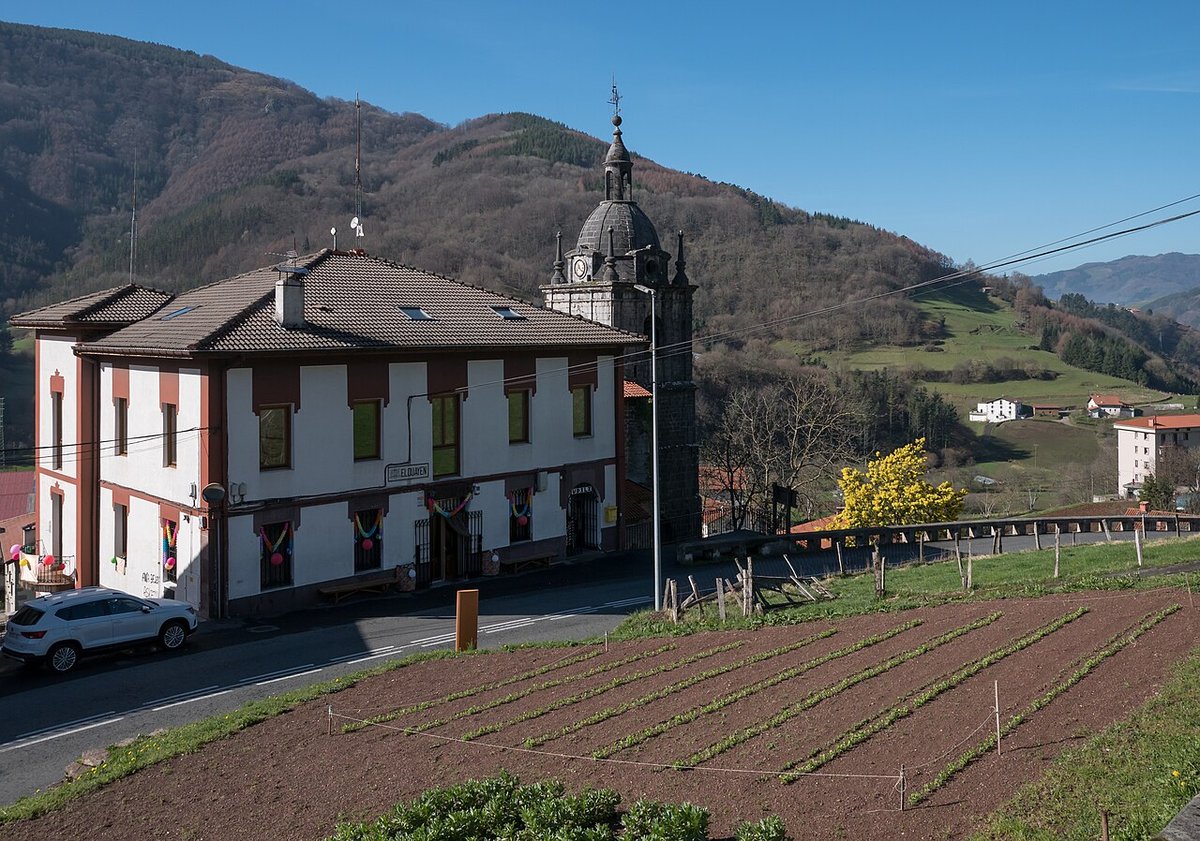
The church bell strikes noon and the only other sound is a tractor reversing into a barn. From the bench outside the fronton court you can watch clouds drifting up the valley at eye level, because Berrobi sits 280 metres above sea-level on a shelf that feels higher than it sounds. Drivers shoot past on the A-1 below, racing between San Sebastián and Madrid, yet up here the air is cooler, the grass louder with insects, and the village moves to a rhythm set 500 years ago by sheep and rain.

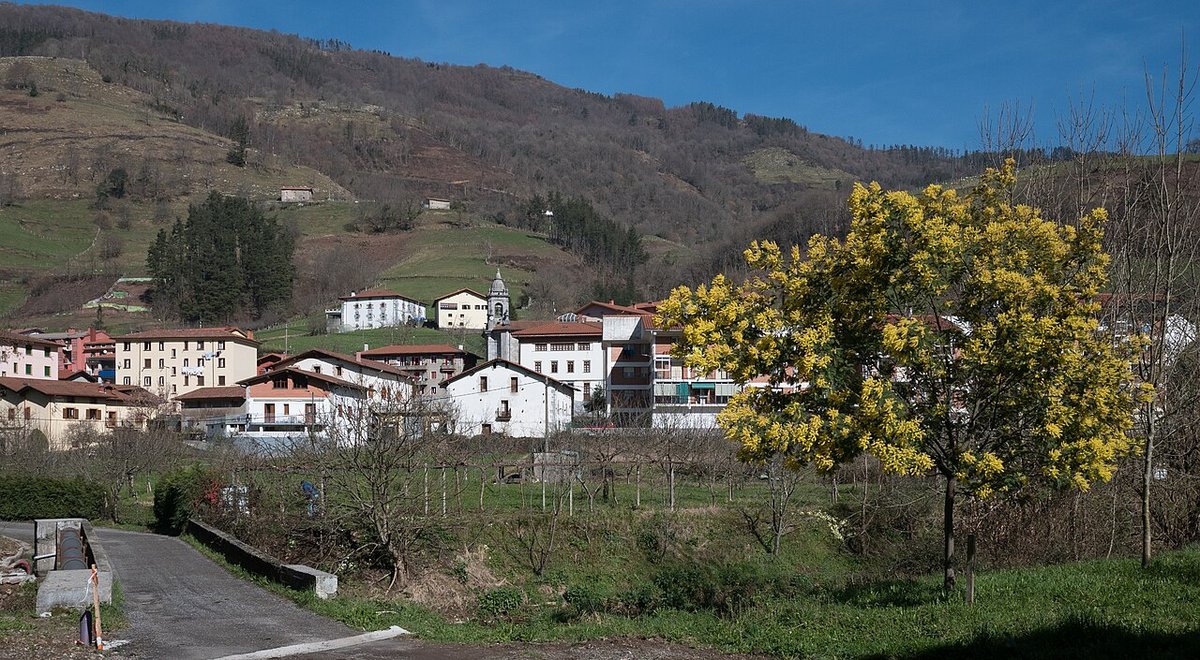
This is not a hill-town that markets itself to day-trippers. There is no ticket office, no interpretation centre, no artisan ice-cream in quirky flavours. What you get instead is a working fragment of Tolosaldea: stone houses still heated with split oak, allotments fenced by hawthorn, and a single bar-restaurant (Iriarte Jatetxea) whose €14 menú del día is served only when the owner’s fire-suppressor beard is in the building. Visitors who enjoy the honesty of that arrangement tend to stay the night; everyone else is gone before the church shadow lengthens.

Up the goat-track economics

Berrobi’s altitude matters. Even in August the evening temperature drops to 15 °C, so restaurants leave blankets over chair backs and locals keep their cardigans on. The slopes around the village rise another 400 m into beech and oak pasture where the Latxa sheep graze—the small, tough animals whose milk becomes Idiazabal cheese. You will smell their lanolin on the breeze long before you see any livestock, and you will hear the soft clank of neck-bells echoing across the combe like wind chimes made of iron.

Walking options are modest but satisfying. A 45-minute loop leaves the plaza, cuts behind the cemetery, and follows a stony lane to an abandoned apple press with views back over the tiled roofs. After rain the clay sticks to boots like wet biscuit; Nordic walking poles are not showing off here, they are insurance. Serious hikers link these lanes to the GR-121 long-distance path that traverses Gipuzkoa, but most visitors are happy to potter, read the weather in the clouds, and retreat to Iriarte for coffee that costs €1.40 if you stand at the bar, €1.90 if you sit.

Winter brings a different bargain. Atlantic storms can make the last 3 km from the N-1 impassable for low-slung hire cars; locals fit chains and keep going. When snow does settle, the village becomes briefly famous on Basque television because the road looks spectacular under a drone. By lunchtime the slush has washed away and the reporters have driven off to the next white-blanketed hamlet. Book Arkaitza guesthouse between November and March and you may have the lanes to yourself, provided you don’t mind gates that freeze shut and hot water that takes two minutes to travel along unlagged pipes.

How to arrive without swearing

Public transport stops in Tolosa, 8 km down the hill. Buses from San Sebastián’s Amara bus station run every 30 minutes and take 25 minutes; the fare is €2.15. From Tolosa taxi ranks the metered ride to Berrobi costs about €18, but rural taxis thin out after 20:00 and the drivers prefer phone bookings. Car hire remains the sane choice: the village is 45 minutes from Bilbao airport, 55 from Biarritz, and under 90 from the new Vitoria terminal if you flew with Ryanair’s Bristol route.

The final approach is a single-lane road that climbs through chestnut woods and demands the occasional reversing manoeuvre into a farm gate. Sat-nav will tell you arrival is imminent while you are still staring at cow parsley and wondering where the houses went; thirty seconds later the church appears so suddenly that you brake on instinct. Parking is free but not unlimited—three marked bays beside the fronton and a wider gravel patch opposite the school. Park tidily; tractor drivers have social media and they will shame you.

What you will (and won’t) spend money on

Accommodation is essentially Arkaitza, a converted 19th-century baserri with four guest rooms, underfloor heating and windows the size of cinema screens. Doubles start at €95 including breakfast: fresh orange juice, Idiazabal cheese still sweating from the knife, and membrillo that tastes like quince should. Children over 12 are accepted; dogs are not. The owners live in an annexe and lock the front door at 23:00—plan accordingly.

There is no shop, cashpoint or petrol pump in the village. The nearest filling station is back down the hill in Tolosa, next to a Lidl that stays open until 21:30. Iriarte will accept cards most days, but the terminal freezes when the router gets damp; carry at least €30 in notes for safety. Lunch service finishes at 15:30 sharp, supper starts 20:30, and the cook closes early if Athletic Bilbao are on television, so check kick-off times.

Eating without the anchovy anxiety

Basque cuisine can intimidate British palates still traumatised by teenage encounters with oily anchovies. Berrobi offers a gentle induction. Iriarte’s weekday menú begins with vegetable soup thickened by breaking in rice, followed by pork shoulder slow-cooked in cider until the apple sharpness turns to caramel. Pudding is usually cuajada, a set-milk dish resembling a wobbly fromage frais drizzled with honey. Wine is included; the house white is a young Txakoli poured from shoulder height to give it a light natural fizz, more lemonade than Champagne.

If you need more choice, Tolosa’s Saturday market stretches along the river and sells the town’s famous black beans—buttery, almost sweet, closer to a good cassoulet haricot than anything Heinz put in a tin. Several market stalls will cook you a plate with morcilla and cabbage for €6, ideal if you skipped breakfast. For the full cider-house experience, drive 20 minutes to Hernani between late January and April: €35 buys unlimited cider, salt-cod omelette, T-bone steak bigger than your face, and walnuts with Idiazabal for afters. Vegetarian options remain thin on the ground; phone ahead and most sagardotegis will grill you a whole green pepper in place of the steak, but they will still charge the full rate.

When the valley parties

Berrobi’s fiestas occupy the first weekend of August. The programme changes each year—wood-chopping contests, sack races, a foam machine for children—but the constants are a street disco that finishes at 03:00 and a communal paella cooked in a pan wide enough to need its own scaffolding. Visitors are welcome to buy a €10 ticket for the paella; bring your own plate and spoon because the village only has 200 sets and 400 neighbours. Earplugs are advisable if your room faces the plaza; Arkaitza supplies them free, a clue that silence is not guaranteed in midsummer.

Autumn brings sagardotegi open days and the smell of crushed apples drifting across the valley. If you visit in October you may see farmers towing wooden carts loaded with pippins towards Tolosa’s cooperatives. The horses know the route; the drivers often nap, reins slack, trusting memory and gravity.

The honest verdict

Berrobi does not deliver instant wow. The village is small, the attractions are few, and the weather will do its best to rewrite your itinerary. What it offers instead is a chance to recalibrate to a slower Basque tempo: cows returning at dusk, church bells that still mark the hours, and a landscape that looks after its own without needing to impress strangers. Stay a night, walk the lanes at dawn before the tractors start, and you may find yourself checking flight dates for a return long before the coffee has cooled.

Key Facts

Region
País Vasco
District
Tolosaldea
INE Code
20023
Coast
No
Mountain
Yes
Season
summer

Livability & Services

Key data for living or remote work

2024
ConnectivityFiber + 5G
TransportTrain nearby
HealthcareHospital 3 km away
EducationHigh school & elementary
Housing~6€/m² rent · Affordable
CoastBeach 16 km away
Sources: INE, CNMC, Ministry of Health, AEMET

Planning Your Visit?

Discover more villages in the Tolosaldea.

View full region →

More villages in Tolosaldea

Traveler Reviews