Full Article
about Bidania-Goiatz (Bidegoyan)
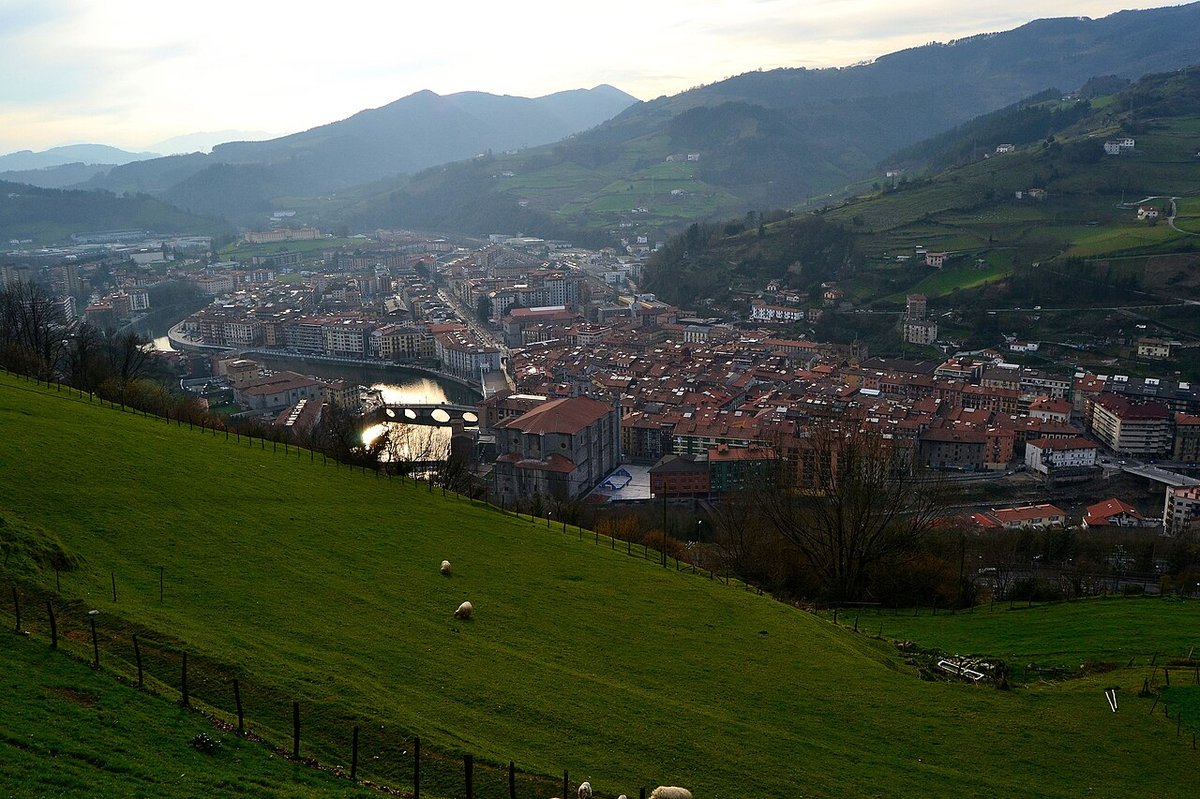
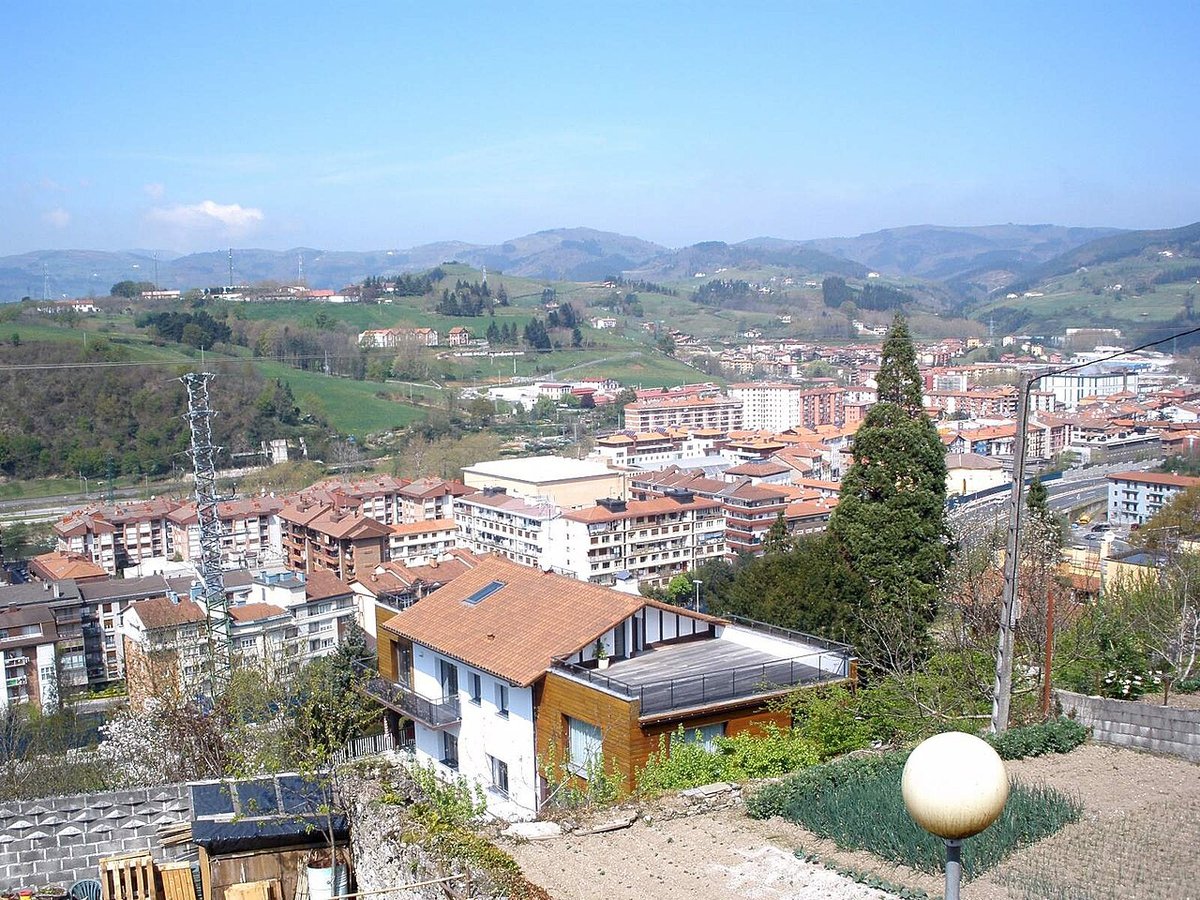
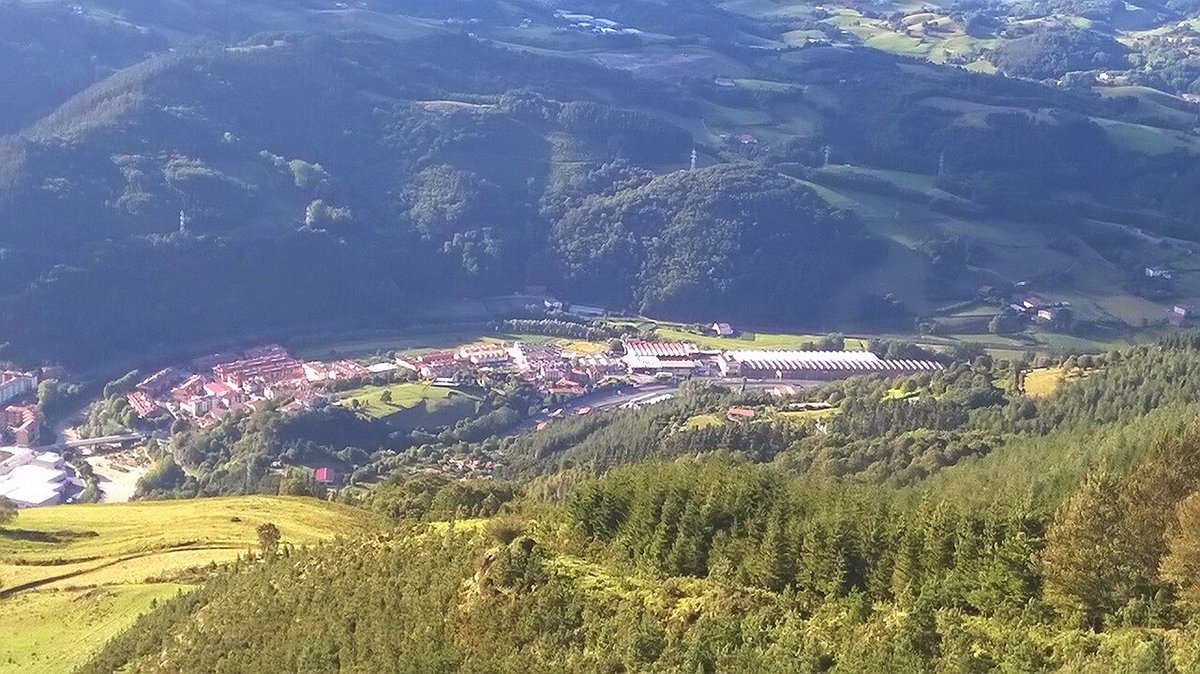
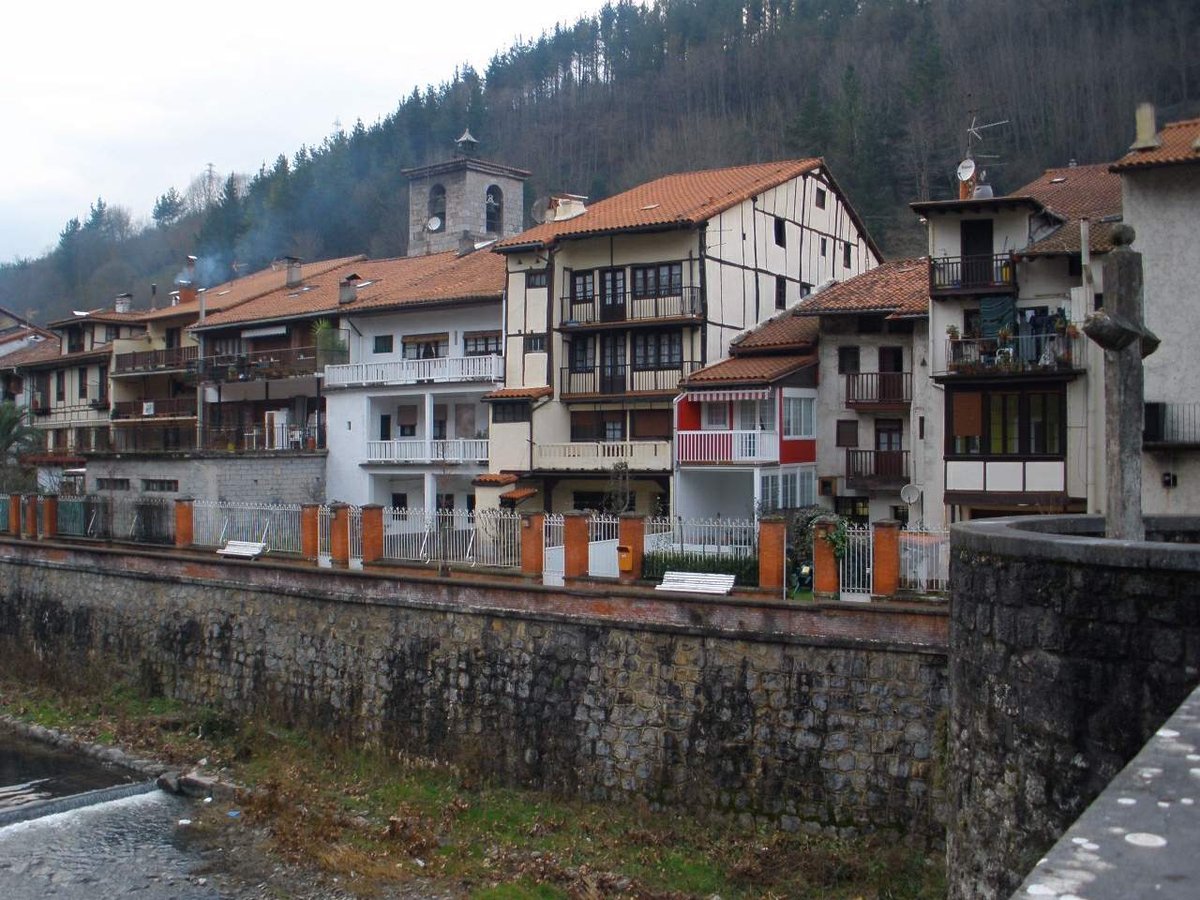
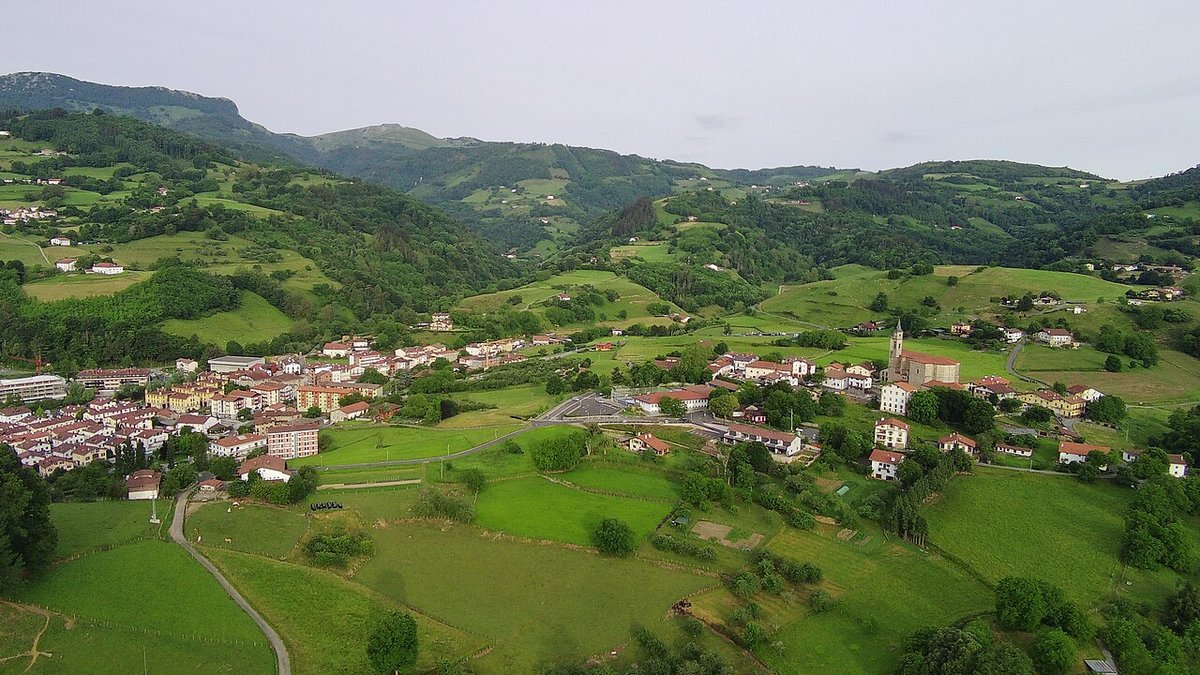
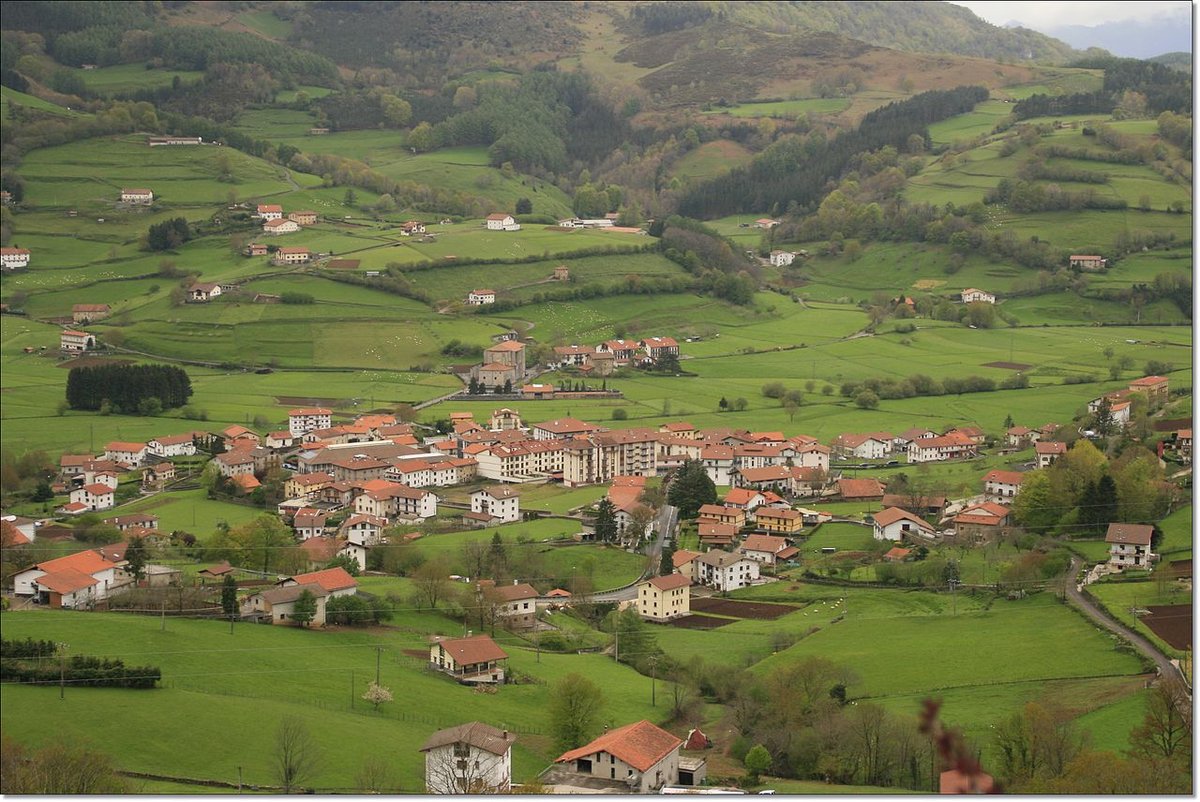
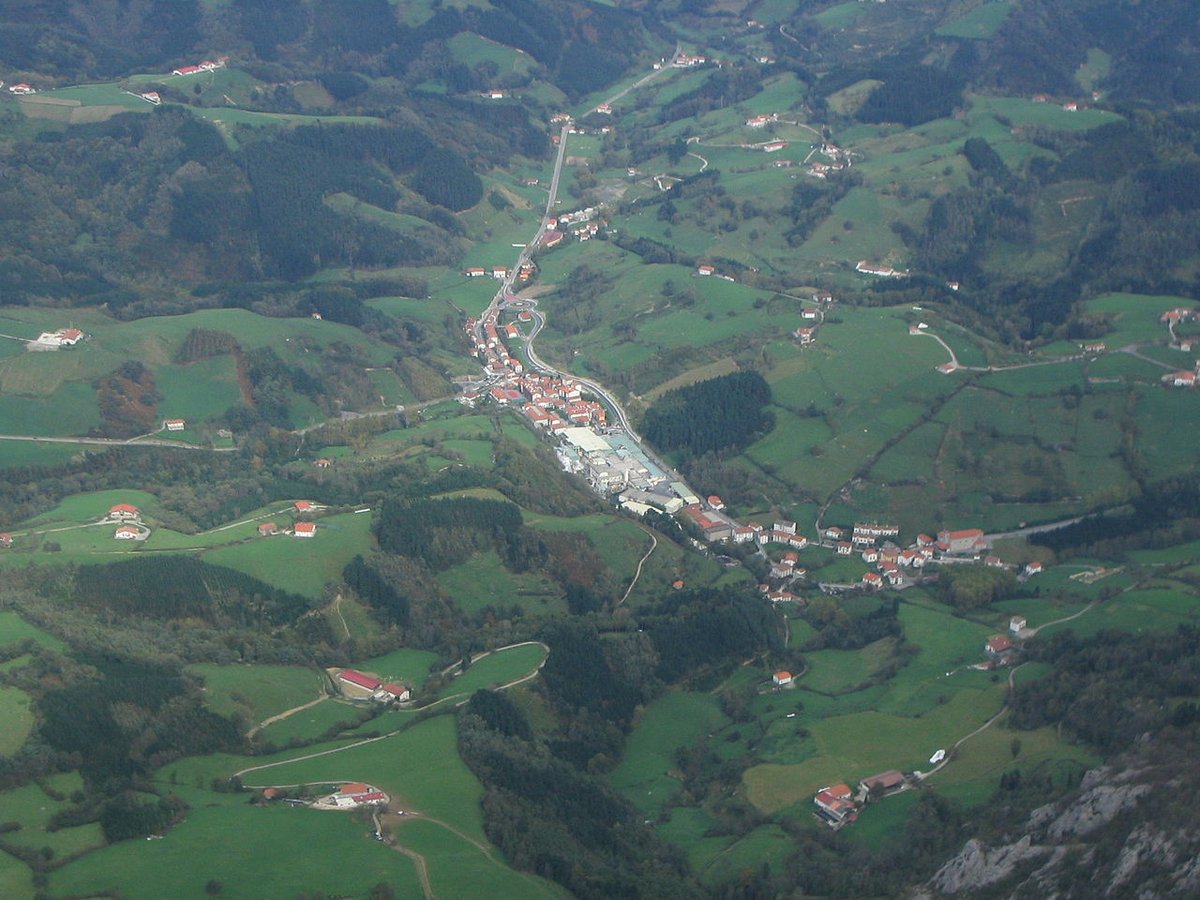
Deep green, farmhouses and nearby mountains with trails and viewpoints.
Ocultar artículo Leer artículo completo
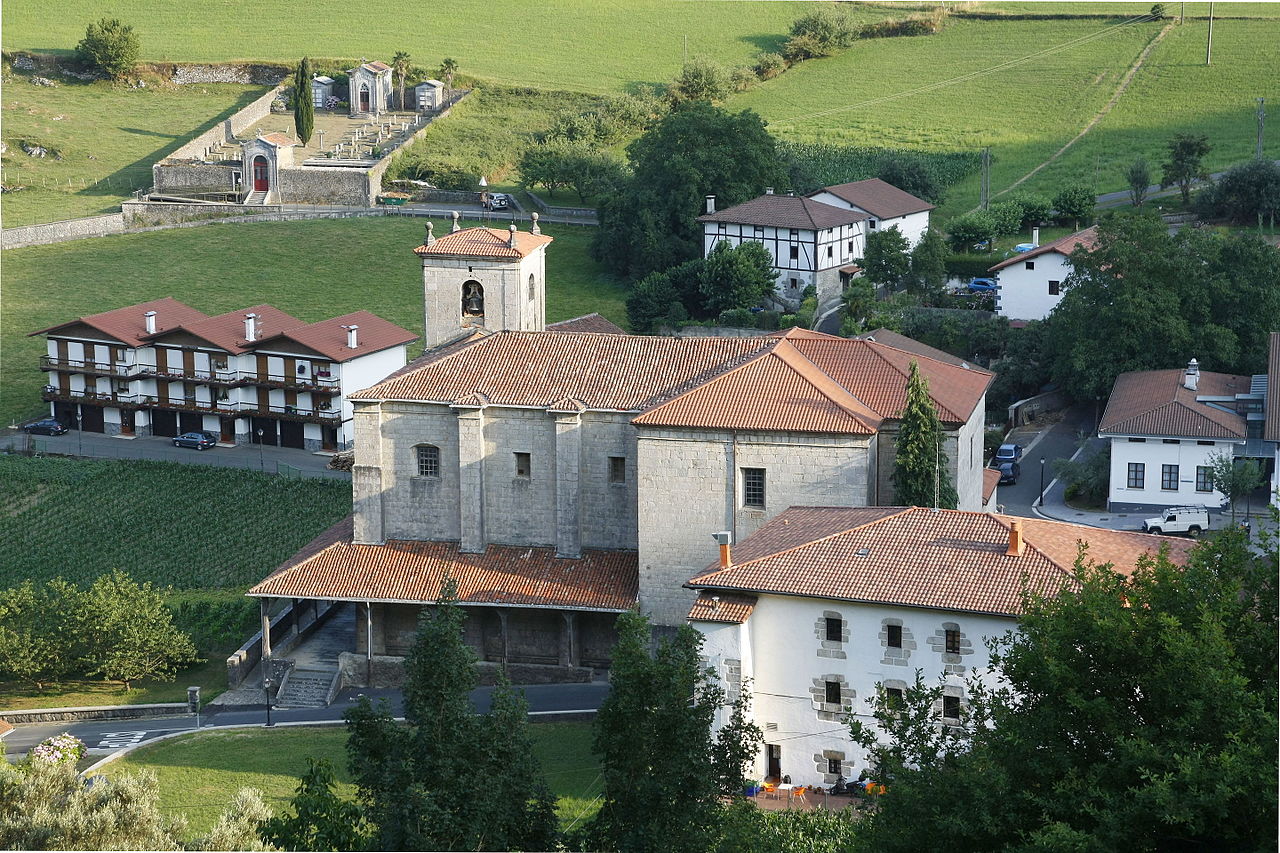
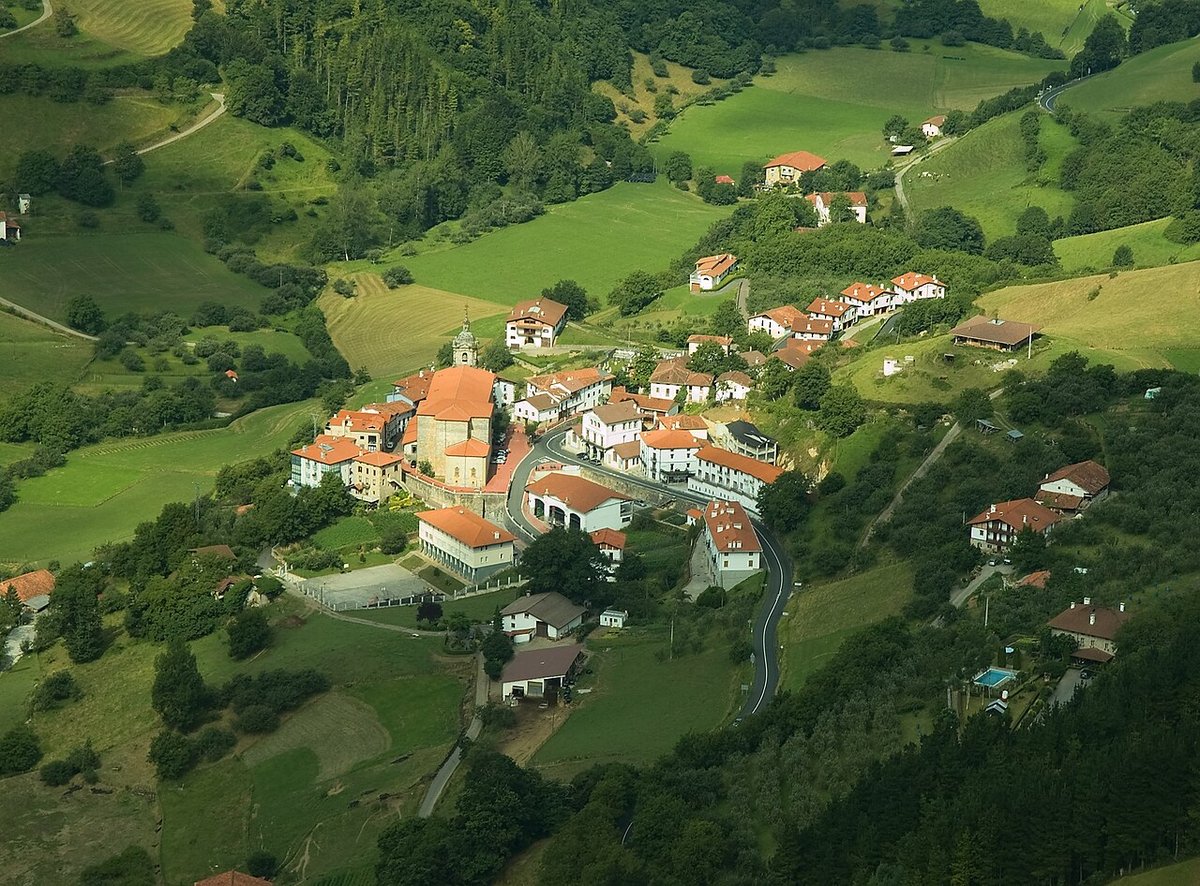
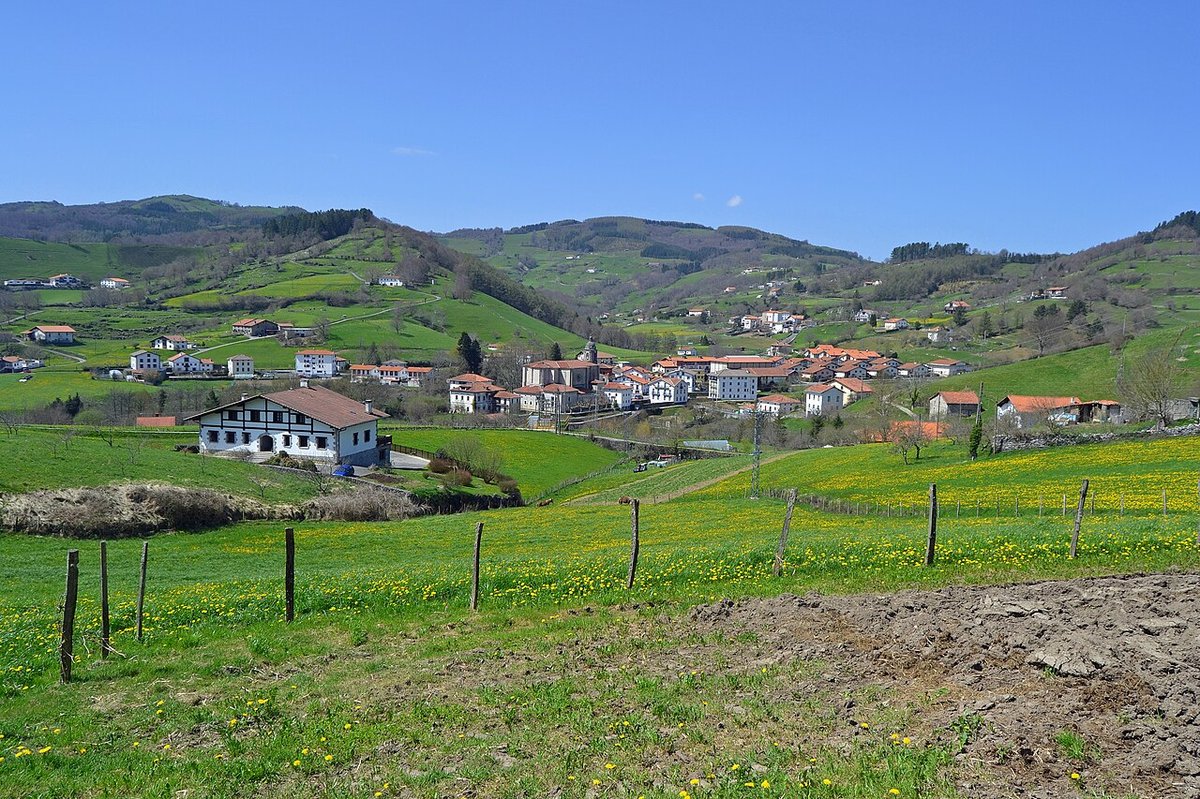
The lane narrows to a single car’s width, stone walls pressing in on both sides. A tractor appears round the bend, its driver lifting two fingers from the wheel in greeting while you reverse twenty metres to the nearest passing place. Welcome to Bidania-Goiatz, a parish that functions more like a scatter of working farms than any tidy village square. Population 538, territory 23 km²—do the maths and you realise human neighbours are outnumbered by timber-and-stone caseríos, each one separated by hedged meadows that stay improbably green even in August.
This is inland Gipuzkoa, forty-five minutes south of San-Sebastián airport and a world away from the city’s pintxo bars. The road climbs gently from the Oria valley until the beech woods start; then the windscreen fills with a patchwork of pasture and forest that looks almost Devonian—except the roofs are terracotta and the gateposts carry Basque house names instead of English roses.
Why you won’t find a centre
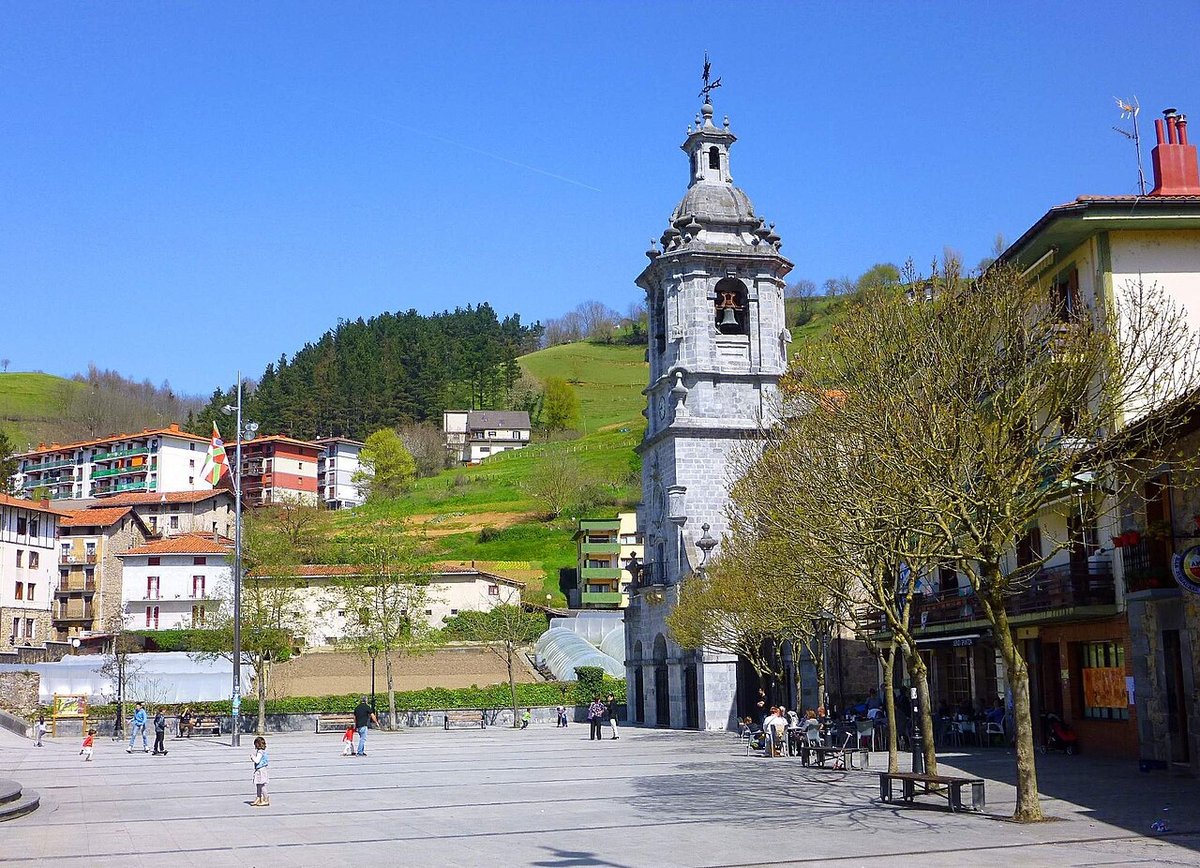
Bidania and Goiatz were separate hamlets until 1965; today their church squares sit one kilometre apart on the GI-2634, linked by a stretch of tarmac that locals still call “the road between”. There is no high street, no taxi rank, no souvenir shop. What passes for civic life happens in the two bars—one beside each church—and both shut by 21:00 unless there’s a funeral or a harvest supper. Plan accordingly: if you need cash, a loaf or a litre of milk after eight o’clock, you’re driving to Tolosa, 19 km north.
The upside is silence. Walk five minutes up any farm track and the only sound is cowbells and the click of your own boots. The tracks loop through meadows at 300–500 m above sea level, steep enough to make the calves complain but never alpine. Waymarking is sporadic; the council has nailed up green-and-white metal discs where two paths meet, yet many crossings remain unsigned. A phone with offline maps—or the willingness to ask directions in Spanish or Basque—saves a lot of back-tracking.
What the brochures leave out
English-language sites gush about a “hidden gem” and recommend the 19-room Hotel Iriarte Jauregia, a 1650s palace turned design hotel on the edge of Goiatz. They rarely mention that it is the only place to sleep within the parish boundary, or that dinner in its Bistro IJH costs €45 for three courses plus wine. The cooking is perfectly good—local beef with Rioja reduction, hake in txakoli foam—but it is labelled “Basque-fusion” rather than grandmother fare, aimed at corporate retreats and anniversary weekends. If you’re on a tighter budget, base yourself in Tolosa or Zumarraga and day-trip in.
Rain is the other omission. Atlantic weather systems hit the Basque hills first; even May can deliver a steady 1–4 mm a day. The meadows drain well, but the farm tracks turn slick as soap. Pack shoes with tread and a proper waterproof, not a festival pac-a-mac. When the cloud drops, visibility can fall to 50 m; in winter the same moisture freezes, glazing the lanes until tractors crawl in low gear.
A walk that explains the place
Start at the church of San Martín de Bidania (small, locked unless the sacristan is around). Facing the portico, take the concrete lane signed “Amezketa 6 km”. After 400 m the surface ends; continue through two gates—leave them as you find them—and climb into beech wood. Ten minutes later the track crests a shoulder at 550 m. From here you look south over a chessboard of paddocks, each one centred on its caserío, chimneys breathing wood-smoke even in September. There is no village cluster, just this dispersed architecture that feels closer to rural Norway than to Andalucía.
Turn left on the grassy ridge; wooden posts marked “PR-Gi 120” guide you to the top of Txoritokieta (712 m), a rounded summit with a concrete trig pillar. The whole walk is 7 km out-and-back, two hours at British rambling speed, and you will meet more grazing horses than people. On clear days the Pyrenees float on the southern horizon; when the fog rolls in, the beech trunks emerge like ship masts and the adventure feels altogether wilder.
Seasons, wheels and closing times
Spring brings luminous green and orchids along the lane verges; autumn sets the beeches on fire and the air smells of leaf mould and barn smoke. Both seasons are ideal for walking or cycling—if you enjoy climbing. The loop from Bidania up to Amezketa and down via Errezil packs 550 m of ascent into 22 km, narrow tarmac all the way and two 1920s single-lane bridges where someone has to reverse. Mountain-bike gearing essential; road bikes stay at home.
Winter is greyer, occasionally snowy, and very quiet. The hotel drops its rates by 30 % between December and February, but check the forecast: the GI-3860 from Tolosa is treated with grit, yet the final kilometre to Goiatz can still be a white ribbon between stone walls. Summer is warm—24 °C at midday—but humidity is high and the meadows are cut for hay, so views shorten and pollen flies. July and August suit drivers more than walkers; come then if your plan is to tour cider houses in nearby Astigarraga rather than stride the ridges.
How to do it without a car
Public transport barely exists. The last Lurraldebus from San-Sebastián leaves at 19:15 and drops you beside Goiatz church at 20:22; nothing returns before 07:30 next morning. Taxis from the airport cost €90–€110 pre-booked. In short, hire a small car at the airport, allow forty-five minutes on winding but well-surfaced roads, and fill the tank in Tolosa—Bidania’s single fuel pump closed in 2018.
One hour, half a day, or longer
With sixty minutes to spare, park considerately beside Bidania church, follow the farm lane east for 30 minutes until the hay meadows open out, then turn back. You will have seen the essence: caseríos, beech wood, green silence.
Give it half a day and you can add the Txoritokieta ridge, coffee in Goiatz square (the bar serves decent café con leche for €1.60), and a drive along the GI-2634 to Errezil for comparison—another parish of scattered farms where the verges are lined with cider-apple trees.
Stay overnight if you crave darkness so complete you can read by starlight, or if a gourmet dinner in a baronial hall appeals. Check-out is 12:00, which leaves time for a lazy breakfast—yes, €19.50, but the buffet includes txistorra sausage, Idiazabal cheese and unlimited filter coffee strong enough to wake the ghosts of the palace.
Parting shot
Bidania-Goiatz will never tick the classic tourism boxes. There is no beach, no medieval quarter, no Saturday craft market. What it offers is a lesson in how the Basques have organised countryside for centuries: one house, one family, one plot, repeated across folds of hill until the land runs out. Come curious, come shod for mud, and come with a full tank. The reward is an afternoon when the only traffic jam is a farmer moving his cows from meadow to milking shed, and the loudest noise is your own breathing as you climb above it all.